

#ecdsa
ecdsa
2,244 views
8 Discussing
Hot
Latest

Article
See translation
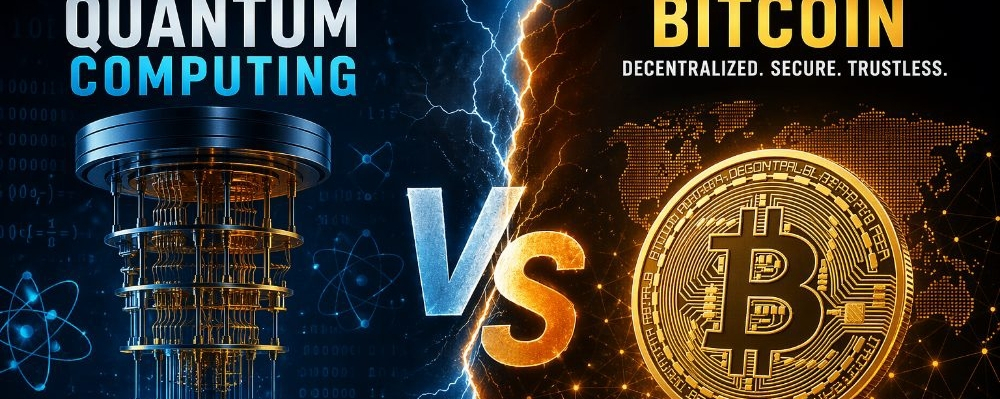
Quantum Computing Could Reshape Crypto Security 🔐Quantum computing is one of the long-term challenges facing modern digital assets, including Bitcoin.
Bitcoin currently relies on cryptographic signatures such as ECDSA. A sufficiently powerful, fault-tolerant quantum computer could potentially use Shor’s algorithm to break elliptic-curve cryptography much faster than classical computers.
But there’s an important point: today’s quantum computers are not yet capable of breaking Bitcoin’s cryptography. The threat is considered a future risk, which is why researchers are already working on Post-Quantum Cryptography (PQC) .
⚙️ The Real Challenge: Performance
Quantum-resistant cryptography can require larger keys, signatures, or significantly more computation than traditional systems.
For blockchains, the goal is not simply to become quantum-resistant. The solution must also remain:
✅ Secure
✅ Scalable
✅ Fast
✅ Cost-efficient
Where AI Could Help
AI can assist developers and researchers by optimizing code, identifying computational bottlenecks, and exploring more efficient implementations of complex cryptographic systems.
However, AI itself is not a quantum-resistant security layer. Its potential role is helping engineers build and optimize the technologies that could protect blockchain networks in a post-quantum era.
🔮 What Comes Next?
The race toward quantum-resistant blockchain infrastructure has already begun.
Future upgrades could involve post-quantum signatures, new cryptographic schemes, optimized zero-knowledge systems, and Layer-2 solutions designed to maintain security without sacrificing scalability.
Bitcoin’s quantum challenge may still be years away — but preparing before the threat becomes practical could be one of the most important security upgrades for the crypto industry. 🚀
#Bitcoinsecurity #QuantumComputing #PostQuantumCryptography #ECDSA #Cryptography
Quantum Computing Could Reshape Crypto Security 🔐
Quantum computing is one of the long-term challenges facing modern digital assets, including Bitcoin.
Bitcoin currently relies on cryptographic signatures such as ECDSA. A sufficiently powerful, fault-tolerant quantum computer could potentially use Shor’s algorithm to break elliptic-curve cryptography much faster than classical computers.
But there’s an important point: today’s quantum computers are not yet capable of breaking Bitcoin’s cryptography. The threat is considered a future risk, which is why researchers are already working on Post-Quantum Cryptography (PQC) .
⚙️ The Real Challenge: Performance
Quantum-resistant cryptography can require larger keys, signatures, or significantly more computation than traditional systems.
For blockchains, the goal is not simply to become quantum-resistant. The solution must also remain:
✅ Secure
✅ Scalable
✅ Fast
✅ Cost-efficient
Where AI Could Help
AI can assist developers and researchers by optimizing code, identifying computational bottlenecks, and exploring more efficient implementations of complex cryptographic systems.
However, AI itself is not a quantum-resistant security layer. Its potential role is helping engineers build and optimize the technologies that could protect blockchain networks in a post-quantum era.
🔮 What Comes Next?
The race toward quantum-resistant blockchain infrastructure has already begun.
Future upgrades could involve post-quantum signatures, new cryptographic schemes, optimized zero-knowledge systems, and Layer-2 solutions designed to maintain security without sacrificing scalability.
Bitcoin’s quantum challenge may still be years away — but preparing before the threat becomes practical could be one of the most important security upgrades for the crypto industry. 🚀
#Bitcoinsecurity #QuantumComputing #PostQuantumCryptography #ECDSA #Cryptography
Bitcoin currently relies on cryptographic signatures such as ECDSA. A sufficiently powerful, fault-tolerant quantum computer could potentially use Shor’s algorithm to break elliptic-curve cryptography much faster than classical computers.
But there’s an important point: today’s quantum computers are not yet capable of breaking Bitcoin’s cryptography. The threat is considered a future risk, which is why researchers are already working on Post-Quantum Cryptography (PQC) .
⚙️ The Real Challenge: Performance
Quantum-resistant cryptography can require larger keys, signatures, or significantly more computation than traditional systems.
For blockchains, the goal is not simply to become quantum-resistant. The solution must also remain:
✅ Secure
✅ Scalable
✅ Fast
✅ Cost-efficient
Where AI Could Help
AI can assist developers and researchers by optimizing code, identifying computational bottlenecks, and exploring more efficient implementations of complex cryptographic systems.
However, AI itself is not a quantum-resistant security layer. Its potential role is helping engineers build and optimize the technologies that could protect blockchain networks in a post-quantum era.
🔮 What Comes Next?
The race toward quantum-resistant blockchain infrastructure has already begun.
Future upgrades could involve post-quantum signatures, new cryptographic schemes, optimized zero-knowledge systems, and Layer-2 solutions designed to maintain security without sacrificing scalability.
Bitcoin’s quantum challenge may still be years away — but preparing before the threat becomes practical could be one of the most important security upgrades for the crypto industry. 🚀
#Bitcoinsecurity #QuantumComputing #PostQuantumCryptography #ECDSA #Cryptography
323

·
--
Article
See translation
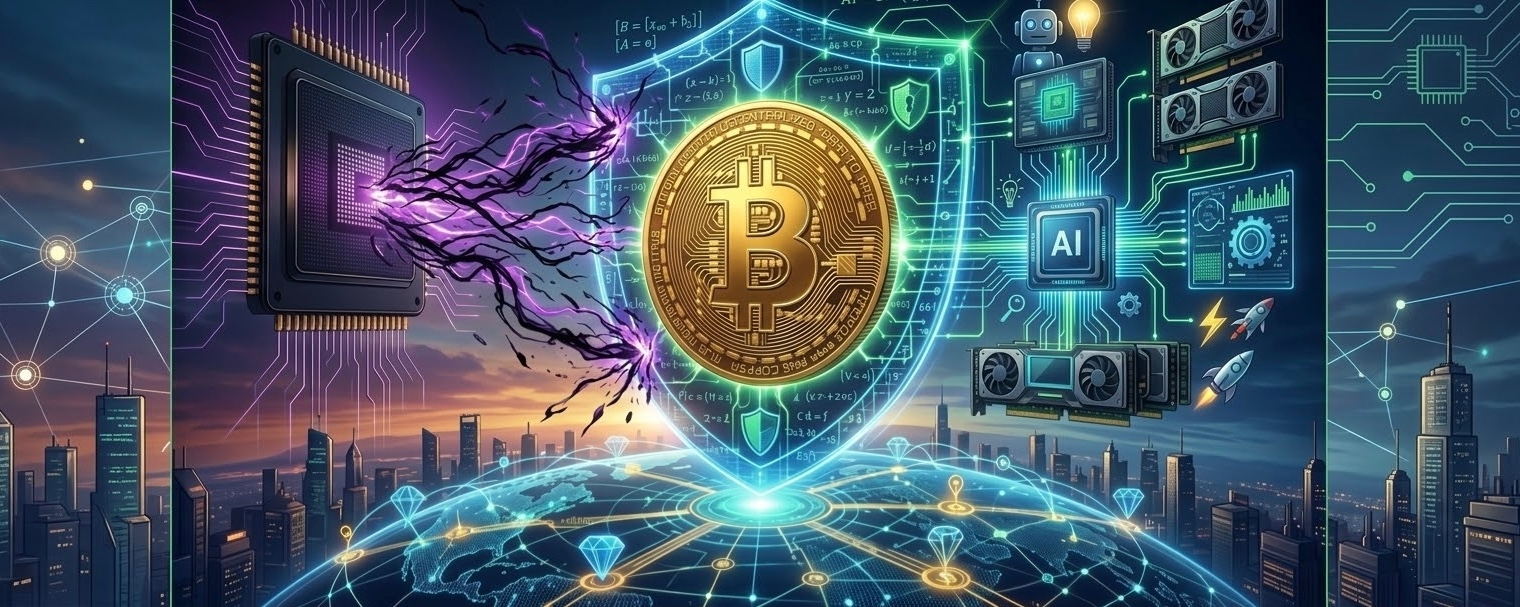
𝐀𝐈 𝐚𝐧𝐝 𝐭𝐡𝐞 𝐐𝐮𝐚𝐧𝐭𝐮𝐦 𝐋𝐞𝐚𝐩: Securing the Future of Bitcoin 🪙⚡The rapid advancement of quantum computing poses one of the most significant theoretical threats to modern digital assets, particularly for decentralized networks like Bitcoin 🔐. Traditional public-key encryption algorithms, such as 𝐄𝐂𝐃𝐒𝐀, rely on mathematical problems that could eventually be solved in seconds by high-powered quantum processors. To safeguard the future of global digital wealth, cryptographers and blockchain developers are actively designing 𝐏𝐨𝐬𝐭-𝐐𝐮𝐚𝐧𝐭𝐮𝐦 𝐂𝐫𝐲𝐩𝐭𝐨𝐠𝐫𝐚𝐩𝐡𝐲 (𝐏𝐐𝐂) solutions, with zero-knowledge proof technologies—specifically 𝐒𝐓𝐀𝐑𝐊𝐬—leading the charge as the most resilient defensive layer 🛡️.
𝐓𝐡𝐞 𝐂𝐨𝐦𝐩𝐮𝐭𝐚𝐭𝐢𝐨𝐧𝐚𝐥 𝐂𝐡𝐚𝐥𝐥𝐞𝐧𝐠𝐞 𝐨𝐟 𝐐𝐮𝐚𝐧𝐭𝐮𝐦 𝐑𝐞𝐬𝐢𝐬𝐭𝐚𝐧𝐜𝐞 🖥️ ⚙️
While quantum-safe cryptographic algorithms offer unbreakable protection, their primary adoption obstacle has always been sheer computational weight. Generating post-quantum signatures and zero-knowledge proofs requires massive processing power from high-end GPU arrays, making full-scale implementation on layer-1 networks exceptionally costly and slow 📉. Scaling these security measures globally requires radical optimizations in hardware efficiency, code parallelization, and algorithm architecture to ensure that advanced protection remains fast, scalable, and economically viable for everyday transactions 🌐.
𝐀𝐫𝐭𝐢𝐟𝐢𝐜𝐢𝐚𝐥 𝐈𝐧𝐭𝐞𝐥𝐥𝐢𝐠𝐞𝐧𝐜𝐞 𝐚𝐬 𝐚 𝐂𝐫𝐲𝐩𝐭𝐨𝐠𝐫𝐚𝐩𝐡𝐢𝐜 𝐀𝐜𝐜𝐞𝐥𝐞𝐫𝐚𝐭𝐨𝐫 🤖💡
This is where Artificial Intelligence fundamentally transforms the paradigm. AI models are no longer passive observer tools; they are now actively collaborating with researchers to re-engineer complex mathematical algorithms and streamline GPU workload execution ⚡. By utilizing AI to identify code bottlenecks and refactor cryptographic proofs, developers have recently achieved unprecedented breakthroughs in reducing the computing overhead required for quantum-resistant verification. This synergy between AI and Web3 demonstrates that cutting-edge AI isn't just a separate technology trend, but an essential engine for fortifying next-generation financial infrastructure 🚀.
𝐓𝐡𝐞 𝐑𝐨𝐚𝐝 𝐀𝐡𝐞𝐚𝐝 𝐟𝐨𝐫 𝐏𝐨𝐬𝐭-𝐐𝐮𝐚𝐧𝐭𝐮𝐦 𝐁𝐥𝐨𝐜𝐤𝐜𝐡𝐚𝐢𝐧 🔮🌐
As quantum threat horizons approach, the combination of advanced cryptography and AI-driven optimization will define the safety standards of digital ownership. Reducing the resource cost of post-quantum proofs allows privacy-preserving protocols, Layer-2 scaling networks, and base-chain security to deploy robust protection without compromising transaction speed or energy efficiency 💎.
The race against quantum computing is no longer just a theoretical debate, but a practical engineering milestone that is actively being solved through intelligent automation and cryptographic innovation 🌟.
#BitcoinSecurity
#QuantumComputing
#ECDSA
#Cryptography
#Web3Tech .
𝐀𝐈 𝐚𝐧𝐝 𝐭𝐡𝐞 𝐐𝐮𝐚𝐧𝐭𝐮𝐦 𝐋𝐞𝐚𝐩: Securing the Future of Bitcoin 🪙⚡
The rapid advancement of quantum computing poses one of the most significant theoretical threats to modern digital assets, particularly for decentralized networks like Bitcoin 🔐. Traditional public-key encryption algorithms, such as 𝐄𝐂𝐃𝐒𝐀, rely on mathematical problems that could eventually be solved in seconds by high-powered quantum processors. To safeguard the future of global digital wealth, cryptographers and blockchain developers are actively designing 𝐏𝐨𝐬𝐭-𝐐𝐮𝐚𝐧𝐭𝐮𝐦 𝐂𝐫𝐲𝐩𝐭𝐨𝐠𝐫𝐚𝐩𝐡𝐲 (𝐏𝐐𝐂) solutions, with zero-knowledge proof technologies—specifically 𝐒𝐓𝐀𝐑𝐊𝐬—leading the charge as the most resilient defensive layer 🛡️.
𝐓𝐡𝐞 𝐂𝐨𝐦𝐩𝐮𝐭𝐚𝐭𝐢𝐨𝐧𝐚𝐥 𝐂𝐡𝐚𝐥𝐥𝐞𝐧𝐠𝐞 𝐨𝐟 𝐐𝐮𝐚𝐧𝐭𝐮𝐦 𝐑𝐞𝐬𝐢𝐬𝐭𝐚𝐧𝐜𝐞 🖥️ ⚙️
While quantum-safe cryptographic algorithms offer unbreakable protection, their primary adoption obstacle has always been sheer computational weight. Generating post-quantum signatures and zero-knowledge proofs requires massive processing power from high-end GPU arrays, making full-scale implementation on layer-1 networks exceptionally costly and slow 📉. Scaling these security measures globally requires radical optimizations in hardware efficiency, code parallelization, and algorithm architecture to ensure that advanced protection remains fast, scalable, and economically viable for everyday transactions 🌐.
𝐀𝐫𝐭𝐢𝐟𝐢𝐜𝐢𝐚𝐥 𝐈𝐧𝐭𝐞𝐥𝐥𝐢𝐠𝐞𝐧𝐜𝐞 𝐚𝐬 𝐚 𝐂𝐫𝐲𝐩𝐭𝐨𝐠𝐫𝐚𝐩𝐡𝐢𝐜 𝐀𝐜𝐜𝐞𝐥𝐞𝐫𝐚𝐭𝐨𝐫 🤖💡
This is where Artificial Intelligence fundamentally transforms the paradigm. AI models are no longer passive observer tools; they are now actively collaborating with researchers to re-engineer complex mathematical algorithms and streamline GPU workload execution ⚡. By utilizing AI to identify code bottlenecks and refactor cryptographic proofs, developers have recently achieved unprecedented breakthroughs in reducing the computing overhead required for quantum-resistant verification. This synergy between AI and Web3 demonstrates that cutting-edge AI isn't just a separate technology trend, but an essential engine for fortifying next-generation financial infrastructure 🚀.
𝐓𝐡𝐞 𝐑𝐨𝐚𝐝 𝐀𝐡𝐞𝐚𝐝 𝐟𝐨𝐫 𝐏𝐨𝐬𝐭-𝐐𝐮𝐚𝐧𝐭𝐮𝐦 𝐁𝐥𝐨𝐜𝐤𝐜𝐡𝐚𝐢𝐧 🔮🌐
As quantum threat horizons approach, the combination of advanced cryptography and AI-driven optimization will define the safety standards of digital ownership. Reducing the resource cost of post-quantum proofs allows privacy-preserving protocols, Layer-2 scaling networks, and base-chain security to deploy robust protection without compromising transaction speed or energy efficiency 💎.
The race against quantum computing is no longer just a theoretical debate, but a practical engineering milestone that is actively being solved through intelligent automation and cryptographic innovation 🌟.
#BitcoinSecurity
#QuantumComputing
#ECDSA
#Cryptography
#Web3Tech .
𝐓𝐡𝐞 𝐂𝐨𝐦𝐩𝐮𝐭𝐚𝐭𝐢𝐨𝐧𝐚𝐥 𝐂𝐡𝐚𝐥𝐥𝐞𝐧𝐠𝐞 𝐨𝐟 𝐐𝐮𝐚𝐧𝐭𝐮𝐦 𝐑𝐞𝐬𝐢𝐬𝐭𝐚𝐧𝐜𝐞 🖥️ ⚙️
While quantum-safe cryptographic algorithms offer unbreakable protection, their primary adoption obstacle has always been sheer computational weight. Generating post-quantum signatures and zero-knowledge proofs requires massive processing power from high-end GPU arrays, making full-scale implementation on layer-1 networks exceptionally costly and slow 📉. Scaling these security measures globally requires radical optimizations in hardware efficiency, code parallelization, and algorithm architecture to ensure that advanced protection remains fast, scalable, and economically viable for everyday transactions 🌐.
𝐀𝐫𝐭𝐢𝐟𝐢𝐜𝐢𝐚𝐥 𝐈𝐧𝐭𝐞𝐥𝐥𝐢𝐠𝐞𝐧𝐜𝐞 𝐚𝐬 𝐚 𝐂𝐫𝐲𝐩𝐭𝐨𝐠𝐫𝐚𝐩𝐡𝐢𝐜 𝐀𝐜𝐜𝐞𝐥𝐞𝐫𝐚𝐭𝐨𝐫 🤖💡
This is where Artificial Intelligence fundamentally transforms the paradigm. AI models are no longer passive observer tools; they are now actively collaborating with researchers to re-engineer complex mathematical algorithms and streamline GPU workload execution ⚡. By utilizing AI to identify code bottlenecks and refactor cryptographic proofs, developers have recently achieved unprecedented breakthroughs in reducing the computing overhead required for quantum-resistant verification. This synergy between AI and Web3 demonstrates that cutting-edge AI isn't just a separate technology trend, but an essential engine for fortifying next-generation financial infrastructure 🚀.
𝐓𝐡𝐞 𝐑𝐨𝐚𝐝 𝐀𝐡𝐞𝐚𝐝 𝐟𝐨𝐫 𝐏𝐨𝐬𝐭-𝐐𝐮𝐚𝐧𝐭𝐮𝐦 𝐁𝐥𝐨𝐜𝐤𝐜𝐡𝐚𝐢𝐧 🔮🌐
As quantum threat horizons approach, the combination of advanced cryptography and AI-driven optimization will define the safety standards of digital ownership. Reducing the resource cost of post-quantum proofs allows privacy-preserving protocols, Layer-2 scaling networks, and base-chain security to deploy robust protection without compromising transaction speed or energy efficiency 💎.
The race against quantum computing is no longer just a theoretical debate, but a practical engineering milestone that is actively being solved through intelligent automation and cryptographic innovation 🌟.
#BitcoinSecurity
#QuantumComputing
#ECDSA
#Cryptography
#Web3Tech .
3
1.1k
Log in to explore more content
Join global crypto users on Binance Square
⚡️ Get latest and useful information about crypto.
💬 Trusted by the world’s largest crypto exchange.
👍 Discover real insights from verified creators.
Email / Phone number
Trending Topics
1
#EarningsSeason
41,083 views
368 Discussing
2
#JapanFSABacksFourthStablecoinTradeSettlementPilot
161 views
30 Discussing
3
#BitgetHackerFailsToMoveStolenFunds
4,096 views
168 Discussing
4
#BitMineETHHoldingsTop6Million
7,154 views
332 Discussing
5
#StrategyAdds1666BTCHoldingsReach847666
6,640 views
255 Discussing
6
#NvidiaApproves$150BBuyback
2,898 views
58 Discussing
7
#OpenAIDelaysGPT6.1OverSafetyIssues
18,706 views
566 Discussing
8
#AMDToAcquireWorldLabsFor$8.2B
1,468 views
50 Discussing
9
#AnthropicIPOProspectusCouldValueItOver$2T
4,908 views
74 Discussing
10
#HackersDrainOver12.4MXRPFromDCENTWallets
34,626 views
657 Discussing