
#cryptodesign
cryptodesign
2,714 views
22 Discussing
Hot
Latest

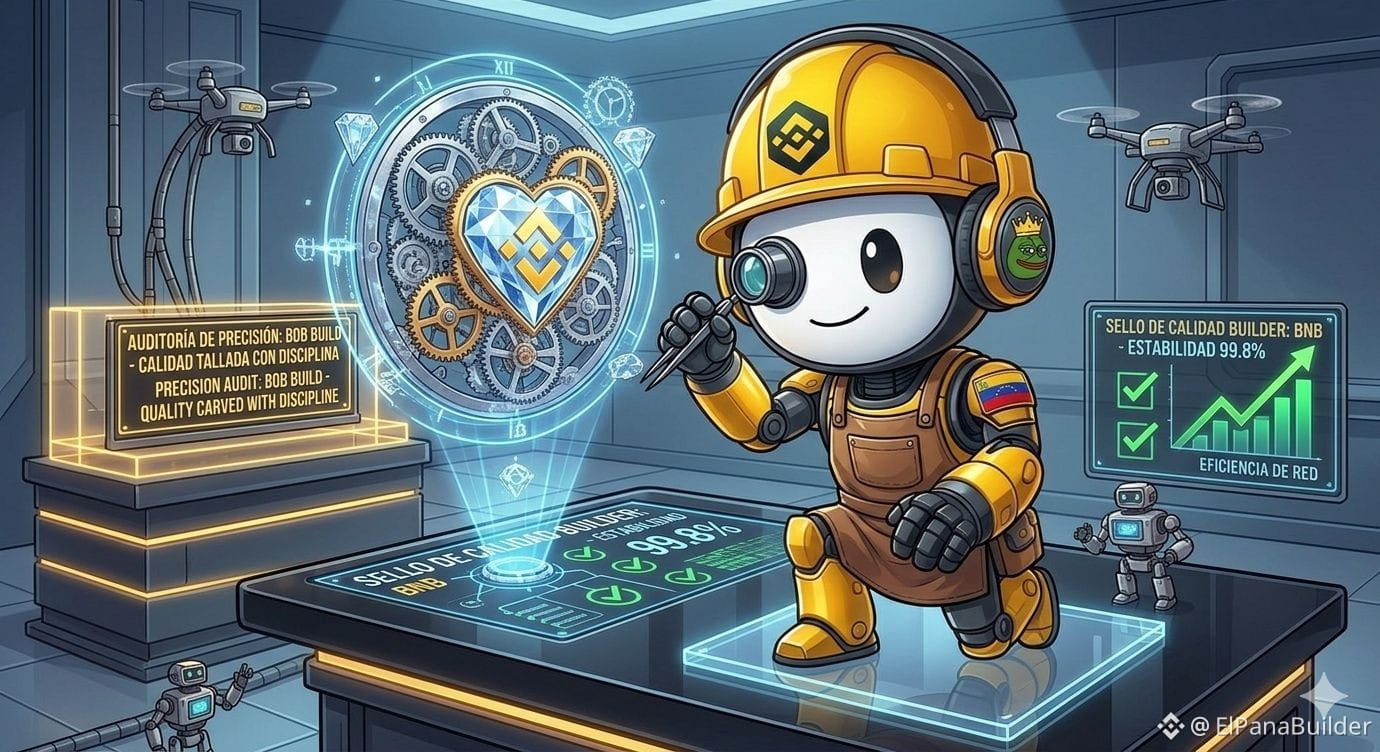
Does YOUR PORTFOLIO have the quality of a diamond, or are there loose threads in its design? 🤖💎
Many in the $BNB Chain ecosystem are waiting for luck to bring them results, not realizing that true profitability is crafted with high-end precision.
In the work of ElPanaBuilder, discipline is the golden thread that binds every decision. We've already checked the foundations and approved the network structure; now we're auditing the design quality. Either you have your engineering blueprint aligned with the Builder quality stamp, or you're dressing your portfolio with cheap knockoffs that unravel at the first market correction.
The question isn't where the market wind blows, but whether you have the design structure to shine with industrial discipline.
Does your strategy have the perfect cut for success, or do you have cracks to hide? I’m listening below.
⚠️ WARNING: This content is educational and does not constitute financial advice. Do your own research (DYOR) before investing.
#BOBBuildOnBNB #bnb #ElPanaBuilder #CryptoDesign #BinanceSquare
Many in the $BNB Chain ecosystem are waiting for luck to bring them results, not realizing that true profitability is crafted with high-end precision.
In the work of ElPanaBuilder, discipline is the golden thread that binds every decision. We've already checked the foundations and approved the network structure; now we're auditing the design quality. Either you have your engineering blueprint aligned with the Builder quality stamp, or you're dressing your portfolio with cheap knockoffs that unravel at the first market correction.
The question isn't where the market wind blows, but whether you have the design structure to shine with industrial discipline.
Does your strategy have the perfect cut for success, or do you have cracks to hide? I’m listening below.
⚠️ WARNING: This content is educational and does not constitute financial advice. Do your own research (DYOR) before investing.
#BOBBuildOnBNB #bnb #ElPanaBuilder #CryptoDesign #BinanceSquare

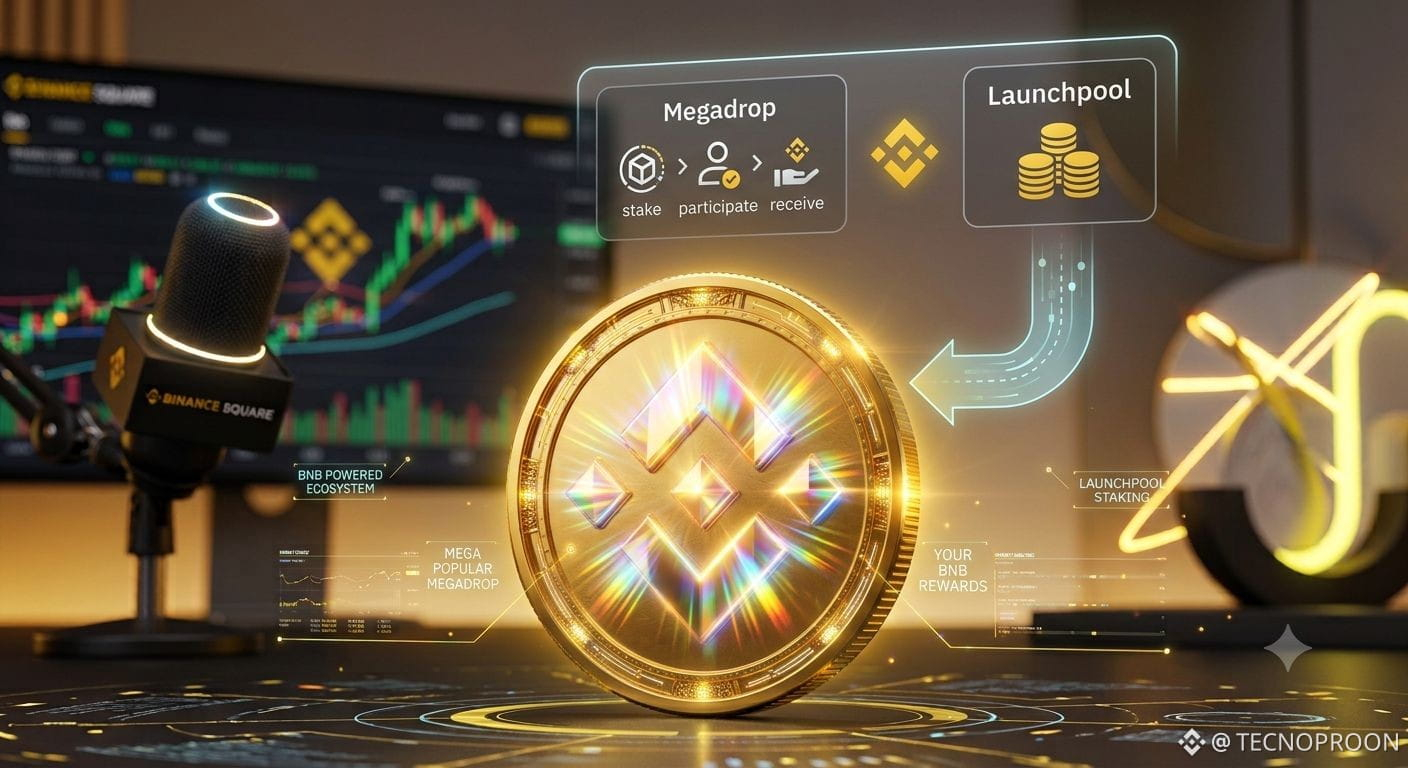
💡 Why is token $BNB always represented as a 3D gold coin?
Almost nobody notices it, but the way you see $BNB in the platform’s charts and banners isn’t accidental. Behind that famous shiny gold coin there’s a direct visual and psychological strategy:
🥇 The “Digital Gold Effect”: The golden metallic finish works as a psychological anchor, associating the token with the store of value and the prestige of physical gold.
👁️ Optimized for Dark Mode: A 3D render with a metallic glow creates the perfect contrast against the dark background of the feed, making the image stand out as you scroll.
🧠 Instant recognition: Standardizing the 3D icon lets your brain identify the asset in milliseconds, reinforcing the brand with every post.
A subtle visual detail, but key in Web3 marketing. 🚀
Had you noticed this visual detail, or did you just find out like I did? I’m reading your comments! 👇 why, really, really I found out about some things that naaaa
#BNB #BinanceSquare #Web3 #CryptoDesign
Almost nobody notices it, but the way you see $BNB in the platform’s charts and banners isn’t accidental. Behind that famous shiny gold coin there’s a direct visual and psychological strategy:
🥇 The “Digital Gold Effect”: The golden metallic finish works as a psychological anchor, associating the token with the store of value and the prestige of physical gold.
👁️ Optimized for Dark Mode: A 3D render with a metallic glow creates the perfect contrast against the dark background of the feed, making the image stand out as you scroll.
🧠 Instant recognition: Standardizing the 3D icon lets your brain identify the asset in milliseconds, reinforcing the brand with every post.
A subtle visual detail, but key in Web3 marketing. 🚀
Had you noticed this visual detail, or did you just find out like I did? I’m reading your comments! 👇 why, really, really I found out about some things that naaaa
#BNB #BinanceSquare #Web3 #CryptoDesign


See translation
What $WCT represents:
• Decentralized governance
• Community staking
• On-chain utility
• Transparent rewards
• Real protocol demand
This is how Web3 should look.
@WalletConnect
#wct #CryptoDesign #Web3DoneRight
• Decentralized governance
• Community staking
• On-chain utility
• Transparent rewards
• Real protocol demand
This is how Web3 should look.
@WalletConnect
#wct #CryptoDesign #Web3DoneRight
My Spot Portfolio
102 / 300
Minimum 10USDT
7D PNL
-1.02
USDT
7D ROI
-0.17%
AUM
$12092.87
Win Rate
29.40%
See translation
Exploring the potential of $GENIUS today! 🚀 As the digital landscape evolves, projects like @GeniusOfficial are bringing fresh innovation to the ecosystem. I'm closely following the developments and the #genius community's growth. High-quality original content and strong community support are the keys to success in this space. Let's see how far we can go! 🌐💎 #genius #BinanceSquare #CryptoDesign
Log in to explore more content