
币圈牛大帅
8 Posts

币圈牛大帅
Report
Block User
Open Trade
Frequent Trader
4.7 Years
15 Following
25 Followers
2 Liked
Posts
Portfolio
·
--
Article
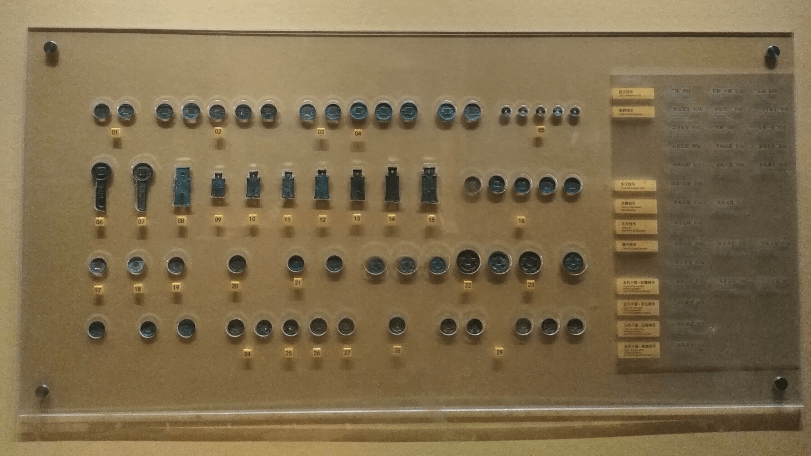
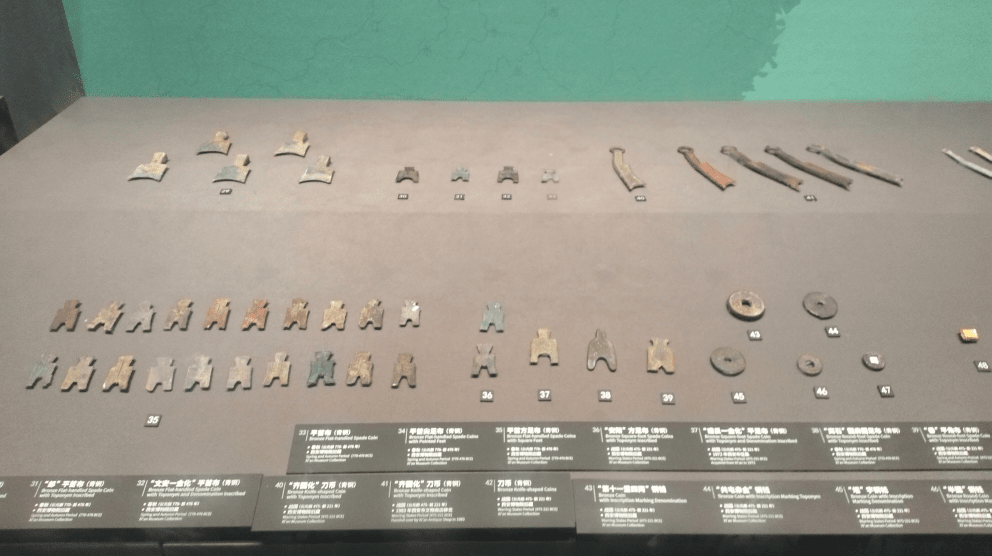
The Development History of Human Currency: From Seashells to Digital CurrencyThe history of human currency is a rich and diverse tapestry, with forms of currency evolving from seashells to gold and silver, paper money, and digital currencies across different eras and cultures. This history is marked by societal, economic, and technological shifts. Below, we will provide an overview of the development history of human currency.1. Seashell Currency:The history of human currency can be traced back to approximately 10,000 years ago when the earliest forms of currency were seashells, bones, and other precious items. These items were used for exchange in ancient societies and were considered to have intrinsic value.2. Gold and Silver Currency:Gold and silver were widely used as currency in ancient times. Civilizations like Ancient Egypt and Ancient Greece minted gold and silver coins, which became the medium for trade and exchange. The value of these coins was determined by their quality and weight.3. Emergence of Paper Money:The use of paper money can be traced back to the Tang Dynasty in China. The earliest paper money was issued by merchants and governments for the convenience of trade. These paper notes gradually spread to other regions, becoming a more convenient form of currency for carrying and trading.4. Banks and Banknotes:The rise of banks further propelled the development of currency. Banks began issuing banknotes, representing the value of bank deposits and, to some extent, replacing the use of coins. This laid the foundation for the establishment of the financial system.5. Central Banks and National Currency:Nations started establishing central banks, institutions responsible for currency policy and issuance. National currencies became official legal tender, backed by the government, and widely accepted both domestically and internationally. This system became more common in the late 19th and early 20th centuries.6. Gold Standard and Bretton Woods System:The gold standard pegged currency to a specific quantity of gold, which was prevalent in the late 19th and early 20th centuries. Later, the Bretton Woods system was established, with the international monetary system pegged to the U.S. dollar and indirectly linked to gold.7. Modern Paper Money and Electronic Payments:Modern paper money became increasingly abstract, with the value on the bills representing trust and government backing. Simultaneously, the emergence of electronic payments and debit/credit cards allowed for more convenient transactions, reducing reliance on physical cash.8. Rise of Digital Currencies:In the early 21st century, the concept of digital currencies gained widespread attention. Bitcoin, as the first decentralized digital currency, was introduced in 2009. It utilized blockchain technology to enable secure and anonymous transactions. Bitcoin's success inspired the creation of other digital currencies like Ethereum, Litecoin, and more.9. Central Bank Digital Currencies (CBDCs):Some countries' central banks have started exploring the issuance of their own digital currencies, known as Central Bank Digital Currencies (CBDCs). CBDCs are government-backed digital forms of legal tender with broad legal status for payments and savings. They are expected to offer higher security and convenience while also raising concerns about privacy and monetary policy.10. Blockchain Technology and the Future:The future of digital currencies is uncertain, but blockchain technology's applications have extended far beyond digital currencies. Blockchain is being utilized in supply chain management, smart contracts, identity verification, and more. The future of currency and payment systems may become more intelligent and decentralized, reshaping our financial systems and daily lives.The history of human currency is an ever-evolving process influenced by technology, politics, and societal factors. From the earliest seashells to modern digital currencies, the evolution of currency forms reflects the continuous development and change in human society. With ongoing technological advancements, the forms and use of currency in the future will continue to evolve.
The Development History of Human Currency: From Seashells to Digital Currency
The history of human currency is a rich and diverse tapestry, with forms of currency evolving from seashells to gold and silver, paper money, and digital currencies across different eras and cultures. This history is marked by societal, economic, and technological shifts. Below, we will provide an overview of the development history of human currency.1. Seashell Currency:The history of human currency can be traced back to approximately 10,000 years ago when the earliest forms of currency were seashells, bones, and other precious items. These items were used for exchange in ancient societies and were considered to have intrinsic value.2. Gold and Silver Currency:Gold and silver were widely used as currency in ancient times. Civilizations like Ancient Egypt and Ancient Greece minted gold and silver coins, which became the medium for trade and exchange. The value of these coins was determined by their quality and weight.3. Emergence of Paper Money:The use of paper money can be traced back to the Tang Dynasty in China. The earliest paper money was issued by merchants and governments for the convenience of trade. These paper notes gradually spread to other regions, becoming a more convenient form of currency for carrying and trading.4. Banks and Banknotes:The rise of banks further propelled the development of currency. Banks began issuing banknotes, representing the value of bank deposits and, to some extent, replacing the use of coins. This laid the foundation for the establishment of the financial system.5. Central Banks and National Currency:Nations started establishing central banks, institutions responsible for currency policy and issuance. National currencies became official legal tender, backed by the government, and widely accepted both domestically and internationally. This system became more common in the late 19th and early 20th centuries.6. Gold Standard and Bretton Woods System:The gold standard pegged currency to a specific quantity of gold, which was prevalent in the late 19th and early 20th centuries. Later, the Bretton Woods system was established, with the international monetary system pegged to the U.S. dollar and indirectly linked to gold.7. Modern Paper Money and Electronic Payments:Modern paper money became increasingly abstract, with the value on the bills representing trust and government backing. Simultaneously, the emergence of electronic payments and debit/credit cards allowed for more convenient transactions, reducing reliance on physical cash.8. Rise of Digital Currencies:In the early 21st century, the concept of digital currencies gained widespread attention. Bitcoin, as the first decentralized digital currency, was introduced in 2009. It utilized blockchain technology to enable secure and anonymous transactions. Bitcoin's success inspired the creation of other digital currencies like Ethereum, Litecoin, and more.9. Central Bank Digital Currencies (CBDCs):Some countries' central banks have started exploring the issuance of their own digital currencies, known as Central Bank Digital Currencies (CBDCs). CBDCs are government-backed digital forms of legal tender with broad legal status for payments and savings. They are expected to offer higher security and convenience while also raising concerns about privacy and monetary policy.10. Blockchain Technology and the Future:The future of digital currencies is uncertain, but blockchain technology's applications have extended far beyond digital currencies. Blockchain is being utilized in supply chain management, smart contracts, identity verification, and more. The future of currency and payment systems may become more intelligent and decentralized, reshaping our financial systems and daily lives.The history of human currency is an ever-evolving process influenced by technology, politics, and societal factors. From the earliest seashells to modern digital currencies, the evolution of currency forms reflects the continuous development and change in human society. With ongoing technological advancements, the forms and use of currency in the future will continue to evolve.
5
·
--
Article
人类货币简史:从贝壳到数字货币人类货币的发展史是一部丰富多彩的历史,贝壳、金银、纸币、数字货币等形式的货币在不同时代和文化中出现和演化。这一历史充满了社会、经济和技术的变革,下面将概括人类货币的发展史。1. 贝壳货币:人类货币的历史可以追溯到大约1万年前,最早的货币形式是贝壳、骨头和其他珍贵物品。这些物品在古代社会中用于交换,被认为具有一定的价值。2. 金银货币:金银在古代被广泛用作货币。古埃及和古希腊等文明制造了金银硬币,它们成为了贸易和交换的媒介。这些金银硬币的价值由它们的质量和重量决定。3. 纸币的出现:纸币的使用可以追溯到中国唐代。最早的纸币是由商人和政府发行的,以方便贸易。这些纸币逐渐传播到其他地区,成为更方便携带和交易的货币形式。4. 银行和银行券:银行的兴起进一步推动了货币的发展。银行开始发行银行券,这些券代表了银行存款的价值,并在一定程度上代替了硬币的使用。这为金融体系的建立奠定了基础。5. 中央银行和国家货币:国家开始设立中央银行,这些机构负责货币政策和货币发行。国家货币成为官方的法定货币,它们由政府背书,并在国内外广泛接受。这种体系在19世纪末和20世纪初变得更加普遍。6. 金本位制和布雷顿森林体系:金本位制将货币与一定数量的黄金挂钩,这种制度在19世纪末和20世纪初盛行。后来,布雷顿森林体系建立,国际货币体系以美元作为主要储备货币,并与黄金挂钩。7. 现代纸币和电子支付:现代纸币逐渐变得越来越无形,纸币上的价值代表着信誉和政府的担保。同时,电子支付和银行卡的出现使人们更加便捷地进行交易,减少了对现金的依赖。8. 数字货币的崛起:21世纪初,数字货币的概念开始引起广泛关注。比特币作为第一个去中心化数字货币在2009年问世,它的独特性在于基于区块链技术,实现了安全和匿名的交易。比特币的成功激发了其他数字货币的创立,如以太坊、莱特币等。9. 中央银行数字货币(CBDC):一些国家的中央银行开始探索发行自己的数字货币,称为中央银行数字货币(CBDC)。CBDC是政府支持的数字形式的法定货币,具有广泛的法律地位,可以被用于支付和储蓄。CBDC有望提供更高的安全性和便捷性,同时也引发了对隐私和货币政策的担忧。10. 区块链技术和未来:数字货币的未来充满了不确定性,但区块链技术的应用已经远远超出了数字货币本身。区块链技术在供应链管理、智能合同、身份验证等领域都有广泛的应用。未来货币和支付系统可能会变得更加智能化和去中心化,从而改变我们的金融体系和日常生活。人类货币的发展史是一个不断演化的过程,受到技术、政治和社会因素的影响。从最早的贝壳到现代的数字货币,货币形式的演化反映了人类社会的不断发展和变革。随着科技的不断进步,未来货币的形式和使用也将继续发生变化。
人类货币简史:从贝壳到数字货币
人类货币的发展史是一部丰富多彩的历史,贝壳、金银、纸币、数字货币等形式的货币在不同时代和文化中出现和演化。这一历史充满了社会、经济和技术的变革,下面将概括人类货币的发展史。1. 贝壳货币:人类货币的历史可以追溯到大约1万年前,最早的货币形式是贝壳、骨头和其他珍贵物品。这些物品在古代社会中用于交换,被认为具有一定的价值。2. 金银货币:金银在古代被广泛用作货币。古埃及和古希腊等文明制造了金银硬币,它们成为了贸易和交换的媒介。这些金银硬币的价值由它们的质量和重量决定。3. 纸币的出现:纸币的使用可以追溯到中国唐代。最早的纸币是由商人和政府发行的,以方便贸易。这些纸币逐渐传播到其他地区,成为更方便携带和交易的货币形式。4. 银行和银行券:银行的兴起进一步推动了货币的发展。银行开始发行银行券,这些券代表了银行存款的价值,并在一定程度上代替了硬币的使用。这为金融体系的建立奠定了基础。5. 中央银行和国家货币:国家开始设立中央银行,这些机构负责货币政策和货币发行。国家货币成为官方的法定货币,它们由政府背书,并在国内外广泛接受。这种体系在19世纪末和20世纪初变得更加普遍。6. 金本位制和布雷顿森林体系:金本位制将货币与一定数量的黄金挂钩,这种制度在19世纪末和20世纪初盛行。后来,布雷顿森林体系建立,国际货币体系以美元作为主要储备货币,并与黄金挂钩。7. 现代纸币和电子支付:现代纸币逐渐变得越来越无形,纸币上的价值代表着信誉和政府的担保。同时,电子支付和银行卡的出现使人们更加便捷地进行交易,减少了对现金的依赖。8. 数字货币的崛起:21世纪初,数字货币的概念开始引起广泛关注。比特币作为第一个去中心化数字货币在2009年问世,它的独特性在于基于区块链技术,实现了安全和匿名的交易。比特币的成功激发了其他数字货币的创立,如以太坊、莱特币等。9. 中央银行数字货币(CBDC):一些国家的中央银行开始探索发行自己的数字货币,称为中央银行数字货币(CBDC)。CBDC是政府支持的数字形式的法定货币,具有广泛的法律地位,可以被用于支付和储蓄。CBDC有望提供更高的安全性和便捷性,同时也引发了对隐私和货币政策的担忧。10. 区块链技术和未来:数字货币的未来充满了不确定性,但区块链技术的应用已经远远超出了数字货币本身。区块链技术在供应链管理、智能合同、身份验证等领域都有广泛的应用。未来货币和支付系统可能会变得更加智能化和去中心化,从而改变我们的金融体系和日常生活。人类货币的发展史是一个不断演化的过程,受到技术、政治和社会因素的影响。从最早的贝壳到现代的数字货币,货币形式的演化反映了人类社会的不断发展和变革。随着科技的不断进步,未来货币的形式和使用也将继续发生变化。
6
·
--

Article
币圈牛市到来有何征兆?$BTC $ETH 币圈,一直以来都是一个充满波动和风险的市场,但在历史上,牛市往往是投资者们最期待的时刻。虽然市场无法预测,但有一些明显的征兆可能表明牛市即将到来。以下是一些币圈牛市到来的征兆,这些迹象基于历史数据和市场分析。1. 前期低迷期结束:牛市通常紧随在前期低迷期之后。历史上,币圈的牛市往往在市场经历一段时间的下跌后出现。投资者开始感到沮丧,但这也是市场底部的一种迹象。2. 比特币(Bitcoin)领头:比特币通常被认为是加密货币市场的风向标。当比特币价格出现显著上涨时,其他加密货币往往会跟随。比特币的强势表现可能预示着整个市场的复苏。3. 交易量增加:在牛市来临之际,市场的交易量通常会迅速增加。投资者开始积极参与交易,市场变得更加活跃。这是牛市即将到来的一个重要迹象。4. 媒体关注度提高:当媒体开始大量报道加密货币市场时,通常也是牛市即将到来的迹象。新闻媒体、社交媒体和财经节目开始关注加密货币,这会吸引更多的投资者进入市场。5. 初创项目融资活跃:在牛市期间,初创加密货币项目通常会更容易融资。投资者对风险更愿意承担,因此新项目的融资活动会增加,这也是一个牛市即将到来的迹象。6. 技术指标向好:市场的技术指标,如移动平均线和相对强度指标,开始显示积极的信号。这可能包括金叉(短期移动平均线上穿长期移动平均线)等技术指标。7. 机构投资者进入市场:大型机构投资者的涌入通常是牛市的一个关键因素。当机构投资者开始购买加密货币,市场往往会迅速升温。8. 社区活跃度增加:加密货币社区的活跃度也是一个重要迹象。社区成员开始更积极地参与讨论、开发和推广加密货币项目。需要注意的是,这些征兆并不是绝对的,市场仍然充满不确定性。投资者应该谨慎对待市场,进行充分的研究和尽职调查,而不是仅仅依赖于这些征兆来做出决策。牛市虽然有吸引力,但也伴随着高度风险,投资者需要制定明智的战略,分散风险,以保护自己的资产。总之,币圈牛市到来的征兆包括前期低迷期结束、比特币领头、交易量增加、媒体关注度提高、初创项目融资活跃、技术指标向好、机构投资者进入市场以及社区活跃度增加。然而,这些征兆应该与谨慎和充分的市场分析相结合,以做出明智的投资决策。币圈市场始终充满挑战,只有经过谨慎的考虑和策略的制定,投资者才能更好地应对市场波动。
币圈牛市到来有何征兆?
$BTC $ETH 币圈,一直以来都是一个充满波动和风险的市场,但在历史上,牛市往往是投资者们最期待的时刻。虽然市场无法预测,但有一些明显的征兆可能表明牛市即将到来。以下是一些币圈牛市到来的征兆,这些迹象基于历史数据和市场分析。1. 前期低迷期结束:牛市通常紧随在前期低迷期之后。历史上,币圈的牛市往往在市场经历一段时间的下跌后出现。投资者开始感到沮丧,但这也是市场底部的一种迹象。2. 比特币(Bitcoin)领头:比特币通常被认为是加密货币市场的风向标。当比特币价格出现显著上涨时,其他加密货币往往会跟随。比特币的强势表现可能预示着整个市场的复苏。3. 交易量增加:在牛市来临之际,市场的交易量通常会迅速增加。投资者开始积极参与交易,市场变得更加活跃。这是牛市即将到来的一个重要迹象。4. 媒体关注度提高:当媒体开始大量报道加密货币市场时,通常也是牛市即将到来的迹象。新闻媒体、社交媒体和财经节目开始关注加密货币,这会吸引更多的投资者进入市场。5. 初创项目融资活跃:在牛市期间,初创加密货币项目通常会更容易融资。投资者对风险更愿意承担,因此新项目的融资活动会增加,这也是一个牛市即将到来的迹象。6. 技术指标向好:市场的技术指标,如移动平均线和相对强度指标,开始显示积极的信号。这可能包括金叉(短期移动平均线上穿长期移动平均线)等技术指标。7. 机构投资者进入市场:大型机构投资者的涌入通常是牛市的一个关键因素。当机构投资者开始购买加密货币,市场往往会迅速升温。8. 社区活跃度增加:加密货币社区的活跃度也是一个重要迹象。社区成员开始更积极地参与讨论、开发和推广加密货币项目。需要注意的是,这些征兆并不是绝对的,市场仍然充满不确定性。投资者应该谨慎对待市场,进行充分的研究和尽职调查,而不是仅仅依赖于这些征兆来做出决策。牛市虽然有吸引力,但也伴随着高度风险,投资者需要制定明智的战略,分散风险,以保护自己的资产。总之,币圈牛市到来的征兆包括前期低迷期结束、比特币领头、交易量增加、媒体关注度提高、初创项目融资活跃、技术指标向好、机构投资者进入市场以及社区活跃度增加。然而,这些征兆应该与谨慎和充分的市场分析相结合,以做出明智的投资决策。币圈市场始终充满挑战,只有经过谨慎的考虑和策略的制定,投资者才能更好地应对市场波动。
1
10
Log in to explore more content
Join global crypto users on Binance Square
⚡️ Get latest and useful information about crypto.
💬 Trusted by the world’s largest crypto exchange.
👍 Discover real insights from verified creators.
Email / Phone number
Trending Topics
HKCompletesFirstHKDStablecoinUseCase
2,480 views
171 Discussing
#HKCompletesFirstHKDStablecoinUseCase
Hong Kong’s stablecoin story is starting to move from regulation into real-world use.
A regulated HKD stablecoin, HKDAP, has now been used in a digital money market fund transaction, allowing investors to subscribe for and redeem fund units through a licensed digital-asset platform. ChinaAMC (HK), Standard Chartered and OSL were involved in the transaction.
What caught my attention is that this is more than just another stablecoin announcement. It shows a practical connection between regulated digital money and tokenised financial products.
Hong Kong has been building its stablecoin framework since the Stablecoins Ordinance came into effect, and the HKMA issued its first two stablecoin licences in April 2026.
For me, the interesting part now is seeing whether these early use cases can develop into broader everyday financial applications.
I’m not assuming stablecoins will change everything overnight. This is still an early stage, and adoption will depend on regulation, liquidity, infrastructure and actual user demand.
#HKDStablecoin #HKDAP #Stablecoin #HongKong #Crypto #DigitalAssets #BinanceSquare
Zakria_Ahmad-f7888
·4 Likes
·237 views
VietnamPlansFirstCryptoLicensesIn2026
1,888 views
112 Discussing
BTCBreaks80K
198,370 views
3,244 Discussing