
Prof Denial
11.7k Posts

Prof Denial
 Square Verified+
Silent Moves. 👻 Loud Results. 🔥✨🔥
292 Following
35.3K+ Followers
29.8K+ Liked
Posts
All
Quotes
Live
PINNED

PINNED

Shaheen 69
·
--
Bullish🎁 A little red packet of Ethereum with a lot of RESPECT ❤️
This is my small gesture of love and gratitude to my amazing community, supporters, friends, and well-wishers. 🙏
May this ETH bring you happiness, prosperity, success, and good fortune. 🌟
Keep supporting, keep believing, and let’s grow together! 🚀
With love & respect — Shaheen69 ❤️
$ETH
This is my small gesture of love and gratitude to my amazing community, supporters, friends, and well-wishers. 🙏
May this ETH bring you happiness, prosperity, success, and good fortune. 🌟
Keep supporting, keep believing, and let’s grow together! 🚀
With love & respect — Shaheen69 ❤️
$ETH


Ahli Hidaya ya rabi ma he q
·
--
BullishRipple CLO Stuart Alderoty Calls on Senators to Meet Real Crypto Holders Ahead of CLARITY Act Vote
Ripple Chief Legal Officer Stuart Alderoty has taken a direct approach as the U.S. Senate prepares for a crucial procedural vote on the CLARITY Act. Alderoty is actively urging undecided and opposing senators to step away from corporate lobbyists and meet face-to-face with everyday cryptocurrency holders before casting their votes.
Key highlights surrounding the push include:
The Human Element: Alderoty emphasized that senators need to hear real stories from ordinary citizens who own digital assets rather than just listening to industry executives.
Massive Scale: Highlighting the weight of the community, Ripple pointed out that the U.S. currently has 67 million crypto holders, an ecosystem supporting 232,000 jobs, and a sector generating roughly $55 billion in economic activity.
The Legislative Hurdle: The upcoming Senate procedural vote faces a strict threshold requiring at least 60 votes to clear the way for formal debate, amid growing political scrutiny and ethical concerns raised by some lawmakers.
As the crypto industry pushes for a clear federal regulatory framework, this grassroots-focused appeal aims to remind lawmakers of the millions of everyday Americans directly impacted by digital asset policies.
#Ripple #XRP #CryptoRegulation #CLARITYAct #BinanceSquare #CryptoNews$XRP $USDC #dyor
Ripple Chief Legal Officer Stuart Alderoty has taken a direct approach as the U.S. Senate prepares for a crucial procedural vote on the CLARITY Act. Alderoty is actively urging undecided and opposing senators to step away from corporate lobbyists and meet face-to-face with everyday cryptocurrency holders before casting their votes.
Key highlights surrounding the push include:
The Human Element: Alderoty emphasized that senators need to hear real stories from ordinary citizens who own digital assets rather than just listening to industry executives.
Massive Scale: Highlighting the weight of the community, Ripple pointed out that the U.S. currently has 67 million crypto holders, an ecosystem supporting 232,000 jobs, and a sector generating roughly $55 billion in economic activity.
The Legislative Hurdle: The upcoming Senate procedural vote faces a strict threshold requiring at least 60 votes to clear the way for formal debate, amid growing political scrutiny and ethical concerns raised by some lawmakers.
As the crypto industry pushes for a clear federal regulatory framework, this grassroots-focused appeal aims to remind lawmakers of the millions of everyday Americans directly impacted by digital asset policies.
#Ripple #XRP #CryptoRegulation #CLARITYAct #BinanceSquare #CryptoNews$XRP $USDC #dyor


KING BRO 1
·
--
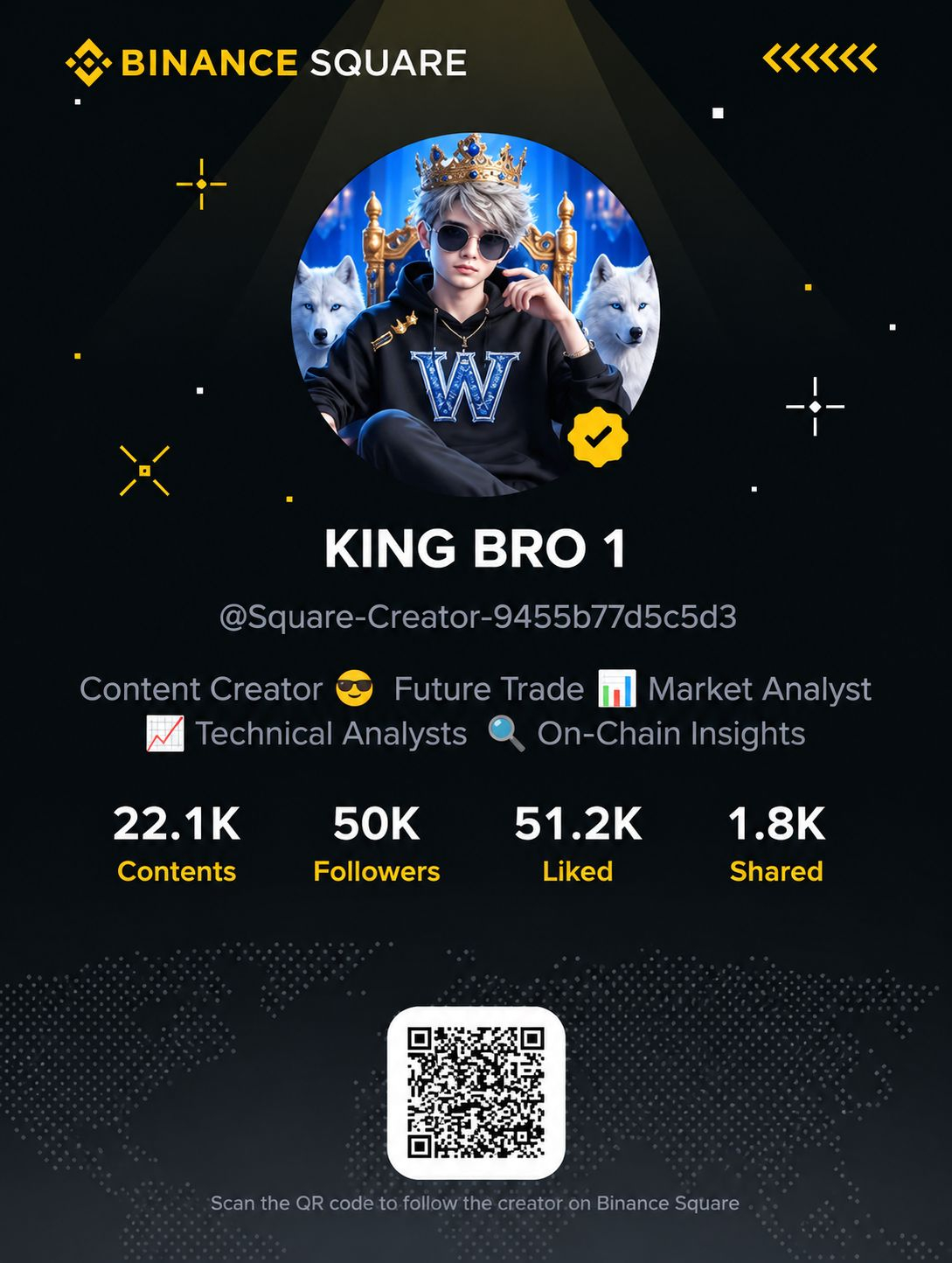
Bullish🎉 50,000 Followers on Binance Square! 🎉
Honestly, it feels unreal.
I still remember making my very first post on Binance Square. I had no idea if anyone would read it, react to it, or even care about what I had to say.
Today, we are a community of 50K amazing people. ❤️
And for me, this is much more than just a number.
It represents thousands of conversations, market discussions, shared ideas, lessons, support, and friendships built along the way.
To everyone who has followed me, liked my posts, shared my updates, dropped a comment, or simply stopped for a moment to read — THANK YOU. 🙏
And a special thank you to my friend @MAVERICK _7 ❤️
You stood by me, supported me, encouraged me, and believed in me along this journey. Having someone like you in my corner truly means a lot.
We’ve seen big opportunities.
We’ve faced crazy volatility.
We’ve celebrated wins.
We’ve learned from losses.
And through it all, we kept moving forward together.
This community is the real reason behind this milestone. ❤️
50K is not the finish line. It’s just another step.
The journey continues.
The goals are getting bigger.
And I’m just getting started. 🚀
Thank you to everyone who has been part of this journey.
Road to 60K! 🔥
$VTHO
$US
$ETHFI
#Binancesqureofficial #crypto #US10YTreasuryYieldHitsHighestSinceNov2023
#EUExtendsCentralContactPointToCASPs
#kingbro1
Honestly, it feels unreal.
I still remember making my very first post on Binance Square. I had no idea if anyone would read it, react to it, or even care about what I had to say.
Today, we are a community of 50K amazing people. ❤️
And for me, this is much more than just a number.
It represents thousands of conversations, market discussions, shared ideas, lessons, support, and friendships built along the way.
To everyone who has followed me, liked my posts, shared my updates, dropped a comment, or simply stopped for a moment to read — THANK YOU. 🙏
And a special thank you to my friend @MAVERICK _7 ❤️
You stood by me, supported me, encouraged me, and believed in me along this journey. Having someone like you in my corner truly means a lot.
We’ve seen big opportunities.
We’ve faced crazy volatility.
We’ve celebrated wins.
We’ve learned from losses.
And through it all, we kept moving forward together.
This community is the real reason behind this milestone. ❤️
50K is not the finish line. It’s just another step.
The journey continues.
The goals are getting bigger.
And I’m just getting started. 🚀
Thank you to everyone who has been part of this journey.
Road to 60K! 🔥
$VTHO
$US
$ETHFI
#Binancesqureofficial #crypto #US10YTreasuryYieldHitsHighestSinceNov2023
#EUExtendsCentralContactPointToCASPs
#kingbro1

Flora Firdos
·
--
🎉 WHO WANTS FREE $USDT ? 💸👀
Here’s your chance to join the giveaway!
📌 Entry steps:
💬 Comment 999
❤️ Like this post
🔄 Repost & share
➕ Follow the account
The sooner you enter, the sooner you’re in the game. 🚀
Good luck everyone! 🎁🔥
#USDT🔥🔥🔥 #CryptoGiveaway #Airdrop #USDTfree
Here’s your chance to join the giveaway!
📌 Entry steps:
💬 Comment 999
❤️ Like this post
🔄 Repost & share
➕ Follow the account
The sooner you enter, the sooner you’re in the game. 🚀
Good luck everyone! 🎁🔥
#USDT🔥🔥🔥 #CryptoGiveaway #Airdrop #USDTfree


Ashi-201
·
--
Guys $DOGE Reward is here 🎁
I’m sharing $DOGE rewards with the community as a Bigger thank-you.🥰
✨ Just claim your reward and enjoy! ✨
Claim it. Get rewarded
I’m sharing $DOGE rewards with the community as a Bigger thank-you.🥰
✨ Just claim your reward and enjoy! ✨
Claim it. Get rewarded


Ayman-crypto⁰⁹
·
--
🧧 RED PACKET GIVEAWAY! 🚀
Crypto is more than candles and charts. It’s about people, ideas, and growing together. 🤝❤️
As a small thank-you for your support, I’m sharing Red Packets with the community today! 🎁
🎯 Want to join?
❤️ Like this post
🔁 Repost & share it with your friends
👥 Follow my profile
💬 Comment “YES” below
🍀 Good luck, everyone!
Stay sharp. Learn every day. Trade smart. 📈🔥
$BNB
#BinanceSquare #RedPacket #Web3 #Giveaway #CryptoCommunity
Crypto is more than candles and charts. It’s about people, ideas, and growing together. 🤝❤️
As a small thank-you for your support, I’m sharing Red Packets with the community today! 🎁
🎯 Want to join?
❤️ Like this post
🔁 Repost & share it with your friends
👥 Follow my profile
💬 Comment “YES” below
🍀 Good luck, everyone!
Stay sharp. Learn every day. Trade smart. 📈🔥
$BNB
#BinanceSquare #RedPacket #Web3 #Giveaway #CryptoCommunity


Sonu7856
·
--
‼️$DOGE 🐕 Reward is here ‼️
I’m sharing $DOGE rewards with the community as a Bigger thank-you.
✨ Just claim your reward and enjoy! ✨
Claim it. Get rewarded
@Doge Coin _ $DOGE #doge⚡
I’m sharing $DOGE rewards with the community as a Bigger thank-you.
✨ Just claim your reward and enjoy! ✨
Claim it. Get rewarded
@Doge Coin _ $DOGE #doge⚡


饼哥HODLER
·
--
在涨跌起伏里,修炼自己的心态。
在盈亏得失中,看清自己的内心。
在盈亏得失中,看清自己的内心。


Aria Daisy 阿莉娅_黛西
·
--
Bearish🎁 BNB COIN GIVEAWAY 🎁
I’m excited to share a 1,000 BNB giveaway with 10 lucky winners! 🔥💛
How to participate:
✅ Follow me
🔄 Repost this post
💬 Comment “3”
Thank you for all your love and support! ❤️
Good luck everyone! 🍀🚀
#BinanceSquareTalks #BNB走势
$BNB $BTC
I’m excited to share a 1,000 BNB giveaway with 10 lucky winners! 🔥💛
How to participate:
✅ Follow me
🔄 Repost this post
💬 Comment “3”
Thank you for all your love and support! ❤️
Good luck everyone! 🍀🚀
#BinanceSquareTalks #BNB走势
$BNB $BTC


NAJAF_加密 143
·
--
‼️$SOL Reward is here ‼️
I’m sharing $SOL rewards with the community as a Bigger thank-you.
✨ Just claim your reward and enjoy! ✨
Claim it. Get rewarded
@Solana Official $SOL #Solana
I’m sharing $SOL rewards with the community as a Bigger thank-you.
✨ Just claim your reward and enjoy! ✨
Claim it. Get rewarded
@Solana Official $SOL #Solana


Muzamil Abbas⁷⁵ 穆扎米尔_阿巴斯
·
--
Bullish$BNB
🎁 $300 BNB GIVEAWAY 🎁
Want to win a share of $300 in BNB?
To Participate 👇
1️⃣ Follow ✨MuzamilAbbas
2️⃣ Like this post ❤️
3️⃣ Repost this post 🔄
4️⃣ Comment “1” to claim 🎯
Good luck everyone! 🍀🔥
Let’s make this giveaway huge
#BankOfAmericaGroupPilotsUSBDCStablecoin #OilRisesToHighestSinceJuly
#BNB #BTC
🎁 $300 BNB GIVEAWAY 🎁
Want to win a share of $300 in BNB?
To Participate 👇
1️⃣ Follow ✨MuzamilAbbas
2️⃣ Like this post ❤️
3️⃣ Repost this post 🔄
4️⃣ Comment “1” to claim 🎯
Good luck everyone! 🍀🔥
Let’s make this giveaway huge
#BankOfAmericaGroupPilotsUSBDCStablecoin #OilRisesToHighestSinceJuly
#BNB #BTC


Bilawal Ashiq
·
--
🧧🧧 Clam Repost And Like Pls Gift 🎉🎉
$BNB
$BNB

Mahi_玛希BNB
·
--
Bullish🟡 Binance Square — BTC Market Update
BTC is holding near $79K as traders watch the next breakout. $BTC is currently around $79.2K, with the $82K–$83K resistance zone remaining important. A strong break above this area could improve bullish momentum, while losing the $78.7K support could bring more downside pressure.
1️⃣ **Follow MAHI BNB** ✅
2️⃣ **Like & Comment “BTC”** ✅
3️⃣ **Repost This Post** 🔄✅
4️⃣ **Stay Tuned for the Next Gift 🎁🧧** ✅
For now, volume + price action are key. Stay patient and manage risk. 📊
#BTC #Crypto #CryptoTrading #Binance #BinanceSquare #Trading #CryptoMarketMoves #writetoearn
$BNB $ETH
BTC is holding near $79K as traders watch the next breakout. $BTC is currently around $79.2K, with the $82K–$83K resistance zone remaining important. A strong break above this area could improve bullish momentum, while losing the $78.7K support could bring more downside pressure.
1️⃣ **Follow MAHI BNB** ✅
2️⃣ **Like & Comment “BTC”** ✅
3️⃣ **Repost This Post** 🔄✅
4️⃣ **Stay Tuned for the Next Gift 🎁🧧** ✅
For now, volume + price action are key. Stay patient and manage risk. 📊
#BTC #Crypto #CryptoTrading #Binance #BinanceSquare #Trading #CryptoMarketMoves #writetoearn
$BNB $ETH


Night King Official
·
--
BullishI am Night King, I am sending you my happyness in cash.🎁🎁🎁
To Enter: Comment, Follow, Claim, and repost it.
To Enter: Comment, Follow, Claim, and repost it.


Leo - F0
·
--
Bullish🧧🧧🔥GOOD MORNING FROM DUBAİ, FAMİLY. I'VE PREPARED A SPECIAL GİFT FOR YOU.🔥🧧🧧
I'll be holding an iPhone 18 Pro giveaway soon, friends.🤳🎁 $AAPL.US
$ETH
$BTC 🔥🔥🧧🧧
#1688家族family 💚 @周周1688
#比特币突破8万美元 @Hawk自由哥 #AppleDebutsFoldablePhone #xrp #TRUMP
I'll be holding an iPhone 18 Pro giveaway soon, friends.🤳🎁 $AAPL.US
$ETH
$BTC 🔥🔥🧧🧧
#1688家族family 💚 @周周1688
#比特币突破8万美元 @Hawk自由哥 #AppleDebutsFoldablePhone #xrp #TRUMP




Crypto Wolf Official
·
--
🚀 30,000 FOLLOWERS GIVEAWAY!! 🐺
30K Binance Square + Verified Badge ✅🏆
Huge thanks to everyone who followed, supported, engaged, and believed in Crypto Wolf. ❤️
30K done. Next target: 50K. 🔥
Let’s keep growing together! 🚀
#CryptoWolf #BinanceSquare #30K
30K Binance Square + Verified Badge ✅🏆
Huge thanks to everyone who followed, supported, engaged, and believed in Crypto Wolf. ❤️
30K done. Next target: 50K. 🔥
Let’s keep growing together! 🚀
#CryptoWolf #BinanceSquare #30K


Bilverse
·
--
🧧 THE ETH RED PACKET IS BACK. 🧧
The market moves fast.
But real community? That stays. 🧡
We’re giving back to the people who keep building, supporting, and believing in Ethereum through every up and down. 🔥
👀 Want a shot at the ETH red packet?
👇 HOW TO ENTER:
✅ Follow @Bilverse
💬 Comment “YES” below
❤️ Like + repost to spread the ETH love
That’s it. No complicated steps. 🚀
Maybe your next notification says: “You received ETH.” 👀💰
If you’re still here, still building, and still bullish on the future…
THIS RED PACKET IS FOR YOU. 🧧🫡
#ETH #RedPacketMission #Giveaway #Bilverse #CryptoCommunity
The market moves fast.
But real community? That stays. 🧡
We’re giving back to the people who keep building, supporting, and believing in Ethereum through every up and down. 🔥
👀 Want a shot at the ETH red packet?
👇 HOW TO ENTER:
✅ Follow @Bilverse
💬 Comment “YES” below
❤️ Like + repost to spread the ETH love
That’s it. No complicated steps. 🚀
Maybe your next notification says: “You received ETH.” 👀💰
If you’re still here, still building, and still bullish on the future…
THIS RED PACKET IS FOR YOU. 🧧🫡
#ETH #RedPacketMission #Giveaway #Bilverse #CryptoCommunity

Ahli Hidaya ya rabi ma he q
·
--
BullishRipple CLO Stuart Alderoty Calls on Senators to Meet Real Crypto Holders Ahead of CLARITY Act Vote
Ripple Chief Legal Officer Stuart Alderoty has taken a direct approach as the U.S. Senate prepares for a crucial procedural vote on the CLARITY Act. Alderoty is actively urging undecided and opposing senators to step away from corporate lobbyists and meet face-to-face with everyday cryptocurrency holders before casting their votes.
Key highlights surrounding the push include:
The Human Element: Alderoty emphasized that senators need to hear real stories from ordinary citizens who own digital assets rather than just listening to industry executives.
Massive Scale: Highlighting the weight of the community, Ripple pointed out that the U.S. currently has 67 million crypto holders, an ecosystem supporting 232,000 jobs, and a sector generating roughly $55 billion in economic activity.
The Legislative Hurdle: The upcoming Senate procedural vote faces a strict threshold requiring at least 60 votes to clear the way for formal debate, amid growing political scrutiny and ethical concerns raised by some lawmakers.
As the crypto industry pushes for a clear federal regulatory framework, this grassroots-focused appeal aims to remind lawmakers of the millions of everyday Americans directly impacted by digital asset policies.
#Ripple #XRP #CryptoRegulation #CLARITYAct #BinanceSquare #CryptoNews$XRP $USDC #dyor
Ripple Chief Legal Officer Stuart Alderoty has taken a direct approach as the U.S. Senate prepares for a crucial procedural vote on the CLARITY Act. Alderoty is actively urging undecided and opposing senators to step away from corporate lobbyists and meet face-to-face with everyday cryptocurrency holders before casting their votes.
Key highlights surrounding the push include:
The Human Element: Alderoty emphasized that senators need to hear real stories from ordinary citizens who own digital assets rather than just listening to industry executives.
Massive Scale: Highlighting the weight of the community, Ripple pointed out that the U.S. currently has 67 million crypto holders, an ecosystem supporting 232,000 jobs, and a sector generating roughly $55 billion in economic activity.
The Legislative Hurdle: The upcoming Senate procedural vote faces a strict threshold requiring at least 60 votes to clear the way for formal debate, amid growing political scrutiny and ethical concerns raised by some lawmakers.
As the crypto industry pushes for a clear federal regulatory framework, this grassroots-focused appeal aims to remind lawmakers of the millions of everyday Americans directly impacted by digital asset policies.
#Ripple #XRP #CryptoRegulation #CLARITYAct #BinanceSquare #CryptoNews$XRP $USDC #dyor
Log in to explore more content