

Professor Mende - Creator of the bonuz Human Layer
2.5k Posts

Professor Mende - Creator of the bonuz Human Layer
 Square Verified
Report
Block User
🔸 German-based in Dubai
🔸 Co-Founder: Dubai Blockchain Center
🔸 Founder: bonuz Human Layer & Lifestyle Wallet App
🔸 Visit: Bonuz.xyz
🔸 My X: @MendeMatthias

2025 Blockchain 100 — Industry Advocate

Creator Awards 2024
Open Trade

BTC Holder
Occasional Trader
8.9 Years
9 Following
84.4K+ Followers
43.0K+ Liked
2 Badges
Posts
Portfolio
All
Quotes
Videos
Live
PINNED
Thanks for sharing. An absolute Honor to win. Thanks Community 😘
Thanks for sharing. An absolute Honor to win. Thanks Community 😘

TechBullion
·
--
Matthias Mende Honored as Binance’s ‘Creator of the Year’ at Binance Blockchain Week Dubai
Founder of Bonuz Market and Co-founder of Dubai Blockchain Center Recognized for Outstanding Contributions to the Binance Community Matthias Mende, the founder of Bonuz Market and co-founder of the Dubai Blockchain Center, has been awarded the prestigious ‘Creator of the Year’ award by Binance, the world’s leading cryptocurrency exchange. The accolade was presented by Binance […]
The post Matthias Mende Honored as Binance’s ‘Creator of the Year’ at Binance Blockchain Week Dubai appeared first on TechBullion.
The post Matthias Mende Honored as Binance’s ‘Creator of the Year’ at Binance Blockchain Week Dubai appeared first on TechBullion.

286
229
38
2.4k
PINNED
This is not Crypto! This is me meeting the Ruler of #Dubai.
❤️ I love the #UAE and have been calling Dubai my home since 2007. UAE is also the HQ of Binance.
I am glad that the leadership understands the potential of #Blockchain technology here. 🫶🏼✨
#bullish 🇦🇪 😀
This is not Crypto! This is me meeting the Ruler of #Dubai.
❤️ I love the #UAE and have been calling Dubai my home since 2007. UAE is also the HQ of Binance.
I am glad that the leadership understands the potential of #Blockchain technology here. 🫶🏼✨
#bullish 🇦🇪 😀
❤️ I love the #UAE and have been calling Dubai my home since 2007. UAE is also the HQ of Binance.
I am glad that the leadership understands the potential of #Blockchain technology here. 🫶🏼✨
#bullish 🇦🇪 😀

2k
9
431
38.9k
Texas Brothers Sentenced 15 Years for $8M Crypto Heist
Two Texas brothers received 15 year prison sentences after holding a Minnesota family at gunpoint for nine hours during an $8 million cryptocurrency robbery, according to The Block.
The case raises a larger question for the crypto industry. If a signed transaction cannot be reversed, how should a wallet protect someone forced to sign under threat? Should duress codes, time locks, or hidden backup wallets become standard, not optional extras? More ordinary people now hold large crypto sums outside a bank, often at home. That shift raises the stakes for anyone designing how people store and access digital wealth.
https://www.bonuz.xyz/en/blog/texas-brothers-15-years-crypto-heist-sentencing

1
287
Binance Says It Has $6.34 Billion to Cover Hack Losses
Binance has earmarked $6.34 billion (USD) to cover hack losses, while industry partners froze $3 billion (USD) in affected assets, the exchange says.
How much reserve capital is enough for a crypto exchange to call itself resilient? Binance's $6.34 billion (USD) figure is large, but there is no industry standard for what share of assets under management a reserve should represent. As exchanges grow, so does the size of a potential breach. The open question is whether reserve funds can keep pace with exchange growth, or whether regulation will eventually set minimum coverage ratios.
https://www.bonuz.xyz/en/blog/binance-6-34-billion-hack-losses

207
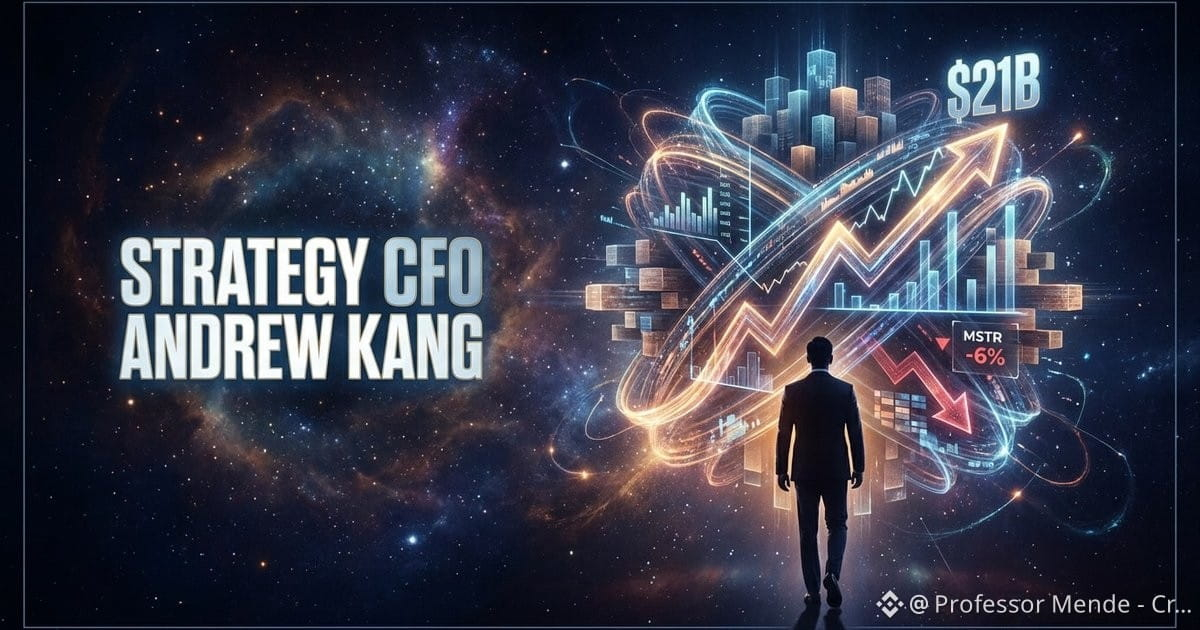
Strategy CFO Andrew Kang Resigns After Record Profit
Strategy's CFO Andrew Kang has stepped down days after the company reported record quarterly operating income of $21 billion (USD) and holdings of 848,517 BTC. MSTR shares dropped 6% on the news.
Why would a CFO leave right after the company posts a record quarterly profit? The timing invites a broader question for any firm holding large crypto treasuries, how much does leadership turnover signal about internal confidence versus personal or unrelated reasons? Markets reacted with a 6% stock drop despite strong numbers, suggesting investors read risk into the departure itself. Until more details emerge, this gap between financial performance and market reaction remains unexplained.
https://www.bonuz.xyz/en/blog/strategy-cfo-andrew-kang-resigns-record-profit
2
2.2k
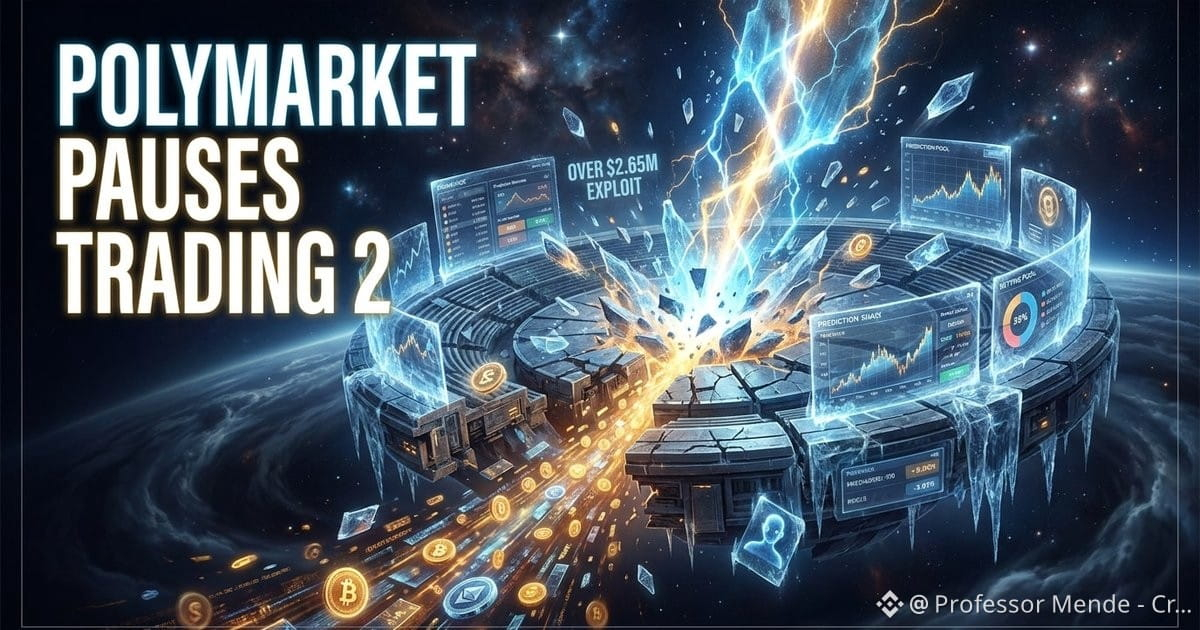
Polymarket Pauses Trading After $2.65M Exploit Hits Platform
Polymarket lost over $2.5 million in minutes after an exploit tied to a compromised third-party provider, forcing the platform into cancel-only trading mode.
This exploit raises a bigger question for the industry: how much responsibility should a platform carry for vulnerabilities in the third-party providers it relies on? As more apps outsource key functions, like data feeds or custody, to specialized vendors for speed and lower cost, the line between a platform's own security and its partners' security blurs. When that line fails, who should bear the loss, the platform, the vendor, or the users whose funds disappeared?
https://www.bonuz.xyz/en/blog/polymarket-exploit-cancel-only-mode
1
1.5k
Polymarket Suspends Trading After Third-Party Breach
Polymarket suspended trading after a breach at a third-party provider led to user funds being drained. The platform has not named the provider or disclosed the scale of losses.
If a breach at an outside vendor can drain user funds, who bears ultimate responsibility, the platform or the provider? This incident raises a broader question for decentralized finance: how much trust should users place in third parties that sit outside a platform's core code, and how would they know before something goes wrong? Prediction markets and other crypto platforms will likely face similar questions as they grow.
https://www.bonuz.xyz/en/blog/polymarket-suspends-trading-third-party-breach

1
2.9k
Strategy Posts $19.5B Q3 Net Income on Bitcoin Gains
Strategy reported $19.53 billion (USD) in Q3 net income, fueled by a $20.91 billion (USD) bitcoin gain, while preferred shareholders approved daily dividend payments.
If corporate net income increasingly tracks bitcoin price swings rather than core business performance, how should investors value companies that hold large crypto treasuries? Strategy's $19.53 billion (USD) quarterly profit came largely from a bitcoin price gain, not operating revenue. As more public companies adopt similar treasury strategies, markets may need new ways to separate operational performance from asset price exposure. Which metric should take priority going forward?
https://www.bonuz.xyz/en/blog/strategy-q3-net-income-bitcoin-dividends

1
2
3.4k
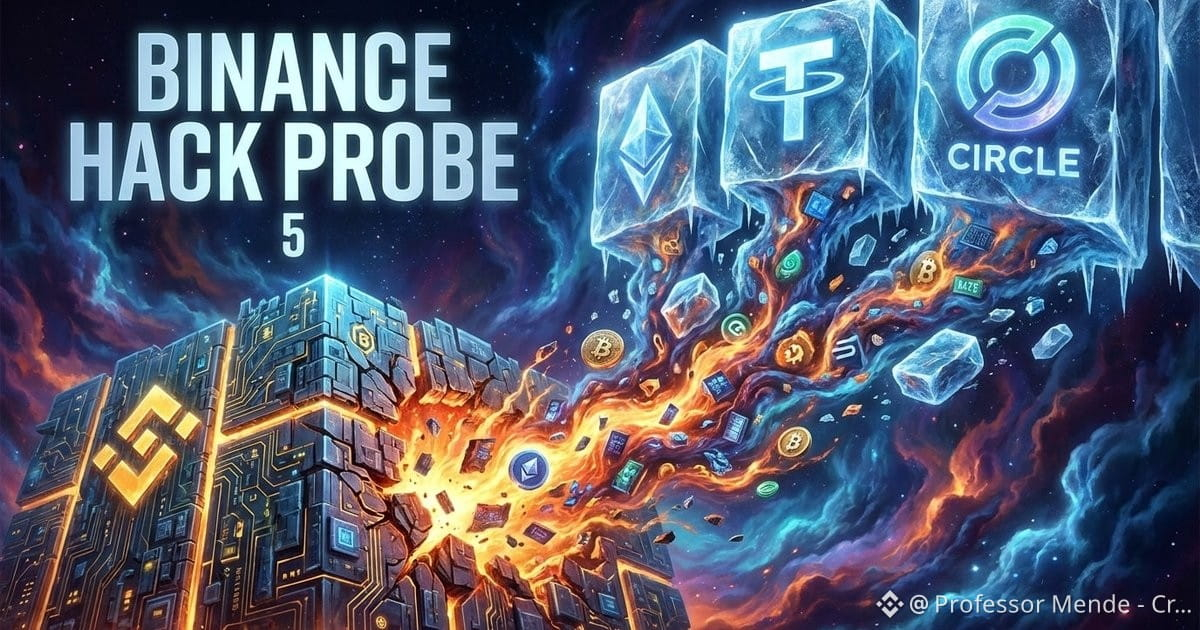
Binance Hack Probe: $5.8B Outflows, $1.79B Frozen
Binance is investigating suspicious outflows reaching up to $5.8 billion (USD) after Tether and Circle froze $1.79 billion (USD) in USDT and USDC.
How much control should stablecoin issuers have over freezing tokens after a hack, and where is the line between protecting users and centralizing power over supposedly decentralized money?
https://www.bonuz.xyz/en/blog/binance-hack-investigation-outflows-frozen
1
571
get well soon, Binance 💛
rough night for the family. the team confirmed a security incident and says user funds are safe, and CZ didn't hide it either. that honesty matters.
good to see Tether and Circle already freezing stablecoins tied to it. i hope every stolen asset gets frozen and traced, all the way.
this is exactly why SAFU exists. and every incident like this makes the whole industry tighter. better wallets, faster freezes, stronger security for all of us.
stay calm, don't click random "recovery" links, only trust official Binance channels 🙏
we come back stronger. we always do.
#Binance #SAFU $BNB
3
1.3k
SpaceX Reportedly Buys Out 418 Homes Near Data Center
SpaceX is reportedly offering to buy 418 homes near a flagship AI data center, but only for residents who drop noise pollution lawsuit claims against the company.
Does tying a home buyout to dropping legal claims set a troubling precedent for how infrastructure companies manage community opposition? If this becomes standard practice near AI data centers, what happens to residents elsewhere with no company willing to buy them out?
https://www.bonuz.xyz/en/blog/spacex-buys-418-homes-data-center-lawsuit

1
633
Walmart, Eli Lilly Join Pushback on OKX-ICE Tokenized Stocks
5 more companies, including Walmart and Eli Lilly, have objected to OKX and ICE's tokenized stock plans. The total has grown to 38 as a rival Canton venue prepares its own issuer sponsored launch under the SEC's innovation exemption.
The core issue is whether tokenized stocks can succeed without company support. OKX and ICE now face 38 objections, while a rival venue tries an issuer-backed approach instead. That raises one central question for the entire industry: can a tokenized stock earn trust and liquidity if the company it represents has not agreed to back it?
https://www.bonuz.xyz/en/blog/walmart-eli-lilly-okx-ice-tokenized-stock-pushback

1
420
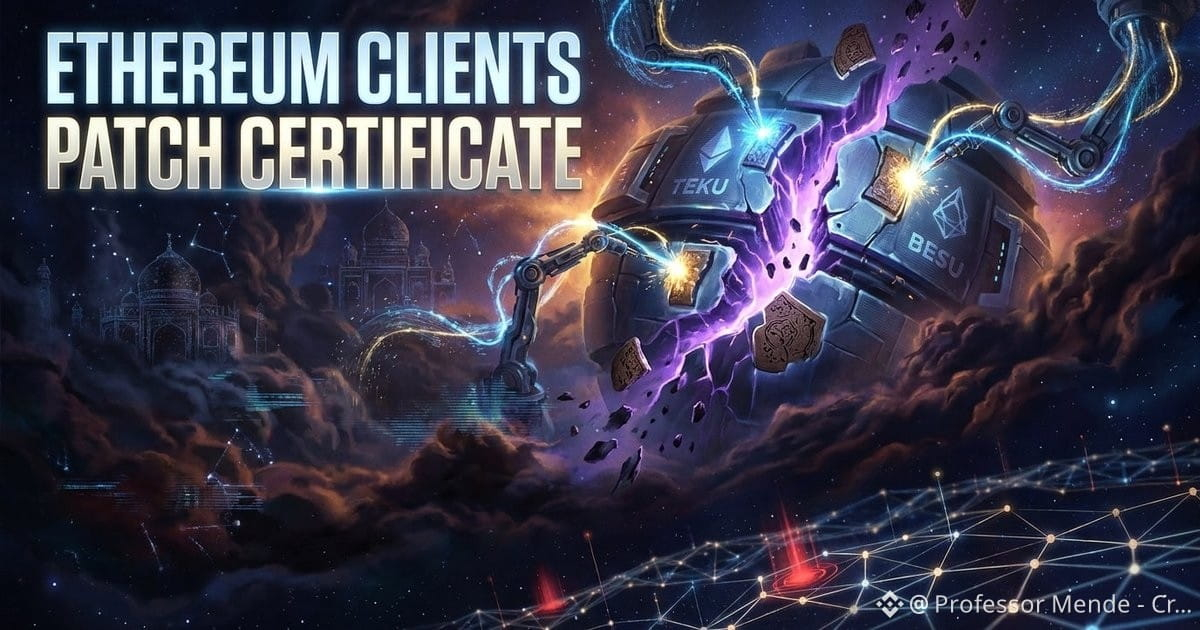
Ethereum Clients Patch Certificate Flaw From eMudhra Bug
A certificate authority flaw in India forced Ethereum's Teku and Besu clients to rush out patches, while Arbitrum's active addresses hit a 30-day high and ETH held above $2,300.
If a flaw in a third-party certificate authority can threaten Ethereum client software, how many other critical dependencies sit outside the protocol's own code, unaudited by the community that relies on them? Multi-client diversity failed to insulate the network this time, since the hole sat in shared external infrastructure. Should Ethereum's security model account for that layer too?
https://www.bonuz.xyz/en/blog/ethereum-clients-patch-emudhra-certificate-flaw-2026-10-29
1
609
Bitcoin Near $80,000 as Strategy's Profit Cushion Thins
Bitcoin dipped near $80,000 (USD) as Strategy's bitcoin holdings show only a 6% profit cushion ahead of its third quarter earnings report.
If the largest corporate holder of bitcoin sees its paper gains shrink to single digits, what does that mean for smaller companies that followed the same playbook with less cash on hand? Corporate treasury strategies built on bitcoin assume the asset will keep rising over time. This moment tests that assumption in public, with real numbers. The open question is whether thin cushions like this are a temporary dip or an early sign of deeper risk in corporate bitcoin treasuries.
https://www.bonuz.xyz/en/blog/bitcoin-80000-strategy-profit-cushion-thins

1
2
348
Robinhood Crypto Pivots to Infrastructure, Says Bernstein
Robinhood's earnings missed estimates and crypto trading cooled, but Wall Street stayed bullish. Bernstein says the real story is Robinhood's shift from crypto trading toward infrastructure, powered by prediction markets and perpetual futures.
If infrastructure products like prediction markets and perpetual futures become Robinhood's main crypto revenue driver, what happens to simple spot trading. Does it become a loss-leader feature used mainly to attract users, while the real profit moves to perps and betting markets. And if infrastructure wins, will smaller platforms without Robinhood's scale be able to compete, or will crypto trading consolidate around a few large retail brokers.
https://www.bonuz.xyz/en/blog/robinhood-crypto-infrastructure-pivot
1
418
Crypto Isn't Partisan: DeFi Education Fund Pushes Back
DeFi Education Fund's Jennifer Rosenthal argues in a CoinDesk opinion piece that crypto is not a partisan issue, and that framing matters for US policy.
Rosenthal's argument raises a bigger question for the industry. Can crypto policy ever stay separate from party politics, especially as election cycles shift power in Washington? If regulation keeps swinging with each new administration, builders and holders may face years of uncertainty. The deeper question is whether any policy framework, bipartisan or not, can survive changing political winds over time.
https://www.bonuz.xyz/en/blog/crypto-isnt-partisan-defi-education-fund

1
2
408
Bitcoin-Backed Mortgages Launch in Canada, Risks Unclear
Bitcoin-backed mortgages are coming to Canada, letting homeowners use crypto as loan collateral. Borrowers face liquidation risk if bitcoin prices drop, and full costs remain unclear.
Should lenders be required to disclose, in plain terms, exactly when and how crypto collateral gets liquidated? Bitcoin-backed mortgages tie a basic human need, housing, to one of the most volatile assets in finance. If that link spreads beyond Canada, regulators everywhere will face the same question about how much complexity borrowers should be expected to understand before signing.
https://www.bonuz.xyz/en/blog/bitcoin-backed-mortgages-canada

1
3
292
Coinbase Adds Ripple's RLUSD Stablecoin Across Platforms
Coinbase has added Ripple's RLUSD stablecoin across its retail, exchange and Prime platforms, with 1:1 USD conversion live on XRP Ledger, Ethereum and Base.
Will multi-chain availability alone drive stablecoin adoption, or does liquidity still concentrate wherever trading volume already exists? RLUSD now sits on three blockchains and across three Coinbase products, but presence is not the same as usage. The open question for every stablecoin issuer is whether spreading across more venues grows total demand, or simply splits existing demand into smaller, thinner pools.
https://www.bonuz.xyz/en/blog/coinbase-adds-ripple-rlusd-stablecoin
3
587
Bitcoin Rebounds Above $81,000 as Chip Stocks Rally
Bitcoin climbed back above $81,000 (USD) as Asian chip stocks surged and pepe jumped 9%, with traders now watching the Fed's rate decision for the next move.
If crypto prices keep moving in step with semiconductor earnings and AI stock swings, is bitcoin becoming a proxy for the AI hardware cycle rather than an independent asset?
https://www.bonuz.xyz/en/blog/bitcoin-rebounds-above-81000-chip-rally

1
2
852
Ethereum-Born CoreWeave's Debt Woes Rattle AI Sector
CoreWeave, the cloud giant that began as an Ethereum mining operation, saw its bonds and shares sell off in mid October 2026, pulling AI infrastructure stocks down with it.
If companies born from Ethereum mining now sit at the center of AI's credit risk, what happens to the broader AI buildout if that credit keeps tightening? Gartner forecasts more than 80% of neocloud providers will no longer operate independently by 2030. Does consolidation make AI infrastructure more stable, or does it just concentrate the same risk investors are watching in CoreWeave today?
https://www.bonuz.xyz/en/blog/ethereum-born-coreweave-debt-woes-ai-sector-2026-10-28
2
893
Log in to explore more content
Join global crypto users on Binance Square
⚡️ Get latest and useful information about crypto.
💬 Trusted by the world’s largest crypto exchange.
👍 Discover real insights from verified creators.
Email / Phone number
Trending Topics
UniswapA16zSeekDeFiExemptionFromIllinoisCryptoTax
24,328 views
749 Discussing
#CryptoTax 🚨 CRYPTO MARKET & REGULATORY UPDATE #HKDollarStablecoinHKDAPToLaunchOnSolana
#uniswapa16zseekdefiexemptionfromillinoiscryptotax UNISWAP, a16z & DeFi Education Fund Challenge Illinois Crypto Tax Rules
October 30, 2026 | Market Volatility & Industry Developments
📊 1. MARKET SNAPSHOT
Crypto markets are showing mixed signals, with selected assets posting sharp gains while several major cryptocurrencies remain under pressure.
📈 Top reported gainers
SOPH: +60.81% — $0.00238
BEAMX: +37.94% — $0.004701
SKDDB: +16.81% — $9.38
📉 Notable reported losers
INTWUSDT: −61.09% — $6.72
AKEUSDT: −31.47% — $0.013989
SNXXUSDT: −30.71% — $6.43
🔎 Major crypto assets under pressure
DOGE: −5.06%
PEPE: −4.91%
SUI: −4.83%
NEAR: −3.28%
XRP: −3.13%
Uniswap Labs, Andreessen Horowitz (a16z), and the DeFi Education Fund (DEF) are pushing for exemptions from Illinois’
#Uniswap #a16z #DeFi #CryptoRegulation #Illinois # #Web3 #BinanceSquare
#HKDollarStablecoinHKDAPToLaunchOnSolana #HKDAP #Stablecoin #CryptoNews #Blockchain #DeFi #DigitalPayments
⚖️ 3. UNISWAP, a16z & ILLINOIS CRYPTO TAX RULES
Uniswap Labs, Andreessen Horowitz (a16z), and the DeFi Education Fund are associated with efforts to seek exemptions proposed Illinois crypto tax requirements.
The debate highlights a key question: How should tax-reporting obligations apply to decentralized that may not operate like traditional financial intermediaries?
The outcome could influence DeFi compliance, developer obligations, and the future regulatory environment.
#BinanceSquare #CryptoNews #HKDAP #Stablecoin #Uniswap #a16z #DeFi #CryptoTax
CHASEPA SULUXù
·2 Likes
·186 views
HKDollarStablecoinHKDAPToLaunchOnSolana
18,721 views
471 Discussing
$1.5BInLeveragedCryptoBetsLiquidated
39,999 views
245 Discussing