


In 2017, crypto was fighting to survive. In 2026, it faces a much bigger challenge: proving that it can become infrastructure the world can depend on.
If you entered crypto during the 2017 cycle, you probably remember the uncertainty. Exchanges struggled during heavy traffic, security standards were still developing, regulations varied across countries, and many projects disappeared as quickly as they emerged. The industry had ambition, but its infrastructure was still immature.
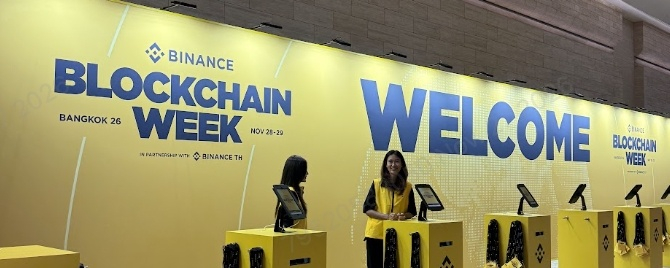
9 years later, the conversation has changed. As builders, institutional leaders and policymakers gather in Bangkok for Binance Blockchain Week 2026 under the theme “Evolve,” the biggest question is no longer how quickly blockchain can grow. It is whether the ecosystem can become secure, transparent, accountable and useful enough to support real economic activity.
Here are five lessons that explain this transformation.
1. Adoption Without Accountability Is Not Sustainable
Crypto's early growth was driven by experimentation and rapid innovation. But history has shown that technology alone cannot create lasting trust.
The industry needs more than attractive token launches and impressive user numbers. It needs responsible governance, regulatory clarity, transparent operations and meaningful accountability.
The shift from the 2017 ICO boom to more structured token distribution models also offers an important lesson. A successful launch does not automatically mean a successful project. Long-term value comes from genuine demand, active development, sustainable economics and real utility.
2. Security Must Evolve Faster Than Adoption
The 2019 Binance security incident, in which approximately 7,000 BTC was stolen, showed how damaging compromised credentials and inadequate operational safeguards can be.
The creation of SAFU in 2018 was an important step towards strengthening user protection. But security cannot depend on one protection mechanism or one organization.
Modern digital asset security requires strong private-key protection, controlled wallet exposure, continuous transaction monitoring, smart contract security and effective incident response.
As the ecosystem expands across chains, wallets and financial applications, security must be a priority from the beginning, not something added later.
3. The Real Shift Is From Crypto Products to Financial Infrastructure
Blockchain's evolution is becoming visible in the convergence of traditional and decentralized finance.
Stablecoins can support digital payments. Tokenized real-world assets can create new ways to represent traditional financial instruments. Programmable settlement can help reduce certain reconciliation processes.
But innovation must be supported by enforceable ownership rights, reliable custody, sufficient liquidity and investor protection.
A token representing a financial asset does not automatically mean that the holder legally owns the underlying asset. The next stage of adoption will depend on whether individuals and institutions can understand, verify and legally rely on what they hold.
4. AI and Blockchain Could Redefine Digital Transactions
Artificial intelligence is moving beyond generating information and starting to interact with digital services and perform tasks.
Imagine an AI agent that can execute an authorized payment, verify transaction conditions and settle a programmable contract. Blockchain could provide transparent transaction records and programmable execution, while AI could make financial services more adaptive.
But this opportunity also raises important questions. Who authorizes an AI agent to spend money? What limits control its decisions? Who is responsible when something goes wrong?
The future of AI-powered finance must be built around clear permissions, spending limits, auditability and human oversight. Automation without accountability is not progress.
5. The Next Growth Phase Must Be People-First
Infrastructure is only valuable when people can use it safely.
The next generation of blockchain adoption should focus on accessible digital financial services, reliable institutional infrastructure, regulated tokenization, responsible AI-powered finance and better user security.
These are not competing trends. Together, they could shape the next chapter of the digital economy.
My Leadership Perspective
Crypto has already demonstrated that it can move value across borders, create programmable assets and operate beyond traditional financial hours. But technological capability is only the beginning.
The real measure of progress is whether people can trust the systems holding their assets, understand the risks behind their decisions and rely on the infrastructure when it matters most.
In my view, the next crypto leaders will not simply be those who build the fastest networks or launch the most tokens. They will be the people and institutions that make digital finance dependable.
The industry has spent years proving that blockchain can work. Now it must prove that the world can trust it.
Which development will have the greatest impact on crypto adoption by 2028: institutional-grade security, regulated RWAs, AI-powered finance or accessible always-on payments?
I believe the answer will come from how effectively these technologies work together.
#EvolveAtBinanceBlockchainWeek $BNB $BTC