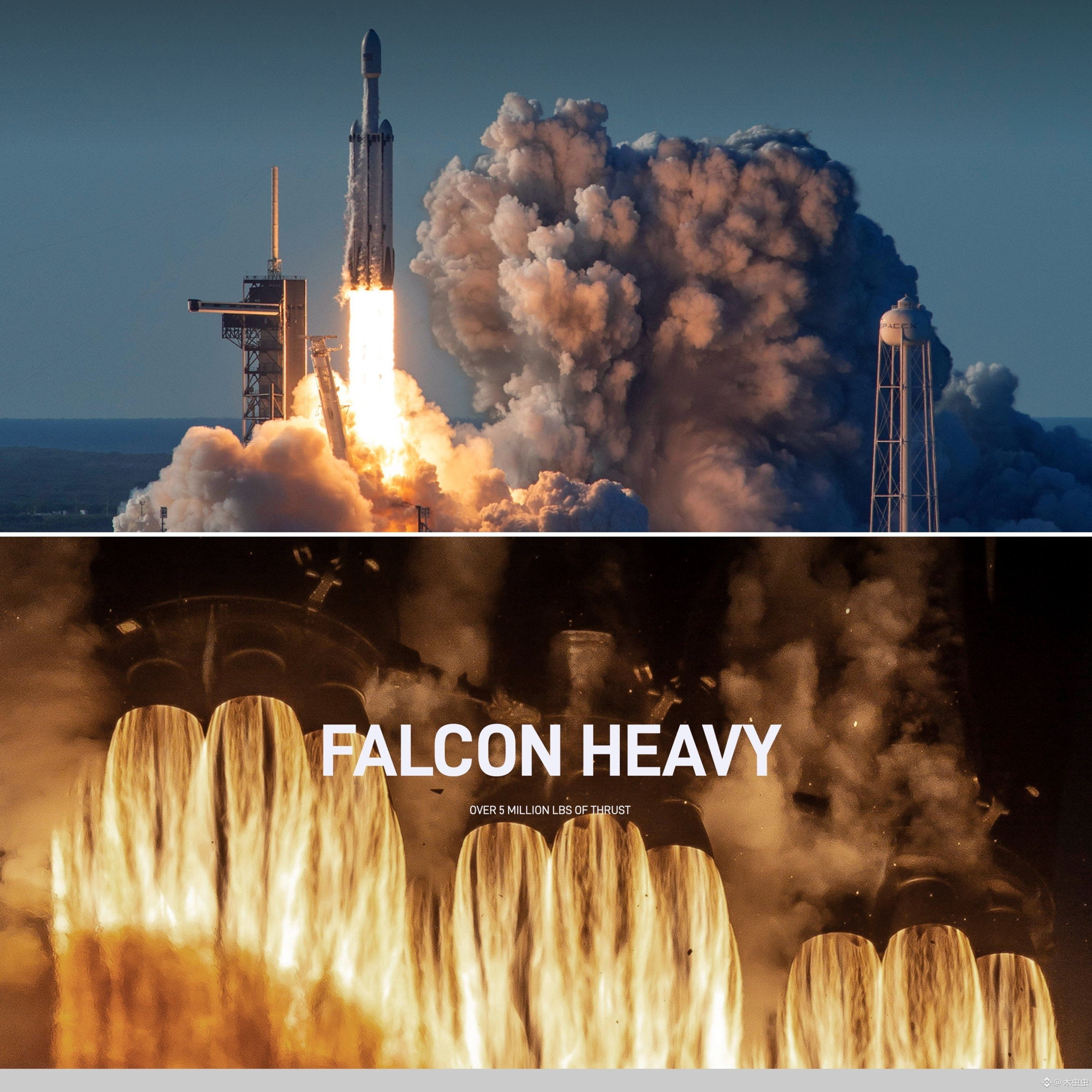
SpaceX came close to canceling Falcon Heavy three times
What initially seemed like a simple idea of attaching two Falcon 9 boosters to a central core turned into a $500+ MILLION engineering challenge, with SpaceX funding the development itself
SpaceX had to completely redesign the center core to withstand over 1 million pounds of force from the side boosters, develop new booster separation mechanisms, redesign the flight control systems, coordinate the ignition of all 27 Merlin engines and extensively modify the launchpad
What seemed like a straightforward modification of Falcon 9 turned into the development of an entirely new heavy-lift launch vehicle, pushing the maiden flight from 2013 to 2018
Elon Musk:
“We tried to cancel the Falcon Heavy program three times at SpaceX because it was like, ‘Man, this is way harder than we thought’”
Before the maiden flight, Elon considered simply clearing the launchpad without destroying it a victory
Then, on February 6, 2018, all 27 Merlin engines fired, generating over 5.1 million pounds of thrust. Falcon Heavy successfully launched, and both side boosters returned for one of the most spectacular synchronized landings in spaceflight history
Today, Falcon Heavy has:
• 14 successful launches
• 100% launch success rate
• 63,800 kg payload capacity to low Earth orbit
• 26,700 kg payload capacity to geostationary transfer orbit
• 16,800 kg payload capacity to Mars
The very rocket SpaceX nearly gave up on has since launched some of humanity’s most ambitious scientific missions, including NASA’s Psyche and Europa Clipper
After watching Falcon Heavy successfully fly for the first time, Elon had a beautiful realization:
“Crazy things can come true”