

BINANCE SQUARE | INVEST • LEARN • GROW • TOGETHER
November 28, 2026 | TECHNOLOGY • ARTIFICIAL INTELLIGENCE • MICROSOFT • CEREBRAS • NVIDIA • AZURE
Microsoft Turns to Cerebra's to Challenge Nvidia's AI Cost Dominance: A New Battle for Azure's Computing Future
1. What Happened?
Microsoft has added Cerebra's Systems to its growing AI computing network through a cloud inference agreement, marking another important development in the competition to build more affordable and scalable AI infrastructure.
The agreement was disclosed alongside Cerebra's' third-quarter 2026 financial results on November 12. It introduces another computing option for Microsoft's Azure ecosystem, alongside Nvidia GPUs, AMD technology and Microsoft's own Maia AI processors.
The financial terms, deployment scale and specific technical arrangements have not yet been publicly disclosed. Cerebra's has indicated that further details will follow in 2027.
2. Why Is Microsoft Looking Beyond Nvidia?
The AI industry is experiencing enormous demand for computing power. Training advanced AI models and operating millions of daily AI requests require expensive processors, substantial electricity, advanced data centres and high-speed networking.
Nvidia remains a leading supplier of AI computing hardware. However, depending heavily on one supplier can create several challenges:
High infrastructure costs: Powerful AI processors and supporting systems require significant capital investment.
Supply constraints: Demand for advanced computing hardware can exceed available supply.
Growing electricity consumption: AI data centres require substantial energy and cooling infrastructure.
Operational flexibility: Microsoft needs different computing solutions for different AI workloads.
Long-term competitiveness: More suppliers can improve purchasing flexibility and reduce dependence on a single hardware ecosystem.
Microsoft's Cerebra's agreement is therefore a strategic move to diversify its AI computing capacity, rather than an announcement that it is abandoning Nvidia.
3. What Makes Cerebra's Different?
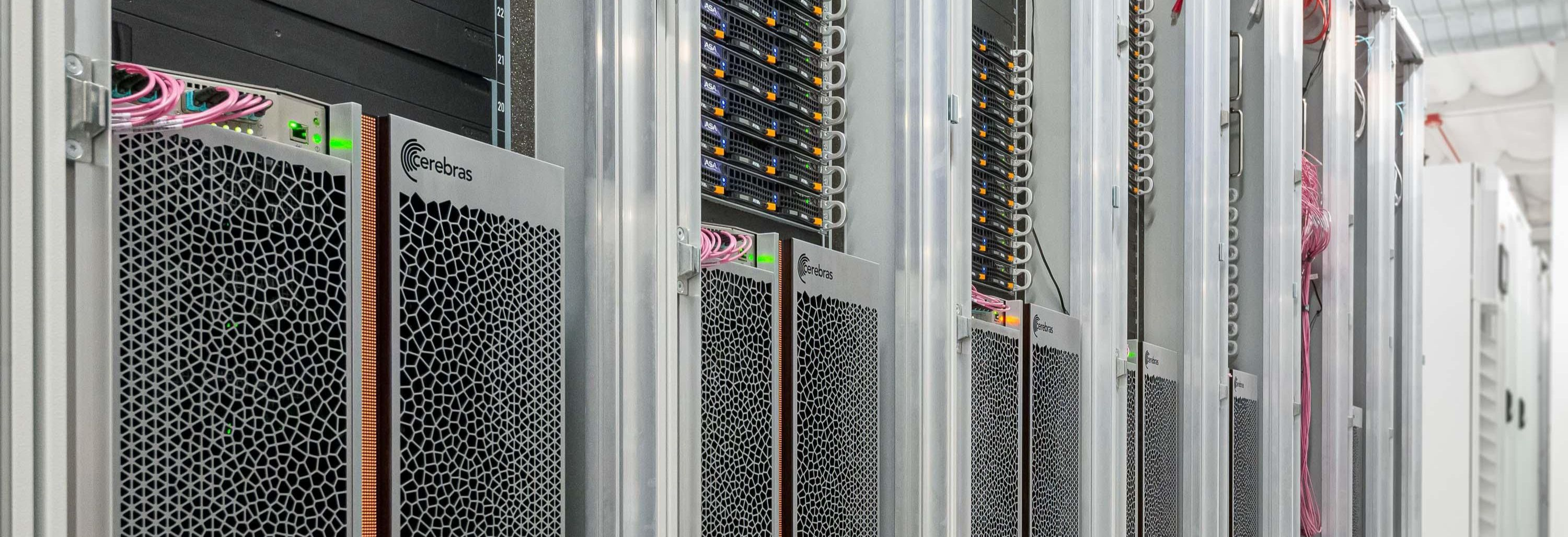
Cerebra's has developed a different approach to AI processing through its wafer-scale engine technology.
Unlike conventional systems that connect multiple smaller processors, Cerebra's builds exceptionally large processors designed to integrate substantial computing resources and memory on a single chip.
Its potential advantages include:
High-speed inference: Designed to generate AI responses quickly.
Reduced data movement: Integrating computing and memory can reduce some communication bottlenecks.
Specialized workloads: Particularly relevant to AI inference, where trained models generate responses.
Alternative infrastructure: Offers cloud customers another way to access AI computing resources.
This technology could be particularly useful for applications requiring fast responses, including AI assistants, enterprise software and real-time AI services.
4. Why AI Inference Is the Real Opportunity
There are two important stages in AI computing:
AI Training: Building and teaching an AI model using enormous datasets and computing resources.
AI Inference: Using an already-trained model to answer questions, generate content, analyses information and perform tasks.
As AI adoption expands, inference demand is expected to grow substantially.
Every AI assistant interaction, business automation request and intelligent application requires computing resources.
This creates a major commercial opportunity for companies that can deliver faster inference at competitive costs.
Microsoft's Cerebra's agreement focuses on cloud inference, making it especially relevant to the operational costs of delivering AI services at scale.
5. Cerebra's' Financial Performance: Why Investors Are Watching
Cerebra's' latest financial results provide important context for the Microsoft agreement.
Cerebra's Q3 2026 performance
$230.9M +70%
Adjusted core revenue Year-on-year revenue growth
$144.9M $29.82M
Adjusted cloud and services revenue Adjusted profit
2026 revenue forecast
$940M–$960M
Raised from the previous $880M–$890M forecast
Source: Cerebra's Q3 2026 results, reported November 12. Figures are non-GAAP core measures, not GAAP revenue or net income.
Another important figure is Cerebra's' reported $26.1 billion in remaining performance obligations as of September 30, 2026.
However, this is not cash already received or revenue already earned. It represents contracted future business subject to delivery and other conditions.
6. What Does This Mean for Nvidia?
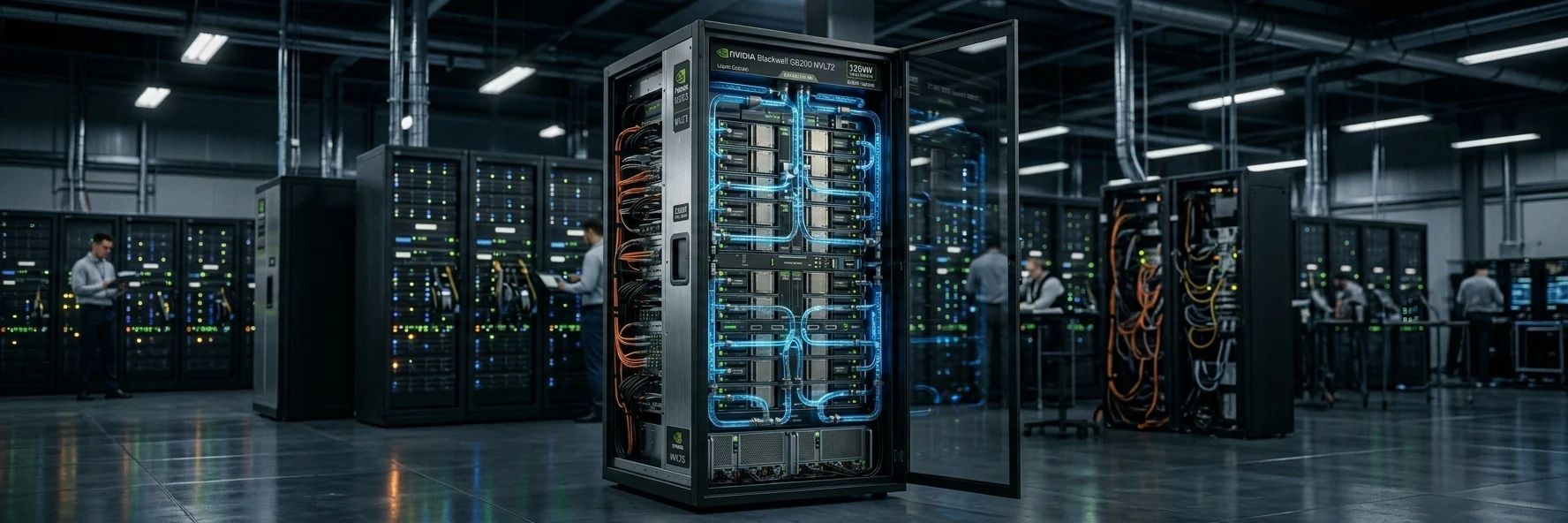
Nvidia remains a major force in the AI semiconductor industry, with a powerful ecosystem of processors, networking technology and software.
However, Microsoft's decision to add Cerebra's highlights an important change: major technology companies increasingly want multiple sources of AI computing capacity.
Potential implications for Nvidia include:
Greater competition in specialized AI inference.
More pressure on pricing and infrastructure efficiency.
Increased demand for differentiated AI processor technologies.
A possible gradual reduction in dependence on a single hardware supplier.
The important distinction: Cerebra's is not replacing Nvidia across Microsoft's infrastructure. Nvidia's GPUs remain important for training and other demanding AI workloads. The new agreement expands Microsoft's options, particularly for inference.
7. What Does This Mean for Microsoft and Azure?
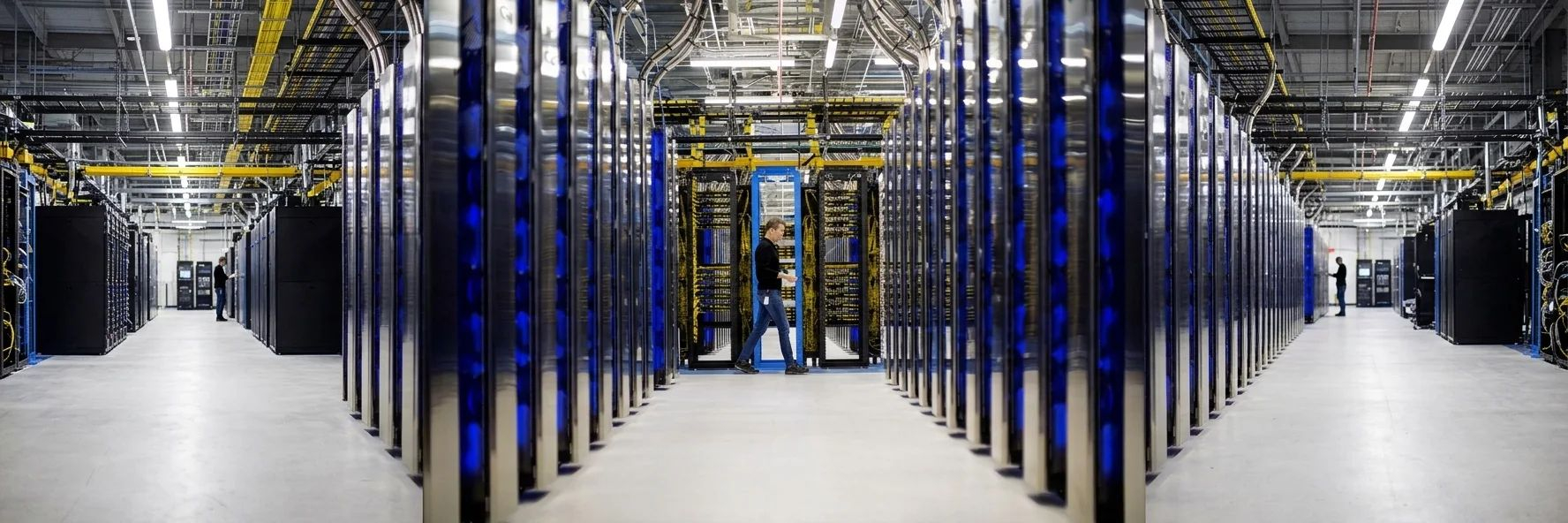
For Microsoft, the opportunity extends beyond purchasing another AI chip.
Azure competes with Amazon Web Services and Google Cloud in attracting businesses that need reliable, affordable and powerful AI computing.
Adding Cerebra's could help Microsoft:
Diversify its computing suppliers.
Improve flexibility when allocating AI workloads.
Explore potentially faster inference services.
Manage infrastructure costs as AI usage expands.
Strengthen Azure's appeal to enterprise AI customers.
Nevertheless, the actual financial savings and performance improvements remain unconfirmed. Microsoft has not published enough information to calculate the agreement's impact on Azure's operating costs.
8. Who Else Is Joining the Cerebra's Ecosystem?
Microsoft is not Cerebra's' only major cloud customer.
Amazon Web Services: Signed a strategic commercial agreement involving Cerebra's systems in AWS data centres.
Oracle: Announced an arrangement to integrate Cerebra's technology into Oracle Cloud Infrastructure, with a service launch expected in summer 2027.
Microsoft: Signed a cloud inference agreement, with additional details expected in 2027.
These developments suggest that major cloud providers are increasingly exploring alternative AI computing architectures.
9. What Are the Risks?
Despite the positive developments, several challenges remain:
Execution risk: Cerebra's must satisfy contractual milestones before Microsoft inference services commence.
Data-centre capacity: Land, electricity and infrastructure availability can delay expansion.
Competition: Nvidia, AMD and other semiconductor companies continue developing competing technologies.
Profitability: Revenue growth does not automatically guarantee sustainable long-term profits.
Customer concentration: Large commercial agreements can create dependence on a small number of major customers.
Cerebra's has itself identified data-centre capacity as a constraint on its expansion.
10. What Should Investors Watch Next?
The next important developments will be:
2027 Microsoft disclosure: Financial terms, deployment scale and technical details.
First-quarter 2027: The anticipated start of Microsoft-related inference revenue, subject to contractual milestones.
Cerebra's expansion: Whether its planned data-centre capacity becomes operational.
Nvidia's response: How Nvidia maintains its competitive position in AI inference.
Azure performance: Whether diversified computing infrastructure improves Microsoft's AI economics.
These developments will help investors distinguish between an interesting technology partnership and a commercially significant shift in the AI market.
11. The Bigger Picture: The AI Infrastructure Race Is Changing
The competition in artificial intelligence is no longer simply about which company develops the most powerful AI model.
It is increasingly about who can deliver intelligence faster, at lower cost, with sufficient computing capacity and sustainable infrastructure.
Microsoft's decision to work with Cerebra's demonstrates that even the largest technology companies are looking beyond traditional processor arrangements.
Nvidia remains a powerful industry leader, but the future AI market could become more diversified, with different processors serving different computing requirements.
Our perspective: This agreement is strategically positive for Cerebra's and potentially beneficial for Microsoft's Azure ecosystem. For Nvidia, it represents additional competitive pressure rather than an immediate threat to its market leadership.
The biggest long-term winners may be companies that combine powerful AI technology with affordable computing, efficient energy consumption and the ability to scale globally.
Final Takeaway
Microsoft is not walking away from Nvidia. It is building a broader AI computing strategy in which Nvidia, AMD, its own Maia processors and Cerebra's can potentially serve different workloads.
This could become an important development in the next phase of the AI industry: the race is shifting from simply building bigger AI models to making AI faster, cheaper and more accessible.
For investors, the key question is whether Cerebra's can turn its growing partnerships into sustainable revenue while Microsoft achieves measurable improvements in Azure's AI economics.
Disclaimer: This article is for educational and informational purposes only, not financial advice. Technology partnerships, revenue forecasts and market expectations do not guarantee future stock performance. Investors should conduct independent research and consider the risks before making investment decisions.
#Microsoft #Cerebras #NVIDIA #Azure #ArtificialIntelligence #AIChips #Semiconductors #CloudComputing #AIInfrastructure #TechnologyStocks #AMD #GoogleCloud #AmazonAWS #StockMarket #TechInnovation #AIInvesting #FutureOfAI #BinanceSquare
