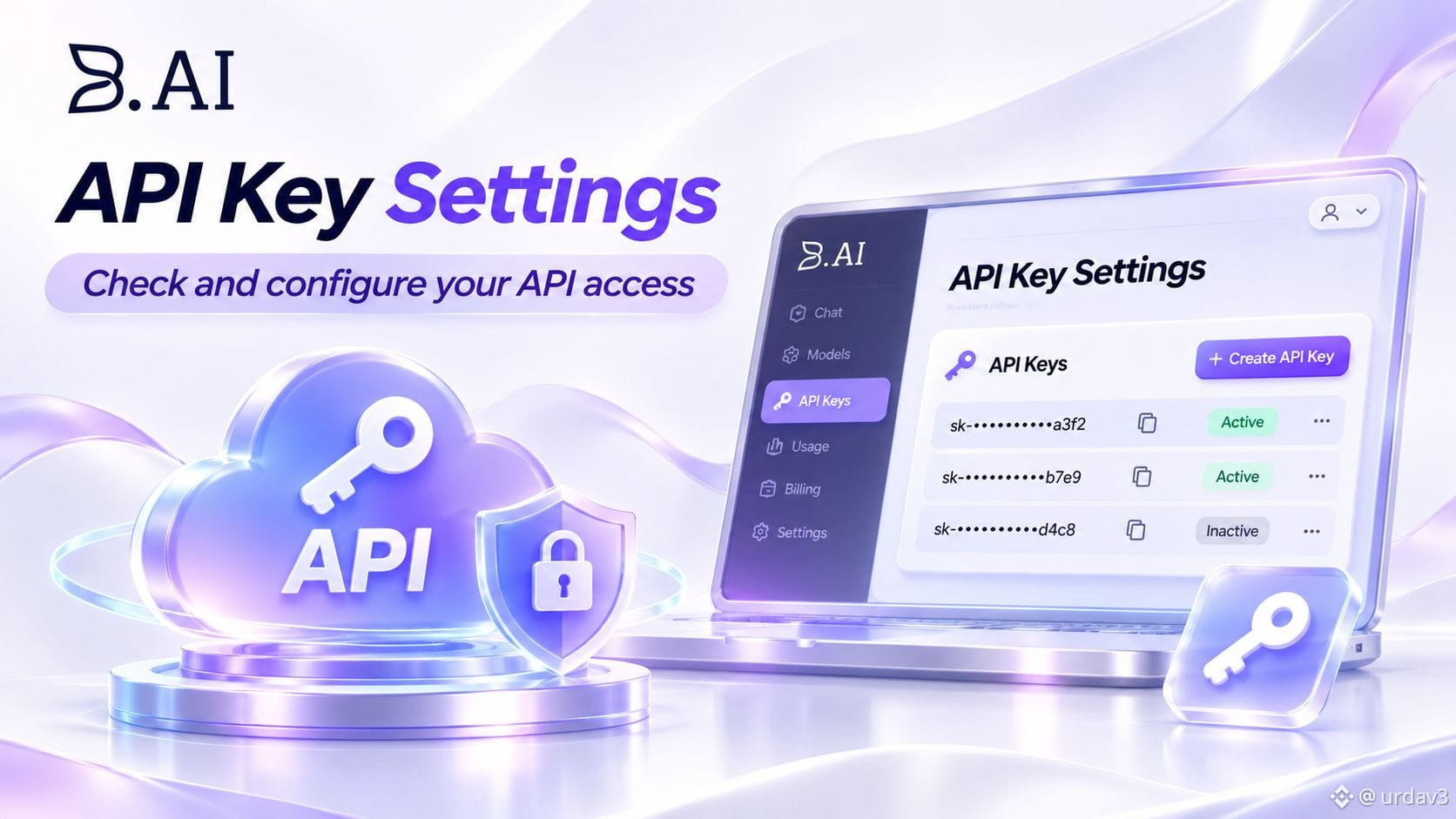
𝗕.𝗔𝗜 𝗔𝗣𝗜 𝗔𝗖𝗖𝗘𝗦𝗦 𝗚𝗨𝗜𝗗𝗘: 𝗨𝗡𝗗𝗘𝗥𝗦𝗧𝗔𝗡𝗗 𝗪𝗛𝗔𝗧 𝗬𝗢𝗨 𝗔𝗥𝗘 𝗣𝗔𝗬𝗜𝗡𝗚 𝗙𝗢𝗥
𝗔𝗰𝗰𝗲𝘀𝘀 𝗠𝗼𝗱𝗲𝗹𝘀 𝗔𝗿𝗲 𝗣𝗮𝗿𝘁 𝗼𝗳 𝘁𝗵𝗲 𝗗𝗲𝗰𝗶𝘀𝗶𝗼𝗻
Choosing an AI API is not just about finding a model that performs well. It is also about understanding how you access that model, what pricing arrangement applies, and whether the structure fits your intended workload.
This is why the B.AI API Access Guide deserves attention. Understanding the distinction between Full Access and Discount Groups can help users avoid making decisions based solely on the initial appearance of a pricing option.
𝗙𝘂𝗹𝗹 𝗔𝗰𝗰𝗲𝘀𝘀 𝘃𝘀. 𝗗𝗶𝘀𝗰𝗼𝘂𝗻𝘁 𝗚𝗿𝗼𝘂𝗽𝘀
Full Access represents one access approach, while Discount Groups introduce a different way of organizing access around discounted arrangements.
The distinction matters because users should understand the conditions attached to each option before committing their applications to a particular setup.
Rather than assuming that one approach is universally superior, it is more useful to examine the actual requirements of the project. Consider the expected number of API requests, the types of tasks being performed, the available budget, and whether the access arrangement provides the flexibility your application needs.
Pricing should always be evaluated alongside the conditions that determine how that pricing applies.
𝗪𝗵𝗮𝘁 𝗜 𝗪𝗼𝘂𝗹𝗱 𝗖𝗼𝗻𝘀𝗶𝗱𝗲𝗿
My approach would be to start with the workload rather than the pricing page.
A developer testing a small AI application may have very different requirements from someone operating a production service with regular API consumption. The first may prioritize simplicity, while the second may need a more detailed understanding of costs and access conditions.
I would also pay attention to how easily the chosen arrangement can accommodate future changes. An application that begins with limited usage may eventually require a different access strategy as its user base grows.
Understanding these differences early can make infrastructure decisions more sustainable.
𝗞𝗻𝗼𝘄𝗹𝗲𝗱𝗴𝗲 𝗕𝗲𝗳𝗼𝗿𝗲 𝗖𝗼𝗺𝗺𝗶𝘁𝗺𝗲𝗻𝘁
An API access guide is valuable when it helps users make decisions independently instead of simply directing them toward a particular option.
B.AI's access documentation provides a useful starting point for comparing Full Access and Discount Groups. The next step is to examine the specific terms and conditions of each arrangement before choosing.
In my opinion, better infrastructure decisions come from understanding trade-offs, not chasing the most attractive headline price.
Do you think API providers should place greater emphasis on transparent pricing comparisons or flexibility between access models?