Interest rates are becoming an increasingly important factor in how investors value AI stocks.
For a while, investors were willing to pay premium valuations for companies associated with AI, driven by expectations of massive revenue growth, productivity gains and long-term opportunities.
But there's another side to the story: future earnings are only valuable if they can justify what investors are paying for them today. This is where discounted cash flow (DCF) valuation becomes important. As interest rates rise, the present value of future earnings generally falls, putting pressure on high-growth stock valuations.
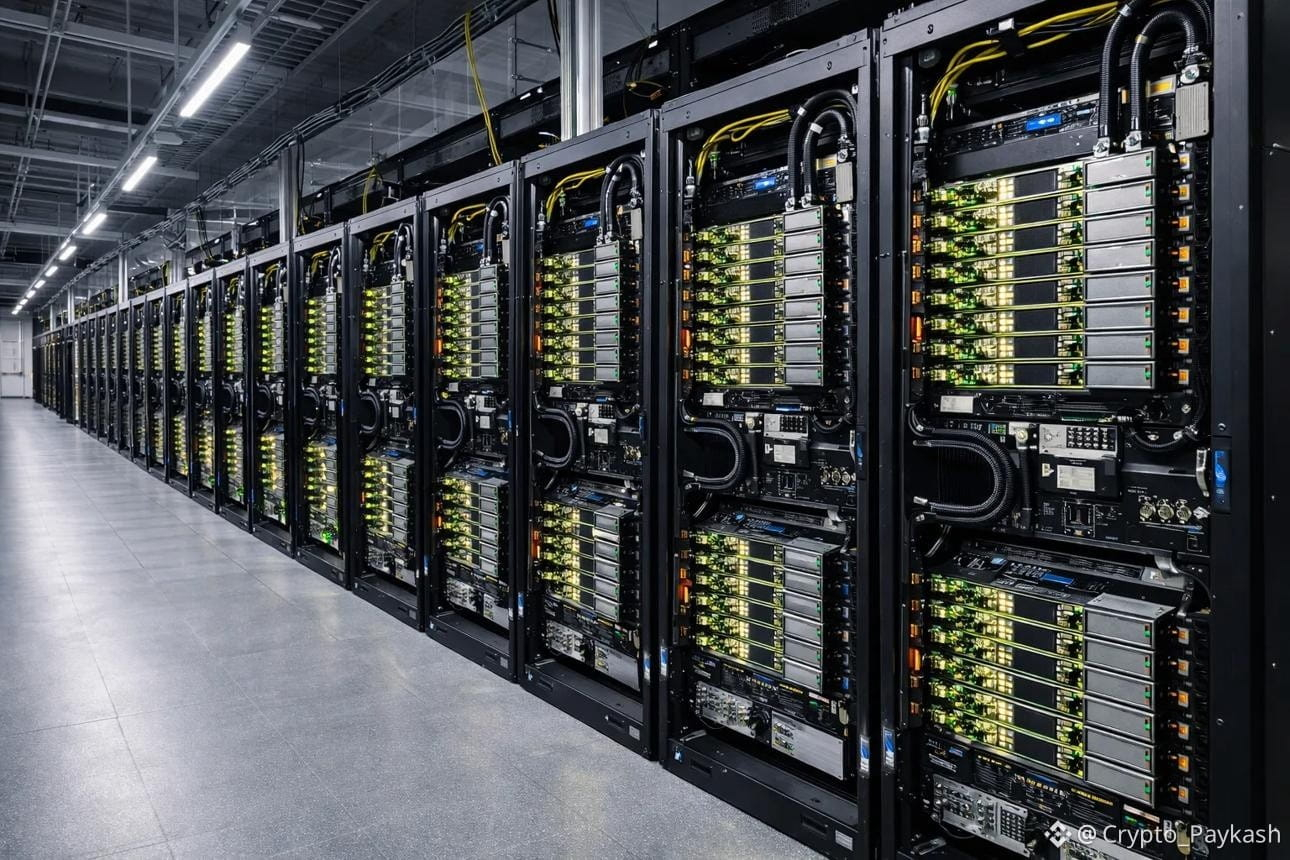
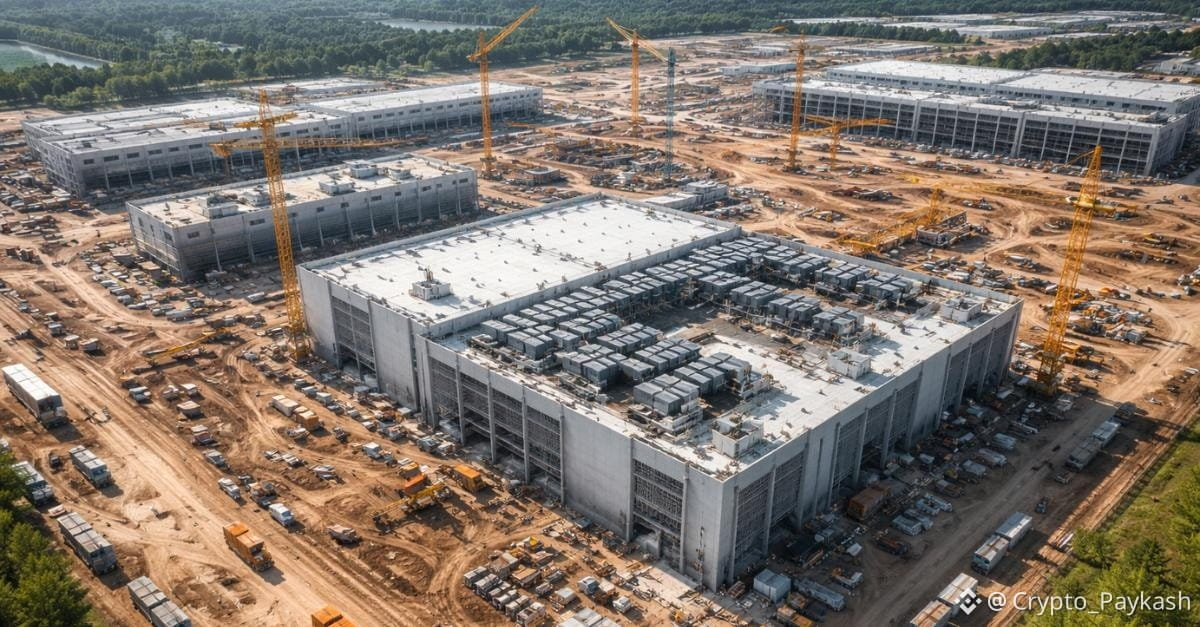
We're already seeing investors pay closer attention to how much AI expansion actually costs. Companies like $MU , $AMZN and $GOOGL have strong existing businesses and cash flows, but their growing AI infrastructure investments require enormous capital expenditure. The question is whether future AI revenue will generate enough returns to justify that spending.
Higher rates are also making investors more selective. Growth potential still matters, but financial strength, financing costs and the ability to generate cash flow are becoming harder to ignore.
I wouldn't judge an AI company simply by its contracted revenue or backlog. I'd look at net debt, interest expense, free cash flow and capex relative to revenue to understand how sustainable its expansion really is.
Ultimately, the AI opportunity remains significant, but the cost of capturing that opportunity matters. For AI stocks, financing costs, earnings growth and returns on invested capital may tell investors more than the Fed's next rate decision alone.
For a while, investors were willing to pay premium valuations for companies associated with AI, driven by expectations of massive revenue growth, productivity gains and long-term opportunities.
But there's another side to the story: future earnings are only valuable if they can justify what investors are paying for them today. This is where discounted cash flow (DCF) valuation becomes important. As interest rates rise, the present value of future earnings generally falls, putting pressure on high-growth stock valuations.
We're already seeing investors pay closer attention to how much AI expansion actually costs. Companies like $MU , $AMZN and $GOOGL have strong existing businesses and cash flows, but their growing AI infrastructure investments require enormous capital expenditure. The question is whether future AI revenue will generate enough returns to justify that spending.
Higher rates are also making investors more selective. Growth potential still matters, but financial strength, financing costs and the ability to generate cash flow are becoming harder to ignore.
I wouldn't judge an AI company simply by its contracted revenue or backlog. I'd look at net debt, interest expense, free cash flow and capex relative to revenue to understand how sustainable its expansion really is.
Ultimately, the AI opportunity remains significant, but the cost of capturing that opportunity matters. For AI stocks, financing costs, earnings growth and returns on invested capital may tell investors more than the Fed's next rate decision alone.