
Is the Sun Setting on the Crypto World? Rumors, Cold Hard Facts, and the Real Picture of 2026
From the darkest corners of the internet to your local coffee shop, one burning question echoes louder than ever: "Is the crypto world finally coming to an end?"
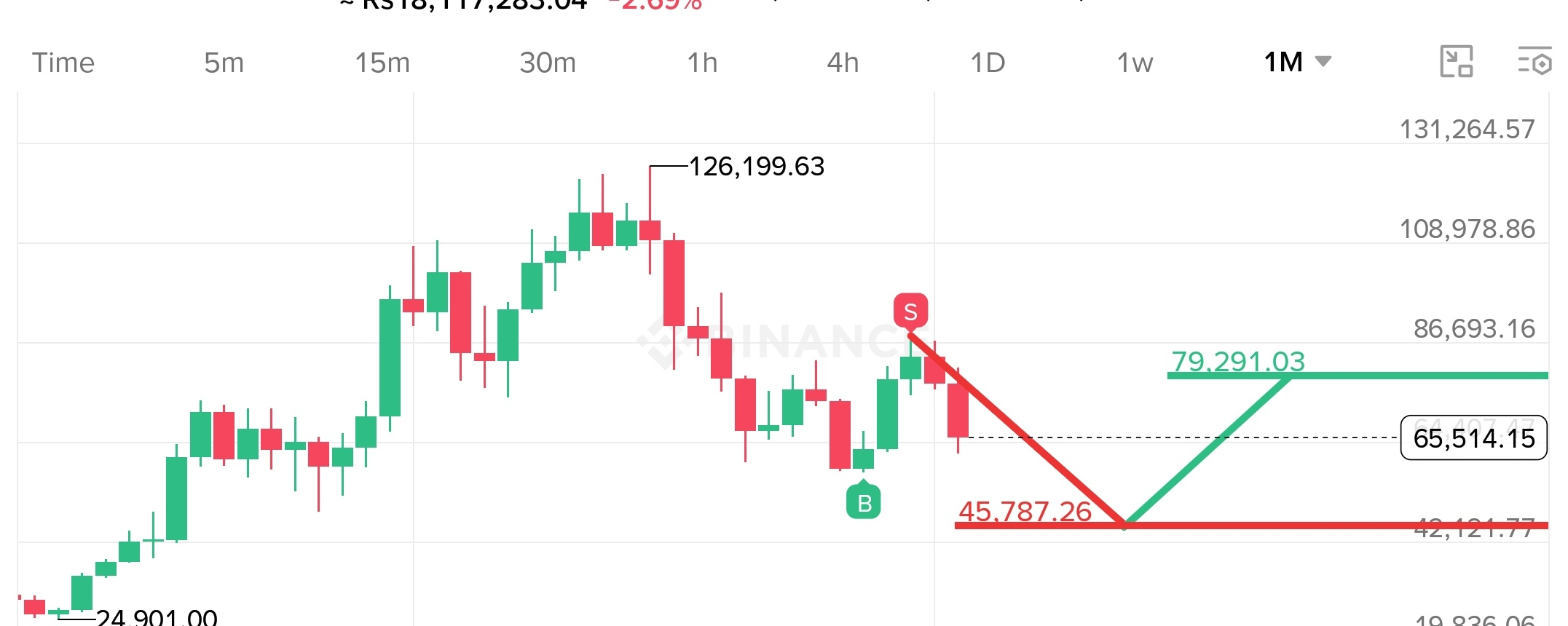
When the markets bleed red and charts take a nosedive, panic is only human. In recent months, the global crypto market cap has tumbled from its historic peak of $4 trillion down to roughly $2.22 trillion. Bitcoin is hovering nervously between $65,000 and $69,000, while Ethereum has slipped below the $2,000 mark. For skeptics, this downturn is the ultimate "I told you so" moment—proof that the digital currency bubble has finally burst.
Yet, if you step away from the noise and look closely at institutional reports, regulatory shifts, and raw blockchain data, a very different story emerges. Crypto isn’t dying. It is simply outgrowing its chaotic youth and stepping into a far more serious, grown-up era.
Less Noise, More Action: The Truth Hidden Behind the Charts
Normally, when an asset’s price crashes, people assume its usefulness has evaporated. However, 2026 data from blockchain analytics firm Chainalysis reveals a startling twist. Despite a nearly 50% drop in market valuation, real economic activity on the blockchain (on-chain volume) dipped by a mere 1.6%, holding steady at a staggering $9.4 trillion.
The takeaway is simple: people aren't abandoning crypto. They are moving past blind speculation and using it for real-world transactions.
The Great Cleansing: Goodbye to Empty Promises
If anything is truly dying, it is the era of "castle-in-the-sky" tokens—thousands of hollow, purposeless altcoins that promised the moon and delivered nothing. Today, roughly 64% of the entire market value has consolidated into just two heavyweights: Bitcoin and Ethereum. Industry insiders don't view this as a collapse; they call it a much-needed "market cleansing," leaving only resilient, utility-driven projects standing.
Wall Street and Governments Quietly Enter the Room
Ask yourself this: if a technology were truly on its deathbed, would the world’s largest financial titans and sovereign governments pour billions into building its future?
Institutional Conviction: According to a recent State Street study, 51% of major global financial institutions believe digital assets will become a permanent fixture of mainstream finance within the next five years. Meanwhile, the DTCC—the backbone of U.S. securities clearing—has officially launched tokenization services to bring traditional stocks onto the blockchain.
Global Regulation: Rather than banning the technology, governments are writing the rulebooks. Europe has fully enforced its MiCA framework, while the U.S. introduced the GENIUS Act to govern stablecoins. Even in regions like Pakistan, despite religious debates and fatwas questioning crypto's status, the state established PVARA (Pakistan Virtual Assets Regulatory Authority)—proving that regulators can no longer afford to look away.
A Rising Wave of Users: Market projections indicate that global crypto adoption is on track to reach 795 million users by 2027.
From the Dark Web to Everyday Wallets
Cybersecurity and blockchain intelligence reports also highlight a fascinating shift in the shadows of the internet. Because Bitcoin’s public ledger is now easily traced by law enforcement, illicit actors are abandoning it. At the exact same time, everyday merchants and cross-border workers are rapidly adopting dollar-pegged stablecoins (like USDT and USDC) for fast, borderless payments.
The Verdict: Not an Ending, Just a New Chapter
The crypto world is far from over—though the get-rich-quick fantasy certainly is. Today’s market slump is driven by global inflation and high interest rates, not a flaw in the technology itself. Much like the dot-com crash of the early 2000s wiped out flimsy startups to make way for giants like Google and Amazon, crypto is shedding its dead weight to lay the foundation for the future of global finance.
If you'd like to tailor this piece further, let me know:
Your target platform (Medium blog, LinkedIn post, YouTube video script, or newsletter?)
The desired tone (More dramatic and investigative, or crisp and journalistic?)
I can adjust the pacing, hooks, and call-to-action to fit your exact needs.