
Understanding the Global Crypto Matrix: How International Assets, Tokenized Equities, and Web3 Infrastructure Navigate Market Corrections
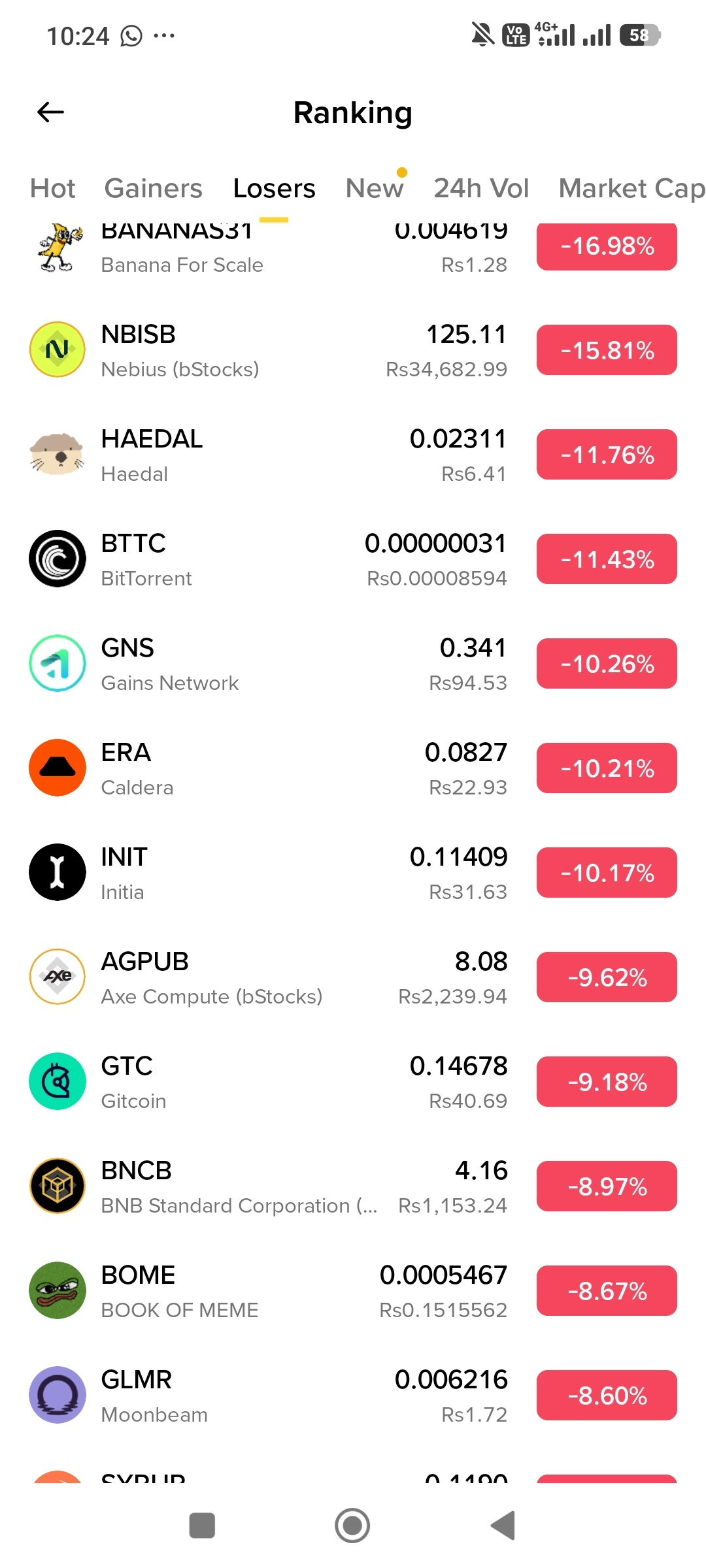
The cryptocurrency landscape has evolved far beyond simple digital payments. As visible on global exchange boards, the market hosts a complex tapestry of tokens originating from development teams, corporate entities, and cultural ecosystems across the United States, Europe, Asia, and decentralized international hubs. When broader macroeconomic sentiment tightens, different categories of these borderless assets experience sharp volatility across global trading pairs.
Asset Breakdown: Global Sectors on the Trading Board
Asset & Ticker
Category / Origin
Core Function & Utility
Market Role
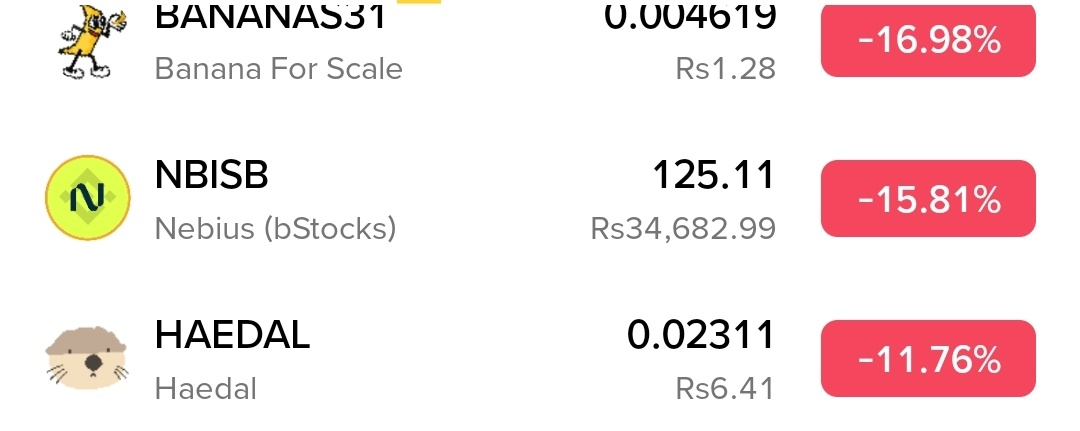
NBISB (Nebius bStocks)
Tokenized Equity / International Cloud & AI
Fractional, blockchain-traded exposure to Nebius AI cloud infrastructure.
Bridges traditional global enterprise tech with on-chain liquidity.
AGPUB (Axe Compute bStocks)
Tokenized Compute / Global Decentralized Hardware
Tokenized shares representing high-performance GPU and decentralized compute networks.
Reflects investor demand for hardware-backed compute power.
ERA (Caldera)
Modular Rollup Infrastructure / US-Developed
Native utility and governance token powering cross-rollup communication and Ethereum L2/L3 modular chains.
Infrastructure backbone for scalable dApps.
INIT (Initia)
Interwoven Blockchain / Multi-Chain Layer 1
Orchestration layer uniting modular rollups into a unified multi-chain network.
Interoperability and liquidity bridging between ecosystems.
HAEDAL (Haedal)
Liquid Staking / DeFi Ecosystem
Liquid staking protocol designed to maximize yield and governance participation across proof-of-stake chains.
Capital efficiency and staking liquidity.
BTTC (BitTorrent)
Distributed Storage / Cross-Chain Protocol
Layer-2 cross-chain protocol scaling peer-to-peer decentralized file sharing.
Legacy peer-to-peer data transmission merged with smart contracts.
GNS (Gains Network)
Decentralized Derivatives / Global DeFi
Powers high-leverage decentralized trading for cryptos and real-world assets.
Speculative trading volume and protocol fee revenue.
GTC (Gitcoin)
Open-Source Public Goods / Global DAO
Governance token funding open-source development and Web3 community grants.
Ecosystem stewardship and developer capital.
GLMR (Moonbeam)
Smart Contract Platform / Polkadot Hub
Ethereum-compatible smart contract parachain bridging Polkadot to EVM developers.
Multi-chain decentralized application deployment.
BOME & BANANAS31
Culture & Meme Assets / Retail-Driven
Viral, community-led tokens driven by sentiment, social momentum, and internet culture.
High-beta retail liquidity and community sentiment markers.
Three Core Drivers Behind the Pullback
1. The Spread Between High-Beta Altcoins and Blue Chips
During geopolitical tensions or liquidity squeezes, trading desks reduce exposure to high-beta assets—such as experimental rollups, decentralized compute equities, and meme tokens—in favor of stablecoins, Bitcoin, or cash reserves. Assets with smaller circulating floats or emerging liquidity pools often register steeper percentage contractions during broad corrections.
2. The Convergence of Tokenized Equities (bStocks) with Traditional Hours
Tokens like NBISB and AGPUB bridge Silicon Valley and international tech equities into crypto accounts. When global tech sectors or semiconductor equities adjust in traditional markets, tokenized versions immediately absorb the shock on 24/7 crypto order books, often reacting before regular stock exchanges open.
3. Leverage Flushes in Decentralized Finance
Protocols centered on synthetic trading (such as GNS) and liquid staking (such as HAEDAL) experience accelerated sell-offs when leverage is unwound. When traders are forced to liquidate leveraged positions, automated market makers trigger cascaded price dips, creating temporary undervaluation zones across the board.
Navigating Market Volatility
A red leaderboard across international tokens is a standard mechanism of market price discovery. For institutional and disciplined retail market participants alike, these drawdowns filter speculative excess from sustained network utility, highlighting which protocols maintain fundamental developer activity and transactional volume when broader market headwinds calm.
Would you like a detailed technical breakdown or visual diagram comparing the fundamentals of tokenized equity coins (bStocks) versus decentralized Layer-1/modular rollups?