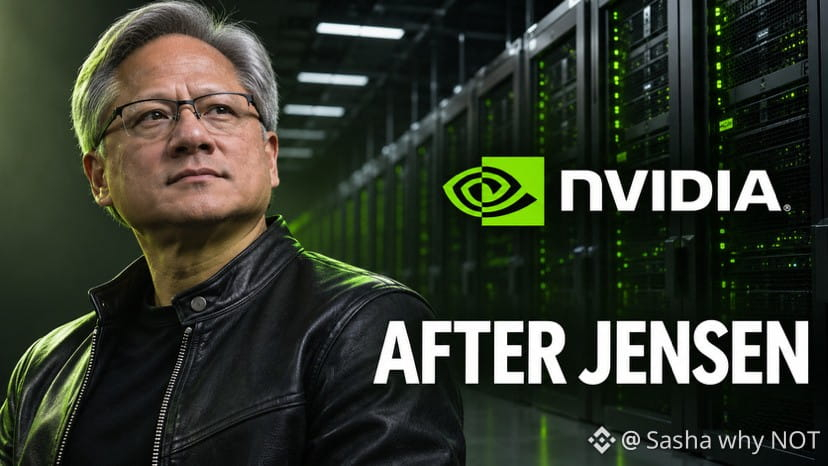
Jensen Huang exits NVIDIA. Now its strategy faces the founder test.
On November 12, NVIDIA announced that Huang had resigned as president, CEO and board member, effective immediately. CFO Colette Kress takes over as interim CEO while the board searches for a permanent successor.
The departure follows a personal scandal and an investigation into reports that Huang was targeted by a foreign intelligence operation. Those allegations remain under investigation. NVIDIA previously said it had no reason to believe company secrets or national security had been compromised.
For investors, the question reaches beyond the leadership change: how much of NVIDIA’s valuation depended on confidence in Huang himself?
Three things deserve attention:
▪️ Execution. NVIDIA says customer commitments and its product roadmap should continue uninterrupted. The next leadership team must deliver on that promise.
▪️ AI financing. Could new management become more cautious about investments across the AI ecosystem? That is a scenario to watch, not an announced policy change.
▪️ China exposure. The investigation could intensify political scrutiny of chip exports. Any additional restrictions would need to be assessed separately.
My take: a CEO’s departure does not automatically erase demand for computing. But uncertainty over leadership can change what investors are willing to pay for future growth.
For crypto, the connection is indirect: weaker risk appetite could pressure AI-linked tokens. Claims that decentralized computing automatically benefits need evidence paying customers, utilization and revenue.
The next checkpoint is NVIDIA’s November 17 earnings report, particularly its outlook and management commentary.
NVIDIA now has to prove that the strategy can outlast the person who built it.
#HuangExitNvidiaStrategyInFocus $NVDAB