
Pudgy Penguins has become the gold standard for how a Web3 project can successfully transcend the digital realm and capture mainstream consumer attention.
Launched during the 2021 NFT boom, Pudgy Penguins faced early leadership challenges that threatened its survival. However, after being acquired by entrepreneur Luca Netz in 2022, the project underwent a remarkable transformation. Instead of relying solely on NFT trading volume, the team executed a bold real-world intellectual property strategy.
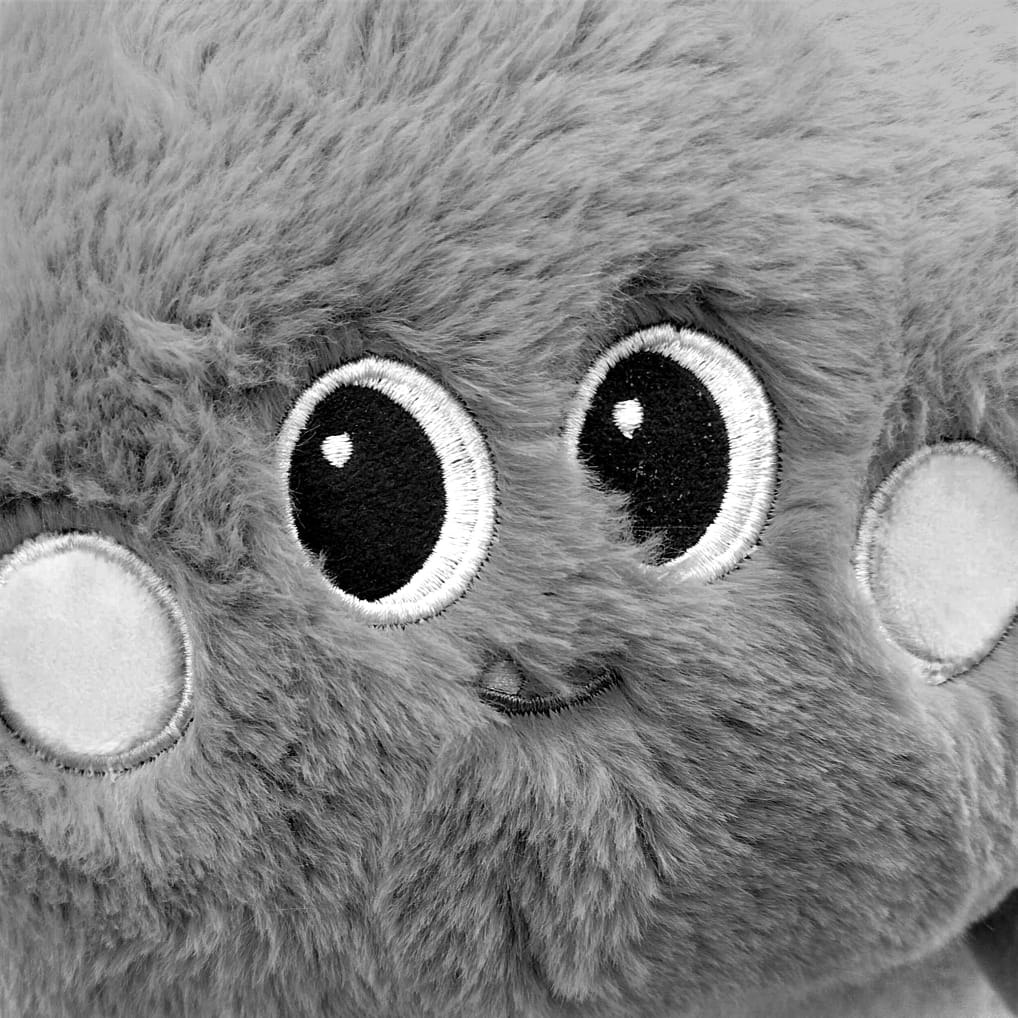
The introduction of Pudgy Toys marked a major turning point. By placing physical plushies and collectibles in global retail giants like Walmart, Target, and Amazon, Pudgy Penguins exposed millions of traditional consumers to Web3. Each physical toy comes with a QR code granting access to Pudgy World, an interactive digital universe where users can customize digital traits and claim blockchain-backed assets without needing prior crypto knowledge.
Crucially, Pudgy Penguins revolutionized IP licensing by allowing NFT holders to license their individual assets for physical toy production, creating a shared value model that directly rewards the community. Building on this momentum, the parent company Igloo Inc. is expanding its footprint into consumer crypto infrastructure with Abstract, a Layer 2 blockchain designed to make Web3 technology seamless and invisible for everyday users.
Pudgy Penguins proves that sustainable crypto projects must generate real-world revenue, build strong emotional brand equity, and offer genuine utility beyond speculative trading. It stands as a powerful blueprint for bringing retail consumers into the Web3 ecosystem.
What are your thoughts on Pudgy Penguins building a bridge between mainstream retail and crypto infrastructure? Share your view below.
#PudgyPenguins #NFTs #Web3