
#IMFSaysTokenizedMarketsSmall #FedMinutesFocusOnOctoberPause
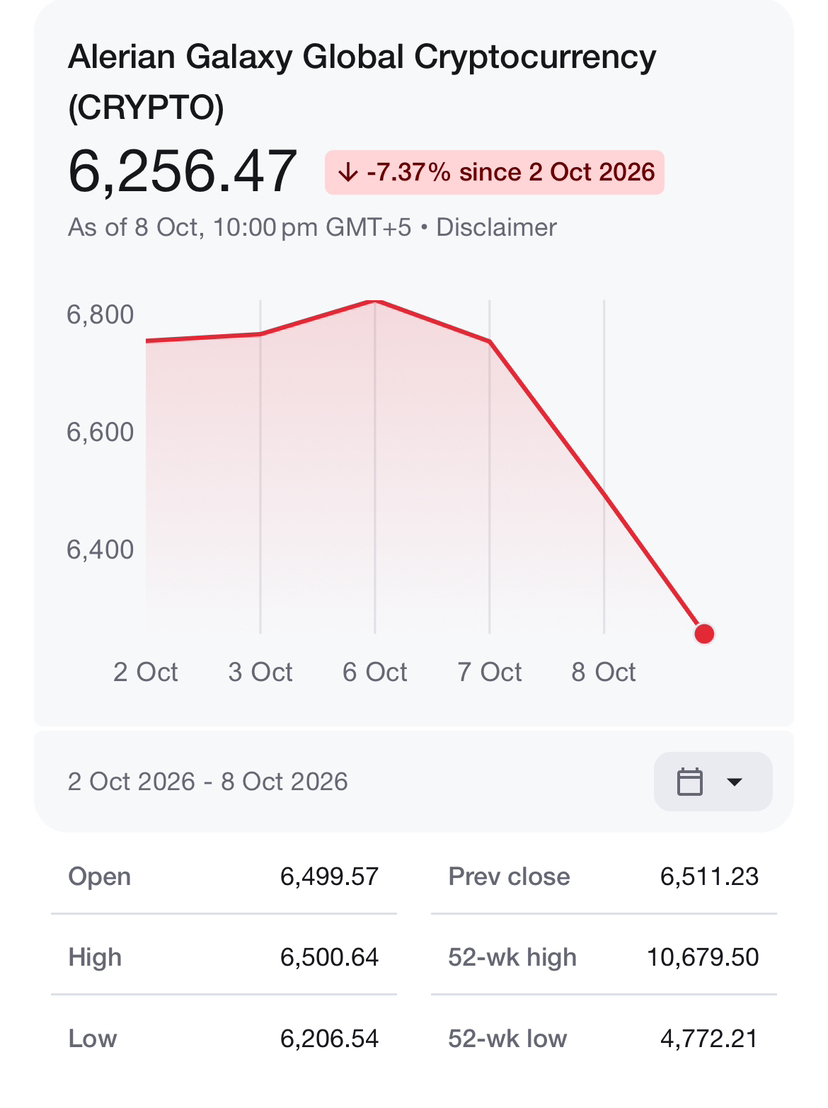
The crypto market is crashing primarily due to a massive liquidation cascade triggered by a technical breakdown, compounded by hawkish macroeconomic pressures from the Federal Reserve.
Bitcoin (BTC) sharply reversed its strong early-October momentum after failing to break past a major overhead resistance level near $87,000. This technical rejection sent the price tumbling toward $80,000, dragging the broader altcoin market—including Ethereum (ETH), Solana (SOL), and XRP—down with it.
1. The Leveraged Liquidation Cascade
The most direct catalyst accelerating the flash crash is a brutal flush of over-leveraged long positions.
• Over $550 Million Wiped Out. Data shows that more than $546 million to $717 million in derivative positions were liquidated within a highly compressed window. The vast majority of these were traders holding long positions who expected the October rally to continue.
• The Domino Effect
As Bitcoin dropped below key support clusters (specifically around the critical $84,000–$84,500 cost-basis level), exchanges began automatically market-selling traders' collateral. This forced selling created a self-perpetuating feedback loop that intensified the downward velocity.
• Aggressive Shorting
The initial spark was magnified on derivative platforms like Hyperliquid, where newly active whale wallets aggressively opened highly leveraged short positions right before the support levels shattered.
2. Macroeconomic and Fed Pressures
Crypto has faced steep competition from traditional financial assets as global macroeconomic conditions tighten:
• Hawkish Fed Signals
The latest Federal Reserve minutes revealed that officials are still considering further interest rate hikes this year to combat sticky inflation.
• Surging Bond Yields
The 10-year U.S. Treasury yield remains elevated around 5.27%, while the 30-year yield reached 5.70%—its highest mark since 2002. When government debt yields this high, capital rotates out of highly speculative assets like crypto and into safer, yield-bearing alternatives.
3. Geopolitical Strain & Asset De-Risking
• Energy Shock
Growing geopolitical tensions involving Iran have pushed crude oil prices back above $100 per barrel. Higher energy costs exacerbate inflation concerns, further dampening hopes for near-term interest rate cuts.
• Institutional Slowdown
The aggressive spot Bitcoin ETF inflows that sustained the third-quarter rally have notably cooled down. Concurrently, large-scale movements from U.S. government-linked wallets and minor corporate sell-offs have spooked spot market buyers.
Current Support Levels to Watch
Analysts note that the immediate focus is on whether Bitcoin can stabilize within the $79,000 to $82,500 accumulation zone. If these levels fail to hold, a retest of the psychological $74,000–$75,000 macro support line could follow.
#VitalikWarnsAICouldWeakenCryptographySecurity #EthereumSpotETFRecords$161MNetOutflows
#BinanceLaunchesBinanceIntelligence