THE MIDDLE EAST IS ON A KNIFE EDGE — AND THE WORLD IS WATCHING
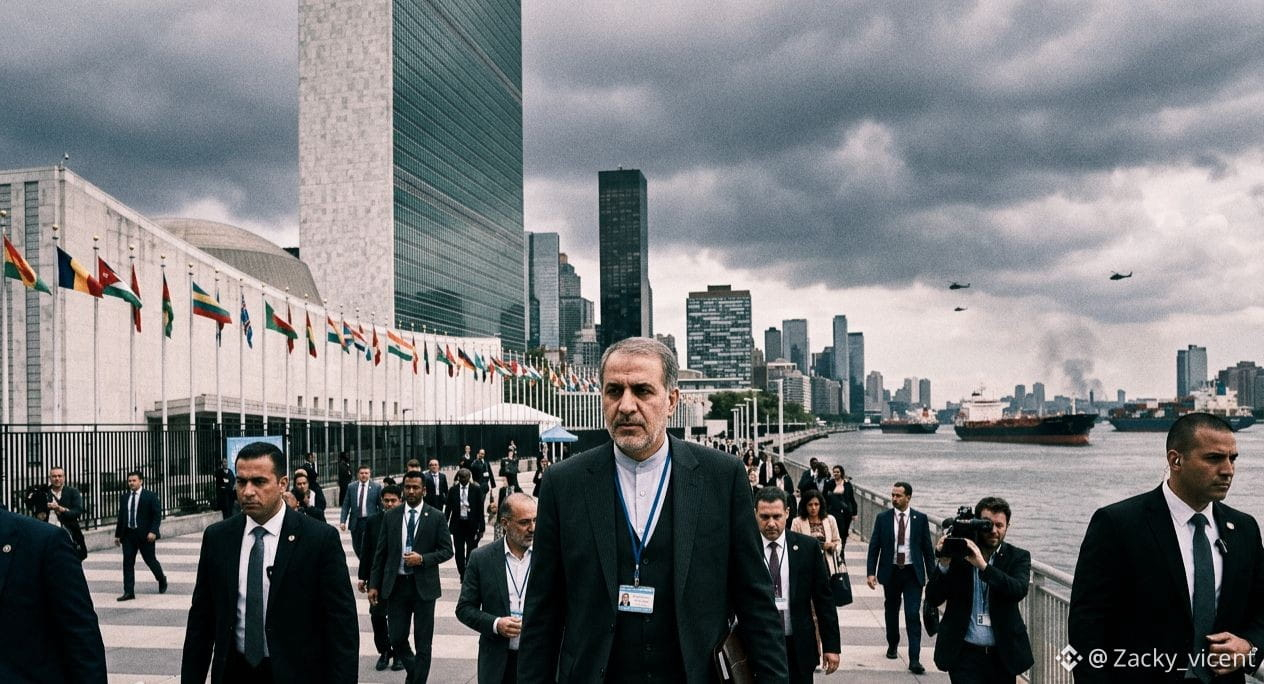
Iran’s President Masoud Pezeshkian is heading to New York for the United Nations General Assembly as Washington and Tehran stand dangerously close to another escalation.
This is not just another diplomatic meeting.
It comes after months of war, threats, disrupted energy routes, and increasingly aggressive warnings from both sides.
Donald Trump has warned that Iran could face economic destruction or the elimination of its leadership if Tehran refuses to reach a deal. At the same time, Iran’s military has warned that any new American attack could trigger retaliation against U.S. positions and interests across the Middle East.
One wrong calculation could turn diplomacy into another battlefield.
And the danger does not stop in Iran.
Iran-backed Houthi forces have intensified attacks against Saudi Arabia. Riyadh recently faced its first air-raid warning since the latest escalation began, while Saudi authorities said a ballistic missile was intercepted. The Houthis have also claimed attacks against sensitive targets and energy infrastructure.
Meanwhile, Yemen is becoming another critical front.
More than 100,000 people have reportedly been displaced as fighting intensifies, while the Red Sea and Bab el-Mandeb remain under growing pressure.
Then comes the real economic weapon:
OIL.
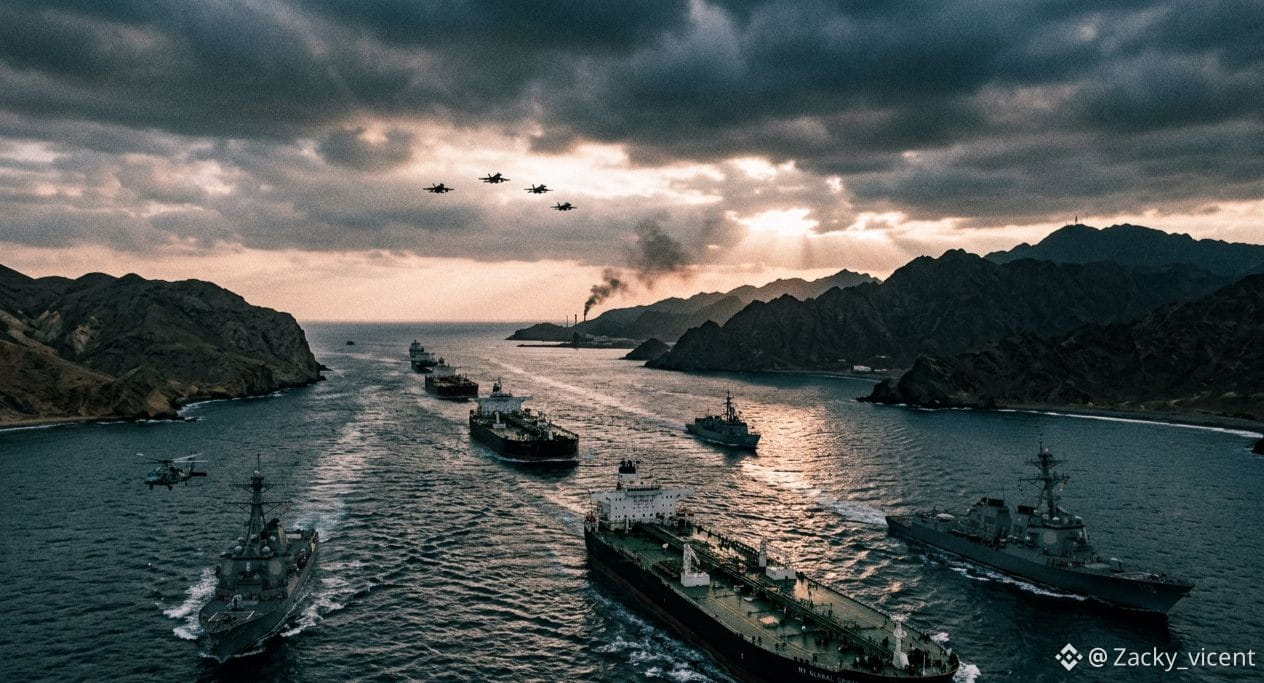
The Strait of Hormuz remains one of the most critical energy chokepoints on Earth. Recent shipping data showed traffic far below normal levels, while commercial vessels face increasing risks moving through the region.
If Hormuz and the Red Sea remain unstable simultaneously, the consequences can spread far beyond the Middle East:
Higher oil prices.
Higher transportation costs.
Higher inflation.
More expensive fuel.
More pressure on global supply chains.
And eventually, more pressure on ordinary people who have absolutely nothing to do with the war.
$BTC
Iran’s President Masoud Pezeshkian is heading to New York for the United Nations General Assembly as Washington and Tehran stand dangerously close to another escalation.
This is not just another diplomatic meeting.
It comes after months of war, threats, disrupted energy routes, and increasingly aggressive warnings from both sides.
Donald Trump has warned that Iran could face economic destruction or the elimination of its leadership if Tehran refuses to reach a deal. At the same time, Iran’s military has warned that any new American attack could trigger retaliation against U.S. positions and interests across the Middle East.
One wrong calculation could turn diplomacy into another battlefield.
And the danger does not stop in Iran.
Iran-backed Houthi forces have intensified attacks against Saudi Arabia. Riyadh recently faced its first air-raid warning since the latest escalation began, while Saudi authorities said a ballistic missile was intercepted. The Houthis have also claimed attacks against sensitive targets and energy infrastructure.
Meanwhile, Yemen is becoming another critical front.
More than 100,000 people have reportedly been displaced as fighting intensifies, while the Red Sea and Bab el-Mandeb remain under growing pressure.
Then comes the real economic weapon:
OIL.
The Strait of Hormuz remains one of the most critical energy chokepoints on Earth. Recent shipping data showed traffic far below normal levels, while commercial vessels face increasing risks moving through the region.
If Hormuz and the Red Sea remain unstable simultaneously, the consequences can spread far beyond the Middle East:
Higher oil prices.
Higher transportation costs.
Higher inflation.
More expensive fuel.
More pressure on global supply chains.
And eventually, more pressure on ordinary people who have absolutely nothing to do with the war.
$BTC