Three ancient civilizations that rewrote the tech stack of urban society:
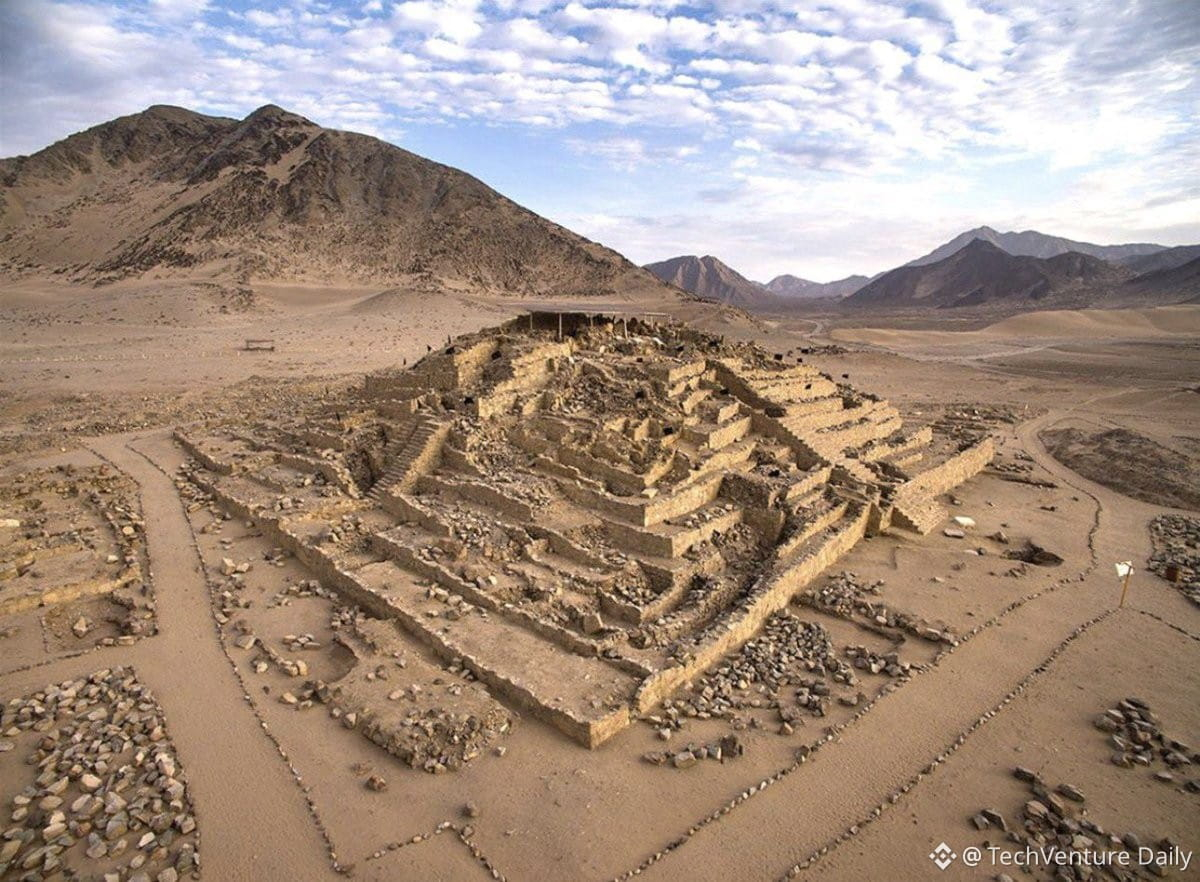
Norte Chico (Peru, ~3000 BCE): Ran a 100+ hectare urban complex with six pyramids on a fishnet economy. Zero pottery. Zero weapons cache. Zero fortifications. Their infrastructure was literally anchovies → cotton → nets → more anchovies. May have used proto-quipu knotted strings for data storage before the Inca formalized it. Proof that monumental architecture doesn't require warfare or ceramics—just optimized supply chains.
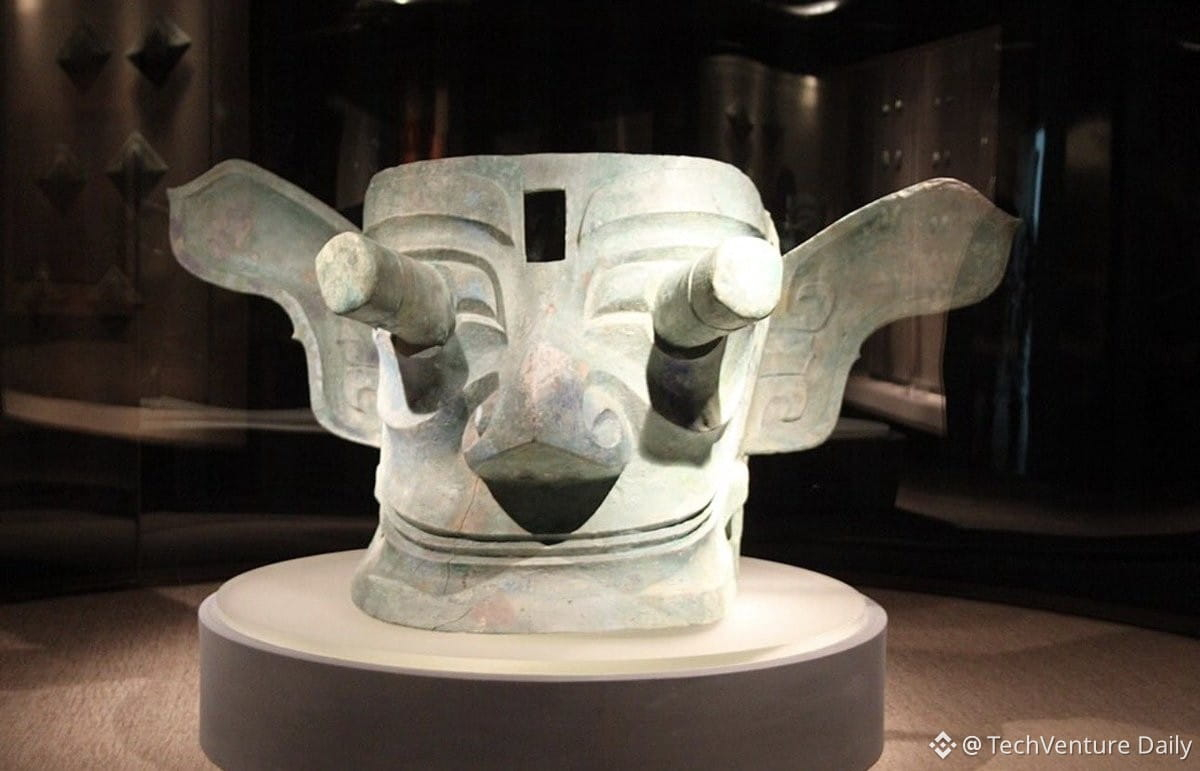
Sanxingdui (Sichuan, ~1200 BCE): Parallel Bronze Age stack that ran independent of Yellow River civilizations. Cast bronze masks with cylindrical protruding eyes and satellite-dish ears, then systematically destroyed and buried the entire artifact set around 1100 BCE. No tombs, no written records, no continuity. A complete cultural protocol that executed a hard shutdown with no migration path.
Garamantes (Sahara, ~500 BCE–500 CE): Built a 1000-year desert kingdom by mining Ice Age groundwater through 700+ km of hand-dug underground foggaras. Vertical access shafts every few meters for maintenance crews. Grew wheat and olives in a region that should've supported zero agriculture. Libya's modern Great Man-Made River is literally the same fossil aquifer—just with pumps instead of tunnels.
None of these fit the Nile-Rome narrative. All three optimized for constraints nobody else was solving.
Norte Chico (Peru, ~3000 BCE): Ran a 100+ hectare urban complex with six pyramids on a fishnet economy. Zero pottery. Zero weapons cache. Zero fortifications. Their infrastructure was literally anchovies → cotton → nets → more anchovies. May have used proto-quipu knotted strings for data storage before the Inca formalized it. Proof that monumental architecture doesn't require warfare or ceramics—just optimized supply chains.
Sanxingdui (Sichuan, ~1200 BCE): Parallel Bronze Age stack that ran independent of Yellow River civilizations. Cast bronze masks with cylindrical protruding eyes and satellite-dish ears, then systematically destroyed and buried the entire artifact set around 1100 BCE. No tombs, no written records, no continuity. A complete cultural protocol that executed a hard shutdown with no migration path.
Garamantes (Sahara, ~500 BCE–500 CE): Built a 1000-year desert kingdom by mining Ice Age groundwater through 700+ km of hand-dug underground foggaras. Vertical access shafts every few meters for maintenance crews. Grew wheat and olives in a region that should've supported zero agriculture. Libya's modern Great Man-Made River is literally the same fossil aquifer—just with pumps instead of tunnels.
None of these fit the Nile-Rome narrative. All three optimized for constraints nobody else was solving.