
Aria Bloom 阿莉娅
515 Posts

Aria Bloom 阿莉娅
Aria Bloom | Learning, growing, and exploring crypto with patience and purpose. Every step is progress 💞
Open Trade
High-Frequency Trader
1.5 Years
319 Following
9.1K+ Followers
3.8K+ Liked
Posts
Portfolio
All
Quotes
😍
Fabi_4043
·
--
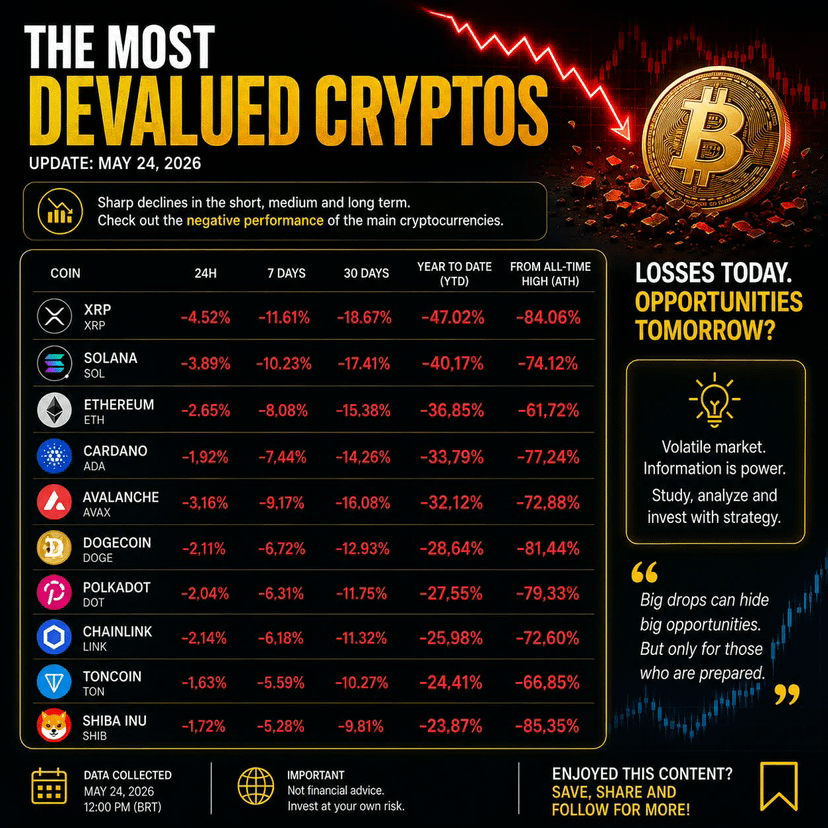
Price drops of the week!!!
$NVDAB
#AntiQuantumBitcoinTransactionMinedOnMainnet
$NVDAB
#AntiQuantumBitcoinTransactionMinedOnMainnet
😍

Sara_ k
·
--
claim here 👈🎁
good morning ⭐✨ join & claim web3 benefits here 👈🎁
good morning ⭐✨ join & claim web3 benefits here 👈🎁

😍


币盈Anna
·
--
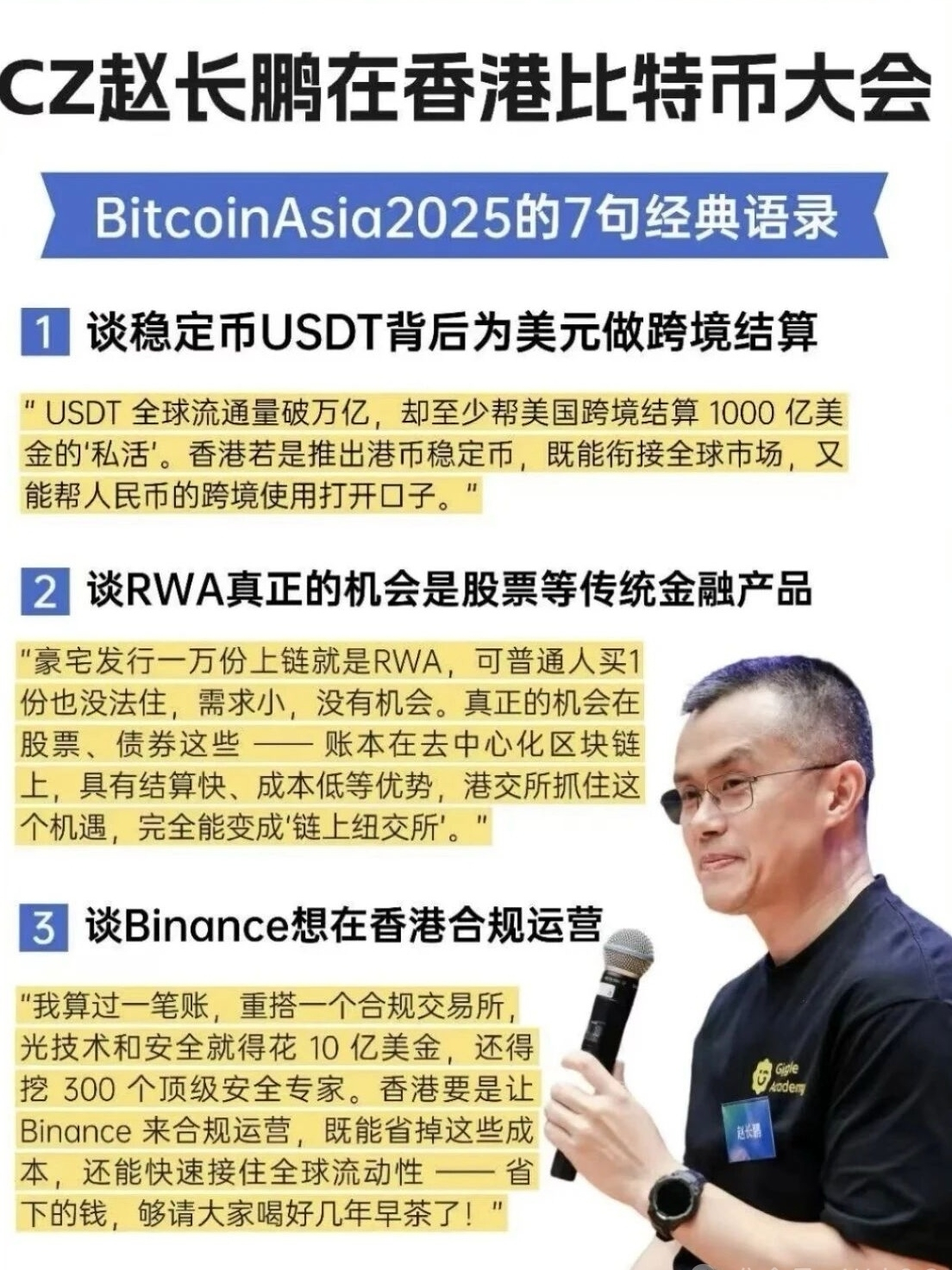
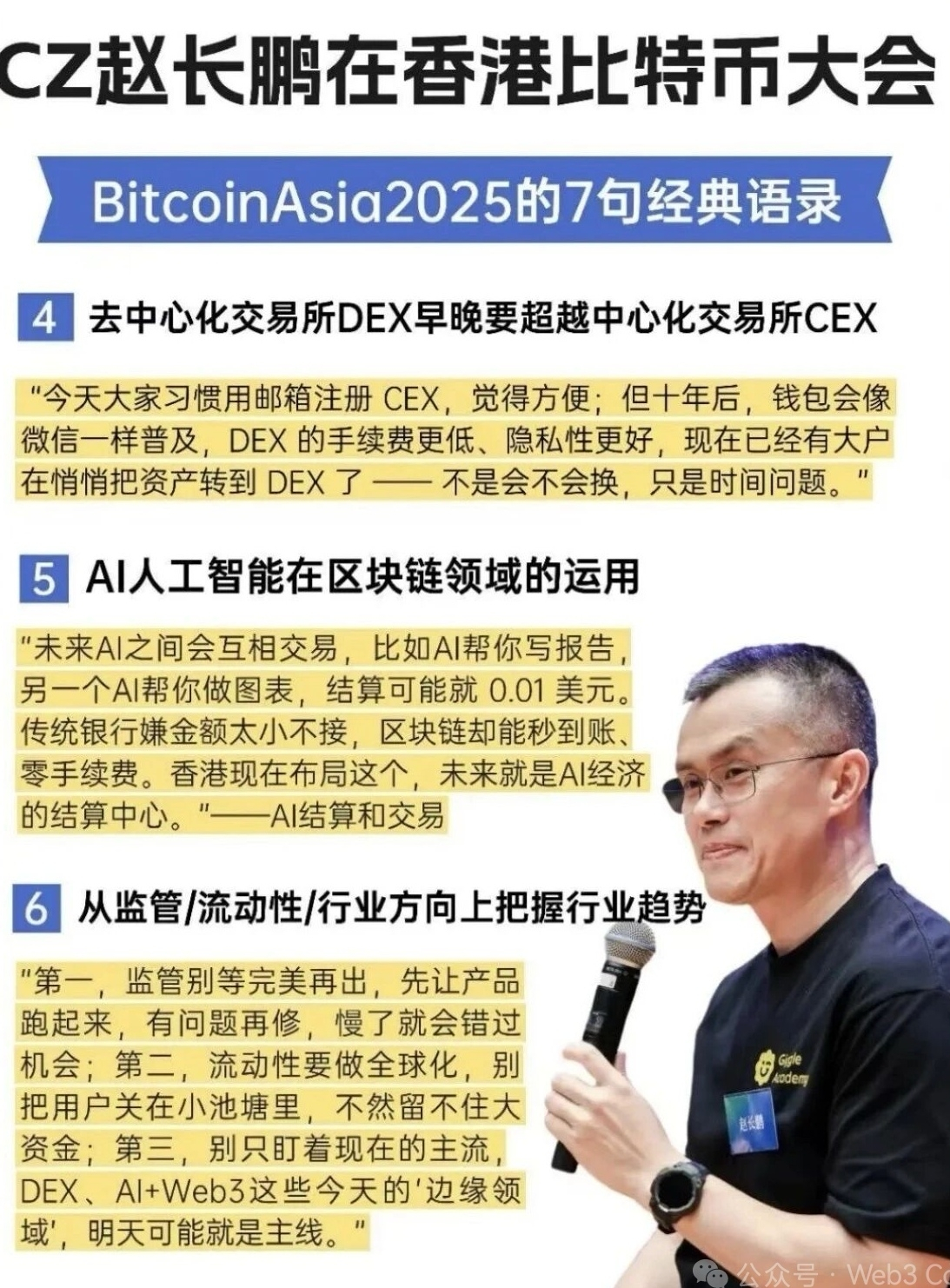
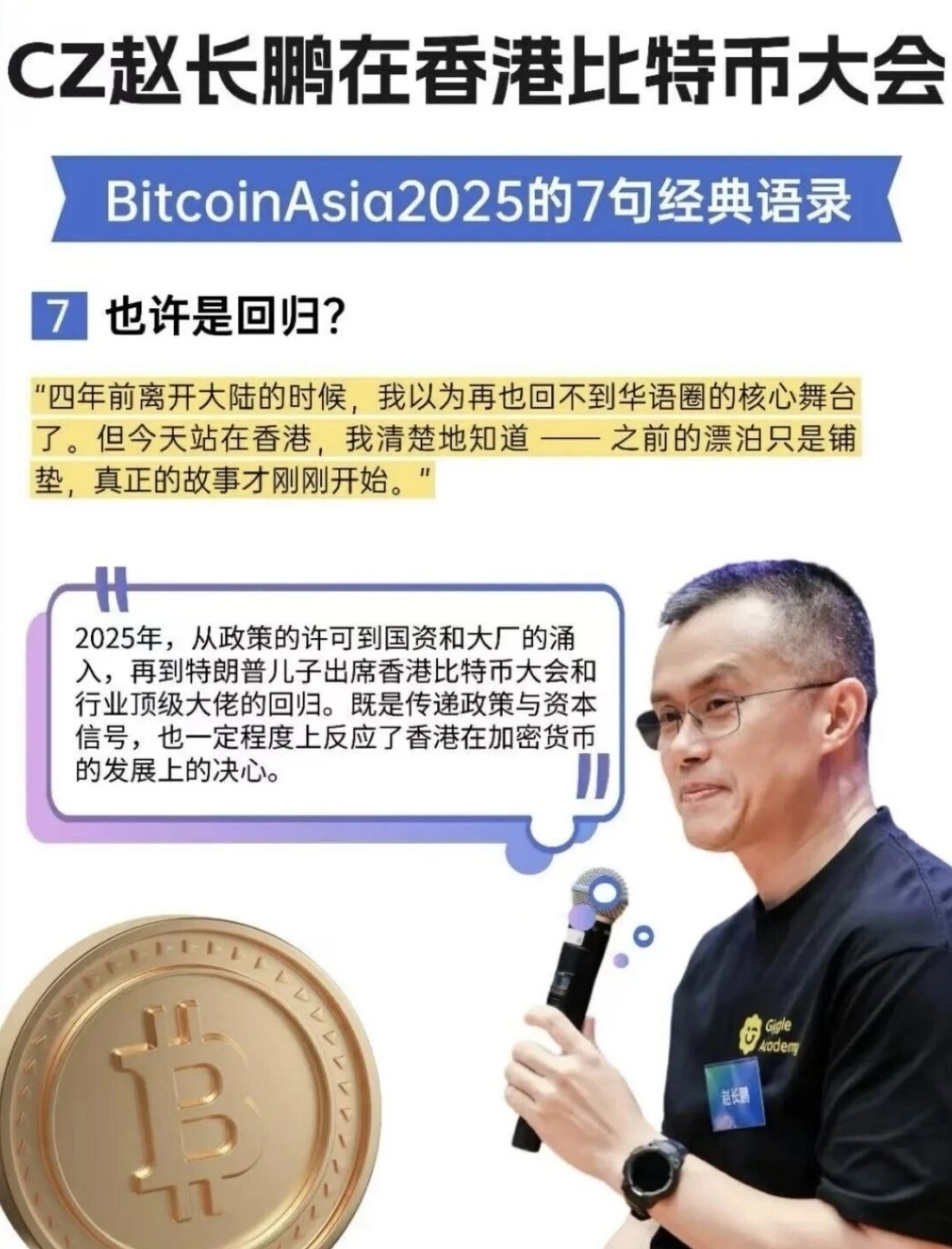
📢CZ赵长鹏香港比特币大会7大金句出炉
✅稳定币跨境结算
✅RWA链上传统金融
✅DEX未来超越CEX
✅AI+区块链经济赛道
✅香港合规与全球流动性布局
行业大佬指明方向,边缘赛道或将成为后市主线,一起来解读行业大趋势!
大佬们给出明牌,提高认知,把握趋势
#赵长鹏 #香港加密峰会 #Web3风口
✅稳定币跨境结算
✅RWA链上传统金融
✅DEX未来超越CEX
✅AI+区块链经济赛道
✅香港合规与全球流动性布局
行业大佬指明方向,边缘赛道或将成为后市主线,一起来解读行业大趋势!
大佬们给出明牌,提高认知,把握趋势
#赵长鹏 #香港加密峰会 #Web3风口
😇

Shaheen 69
·
--
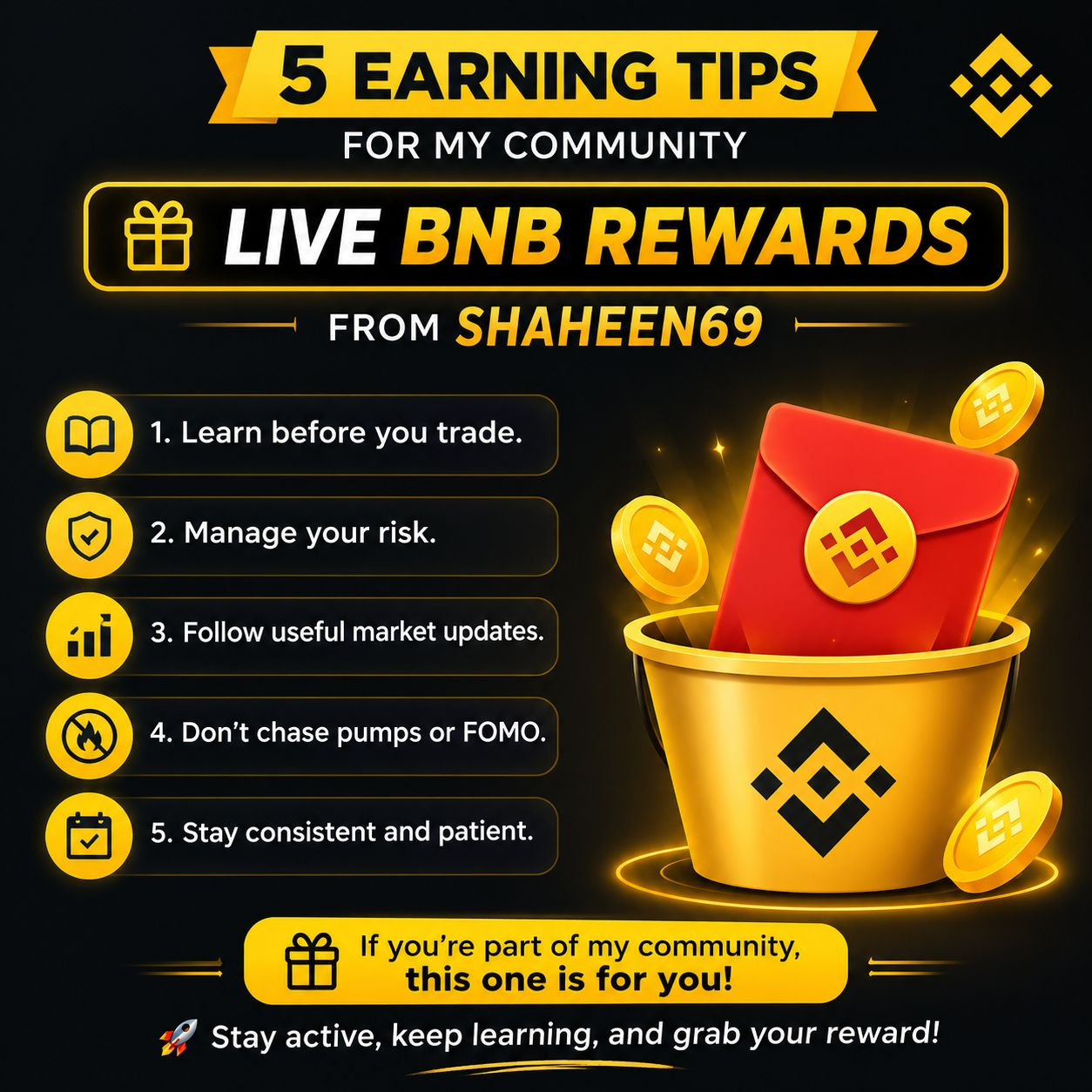
🎁 5 EARNING TIPS + LIVE BNB REWARD! 🔥
Want to grow your crypto journey? Start with these 5 simple tips:
1️⃣ Learn before you trade.
2️⃣ Manage your risk.
3️⃣ Follow useful market updates.
4️⃣ Don’t chase pumps or FOMO.
5️⃣ Stay consistent and patient.
💰 Shaheen69 is sharing a LIVE BNB Red Packet reward! 🎁
If you’re part of my community, this one is for you. ❤️
Stay active, keep learning, and grab your reward when it drops! 🚀
#Binance #Crypto
$PROM $UNI $OPG
Want to grow your crypto journey? Start with these 5 simple tips:
1️⃣ Learn before you trade.
2️⃣ Manage your risk.
3️⃣ Follow useful market updates.
4️⃣ Don’t chase pumps or FOMO.
5️⃣ Stay consistent and patient.
💰 Shaheen69 is sharing a LIVE BNB Red Packet reward! 🎁
If you’re part of my community, this one is for you. ❤️
Stay active, keep learning, and grab your reward when it drops! 🚀
#Binance #Crypto
$PROM $UNI $OPG
😍

Flora Firdos
·
--
🎁 FREE $USDT GIVEAWAY! 💸
Want a chance to grab some $USDT ? 👀
Just follow these simple steps:
💬 Comment 999
❤️ Like this post
🔄 Repost & share
➕ Follow the account
Don’t wait too long the earlier you join, the better! 🚀
#USDT #CryptoGiveaway #Airdrops_free #USDTfree
Want a chance to grab some $USDT ? 👀
Just follow these simple steps:
💬 Comment 999
❤️ Like this post
🔄 Repost & share
➕ Follow the account
Don’t wait too long the earlier you join, the better! 🚀
#USDT #CryptoGiveaway #Airdrops_free #USDTfree

😍

Bilawal Ashiq
·
--
Bullish🧧🧧Clam And Shere please 🎉
$USD1
$USD1
57
Node知行
·
--
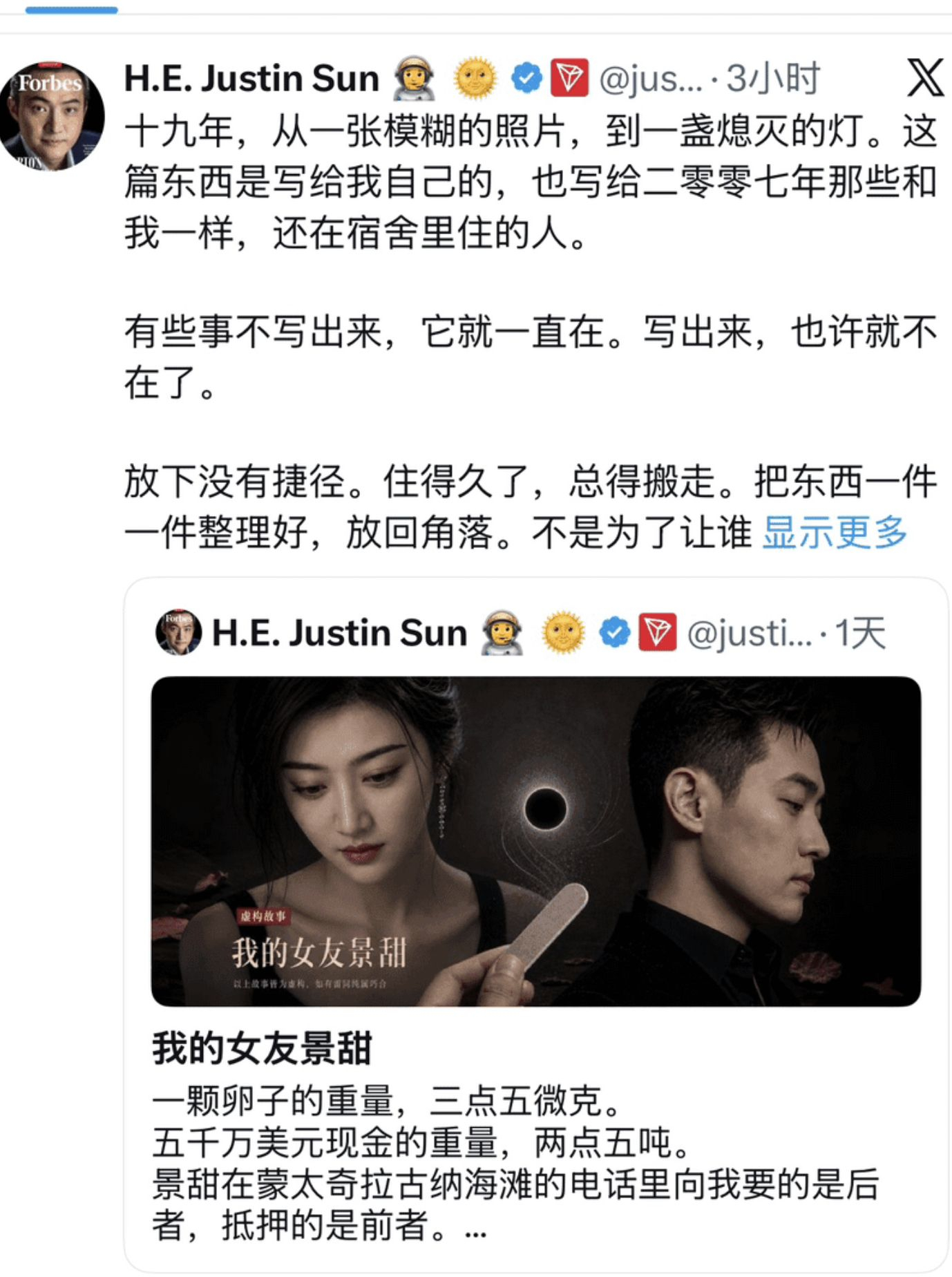
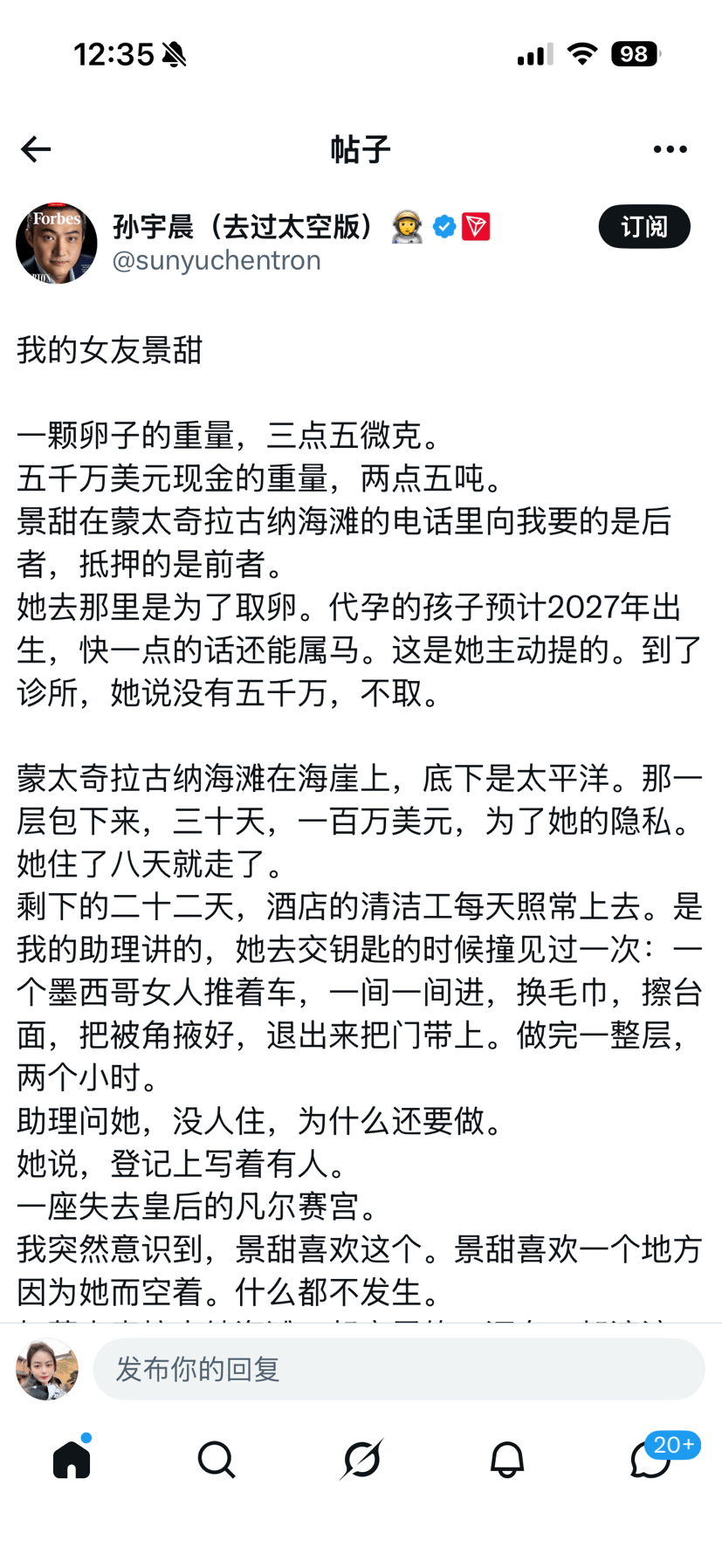
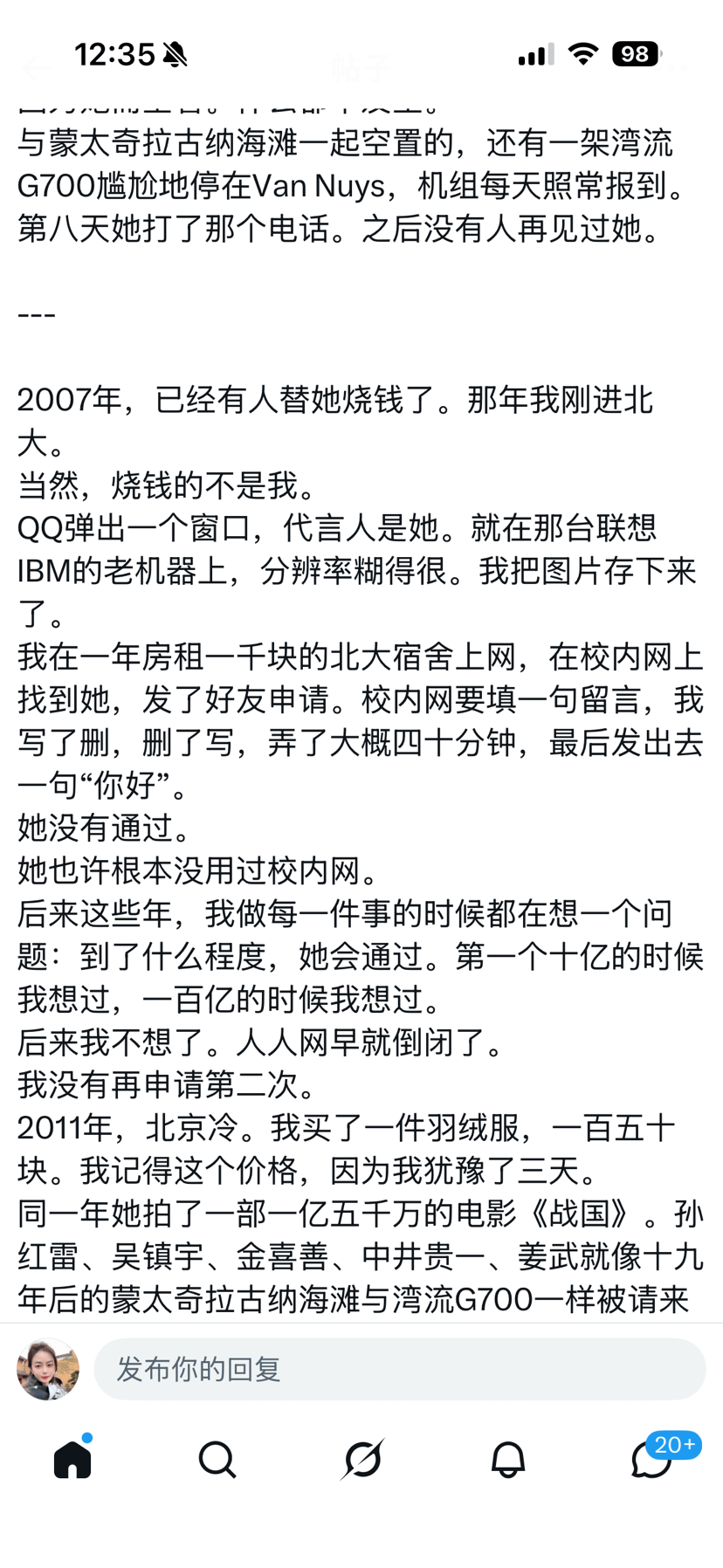
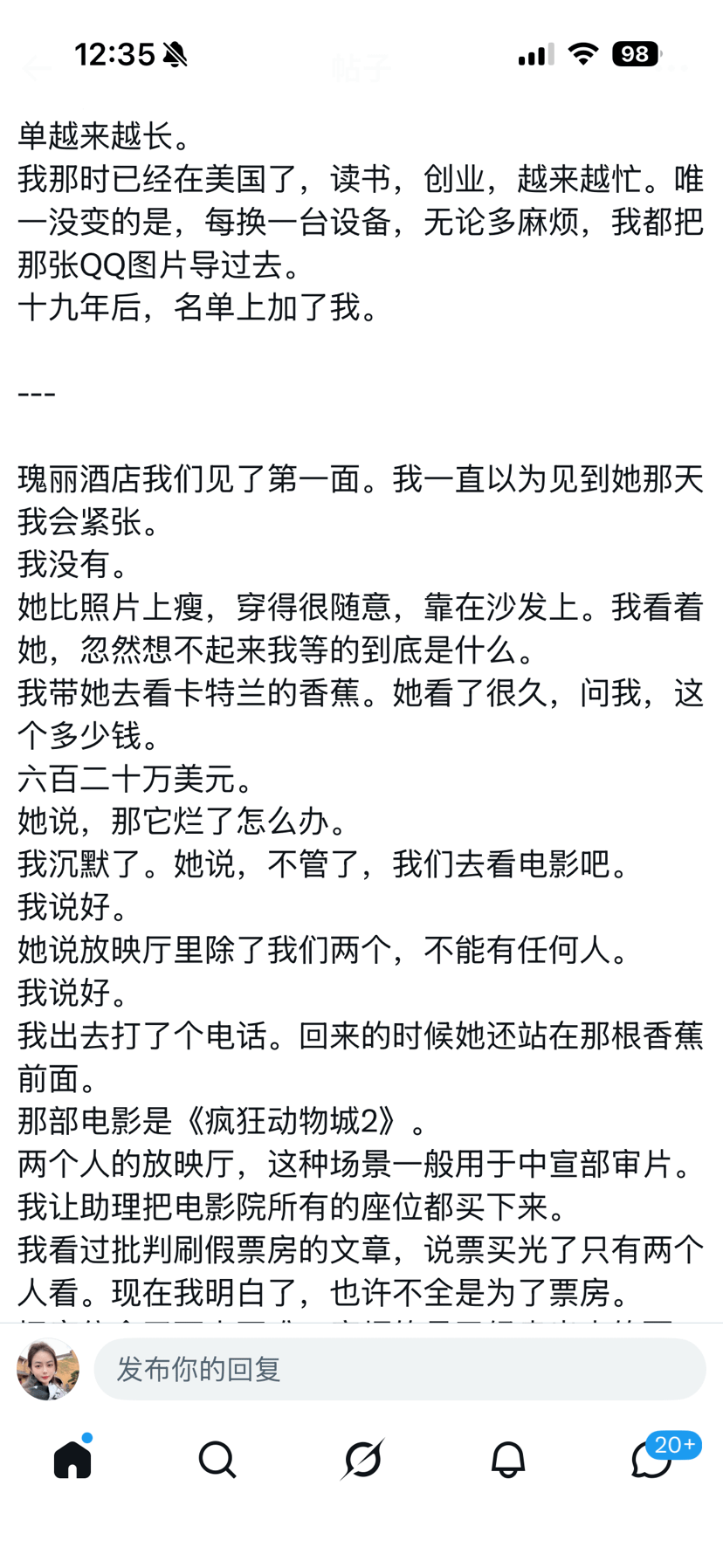
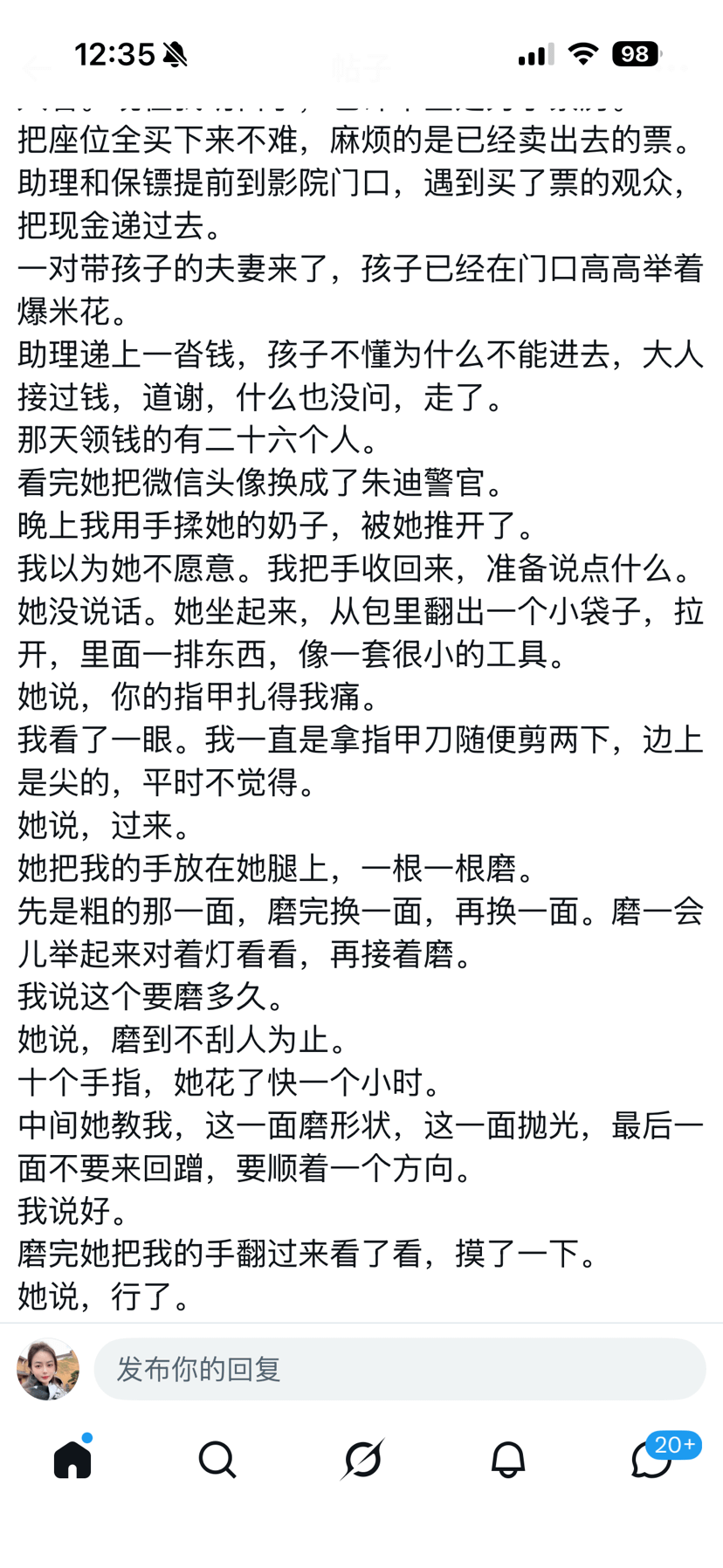
Bullish景甜呀景甜,你以为币圈的钱好挣,没想到孙哥直接把你吃干抹净,孙哥就是一个没有感情的赚钱工具,为了流量啥都发,你都踩过体育生的坑了怎么还是踩这样的坑,好好的路被自己一点点毁掉,说白了一个为钱一个为流量,没有完全的$BNB 对错
😍

Prof Denial
·
--
I’m giving a $DOGE 🐶 reward 🎁 to our community as a BIG gift of appreciation.
💛claim it before the reward is gone.💛
💛 Don’t wait and miss your chance! 💛
💛claim it before the reward is gone.💛
💛 Don’t wait and miss your chance! 💛

😍

DK短线复刻
·
--
关注回复领取红包🎁🎁

😇
Cryptology_7
·
--
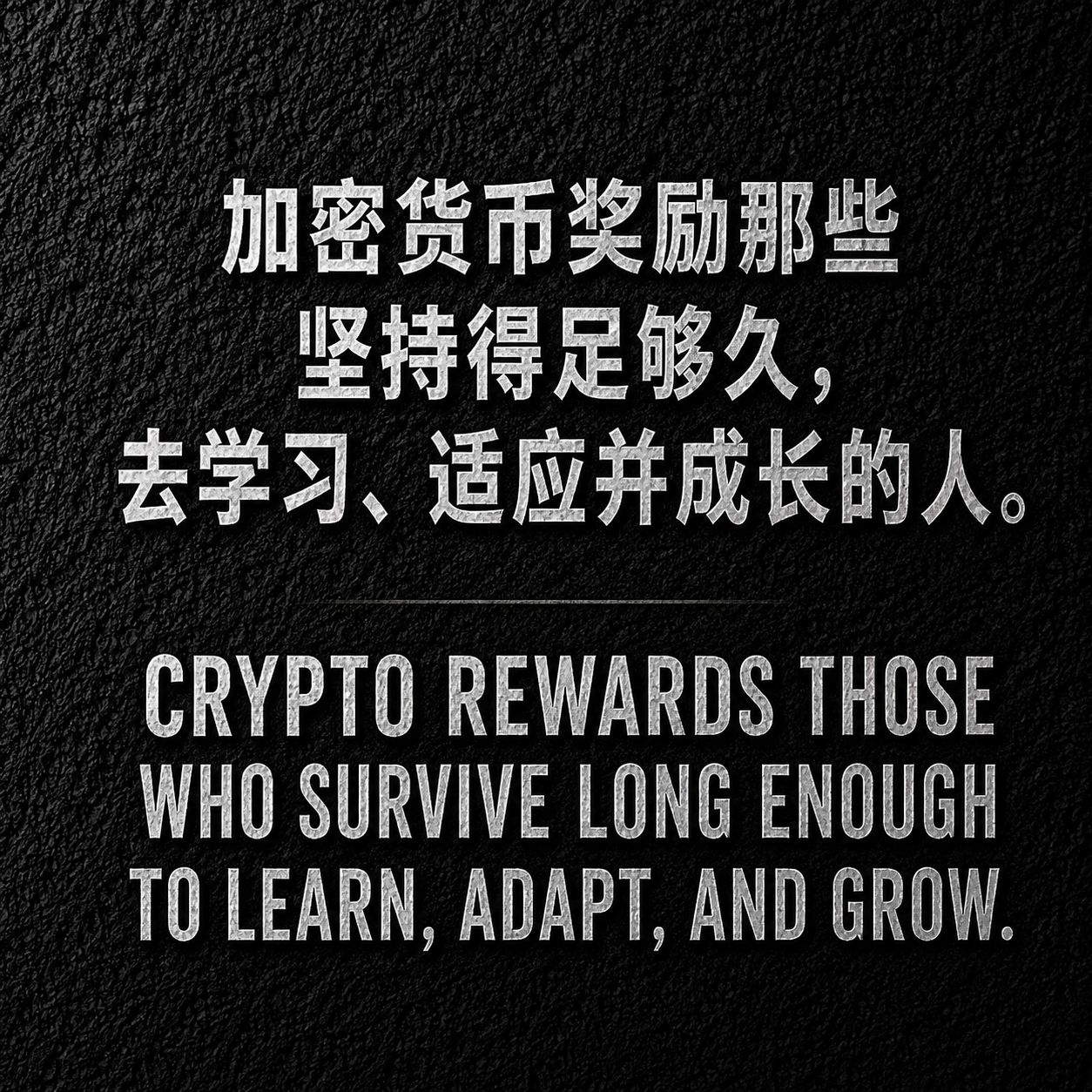
𝐂𝐫𝐲𝐩𝐭𝐨 𝐫𝐞𝐰𝐚𝐫𝐝𝐬 𝐭𝐡𝐨𝐬𝐞 𝐰𝐡𝐨 𝐬𝐮𝐫𝐯𝐢𝐯𝐞 𝐥𝐨𝐧𝐠 𝐞𝐧𝐨𝐮𝐠𝐡 𝐭𝐨 𝐥𝐞𝐚𝐫𝐧, 𝐚𝐝𝐚𝐩𝐭, 𝐚𝐧𝐝 𝐠𝐫𝐨𝐰. 🤍🌱
$O $ETH
#Ethereum #CryptoPatience
#Cryptology_7
$O $ETH
#Ethereum #CryptoPatience
#Cryptology_7
😍

AbdullRauf
·
--
YOUR SUPPORT = OUR THANKS. 2000 GIFTS, GO! 🚀🎁💐
Square Family, you rock! 🧧 To celebrate YOU, we’re giving away 2000 GIFTS. Let’s go!
How to enter:
👉 Follow us
👉 Share this post
👉 Comment “666”
Random draws. Huge wins. Enter now!
Square Family, you rock! 🧧 To celebrate YOU, we’re giving away 2000 GIFTS. Let’s go!
How to enter:
👉 Follow us
👉 Share this post
👉 Comment “666”
Random draws. Huge wins. Enter now!
😍

Dream Spicer 梦想家
·
--
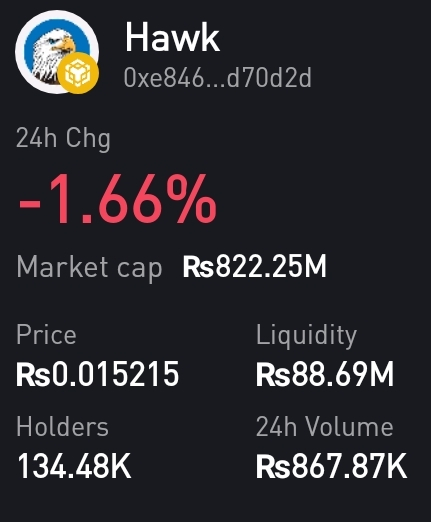
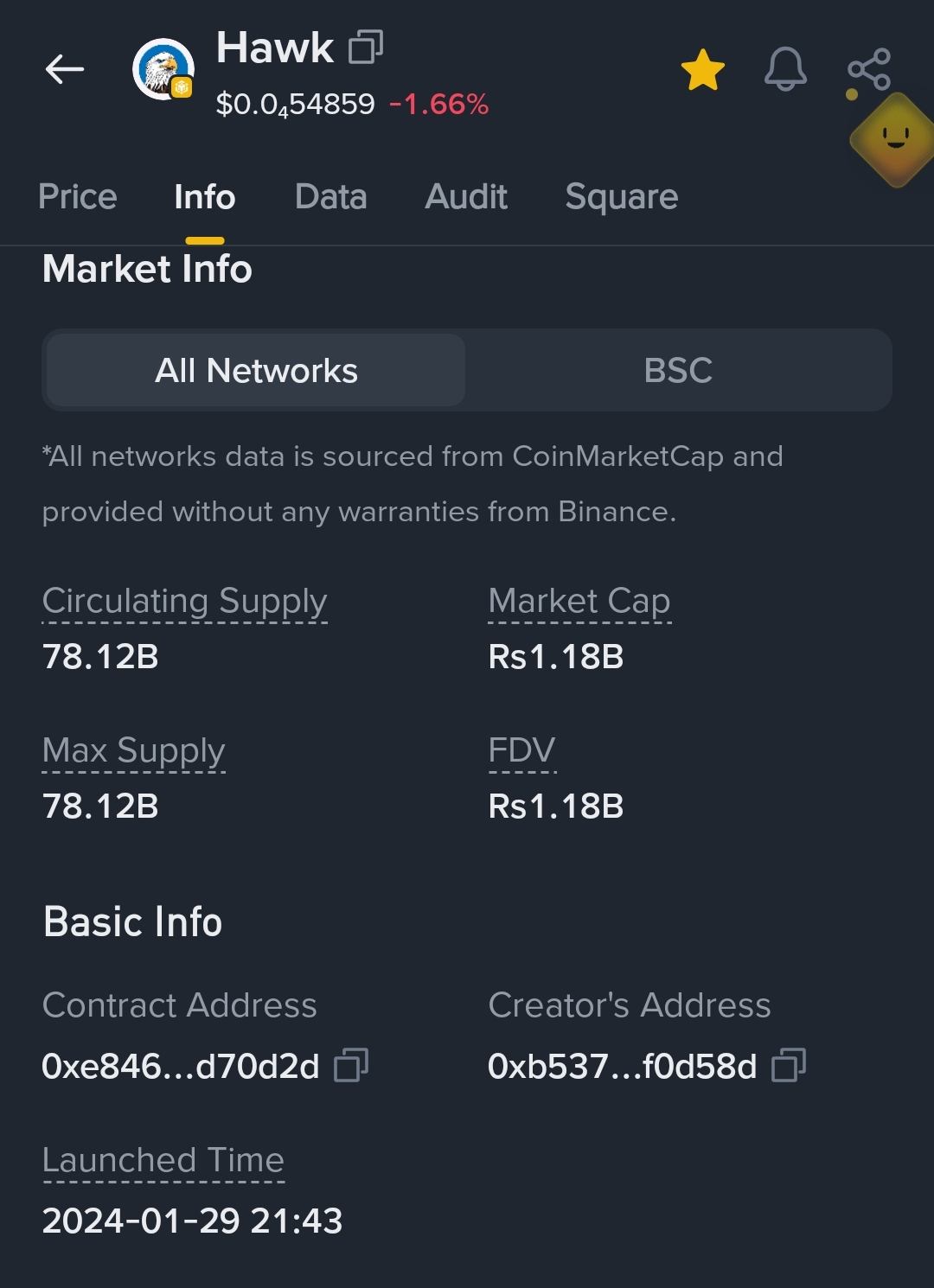
Hawk Is Still Learning to Fly 🦅
The more I study $HAWK , the more I think it’s still too early to judge HawkFi by where it is today.
I see the current phase more like flight training.
The pieces are starting to come together liquidity tools, DLMM-focused strategies, automation, pool discovery and the move toward agent based trading. But having the tools is one thing. Proving they work reliably across different market conditions is another.
That’s the part I find interesting.
A liquidity agent has to deal with much more than simply finding a pool. It needs to think about fees, price ranges, inventory, volatility, rebalancing and execution. When markets get messy, that’s where the real test begins.
So I’m not looking at $HAWK and trying to guess a future price.
I’m watching whether the product keeps becoming more useful, more automated and more capable of handling real liquidity problems.
Hawk doesn’t need to be flying at full altitude yet.
Right now, it’s learning how to control its wings.
And honestly, that early stage is what makes it worth watching.
#HAWK #HawkFi #DeFi #BNB @Hawk自由哥
The more I study $HAWK , the more I think it’s still too early to judge HawkFi by where it is today.
I see the current phase more like flight training.
The pieces are starting to come together liquidity tools, DLMM-focused strategies, automation, pool discovery and the move toward agent based trading. But having the tools is one thing. Proving they work reliably across different market conditions is another.
That’s the part I find interesting.
A liquidity agent has to deal with much more than simply finding a pool. It needs to think about fees, price ranges, inventory, volatility, rebalancing and execution. When markets get messy, that’s where the real test begins.
So I’m not looking at $HAWK and trying to guess a future price.
I’m watching whether the product keeps becoming more useful, more automated and more capable of handling real liquidity problems.
Hawk doesn’t need to be flying at full altitude yet.
Right now, it’s learning how to control its wings.
And honestly, that early stage is what makes it worth watching.
#HAWK #HawkFi #DeFi #BNB @Hawk自由哥
😍

rabi coin
·
--
$BTC is holding around $77.6K after the recent pullback.
The market still looks cautious, so I’m watching the next move closely.
#Binance #BTC
The market still looks cautious, so I’m watching the next move closely.
#Binance #BTC
😍

AI随缘俱乐部
·
--
UXUY × SUBB 专场 | 币安广场AMA重磅来袭!
📅 时间:8月29日(今晚)21:00 - 22:00
📍 锁定:周周1688直播间
我们将围绕 UXUY 与 SUBB 生态 展开深度对话,开启实时问答互动,与行业伙伴一起聊聊 Web3 的新机遇。
🎁 现场互动福利多多,参与即有机会赢取惊喜!
#SUBB #UXUY #币安广场AMA
📅 时间:8月29日(今晚)21:00 - 22:00
📍 锁定:周周1688直播间
我们将围绕 UXUY 与 SUBB 生态 展开深度对话,开启实时问答互动,与行业伙伴一起聊聊 Web3 的新机遇。
🎁 现场互动福利多多,参与即有机会赢取惊喜!
#SUBB #UXUY #币安广场AMA

😇
小姨妈lily
·
--
币圈男有几个典型特点:精算、赌性强、爱套利,能白嫖绝不付费。
这个其实也没办法,币圈可能是全球金融衍生品最齐全、套利机会最多的市场之一。一个原本完全不懂金融的人,在币圈摸爬滚打几年,经历过合约、期权、杠杆、清算、套保,再玩过一轮 DeFi,实际金融博弈经验未必比金融 PhD 差。
尤其 DeFi 出来以后,借贷、循环贷、LP、对冲、套利,各种金融结构天天拿真金白银练手。
所以真要把币圈男当“猎物”,其实是最难捞的一群人。
你以为你在算他的钱,他可能从第一天就在算你的赔率、成本和退出路径。
就算前面真让你捞到了,最后也很容易被反向套利。
所以捞女去捞币圈男,往往是最不划算的一门生意。
你以为自己在做局,他可能从认识你的第一天,就已经把风险收益比算完了。
币圈最不缺的,就是见过泡沫、骗局、暴涨暴跌之后,还能面不改色的人。
这个其实也没办法,币圈可能是全球金融衍生品最齐全、套利机会最多的市场之一。一个原本完全不懂金融的人,在币圈摸爬滚打几年,经历过合约、期权、杠杆、清算、套保,再玩过一轮 DeFi,实际金融博弈经验未必比金融 PhD 差。
尤其 DeFi 出来以后,借贷、循环贷、LP、对冲、套利,各种金融结构天天拿真金白银练手。
所以真要把币圈男当“猎物”,其实是最难捞的一群人。
你以为你在算他的钱,他可能从第一天就在算你的赔率、成本和退出路径。
就算前面真让你捞到了,最后也很容易被反向套利。
所以捞女去捞币圈男,往往是最不划算的一门生意。
你以为自己在做局,他可能从认识你的第一天,就已经把风险收益比算完了。
币圈最不缺的,就是见过泡沫、骗局、暴涨暴跌之后,还能面不改色的人。
😍
路人1688-luren
·
--
绝大多数人这辈子的情感痛苦,都源于一个致命执念。 总以为真心可以永恒,相伴可以长久,爱意可以一成不变。
总以为当下的热烈、笃定、深情,就是一辈子的标准答案。
总以为陪自己走过一程的人,就会陪自己走完余生。 我们拼命执着圆满,强求不变,对抗离散。
可越执着,越内耗;越强求,越痛苦。 因为我们从一开始,就看错了这个世界的底层规则。$AAPLB
总以为当下的热烈、笃定、深情,就是一辈子的标准答案。
总以为陪自己走过一程的人,就会陪自己走完余生。 我们拼命执着圆满,强求不变,对抗离散。
可越执着,越内耗;越强求,越痛苦。 因为我们从一开始,就看错了这个世界的底层规则。$AAPLB

😍

GLOW_PK
·
--
SOL red packet dropped ❤️🩹🧧
and suddenly nobody🫀✨️
needs sleep anymore 😂🎁
Everyone refreshing nonstop🎁🧧
like their salary depends on it 🤣💸🚀
Clim it Fast 🎁🤗💞🔐
$NVDAB $AAPLB $SOL
#Claim #Redpaicket #SECSendsCryptoCustodyRuleToWhiteHouse #SECSendsCryptoCustodyRuleToWhiteHouse #XRPRallies44%InAWeek
and suddenly nobody🫀✨️
needs sleep anymore 😂🎁
Everyone refreshing nonstop🎁🧧
like their salary depends on it 🤣💸🚀
Clim it Fast 🎁🤗💞🔐
$NVDAB $AAPLB $SOL
#Claim #Redpaicket #SECSendsCryptoCustodyRuleToWhiteHouse #SECSendsCryptoCustodyRuleToWhiteHouse #XRPRallies44%InAWeek

😍
奕澤YiiiiiZze
·
--
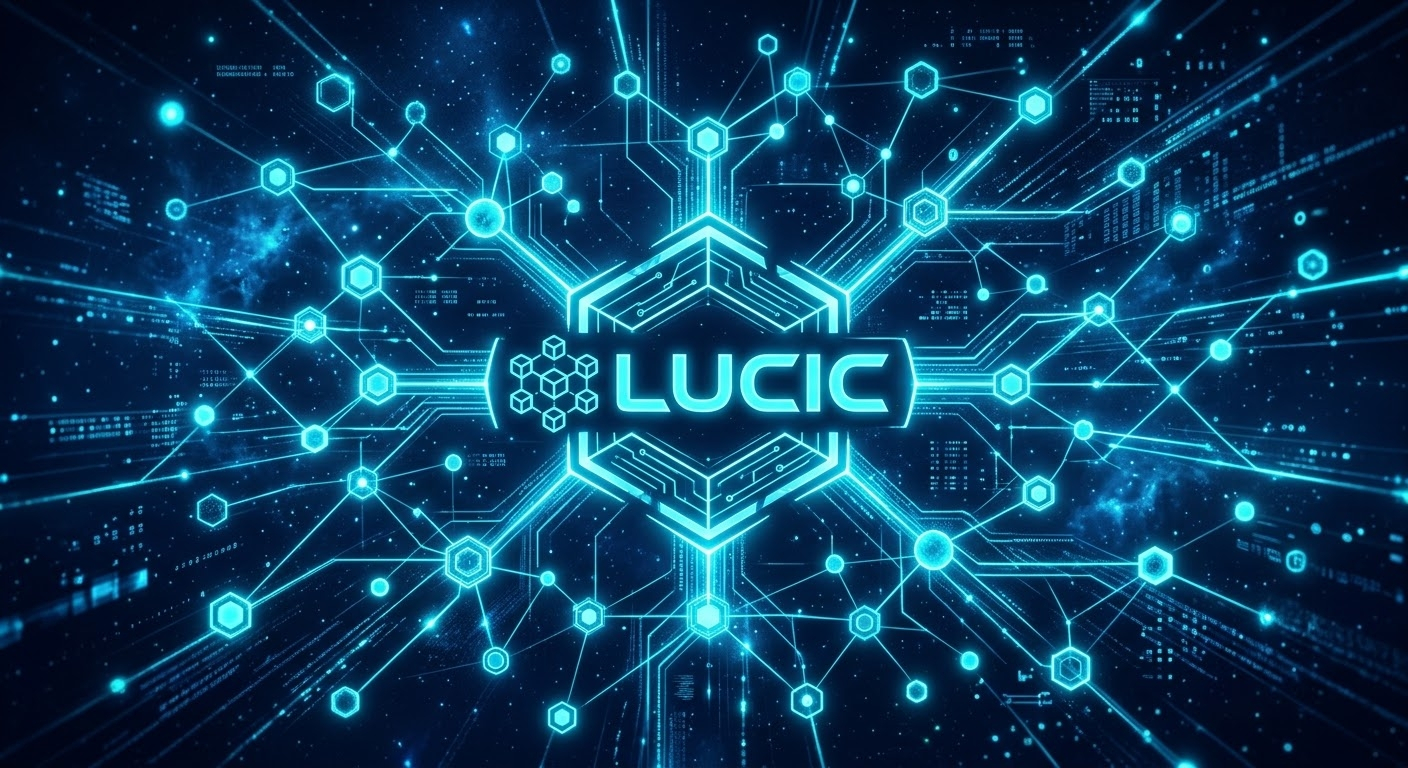
在光明社区的发展历程中,LUCIC作为唯一代币,一直扮演着凝聚共识的重要角色。它记录着每一位社区成员的努力与付出。展望未来,我们期待 LUCIC 能发挥更实际的价值,让社区的每一份子都能从中受益,共同见证它的平稳成长与光明前景。
点赞&关注&转发领取🎁🎁🎁
点赞&关注&转发领取🎁🎁🎁
The journey isn’t always about numbers, markets, and targets. Sometimes, it’s about stepping away for a moment, enjoying the beauty of nature, and appreciating the peaceful moments that make life meaningful. ✨
A beautiful view, calm waters, and my little companion by my side. 🐱🤍
Simple moments, unforgettable memories.
Keep moving forward, stay positive, and enjoy every part of the journey. 🚀✨
$BTR $GIGGLE $SOL
A beautiful view, calm waters, and my little companion by my side. 🐱🤍
Simple moments, unforgettable memories.
Keep moving forward, stay positive, and enjoy every part of the journey. 🚀✨
$BTR $GIGGLE $SOL

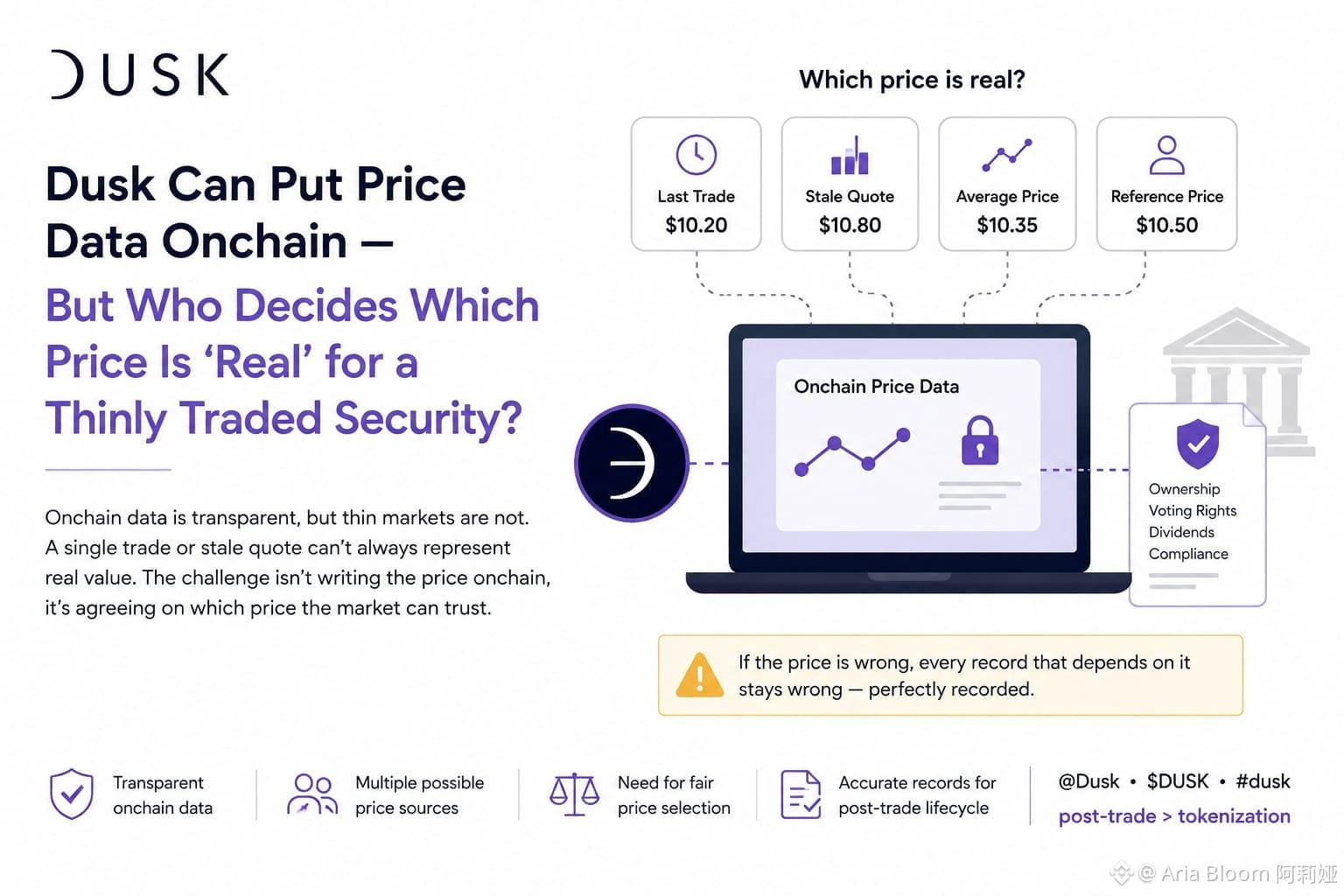
I’ve been thinking about Dusk’s onchain price data a bit differently lately. Putting a price onchain sounds straightforward until I imagine a security that barely trades. If it moves once every few days which price actually represents the market? The last trade? A stale quote? An average? Or some reference value agreed by the system?
That matters because tokenization doesn’t automatically make the underlying asset more measurable. The chain can preserve a number very accurately but it can’t decide by itself whether that number still reflects reality. For a thinly traded security a single small transaction could look meaningful even when it tells us very little about what another buyer would actually pay.
I think this is where Dusk’s post-trade focus gets more interesting to me. The source material makes the point that the hard part is keeping records correct after trading including rights payments and compliance. But there’s another dependency sitting underneath those records: the inputs have to be trustworthy in the first place. If eligibility or valuation eventually depends on price data.
bad inputs can stay perfectly recorded onchain.
I’d want to see how Dusk handles stale or disputed prices in practice. Who gets the final say when the market itself barely speaks?
#dusk $DUSK @Dusk
That matters because tokenization doesn’t automatically make the underlying asset more measurable. The chain can preserve a number very accurately but it can’t decide by itself whether that number still reflects reality. For a thinly traded security a single small transaction could look meaningful even when it tells us very little about what another buyer would actually pay.
I think this is where Dusk’s post-trade focus gets more interesting to me. The source material makes the point that the hard part is keeping records correct after trading including rights payments and compliance. But there’s another dependency sitting underneath those records: the inputs have to be trustworthy in the first place. If eligibility or valuation eventually depends on price data.
bad inputs can stay perfectly recorded onchain.
I’d want to see how Dusk handles stale or disputed prices in practice. Who gets the final say when the market itself barely speaks?
#dusk $DUSK @Dusk
Log in to explore more content