
PK Aima
7.6k Posts

PK Aima
 Square Verified+
Spot trader, Square creator
Open Trade
High-Frequency Trader
1 Years
812 Following
38.1K+ Followers
20.1K+ Liked
Posts
Portfolio
All
Quotes
Live
PINNED
Respect others and be honest . 🎀🎀🎀like it
share it
follow
and claim reward 🎀🎀🎀
share it
follow
and claim reward 🎀🎀🎀

@Aria Bloom

Aria Bloom 阿莉娅
·
--
BullishStay focused keep learning, and make every move with confidence. 🚀
The crypto journey is all about continuous learning, smart decisions and staying consistent. 💛
Let’s keep growing together with Binance.
#BinanceSquareTalks #cryptouniverseofficial $TUT $BTC
The crypto journey is all about continuous learning, smart decisions and staying consistent. 💛
Let’s keep growing together with Binance.
#BinanceSquareTalks #cryptouniverseofficial $TUT $BTC

go

Leo木BNB_1688
·
--
8月28日,恐慌贪婪指数72,"贪婪"区间。
30天前,同一个指数是24,"极度恐慌"——那时候 BTC 在64000附近,Coldcard 被黑,ETF 连续流出,CLARITY Act 通过概率跌破30%,所有人都在说"还有最后一跌"。
30天内,市场情绪完成了一次完整的翻转。
这个速度值得认真对待,原因有两个。
第一:从极度恐慌到贪婪的速度,历史上往往对应真实的结构性变化,而不只是情绪波动——这次推动翻转的是财政部把债券回购翻倍、白宫直接推动 CLARITY Act、ETF 单周净流入19.18亿美元,三件事都是真实发生的,不是叙事。
第二:贪婪区间出现之后,通常伴随着两种结局——如果底层结构继续支撑,贪婪会持续并推动进一步上涨;如果是情绪过度扩张,一个小利空就能快速回撤至恐慌。Warsh 的演讲是第一次测试,BTC 在77800附近买盘出现,没有崩——这是结构在支撑,而不是纯粹情绪。
与此同时,SEC 的加密资产托管新规(RIN 3235-AN46)在8月25日进入白宫行政管理和预算局审查——这是正式监管规则落地之前的最后一道流程。这条规则会允许机构在持牌条件下托管加密资产,直接降低合规机构的配置门槛。
情绪翻转+监管框架在悄悄落地——这两件事同时成立,是8月结束时我觉得值得记录的两个长期信号。
9月9日财政部回购扩大执行,9月16日 FOMC,CLARITY Act 9月复会继续谈判——三件事串在一起,才是9月方向真正的答案。
你们觉得这次情绪从极度恐慌翻到贪婪,是真正的结构性改变,还是过度扩张之后又会回撤?说说判断。
$BTC
#BTC
30天前,同一个指数是24,"极度恐慌"——那时候 BTC 在64000附近,Coldcard 被黑,ETF 连续流出,CLARITY Act 通过概率跌破30%,所有人都在说"还有最后一跌"。
30天内,市场情绪完成了一次完整的翻转。
这个速度值得认真对待,原因有两个。
第一:从极度恐慌到贪婪的速度,历史上往往对应真实的结构性变化,而不只是情绪波动——这次推动翻转的是财政部把债券回购翻倍、白宫直接推动 CLARITY Act、ETF 单周净流入19.18亿美元,三件事都是真实发生的,不是叙事。
第二:贪婪区间出现之后,通常伴随着两种结局——如果底层结构继续支撑,贪婪会持续并推动进一步上涨;如果是情绪过度扩张,一个小利空就能快速回撤至恐慌。Warsh 的演讲是第一次测试,BTC 在77800附近买盘出现,没有崩——这是结构在支撑,而不是纯粹情绪。
与此同时,SEC 的加密资产托管新规(RIN 3235-AN46)在8月25日进入白宫行政管理和预算局审查——这是正式监管规则落地之前的最后一道流程。这条规则会允许机构在持牌条件下托管加密资产,直接降低合规机构的配置门槛。
情绪翻转+监管框架在悄悄落地——这两件事同时成立,是8月结束时我觉得值得记录的两个长期信号。
9月9日财政部回购扩大执行,9月16日 FOMC,CLARITY Act 9月复会继续谈判——三件事串在一起,才是9月方向真正的答案。
你们觉得这次情绪从极度恐慌翻到贪婪,是真正的结构性改变,还是过度扩张之后又会回撤?说说判断。
$BTC
#BTC

go

YASH DHALIWAL 31_加密 143
·
--
Bearish$PROM 🔥🔥
go

Sahil987
·
--
Claim 🎁🎁 Somewhere between the mountains and your smile, I found my favorite place to be.

1

帝王168
·
--
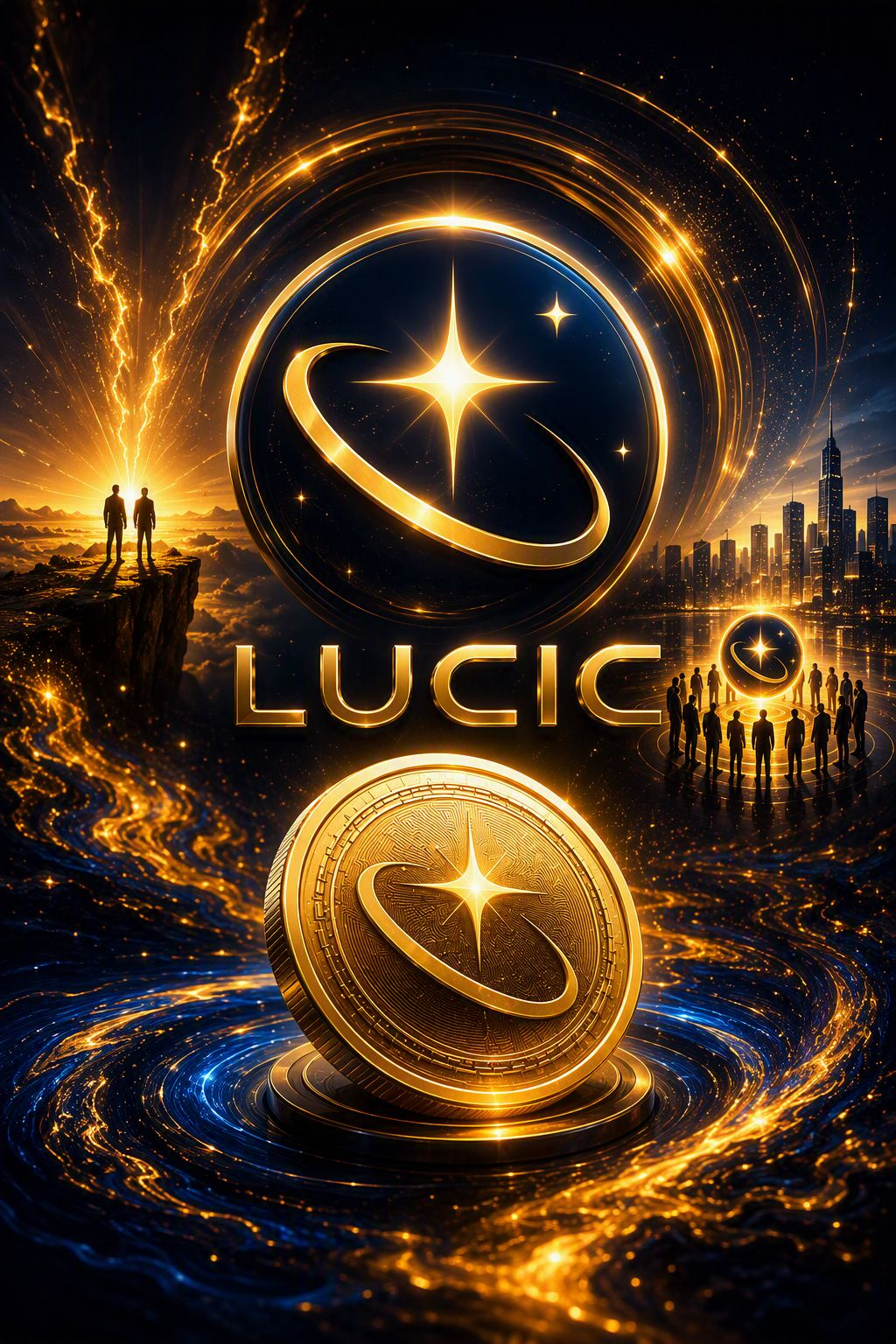
LUCiC不仅仅是一个代币,更是一种以透明、信任与长期价值为核心的理念。在充满噪音与短期投机的加密市场中,LUCiC始终坚持让每一步成长都有迹可循,让每一次发展都有据可查,让每一位社区成员都能参与并见证生态的壮大。LUCiC标志中的星光象征着希望与方向,环绕的轨迹象征着持续进化与无限可能,而光明社区则代表着所有志同道合者共同前行的力量。真正伟大的项目从来不是一夜成名,而是在时间的沉淀中不断兑现承诺、积累共识、创造价值。对于相信未来的人来说,LUCiC不仅是一项投资,更是一场关于信念、成长与共赢的长期旅程;当越来越多人因透明而信任、因价值而坚守、因愿景而汇聚时,LUCiC所追求的便不再只是市场的认可,而是成为Web3时代值得被记住的光。
✨#LUCIC #光明社区 #Web3 #透明共识 #价值成长 #未来已来
@静姐6888 @一休哥168 @光明社区-亮总 @光明社区-云汐涟漪 @光明社区-裴佩 @未来已来-光明社区 @瑞霖-光明社区 @光明社区-明道 @金算盘-光明社区 @阿波罗1111
✨#LUCIC #光明社区 #Web3 #透明共识 #价值成长 #未来已来
@静姐6888 @一休哥168 @光明社区-亮总 @光明社区-云汐涟漪 @光明社区-裴佩 @未来已来-光明社区 @瑞霖-光明社区 @光明社区-明道 @金算盘-光明社区 @阿波罗1111
go

Raven Hei 黑
·
--
🎁🧧 RED PACKET TIME! 🧧🎁
A little surprise can make someone’s day ❤️✨
Ready to grab your share? 👀🔥
💰 Open • Claim • Enjoy
🍀 Good luck everyone!
Who’s getting lucky today? 😍👇
#RedPacket #Crypto #Binance #Web3
A little surprise can make someone’s day ❤️✨
Ready to grab your share? 👀🔥
💰 Open • Claim • Enjoy
🍀 Good luck everyone!
Who’s getting lucky today? 😍👇
#RedPacket #Crypto #Binance #Web3
go
king Gulfam
·
--
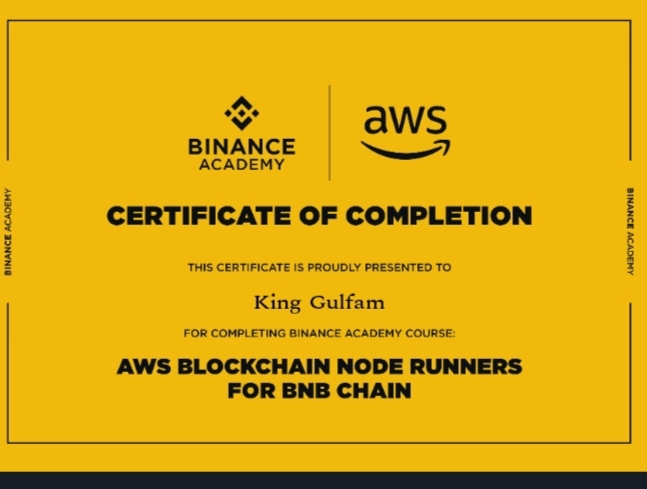
#BINANCEACADEMY.
Thankyou 👍🏻
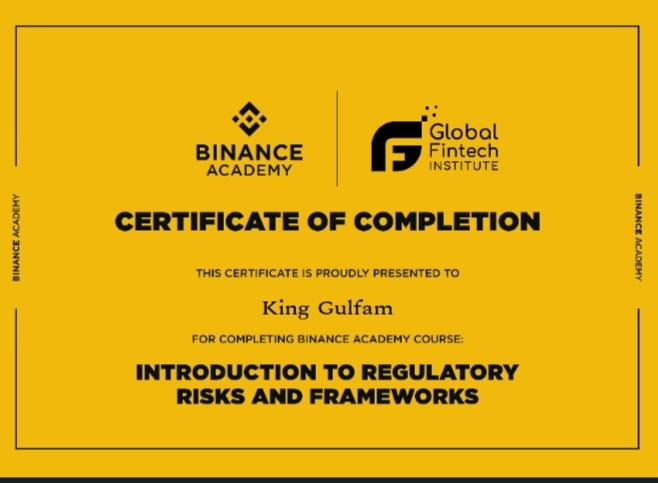
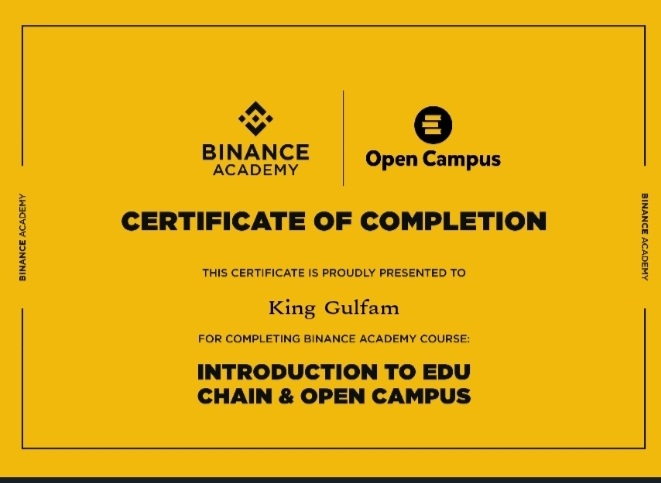
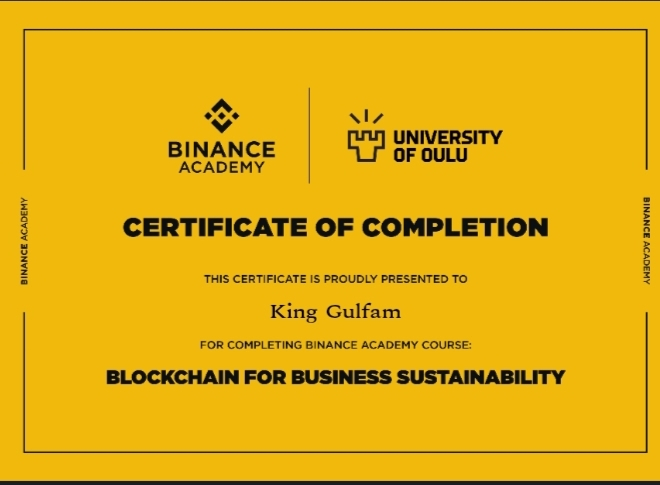
My all 12 certificate form @Binance Academy
YOU CAN TRY IT'S
Complete quizzes and get rewarded or get Certificate with your name 📝📝📝📝📝🎉🎉🎉🎉🎉🎉🎉🎉🎉🎉🎉🎉🎉🎉🎉💰💰💰💰💰💰💰💰💰💰💰💰💰💰💰
$CHILLGUY
$GRASS
$AAPLB
Thankyou 👍🏻
My all 12 certificate form @Binance Academy
YOU CAN TRY IT'S
Complete quizzes and get rewarded or get Certificate with your name 📝📝📝📝📝🎉🎉🎉🎉🎉🎉🎉🎉🎉🎉🎉🎉🎉🎉🎉💰💰💰💰💰💰💰💰💰💰💰💰💰💰💰
$CHILLGUY
$GRASS
$AAPLB
go

龟龟财神到
·
--
别伤心,花会为你开

☀️ Every new morning is a new opportunity from Allah. Give thanks and start your day with a smile.🌷 The first prayer of the morning should be that Allah makes our today better than yesterday.🤲 The heart that shines with the remembrance of Allah has a beautiful morning every day.🌿 New morning, new hope, new prayers... May Allah write happiness in everyone’s destiny.💕 Smile, because today will never come back again. Good morning!
#dusk $DUSK @Dusk
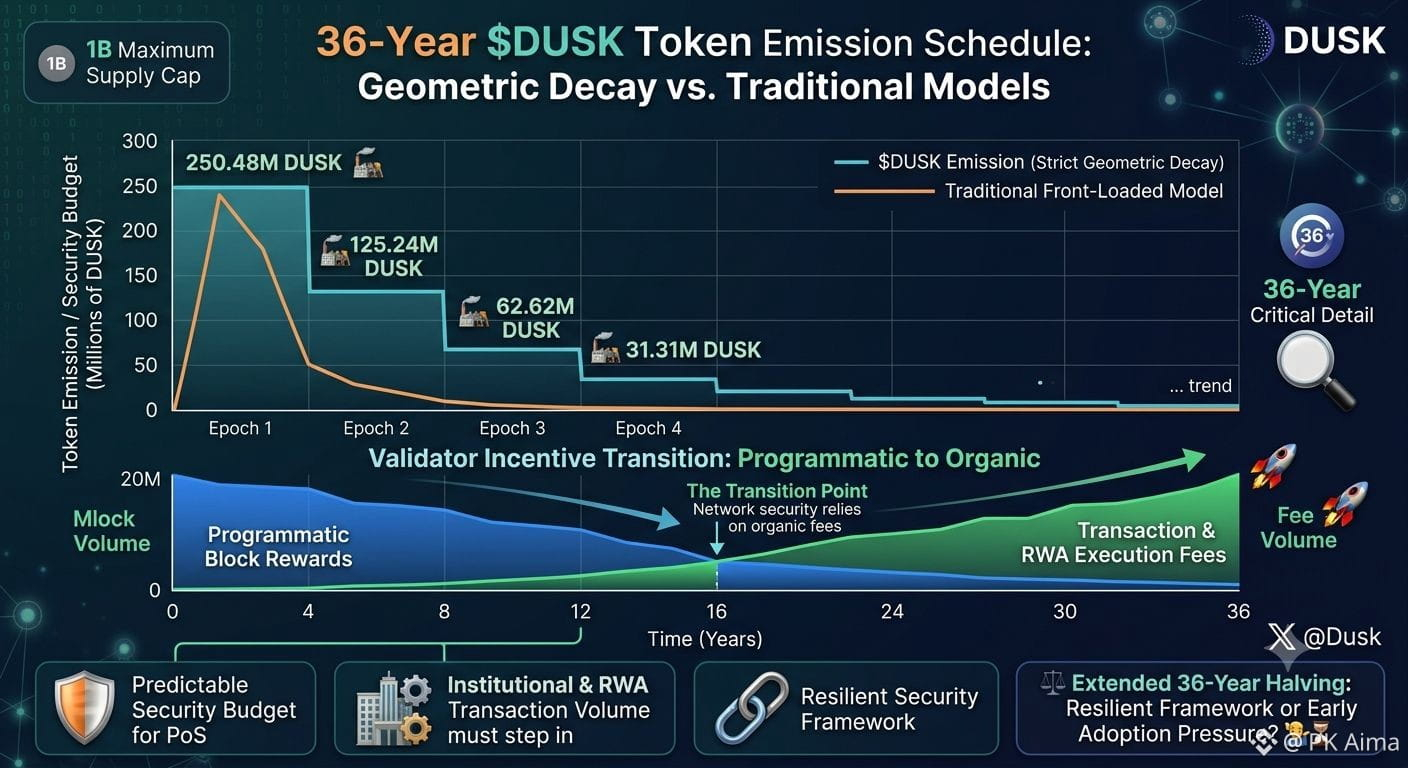
The single most critical detail in $DUSK ’s tokenomics isn’t the 1B maximum supply cap it’s the 36 year emission model driving its underlying economic architecture.
While traditional L1 tokenomics often rely on aggressive, short term front loaded unlocks, @Dusk implements a strict geometric decay schedule. The secondary 500M supply enters circulation through halvings roughly every four years across 3.5 decades: 250.48M in Epoch 1 (Years 1–4), 125.24M in Epoch 2 (Years 5–8), 62.62M in Epoch 3 (Years 9–12) and 31.31M in Epoch 4 (Years 13–16).
This decaying emission curve acts as a predictable security budget for Proof of Stake consensus. By gradually stepping down block rewards, $DUSK forces a deliberate shift in node validator incentives. Over time, network security transitions from programmatic token inflation to organic execution fees.
As emission rewards decay, institutional transaction volume and real world asset (RWA) execution throughput must step in to sustain node profitability. 🚀🚀
Does an extended 36 year halving timeline offer a more resilient security framework for enterprise L1s compared to short term reward curves or does it place too much pressure on early adoption volume?🤷🏼♂️
#dusk @Dusk
The single most critical detail in $DUSK ’s tokenomics isn’t the 1B maximum supply cap it’s the 36 year emission model driving its underlying economic architecture.
While traditional L1 tokenomics often rely on aggressive, short term front loaded unlocks, @Dusk implements a strict geometric decay schedule. The secondary 500M supply enters circulation through halvings roughly every four years across 3.5 decades: 250.48M in Epoch 1 (Years 1–4), 125.24M in Epoch 2 (Years 5–8), 62.62M in Epoch 3 (Years 9–12) and 31.31M in Epoch 4 (Years 13–16).
This decaying emission curve acts as a predictable security budget for Proof of Stake consensus. By gradually stepping down block rewards, $DUSK forces a deliberate shift in node validator incentives. Over time, network security transitions from programmatic token inflation to organic execution fees.
As emission rewards decay, institutional transaction volume and real world asset (RWA) execution throughput must step in to sustain node profitability. 🚀🚀
Does an extended 36 year halving timeline offer a more resilient security framework for enterprise L1s compared to short term reward curves or does it place too much pressure on early adoption volume?🤷🏼♂️
#dusk @Dusk
#dusk $DUSK @Dusk
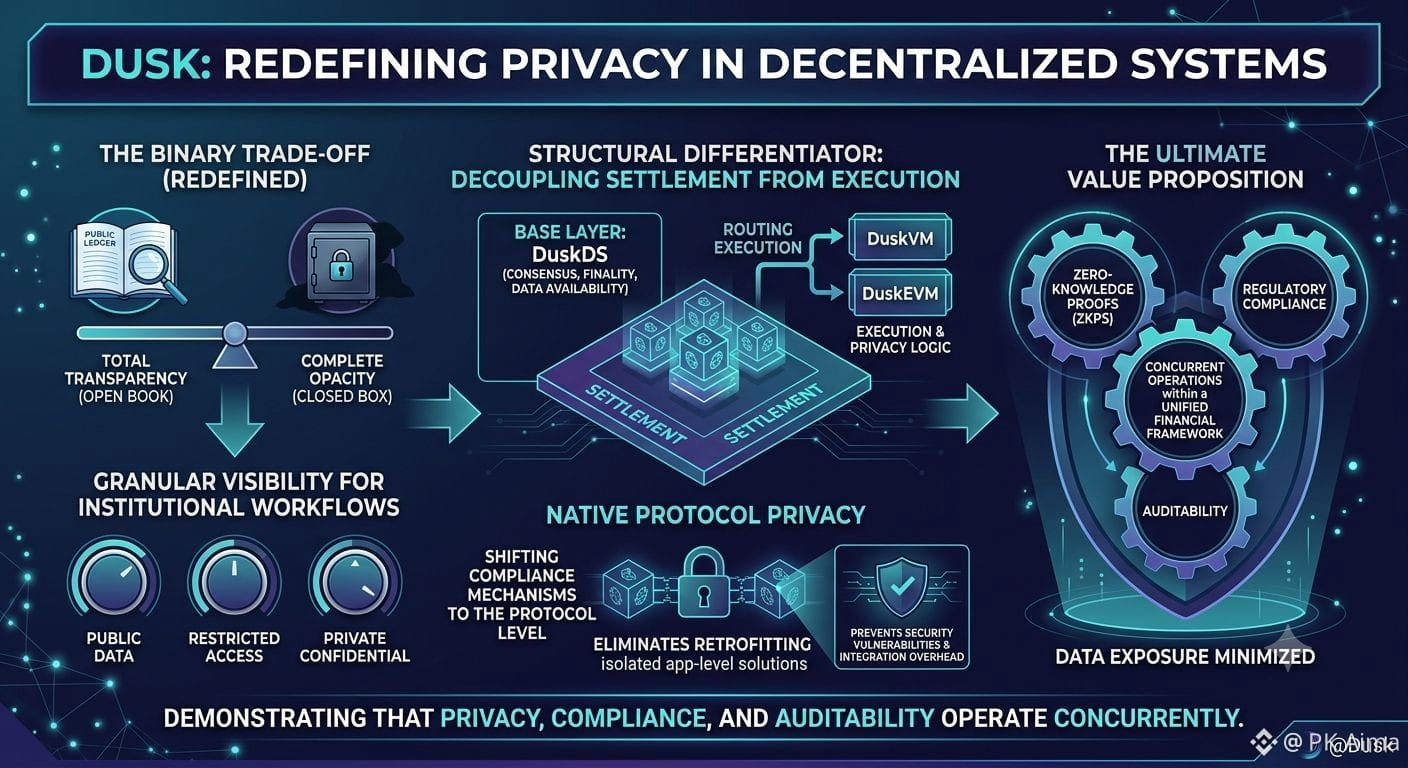
Privacy in decentralized systems is often framed as a binary trade off between total transparency and complete opacity. The approach taken by @Dusk redefines this dynamic by allowing applications to configure granular visibility levels tailored to specific institutional workflows.
From a structural standpoint, the decoupling of settlement from execution serves as the critical differentiator. By assigning consensus, finality and data availability to DuskDS while routing execution through DuskVM and DuskEVM, privacy logic is embedded natively into the base layer. This eliminates the necessity of retrofitting isolated, application level privacy solutions, which frequently introduce security vulnerabilities and integration overhead.
By shifting compliance mechanisms directly to the protocol level, data exposure is minimized without compromising regulatory oversight. The ultimate value proposition of this architecture lies not merely in hiding transactional data, but in demonstrating that zero knowledge proofs, regulatory compliance and auditability can operate concurrently within a unified financial framework.
@Dusk $DUSK #Dusk.
Privacy in decentralized systems is often framed as a binary trade off between total transparency and complete opacity. The approach taken by @Dusk redefines this dynamic by allowing applications to configure granular visibility levels tailored to specific institutional workflows.
From a structural standpoint, the decoupling of settlement from execution serves as the critical differentiator. By assigning consensus, finality and data availability to DuskDS while routing execution through DuskVM and DuskEVM, privacy logic is embedded natively into the base layer. This eliminates the necessity of retrofitting isolated, application level privacy solutions, which frequently introduce security vulnerabilities and integration overhead.
By shifting compliance mechanisms directly to the protocol level, data exposure is minimized without compromising regulatory oversight. The ultimate value proposition of this architecture lies not merely in hiding transactional data, but in demonstrating that zero knowledge proofs, regulatory compliance and auditability can operate concurrently within a unified financial framework.
@Dusk $DUSK #Dusk.
#dusk $DUSK @Dusk
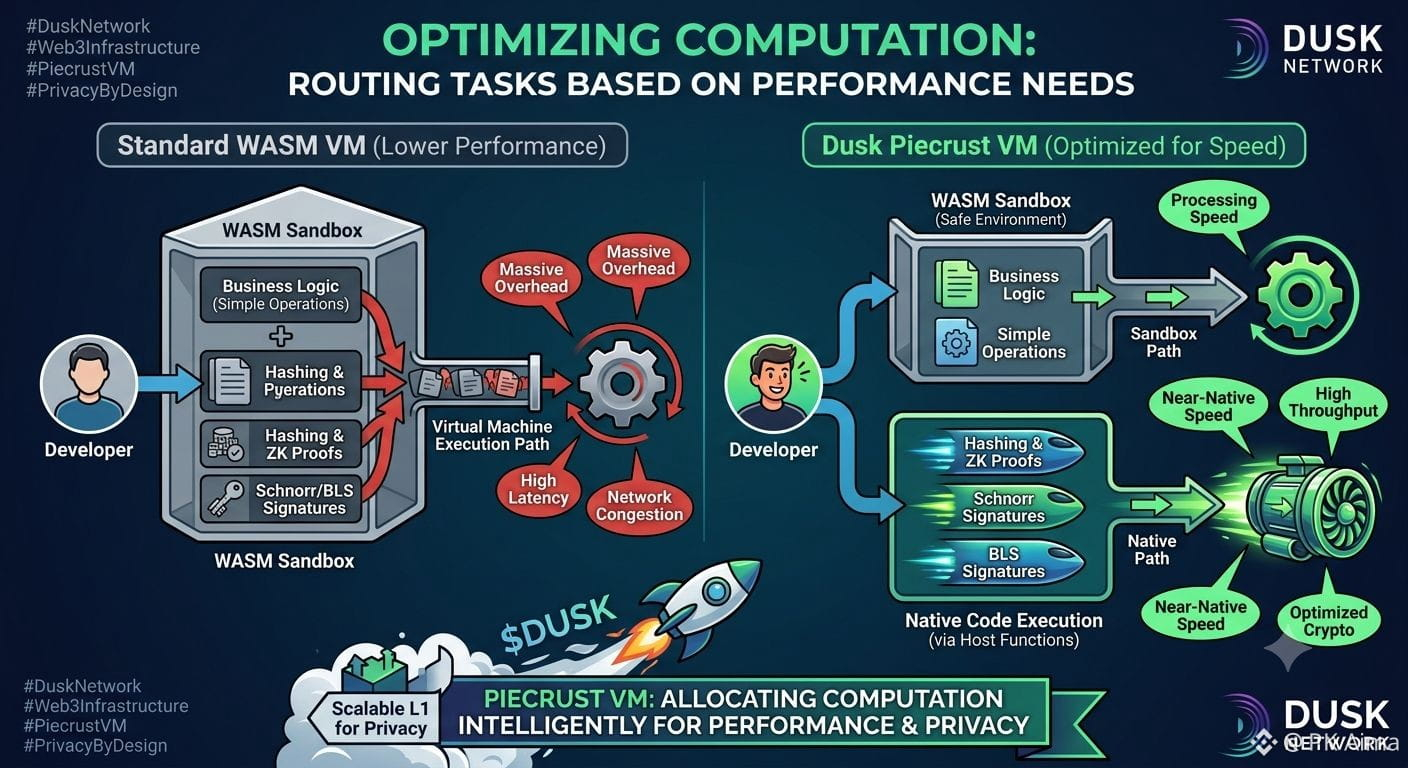
One thing about $DUSK ’s Piecrust VM that caught my attention: Why force WASM to handle everything when certain operations belong outside the sandbox?
At first, keeping execution entirely inside WebAssembly sounds safer and cleaner. But when you examine what privacy focused smart contracts actually compute, the reality changes:
Hashing & ZK proof verification
Schnorr & BLS signatures
Running these heavy cryptographic primitives directly inside WASM introduces massive overhead, multiplied across every validating node.
This is where Piecrust’s host functions become compelling. Instead of forcing expensive cryptography through the virtual machine, selected operations get handed off to native code execution. Business logic stays safely inside the sandbox while cryptography runs at near native speed.
The Trade-Off:
Developers lose the freedom to introduce arbitrary custom crypto ops without VM-level consensus updates. But if supported primitives are deterministic and identical across nodes, sacrificing absolute contract flexibility for raw execution speed makes complete sense.
Piecrust isn't choosing between WASM and native execution it's allocating computation where it makes the most sense performance wise.🚀🚀
When evaluating L1 VM architectures, would you prioritize maximum contract flexibility or faster execution for crypto heavy workloads?🤷🏼♂️
@Dusk
#dusk #Web3Infrastructure $DUSK
One thing about $DUSK ’s Piecrust VM that caught my attention: Why force WASM to handle everything when certain operations belong outside the sandbox?
At first, keeping execution entirely inside WebAssembly sounds safer and cleaner. But when you examine what privacy focused smart contracts actually compute, the reality changes:
Hashing & ZK proof verification
Schnorr & BLS signatures
Running these heavy cryptographic primitives directly inside WASM introduces massive overhead, multiplied across every validating node.
This is where Piecrust’s host functions become compelling. Instead of forcing expensive cryptography through the virtual machine, selected operations get handed off to native code execution. Business logic stays safely inside the sandbox while cryptography runs at near native speed.
The Trade-Off:
Developers lose the freedom to introduce arbitrary custom crypto ops without VM-level consensus updates. But if supported primitives are deterministic and identical across nodes, sacrificing absolute contract flexibility for raw execution speed makes complete sense.
Piecrust isn't choosing between WASM and native execution it's allocating computation where it makes the most sense performance wise.🚀🚀
When evaluating L1 VM architectures, would you prioritize maximum contract flexibility or faster execution for crypto heavy workloads?🤷🏼♂️
@Dusk
#dusk #Web3Infrastructure $DUSK
Verified
#dusk $DUSK @Dusk
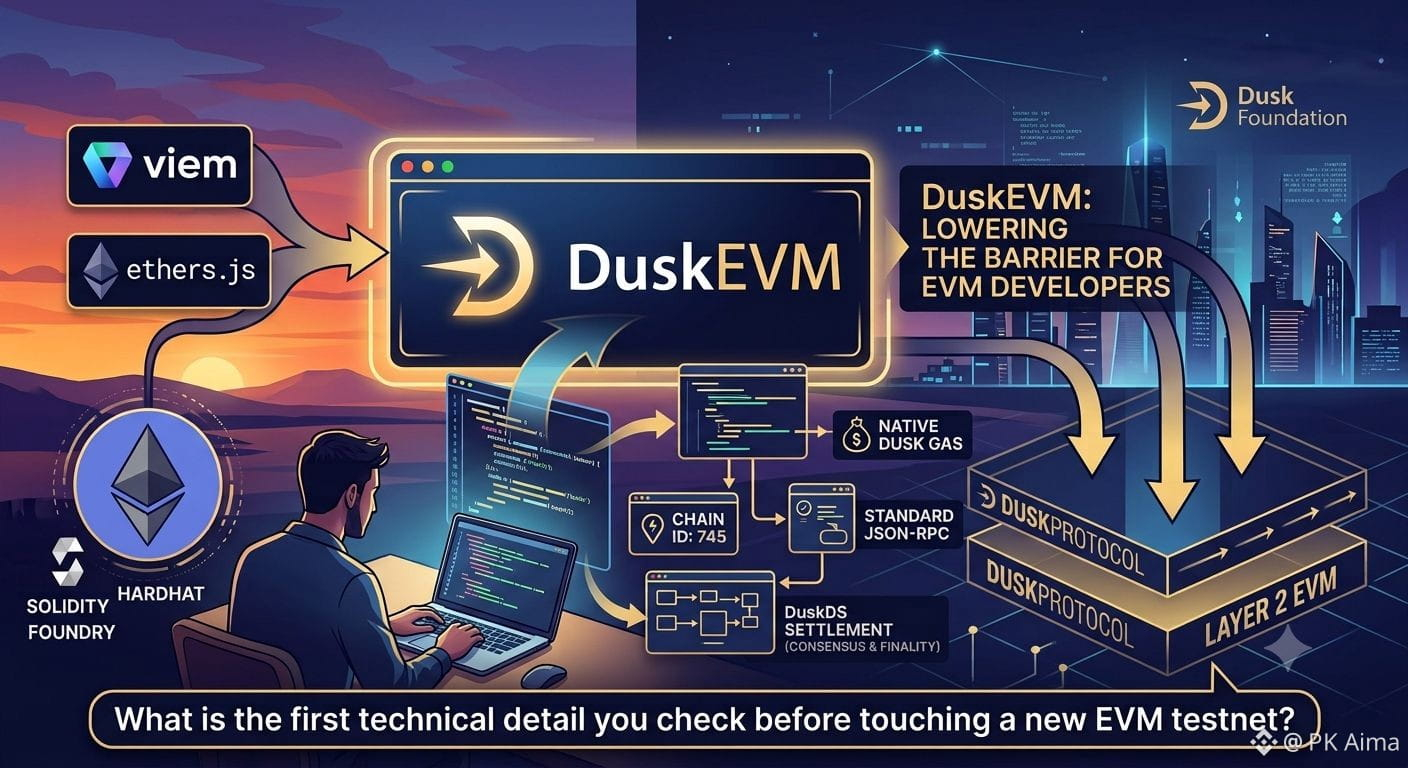
The Dusk update that actually caught my eye isn't another generic tokenization headline it's DuskEVM.
If you already build with Solidity, Hardhat, Foundry, viem or ethers, the core idea is straightforward: you can bring your existing stack straight to Dusk without learning an entirely new language on day one.
According to Dusk's documentation the DuskEVM testnet uses standard Ethereum JSON-RPC with native DUSK for gas, operating on Chain ID 745.
What makes this design choice compelling is the architecture under the hood. Applications feel familiar on the developer side using standard EVM environments, while transactions settle back through DuskDS, meaning consensus, data availability and state finality are handled by the underlying protocol.
Dusk isn't asking every builder to become a Rust or WASM specialist just to start experimenting. While it's still on testnet and shouldn't be treated as a finished mainnet product or a price catalyst, lowering the barrier to entry for EVM native devs is a smart structural step for ecosystem adoption.
What is the first technical detail you check before touching a new EVM testnet?
#dusk $DUSK @Dusk
The Dusk update that actually caught my eye isn't another generic tokenization headline it's DuskEVM.
If you already build with Solidity, Hardhat, Foundry, viem or ethers, the core idea is straightforward: you can bring your existing stack straight to Dusk without learning an entirely new language on day one.
According to Dusk's documentation the DuskEVM testnet uses standard Ethereum JSON-RPC with native DUSK for gas, operating on Chain ID 745.
What makes this design choice compelling is the architecture under the hood. Applications feel familiar on the developer side using standard EVM environments, while transactions settle back through DuskDS, meaning consensus, data availability and state finality are handled by the underlying protocol.
Dusk isn't asking every builder to become a Rust or WASM specialist just to start experimenting. While it's still on testnet and shouldn't be treated as a finished mainnet product or a price catalyst, lowering the barrier to entry for EVM native devs is a smart structural step for ecosystem adoption.
What is the first technical detail you check before touching a new EVM testnet?
#dusk $DUSK @Dusk
#dusk $DUSK @Dusk
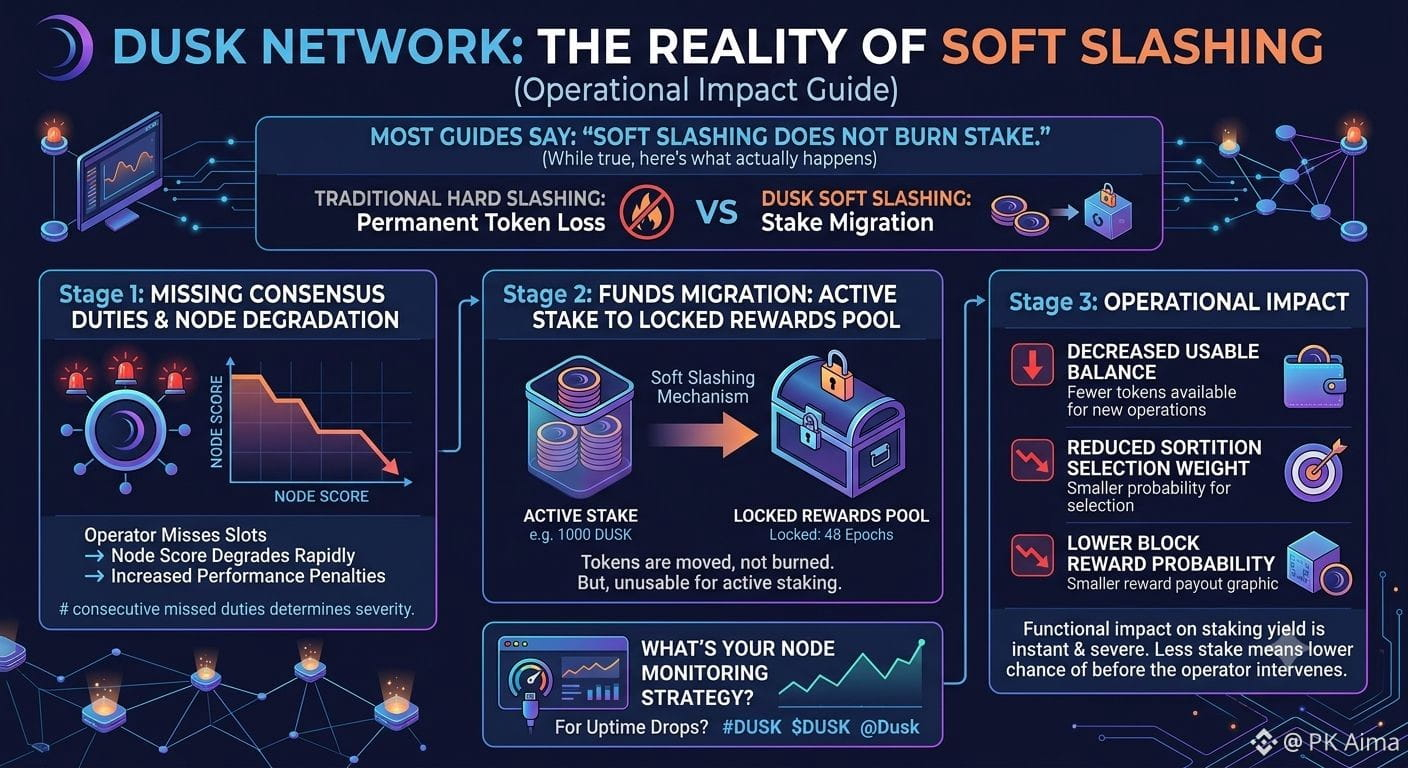
Most staking guides skim over @Dusk 's penalty mechanics with a single sentence claiming soft slashing does not burn stake.
While technically true, that summary misses the operational reality for provisioner nodes. Soft slashing shifts funds from active stake to the locked rewards pool rather than burning them outright but as consecutive consensus duties are missed, your node's score degrades rapidly. This process moves a substantial portion of your active stake into locked status, which immediately shrinks your usable balance, drops your sortition selection weight and slashes your block reward probability before an operator can step in. The tokens remain intact but the functional impact on overall staking yield is instant and severe.
What's your node monitoring strategy for consecutive uptime drops?
#dusk $DUSK @Dusk
Most staking guides skim over @Dusk 's penalty mechanics with a single sentence claiming soft slashing does not burn stake.
While technically true, that summary misses the operational reality for provisioner nodes. Soft slashing shifts funds from active stake to the locked rewards pool rather than burning them outright but as consecutive consensus duties are missed, your node's score degrades rapidly. This process moves a substantial portion of your active stake into locked status, which immediately shrinks your usable balance, drops your sortition selection weight and slashes your block reward probability before an operator can step in. The tokens remain intact but the functional impact on overall staking yield is instant and severe.
What's your node monitoring strategy for consecutive uptime drops?
#dusk $DUSK @Dusk
@TermMax #termmax
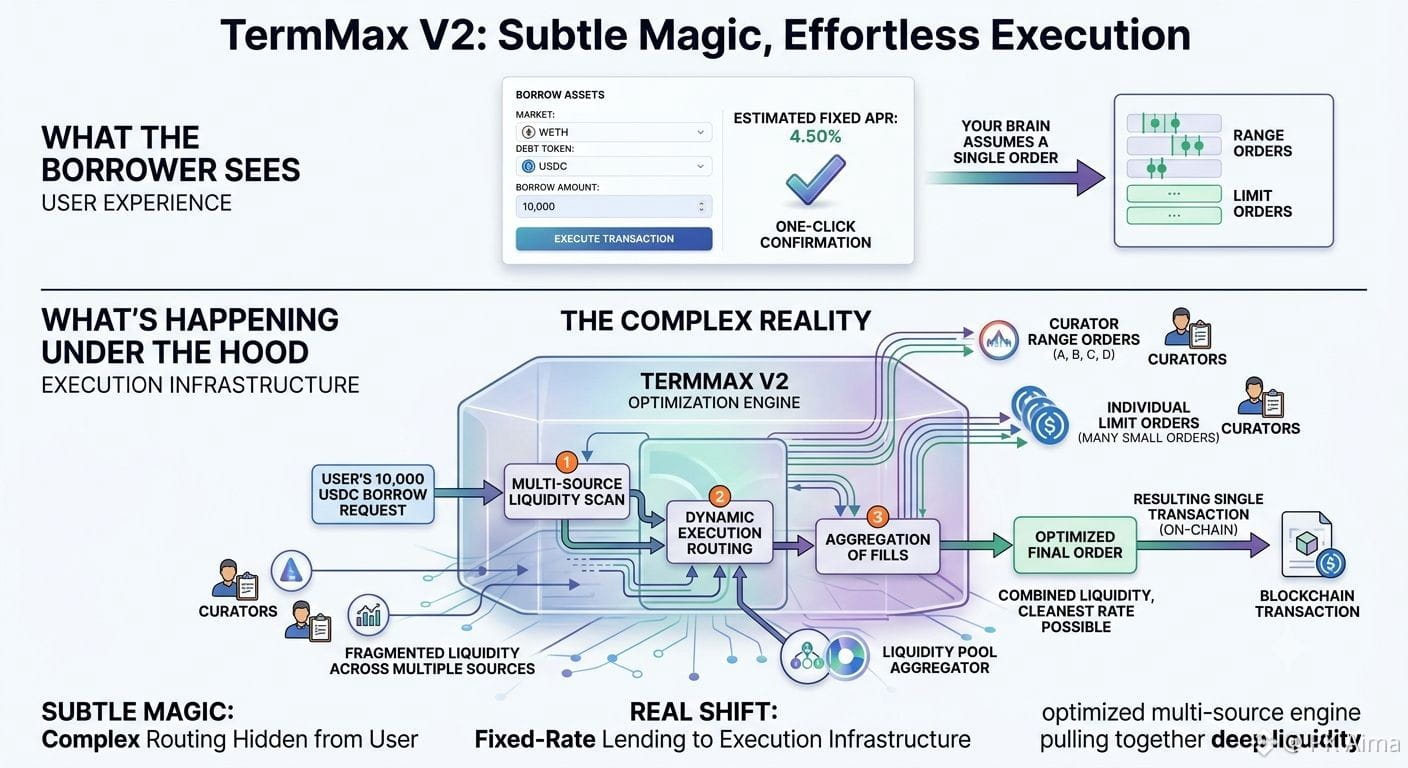
i keep thinking 🤔the subtle magic of TermMax V2 isn't just that it delivers a single fixed APR quote but how effortlessly it hides complex execution routing under the hood.
when you enter a market, pick your debt token borrow amount, see the matched APR and sign, your brain naturally assumes you just took a single Range Order sitting on the book.
but underneath that single transaction, TermMax V2 is dynamically looking across curator Range Orders and individual limit orders to find where the borrow side liquidity actually lives. it pulls those fragmented fills together seamlessly before your borrowing transaction even lands.
what feels like a basic one click fill is actually an optimized multi source engine pulling together deep liquidity to give you the cleanest rate possible. that is the real shift from basic fixed rate lending to actual execution infrastructure. 🚀🚀
i keep thinking 🤔the subtle magic of TermMax V2 isn't just that it delivers a single fixed APR quote but how effortlessly it hides complex execution routing under the hood.
when you enter a market, pick your debt token borrow amount, see the matched APR and sign, your brain naturally assumes you just took a single Range Order sitting on the book.
but underneath that single transaction, TermMax V2 is dynamically looking across curator Range Orders and individual limit orders to find where the borrow side liquidity actually lives. it pulls those fragmented fills together seamlessly before your borrowing transaction even lands.
what feels like a basic one click fill is actually an optimized multi source engine pulling together deep liquidity to give you the cleanest rate possible. that is the real shift from basic fixed rate lending to actual execution infrastructure. 🚀🚀
#dusk $DUSK @Dusk
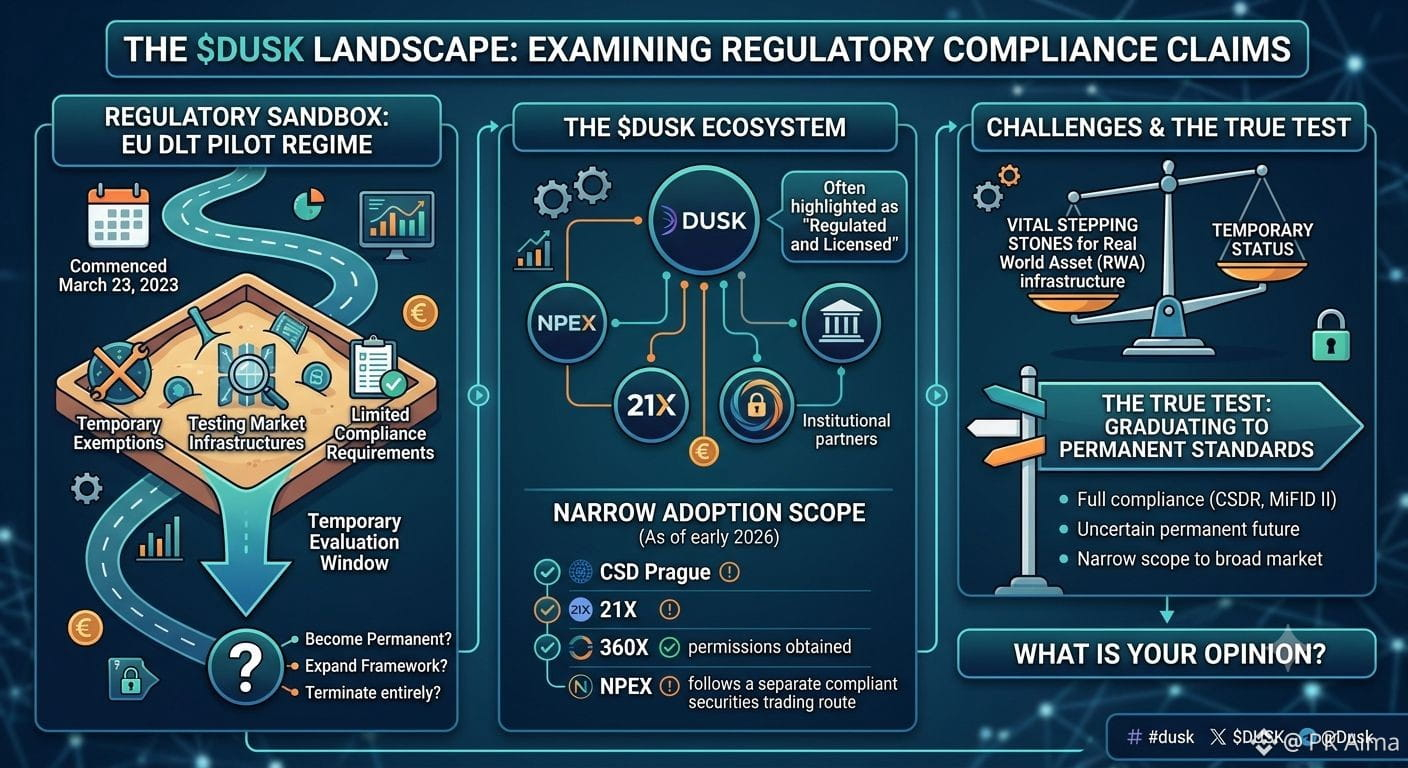
The conversation around $DUSK and its institutional partners often highlights their regulated and licensed status but it is critical to examine the actual legal framework powering these claims. Entities like NPEX, 21X, and Dusk operate utilizing the EU DLT Pilot Regime, a regulatory sandbox that officially commenced on March 23, 2023. This mechanism provides a temporary exemption pathway, allowing operators to bypass full compliance requirements of traditional regulations such as CSDR and MiFID II to test new market infrastructures.
However, the operative word here is temporary. The pilot regime functions as an evaluation window lasting for a designated period, after which the European authorities will decide whether to make the rules permanent, expand them or terminate the framework entirely. Adoption remains relatively narrow in scope. As of early 2026, only a highly exclusive group of institutions across the entire European Union, including CSD Prague, 21X and 360X, have successfully obtained trading or settlement permissions through this specific mechanism. NPEX follows a separate compliant securities trading route. While these regulatory sandboxes are vital stepping stones for real world asset infrastructure, the true test remains graduating to permanent standards.
What is your opinion? 🤷🏼♂️
#dusk $DUSK @Dusk
The conversation around $DUSK and its institutional partners often highlights their regulated and licensed status but it is critical to examine the actual legal framework powering these claims. Entities like NPEX, 21X, and Dusk operate utilizing the EU DLT Pilot Regime, a regulatory sandbox that officially commenced on March 23, 2023. This mechanism provides a temporary exemption pathway, allowing operators to bypass full compliance requirements of traditional regulations such as CSDR and MiFID II to test new market infrastructures.
However, the operative word here is temporary. The pilot regime functions as an evaluation window lasting for a designated period, after which the European authorities will decide whether to make the rules permanent, expand them or terminate the framework entirely. Adoption remains relatively narrow in scope. As of early 2026, only a highly exclusive group of institutions across the entire European Union, including CSD Prague, 21X and 360X, have successfully obtained trading or settlement permissions through this specific mechanism. NPEX follows a separate compliant securities trading route. While these regulatory sandboxes are vital stepping stones for real world asset infrastructure, the true test remains graduating to permanent standards.
What is your opinion? 🤷🏼♂️
#dusk $DUSK @Dusk
#termmax @TermMax
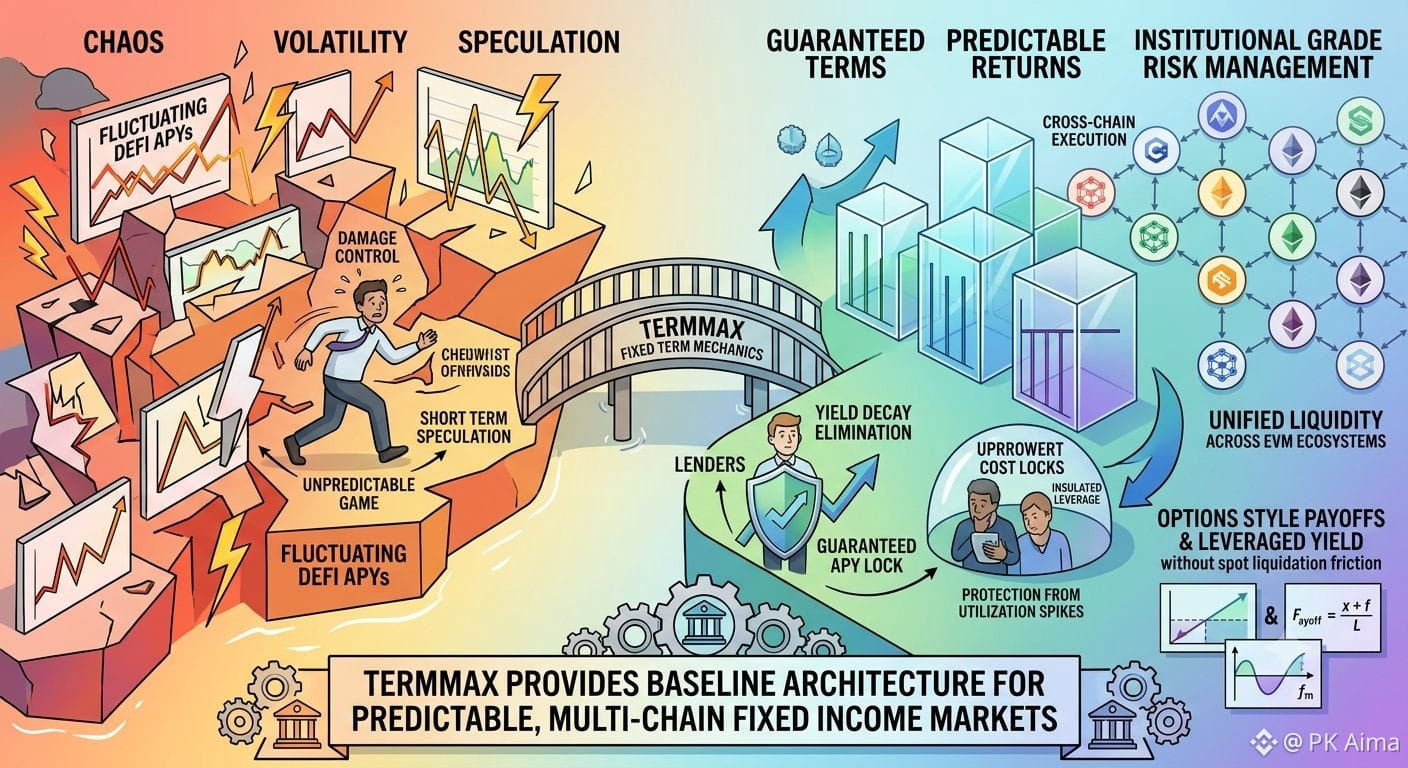
I used to think 🤔chasing fluctuating DeFi APYs is the standard way to grow crypto assets. But variable rate volatility turns capital management into an unpredictable game of damage control. Floating APYs attract short term retail yield speculation, whereas managing capital effectively requires rate certainty to hedge exposure, forecast returns and manage duration. TermMax introduces fixed term primitive mechanics to bridge this operational gap by replacing variable rate volatility with guaranteed terms, upfront cost locks and cross-chain execution. 🚀🚀
Lenders eliminate yield decay by locking in a guaranteed annual percentage yield prior to committing capital, creating a predictable return profile akin to traditional fixed income securities. Borrowers lock in upfront borrowing costs, insulating leverage strategies from sudden utilization spikes caused by broader market volatility. By integrating options style payoff profiles and leveraged yield structures without spot liquidation friction, the protocol elevates strategy construction beyond simple yield farming into sophisticated risk management. Furthermore, cross-chain deployment capabilities unify liquidity across disparate EVM ecosystems, allowing execution without fragmenting protocol footprints.
DeFi infrastructure is transitioning away from speculative yield chasing toward institutional grade risk management. TermMax provides the baseline architecture required to operationalize predictable, multi-chain fixed income markets.🤷🏼♂️
@TermMax #termmax
I used to think 🤔chasing fluctuating DeFi APYs is the standard way to grow crypto assets. But variable rate volatility turns capital management into an unpredictable game of damage control. Floating APYs attract short term retail yield speculation, whereas managing capital effectively requires rate certainty to hedge exposure, forecast returns and manage duration. TermMax introduces fixed term primitive mechanics to bridge this operational gap by replacing variable rate volatility with guaranteed terms, upfront cost locks and cross-chain execution. 🚀🚀
Lenders eliminate yield decay by locking in a guaranteed annual percentage yield prior to committing capital, creating a predictable return profile akin to traditional fixed income securities. Borrowers lock in upfront borrowing costs, insulating leverage strategies from sudden utilization spikes caused by broader market volatility. By integrating options style payoff profiles and leveraged yield structures without spot liquidation friction, the protocol elevates strategy construction beyond simple yield farming into sophisticated risk management. Furthermore, cross-chain deployment capabilities unify liquidity across disparate EVM ecosystems, allowing execution without fragmenting protocol footprints.
DeFi infrastructure is transitioning away from speculative yield chasing toward institutional grade risk management. TermMax provides the baseline architecture required to operationalize predictable, multi-chain fixed income markets.🤷🏼♂️
@TermMax #termmax
#dusk $DUSK @Dusk
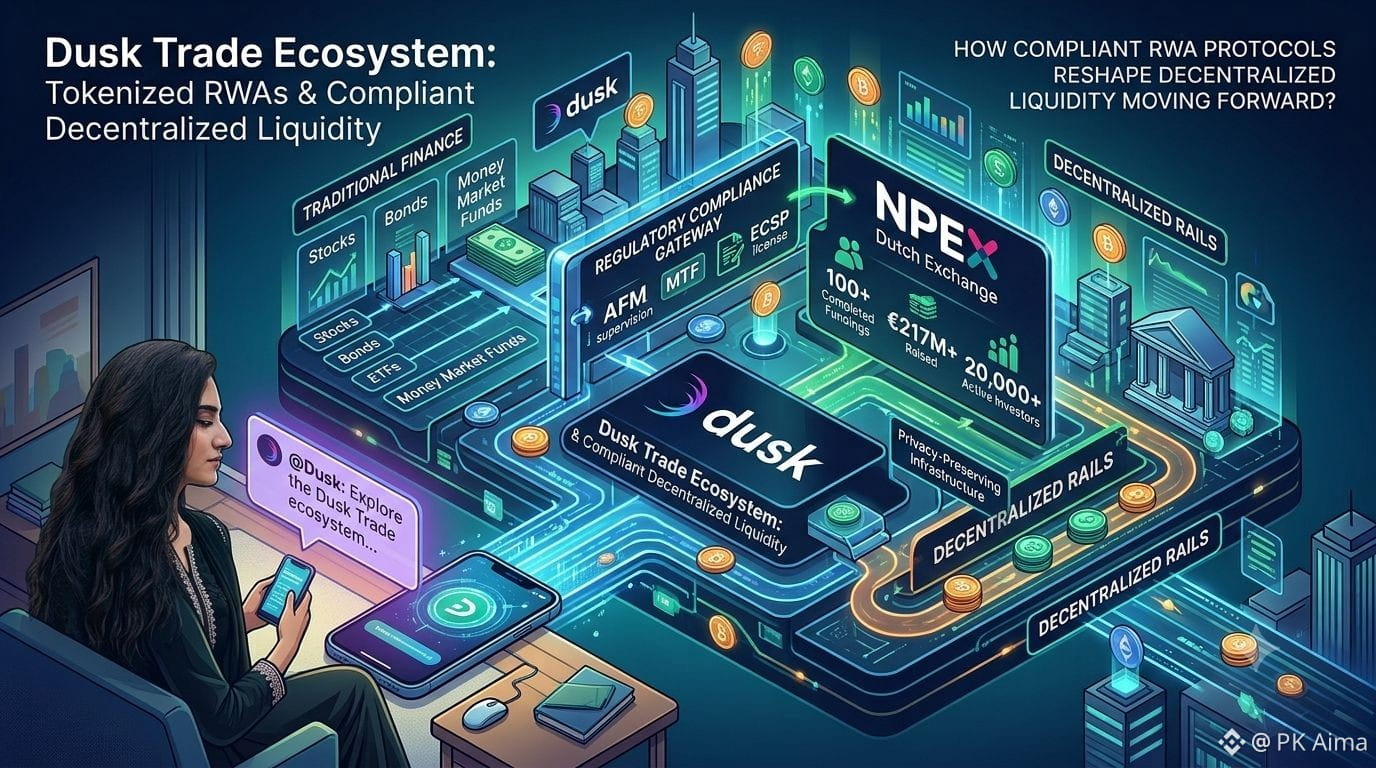
I was sitting in my room, when I saw👀 a notification from @Dusk recently on my phone and decided to look deeper into the Dusk Trade ecosystem.
While the ability to trade tokenized real world assets like stocks, bonds, ETFs and money market funds from a single location sounds simple on the surface, the underlying regulatory machinery is where the real story lies.
The strategic partnership between NPEX and Dusk Trade brings genuine institutional structure to the network. NPEX operates as a Dutch exchange under strict AFM supervision, backed by both MTF and ECSP licenses. With over 100 completed fundings, more than €217M raised and over 20,000 active investors, these figures prove that compliant on chain markets are active financial infrastructure rather than mere concept.
Connecting regulated traditional finance with decentralized rails requires robust, privacy preserving infrastructure that balances regulatory compliance with confidential execution.
How do you see compliant RWA protocols reshaping decentralized liquidity moving forward?🤔
@Dusk $DUSK #dusk
I was sitting in my room, when I saw👀 a notification from @Dusk recently on my phone and decided to look deeper into the Dusk Trade ecosystem.
While the ability to trade tokenized real world assets like stocks, bonds, ETFs and money market funds from a single location sounds simple on the surface, the underlying regulatory machinery is where the real story lies.
The strategic partnership between NPEX and Dusk Trade brings genuine institutional structure to the network. NPEX operates as a Dutch exchange under strict AFM supervision, backed by both MTF and ECSP licenses. With over 100 completed fundings, more than €217M raised and over 20,000 active investors, these figures prove that compliant on chain markets are active financial infrastructure rather than mere concept.
Connecting regulated traditional finance with decentralized rails requires robust, privacy preserving infrastructure that balances regulatory compliance with confidential execution.
How do you see compliant RWA protocols reshaping decentralized liquidity moving forward?🤔
@Dusk $DUSK #dusk
#termmax @TermMax
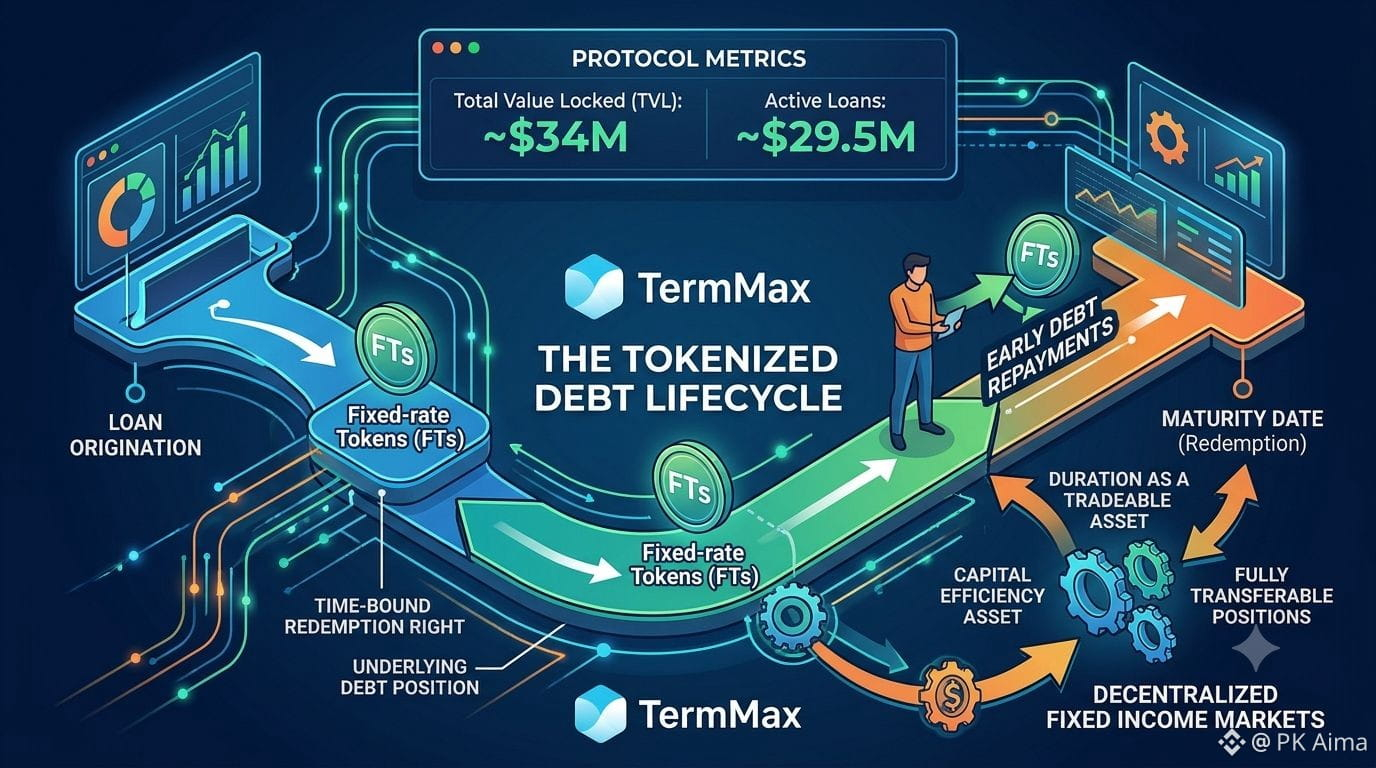
I used to think🤔 TermMax was just about locking in a predictable lending rate but a closer analysis of its protocol mechanics reveals a structural focus on tokenizing the debt lifecycle itself. With approximately $34M in TVL and $29.5M in active loans, the protocol demonstrates that Fixed rate Tokens (FTs) serve as active financial instruments rather than abstract primitives.
At its core, an FT functions as an explicit claim on the face value of an underlying debt position at a defined maturity date rather than a standard tokenized deposit. Purchasing an FT is not merely an allocation toward passive yield but the acquisition of a time bound redemption right, effectively transforming duration into a tradeable asset. 🚀🚀
This structure improves capital efficiency within on chain loan management. Tokenizing the term ensures the position remains fully transferable, enabling borrowers to purchase the corresponding FT to execute early debt repayments before maturity. Instead of holding capital static until expiration, the claim dynamically participates across the entire loan lifecycle, establishing a more flexible primitive for decentralized fixed income markets.
@TermMax #termmax
I used to think🤔 TermMax was just about locking in a predictable lending rate but a closer analysis of its protocol mechanics reveals a structural focus on tokenizing the debt lifecycle itself. With approximately $34M in TVL and $29.5M in active loans, the protocol demonstrates that Fixed rate Tokens (FTs) serve as active financial instruments rather than abstract primitives.
At its core, an FT functions as an explicit claim on the face value of an underlying debt position at a defined maturity date rather than a standard tokenized deposit. Purchasing an FT is not merely an allocation toward passive yield but the acquisition of a time bound redemption right, effectively transforming duration into a tradeable asset. 🚀🚀
This structure improves capital efficiency within on chain loan management. Tokenizing the term ensures the position remains fully transferable, enabling borrowers to purchase the corresponding FT to execute early debt repayments before maturity. Instead of holding capital static until expiration, the claim dynamically participates across the entire loan lifecycle, establishing a more flexible primitive for decentralized fixed income markets.
@TermMax #termmax
Log in to explore more content