
wiki002
4.2k Posts

wiki002
Allah is greatest
High-Frequency Trader
1.9 Years
1.1K+ Following
4.7K+ Followers
15.8K+ Liked
Posts
All
Quotes
Live
PINNED
Look, BNB Chain leading in tokenized equity supply is interesting, but the supply number itself isn’t the part I care about most.
BNB Chain’s tokenized equities grew from about $34M at the start of 2026 to $652M in July, putting it ahead of Ethereum and close to a third of the On-chain total. Tokenized stock trading volume also passed $4.5B in July.
What I’m watching now is what happens after the stocks are issued.
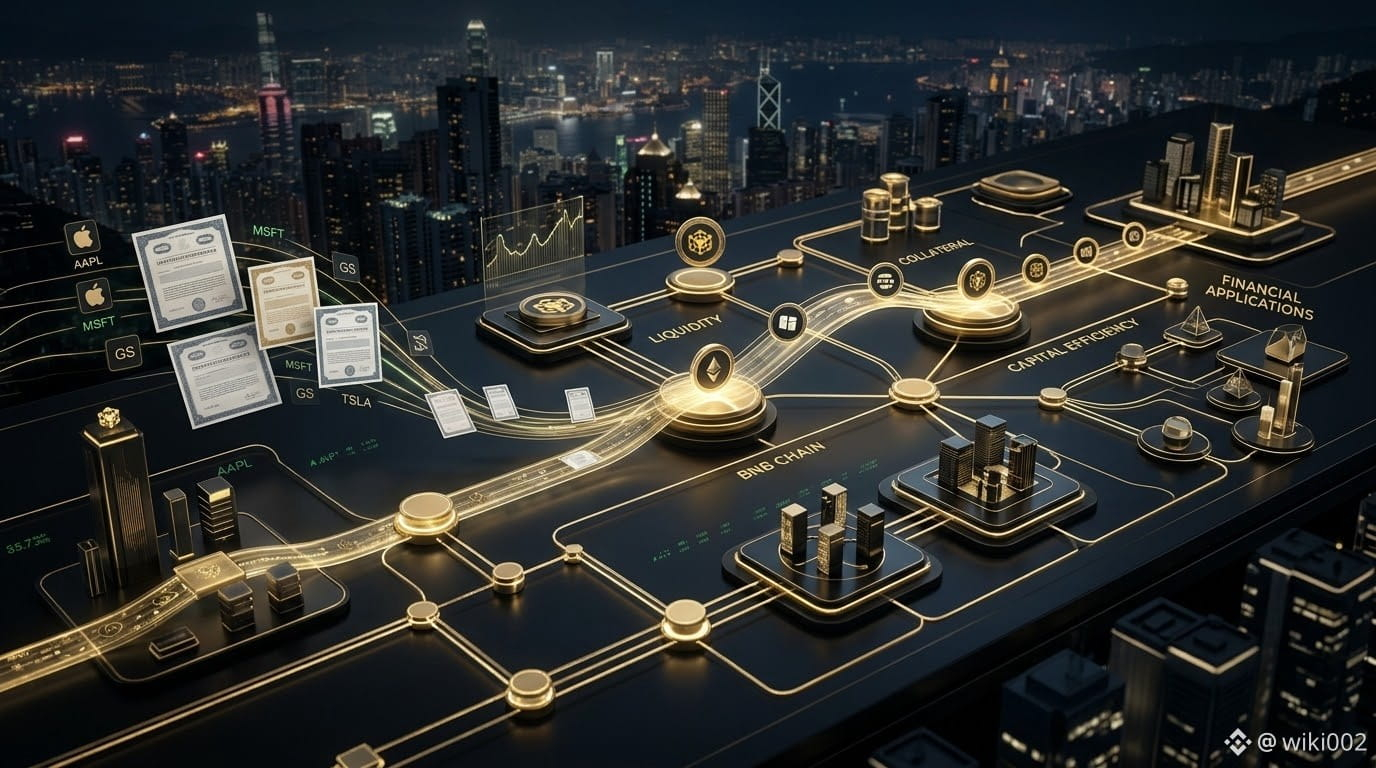
If more equity supply brings in more liquidity, those assets become easier to trade. If that liquidity becomes deep enough, the tokens can become useful as collateral. Then capital can move into lending, liquidity provision and other financial applications.
That’s the flywheel I find more interesting.
equity supply → liquidity → collateral utility → capital efficiency → more financial activity.
And this is where BNB Chain’s lead could become meaningful. It isn’t just about having more tokenized stocks, it’s about whether those assets can actually plug into the financial infrastructure already being built around them.
But I wouldn’t confuse issuance with adoption.
The real test is secondary-market liquidity, collateral mobility and whether people actually use these assets instead of simply holding them. Binance Research makes essentially the same distinction. The next phase depends on whether secondary liquidity and collateral mobility grow as quickly as primary issuance.
For me, that’s the bigger lesson, the winning tokenization chain won’t necessarily be the one that issues the most assets. It will be the one that makes those assets useful after issuance. 🧩
#BNBChain #BNB #ASTER #CAKE
$BNB $ASTER $CAKE
BNB Chain’s tokenized equities grew from about $34M at the start of 2026 to $652M in July, putting it ahead of Ethereum and close to a third of the On-chain total. Tokenized stock trading volume also passed $4.5B in July.
What I’m watching now is what happens after the stocks are issued.
If more equity supply brings in more liquidity, those assets become easier to trade. If that liquidity becomes deep enough, the tokens can become useful as collateral. Then capital can move into lending, liquidity provision and other financial applications.
That’s the flywheel I find more interesting.
equity supply → liquidity → collateral utility → capital efficiency → more financial activity.
And this is where BNB Chain’s lead could become meaningful. It isn’t just about having more tokenized stocks, it’s about whether those assets can actually plug into the financial infrastructure already being built around them.
But I wouldn’t confuse issuance with adoption.
The real test is secondary-market liquidity, collateral mobility and whether people actually use these assets instead of simply holding them. Binance Research makes essentially the same distinction. The next phase depends on whether secondary liquidity and collateral mobility grow as quickly as primary issuance.
For me, that’s the bigger lesson, the winning tokenization chain won’t necessarily be the one that issues the most assets. It will be the one that makes those assets useful after issuance. 🧩
#BNBChain #BNB #ASTER #CAKE
$BNB $ASTER $CAKE
PINNED
Verified
I wasn’t really focused on the partnership headline today. The part I kept thinking about was what this could change for BNB Chain.
Crypto has spent years competing on speed, fees, liquidity and users.
Payments are a different game.
A payment product doesn’t need customers to become crypto users. It needs a reliable way to move value while keeping the blockchain complexity away from the end user.
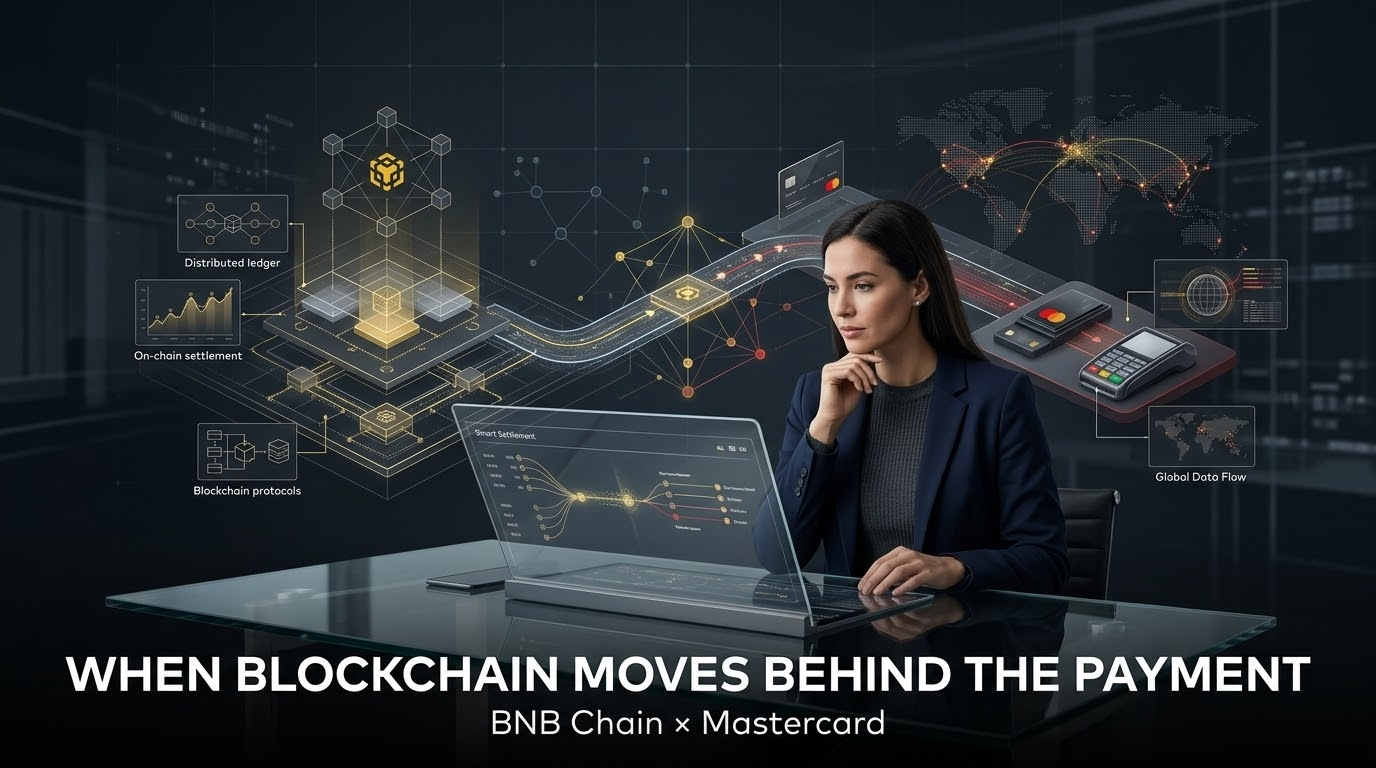
That’s why @BNB Chain joining Mastercard’s Crypto Partner Program is interesting to me.
The obvious story is access to an established payments ecosystem.
The less obvious one is who gets to decide where the transaction actually settles.
If payment applications eventually gain more choice over blockchain infrastructure, simply being compatible with a payment network won’t be enough.
The real differentiator becomes the settlement environment underneath it.
For BNB Chain, that makes things like execution cost, confirmation reliability, liquidity depth, stablecoin availability and developer tooling important factors in that competition.
And there’s a deeper consequence here.
When the payment interface becomes separated from the underlying blockchain, the chain can compete on infrastructure rather than forcing users to choose a chain first.
That changes the demand model.
Instead of
user → wallet → blockchain → application
the direction I find interesting is
financial product → payment interface → settlement infrastructure
The user may never care which chain handled the transaction.
The developer and payment provider will.
That’s why I don’t see this as proof of mainstream adoption yet.
I see it as a more interesting test
Can BNB Chain become a technically attractive settlement environment when blockchain choice moves behind the payment experience?
If it can, Mastercard’s distribution isn’t the whole story.
The bigger opportunity is competing for the financial activity underneath it. 👍
$BNB #BNB $BB $HEI @Binance Square Official
Crypto has spent years competing on speed, fees, liquidity and users.
Payments are a different game.
A payment product doesn’t need customers to become crypto users. It needs a reliable way to move value while keeping the blockchain complexity away from the end user.
That’s why @BNB Chain joining Mastercard’s Crypto Partner Program is interesting to me.
The obvious story is access to an established payments ecosystem.
The less obvious one is who gets to decide where the transaction actually settles.
If payment applications eventually gain more choice over blockchain infrastructure, simply being compatible with a payment network won’t be enough.
The real differentiator becomes the settlement environment underneath it.
For BNB Chain, that makes things like execution cost, confirmation reliability, liquidity depth, stablecoin availability and developer tooling important factors in that competition.
And there’s a deeper consequence here.
When the payment interface becomes separated from the underlying blockchain, the chain can compete on infrastructure rather than forcing users to choose a chain first.
That changes the demand model.
Instead of
user → wallet → blockchain → application
the direction I find interesting is
financial product → payment interface → settlement infrastructure
The user may never care which chain handled the transaction.
The developer and payment provider will.
That’s why I don’t see this as proof of mainstream adoption yet.
I see it as a more interesting test
Can BNB Chain become a technically attractive settlement environment when blockchain choice moves behind the payment experience?
If it can, Mastercard’s distribution isn’t the whole story.
The bigger opportunity is competing for the financial activity underneath it. 👍
$BNB #BNB $BB $HEI @Binance Square Official
🎁🎁

路人1688-luren
·
--
有一个人是雍正帝的九代孙,但未享受过一天皇族的荣华;
他也是乱世孤儿,却成长为大学教授、著名的书法家、书画鉴定专家、国学大师。
他曾饱尝亲人离别之苦,经历时代风雨,却始终以平和之心面对世事。
这个人就是启功先生。
他将自己的人生经历和处世哲学都写进了散文集《无所畏 无所忧》一书中。
他也是乱世孤儿,却成长为大学教授、著名的书法家、书画鉴定专家、国学大师。
他曾饱尝亲人离别之苦,经历时代风雨,却始终以平和之心面对世事。
这个人就是启功先生。
他将自己的人生经历和处世哲学都写进了散文集《无所畏 无所忧》一书中。




🎁🎁


Shaheen 69
·
--
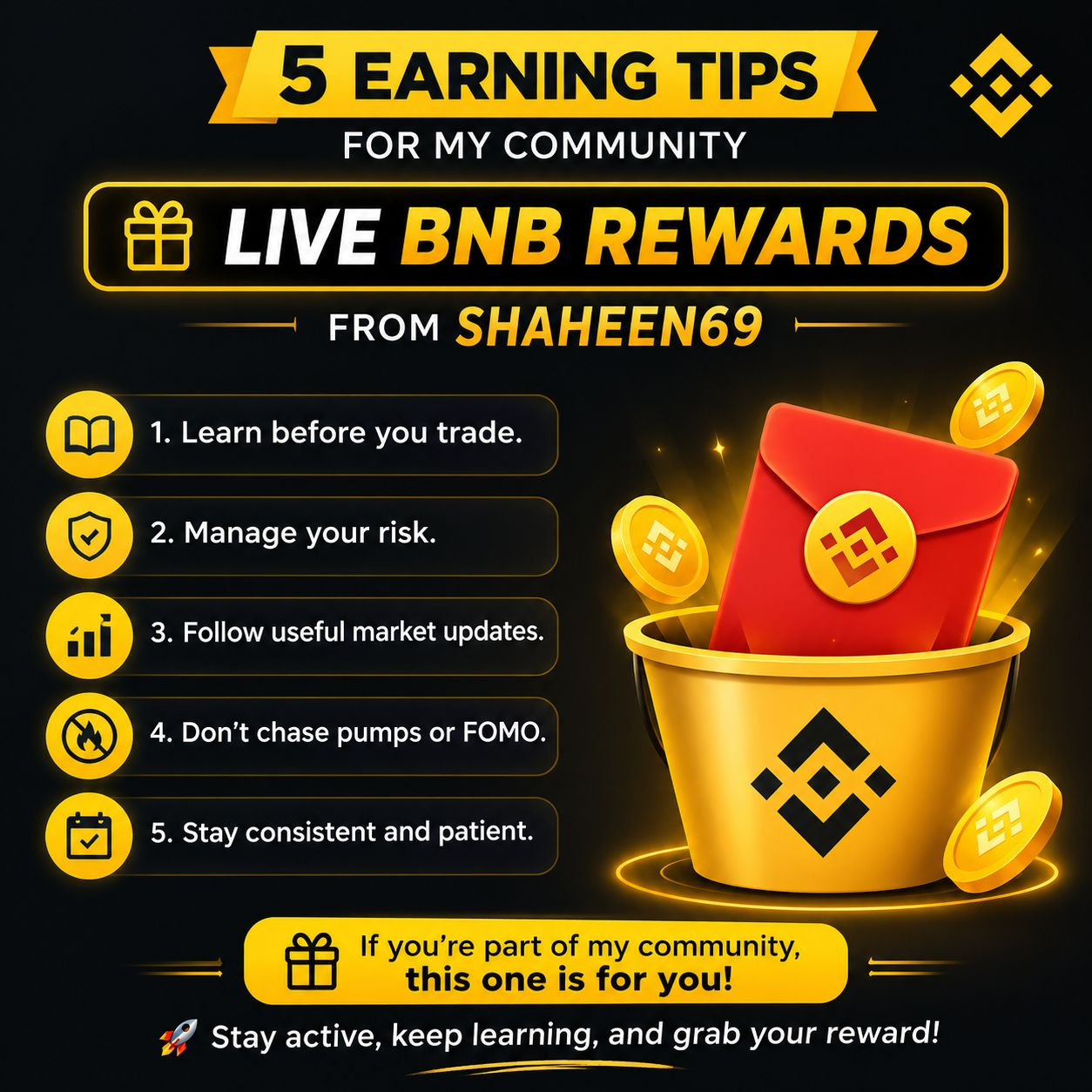
🎁 5 EARNING TIPS + LIVE BNB REWARD! 🔥
Want to grow your crypto journey? Start with these 5 simple tips:
1️⃣ Learn before you trade.
2️⃣ Manage your risk.
3️⃣ Follow useful market updates.
4️⃣ Don’t chase pumps or FOMO.
5️⃣ Stay consistent and patient.
💰 Shaheen69 is sharing a LIVE BNB Red Packet reward! 🎁
If you’re part of my community, this one is for you. ❤️
Stay active, keep learning, and grab your reward when it drops! 🚀
#Binance #Crypto
$PROM $UNI $OPG
Want to grow your crypto journey? Start with these 5 simple tips:
1️⃣ Learn before you trade.
2️⃣ Manage your risk.
3️⃣ Follow useful market updates.
4️⃣ Don’t chase pumps or FOMO.
5️⃣ Stay consistent and patient.
💰 Shaheen69 is sharing a LIVE BNB Red Packet reward! 🎁
If you’re part of my community, this one is for you. ❤️
Stay active, keep learning, and grab your reward when it drops! 🚀
#Binance #Crypto
$PROM $UNI $OPG
🎁🎁

远方1688 BNB
·
--
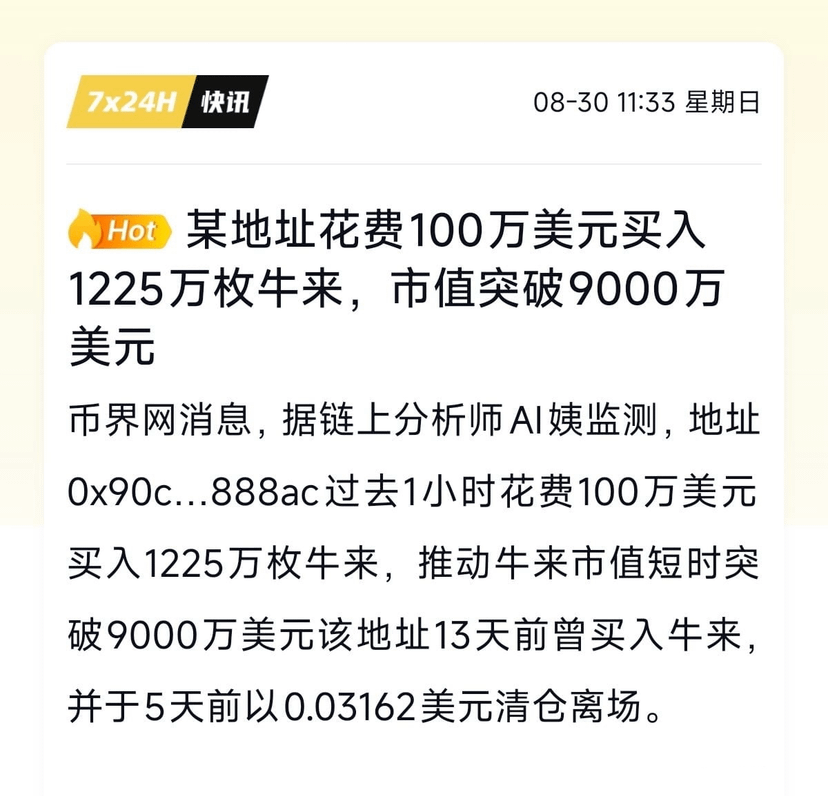
#牛来 上合约了🤩🤩🤩 我这小韭菜上车的时候是全凭直觉,不管三七二十一闷头猛冲进去的,然后一直没下车……直觉依然在✌️✌️✌️→现货🤑🤑🤑

🎁🎁
Quoted content has been removed
🎁🎁

E L E X A
·
--
🚨 LIVE NOW 🚨
Watching is easy… winning takes action 👀
Want free $USDT?
💬 Comment 666
❤️ Like
🔁 Share
➕ Follow
⏳ Spots are filling fast
Comment 666 now 🚀
#Crypto #USDT
Watching is easy… winning takes action 👀
Want free $USDT?
💬 Comment 666
❤️ Like
🔁 Share
➕ Follow
⏳ Spots are filling fast
Comment 666 now 🚀
#Crypto #USDT

🎁🎁

PK Aima
·
--
Respect others and be honest . 🎀🎀🎀like it
share it
follow
and claim reward 🎀🎀🎀
share it
follow
and claim reward 🎀🎀🎀

🎁🎁

Night King Official
·
--
🚨 3,000 RED PACKETS LIVE! 🎁
A surprise gift for our community! 🪐
No time to think — JOIN NOW! 💥
✅ Follow
🔁 Repost
💬 Comment “666”
🎁 Claim Reward
⏳ Hurry before they’re gone!
A surprise gift for our community! 🪐
No time to think — JOIN NOW! 💥
✅ Follow
🔁 Repost
💬 Comment “666”
🎁 Claim Reward
⏳ Hurry before they’re gone!



🎁🎁

圣克斯Lucky1688
·
--
🧧🧧🔥🧧🧧实际收益率上升速度快于名义收益率和盈亏平衡利率,这表明根据彭博社的说法,债券市场认为美联储对通胀的立场具有可信度。关注我,回答1,带走$SOL红包。🧧🧧🔥🧧🧧

🎁🎁

Jerry杰瑞杰瑞
·
--
你的礼物🎁🎁🎁🎁
幸运的您🧧🧧🧧
幸运的您🧧🧧🧧
🎁🎁
Cryptology_7
·
--
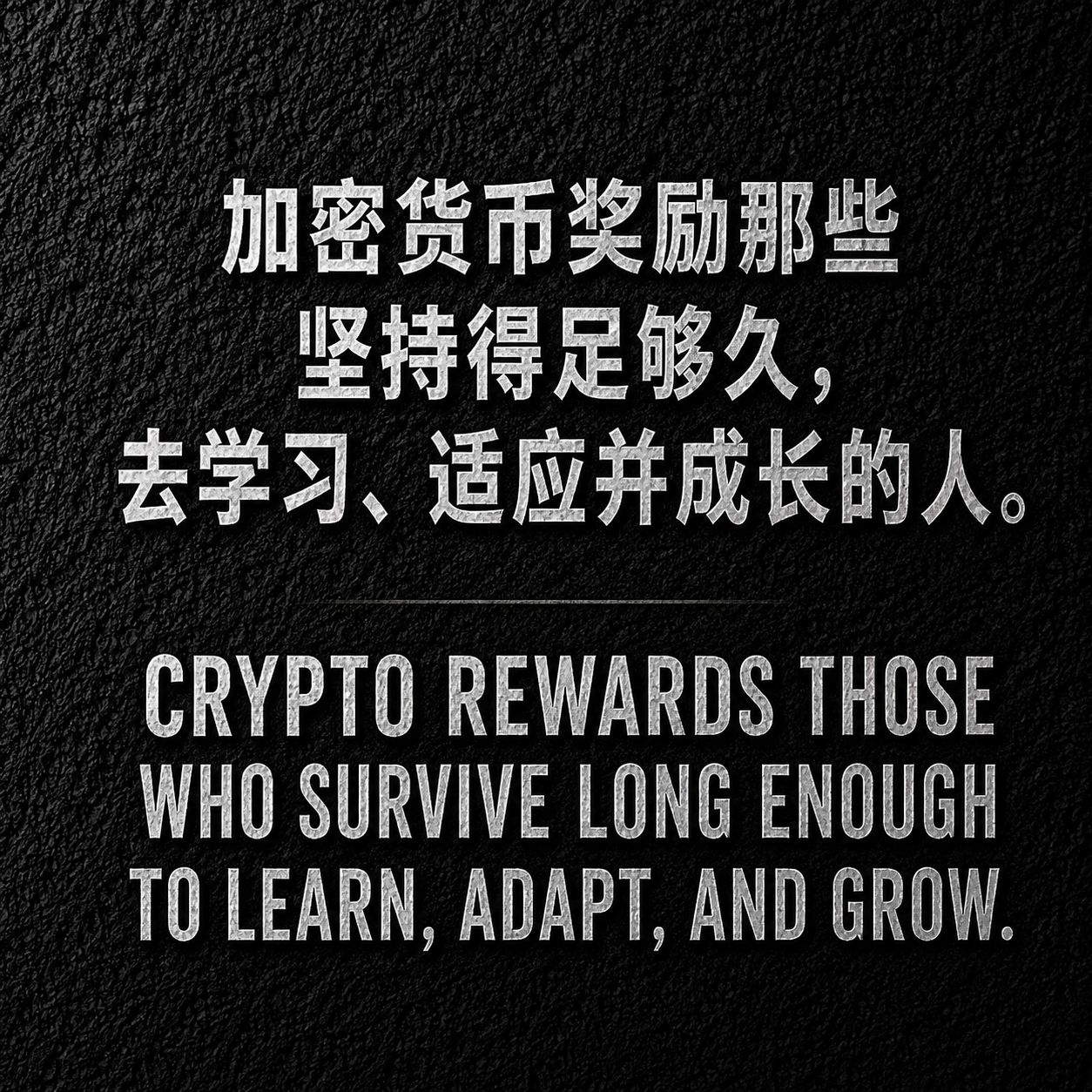
𝐂𝐫𝐲𝐩𝐭𝐨 𝐫𝐞𝐰𝐚𝐫𝐝𝐬 𝐭𝐡𝐨𝐬𝐞 𝐰𝐡𝐨 𝐬𝐮𝐫𝐯𝐢𝐯𝐞 𝐥𝐨𝐧𝐠 𝐞𝐧𝐨𝐮𝐠𝐡 𝐭𝐨 𝐥𝐞𝐚𝐫𝐧, 𝐚𝐝𝐚𝐩𝐭, 𝐚𝐧𝐝 𝐠𝐫𝐨𝐰. 🤍🌱
$O $ETH
#Ethereum #CryptoPatience
#Cryptology_7
$O $ETH
#Ethereum #CryptoPatience
#Cryptology_7
🎁🎁

NAJAF_加密 143
·
--
‼️$DOGE 🐕 Reward is here ‼️
I’m sharing $DOGE rewards with the community as a Bigger thank-you.
✨ Just claim your reward and enjoy! ✨
Claim it. Get rewarded
I’m sharing $DOGE rewards with the community as a Bigger thank-you.
✨ Just claim your reward and enjoy! ✨
Claim it. Get rewarded

🎁🎁

Méèkóò 牛市猎人
·
--
🎁 Claim Your FREE Ethereum 🧧🧧Red Packet 🧧🧧
Limited spots available. 🧧🧧Don’t miss out!
$BTC $SNDKB $SOL
#BTC #BitcoinSpotETFEnds9DayInflowStreak #SchwabPlansToAddSOLAVAXLINKTrading #SNDK #USShortTermTreasuryYieldsJump
Limited spots available. 🧧🧧Don’t miss out!
$BTC $SNDKB $SOL
#BTC #BitcoinSpotETFEnds9DayInflowStreak #SchwabPlansToAddSOLAVAXLINKTrading #SNDK #USShortTermTreasuryYieldsJump
🎁🎁

VIRUS-逍遥
·
--
草木化身齐天大圣,立于落日山野之间。金箍在手,晚霞作袍,一腔不羁依旧。

🎁🎁

泽栩191
·
--
愿您生活如诗,温暖明亮;愿您岁岁常欢愉,年年皆胜意。
May your life be like a poem, warm and bright; may you be happy every year and successful in all things.
May your life be like a poem, warm and bright; may you be happy every year and successful in all things.

🎁🎁

J U N I A
·
--
🎁🎁🎁 CLAIM REWARD

🎁🎁

Prof Denial
·
--
I’m sharing a Bigger $DOGE 🐶 reward with the community as a gift of appreciation. If you want to grab it,
💛 CLAIM it before it’s gone! 💛
💛 CLAIM it before it’s gone! 💛

🎁🎁🎁

AYESHA ABID 阿伊莎 阿比德
·
--
Bullish$SOL — Levels That Matter Right Now 👀
$SOL around $195 is sitting at a key decision point.
📈 Break & Hold: $198
🎯 Upside: $202 → $208 → $215
🟢 Major Support: $190
🔻 Breakdown: Below $190
🎯 Downside: $185 → $180
The setup is simple:
$198 reclaimed = buyers gain control
$190 lost = sellers gain control
No need to chase the candle. Let the level confirm the move.
$SOL
Are you watching $215 or $180 first?
#SOL #Solana
$SOL around $195 is sitting at a key decision point.
📈 Break & Hold: $198
🎯 Upside: $202 → $208 → $215
🟢 Major Support: $190
🔻 Breakdown: Below $190
🎯 Downside: $185 → $180
The setup is simple:
$198 reclaimed = buyers gain control
$190 lost = sellers gain control
No need to chase the candle. Let the level confirm the move.
$SOL
Are you watching $215 or $180 first?
#SOL #Solana
🎁🎁

Sahil987
·
--
Claim 🎁🎁 Somewhere between the mountains and your smile, I found my favorite place to be.

Log in to explore more content