
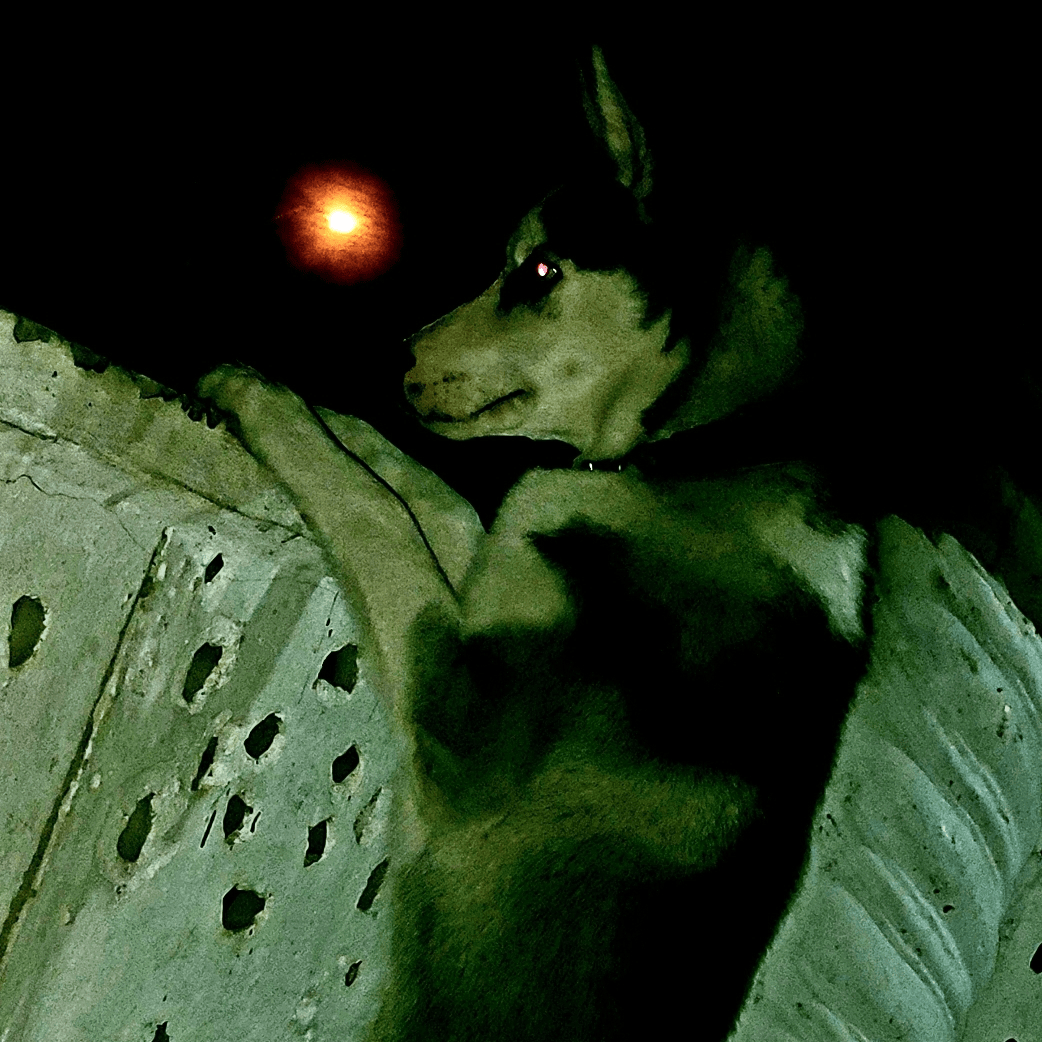
Tonight, August 12, the Perseid meteor shower reaches its peak, giving skywatchers a chance to see dozens of meteors streak across the night sky. Under dark, clear skies, you could see up to 50–100 meteors per hour during the best conditions.
The meteors are created by tiny pieces of debris left behind by Comet Swift-Tuttle. As Earth passes through this dusty trail, the particles enter our atmosphere at high speed and glow brightly, creating the familiar shooting stars.
For the best view, find a dark place away from city lights, let your eyes adjust to the darkness, and look toward a wide, open area of skTonight, August 12, the Perseid meteor shower reaches its peak, giving skywatchers a chance to see dozens of meteors streak across the night sky. Under dark, clear skies, you could see up to 50–100 meteors per hour during the best conditions.
The meteors are created by tiny pieces of debris left behind by Comet Swift-Tuttle. As Earth passes through this dusty trail, the particles enter our atmosphere at high speed and glow brightly, creating the familiar shooting stars.
For the best view, find a dark place away from city lights, let your eyes adjust to the darkness, and look toward a wide, open area of sky.$NASA.ETF
The meteors are created by tiny pieces of debris left behind by Comet Swift-Tuttle. As Earth passes through this dusty trail, the particles enter our atmosphere at high speed and glow brightly, creating the familiar shooting stars.
For the best view, find a dark place away from city lights, let your eyes adjust to the darkness, and look toward a wide, open area of skTonight, August 12, the Perseid meteor shower reaches its peak, giving skywatchers a chance to see dozens of meteors streak across the night sky. Under dark, clear skies, you could see up to 50–100 meteors per hour during the best conditions.
The meteors are created by tiny pieces of debris left behind by Comet Swift-Tuttle. As Earth passes through this dusty trail, the particles enter our atmosphere at high speed and glow brightly, creating the familiar shooting stars.
For the best view, find a dark place away from city lights, let your eyes adjust to the darkness, and look toward a wide, open area of sky.$NASA.ETF