
Mark Neo
6.9k Posts

Mark Neo
 Square Verified+
Report
Block User
Web3 believer building for the future.
940 Following
34.0K+ Followers
15.3K+ Liked
Posts
All
Live

·
--
Bullish
🚨 MASSIVE 🇺🇸
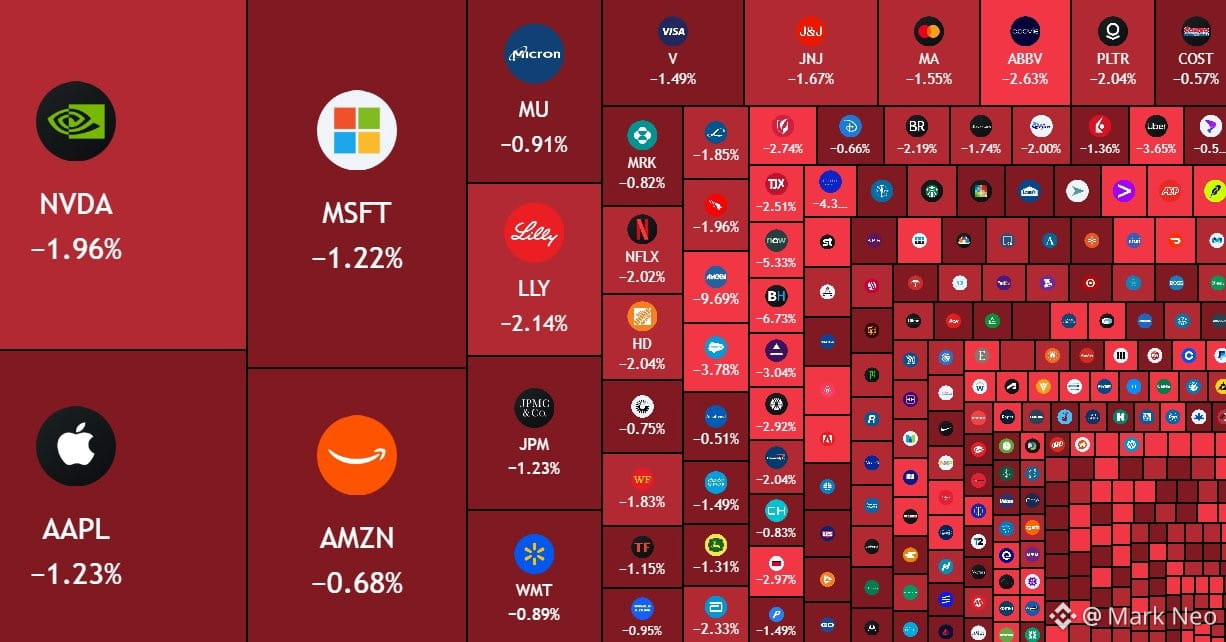
$350 BILLION erased from the US stock market today. 📉
Investors are rushing for safety as selling pressure intensifies.
Fear is rising across Wall Street, with traders watching every move for signs of a deeper correction. 👀
Is this just a dip—or the beginning of a bigger sell-off? ⚠️
🚨 MASSIVE 🇺🇸
$350 BILLION erased from the US stock market today. 📉
Investors are rushing for safety as selling pressure intensifies.
Fear is rising across Wall Street, with traders watching every move for signs of a deeper correction. 👀
Is this just a dip—or the beginning of a bigger sell-off? ⚠️
$350 BILLION erased from the US stock market today. 📉
Investors are rushing for safety as selling pressure intensifies.
Fear is rising across Wall Street, with traders watching every move for signs of a deeper correction. 👀
Is this just a dip—or the beginning of a bigger sell-off? ⚠️
196
·
--
Bullish
🚨 JUST IN 🇩🇪
Germany is reportedly planning a 25% tax on cryptocurrency gains from 2027. 🇩🇪📉
Another major policy shift for crypto investors.
If implemented, this could have a serious impact on capital flows, investor sentiment, and crypto adoption in Germany. 👀
Crypto taxation is becoming a bigger global story.
$BTC
{spot}(BTCUSDT)
🚨 JUST IN 🇩🇪
Germany is reportedly planning a 25% tax on cryptocurrency gains from 2027. 🇩🇪📉
Another major policy shift for crypto investors.
If implemented, this could have a serious impact on capital flows, investor sentiment, and crypto adoption in Germany. 👀
Crypto taxation is becoming a bigger global story.
$BTC
Germany is reportedly planning a 25% tax on cryptocurrency gains from 2027. 🇩🇪📉
Another major policy shift for crypto investors.
If implemented, this could have a serious impact on capital flows, investor sentiment, and crypto adoption in Germany. 👀
Crypto taxation is becoming a bigger global story.
$BTC
88
·
--
Bullish
MASSIVE
The US Treasury is set to buy back $12.5 BILLION of its own debt today.
A huge move in the bond market as the government manages liquidity and keeps the Treasury market functioning smoothly.
$12.5B is not a small number.
MASSIVE
The US Treasury is set to buy back $12.5 BILLION of its own debt today.
A huge move in the bond market as the government manages liquidity and keeps the Treasury market functioning smoothly.
$12.5B is not a small number.
The US Treasury is set to buy back $12.5 BILLION of its own debt today.
A huge move in the bond market as the government manages liquidity and keeps the Treasury market functioning smoothly.
$12.5B is not a small number.
108
·
--
Bullish
BREAKING
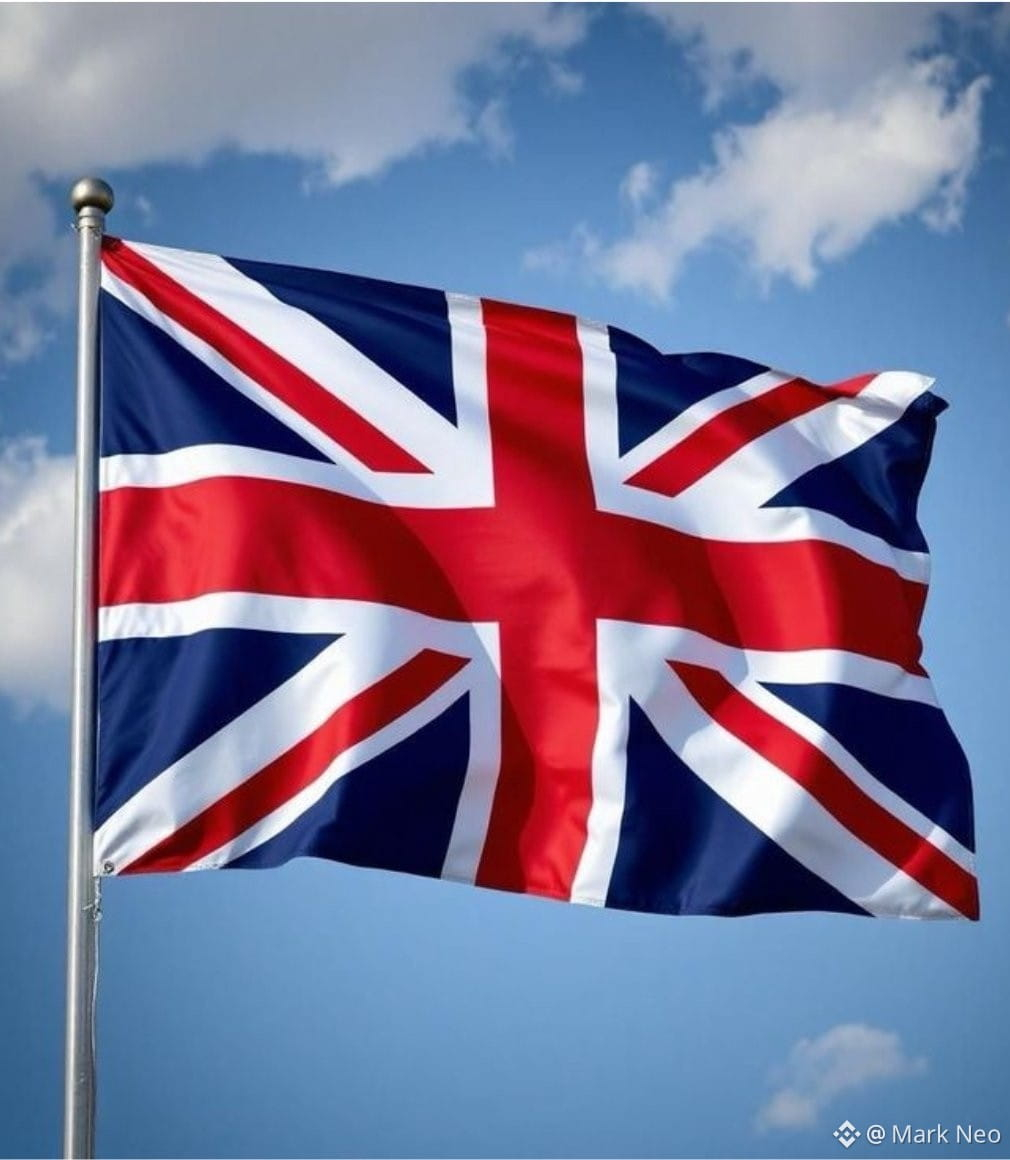
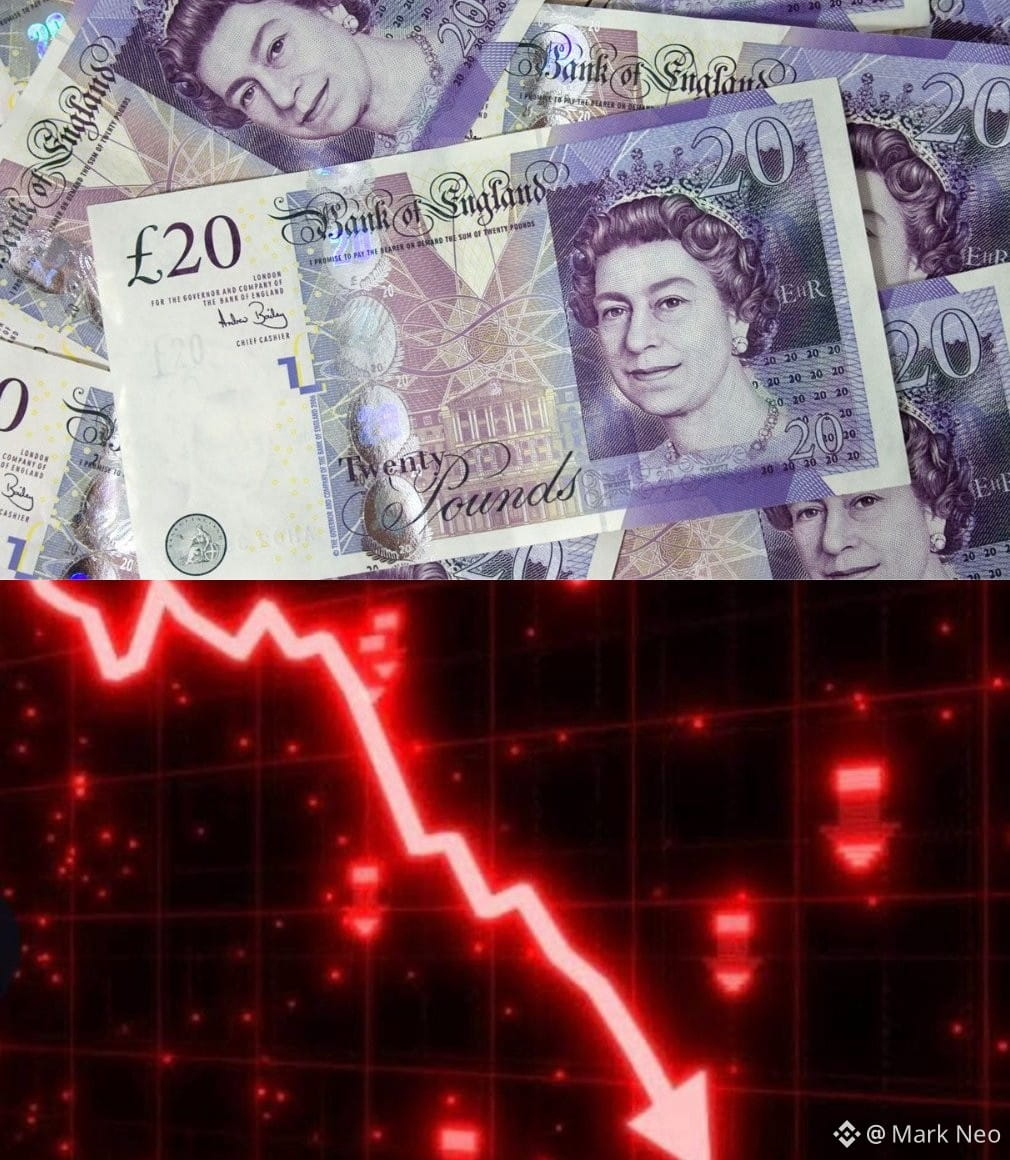
UK 30-year bond yields hit 5.82%, the highest level since 1998.
Borrowing costs are rising fast, putting more pressure on government finances and the wider economy.
Markets are sending a clear warning: debt is getting expensive.
BREAKING
UK 30-year bond yields hit 5.82%, the highest level since 1998.
Borrowing costs are rising fast, putting more pressure on government finances and the wider economy.
Markets are sending a clear warning: debt is getting expensive.
UK 30-year bond yields hit 5.82%, the highest level since 1998.
Borrowing costs are rising fast, putting more pressure on government finances and the wider economy.
Markets are sending a clear warning: debt is getting expensive.
136
·
--
Article
SIGN What Happens When You Stop Asking People to Trust YouA lot of what we do on the internet comes down to one thing: trust. We trust platforms with our data, we trust companies with our identity, and we trust systems to decide whether we qualify for something or not. Most of the time, we don’t even think about it. It just feels normal because that’s how the internet has always worked.
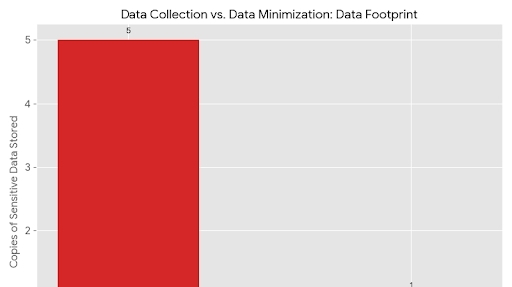
But if you slow down and really look at it, this system isn’t as smooth as it seems. Your identity is scattered across different apps. Your data is copied again and again. Every time you sign up somewhere new, you’re repeating yourself, filling out the same forms, uploading the same documents, proving the same things. And behind all of this, there’s always a middle layer controlling it — storing your information, verifying it, and sometimes even deciding what you can or can’t do.
SIGN comes in with a different idea. Instead of building another platform that asks for your data, it changes the question completely. What if you didn’t need to trust anyone at all? What if, instead of asking someone to believe you, you could simply prove things in a way that anyone can verify?
That’s really what SIGN is about. It turns real-world facts into something you can carry with you as proof. Not screenshots, not documents sitting in someone’s database, but something stronger — something that can be checked instantly without needing permission from a company or a system. So instead of saying “I’m eligible” or “this is mine,” you show a proof that confirms it, and that proof works wherever you go.
If you think about how many times you repeat yourself online, this starts to make sense. You verify your identity again and again. You submit documents again and again. It’s not just tiring, it’s inefficient. SIGN tries to remove that repetition. Once something about you has been verified — whether it’s your identity, your eligibility, or even your reputation — you don’t need to go through the process again. You just use the proof.
The way it works behind the scenes is actually quite simple, even if the technology sounds complex at first. SIGN uses something called attestations, but you can think of them as digital confirmations. It’s like someone stamping a fact as true, except instead of being stuck in one place, that confirmation becomes something you can carry and reuse. It could be proof that you passed a verification check, proof that you qualify for a reward, proof that you signed something, or proof that you belong somewhere. The important part is that it doesn’t live inside one company anymore. It becomes portable.
And once proofs become portable, something interesting happens. Control starts to shift. Right now, platforms hold your data and decide how it’s used. But if you hold the proof yourself, you’re not asking for access anymore. You’re showing that you already qualify. It’s a small shift in how things work, but it changes the feeling completely.
You can see this clearly in something like token distribution in crypto. Airdrops today can feel messy. Bots take advantage, fake accounts slip through, and real users don’t always get what they deserve. It often feels random or unfair. SIGN tries to clean this up by making everything based on proof. Instead of guessing who should receive something, projects can define clear conditions, and only those who can prove they meet those conditions receive the reward. It removes a lot of noise and makes the process feel more fair and transparent.
Underneath all of this, there’s a bigger vision. SIGN isn’t just trying to fix one problem. It’s trying to become a kind of invisible layer that sits under the internet — something that quietly handles verification wherever it’s needed. Whether it’s identity, financial access, online credentials, or even public systems, the same idea applies: instead of trusting, you verify.
Of course, none of this happens overnight. A system like this only becomes powerful if people actually use it. Developers need to build on it, platforms need to integrate it, and users need to feel comfortable with it. That’s not easy, especially when people are used to the current way of doing things. Even if the current system has flaws, it’s familiar.
There’s also competition. Many projects are trying to solve identity and verification in their own way, each with different approaches. And beyond the technology, there’s the human side of it. Most people don’t think in terms of proofs or systems. They just want things to work easily. So for something like SIGN to succeed, it has to feel simple, almost invisible.
Still, the idea behind it feels important. Because at its core, this isn’t just about technology. It’s about who controls truth online. Right now, platforms hold that power. They decide what counts as valid, what gets accepted, and what gets rejected.
SIGN is trying to move that power away from platforms and closer to individuals. Not by removing verification, but by making it something open, something anyone can check, instead of something you have to trust blindly.
If it works, the change won’t feel dramatic. There won’t be a moment where everything suddenly looks different. Things will just start to feel smoother. You won’t repeat yourself as much. You won’t hand over as much data. You won’t rely on platforms in the same way. You’ll just show proof and move forward.
And maybe that’s the real shift. Not something loud or obvious, but something quiet that changes how the internet works underneath everything else. Where trust isn’t something you give away anymore — it’s something you can actually show.
#SignDigitalSovereignInfra @SignOfficial $SIGN
{spot}(SIGNUSDT)
SIGN What Happens When You Stop Asking People to Trust You
A lot of what we do on the internet comes down to one thing: trust. We trust platforms with our data, we trust companies with our identity, and we trust systems to decide whether we qualify for something or not. Most of the time, we don’t even think about it. It just feels normal because that’s how the internet has always worked.
But if you slow down and really look at it, this system isn’t as smooth as it seems. Your identity is scattered across different apps. Your data is copied again and again. Every time you sign up somewhere new, you’re repeating yourself, filling out the same forms, uploading the same documents, proving the same things. And behind all of this, there’s always a middle layer controlling it — storing your information, verifying it, and sometimes even deciding what you can or can’t do.
SIGN comes in with a different idea. Instead of building another platform that asks for your data, it changes the question completely. What if you didn’t need to trust anyone at all? What if, instead of asking someone to believe you, you could simply prove things in a way that anyone can verify?
That’s really what SIGN is about. It turns real-world facts into something you can carry with you as proof. Not screenshots, not documents sitting in someone’s database, but something stronger — something that can be checked instantly without needing permission from a company or a system. So instead of saying “I’m eligible” or “this is mine,” you show a proof that confirms it, and that proof works wherever you go.
If you think about how many times you repeat yourself online, this starts to make sense. You verify your identity again and again. You submit documents again and again. It’s not just tiring, it’s inefficient. SIGN tries to remove that repetition. Once something about you has been verified — whether it’s your identity, your eligibility, or even your reputation — you don’t need to go through the process again. You just use the proof.
The way it works behind the scenes is actually quite simple, even if the technology sounds complex at first. SIGN uses something called attestations, but you can think of them as digital confirmations. It’s like someone stamping a fact as true, except instead of being stuck in one place, that confirmation becomes something you can carry and reuse. It could be proof that you passed a verification check, proof that you qualify for a reward, proof that you signed something, or proof that you belong somewhere. The important part is that it doesn’t live inside one company anymore. It becomes portable.
And once proofs become portable, something interesting happens. Control starts to shift. Right now, platforms hold your data and decide how it’s used. But if you hold the proof yourself, you’re not asking for access anymore. You’re showing that you already qualify. It’s a small shift in how things work, but it changes the feeling completely.
You can see this clearly in something like token distribution in crypto. Airdrops today can feel messy. Bots take advantage, fake accounts slip through, and real users don’t always get what they deserve. It often feels random or unfair. SIGN tries to clean this up by making everything based on proof. Instead of guessing who should receive something, projects can define clear conditions, and only those who can prove they meet those conditions receive the reward. It removes a lot of noise and makes the process feel more fair and transparent.
Underneath all of this, there’s a bigger vision. SIGN isn’t just trying to fix one problem. It’s trying to become a kind of invisible layer that sits under the internet — something that quietly handles verification wherever it’s needed. Whether it’s identity, financial access, online credentials, or even public systems, the same idea applies: instead of trusting, you verify.
Of course, none of this happens overnight. A system like this only becomes powerful if people actually use it. Developers need to build on it, platforms need to integrate it, and users need to feel comfortable with it. That’s not easy, especially when people are used to the current way of doing things. Even if the current system has flaws, it’s familiar.
There’s also competition. Many projects are trying to solve identity and verification in their own way, each with different approaches. And beyond the technology, there’s the human side of it. Most people don’t think in terms of proofs or systems. They just want things to work easily. So for something like SIGN to succeed, it has to feel simple, almost invisible.
Still, the idea behind it feels important. Because at its core, this isn’t just about technology. It’s about who controls truth online. Right now, platforms hold that power. They decide what counts as valid, what gets accepted, and what gets rejected.
SIGN is trying to move that power away from platforms and closer to individuals. Not by removing verification, but by making it something open, something anyone can check, instead of something you have to trust blindly.
If it works, the change won’t feel dramatic. There won’t be a moment where everything suddenly looks different. Things will just start to feel smoother. You won’t repeat yourself as much. You won’t hand over as much data. You won’t rely on platforms in the same way. You’ll just show proof and move forward.
And maybe that’s the real shift. Not something loud or obvious, but something quiet that changes how the internet works underneath everything else. Where trust isn’t something you give away anymore — it’s something you can actually show.
#SignDigitalSovereignInfra @SignOfficial $SIGN
But if you slow down and really look at it, this system isn’t as smooth as it seems. Your identity is scattered across different apps. Your data is copied again and again. Every time you sign up somewhere new, you’re repeating yourself, filling out the same forms, uploading the same documents, proving the same things. And behind all of this, there’s always a middle layer controlling it — storing your information, verifying it, and sometimes even deciding what you can or can’t do.
SIGN comes in with a different idea. Instead of building another platform that asks for your data, it changes the question completely. What if you didn’t need to trust anyone at all? What if, instead of asking someone to believe you, you could simply prove things in a way that anyone can verify?
That’s really what SIGN is about. It turns real-world facts into something you can carry with you as proof. Not screenshots, not documents sitting in someone’s database, but something stronger — something that can be checked instantly without needing permission from a company or a system. So instead of saying “I’m eligible” or “this is mine,” you show a proof that confirms it, and that proof works wherever you go.
If you think about how many times you repeat yourself online, this starts to make sense. You verify your identity again and again. You submit documents again and again. It’s not just tiring, it’s inefficient. SIGN tries to remove that repetition. Once something about you has been verified — whether it’s your identity, your eligibility, or even your reputation — you don’t need to go through the process again. You just use the proof.
The way it works behind the scenes is actually quite simple, even if the technology sounds complex at first. SIGN uses something called attestations, but you can think of them as digital confirmations. It’s like someone stamping a fact as true, except instead of being stuck in one place, that confirmation becomes something you can carry and reuse. It could be proof that you passed a verification check, proof that you qualify for a reward, proof that you signed something, or proof that you belong somewhere. The important part is that it doesn’t live inside one company anymore. It becomes portable.
And once proofs become portable, something interesting happens. Control starts to shift. Right now, platforms hold your data and decide how it’s used. But if you hold the proof yourself, you’re not asking for access anymore. You’re showing that you already qualify. It’s a small shift in how things work, but it changes the feeling completely.
You can see this clearly in something like token distribution in crypto. Airdrops today can feel messy. Bots take advantage, fake accounts slip through, and real users don’t always get what they deserve. It often feels random or unfair. SIGN tries to clean this up by making everything based on proof. Instead of guessing who should receive something, projects can define clear conditions, and only those who can prove they meet those conditions receive the reward. It removes a lot of noise and makes the process feel more fair and transparent.
Underneath all of this, there’s a bigger vision. SIGN isn’t just trying to fix one problem. It’s trying to become a kind of invisible layer that sits under the internet — something that quietly handles verification wherever it’s needed. Whether it’s identity, financial access, online credentials, or even public systems, the same idea applies: instead of trusting, you verify.
Of course, none of this happens overnight. A system like this only becomes powerful if people actually use it. Developers need to build on it, platforms need to integrate it, and users need to feel comfortable with it. That’s not easy, especially when people are used to the current way of doing things. Even if the current system has flaws, it’s familiar.
There’s also competition. Many projects are trying to solve identity and verification in their own way, each with different approaches. And beyond the technology, there’s the human side of it. Most people don’t think in terms of proofs or systems. They just want things to work easily. So for something like SIGN to succeed, it has to feel simple, almost invisible.
Still, the idea behind it feels important. Because at its core, this isn’t just about technology. It’s about who controls truth online. Right now, platforms hold that power. They decide what counts as valid, what gets accepted, and what gets rejected.
SIGN is trying to move that power away from platforms and closer to individuals. Not by removing verification, but by making it something open, something anyone can check, instead of something you have to trust blindly.
If it works, the change won’t feel dramatic. There won’t be a moment where everything suddenly looks different. Things will just start to feel smoother. You won’t repeat yourself as much. You won’t hand over as much data. You won’t rely on platforms in the same way. You’ll just show proof and move forward.
And maybe that’s the real shift. Not something loud or obvious, but something quiet that changes how the internet works underneath everything else. Where trust isn’t something you give away anymore — it’s something you can actually show.
#SignDigitalSovereignInfra @SignOfficial $SIGN
24
18
317
·
--
Most blockchains move value. SIGN tracks truth.
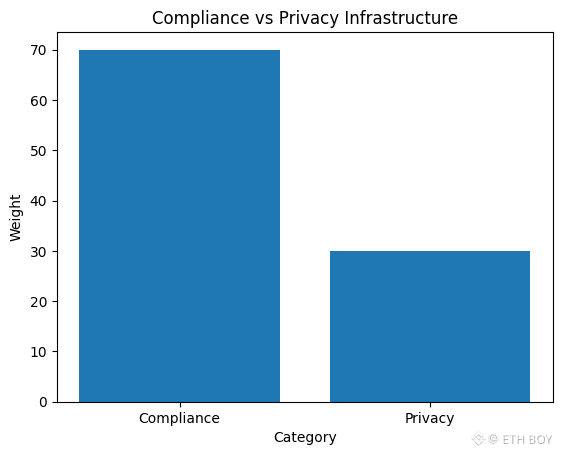
Not balances—claims. Who did what. Who qualifies. Who belongs. All stamped, portable, and impossible to fake across chains.
Token distribution stops being guesswork. It becomes eligibility enforced by proof, not promises.
In a space drowning in anonymous wallets, SIGN turns actions into identity—and identity into leverage.
#SignDigitalSovereignInfra @SignOfficial $SIGN
{spot}(SIGNUSDT)
Most blockchains move value. SIGN tracks truth.
Not balances—claims. Who did what. Who qualifies. Who belongs. All stamped, portable, and impossible to fake across chains.
Token distribution stops being guesswork. It becomes eligibility enforced by proof, not promises.
In a space drowning in anonymous wallets, SIGN turns actions into identity—and identity into leverage.
#SignDigitalSovereignInfra @SignOfficial $SIGN
Not balances—claims. Who did what. Who qualifies. Who belongs. All stamped, portable, and impossible to fake across chains.
Token distribution stops being guesswork. It becomes eligibility enforced by proof, not promises.
In a space drowning in anonymous wallets, SIGN turns actions into identity—and identity into leverage.
#SignDigitalSovereignInfra @SignOfficial $SIGN
2
1
112
·
--
Bullish
🚨 BREAKING
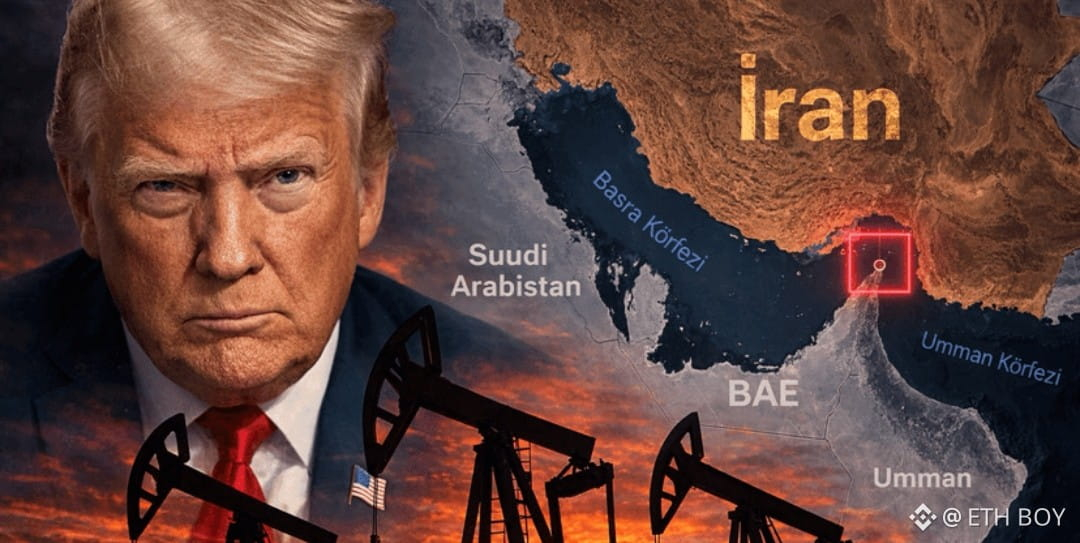
Donald Trump just dropped a statement that’s raising serious eyebrows:
“We’ve already begun taking control of the Strait of Hormuz.”
Reported via Israel Channel 14 — but no official confirmation yet.
If true, this is massive. The Strait of Hormuz is the world’s most critical oil chokepoint — any move here shakes global markets instantly.
Right now: uncertainty, tension, and a lot of unanswered questions.
Is this strategy, signaling… or something bigger already underway?
Stay sharp — this could escalate fast.
🚨 BREAKING
Donald Trump just dropped a statement that’s raising serious eyebrows:
“We’ve already begun taking control of the Strait of Hormuz.”
Reported via Israel Channel 14 — but no official confirmation yet.
If true, this is massive. The Strait of Hormuz is the world’s most critical oil chokepoint — any move here shakes global markets instantly.
Right now: uncertainty, tension, and a lot of unanswered questions.
Is this strategy, signaling… or something bigger already underway?
Stay sharp — this could escalate fast.
Donald Trump just dropped a statement that’s raising serious eyebrows:
“We’ve already begun taking control of the Strait of Hormuz.”
Reported via Israel Channel 14 — but no official confirmation yet.
If true, this is massive. The Strait of Hormuz is the world’s most critical oil chokepoint — any move here shakes global markets instantly.
Right now: uncertainty, tension, and a lot of unanswered questions.
Is this strategy, signaling… or something bigger already underway?
Stay sharp — this could escalate fast.
2
451
·
--
Bullish
BREAKING ⚡🇮🇳
India is feeling the heat of the global energy crunch.
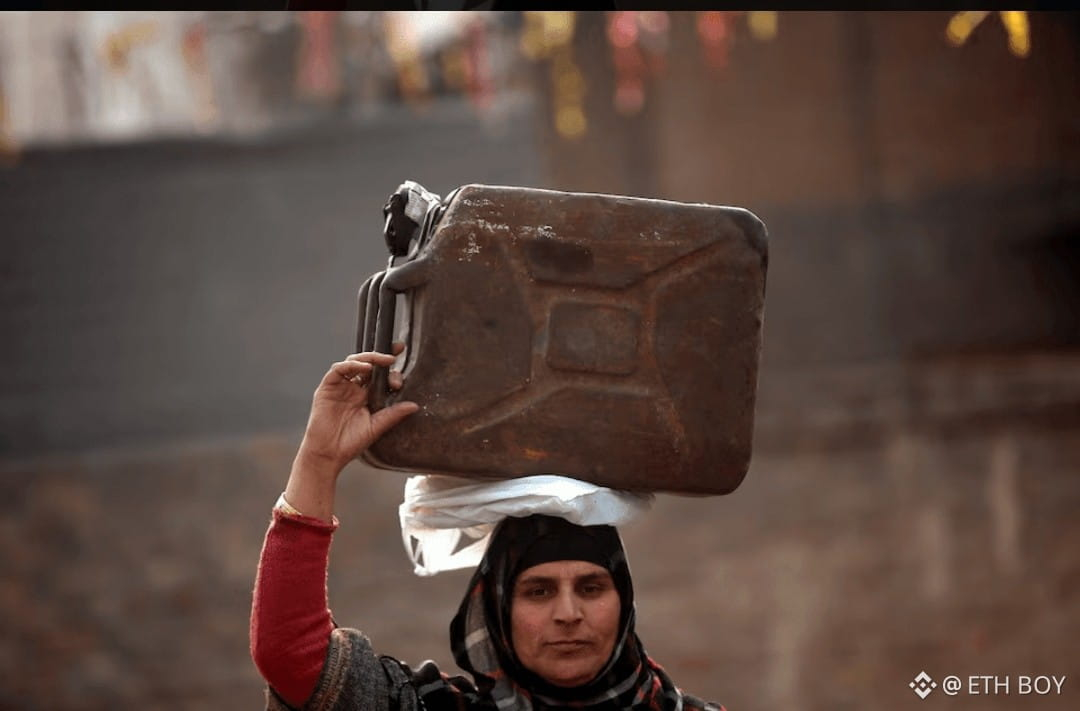
On March 29, the government made a sudden move — bringing kerosene back for households across 21 states for the next 60 days. Rules relaxed. Old systems reactivated. Fast.
Why? LPG supply pressure is rising, and risks around the Hormuz route are starting to bite.
For millions, this means relief — cooking and lighting won’t stop.
But the bigger picture is harder to ignore…
A major economy is being forced to go backwards to stay stable.
Cleaner fuels paused. Emergency measures activated.
This isn’t just about India — it’s a warning signal.
The global energy shock is no longer distant. It’s hitting homes.
BREAKING ⚡🇮🇳
India is feeling the heat of the global energy crunch.
On March 29, the government made a sudden move — bringing kerosene back for households across 21 states for the next 60 days. Rules relaxed. Old systems reactivated. Fast.
Why? LPG supply pressure is rising, and risks around the Hormuz route are starting to bite.
For millions, this means relief — cooking and lighting won’t stop.
But the bigger picture is harder to ignore…
A major economy is being forced to go backwards to stay stable.
Cleaner fuels paused. Emergency measures activated.
This isn’t just about India — it’s a warning signal.
The global energy shock is no longer distant. It’s hitting homes.
India is feeling the heat of the global energy crunch.
On March 29, the government made a sudden move — bringing kerosene back for households across 21 states for the next 60 days. Rules relaxed. Old systems reactivated. Fast.
Why? LPG supply pressure is rising, and risks around the Hormuz route are starting to bite.
For millions, this means relief — cooking and lighting won’t stop.
But the bigger picture is harder to ignore…
A major economy is being forced to go backwards to stay stable.
Cleaner fuels paused. Emergency measures activated.
This isn’t just about India — it’s a warning signal.
The global energy shock is no longer distant. It’s hitting homes.
3
280
·
--
Bullish
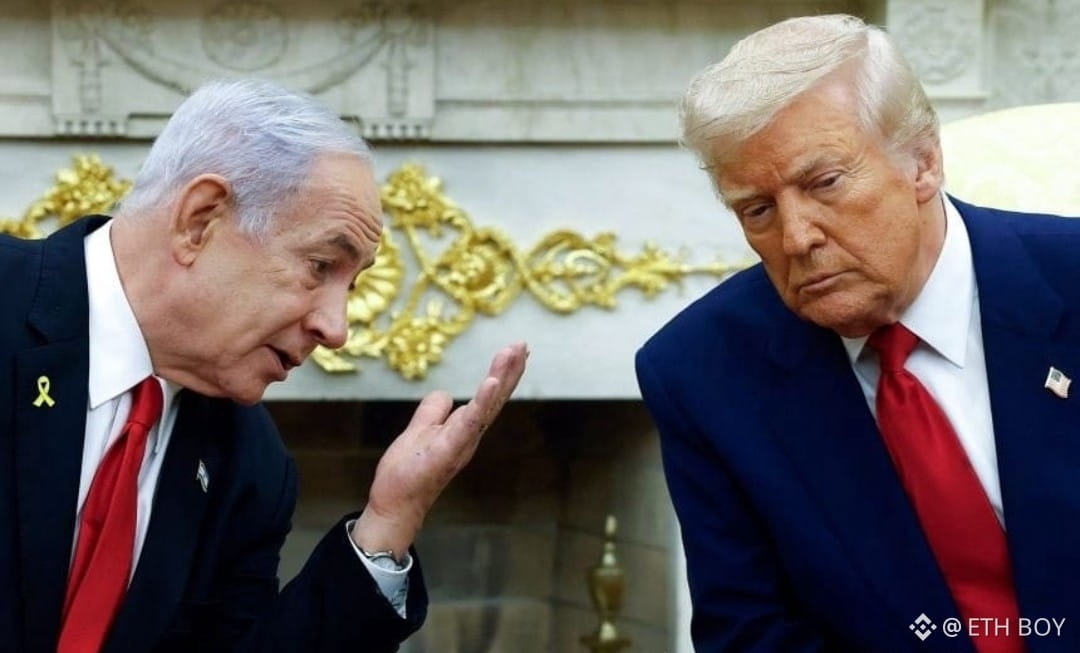
BREAKING 🚨🇺🇸🇮🇷
Something is shifting behind the scenes.
Reports say the US may be preparing to step back from the conflict. In a high-level meeting, officials reportedly made one thing clear: this is a Middle East conflict — not America’s war.
No official confirmation yet. No clear timeline. Just signals.
Now the big question — is this pure strategy, or did internal pressure like the “No Kings” movement push this change?
Right now, it’s uncertainty, tension, and a possible turning point.
Stay alert. This story is far from over.
BREAKING 🚨🇺🇸🇮🇷
Something is shifting behind the scenes.
Reports say the US may be preparing to step back from the conflict. In a high-level meeting, officials reportedly made one thing clear: this is a Middle East conflict — not America’s war.
No official confirmation yet. No clear timeline. Just signals.
Now the big question — is this pure strategy, or did internal pressure like the “No Kings” movement push this change?
Right now, it’s uncertainty, tension, and a possible turning point.
Stay alert. This story is far from over.
Something is shifting behind the scenes.
Reports say the US may be preparing to step back from the conflict. In a high-level meeting, officials reportedly made one thing clear: this is a Middle East conflict — not America’s war.
No official confirmation yet. No clear timeline. Just signals.
Now the big question — is this pure strategy, or did internal pressure like the “No Kings” movement push this change?
Right now, it’s uncertainty, tension, and a possible turning point.
Stay alert. This story is far from over.
59
·
--
Bullish
This is the kind of situation no one wants to admit out loud.
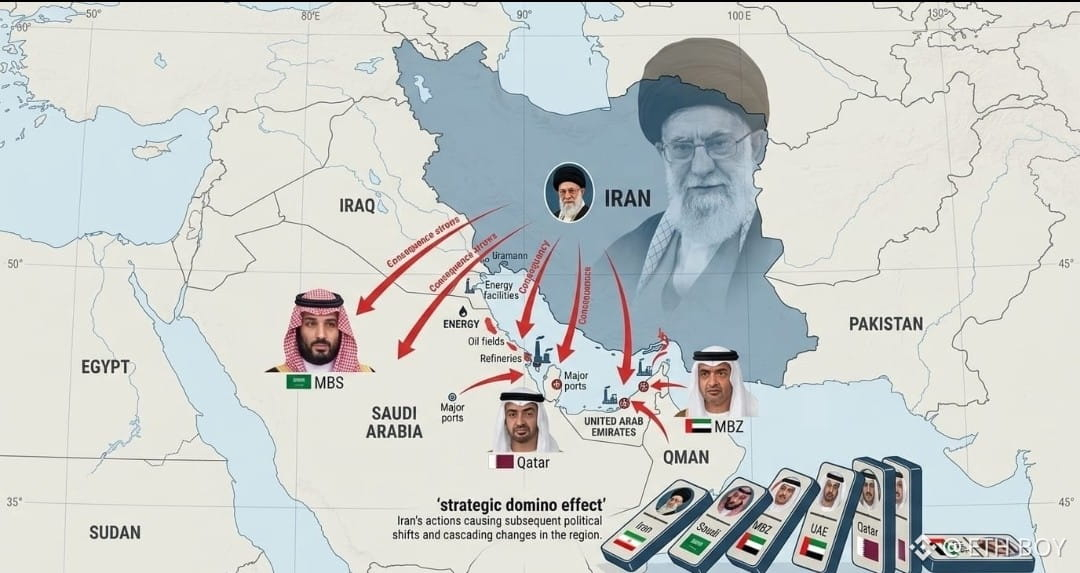
Two days ago, the UAE stood firmly with the US — strong, confident, and ready to back action against Iran. Ports, bases, logistics… all in play. It looked like power alignment.
Then reality hit.
Not US bases. Not military targets.
Iran struck where it hurts the most — the economy.
Khalifa Economic Zone shaken.
Emirates Global Aluminium damaged.
Fujairah oil port forced to stop.
Lives lost. Hundreds of missiles intercepted. Thousands of drones absorbed.
And that was just the beginning.
Now the UAE is stuck in a brutal dilemma:
Support the war → risk its entire economic backbone getting torn apart.
Step back → risk looking weak, unreliable, and still not safe.
No clean exit. No safe ground.
Just pressure from both sides.
This isn’t strategy anymore — it’s survival.
This is the kind of situation no one wants to admit out loud.
Two days ago, the UAE stood firmly with the US — strong, confident, and ready to back action against Iran. Ports, bases, logistics… all in play. It looked like power alignment.
Then reality hit.
Not US bases. Not military targets.
Iran struck where it hurts the most — the economy.
Khalifa Economic Zone shaken.
Emirates Global Aluminium damaged.
Fujairah oil port forced to stop.
Lives lost. Hundreds of missiles intercepted. Thousands of drones absorbed.
And that was just the beginning.
Now the UAE is stuck in a brutal dilemma:
Support the war → risk its entire economic backbone getting torn apart.
Step back → risk looking weak, unreliable, and still not safe.
No clean exit. No safe ground.
Just pressure from both sides.
This isn’t strategy anymore — it’s survival.
Two days ago, the UAE stood firmly with the US — strong, confident, and ready to back action against Iran. Ports, bases, logistics… all in play. It looked like power alignment.
Then reality hit.
Not US bases. Not military targets.
Iran struck where it hurts the most — the economy.
Khalifa Economic Zone shaken.
Emirates Global Aluminium damaged.
Fujairah oil port forced to stop.
Lives lost. Hundreds of missiles intercepted. Thousands of drones absorbed.
And that was just the beginning.
Now the UAE is stuck in a brutal dilemma:
Support the war → risk its entire economic backbone getting torn apart.
Step back → risk looking weak, unreliable, and still not safe.
No clean exit. No safe ground.
Just pressure from both sides.
This isn’t strategy anymore — it’s survival.
3
231
·
--
Bullish
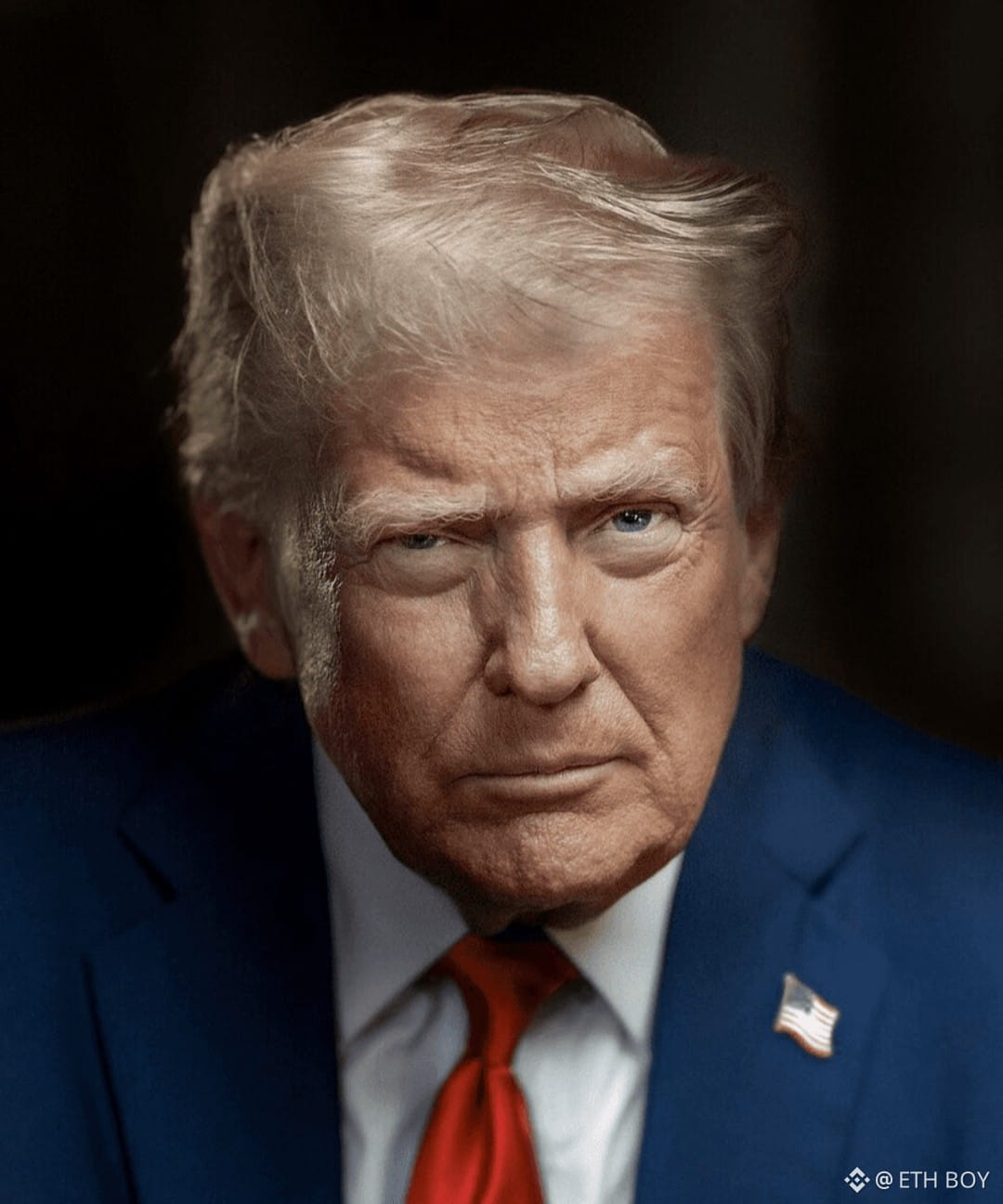
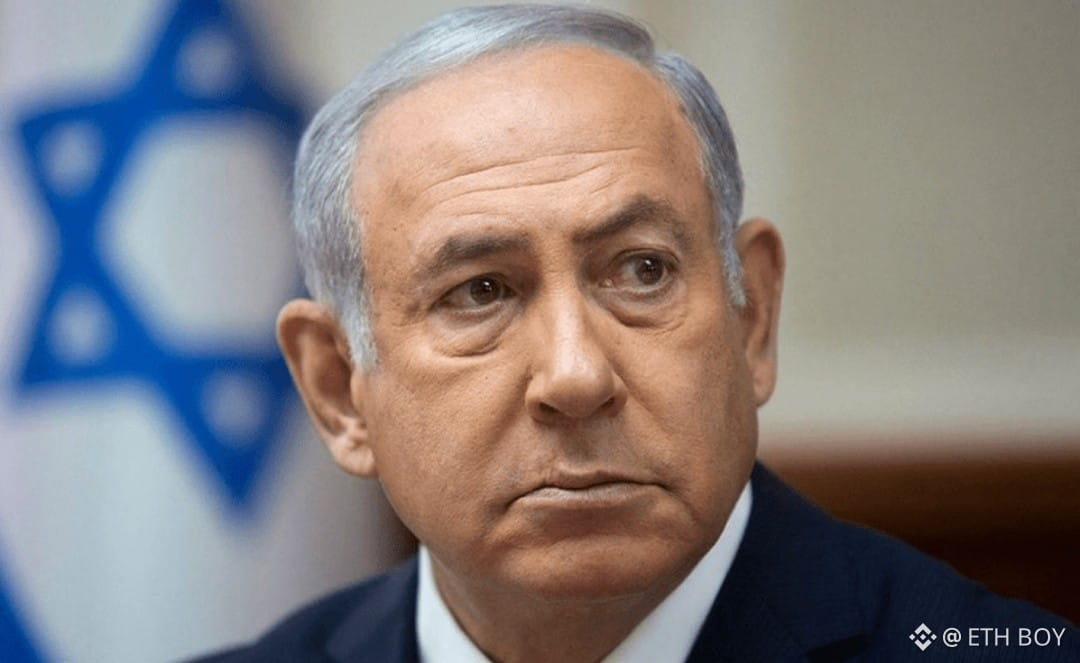
🚨 EXCLUSIVE: US MAY PULL OUT OF IRAN CONFLICT 🇺🇸🇮🇷
Reports say a high-level meeting is underway — and the U.S. might step back, declaring:
“This is a Middle East conflict, not America’s war.”
💥 Key points:
• Decision could be influenced by the ‘No Kings’ movement or other behind-the-scenes factors
• Signals a possible major shift in US strategy in the region
🧠 Takeaway:
If the U.S. steps back, the balance in the Middle East could change fast and dramatically.
👇 Stay tuned — next moves could reshape the conflict entirely. ⚠️🔥
🚨 EXCLUSIVE: US MAY PULL OUT OF IRAN CONFLICT 🇺🇸🇮🇷
Reports say a high-level meeting is underway — and the U.S. might step back, declaring:
“This is a Middle East conflict, not America’s war.”
💥 Key points:
• Decision could be influenced by the ‘No Kings’ movement or other behind-the-scenes factors
• Signals a possible major shift in US strategy in the region
🧠 Takeaway:
If the U.S. steps back, the balance in the Middle East could change fast and dramatically.
👇 Stay tuned — next moves could reshape the conflict entirely. ⚠️🔥
Reports say a high-level meeting is underway — and the U.S. might step back, declaring:
“This is a Middle East conflict, not America’s war.”
💥 Key points:
• Decision could be influenced by the ‘No Kings’ movement or other behind-the-scenes factors
• Signals a possible major shift in US strategy in the region
🧠 Takeaway:
If the U.S. steps back, the balance in the Middle East could change fast and dramatically.
👇 Stay tuned — next moves could reshape the conflict entirely. ⚠️🔥
2
526
·
--
Bullish
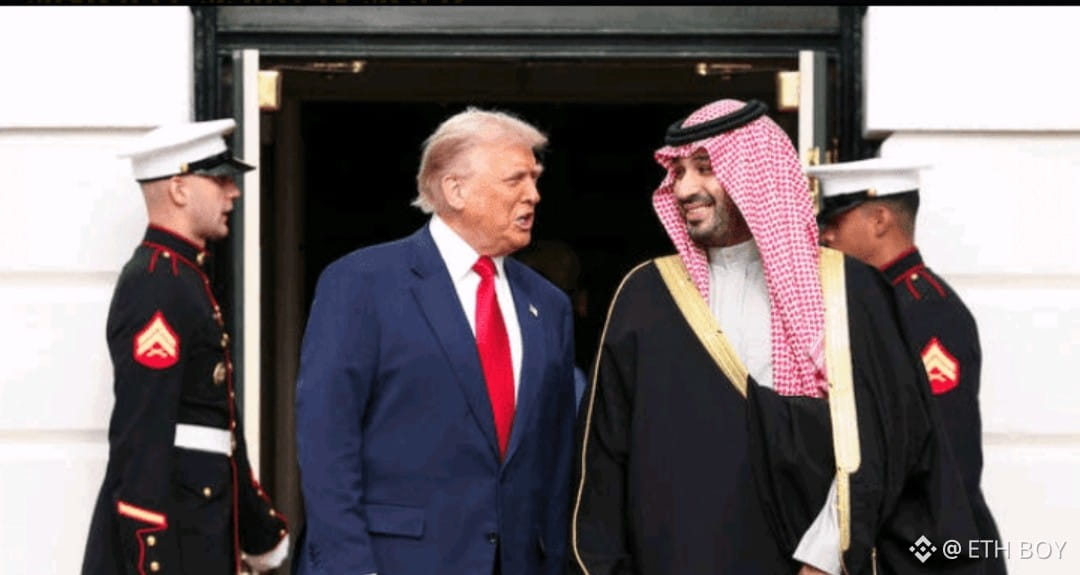
🚨 TRUMP TAKES SHOT AT SAUDI CROWN PRINCE 🇺🇸🇸🇦🔥
Trump shockingly said he “didn’t think he’d be kissing my a,” hinting that Mohammed bin Salman now has to play nice.
💥 Context:
• Crown Prince reportedly urged Trump to continue pressure on Iran, calling it a “historic opportunity” to reshape the Middle East
• Saudi government denies pushing for extended conflict, insisting they want peace
• Meanwhile, Iran’s strikes on Saudi oil and US bases escalate tensions
🌍 Why it matters:
• Complex US–Saudi–Iran dynamics
• Regional stability at risk
• Global energy markets could feel the pressure
🧠 Takeaway:
Power, diplomacy, and war talk collide — and the world is watching every move.
👇 Question:
Is this posturing… or a sign of deeper strategy unfolding? ⚠️🔥
🚨 TRUMP TAKES SHOT AT SAUDI CROWN PRINCE 🇺🇸🇸🇦🔥
Trump shockingly said he “didn’t think he’d be kissing my a,” hinting that Mohammed bin Salman now has to play nice.
💥 Context:
• Crown Prince reportedly urged Trump to continue pressure on Iran, calling it a “historic opportunity” to reshape the Middle East
• Saudi government denies pushing for extended conflict, insisting they want peace
• Meanwhile, Iran’s strikes on Saudi oil and US bases escalate tensions
🌍 Why it matters:
• Complex US–Saudi–Iran dynamics
• Regional stability at risk
• Global energy markets could feel the pressure
🧠 Takeaway:
Power, diplomacy, and war talk collide — and the world is watching every move.
👇 Question:
Is this posturing… or a sign of deeper strategy unfolding? ⚠️🔥
Trump shockingly said he “didn’t think he’d be kissing my a,” hinting that Mohammed bin Salman now has to play nice.
💥 Context:
• Crown Prince reportedly urged Trump to continue pressure on Iran, calling it a “historic opportunity” to reshape the Middle East
• Saudi government denies pushing for extended conflict, insisting they want peace
• Meanwhile, Iran’s strikes on Saudi oil and US bases escalate tensions
🌍 Why it matters:
• Complex US–Saudi–Iran dynamics
• Regional stability at risk
• Global energy markets could feel the pressure
🧠 Takeaway:
Power, diplomacy, and war talk collide — and the world is watching every move.
👇 Question:
Is this posturing… or a sign of deeper strategy unfolding? ⚠️🔥
2
1
9
658
·
--
Bullish
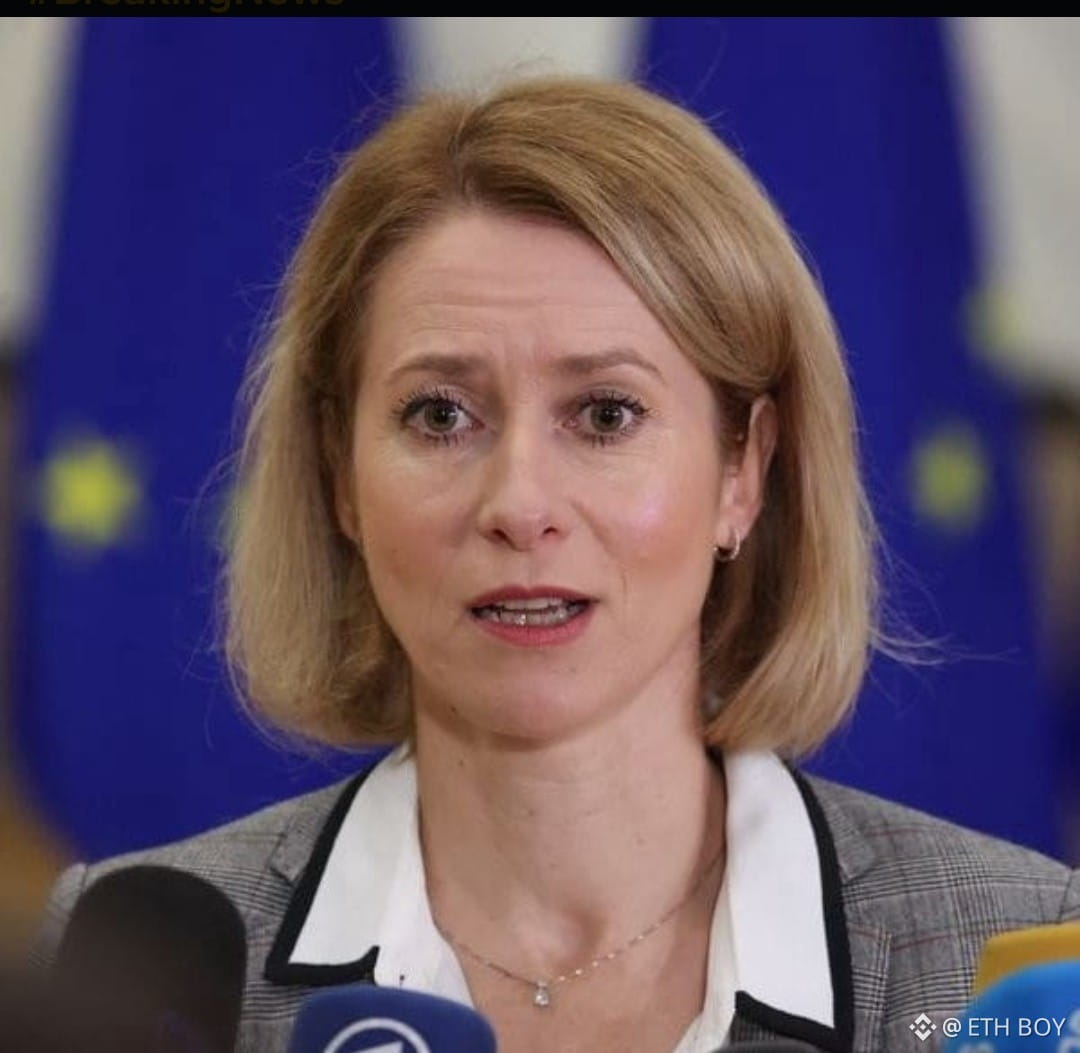
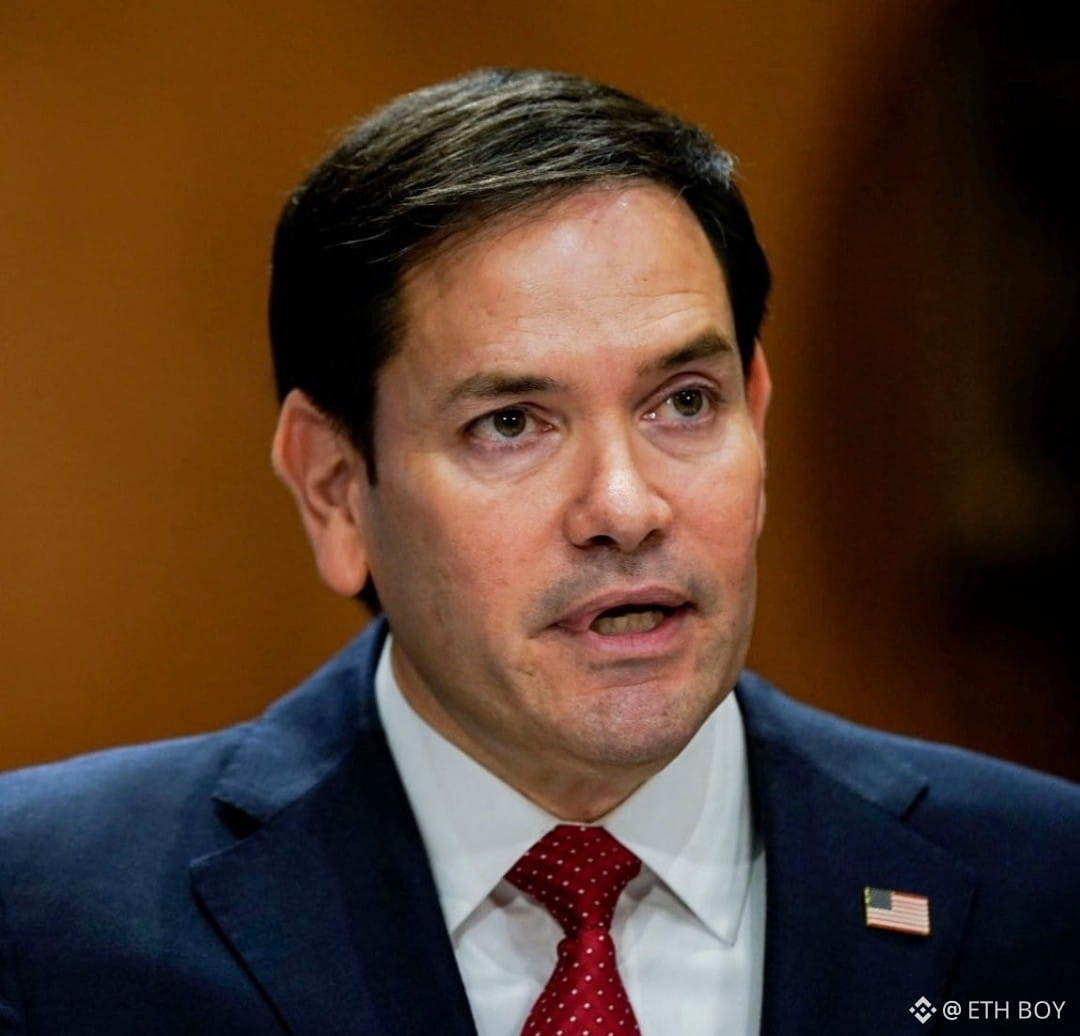
🚨 G7 TENSIONS ERUPT: US VS EU OVER RUSSIA 🌍🔥
A fiery clash just broke out between Marco Rubio and Kaja Kallas over how to handle Russia.
💥 Key points:
• EU demands tougher, faster action: “A year has passed… when does your patience run out?”
• US pushes back with frustration: “We are doing the best we can… step aside if you can do better.”
• Public spat exposes cracks in the Western alliance
⚠️ Why it matters:
• Division weakens pressure on Russia
• Signals deeper strain behind the scenes
• Could impact the trajectory of the war and global markets
🧠 Bottom line:
When allies clash openly, the stakes get higher — and the world watches every move.
👇 Question:
Will this tension reshape strategy… or escalate risks further? 🌍📉
🚨 G7 TENSIONS ERUPT: US VS EU OVER RUSSIA 🌍🔥
A fiery clash just broke out between Marco Rubio and Kaja Kallas over how to handle Russia.
💥 Key points:
• EU demands tougher, faster action: “A year has passed… when does your patience run out?”
• US pushes back with frustration: “We are doing the best we can… step aside if you can do better.”
• Public spat exposes cracks in the Western alliance
⚠️ Why it matters:
• Division weakens pressure on Russia
• Signals deeper strain behind the scenes
• Could impact the trajectory of the war and global markets
🧠 Bottom line:
When allies clash openly, the stakes get higher — and the world watches every move.
👇 Question:
Will this tension reshape strategy… or escalate risks further? 🌍📉
A fiery clash just broke out between Marco Rubio and Kaja Kallas over how to handle Russia.
💥 Key points:
• EU demands tougher, faster action: “A year has passed… when does your patience run out?”
• US pushes back with frustration: “We are doing the best we can… step aside if you can do better.”
• Public spat exposes cracks in the Western alliance
⚠️ Why it matters:
• Division weakens pressure on Russia
• Signals deeper strain behind the scenes
• Could impact the trajectory of the war and global markets
🧠 Bottom line:
When allies clash openly, the stakes get higher — and the world watches every move.
👇 Question:
Will this tension reshape strategy… or escalate risks further? 🌍📉
1
1
315
·
--
Bullish
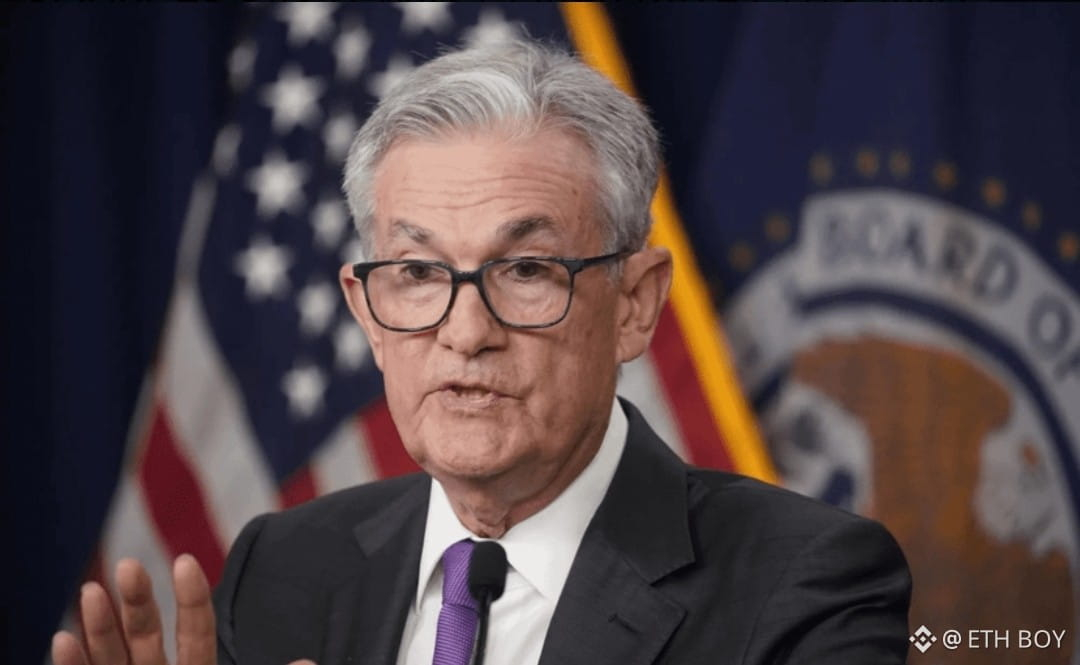
🚨 MARKETS ON ALERT: FED CHAIR POWELL SPEAKS MONDAY 🇺🇸💥
Powell is set for an “urgent” address at 10:30 AM ET — and sources hint it could touch rate cuts and the recent market crash.
⚡ Why it matters:
• Could trigger massive moves across stocks, crypto, and bonds
• Traders and investors will be glued to every word
• Market sentiment could swing instantly
🧠 Quick take:
This isn’t just another speech — it could reshape the markets in real time.
👇 Watch closely:
Are you ready for volatility on steroids? 📉📈
🚨 MARKETS ON ALERT: FED CHAIR POWELL SPEAKS MONDAY 🇺🇸💥
Powell is set for an “urgent” address at 10:30 AM ET — and sources hint it could touch rate cuts and the recent market crash.
⚡ Why it matters:
• Could trigger massive moves across stocks, crypto, and bonds
• Traders and investors will be glued to every word
• Market sentiment could swing instantly
🧠 Quick take:
This isn’t just another speech — it could reshape the markets in real time.
👇 Watch closely:
Are you ready for volatility on steroids? 📉📈
Powell is set for an “urgent” address at 10:30 AM ET — and sources hint it could touch rate cuts and the recent market crash.
⚡ Why it matters:
• Could trigger massive moves across stocks, crypto, and bonds
• Traders and investors will be glued to every word
• Market sentiment could swing instantly
🧠 Quick take:
This isn’t just another speech — it could reshape the markets in real time.
👇 Watch closely:
Are you ready for volatility on steroids? 📉📈
2
21
3.9k
·
--
Bullish
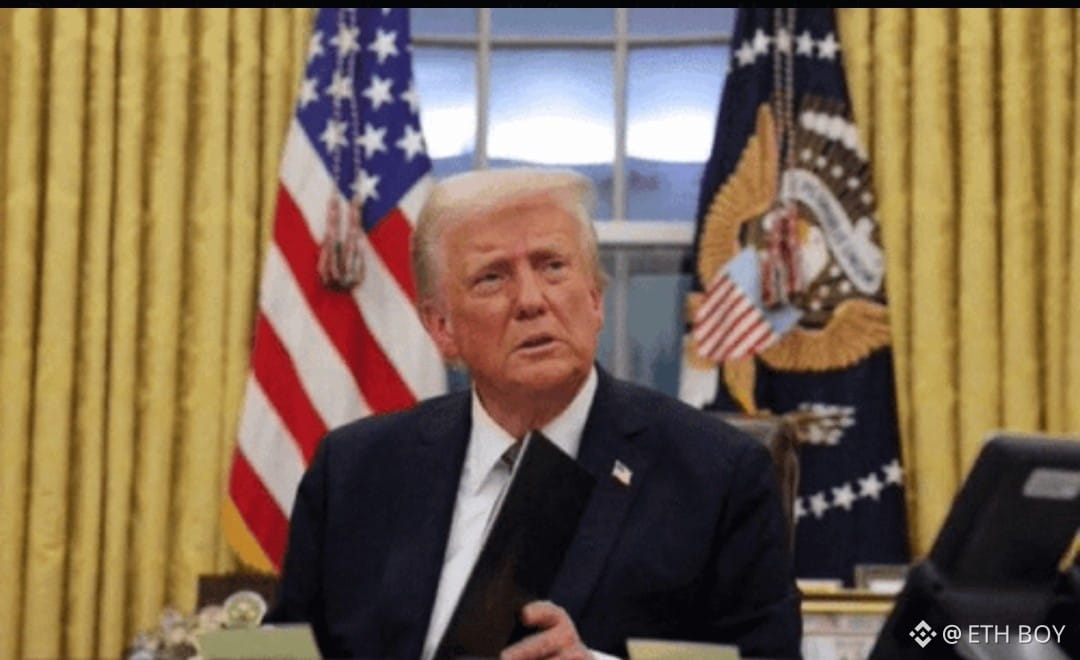
🚨 CHAOS IN THE NAVY: TRUMP ADMITS “DISASTER” 🇺🇸⚓️
Shocking claim from Trump: during the Iran clash, the USS Gerald R. Ford faced attacks from 17 different directions.
His words: “We had no choice but to run for our lives… complete disaster.” 😱
💥 Key takeaways:
• Carrier reportedly overwhelmed
• Confusion and panic on board
• Raises big questions about U.S. readiness and what really happened
⚠️ The situation is tense — and the truth behind the clash is under scrutiny.
🧠 Bottom line:
When chaos hits the battlefield, even superpowers face moments of vulnerability.
👇 Question:
Was this a tactical setback… or a glimpse of a deeper crisis? 🔥
🚨 CHAOS IN THE NAVY: TRUMP ADMITS “DISASTER” 🇺🇸⚓️
Shocking claim from Trump: during the Iran clash, the USS Gerald R. Ford faced attacks from 17 different directions.
His words: “We had no choice but to run for our lives… complete disaster.” 😱
💥 Key takeaways:
• Carrier reportedly overwhelmed
• Confusion and panic on board
• Raises big questions about U.S. readiness and what really happened
⚠️ The situation is tense — and the truth behind the clash is under scrutiny.
🧠 Bottom line:
When chaos hits the battlefield, even superpowers face moments of vulnerability.
👇 Question:
Was this a tactical setback… or a glimpse of a deeper crisis? 🔥
Shocking claim from Trump: during the Iran clash, the USS Gerald R. Ford faced attacks from 17 different directions.
His words: “We had no choice but to run for our lives… complete disaster.” 😱
💥 Key takeaways:
• Carrier reportedly overwhelmed
• Confusion and panic on board
• Raises big questions about U.S. readiness and what really happened
⚠️ The situation is tense — and the truth behind the clash is under scrutiny.
🧠 Bottom line:
When chaos hits the battlefield, even superpowers face moments of vulnerability.
👇 Question:
Was this a tactical setback… or a glimpse of a deeper crisis? 🔥

1
2
172
·
--
Bullish
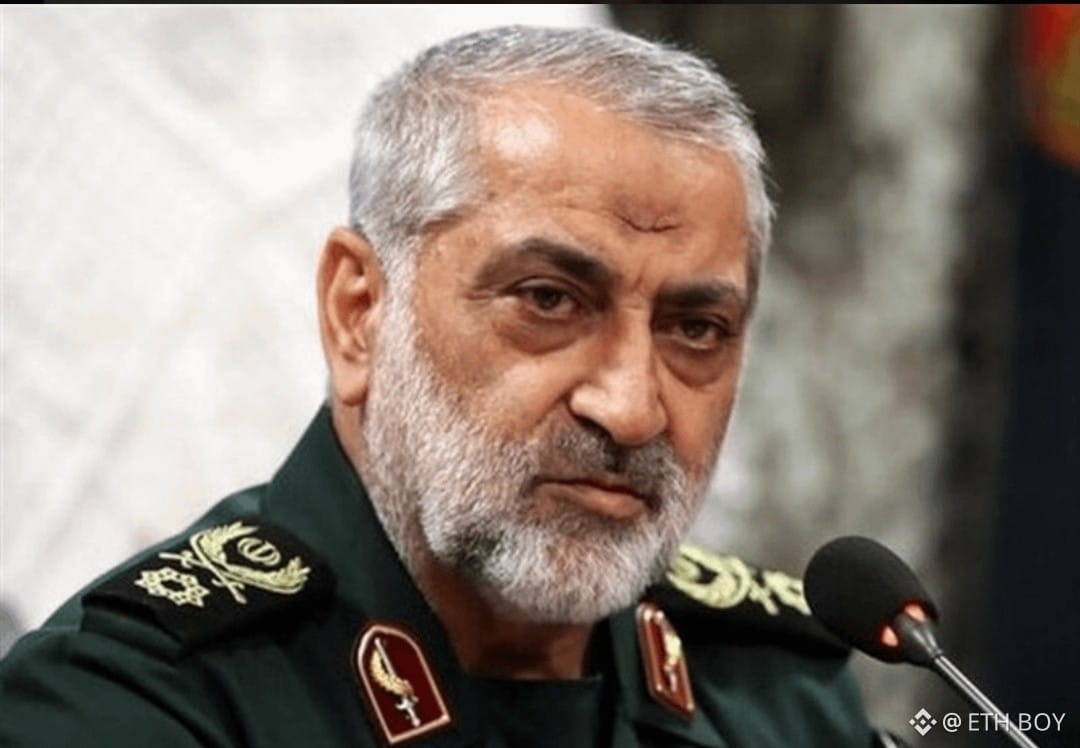
🚨 IRAN SPEAKS: VICTORY ON THEIR TERMS 🇮🇷⚔️
Iran’s top military spokesperson, General Abolfazl Shekarchi, delivered a strong message to the U.S. 🇺🇸 and Israel 🇮🇱:
“The enemy is trying to impose its terms… but the side that wins on the battlefield sets the rules.”
💥 Key points:
• Iran claims dominance on the ground and says it has already set conditions for victory
• Enemy nations warned to abandon hollow promises and face reality
• General Shekarchi emphasized: surrender is inevitable for those opposing Iran
🌍 The tone is clear: Tehran is projecting confidence, strength, and readiness to enforce its demands.
🧠 Takeaway:
This isn’t just rhetoric — it’s a bold statement of battlefield leverage and geopolitical warning.
👇 Question now:
Will this escalate tensions… or force a recalibration of strategies? ⚠️🔥
🚨 IRAN SPEAKS: VICTORY ON THEIR TERMS 🇮🇷⚔️
Iran’s top military spokesperson, General Abolfazl Shekarchi, delivered a strong message to the U.S. 🇺🇸 and Israel 🇮🇱:
“The enemy is trying to impose its terms… but the side that wins on the battlefield sets the rules.”
💥 Key points:
• Iran claims dominance on the ground and says it has already set conditions for victory
• Enemy nations warned to abandon hollow promises and face reality
• General Shekarchi emphasized: surrender is inevitable for those opposing Iran
🌍 The tone is clear: Tehran is projecting confidence, strength, and readiness to enforce its demands.
🧠 Takeaway:
This isn’t just rhetoric — it’s a bold statement of battlefield leverage and geopolitical warning.
👇 Question now:
Will this escalate tensions… or force a recalibration of strategies? ⚠️🔥
Iran’s top military spokesperson, General Abolfazl Shekarchi, delivered a strong message to the U.S. 🇺🇸 and Israel 🇮🇱:
“The enemy is trying to impose its terms… but the side that wins on the battlefield sets the rules.”
💥 Key points:
• Iran claims dominance on the ground and says it has already set conditions for victory
• Enemy nations warned to abandon hollow promises and face reality
• General Shekarchi emphasized: surrender is inevitable for those opposing Iran
🌍 The tone is clear: Tehran is projecting confidence, strength, and readiness to enforce its demands.
🧠 Takeaway:
This isn’t just rhetoric — it’s a bold statement of battlefield leverage and geopolitical warning.
👇 Question now:
Will this escalate tensions… or force a recalibration of strategies? ⚠️🔥
1
283
·
--
Bullish
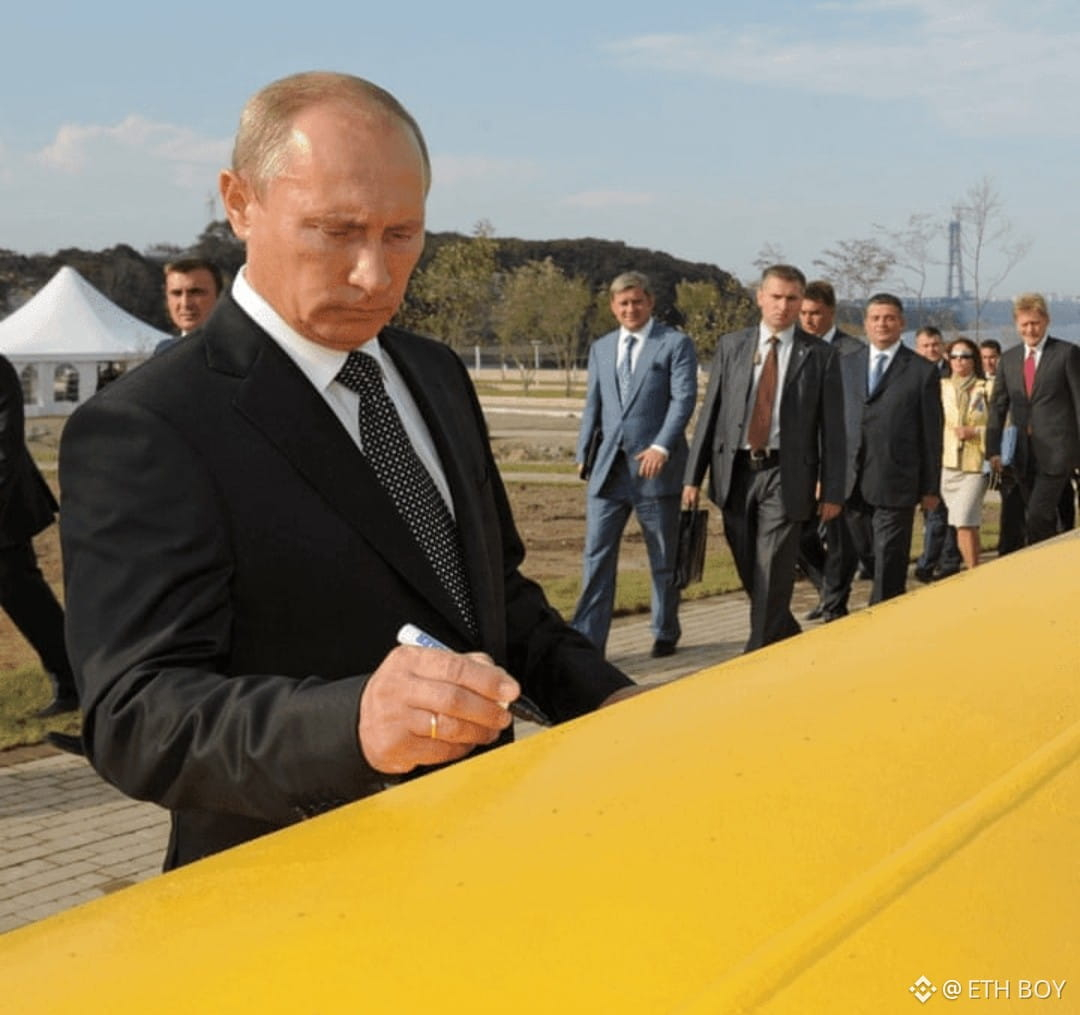
🚨 FUEL SHOCK: RUSSIA CLOSES THE TAP ⛽️🌍
Russia just banned all gasoline exports from April 1 to July 31.
Millions of tons of fuel — gone from global supply overnight.
💥 The real reason?
They need it at home.
Refineries hit, repairs slowed by sanctions… supply is tight inside Russia.
💡 Simple takeaway:
Less fuel leaving Russia = less fuel for the world.
⚡ Why this hits hard:
• ~117,000 barrels/day removed from global markets
• Supply already fragile
• Energy pressure rising fast
🌍 And timing couldn’t be worse…
With tensions around the Strait of Hormuz, another key supply route is already at risk.
📈 What this could trigger:
• Higher fuel prices
• Inflation pressure
• More stress on global economies
🧠 Big picture:
This isn’t just Russia’s problem —
it’s a ripple effect the whole world will feel.
💬 Final thought:
When supply shrinks, markets react fast…
and this could be the spark for the next energy surge.
👇 Now the question:
Can markets absorb this shock… or is more volatility coming? 🔥
🚨 FUEL SHOCK: RUSSIA CLOSES THE TAP ⛽️🌍
Russia just banned all gasoline exports from April 1 to July 31.
Millions of tons of fuel — gone from global supply overnight.
💥 The real reason?
They need it at home.
Refineries hit, repairs slowed by sanctions… supply is tight inside Russia.
💡 Simple takeaway:
Less fuel leaving Russia = less fuel for the world.
⚡ Why this hits hard:
• ~117,000 barrels/day removed from global markets
• Supply already fragile
• Energy pressure rising fast
🌍 And timing couldn’t be worse…
With tensions around the Strait of Hormuz, another key supply route is already at risk.
📈 What this could trigger:
• Higher fuel prices
• Inflation pressure
• More stress on global economies
🧠 Big picture:
This isn’t just Russia’s problem —
it’s a ripple effect the whole world will feel.
💬 Final thought:
When supply shrinks, markets react fast…
and this could be the spark for the next energy surge.
👇 Now the question:
Can markets absorb this shock… or is more volatility coming? 🔥
Russia just banned all gasoline exports from April 1 to July 31.
Millions of tons of fuel — gone from global supply overnight.
💥 The real reason?
They need it at home.
Refineries hit, repairs slowed by sanctions… supply is tight inside Russia.
💡 Simple takeaway:
Less fuel leaving Russia = less fuel for the world.
⚡ Why this hits hard:
• ~117,000 barrels/day removed from global markets
• Supply already fragile
• Energy pressure rising fast
🌍 And timing couldn’t be worse…
With tensions around the Strait of Hormuz, another key supply route is already at risk.
📈 What this could trigger:
• Higher fuel prices
• Inflation pressure
• More stress on global economies
🧠 Big picture:
This isn’t just Russia’s problem —
it’s a ripple effect the whole world will feel.
💬 Final thought:
When supply shrinks, markets react fast…
and this could be the spark for the next energy surge.
👇 Now the question:
Can markets absorb this shock… or is more volatility coming? 🔥
7
577
·
--
Bullish
🚨 TENSIONS RISING: A NEW LINE HAS BEEN CROSSED 🌍⚠️
After strikes in Tehran, Iran has issued a chilling warning:
“If our universities are hit… yours won’t be safe either.”
This isn’t just another threat — it’s a shift in the conflict.
Places meant for learning are now being pulled into war.
💥 Why this feels different:
Universities are civilian spaces — students, teachers, everyday life.
Targeting them means the conflict is moving beyond battlefields… into normal life.
😟 What it means in simple terms:
• Risk is spreading to non-military places
• Thousands of students & staff could be affected
• The situation becomes more unpredictable
🧠 The bigger picture:
When lines like this blur, things escalate fast.
Fear rises. Stability shakes.
⚠️ The real question now:
Does this stop here… or spiral further?
💬 Final thought:
This isn’t just geopolitics anymore —
it’s people, classrooms, and futures at stake.
👇 Watching closely:
Will tensions cool down… or are we entering a more dangerous phase? 🔥
🚨 TENSIONS RISING: A NEW LINE HAS BEEN CROSSED 🌍⚠️
After strikes in Tehran, Iran has issued a chilling warning:
“If our universities are hit… yours won’t be safe either.”
This isn’t just another threat — it’s a shift in the conflict.
Places meant for learning are now being pulled into war.
💥 Why this feels different:
Universities are civilian spaces — students, teachers, everyday life.
Targeting them means the conflict is moving beyond battlefields… into normal life.
😟 What it means in simple terms:
• Risk is spreading to non-military places
• Thousands of students & staff could be affected
• The situation becomes more unpredictable
🧠 The bigger picture:
When lines like this blur, things escalate fast.
Fear rises. Stability shakes.
⚠️ The real question now:
Does this stop here… or spiral further?
💬 Final thought:
This isn’t just geopolitics anymore —
it’s people, classrooms, and futures at stake.
👇 Watching closely:
Will tensions cool down… or are we entering a more dangerous phase? 🔥
After strikes in Tehran, Iran has issued a chilling warning:
“If our universities are hit… yours won’t be safe either.”
This isn’t just another threat — it’s a shift in the conflict.
Places meant for learning are now being pulled into war.
💥 Why this feels different:
Universities are civilian spaces — students, teachers, everyday life.
Targeting them means the conflict is moving beyond battlefields… into normal life.
😟 What it means in simple terms:
• Risk is spreading to non-military places
• Thousands of students & staff could be affected
• The situation becomes more unpredictable
🧠 The bigger picture:
When lines like this blur, things escalate fast.
Fear rises. Stability shakes.
⚠️ The real question now:
Does this stop here… or spiral further?
💬 Final thought:
This isn’t just geopolitics anymore —
it’s people, classrooms, and futures at stake.
👇 Watching closely:
Will tensions cool down… or are we entering a more dangerous phase? 🔥
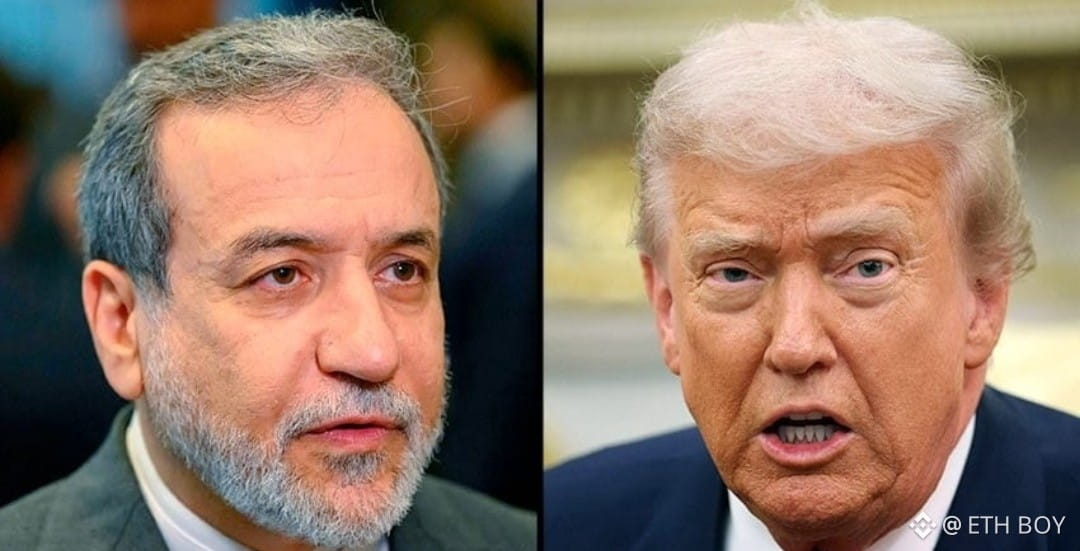
1
2
382
·
--
Bullish
🚨 FED OPENS THE DOOR TO CRYPTO… HISTORY JUST SHIFTED 🌍🚀
For the first time ever, the U.S. Federal Reserve has allowed a crypto exchange into its payment system.
Not hype… this is real change.
💡 What it means (in simple terms):
Crypto is no longer standing outside the financial system…
It’s stepping inside the same rails banks use.
⚡ Why this matters:
• Faster money flow between banks & crypto
• Easier access for institutions
• Potential surge in liquidity
💰 Translation?
Big money just got a smoother path into crypto.
📉📈 The deeper reality:
This isn’t an instant pump signal…
It’s a foundation move — the kind that builds the next cycle quietly.
🧠 Smart perspective:
Retail sees news.
Institutions see infrastructure.
⚠️ What to watch:
• Institutional inflows
• $BTC reaction
• Market liquidity shifts
💬 Final thought:
The gap between TradFi and crypto is fading… fast.
👇 Question is:
Will you wait for the hype… or move before it begins? 🚀
🚨 FED OPENS THE DOOR TO CRYPTO… HISTORY JUST SHIFTED 🌍🚀
For the first time ever, the U.S. Federal Reserve has allowed a crypto exchange into its payment system.
Not hype… this is real change.
💡 What it means (in simple terms):
Crypto is no longer standing outside the financial system…
It’s stepping inside the same rails banks use.
⚡ Why this matters:
• Faster money flow between banks & crypto
• Easier access for institutions
• Potential surge in liquidity
💰 Translation?
Big money just got a smoother path into crypto.
📉📈 The deeper reality:
This isn’t an instant pump signal…
It’s a foundation move — the kind that builds the next cycle quietly.
🧠 Smart perspective:
Retail sees news.
Institutions see infrastructure.
⚠️ What to watch:
• Institutional inflows
• $BTC reaction
• Market liquidity shifts
💬 Final thought:
The gap between TradFi and crypto is fading… fast.
👇 Question is:
Will you wait for the hype… or move before it begins? 🚀
For the first time ever, the U.S. Federal Reserve has allowed a crypto exchange into its payment system.
Not hype… this is real change.
💡 What it means (in simple terms):
Crypto is no longer standing outside the financial system…
It’s stepping inside the same rails banks use.
⚡ Why this matters:
• Faster money flow between banks & crypto
• Easier access for institutions
• Potential surge in liquidity
💰 Translation?
Big money just got a smoother path into crypto.
📉📈 The deeper reality:
This isn’t an instant pump signal…
It’s a foundation move — the kind that builds the next cycle quietly.
🧠 Smart perspective:
Retail sees news.
Institutions see infrastructure.
⚠️ What to watch:
• Institutional inflows
• $BTC reaction
• Market liquidity shifts
💬 Final thought:
The gap between TradFi and crypto is fading… fast.
👇 Question is:
Will you wait for the hype… or move before it begins? 🚀
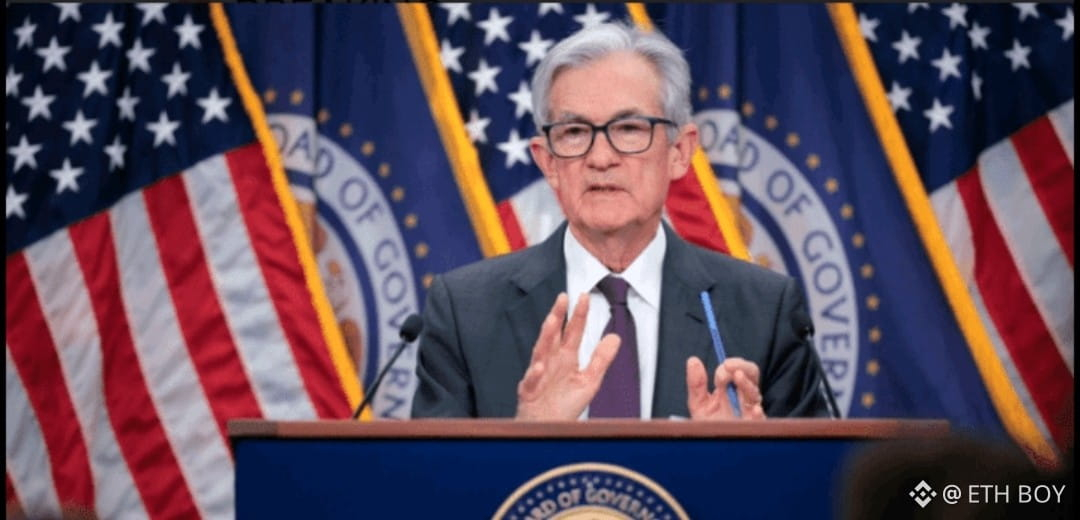
8
647
Log in to explore more content
Join global crypto users on Binance Square
⚡️ Get latest and useful information about crypto.
💬 Trusted by the world’s largest crypto exchange.
👍 Discover real insights from verified creators.
Email / Phone number
Trending Topics
AppleDebutsFoldablePhone
43,407 views
878 Discussing
Apple just dropped the foldable iPhone — and the market is paying attention. This isn't just another product cycle; it's a new product category, a new CEO on stage, and a $1,999 price tag that pushes $AAPL further into ultra-premium territory. Foldables are the narrative, and Apple is now the headline.
#appledebutsfoldablephone #EUExtendsCentralContactPointToCASPs #US10YTreasuryYieldHitsHighestSinceNov2023 #BrentCrudeTops$100 #USTreasuryToBuyBackUpTo$6BLongDatedDebt
KimHotbae
·2 Likes
·2.9k views
TSMCAugustRevenueUp53.3%YoY
9,198 views
268 Discussing
IranSaysReadyToEscalateWarWithUS
11,899 views
278 Discussing