$ETH $XRP Exploring Altcoins: Beyond Bitcoin
In the ever-evolving world of cryptocurrencies, Bitcoin often takes center stage. However, there's a vast universe of digital currencies beyond Bitcoin, collectively known as "altcoins." These alternative coins offer diverse functionalities and innovations that contribute to the dynamic crypto ecosystem.
What Are Altcoins?
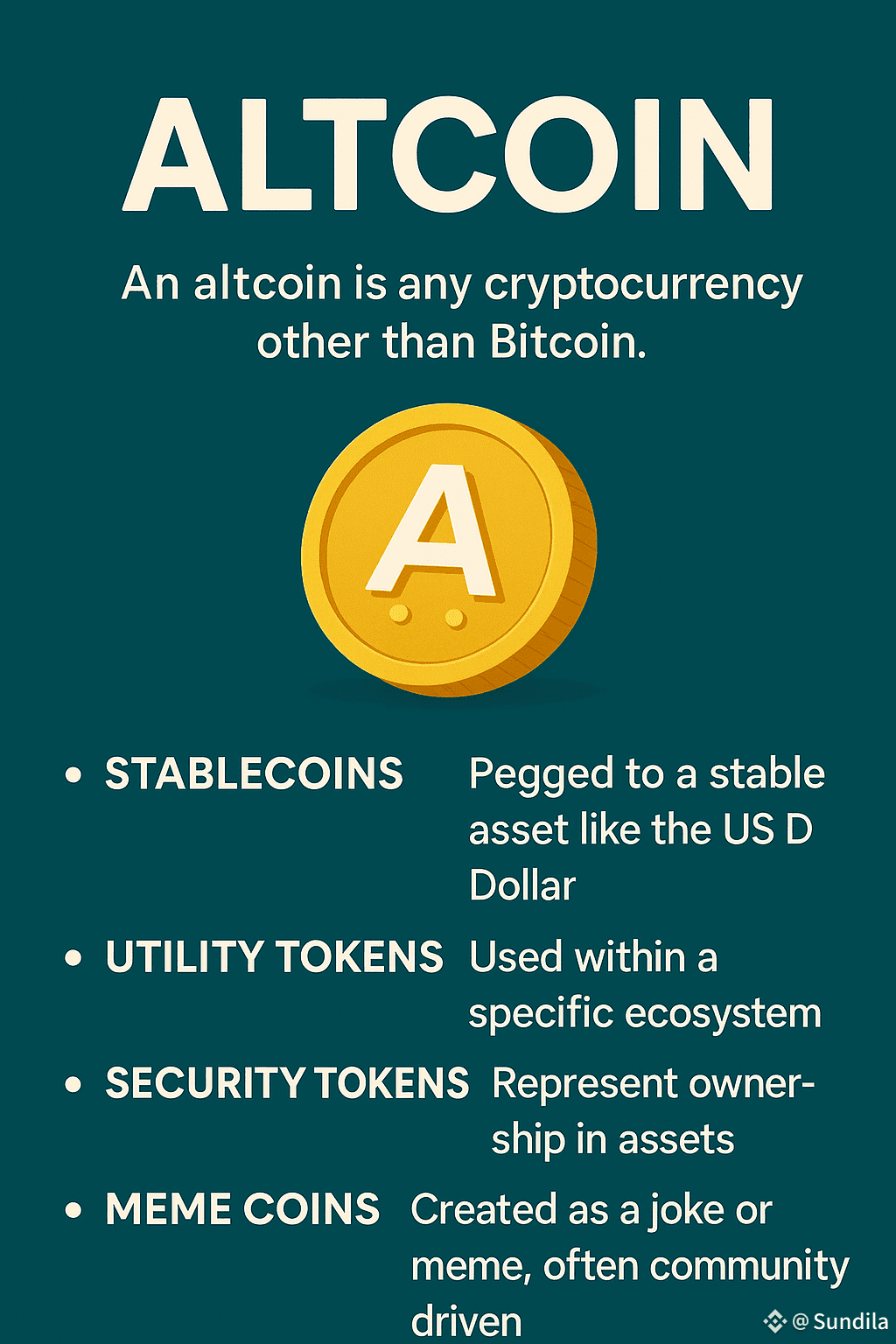
Altcoins, short for "alternative coins," encompass all cryptocurrencies other than Bitcoin. While Bitcoin was the pioneer, altcoins have emerged to address various limitations and introduce new features. They range from platforms enabling smart contracts to tokens designed for specific applications.
Types of Altcoins
1. Ethereum (ETH): Often considered the most prominent altcoin, Ethereum introduced smart contracts, allowing developers to build decentralized applications (dApps) on its blockchain.
2. Stablecoins: These are pegged to stable assets like the US Dollar to minimize volatility. Examples include Tether (USDT) and USD Coin (USDC).
3. Utility Tokens: Used within specific ecosystems to access services or products. For instance, Chainlink (LINK) provides decentralized oracles for smart contracts.
4. Security Tokens: Represent ownership in real-world assets, such as stocks or real estate, and are subject to regulatory oversight.
5. Meme Coins: Initially created as jokes or parodies, some, like Dogecoin (DOGE), have gained significant popularity and market value.
Why Altcoins Matter
Altcoins play a crucial role in the cryptocurrency landscape by:
Driving Innovation: They introduce new technologies and consensus mechanisms, pushing the boundaries of what's possible.
Offering Diversification: For investors, altcoins provide opportunities to diversify portfolios beyond Bitcoin.
Addressing Specific Needs: Many altcoins are tailored for particular use cases, from facilitating cross-border payments to enabling decentralized finance (DeFi) solutions.
Considerations Before Investing
While altcoins present exciting opportunities, it's essential to approach them with caution: