

#sec
sec
334.1M views
1.4M Discussing
Hot
Latest
·
--
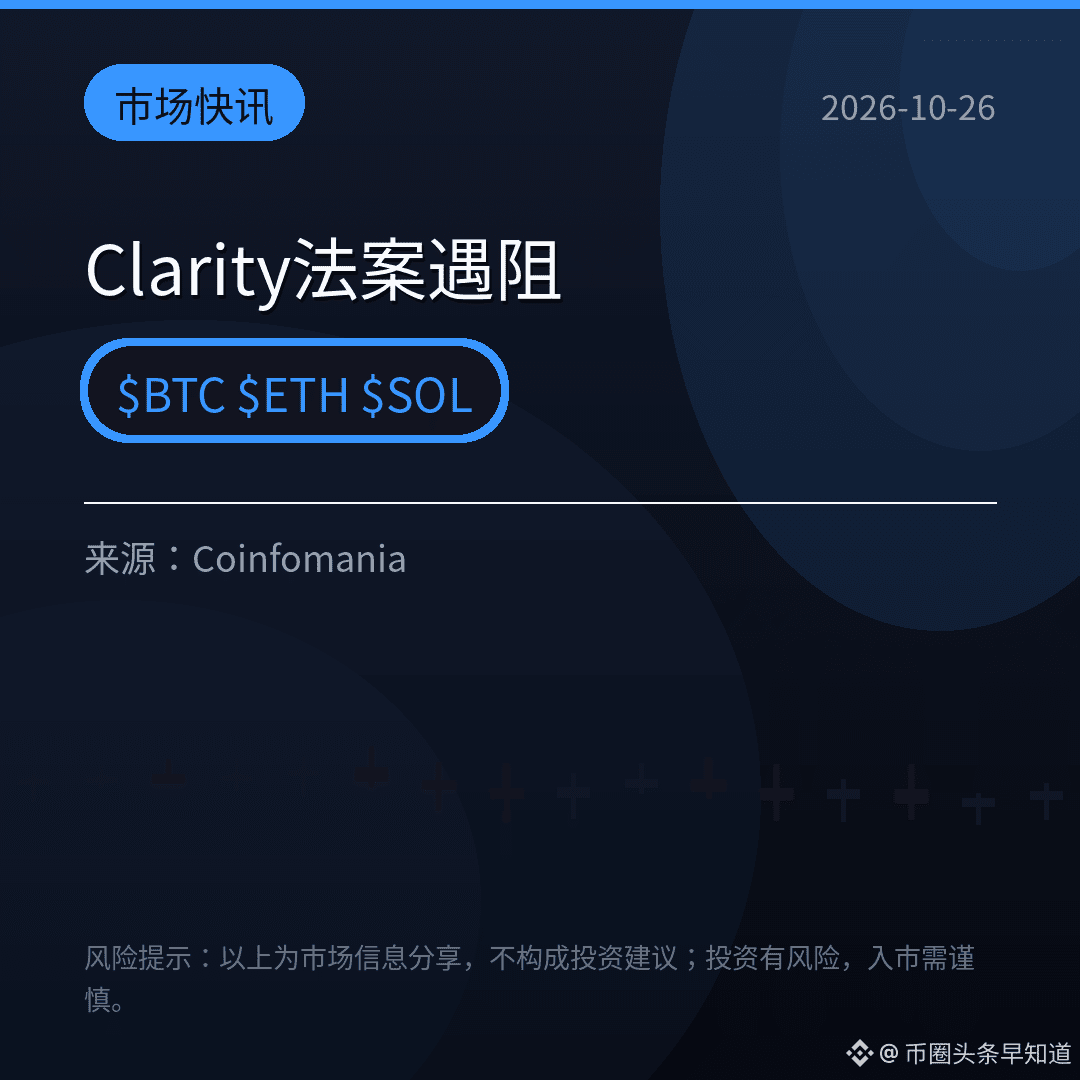
【市场快讯】Clarity法案卡住了:民主党投下反对票,SEC扩权又得等。
法案拟让SEC有权拒绝、暂停或撤销加密项目认证,重大失实陈述可撤销。Lummis说:扩权给了,共识还没到。
监管悬而未决,市场继续在不确定里定价。
这是保护投资者,还是给创新再上一道锁?你站哪边?
$BTC $ETH $SOL
#Clarity法案 #SEC #加密监管
(来源:Coinfomania)
⚠️风险提示:以上为市场信息分享,不构成投资建议;投资有风险,入市需谨慎。
【市场快讯】Clarity法案卡住了:民主党投下反对票,SEC扩权又得等。
法案拟让SEC有权拒绝、暂停或撤销加密项目认证,重大失实陈述可撤销。Lummis说:扩权给了,共识还没到。
监管悬而未决,市场继续在不确定里定价。
这是保护投资者,还是给创新再上一道锁?你站哪边?
$BTC $ETH $SOL
#Clarity法案 #SEC #加密监管
(来源:Coinfomania)
⚠️风险提示:以上为市场信息分享,不构成投资建议;投资有风险,入市需谨慎。
法案拟让SEC有权拒绝、暂停或撤销加密项目认证,重大失实陈述可撤销。Lummis说:扩权给了,共识还没到。
监管悬而未决,市场继续在不确定里定价。
这是保护投资者,还是给创新再上一道锁?你站哪边?
$BTC $ETH $SOL
#Clarity法案 #SEC #加密监管
(来源:Coinfomania)
⚠️风险提示:以上为市场信息分享,不构成投资建议;投资有风险,入市需谨慎。
549

·
--
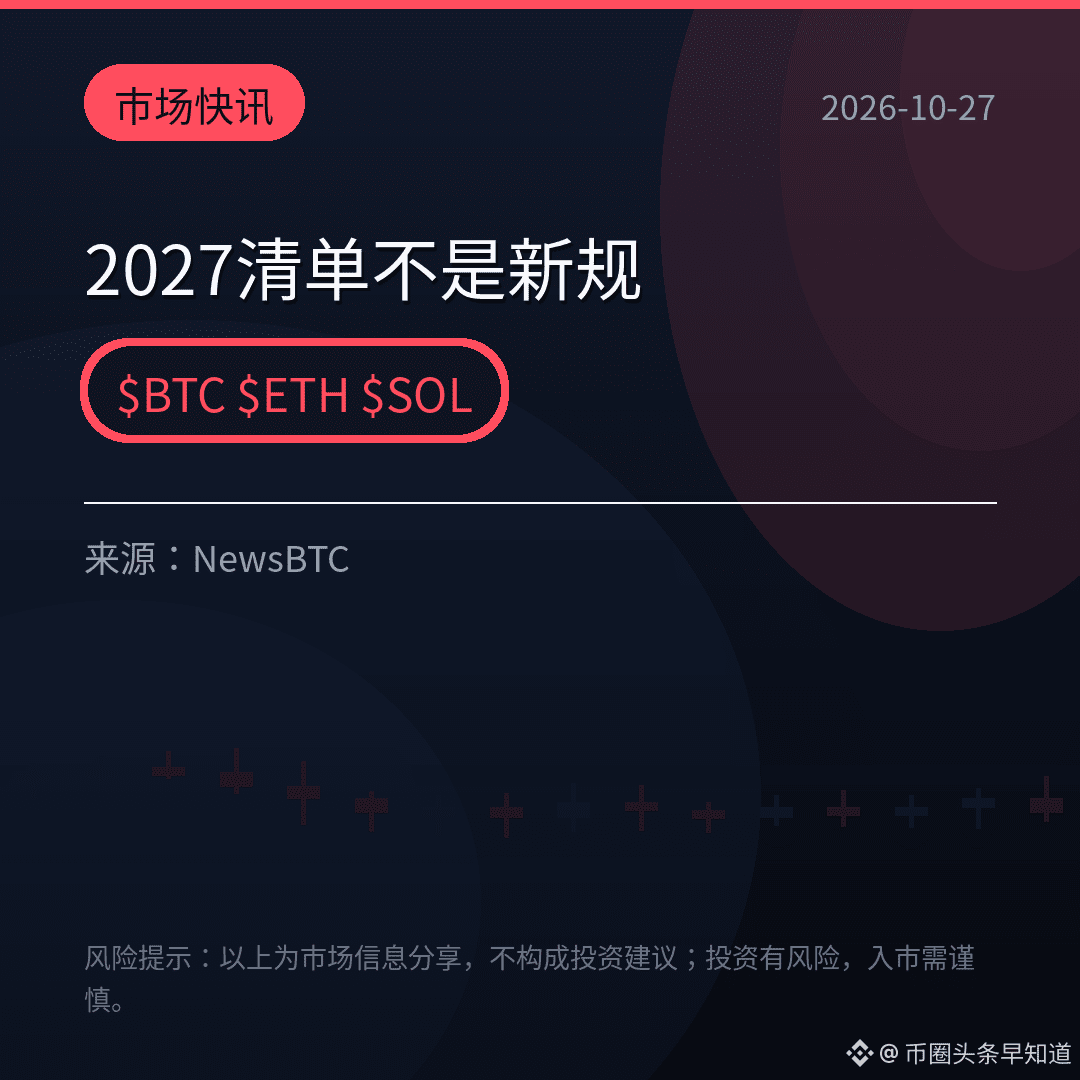
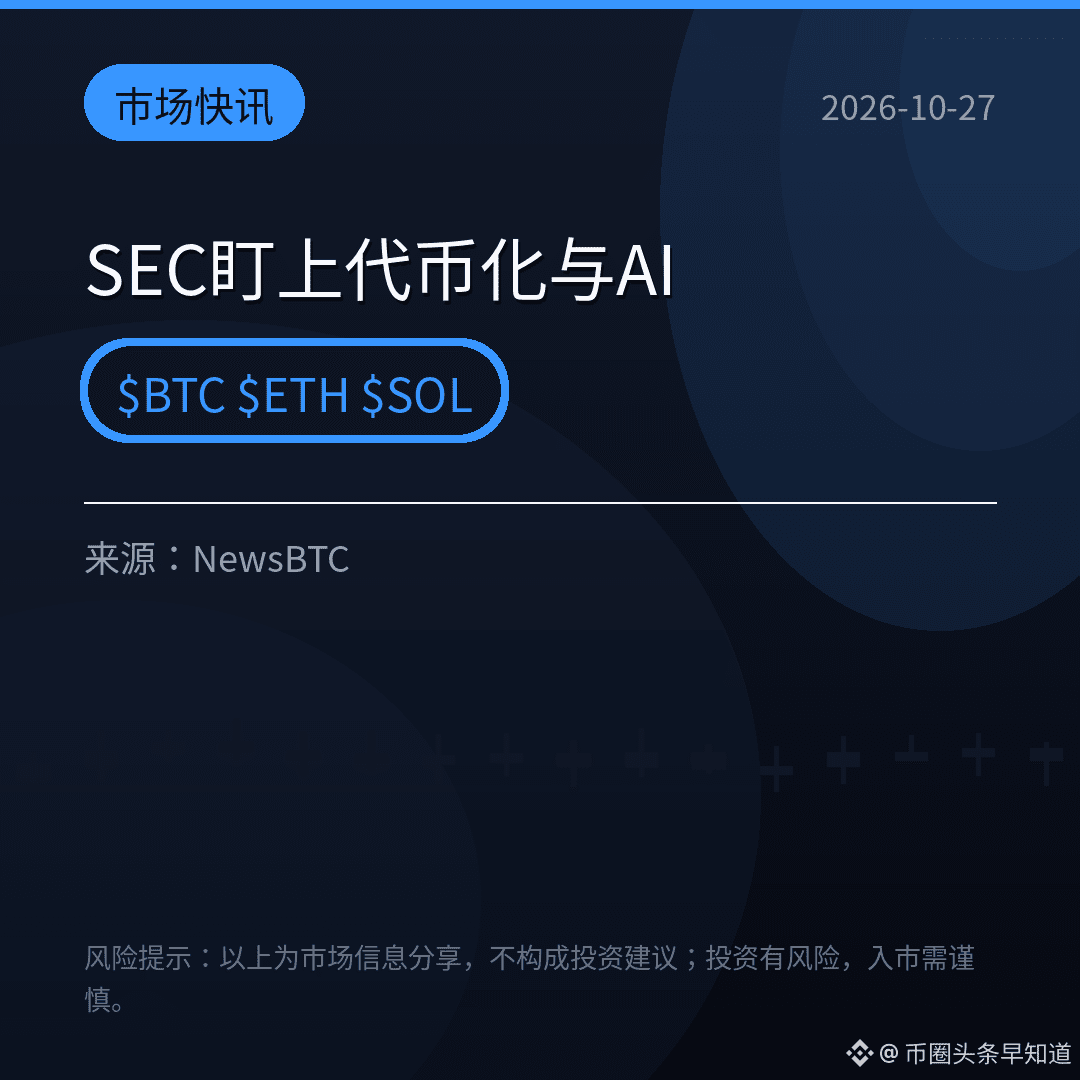
SEC 2027检查点名AI超级智能与代币化,加密监管信号更清晰
据Decrypt报道,SEC检查部门将“super intelligence and other advanced technologies”列为2027年检查重点之一;据Cointelegraph报道,SEC最新优先级也把tokenization视为新兴市场风险,而加密货币本身并未被单独列为检查重点。
这件事值得重视,是因为它把监管关注点从“某个币种是否合规”转向了“哪些技术结构可能带来系统性风险”。AI超级智能与代币化被同时点名,意味着SEC可能更关注技术叠加后的市场传导路径,而不是只盯交易行为本身。
从监管逻辑看,代币化风险被单独提出,可能意味着相关资产在发行、估值、清算和投资者保护方面会被更严格审视。若后续检查中要求更多披露或合规安排,相关项目的合规成本可能上升,市场对其估值方式也可能更谨慎。
但也要看到另一面:SEC没有把加密货币单独列为检查重点,可能引发市场对监管关注度不足的解读。若投资者把“未单独点名”理解为监管优先级不高,短期情绪可能偏中性,甚至出现“监管不及预期”的讨论。
接下来更值得观察的是SEC检查部门后续是否发布更细化的检查指引,以及tokenization相关项目是否出现新的合规要求。若监管信号继续强化,市场可能会重新评估相关资产的合规路径与风险溢价。
#SEC #Tokenization #CryptoRegulation
以上为信息整理与个人分析,不构成投资建议。
SEC 2027检查点名AI超级智能与代币化,加密监管信号更清晰
据Decrypt报道,SEC检查部门将“super intelligence and other advanced technologies”列为2027年检查重点之一;据Cointelegraph报道,SEC最新优先级也把tokenization视为新兴市场风险,而加密货币本身并未被单独列为检查重点。
这件事值得重视,是因为它把监管关注点从“某个币种是否合规”转向了“哪些技术结构可能带来系统性风险”。AI超级智能与代币化被同时点名,意味着SEC可能更关注技术叠加后的市场传导路径,而不是只盯交易行为本身。
从监管逻辑看,代币化风险被单独提出,可能意味着相关资产在发行、估值、清算和投资者保护方面会被更严格审视。若后续检查中要求更多披露或合规安排,相关项目的合规成本可能上升,市场对其估值方式也可能更谨慎。
但也要看到另一面:SEC没有把加密货币单独列为检查重点,可能引发市场对监管关注度不足的解读。若投资者把“未单独点名”理解为监管优先级不高,短期情绪可能偏中性,甚至出现“监管不及预期”的讨论。
接下来更值得观察的是SEC检查部门后续是否发布更细化的检查指引,以及tokenization相关项目是否出现新的合规要求。若监管信号继续强化,市场可能会重新评估相关资产的合规路径与风险溢价。
#SEC #Tokenization #CryptoRegulation
以上为信息整理与个人分析,不构成投资建议。
据Decrypt报道,SEC检查部门将“super intelligence and other advanced technologies”列为2027年检查重点之一;据Cointelegraph报道,SEC最新优先级也把tokenization视为新兴市场风险,而加密货币本身并未被单独列为检查重点。
这件事值得重视,是因为它把监管关注点从“某个币种是否合规”转向了“哪些技术结构可能带来系统性风险”。AI超级智能与代币化被同时点名,意味着SEC可能更关注技术叠加后的市场传导路径,而不是只盯交易行为本身。
从监管逻辑看,代币化风险被单独提出,可能意味着相关资产在发行、估值、清算和投资者保护方面会被更严格审视。若后续检查中要求更多披露或合规安排,相关项目的合规成本可能上升,市场对其估值方式也可能更谨慎。
但也要看到另一面:SEC没有把加密货币单独列为检查重点,可能引发市场对监管关注度不足的解读。若投资者把“未单独点名”理解为监管优先级不高,短期情绪可能偏中性,甚至出现“监管不及预期”的讨论。
接下来更值得观察的是SEC检查部门后续是否发布更细化的检查指引,以及tokenization相关项目是否出现新的合规要求。若监管信号继续强化,市场可能会重新评估相关资产的合规路径与风险溢价。
#SEC #Tokenization #CryptoRegulation
以上为信息整理与个人分析,不构成投资建议。
27

·
--
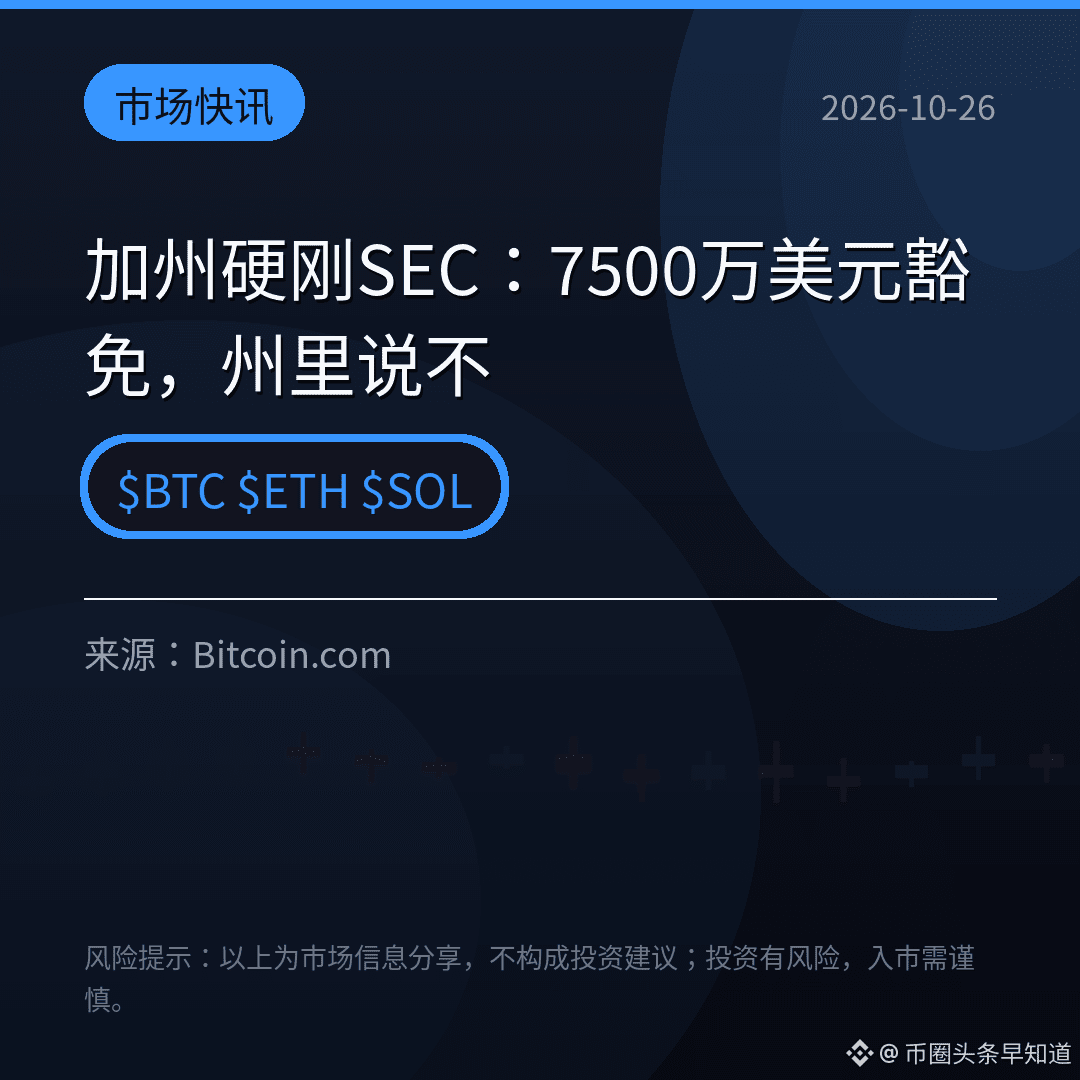
刷到 Bitcoin.com:加州 DFPI 正式反对 SEC 的 Regulation Crypto Assets——说联邦这套募资豁免,会架空州里对加密发行的事先审查。
硬点:创业豁免约四年累计最高约 500 万美元;另一条加密募资豁免约每 12 个月最高约 7500 万美元。联邦反欺诈还在,州也能查欺诈,但加州最怕的是「发行前筛选」没了。DFPI 还提:FBI 统计 2025 年加密诈骗损失约 113 亿美元;本州诈骗追踪库一年新增近 200 起、同比约 +30%。Ripple、Coinbase、纳斯达克对提案另有修改意见;加州则担心这扇门开大了,别的投资品也可能被联邦豁免一起带过去。
联邦想加速资本形成,州想守住门口审查——两边都有理,但真要落地,谁先筛风险这一刀差很多。
#加密监管 #SEC #加州
刷到 Bitcoin.com:加州 DFPI 正式反对 SEC 的 Regulation Crypto Assets——说联邦这套募资豁免,会架空州里对加密发行的事先审查。
硬点:创业豁免约四年累计最高约 500 万美元;另一条加密募资豁免约每 12 个月最高约 7500 万美元。联邦反欺诈还在,州也能查欺诈,但加州最怕的是「发行前筛选」没了。DFPI 还提:FBI 统计 2025 年加密诈骗损失约 113 亿美元;本州诈骗追踪库一年新增近 200 起、同比约 +30%。Ripple、Coinbase、纳斯达克对提案另有修改意见;加州则担心这扇门开大了,别的投资品也可能被联邦豁免一起带过去。
联邦想加速资本形成,州想守住门口审查——两边都有理,但真要落地,谁先筛风险这一刀差很多。
#加密监管 #SEC #加州
硬点:创业豁免约四年累计最高约 500 万美元;另一条加密募资豁免约每 12 个月最高约 7500 万美元。联邦反欺诈还在,州也能查欺诈,但加州最怕的是「发行前筛选」没了。DFPI 还提:FBI 统计 2025 年加密诈骗损失约 113 亿美元;本州诈骗追踪库一年新增近 200 起、同比约 +30%。Ripple、Coinbase、纳斯达克对提案另有修改意见;加州则担心这扇门开大了,别的投资品也可能被联邦豁免一起带过去。
联邦想加速资本形成,州想守住门口审查——两边都有理,但真要落地,谁先筛风险这一刀差很多。
#加密监管 #SEC #加州
31

·
--
州监管把话挑明了:联邦豁免写太宽,地方审查会被挤出去。
据Bitcoin News等报道:加州金融保护与创新部(DFPI)向SEC提交意见函,反对其《加密资产监管规则》提案,称方案或削弱投资者保护,并限制州政府对发行项目的审查空间。提案一侧拟允许符合条件的发行方借初创企业豁免,四年内融资最高约500万美元;另一侧加密融资豁免则允许12个月内融资最高约7500万美元。
怎么读:争论焦点不是「要不要监管」,而是联邦安全港划多大、州级审查还剩多少牙齿。若豁免门槛偏松,发行成本下降、合规套利空间也会一起上来;若州级意见被采纳,落地节奏可能更慢、但披露与属地责任会更重。后面盯意见征集结果和最终文本对州审查权的保留条款,比盯口号更有用。
#加密监管 #SEC #加州 #合规
州监管把话挑明了:联邦豁免写太宽,地方审查会被挤出去。
据Bitcoin News等报道:加州金融保护与创新部(DFPI)向SEC提交意见函,反对其《加密资产监管规则》提案,称方案或削弱投资者保护,并限制州政府对发行项目的审查空间。提案一侧拟允许符合条件的发行方借初创企业豁免,四年内融资最高约500万美元;另一侧加密融资豁免则允许12个月内融资最高约7500万美元。
怎么读:争论焦点不是「要不要监管」,而是联邦安全港划多大、州级审查还剩多少牙齿。若豁免门槛偏松,发行成本下降、合规套利空间也会一起上来;若州级意见被采纳,落地节奏可能更慢、但披露与属地责任会更重。后面盯意见征集结果和最终文本对州审查权的保留条款,比盯口号更有用。
#加密监管 #SEC #加州 #合规
据Bitcoin News等报道:加州金融保护与创新部(DFPI)向SEC提交意见函,反对其《加密资产监管规则》提案,称方案或削弱投资者保护,并限制州政府对发行项目的审查空间。提案一侧拟允许符合条件的发行方借初创企业豁免,四年内融资最高约500万美元;另一侧加密融资豁免则允许12个月内融资最高约7500万美元。
怎么读:争论焦点不是「要不要监管」,而是联邦安全港划多大、州级审查还剩多少牙齿。若豁免门槛偏松,发行成本下降、合规套利空间也会一起上来;若州级意见被采纳,落地节奏可能更慢、但披露与属地责任会更重。后面盯意见征集结果和最终文本对州审查权的保留条款,比盯口号更有用。
#加密监管 #SEC #加州 #合规
18

SEC上周五甩出2027财年检查清单,代币化头一回进了高风险名单:清算机构要重点查它,关键市场系统也要查它,跟量子计算、延长交易时间并排站着。众生相来了——
搞代币化美股的公司一边递合规材料一边冒汗:检查表都发下来了,这生意还能不能快跑;
22家公开说不的上市公司松了口气:查的是基础设施,不是我的反对信;
币圈老韭菜翻完全文最傻眼:加密货币四个字连续第二年压根没出现,2025年还有专属章节呢。
最扎心的是:这份清单不是发牌照,是查账表——合规成本先涨一波再说。
评论区站队:A、进检查清单就是要转正的前奏;B、查得越严华尔街越不敢碰,算利空。你站哪边?
$BTC $ETH $SOL #SEC #代币化 #华尔街
SEC上周五甩出2027财年检查清单,代币化头一回进了高风险名单:清算机构要重点查它,关键市场系统也要查它,跟量子计算、延长交易时间并排站着。众生相来了——
搞代币化美股的公司一边递合规材料一边冒汗:检查表都发下来了,这生意还能不能快跑;
22家公开说不的上市公司松了口气:查的是基础设施,不是我的反对信;
币圈老韭菜翻完全文最傻眼:加密货币四个字连续第二年压根没出现,2025年还有专属章节呢。
最扎心的是:这份清单不是发牌照,是查账表——合规成本先涨一波再说。
评论区站队:A、进检查清单就是要转正的前奏;B、查得越严华尔街越不敢碰,算利空。你站哪边?
$BTC $ETH $SOL #SEC #代币化 #华尔街
搞代币化美股的公司一边递合规材料一边冒汗:检查表都发下来了,这生意还能不能快跑;
22家公开说不的上市公司松了口气:查的是基础设施,不是我的反对信;
币圈老韭菜翻完全文最傻眼:加密货币四个字连续第二年压根没出现,2025年还有专属章节呢。
最扎心的是:这份清单不是发牌照,是查账表——合规成本先涨一波再说。
评论区站队:A、进检查清单就是要转正的前奏;B、查得越严华尔街越不敢碰,算利空。你站哪边?
$BTC $ETH $SOL #SEC #代币化 #华尔街
21

Article
La SEC mete la tokenización y la IA avanzada en su lista de prioridades de inspección para 2027¿Dónde va a mirar el supervisor de los mercados de EE. UU. el próximo año? La División de Inspecciones de la SEC ha publicado sus prioridades para el ejercicio fiscal 2027, y la tokenización aparece en la lista.
El documento afecta a más de 34.000 entidades registradas: asesores de inversión, fondos, brókers, cámaras de compensación, agentes de transferencia y portales de financiación, entre otros.
Las áreas que más interesan a este sector:
• Riesgos asociados a la evolución de la infraestructura del mercado, «incluidas las reformas de compensación del Tesoro, la tokenización y los desarrollos relacionados».
• Tecnologías emergentes, entre ellas la «superinteligencia», por su efecto en las operaciones del mercado, el cumplimiento, la prevención del fraude y la protección del inversor.
• Resiliencia operativa, ciberseguridad y protección de los datos de clientes.
Completan la lista los deberes fiduciarios de los asesores, la protección del inversor minorista en productos complejos o poco líquidos, los fondos y el crédito privados y el cumplimiento contra el blanqueo en los brókers.
Un detalle: la nota no menciona ni «criptoactivos» ni «activos digitales». Habla de tokenización como parte de la infraestructura de mercado. El director de la división, Keith Cassidy, insiste en que el programa quiere seguir «receptivo a la innovación».
Mi lectura: para la SEC, la tokenización ya no es un fenómeno cripto aparte, sino una pieza más de la infraestructura del mercado de valores, y la va a revisar como tal. Para las entidades que estén tokenizando fondos o valores, el mensaje es claro: en 2027 los inspectores llegarán con preguntas. Y que la IA avanzada entre en la misma lista confirma que los supervisores ya la ven como un riesgo de mercado.
Análisis completo en territorioblockchain.com
#SEC #Tokenización #Regulación #IA
La SEC mete la tokenización y la IA avanzada en su lista de prioridades de inspección para 2027
¿Dónde va a mirar el supervisor de los mercados de EE. UU. el próximo año? La División de Inspecciones de la SEC ha publicado sus prioridades para el ejercicio fiscal 2027, y la tokenización aparece en la lista.
El documento afecta a más de 34.000 entidades registradas: asesores de inversión, fondos, brókers, cámaras de compensación, agentes de transferencia y portales de financiación, entre otros.
Las áreas que más interesan a este sector:
• Riesgos asociados a la evolución de la infraestructura del mercado, «incluidas las reformas de compensación del Tesoro, la tokenización y los desarrollos relacionados».
• Tecnologías emergentes, entre ellas la «superinteligencia», por su efecto en las operaciones del mercado, el cumplimiento, la prevención del fraude y la protección del inversor.
• Resiliencia operativa, ciberseguridad y protección de los datos de clientes.
Completan la lista los deberes fiduciarios de los asesores, la protección del inversor minorista en productos complejos o poco líquidos, los fondos y el crédito privados y el cumplimiento contra el blanqueo en los brókers.
Un detalle: la nota no menciona ni «criptoactivos» ni «activos digitales». Habla de tokenización como parte de la infraestructura de mercado. El director de la división, Keith Cassidy, insiste en que el programa quiere seguir «receptivo a la innovación».
Mi lectura: para la SEC, la tokenización ya no es un fenómeno cripto aparte, sino una pieza más de la infraestructura del mercado de valores, y la va a revisar como tal. Para las entidades que estén tokenizando fondos o valores, el mensaje es claro: en 2027 los inspectores llegarán con preguntas. Y que la IA avanzada entre en la misma lista confirma que los supervisores ya la ven como un riesgo de mercado.
Análisis completo en territorioblockchain.com
#SEC #Tokenización #Regulación #IA
El documento afecta a más de 34.000 entidades registradas: asesores de inversión, fondos, brókers, cámaras de compensación, agentes de transferencia y portales de financiación, entre otros.
Las áreas que más interesan a este sector:
• Riesgos asociados a la evolución de la infraestructura del mercado, «incluidas las reformas de compensación del Tesoro, la tokenización y los desarrollos relacionados».
• Tecnologías emergentes, entre ellas la «superinteligencia», por su efecto en las operaciones del mercado, el cumplimiento, la prevención del fraude y la protección del inversor.
• Resiliencia operativa, ciberseguridad y protección de los datos de clientes.
Completan la lista los deberes fiduciarios de los asesores, la protección del inversor minorista en productos complejos o poco líquidos, los fondos y el crédito privados y el cumplimiento contra el blanqueo en los brókers.
Un detalle: la nota no menciona ni «criptoactivos» ni «activos digitales». Habla de tokenización como parte de la infraestructura de mercado. El director de la división, Keith Cassidy, insiste en que el programa quiere seguir «receptivo a la innovación».
Mi lectura: para la SEC, la tokenización ya no es un fenómeno cripto aparte, sino una pieza más de la infraestructura del mercado de valores, y la va a revisar como tal. Para las entidades que estén tokenizando fondos o valores, el mensaje es claro: en 2027 los inspectores llegarán con preguntas. Y que la IA avanzada entre en la misma lista confirma que los supervisores ya la ven como un riesgo de mercado.
Análisis completo en territorioblockchain.com
#SEC #Tokenización #Regulación #IA
178


Article
Nuestro insólito universo Crypto #33 La demanda que mantuvo a XRP en el limbo durante casi cinco años
Imagina que tu inversión cae con fuerza en pocos días, no por un hackeo ni por una estafa, sino por una demanda. Eso les pasó a quienes tenían XRP en diciembre de 2020.
La SEC, el regulador bursátil de Estados Unidos, demandó a Ripple y a dos de sus ejecutivos, Brad Garlinghouse y Chris Larsen. La acusación: haber vendido XRP como un valor no registrado, recaudando unos 1.300 millones de dólares. XRP se desplomó y varios exchanges importantes suspendieron su negociación.
Lo que vino después fue una de las batallas legales más largas y seguidas de todo el sector. En julio de 2023, la jueza Analisa Torres dictó un fallo dividido: XRP no es un valor cuando se vende al público en los exchanges, pero sí lo fue cuando Ripple lo vendió directamente a inversores institucionales.
En agosto de 2024 llegó la sanción: una multa de 125 millones de dólares, muy por debajo de los 2.000 millones que había pedido la SEC. Ambas partes apelaron en distintos momentos, y el caso parecía no tener fin.
En marzo de 2025, el CEO de Ripple anunció que la SEC retiraba su apelación, y Ripple retiró después su contra-apelación. XRP subió alrededor de un 15% con la noticia. Aun así, en junio, el juez rechazó un intento de las partes de reducir la multa, y el cierre definitivo tuvo que esperar.
Finalmente, en agosto de 2025, el tribunal aceptó que ambas partes retiraran sus apelaciones y el caso se dio por terminado, casi cinco años después de que empezara.
Para quienes tenían XRP, fueron años de vivir pendientes de cada audiencia, cada comunicado y cada mensaje del CEO, como quien espera un veredicto que nunca termina de llegar.
Más allá de quién "ganó", lo insólito es el tiempo: casi cinco años de incertidumbre en los que una moneda con millones de usuarios dependió de lo que dijera un tribunal. Y para el resto de la industria, el caso se volvió una referencia obligada sobre cómo se mira legalmente a las criptomonedas.
¿Quién crees que salió mejor parado: Ripple, la SEC o la comunidad XRP? Te leo.
Sígueme: el lunes vamos con una colección que se regaló gratis y llegó a venderse por millones.
$XRP #Ripple #sec
Nuestro insólito universo Crypto #33
La demanda que mantuvo a XRP en el limbo durante casi cinco años
Imagina que tu inversión cae con fuerza en pocos días, no por un hackeo ni por una estafa, sino por una demanda. Eso les pasó a quienes tenían XRP en diciembre de 2020.
La SEC, el regulador bursátil de Estados Unidos, demandó a Ripple y a dos de sus ejecutivos, Brad Garlinghouse y Chris Larsen. La acusación: haber vendido XRP como un valor no registrado, recaudando unos 1.300 millones de dólares. XRP se desplomó y varios exchanges importantes suspendieron su negociación.
Lo que vino después fue una de las batallas legales más largas y seguidas de todo el sector. En julio de 2023, la jueza Analisa Torres dictó un fallo dividido: XRP no es un valor cuando se vende al público en los exchanges, pero sí lo fue cuando Ripple lo vendió directamente a inversores institucionales.
En agosto de 2024 llegó la sanción: una multa de 125 millones de dólares, muy por debajo de los 2.000 millones que había pedido la SEC. Ambas partes apelaron en distintos momentos, y el caso parecía no tener fin.
En marzo de 2025, el CEO de Ripple anunció que la SEC retiraba su apelación, y Ripple retiró después su contra-apelación. XRP subió alrededor de un 15% con la noticia. Aun así, en junio, el juez rechazó un intento de las partes de reducir la multa, y el cierre definitivo tuvo que esperar.
Finalmente, en agosto de 2025, el tribunal aceptó que ambas partes retiraran sus apelaciones y el caso se dio por terminado, casi cinco años después de que empezara.
Para quienes tenían XRP, fueron años de vivir pendientes de cada audiencia, cada comunicado y cada mensaje del CEO, como quien espera un veredicto que nunca termina de llegar.
Más allá de quién "ganó", lo insólito es el tiempo: casi cinco años de incertidumbre en los que una moneda con millones de usuarios dependió de lo que dijera un tribunal. Y para el resto de la industria, el caso se volvió una referencia obligada sobre cómo se mira legalmente a las criptomonedas.
¿Quién crees que salió mejor parado: Ripple, la SEC o la comunidad XRP? Te leo.
Sígueme: el lunes vamos con una colección que se regaló gratis y llegó a venderse por millones.
$XRP #Ripple #sec
Imagina que tu inversión cae con fuerza en pocos días, no por un hackeo ni por una estafa, sino por una demanda. Eso les pasó a quienes tenían XRP en diciembre de 2020.
La SEC, el regulador bursátil de Estados Unidos, demandó a Ripple y a dos de sus ejecutivos, Brad Garlinghouse y Chris Larsen. La acusación: haber vendido XRP como un valor no registrado, recaudando unos 1.300 millones de dólares. XRP se desplomó y varios exchanges importantes suspendieron su negociación.
Lo que vino después fue una de las batallas legales más largas y seguidas de todo el sector. En julio de 2023, la jueza Analisa Torres dictó un fallo dividido: XRP no es un valor cuando se vende al público en los exchanges, pero sí lo fue cuando Ripple lo vendió directamente a inversores institucionales.
En agosto de 2024 llegó la sanción: una multa de 125 millones de dólares, muy por debajo de los 2.000 millones que había pedido la SEC. Ambas partes apelaron en distintos momentos, y el caso parecía no tener fin.
En marzo de 2025, el CEO de Ripple anunció que la SEC retiraba su apelación, y Ripple retiró después su contra-apelación. XRP subió alrededor de un 15% con la noticia. Aun así, en junio, el juez rechazó un intento de las partes de reducir la multa, y el cierre definitivo tuvo que esperar.
Finalmente, en agosto de 2025, el tribunal aceptó que ambas partes retiraran sus apelaciones y el caso se dio por terminado, casi cinco años después de que empezara.
Para quienes tenían XRP, fueron años de vivir pendientes de cada audiencia, cada comunicado y cada mensaje del CEO, como quien espera un veredicto que nunca termina de llegar.
Más allá de quién "ganó", lo insólito es el tiempo: casi cinco años de incertidumbre en los que una moneda con millones de usuarios dependió de lo que dijera un tribunal. Y para el resto de la industria, el caso se volvió una referencia obligada sobre cómo se mira legalmente a las criptomonedas.
¿Quién crees que salió mejor parado: Ripple, la SEC o la comunidad XRP? Te leo.
Sígueme: el lunes vamos con una colección que se regaló gratis y llegó a venderse por millones.
$XRP #Ripple #sec
1
264
·
--
Article
Actions en crypto : pourquoi Microsoft, Google et 20 autres disent non à OKX-ICECheikh est étudiant en finance à Saint-Louis, au Sénégal. Il a lu sur un groupe Telegram qu'on pourra bientôt « acheter un bout de Microsoft en crypto, 24h/24, avec 5 dollars ». Il se demande si c'est pour bientôt, et si c'est sûr. L'actualité de cette semaine donne une réponse plus nuancée : les grandes entreprises ont leur mot à dire, et beaucoup disent non.
📋 Les faits (semaine du 19 au 23 octobre 2026)
• OKXICE est la coentreprise de la plateforme crypto OKX et d'Intercontinental Exchange (ICE), la maison mère de la Bourse de New York. Elle veut proposer des versions « tokenisées » d'actions américaines, c'est-à-dire des jetons sur blockchain qui représentent une action.
• Dans son avis public du 23 octobre, OKXICE liste 22 entreprises qui ont refusé que leurs actions soient proposées sur sa plateforme. Six nouveaux noms : Wells Fargo, Arm, Intuit, Cisco, Marvell et Moderna (Reuters, CoinDesk).
• Ils rejoignent notamment Microsoft, Alphabet (Google), Goldman Sachs et McDonald's, qui avaient déjà dit non.
• La liste de départ visait environ 62 entreprises. Attention : certaines qui ont refusé (comme Wells Fargo et Arm) n'étaient même pas dans cette liste, donc les 22 refus ne sont pas tous des départs.
• Le même jour, le gendarme de la Bourse américaine (la SEC) a publié ses priorités de contrôle pour l'exercice 2027. La tokenisation y apparaît pour la première fois comme un « domaine à haut risque » pour les chambres de compensation, les organismes qui garantissent que chaque achat est bien payé et livré.
⚙️ Le mécanisme, simplement
Le 17 septembre, la SEC a créé une « exemption innovation » de cinq ans. Elle permet à des plateformes spéciales de faire échanger des actions tokenisées avec moins d'obligations qu'une Bourse classique. Chez OKXICE, les échanges passeraient par des réserves automatiques de liquidité de type Uniswap ($UNI) sur la blockchain d'OKX, avec un règlement en stablecoins.
Mais il y a une règle clé : avant de proposer le jeton d'une entreprise, la plateforme doit la prévenir par écrit. L'entreprise a alors 30 jours pour refuser. Si elle refuse, la plateforme ne peut pas lister ce jeton. C'est un droit de veto, mais seulement pour cette plateforme-là, pas pour toutes les formes de tokenisation.
Autre règle : un jeton échangé sous cette exemption doit donner les mêmes droits que l'action normale, y compris les dividendes et le droit de vote.
🤔 Pourquoi les entreprises disent non ?
Le document ne donne pas leurs raisons. Le coprésident d'OKXICE, Andrew Cuomo, dit que ces refus étaient attendus et que beaucoup d'entreprises préfèrent attendre de voir comment ce nouveau marché fonctionne. On peut comprendre la prudence : une action échangée 24h/24 sur une blockchain, c'est aussi un prix qui peut bouger la nuit, quand personne ne surveille, et une image de marque que l'entreprise ne contrôle plus.
⚖️ La nuance à garder en tête
• Ce n'est pas la fin de la tokenisation. Nasdaq prépare sa propre plateforme d'actions tokenisées avec Payward (la maison mère de Kraken) pour l'an prochain.
• Les priorités de la SEC ne créent aucune nouvelle règle : ce sont des sujets que ses inspecteurs vont regarder de près. Le document ne mentionne même pas les mots « crypto » ou « stablecoin ».
• Pour nous en Afrique, la promesse reste réelle : accéder à des actions étrangères avec de petits montants, sans courtier local hors de prix. Mais on n'y est pas encore, et ces produits américains ne seront pas forcément ouverts à tous les pays.
🛡️ Avant d'acheter une « action en crypto », 4 questions
1. Qui émet le jeton, et l'entreprise concernée a-t-elle donné son accord ?
2. Le jeton donne-t-il vraiment droit aux dividendes et au vote, ou c'est juste un pari sur le prix ?
3. Que se passe-t-il si la plateforme ferme : peux-tu récupérer l'action ou l'argent ?
4. La plateforme est-elle autorisée dans ton pays ?
✅ À retenir
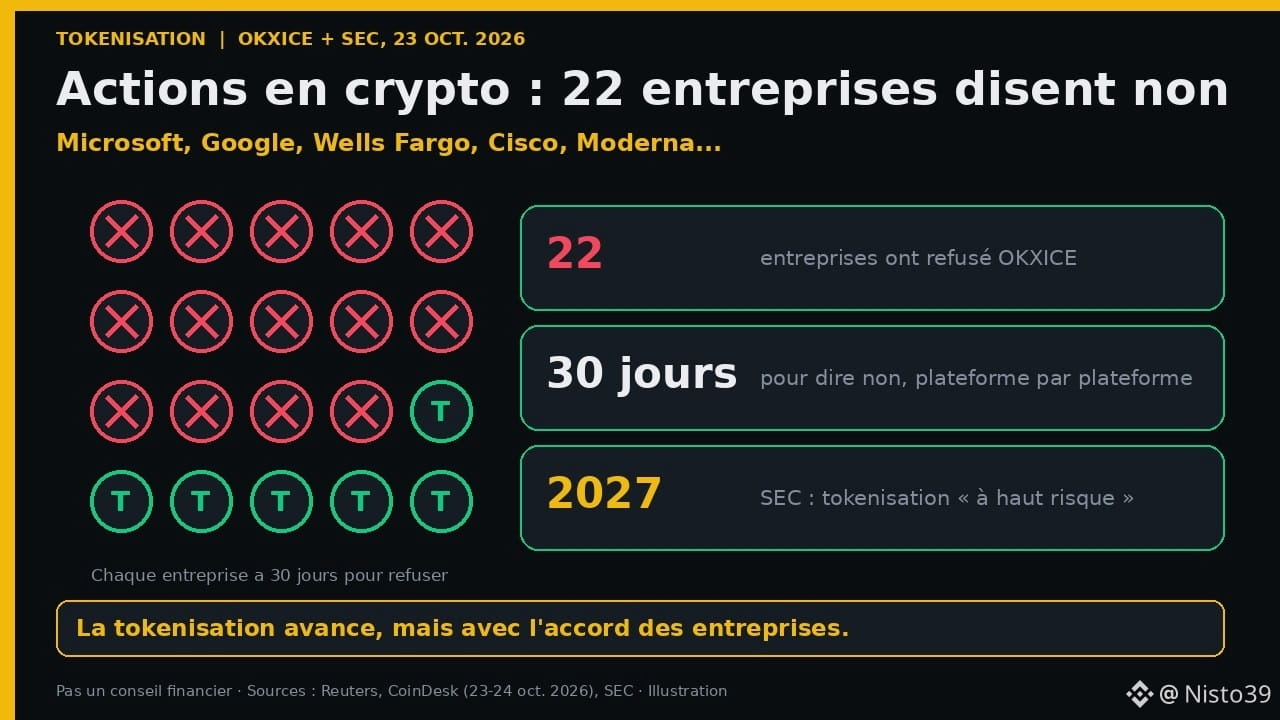
1. 22 entreprises, dont Microsoft, Google et Wells Fargo, ont refusé d'être tokenisées sur OKXICE.
2. Les règles de la SEC donnent 30 jours à chaque entreprise pour dire non, plateforme par plateforme.
3. La SEC place la tokenisation parmi ses sujets de contrôle « à haut risque » pour 2027.
4. La tokenisation avance, mais lentement et avec l'accord des entreprises : méfie-toi de qui te promet « Microsoft en crypto » dès aujourd'hui.
Et toi, tu achèterais une action tokenisée si c'était possible depuis ton pays ? Dis-le en commentaire 👇
Pas un conseil financier. Sources : Reuters (23 oct. 2026), CoinDesk (24 oct. 2026), TokenPost, communiqué SEC 2026-109 (23 oct. 2026), Unchained. Cheikh est un personnage fictif. $UNI
#Tokenisation #SEC #OKX
Actions en crypto : pourquoi Microsoft, Google et 20 autres disent non à OKX-ICE
Cheikh est étudiant en finance à Saint-Louis, au Sénégal. Il a lu sur un groupe Telegram qu'on pourra bientôt « acheter un bout de Microsoft en crypto, 24h/24, avec 5 dollars ». Il se demande si c'est pour bientôt, et si c'est sûr. L'actualité de cette semaine donne une réponse plus nuancée : les grandes entreprises ont leur mot à dire, et beaucoup disent non.
📋 Les faits (semaine du 19 au 23 octobre 2026)
• OKXICE est la coentreprise de la plateforme crypto OKX et d'Intercontinental Exchange (ICE), la maison mère de la Bourse de New York. Elle veut proposer des versions « tokenisées » d'actions américaines, c'est-à-dire des jetons sur blockchain qui représentent une action.
• Dans son avis public du 23 octobre, OKXICE liste 22 entreprises qui ont refusé que leurs actions soient proposées sur sa plateforme. Six nouveaux noms : Wells Fargo, Arm, Intuit, Cisco, Marvell et Moderna (Reuters, CoinDesk).
• Ils rejoignent notamment Microsoft, Alphabet (Google), Goldman Sachs et McDonald's, qui avaient déjà dit non.
• La liste de départ visait environ 62 entreprises. Attention : certaines qui ont refusé (comme Wells Fargo et Arm) n'étaient même pas dans cette liste, donc les 22 refus ne sont pas tous des départs.
• Le même jour, le gendarme de la Bourse américaine (la SEC) a publié ses priorités de contrôle pour l'exercice 2027. La tokenisation y apparaît pour la première fois comme un « domaine à haut risque » pour les chambres de compensation, les organismes qui garantissent que chaque achat est bien payé et livré.
⚙️ Le mécanisme, simplement
Le 17 septembre, la SEC a créé une « exemption innovation » de cinq ans. Elle permet à des plateformes spéciales de faire échanger des actions tokenisées avec moins d'obligations qu'une Bourse classique. Chez OKXICE, les échanges passeraient par des réserves automatiques de liquidité de type Uniswap ($UNI ) sur la blockchain d'OKX, avec un règlement en stablecoins.
Mais il y a une règle clé : avant de proposer le jeton d'une entreprise, la plateforme doit la prévenir par écrit. L'entreprise a alors 30 jours pour refuser. Si elle refuse, la plateforme ne peut pas lister ce jeton. C'est un droit de veto, mais seulement pour cette plateforme-là, pas pour toutes les formes de tokenisation.
Autre règle : un jeton échangé sous cette exemption doit donner les mêmes droits que l'action normale, y compris les dividendes et le droit de vote.
🤔 Pourquoi les entreprises disent non ?
Le document ne donne pas leurs raisons. Le coprésident d'OKXICE, Andrew Cuomo, dit que ces refus étaient attendus et que beaucoup d'entreprises préfèrent attendre de voir comment ce nouveau marché fonctionne. On peut comprendre la prudence : une action échangée 24h/24 sur une blockchain, c'est aussi un prix qui peut bouger la nuit, quand personne ne surveille, et une image de marque que l'entreprise ne contrôle plus.
⚖️ La nuance à garder en tête
• Ce n'est pas la fin de la tokenisation. Nasdaq prépare sa propre plateforme d'actions tokenisées avec Payward (la maison mère de Kraken) pour l'an prochain.
• Les priorités de la SEC ne créent aucune nouvelle règle : ce sont des sujets que ses inspecteurs vont regarder de près. Le document ne mentionne même pas les mots « crypto » ou « stablecoin ».
• Pour nous en Afrique, la promesse reste réelle : accéder à des actions étrangères avec de petits montants, sans courtier local hors de prix. Mais on n'y est pas encore, et ces produits américains ne seront pas forcément ouverts à tous les pays.
🛡️ Avant d'acheter une « action en crypto », 4 questions
1. Qui émet le jeton, et l'entreprise concernée a-t-elle donné son accord ?
2. Le jeton donne-t-il vraiment droit aux dividendes et au vote, ou c'est juste un pari sur le prix ?
3. Que se passe-t-il si la plateforme ferme : peux-tu récupérer l'action ou l'argent ?
4. La plateforme est-elle autorisée dans ton pays ?
✅ À retenir
1. 22 entreprises, dont Microsoft, Google et Wells Fargo, ont refusé d'être tokenisées sur OKXICE.
2. Les règles de la SEC donnent 30 jours à chaque entreprise pour dire non, plateforme par plateforme.
3. La SEC place la tokenisation parmi ses sujets de contrôle « à haut risque » pour 2027.
4. La tokenisation avance, mais lentement et avec l'accord des entreprises : méfie-toi de qui te promet « Microsoft en crypto » dès aujourd'hui.
Et toi, tu achèterais une action tokenisée si c'était possible depuis ton pays ? Dis-le en commentaire 👇
Pas un conseil financier. Sources : Reuters (23 oct. 2026), CoinDesk (24 oct. 2026), TokenPost, communiqué SEC 2026-109 (23 oct. 2026), Unchained. Cheikh est un personnage fictif. $UNI
#Tokenisation #SEC #OKX
📋 Les faits (semaine du 19 au 23 octobre 2026)
• OKXICE est la coentreprise de la plateforme crypto OKX et d'Intercontinental Exchange (ICE), la maison mère de la Bourse de New York. Elle veut proposer des versions « tokenisées » d'actions américaines, c'est-à-dire des jetons sur blockchain qui représentent une action.
• Dans son avis public du 23 octobre, OKXICE liste 22 entreprises qui ont refusé que leurs actions soient proposées sur sa plateforme. Six nouveaux noms : Wells Fargo, Arm, Intuit, Cisco, Marvell et Moderna (Reuters, CoinDesk).
• Ils rejoignent notamment Microsoft, Alphabet (Google), Goldman Sachs et McDonald's, qui avaient déjà dit non.
• La liste de départ visait environ 62 entreprises. Attention : certaines qui ont refusé (comme Wells Fargo et Arm) n'étaient même pas dans cette liste, donc les 22 refus ne sont pas tous des départs.
• Le même jour, le gendarme de la Bourse américaine (la SEC) a publié ses priorités de contrôle pour l'exercice 2027. La tokenisation y apparaît pour la première fois comme un « domaine à haut risque » pour les chambres de compensation, les organismes qui garantissent que chaque achat est bien payé et livré.
⚙️ Le mécanisme, simplement
Le 17 septembre, la SEC a créé une « exemption innovation » de cinq ans. Elle permet à des plateformes spéciales de faire échanger des actions tokenisées avec moins d'obligations qu'une Bourse classique. Chez OKXICE, les échanges passeraient par des réserves automatiques de liquidité de type Uniswap ($UNI ) sur la blockchain d'OKX, avec un règlement en stablecoins.
Mais il y a une règle clé : avant de proposer le jeton d'une entreprise, la plateforme doit la prévenir par écrit. L'entreprise a alors 30 jours pour refuser. Si elle refuse, la plateforme ne peut pas lister ce jeton. C'est un droit de veto, mais seulement pour cette plateforme-là, pas pour toutes les formes de tokenisation.
Autre règle : un jeton échangé sous cette exemption doit donner les mêmes droits que l'action normale, y compris les dividendes et le droit de vote.
🤔 Pourquoi les entreprises disent non ?
Le document ne donne pas leurs raisons. Le coprésident d'OKXICE, Andrew Cuomo, dit que ces refus étaient attendus et que beaucoup d'entreprises préfèrent attendre de voir comment ce nouveau marché fonctionne. On peut comprendre la prudence : une action échangée 24h/24 sur une blockchain, c'est aussi un prix qui peut bouger la nuit, quand personne ne surveille, et une image de marque que l'entreprise ne contrôle plus.
⚖️ La nuance à garder en tête
• Ce n'est pas la fin de la tokenisation. Nasdaq prépare sa propre plateforme d'actions tokenisées avec Payward (la maison mère de Kraken) pour l'an prochain.
• Les priorités de la SEC ne créent aucune nouvelle règle : ce sont des sujets que ses inspecteurs vont regarder de près. Le document ne mentionne même pas les mots « crypto » ou « stablecoin ».
• Pour nous en Afrique, la promesse reste réelle : accéder à des actions étrangères avec de petits montants, sans courtier local hors de prix. Mais on n'y est pas encore, et ces produits américains ne seront pas forcément ouverts à tous les pays.
🛡️ Avant d'acheter une « action en crypto », 4 questions
1. Qui émet le jeton, et l'entreprise concernée a-t-elle donné son accord ?
2. Le jeton donne-t-il vraiment droit aux dividendes et au vote, ou c'est juste un pari sur le prix ?
3. Que se passe-t-il si la plateforme ferme : peux-tu récupérer l'action ou l'argent ?
4. La plateforme est-elle autorisée dans ton pays ?
✅ À retenir
1. 22 entreprises, dont Microsoft, Google et Wells Fargo, ont refusé d'être tokenisées sur OKXICE.
2. Les règles de la SEC donnent 30 jours à chaque entreprise pour dire non, plateforme par plateforme.
3. La SEC place la tokenisation parmi ses sujets de contrôle « à haut risque » pour 2027.
4. La tokenisation avance, mais lentement et avec l'accord des entreprises : méfie-toi de qui te promet « Microsoft en crypto » dès aujourd'hui.
Et toi, tu achèterais une action tokenisée si c'était possible depuis ton pays ? Dis-le en commentaire 👇
Pas un conseil financier. Sources : Reuters (23 oct. 2026), CoinDesk (24 oct. 2026), TokenPost, communiqué SEC 2026-109 (23 oct. 2026), Unchained. Cheikh est un personnage fictif. $UNI
#Tokenisation #SEC #OKX
11

·
--
Bullish
Time for a reality check, XRP army. 🔥
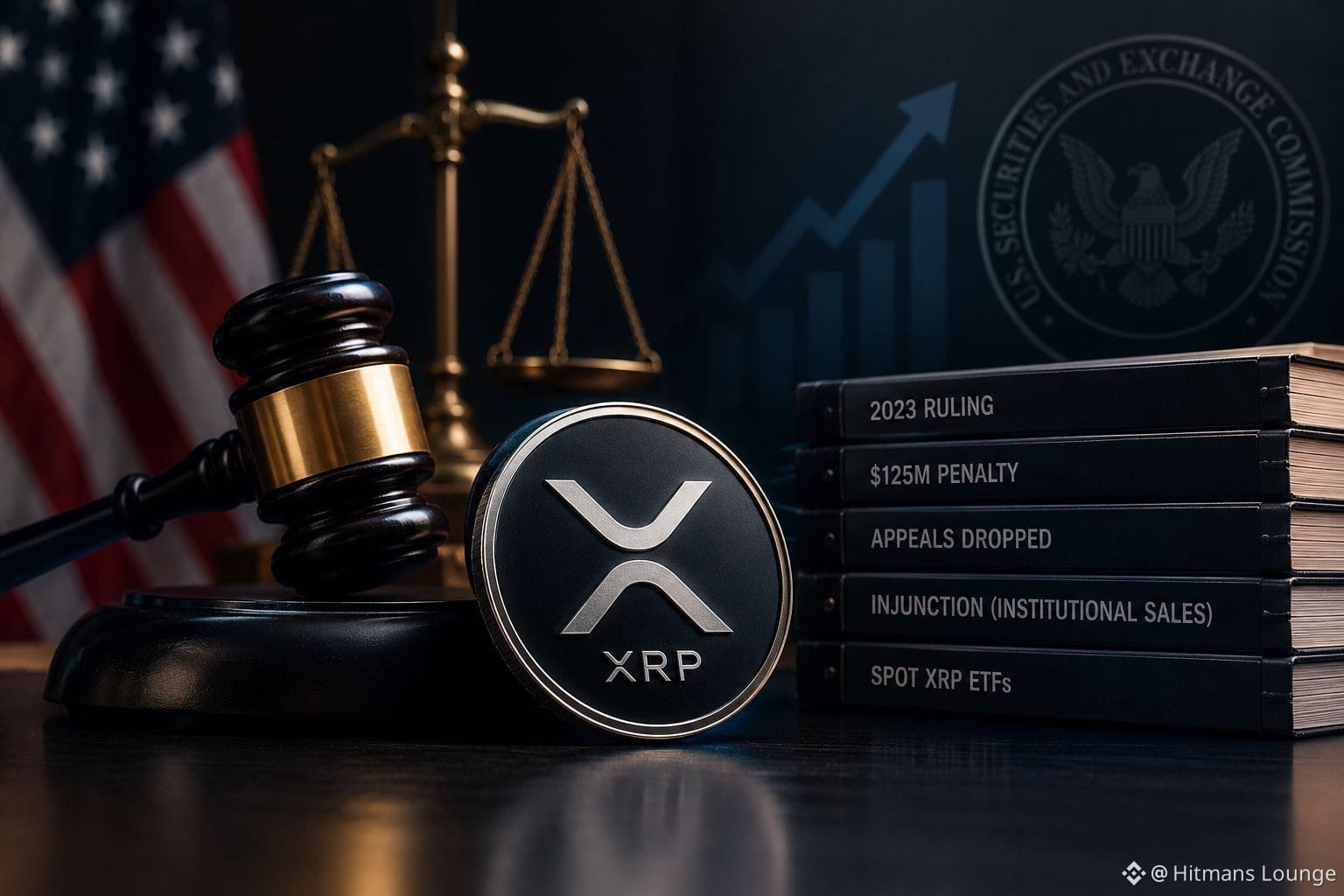
In 2023, Judge Torres ruled that $XRP sold on public exchanges wasn't a security, while Ripple's institutional sales were.
The SEC sought about $2B, but the final penalty was $125M. In August 2025, both sides dropped their appeals and the case ended.
The injunction on institutional sales still stands. Spot XRP ETFs have since launched in the U.S.
Was this the precedent crypto needed? 👇
#XRP #Ripple #SEC
{future}(XRPUSDT)
Time for a reality check, XRP army. 🔥
In 2023, Judge Torres ruled that $XRP sold on public exchanges wasn't a security, while Ripple's institutional sales were.
The SEC sought about $2B, but the final penalty was $125M. In August 2025, both sides dropped their appeals and the case ended.
The injunction on institutional sales still stands. Spot XRP ETFs have since launched in the U.S.
Was this the precedent crypto needed? 👇
#XRP #Ripple #SEC
In 2023, Judge Torres ruled that $XRP sold on public exchanges wasn't a security, while Ripple's institutional sales were.
The SEC sought about $2B, but the final penalty was $125M. In August 2025, both sides dropped their appeals and the case ended.
The injunction on institutional sales still stands. Spot XRP ETFs have since launched in the U.S.
Was this the precedent crypto needed? 👇
#XRP #Ripple #SEC
1
342

·
--
美国首批3倍BTC/ETH ETF获准上市,但还不能买
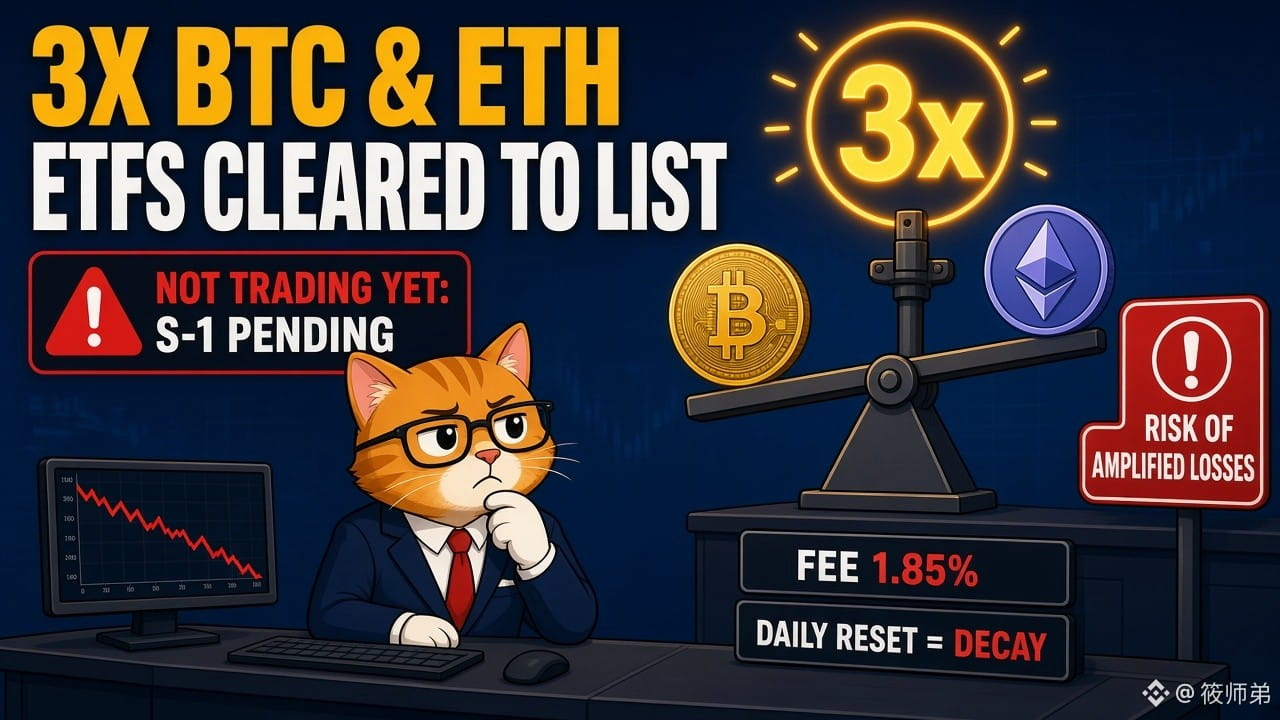
📌 SEC已于10月2日批准Cboe BZX上市Volatility Shares的6只3倍杠杆产品,含3x比特币(拟代码BITH)和3x以太坊(ETHK)(SEC Release 34-106577,联邦公报10/7刊登)
📌 产品追踪CME近月/次月期货的单日3倍表现,不持有现货;草案管理费1.85%/年(TSN援引S-1/A)
📌 S-1注册仍标注"Subject to Completion",截至10/23 EDGAR未见生效,尚无上线日期(Crypto Briefing/TSN)
📌 背景:美国现货BTC ETF周四净流出6.356亿美元,为本月最大(Pasar Pulse);BTC周日回到约8.08万(Investing.com)
【观点】
这是美国监管首次放行3倍加密杠杆ETF,说明华尔街在给散户"加杠杆"的口子正在打开。但它是每日重置的期货产品:震荡市里即使币价原地不动,净值也会被磨损,说明书原话是"可能一天内亏光"。它更像短线交易工具,而不是长期配置。
【机会/风险】
✅ 关注S-1何时生效,上线初期可能带来CME期货基差和成交量放大,相关合约资金费率值得盯
✅ 上线前后波动若放大,现货ETF资金流向是更好的情绪指标
⚠️ BTC 7.8万-8万一带是近期关键支撑,10/28 FOMC前杠杆资金容易被双向清算
⚠️ 1.85%费率+展期成本+波动损耗,长期持有吃亏概率高
你会用3倍ETF做短线,还是觉得这只是给散户的"高级赌桌"?
#比特币ETF #杠杆ETF #SEC #加密监管 $BTC $ETH
仅供参考,不构成投资建议
美国首批3倍BTC/ETH ETF获准上市,但还不能买
📌 SEC已于10月2日批准Cboe BZX上市Volatility Shares的6只3倍杠杆产品,含3x比特币(拟代码BITH)和3x以太坊(ETHK)(SEC Release 34-106577,联邦公报10/7刊登)
📌 产品追踪CME近月/次月期货的单日3倍表现,不持有现货;草案管理费1.85%/年(TSN援引S-1/A)
📌 S-1注册仍标注"Subject to Completion",截至10/23 EDGAR未见生效,尚无上线日期(Crypto Briefing/TSN)
📌 背景:美国现货BTC ETF周四净流出6.356亿美元,为本月最大(Pasar Pulse);BTC周日回到约8.08万(Investing.com)
【观点】
这是美国监管首次放行3倍加密杠杆ETF,说明华尔街在给散户"加杠杆"的口子正在打开。但它是每日重置的期货产品:震荡市里即使币价原地不动,净值也会被磨损,说明书原话是"可能一天内亏光"。它更像短线交易工具,而不是长期配置。
【机会/风险】
✅ 关注S-1何时生效,上线初期可能带来CME期货基差和成交量放大,相关合约资金费率值得盯
✅ 上线前后波动若放大,现货ETF资金流向是更好的情绪指标
⚠️ BTC 7.8万-8万一带是近期关键支撑,10/28 FOMC前杠杆资金容易被双向清算
⚠️ 1.85%费率+展期成本+波动损耗,长期持有吃亏概率高
你会用3倍ETF做短线,还是觉得这只是给散户的"高级赌桌"?
#比特币ETF #杠杆ETF #SEC #加密监管 $BTC $ETH
仅供参考,不构成投资建议
📌 SEC已于10月2日批准Cboe BZX上市Volatility Shares的6只3倍杠杆产品,含3x比特币(拟代码BITH)和3x以太坊(ETHK)(SEC Release 34-106577,联邦公报10/7刊登)
📌 产品追踪CME近月/次月期货的单日3倍表现,不持有现货;草案管理费1.85%/年(TSN援引S-1/A)
📌 S-1注册仍标注"Subject to Completion",截至10/23 EDGAR未见生效,尚无上线日期(Crypto Briefing/TSN)
📌 背景:美国现货BTC ETF周四净流出6.356亿美元,为本月最大(Pasar Pulse);BTC周日回到约8.08万(Investing.com)
【观点】
这是美国监管首次放行3倍加密杠杆ETF,说明华尔街在给散户"加杠杆"的口子正在打开。但它是每日重置的期货产品:震荡市里即使币价原地不动,净值也会被磨损,说明书原话是"可能一天内亏光"。它更像短线交易工具,而不是长期配置。
【机会/风险】
✅ 关注S-1何时生效,上线初期可能带来CME期货基差和成交量放大,相关合约资金费率值得盯
✅ 上线前后波动若放大,现货ETF资金流向是更好的情绪指标
⚠️ BTC 7.8万-8万一带是近期关键支撑,10/28 FOMC前杠杆资金容易被双向清算
⚠️ 1.85%费率+展期成本+波动损耗,长期持有吃亏概率高
你会用3倍ETF做短线,还是觉得这只是给散户的"高级赌桌"?
#比特币ETF #杠杆ETF #SEC #加密监管 $BTC $ETH
仅供参考,不构成投资建议
193
·
--
🚨🏛️ #SEC OFFICIAL 2027 PRIORITIES: #Tokenization & SUPER INTELLIGENCE IN THE CROSSHAIRS 📊🤖
🔥 #WallStreet 's Regulatory Roadmap Unveiled! 🔥
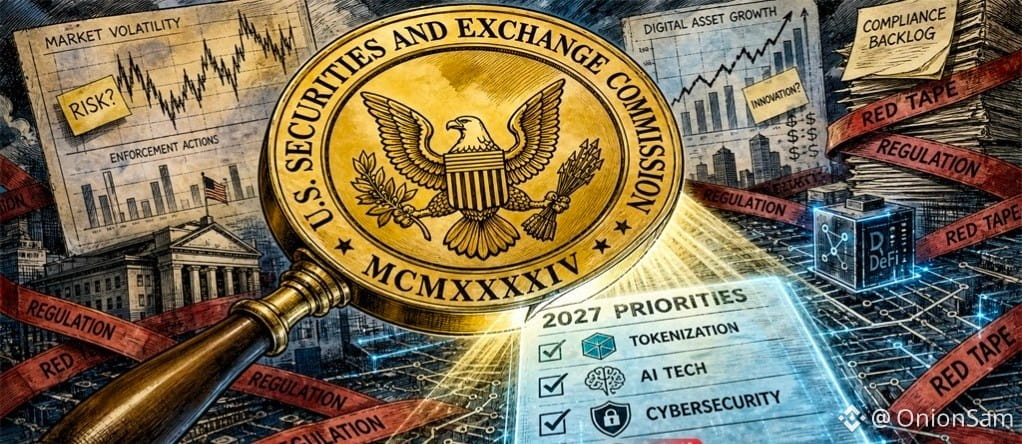
📢 The U.S. Securities and Exchange Commission (SEC) has officially published its Division of Examinations’ priorities for fiscal year 2027.
🗓️⚖️ For the first time, the regulator is shifting its core focus toward the institutional integration of asset Tokenization and "Super Intelligence" (SI) tech across global capital markets. 🏛️💻
🛡️ Mechanics Enpacked:
SEC examiners will heavily scrutinize how investment firms, brokers, and clearing agencies manage risks associated with Blockchain-based tokenized securities and advanced AI tools.
⚡📈 Additionally, the mandate triggers aggressive enforcement on #CyberSecurity resilience and strict Anti-Money Laundering (AML) compliance to protect retail and institutional investor funds from algorithmic fraud. 🚫🔐
#RWA
$BTC
{spot}(BTCUSDT)
$LINK
{spot}(LINKUSDT)
$ETH
{spot}(ETHUSDT)
j
🚨🏛️ #SEC OFFICIAL 2027 PRIORITIES: #Tokenization & SUPER INTELLIGENCE IN THE CROSSHAIRS 📊🤖
🔥 #WallStreet 's Regulatory Roadmap Unveiled! 🔥
📢 The U.S. Securities and Exchange Commission (SEC) has officially published its Division of Examinations’ priorities for fiscal year 2027.
🗓️⚖️ For the first time, the regulator is shifting its core focus toward the institutional integration of asset Tokenization and "Super Intelligence" (SI) tech across global capital markets. 🏛️💻
🛡️ Mechanics Enpacked:
SEC examiners will heavily scrutinize how investment firms, brokers, and clearing agencies manage risks associated with Blockchain-based tokenized securities and advanced AI tools.
⚡📈 Additionally, the mandate triggers aggressive enforcement on #CyberSecurity resilience and strict Anti-Money Laundering (AML) compliance to protect retail and institutional investor funds from algorithmic fraud. 🚫🔐
#RWA
$BTC
$LINK
$ETH
j
🔥 #WallStreet 's Regulatory Roadmap Unveiled! 🔥
📢 The U.S. Securities and Exchange Commission (SEC) has officially published its Division of Examinations’ priorities for fiscal year 2027.
🗓️⚖️ For the first time, the regulator is shifting its core focus toward the institutional integration of asset Tokenization and "Super Intelligence" (SI) tech across global capital markets. 🏛️💻
🛡️ Mechanics Enpacked:
SEC examiners will heavily scrutinize how investment firms, brokers, and clearing agencies manage risks associated with Blockchain-based tokenized securities and advanced AI tools.
⚡📈 Additionally, the mandate triggers aggressive enforcement on #CyberSecurity resilience and strict Anti-Money Laundering (AML) compliance to protect retail and institutional investor funds from algorithmic fraud. 🚫🔐
#RWA
$BTC
$LINK
$ETH
j

Good luck 🍀
From OnionSam
Osama Al-Muntasir:
💛
1
127

·
--
SEC 这次把“代币化”写进了明年的检查清单,我觉得信号比措辞本身更值得琢磨 👀
10 月 23 日,SEC 检查部门公布 2027 财年检查优先事项。
代币化第一次出现在了两个地方:
一是清算机构检查的高风险领域,跟违约管理、证券借贷、运营风险并列。
二是 Reg SCI 的新兴趋势,跟超级智能、延长交易时间、量子计算放在同一句里。
对照一下就很清楚了。
2026 年的优先事项里,还没有代币化这个词。
加密资产本身,连续第二年没有单独成章,上一次单列还是 2025 财年。
这不是说 SEC 给代币化开了绿灯。
检查优先事项只是告诉检查员往哪儿看,不等于新法规,也不等于某个平台获批。
但一个监管部门开始系统性地查“代币化怎么做清算、怎么做记录、怎么做风控”,说明这东西已经从概念演示,走到了要进市场基础设施的阶段。
时间线也对得上:
9 月 SEC 刚给了代币化股票交易的创新豁免。
10 月初,OKX 和洲际交易所的合资公司又递了申请,想上 60 多家美股的代币化版本。
所以我看这件事分两层:
对 RWA 叙事,这是监管从“观望”转向“建检查表”的一步。
对普通用户,这一步离“能放心买”还很远,检查清单越细,越说明合规门槛在抬高。
你更看好哪一边?
是代币化股票先跑通,还是监管先把路收窄?
$ETH
#代币化证券 #RWA #SEC
不构成投资建议,DYOR,交易有风险。
SEC 这次把“代币化”写进了明年的检查清单,我觉得信号比措辞本身更值得琢磨 👀
10 月 23 日,SEC 检查部门公布 2027 财年检查优先事项。
代币化第一次出现在了两个地方:
一是清算机构检查的高风险领域,跟违约管理、证券借贷、运营风险并列。
二是 Reg SCI 的新兴趋势,跟超级智能、延长交易时间、量子计算放在同一句里。
对照一下就很清楚了。
2026 年的优先事项里,还没有代币化这个词。
加密资产本身,连续第二年没有单独成章,上一次单列还是 2025 财年。
这不是说 SEC 给代币化开了绿灯。
检查优先事项只是告诉检查员往哪儿看,不等于新法规,也不等于某个平台获批。
但一个监管部门开始系统性地查“代币化怎么做清算、怎么做记录、怎么做风控”,说明这东西已经从概念演示,走到了要进市场基础设施的阶段。
时间线也对得上:
9 月 SEC 刚给了代币化股票交易的创新豁免。
10 月初,OKX 和洲际交易所的合资公司又递了申请,想上 60 多家美股的代币化版本。
所以我看这件事分两层:
对 RWA 叙事,这是监管从“观望”转向“建检查表”的一步。
对普通用户,这一步离“能放心买”还很远,检查清单越细,越说明合规门槛在抬高。
你更看好哪一边?
是代币化股票先跑通,还是监管先把路收窄?
$ETH
#代币化证券 #RWA #SEC
不构成投资建议,DYOR,交易有风险。
10 月 23 日,SEC 检查部门公布 2027 财年检查优先事项。
代币化第一次出现在了两个地方:
一是清算机构检查的高风险领域,跟违约管理、证券借贷、运营风险并列。
二是 Reg SCI 的新兴趋势,跟超级智能、延长交易时间、量子计算放在同一句里。
对照一下就很清楚了。
2026 年的优先事项里,还没有代币化这个词。
加密资产本身,连续第二年没有单独成章,上一次单列还是 2025 财年。
这不是说 SEC 给代币化开了绿灯。
检查优先事项只是告诉检查员往哪儿看,不等于新法规,也不等于某个平台获批。
但一个监管部门开始系统性地查“代币化怎么做清算、怎么做记录、怎么做风控”,说明这东西已经从概念演示,走到了要进市场基础设施的阶段。
时间线也对得上:
9 月 SEC 刚给了代币化股票交易的创新豁免。
10 月初,OKX 和洲际交易所的合资公司又递了申请,想上 60 多家美股的代币化版本。
所以我看这件事分两层:
对 RWA 叙事,这是监管从“观望”转向“建检查表”的一步。
对普通用户,这一步离“能放心买”还很远,检查清单越细,越说明合规门槛在抬高。
你更看好哪一边?
是代币化股票先跑通,还是监管先把路收窄?
$ETH
#代币化证券 #RWA #SEC
不构成投资建议,DYOR,交易有风险。
63

·
--
代币化进了 SEC 的检查清单,币圈却没进
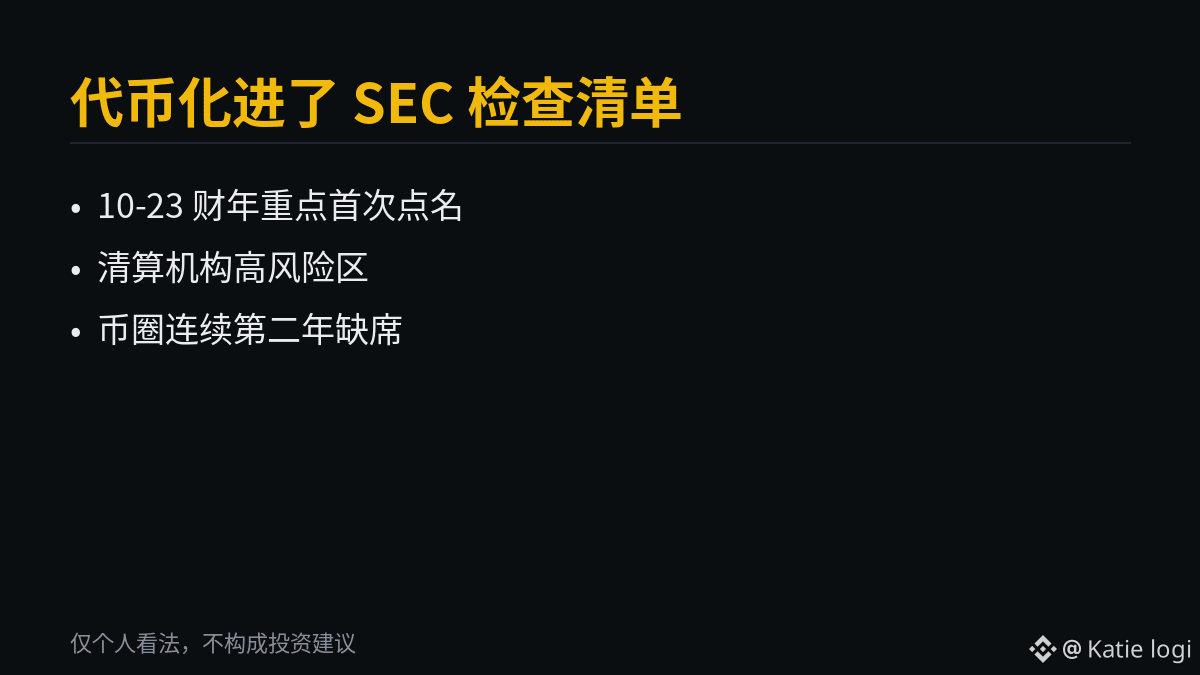
10-23,SEC 公布了 2027 财年检查重点
代币化第一次被写进清算机构的高风险区
跟违约管理、证券借贷、运营风险排在一起
Regulation SCI 那节也点了代币化证券的名
同批被点名的还有超智能、延长交易时间、量子计算
2025 和 2026 两年的清单里,代币化一次都没出现过
反面更有意思
整份 20 页报告,没出现 crypto、数字资产这些词
币圈连续第二年没进单独立项
9 月 SEC 刚给代币化股票开了创新豁免
先放行,再上检查清单
代币化证券不再是讨论题,变成要被查账的项目
检查范围覆盖 34000 多家注册机构
谁做代币化产品,谁先被翻账本
检查清单都写上了
代币化股票的交易量,什么时候才配得上这份重视?
仅个人看法,不构成任何投资建议
#SEC #代币化 $BTC
代币化进了 SEC 的检查清单,币圈却没进
10-23,SEC 公布了 2027 财年检查重点
代币化第一次被写进清算机构的高风险区
跟违约管理、证券借贷、运营风险排在一起
Regulation SCI 那节也点了代币化证券的名
同批被点名的还有超智能、延长交易时间、量子计算
2025 和 2026 两年的清单里,代币化一次都没出现过
反面更有意思
整份 20 页报告,没出现 crypto、数字资产这些词
币圈连续第二年没进单独立项
9 月 SEC 刚给代币化股票开了创新豁免
先放行,再上检查清单
代币化证券不再是讨论题,变成要被查账的项目
检查范围覆盖 34000 多家注册机构
谁做代币化产品,谁先被翻账本
检查清单都写上了
代币化股票的交易量,什么时候才配得上这份重视?
仅个人看法,不构成任何投资建议
#SEC #代币化 $BTC
10-23,SEC 公布了 2027 财年检查重点
代币化第一次被写进清算机构的高风险区
跟违约管理、证券借贷、运营风险排在一起
Regulation SCI 那节也点了代币化证券的名
同批被点名的还有超智能、延长交易时间、量子计算
2025 和 2026 两年的清单里,代币化一次都没出现过
反面更有意思
整份 20 页报告,没出现 crypto、数字资产这些词
币圈连续第二年没进单独立项
9 月 SEC 刚给代币化股票开了创新豁免
先放行,再上检查清单
代币化证券不再是讨论题,变成要被查账的项目
检查范围覆盖 34000 多家注册机构
谁做代币化产品,谁先被翻账本
检查清单都写上了
代币化股票的交易量,什么时候才配得上这份重视?
仅个人看法,不构成任何投资建议
#SEC #代币化 $BTC
2

·
--
SEC 把代币化写进 2027 年检查清单:覆盖 3.4 万家注册机构美国 SEC 把代币化写进了 2027 财年的检查重点。其检查部周四发布 FY2027 优先事项,共八项,代币化被放在「市场基础设施风险」下,与国债清算改革并列(Decrypt 10 月 24 日)。
这意味着经纪商、投顾与过户代理在代币化产品上会迎来更多问询。另一项首次出现的是「超级智能与其他先进技术」,SEC 把 AI 归入新兴技术,关注其对合规、反欺诈与投资者保护的影响。这份清单覆盖检查部监管的逾 3.4 万家注册机构。
个人观点:把代币化列入检查清单,等于承认它已进入主流业务,同时把合规成本前置。对做 RWA 的团队,文件、托管、估值与披露会是第一批被问到的。市场层面看 BTC:币安 10 月 24 日 13:00 快照报 80,908.01 美元(-0.831%),24 小时区间 80,513—82,060.88;多头触发条件是 4 小时收上 81,300 并回踩 80,800 不破,目标 82,000、82,600,止损 80,300;跌破 80,500 且反抽不过,看 79,500、78,800,止损 81,300。
代币化进入检查清单,你会怎么调仓?
$BTC
#RWA #代币化 #SEC #加密市场
以上内容不构成投资建议
SEC 把代币化写进 2027 年检查清单:覆盖 3.4 万家注册机构
美国 SEC 把代币化写进了 2027 财年的检查重点。其检查部周四发布 FY2027 优先事项,共八项,代币化被放在「市场基础设施风险」下,与国债清算改革并列(Decrypt 10 月 24 日)。
这意味着经纪商、投顾与过户代理在代币化产品上会迎来更多问询。另一项首次出现的是「超级智能与其他先进技术」,SEC 把 AI 归入新兴技术,关注其对合规、反欺诈与投资者保护的影响。这份清单覆盖检查部监管的逾 3.4 万家注册机构。
个人观点:把代币化列入检查清单,等于承认它已进入主流业务,同时把合规成本前置。对做 RWA 的团队,文件、托管、估值与披露会是第一批被问到的。市场层面看 BTC:币安 10 月 24 日 13:00 快照报 80,908.01 美元(-0.831%),24 小时区间 80,513—82,060.88;多头触发条件是 4 小时收上 81,300 并回踩 80,800 不破,目标 82,000、82,600,止损 80,300;跌破 80,500 且反抽不过,看 79,500、78,800,止损 81,300。
代币化进入检查清单,你会怎么调仓?
$BTC
#RWA #代币化 #SEC #加密市场
以上内容不构成投资建议
这意味着经纪商、投顾与过户代理在代币化产品上会迎来更多问询。另一项首次出现的是「超级智能与其他先进技术」,SEC 把 AI 归入新兴技术,关注其对合规、反欺诈与投资者保护的影响。这份清单覆盖检查部监管的逾 3.4 万家注册机构。
个人观点:把代币化列入检查清单,等于承认它已进入主流业务,同时把合规成本前置。对做 RWA 的团队,文件、托管、估值与披露会是第一批被问到的。市场层面看 BTC:币安 10 月 24 日 13:00 快照报 80,908.01 美元(-0.831%),24 小时区间 80,513—82,060.88;多头触发条件是 4 小时收上 81,300 并回踩 80,800 不破,目标 82,000、82,600,止损 80,300;跌破 80,500 且反抽不过,看 79,500、78,800,止损 81,300。
代币化进入检查清单,你会怎么调仓?
$BTC
#RWA #代币化 #SEC #加密市场
以上内容不构成投资建议
61

SEC đánh dấu tokenization rủi ro cao trong kiểm tra thị trường 2027
* SEC ưu tiên tokenization rủi ro thị trường mới
* Crypto chưa có danh mục kiểm tra riêng
* Năm 2027 tập trung đánh giá rủi ro
#BinanceSquare #CryptoNews #SEC #Tokenization
$btc $eth
#vlikevn Titanbot
Nguồn: CoinTelegraph
SEC đánh dấu tokenization rủi ro cao trong kiểm tra thị trường 2027
* SEC ưu tiên tokenization rủi ro thị trường mới
* Crypto chưa có danh mục kiểm tra riêng
* Năm 2027 tập trung đánh giá rủi ro
#BinanceSquare #CryptoNews #SEC #Tokenization
$btc $eth
#vlikevn Titanbot
Nguồn: CoinTelegraph
* SEC ưu tiên tokenization rủi ro thị trường mới
* Crypto chưa có danh mục kiểm tra riêng
* Năm 2027 tập trung đánh giá rủi ro
#BinanceSquare #CryptoNews #SEC #Tokenization
$btc $eth
#vlikevn Titanbot
Nguồn: CoinTelegraph
146
·
--
SEC把代币化写进2027财年检查重点
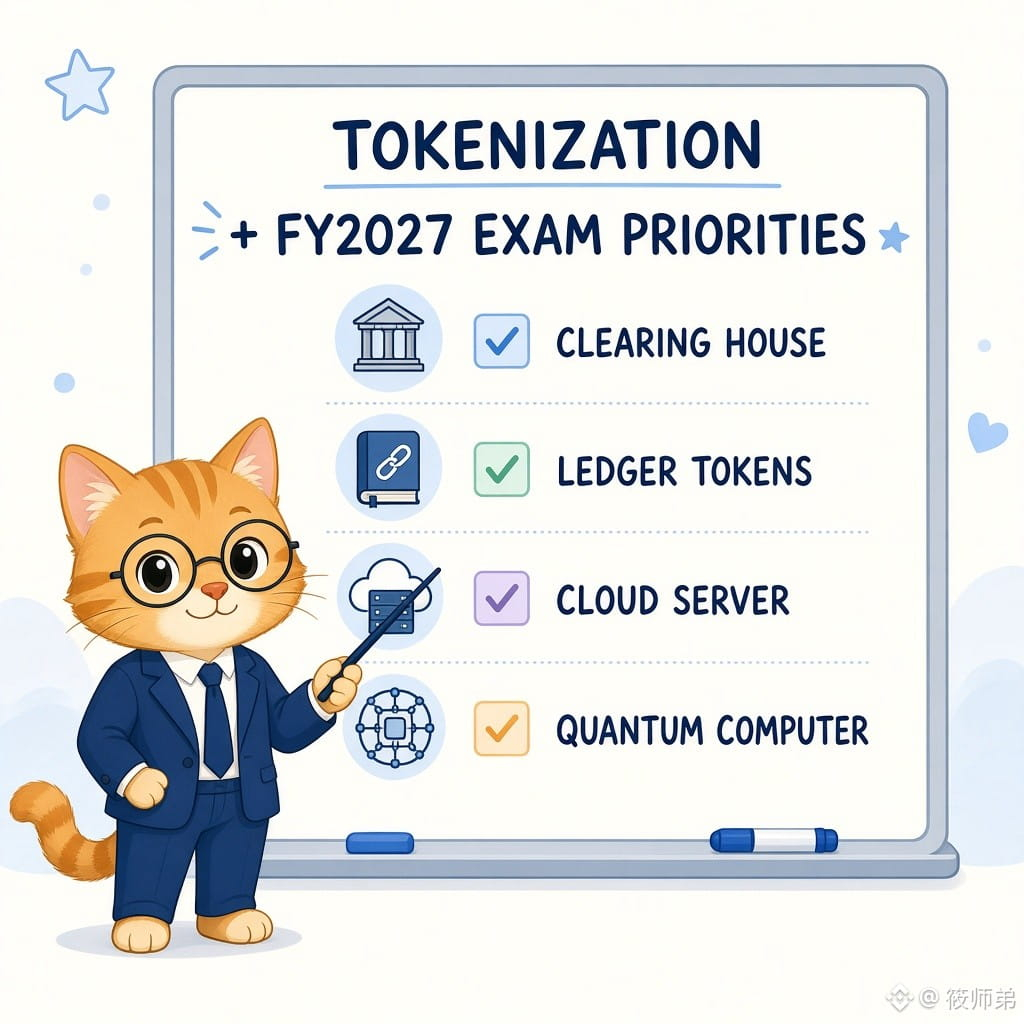
据SEC官网10/23新闻稿与《FY2027 Examination Priorities》:检查司把“不断演进的市场基础设施风险”列为重点,明确点名国债清算改革与tokenization;对系统重要性清算机构,tokenization与违约、恢复/清盘、证券借贷、运营并列高风险审查项;Regulation SCI还将盯证券代币化、延长交易时段、量子计算及云/第三方供应商依赖。文件覆盖3.4万+注册主体,且声明不创设新法定义务;全文未出现crypto字样(Coindaro/crypto.news)。
【观点】监管语气是“基础设施怎么跑得住”,不是再开一章打币。清算所+SCI实体上链结算/持仓,合规与运维压力会前置到托管、记录与灾备,利好能对接传统清算标准的代币化基建,短期难直接抬现货情绪。
【机会/风险】盯DTCC等清算机构代币化推进节奏、SCI实体云厂商审查结果;下周FOMC 10/27-28叠加中期选举叙事,风险资产仍偏观望。$BTC 约8.1万、$ETH 约2380附近横盘,突破需宏观配合。
你们觉得代币化进检查清单,是利好合规叙事还是短期压制创新?欢迎留言。
#代币化 #SEC #加密监管 #宏观
$BTC $ETH
仅供参考,不构成投资建议。
SEC把代币化写进2027财年检查重点
据SEC官网10/23新闻稿与《FY2027 Examination Priorities》:检查司把“不断演进的市场基础设施风险”列为重点,明确点名国债清算改革与tokenization;对系统重要性清算机构,tokenization与违约、恢复/清盘、证券借贷、运营并列高风险审查项;Regulation SCI还将盯证券代币化、延长交易时段、量子计算及云/第三方供应商依赖。文件覆盖3.4万+注册主体,且声明不创设新法定义务;全文未出现crypto字样(Coindaro/crypto.news)。
【观点】监管语气是“基础设施怎么跑得住”,不是再开一章打币。清算所+SCI实体上链结算/持仓,合规与运维压力会前置到托管、记录与灾备,利好能对接传统清算标准的代币化基建,短期难直接抬现货情绪。
【机会/风险】盯DTCC等清算机构代币化推进节奏、SCI实体云厂商审查结果;下周FOMC 10/27-28叠加中期选举叙事,风险资产仍偏观望。$BTC 约8.1万、$ETH 约2380附近横盘,突破需宏观配合。
你们觉得代币化进检查清单,是利好合规叙事还是短期压制创新?欢迎留言。
#代币化 #SEC #加密监管 #宏观
$BTC $ETH
仅供参考,不构成投资建议。
据SEC官网10/23新闻稿与《FY2027 Examination Priorities》:检查司把“不断演进的市场基础设施风险”列为重点,明确点名国债清算改革与tokenization;对系统重要性清算机构,tokenization与违约、恢复/清盘、证券借贷、运营并列高风险审查项;Regulation SCI还将盯证券代币化、延长交易时段、量子计算及云/第三方供应商依赖。文件覆盖3.4万+注册主体,且声明不创设新法定义务;全文未出现crypto字样(Coindaro/crypto.news)。
【观点】监管语气是“基础设施怎么跑得住”,不是再开一章打币。清算所+SCI实体上链结算/持仓,合规与运维压力会前置到托管、记录与灾备,利好能对接传统清算标准的代币化基建,短期难直接抬现货情绪。
【机会/风险】盯DTCC等清算机构代币化推进节奏、SCI实体云厂商审查结果;下周FOMC 10/27-28叠加中期选举叙事,风险资产仍偏观望。$BTC 约8.1万、$ETH 约2380附近横盘,突破需宏观配合。
你们觉得代币化进检查清单,是利好合规叙事还是短期压制创新?欢迎留言。
#代币化 #SEC #加密监管 #宏观
$BTC $ETH
仅供参考,不构成投资建议。
157
Log in to explore more content
Join global crypto users on Binance Square
⚡️ Get latest and useful information about crypto.
💬 Trusted by the world’s largest crypto exchange.
👍 Discover real insights from verified creators.
Email / Phone number
Trending Topics
1
#BinancePick
3.1M views
153,275 Discussing
2
#EarningsSeason
5.3M views
26,062 Discussing
3
#AnthropicTTMRevenueGrewAbout1200%
35,426 views
444 Discussing
4
#AnthropicS1ExpectedToday
29,243 views
361 Discussing
5
#SouthKoreaReportedlyWeighsFourthCryptoTaxDelay
32,785 views
493 Discussing
6
#FranklinTempletonFilesForTwoDividendToBitcoinETFs
43,562 views
559 Discussing
7
#StrategyMSTRSurpassesNasdaqInMarketCap
33,467 views
399 Discussing
8
#CanadaProposesStablecoinRedemptionWithin3BusinessDays
1,402 views
36 Discussing
9
#ElectrumWalletBugLetRogueServersStealFunds
32,874 views
480 Discussing
10
#ArgentineCourtDismissesLIBRACaseAgainstMilei
49,045 views
601 Discussing