
#digitalpaymentrevolution
digitalpaymentrevolution
11 views
4 Discussing
Hot
Latest

·
--
Article
OBITERATIONThe flood has started: Regulated Institutions Flood into Digital Payment Systems
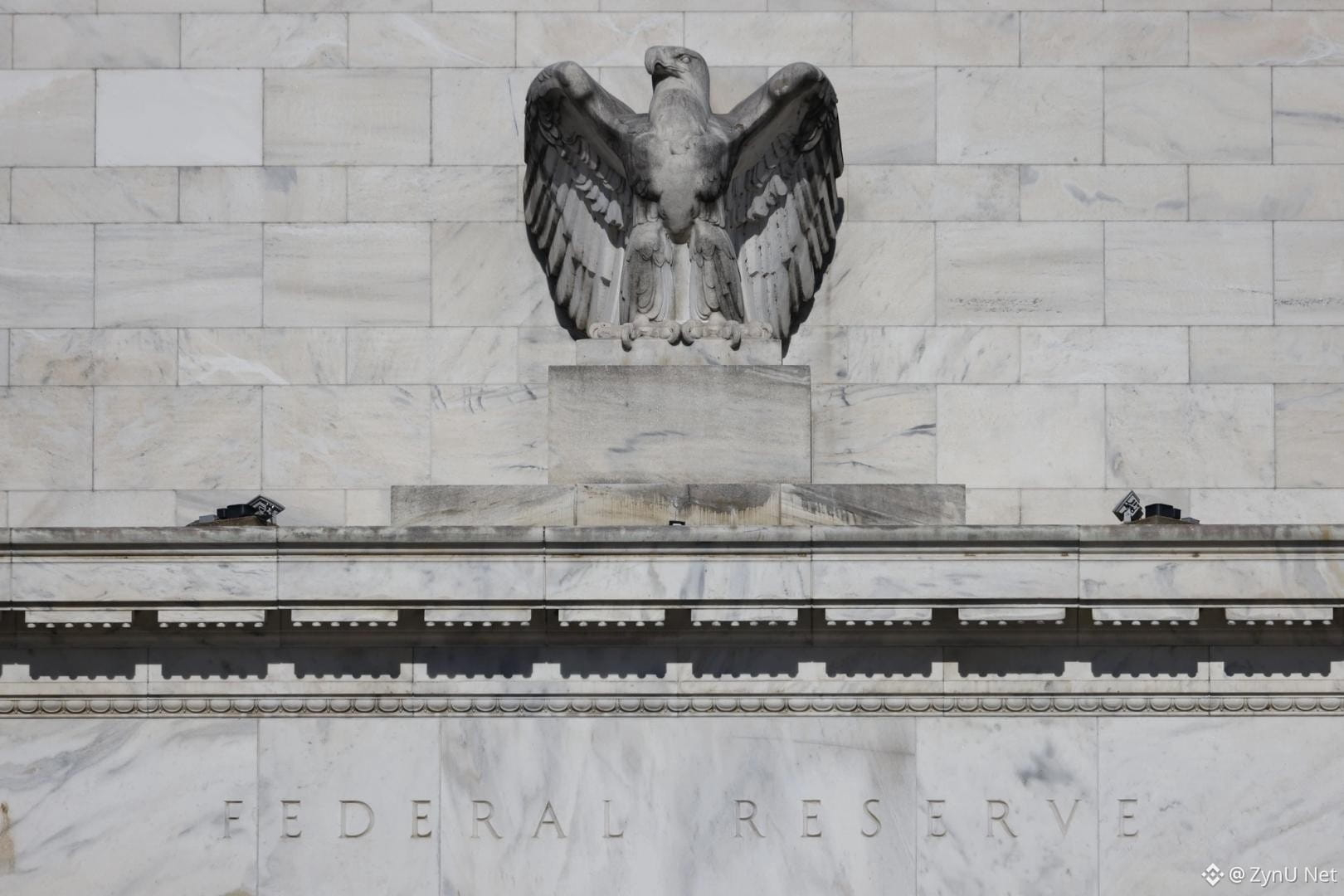
The tide is turning in favor of digital payment systems as Anchorage Digital's Rachel Anderika emphasizes the need for clear paths to entry for qualified institutions in America's payment system, according to a recent article in Coindesk. Rachel Anderika, head of policy at Anchorage Digital, boldly asserts that institutions qualifying to participate in the country's banking system should also have a clear path to its payment system, effectively ending the era of separate and unequal payment systems (#DigitalPaymentRevolution #RegulatoryClarity #FinancialInnovation).
For years, digital payment systems have been operating under a different set of rules and regulations compared to traditional banking systems, with some institutions unable to participate in both due to regulatory complexities. This separation has hindered the development of the digital payment ecosystem and created unnecessary barriers to entry for would-be participants.
According to Anderika, this is simply unacceptable and it is imperative that institutions be allowed to participate seamlessly in both the banking and payment systems. With a unified regulatory framework, financial innovation can flourish and institutions can capitalize on the vast opportunities in digital payments. The writing is on the wall: the shift to digital is in full swing and the traditional banking industry is being left in the dust. But the biggest question remains: are institutions ready to adapt to a rapidly changing financial landscape where digital payment systems are the norm?
The future of digital payments is here and it's clear that institutions are starting to take notice. So, are you ready to capitalize on the opportunities in digital payments and ride the wave of financial innovation or will you get left behind in the dust?
OBITERATION
The flood has started: Regulated Institutions Flood into Digital Payment Systems
The tide is turning in favor of digital payment systems as Anchorage Digital's Rachel Anderika emphasizes the need for clear paths to entry for qualified institutions in America's payment system, according to a recent article in Coindesk. Rachel Anderika, head of policy at Anchorage Digital, boldly asserts that institutions qualifying to participate in the country's banking system should also have a clear path to its payment system, effectively ending the era of separate and unequal payment systems (#DigitalPaymentRevolution #RegulatoryClarity #FinancialInnovation).
For years, digital payment systems have been operating under a different set of rules and regulations compared to traditional banking systems, with some institutions unable to participate in both due to regulatory complexities. This separation has hindered the development of the digital payment ecosystem and created unnecessary barriers to entry for would-be participants.
According to Anderika, this is simply unacceptable and it is imperative that institutions be allowed to participate seamlessly in both the banking and payment systems. With a unified regulatory framework, financial innovation can flourish and institutions can capitalize on the vast opportunities in digital payments. The writing is on the wall: the shift to digital is in full swing and the traditional banking industry is being left in the dust. But the biggest question remains: are institutions ready to adapt to a rapidly changing financial landscape where digital payment systems are the norm?
The future of digital payments is here and it's clear that institutions are starting to take notice. So, are you ready to capitalize on the opportunities in digital payments and ride the wave of financial innovation or will you get left behind in the dust?
9
·
--
OBITERATIONThe flood has started: Regulated Institutions Flood into Digital Payment Systems
The tide is turning in favor of digital payment systems as Anchorage Digital's Rachel Anderika emphasizes the need for clear paths to entry for qualified institutions in America's payment system, according to a recent article in Coindesk. Rachel Anderika, head of policy at Anchorage Digital, boldly asserts that institutions qualifying to participate in the country's banking system should also have a clear path to its payment system, effectively ending the era of separate and unequal payment systems (#DigitalPaymentRevolution #RegulatoryClarity #FinancialInnovation).
For years, digital payment systems have been operating under a different set of rules and regulations compared to traditional banking systems, with some institutions unable to participate in both due to regulatory complexities. This separation has hindered the development of the digital payment ecosystem and created unnecessary barriers to entry for would-be participants.
According to Anderika, this is simply unacceptable and it is imperative that institutions be allowed to participate seamlessly in both the banking and payment systems. With a unified regulatory framework, financial innovation can flourish and institutions can capitalize on the vast opportunities in digital payments. The writing is on the wall: the shift to digital is in full swing and the traditional banking industry is being left in the dust. But the biggest question remains: are institutions ready to adapt to a rapidly changing financial landscape where digital payment systems are the norm?
The future of digital payments is here and it's clear that institutions are starting to take notice. So, are you ready to capitalize on the opportunities in digital payments and ride the wave of financial innovation or will you get left behind in the dust?
OBITERATION
The flood has started: Regulated Institutions Flood into Digital Payment Systems
The tide is turning in favor of digital payment systems as Anchorage Digital's Rachel Anderika emphasizes the need for clear paths to entry for qualified institutions in America's payment system, according to a recent article in Coindesk. Rachel Anderika, head of policy at Anchorage Digital, boldly asserts that institutions qualifying to participate in the country's banking system should also have a clear path to its payment system, effectively ending the era of separate and unequal payment systems (#DigitalPaymentRevolution #RegulatoryClarity #FinancialInnovation).
For years, digital payment systems have been operating under a different set of rules and regulations compared to traditional banking systems, with some institutions unable to participate in both due to regulatory complexities. This separation has hindered the development of the digital payment ecosystem and created unnecessary barriers to entry for would-be participants.
According to Anderika, this is simply unacceptable and it is imperative that institutions be allowed to participate seamlessly in both the banking and payment systems. With a unified regulatory framework, financial innovation can flourish and institutions can capitalize on the vast opportunities in digital payments. The writing is on the wall: the shift to digital is in full swing and the traditional banking industry is being left in the dust. But the biggest question remains: are institutions ready to adapt to a rapidly changing financial landscape where digital payment systems are the norm?
The future of digital payments is here and it's clear that institutions are starting to take notice. So, are you ready to capitalize on the opportunities in digital payments and ride the wave of financial innovation or will you get left behind in the dust?
The tide is turning in favor of digital payment systems as Anchorage Digital's Rachel Anderika emphasizes the need for clear paths to entry for qualified institutions in America's payment system, according to a recent article in Coindesk. Rachel Anderika, head of policy at Anchorage Digital, boldly asserts that institutions qualifying to participate in the country's banking system should also have a clear path to its payment system, effectively ending the era of separate and unequal payment systems (#DigitalPaymentRevolution #RegulatoryClarity #FinancialInnovation).
For years, digital payment systems have been operating under a different set of rules and regulations compared to traditional banking systems, with some institutions unable to participate in both due to regulatory complexities. This separation has hindered the development of the digital payment ecosystem and created unnecessary barriers to entry for would-be participants.
According to Anderika, this is simply unacceptable and it is imperative that institutions be allowed to participate seamlessly in both the banking and payment systems. With a unified regulatory framework, financial innovation can flourish and institutions can capitalize on the vast opportunities in digital payments. The writing is on the wall: the shift to digital is in full swing and the traditional banking industry is being left in the dust. But the biggest question remains: are institutions ready to adapt to a rapidly changing financial landscape where digital payment systems are the norm?
The future of digital payments is here and it's clear that institutions are starting to take notice. So, are you ready to capitalize on the opportunities in digital payments and ride the wave of financial innovation or will you get left behind in the dust?
10

·
--

Article
World Bank Explores Stablecoins: Could Blockchain Transform Global Payments in 2026?$World Bank Explores Stablecoins: Could Blockchain Transform Global Payments in 2026?
The financial world is changing as blockchain technology continues to attract attention from major institutions.
One of the latest developments involves the World Bank, Circle, and Citi exploring stablecoin-based payment systems for development-related payments.
This development raises an important question:
Could stablecoins make international payments faster, easier, and more affordable?
1. What Are Stablecoins?
Stablecoins are digital assets designed to maintain a relatively stable value, often by being linked to a traditional currency such as the US dollar.
Unlike many cryptocurrencies, stablecoins aim to reduce price fluctuations.
They can be used in blockchain-based payment systems and digital financial services.
2. Why Is the World Bank Exploring This Technology?
The World Bank's reported collaboration with Circle and Citi focuses on testing stablecoins for development-related payments.
The goal is to explore whether blockchain technology can help improve payment speed and reduce transaction costs.
If successful, this type of technology could become useful for international financial operations.
3. Why Are Circle and Citi Important?
Circle is known for its USDC stablecoin, while Citi is a major global financial institution.
Their involvement highlights how traditional financial institutions and blockchain companies are exploring ways to work together.
This could help connect traditional financial infrastructure with emerging digital payment systems.
4. What Could This Mean for the Future?
Stablecoin technology could create several opportunities:
Faster international payment systems.
More efficient financial transactions.
Better access to digital payment infrastructure.
New opportunities for blockchain innovation.
Greater collaboration between traditional finance and digital finance.
However, important challenges remain, including regulation, security, consumer protection, and technical reliability.
Final Thoughts
Blockchain technology is no longer discussed only in connection with cryptocurrency trading.
Major financial institutions are also exploring its potential in real-world payment systems.
The World Bank's reported stablecoin testing initiative is another development worth watching.
The future of global payments may look very different as digital financial infrastructure continues to evolve.
What do you think?
Can stablecoins become an important part of the global payment system by 2030?
Share your thoughts in the comments!
#USDCTreasury #CircleIPO #WorldBankGroup #DigitalPaymentRevolution #November2026
World Bank Explores Stablecoins: Could Blockchain Transform Global Payments in 2026?$
World Bank Explores Stablecoins: Could Blockchain Transform Global Payments in 2026?
The financial world is changing as blockchain technology continues to attract attention from major institutions.
One of the latest developments involves the World Bank, Circle, and Citi exploring stablecoin-based payment systems for development-related payments.
This development raises an important question:
Could stablecoins make international payments faster, easier, and more affordable?
1. What Are Stablecoins?
Stablecoins are digital assets designed to maintain a relatively stable value, often by being linked to a traditional currency such as the US dollar.
Unlike many cryptocurrencies, stablecoins aim to reduce price fluctuations.
They can be used in blockchain-based payment systems and digital financial services.
2. Why Is the World Bank Exploring This Technology?
The World Bank's reported collaboration with Circle and Citi focuses on testing stablecoins for development-related payments.
The goal is to explore whether blockchain technology can help improve payment speed and reduce transaction costs.
If successful, this type of technology could become useful for international financial operations.
3. Why Are Circle and Citi Important?
Circle is known for its USDC stablecoin, while Citi is a major global financial institution.
Their involvement highlights how traditional financial institutions and blockchain companies are exploring ways to work together.
This could help connect traditional financial infrastructure with emerging digital payment systems.
4. What Could This Mean for the Future?
Stablecoin technology could create several opportunities:
Faster international payment systems.
More efficient financial transactions.
Better access to digital payment infrastructure.
New opportunities for blockchain innovation.
Greater collaboration between traditional finance and digital finance.
However, important challenges remain, including regulation, security, consumer protection, and technical reliability.
Final Thoughts
Blockchain technology is no longer discussed only in connection with cryptocurrency trading.
Major financial institutions are also exploring its potential in real-world payment systems.
The World Bank's reported stablecoin testing initiative is another development worth watching.
The future of global payments may look very different as digital financial infrastructure continues to evolve.
What do you think?
Can stablecoins become an important part of the global payment system by 2030?
Share your thoughts in the comments!
#USDCTreasury #CircleIPO #WorldBankGroup #DigitalPaymentRevolution #November2026
70
Log in to explore more content
Join global crypto users on Binance Square
⚡️ Get latest and useful information about crypto.
💬 Trusted by the world’s largest crypto exchange.
👍 Discover real insights from verified creators.
Email / Phone number
Trending Topics
1
#NvidiaBeatsEstimatesWith$130BQ4Outlook
6,280 views
103 Discussing
2
#AnthropicIPOPriceCouldExceed$80
11,777 views
101 Discussing
3
#CanNvidia’sDataCenterGrowthContinue?
31,849 views
472 Discussing
4
#CanadaAndUSLaunchOperationNiagaraAgainstApprovalPhishing
0 views
0 Discussing
5
#BankOfEnglandUnveilsClearingHousePathwayCoveringDLTFirms
1,003 views
19 Discussing
6
#DBSAndCirclePartnerToExpandAsianInstitutionsUSDCAccess
2,294 views
41 Discussing
7
#LedgerHardwareImplantReportsExtendToDubai
5,332 views
150 Discussing
8
#NvidiaBoardNotConsideringHuang’sReturnasCEO
193,529 views
1,411 Discussing
9
#KOSPIFalls2.59%ToLowestCloseSinceFebruary
54,842 views
618 Discussing
10
#AnthropicClearedToListOnNasdaqAsANT
48,284 views
497 Discussing