
加密导师朵儿
557 Posts

加密导师朵儿
Report
Block User
✅币安聊天室ID 1171709603 一位加密货币投资爱好者,精通山寨币布局和主力币分析。《合约》每天日内波段,月稳定收益达到80%以上。{现货} 周期性埋伏潜力币,熊市买入,牛市卖出,年收益300%以上。五湖四海认识就是朋友!
13 Following
981 Followers
1.6K+ Liked
Posts
PINNED
·
--
🔥🔥🔥 Binance ID: 1171709603
The latest feature is here! Binance Chat rooms have opened the 【Private Chat】 feature!
From now on, chatting with friends will be more convenient—no more worries about messages getting buried!
Using it is super easy:
① On the Binance homepage, use the search bar at the top and type 【Chat】 to find the entry
② Tap the + in the top-right corner to add a “Dua’er”
③ Enter your Binance ID (for example, mine: 1171709603) (or scan the QR code directly)
④ One-click search—you can add me and chat anytime!
Family/friends, add a Dua’er first—then we can directly communicate in real time about market trends and opportunities!
🔥🔥🔥 Binance ID: 1171709603
The latest feature is here! Binance Chat rooms have opened the 【Private Chat】 feature!
From now on, chatting with friends will be more convenient—no more worries about messages getting buried!
Using it is super easy:
① On the Binance homepage, use the search bar at the top and type 【Chat】 to find the entry
② Tap the + in the top-right corner to add a “Dua’er”
③ Enter your Binance ID (for example, mine: 1171709603) (or scan the QR code directly)
④ One-click search—you can add me and chat anytime!
Family/friends, add a Dua’er first—then we can directly communicate in real time about market trends and opportunities!
The latest feature is here! Binance Chat rooms have opened the 【Private Chat】 feature!
From now on, chatting with friends will be more convenient—no more worries about messages getting buried!
Using it is super easy:
① On the Binance homepage, use the search bar at the top and type 【Chat】 to find the entry
② Tap the + in the top-right corner to add a “Dua’er”
③ Enter your Binance ID (for example, mine: 1171709603) (or scan the QR code directly)
④ One-click search—you can add me and chat anytime!
Family/friends, add a Dua’er first—then we can directly communicate in real time about market trends and opportunities!
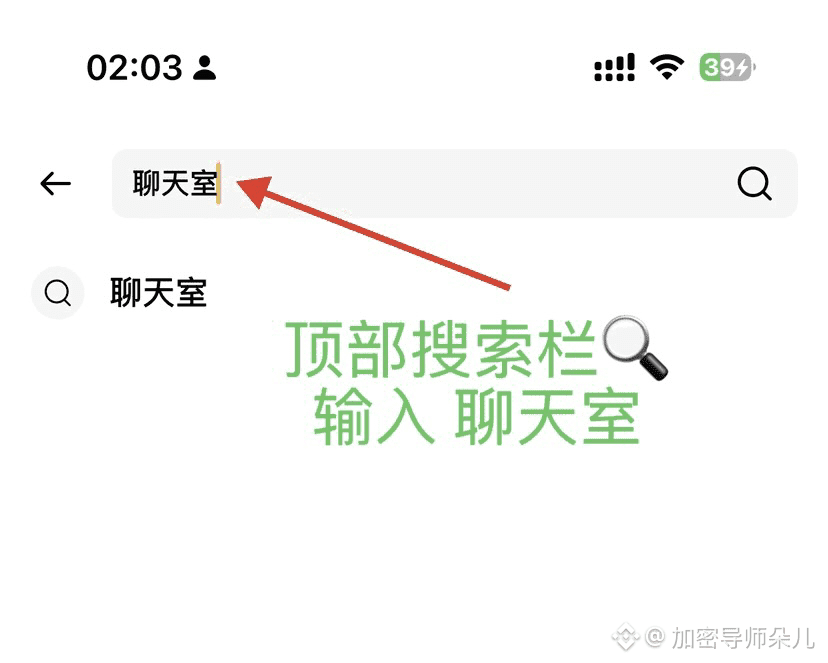
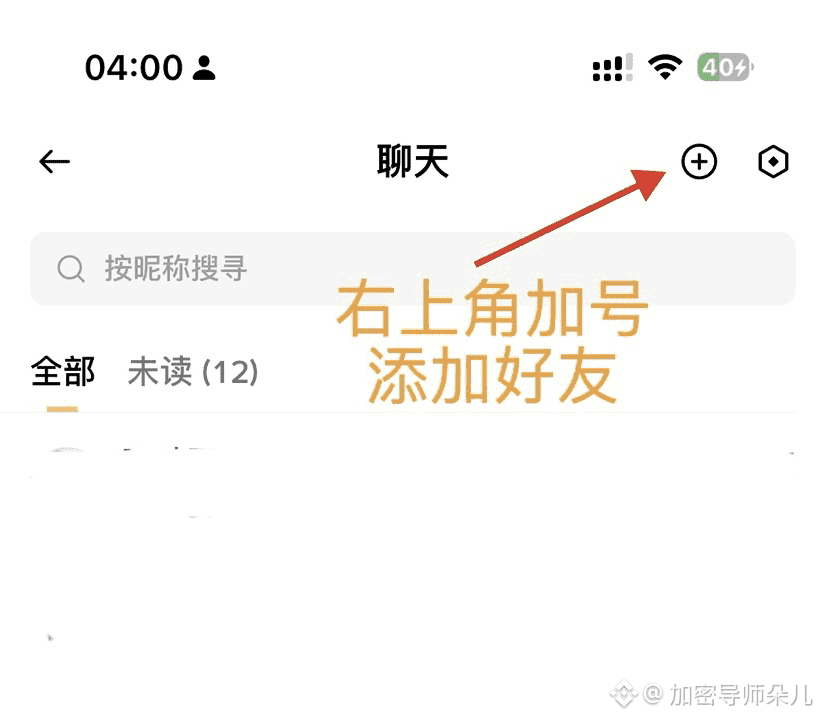

33
·
--
I’ve been trading coins for 9 years. Now I’m 38, with assets in the eight figures. When I go out to hotels, I don’t look at the prices.
It’s not bragging—just the truth. Compared with the 80s crowd around me who work in factories or do e-commerce, I’m way more comfortable.
In this day and age, trying to turn things around by dead-salary alone is too hard. I saw that ten years ago, so I went all in on trading. I’ve taken so many losses that only now do I have the confidence.
I’ve seen too many markets. I’ve been through both bull and bear, both blowouts and crashes—I’m used to all of it. The reason I can survive until now is that I stick to a few principles. It’s not that my technical skills are that great; it’s knowing when to hide, and when to charge.
The most典型 case is when it rises insanely fast and drops very slowly—don’t chase. That’s the market maker accumulating, slowly setting a trap for you. Then, after the spike, you get a weak little uptick—don’t fantasize about bottom-picking. Usually it’s the market maker distributing at high levels, pretending it’s a rebound to make you the next bag holder.
And many people see a bit of volume suddenly appear near the top and panic to sell. But it might not be the top. Sometimes the market maker is pulling the last wave. Still, if it goes up to high levels and there’s no volume at all, that’s when you really should run. If you don’t, you’re basically waiting to be the unlucky last passenger who boards the final train.
Don’t rush just because there’s volume at the bottom either—many times it’s a bull trap. The real signal to enter is when it keeps putting out volume for several consecutive days and can stay stable without dropping—that’s the entry signal.
In the end, trading coins is all about trading emotions. How the market moves depends on emotion, and emotion is reflected in trading volume. When you feel like you’re about to rush in, it’s basically because the market maker is ready to leave. When you feel afraid and want to run, they’ve usually already bought their positions.
That’s how the crypto world is. When it comes to getting cut and getting cut again, it’s always those same types of people. People who get liquidated aren’t lacking talent—they just can’t control their hands. Anyone who imagines a one-time explosion to turn it around gets cleaned up by the market.
I don’t think I’m that great. I’ve just been changing, always watching, always learning. Making money isn’t because of luck, but because of post-trade reviews again and again, the traps I stepped into, and adjusting my strategy. Relying on fantasies, relying on signal groups, relying on luck—no one can last more than half a year in this market.
Now I run data with AI systems—model strategies, one set after another—and I trade in line with the rhythm to capture the swings. Plainly put, the crypto market doesn’t lack opportunities; it lacks people who can actually understand those opportunities.
If you want to make more money, you need to follow the right people. Stop being a “sucker”/bag holder. These days, anyone still trading based on gut feelings is doing pretty badly. The market is always there—but your capital and your chances might only come a few times. Find “Duo’er”—use systematic thinking to take you through the fog of investing.
I’ve been trading coins for 9 years. Now I’m 38, with assets in the eight figures. When I go out to hotels, I don’t look at the prices.
It’s not bragging—just the truth. Compared with the 80s crowd around me who work in factories or do e-commerce, I’m way more comfortable.
In this day and age, trying to turn things around by dead-salary alone is too hard. I saw that ten years ago, so I went all in on trading. I’ve taken so many losses that only now do I have the confidence.
I’ve seen too many markets. I’ve been through both bull and bear, both blowouts and crashes—I’m used to all of it. The reason I can survive until now is that I stick to a few principles. It’s not that my technical skills are that great; it’s knowing when to hide, and when to charge.
The most典型 case is when it rises insanely fast and drops very slowly—don’t chase. That’s the market maker accumulating, slowly setting a trap for you. Then, after the spike, you get a weak little uptick—don’t fantasize about bottom-picking. Usually it’s the market maker distributing at high levels, pretending it’s a rebound to make you the next bag holder.
And many people see a bit of volume suddenly appear near the top and panic to sell. But it might not be the top. Sometimes the market maker is pulling the last wave. Still, if it goes up to high levels and there’s no volume at all, that’s when you really should run. If you don’t, you’re basically waiting to be the unlucky last passenger who boards the final train.
Don’t rush just because there’s volume at the bottom either—many times it’s a bull trap. The real signal to enter is when it keeps putting out volume for several consecutive days and can stay stable without dropping—that’s the entry signal.
In the end, trading coins is all about trading emotions. How the market moves depends on emotion, and emotion is reflected in trading volume. When you feel like you’re about to rush in, it’s basically because the market maker is ready to leave. When you feel afraid and want to run, they’ve usually already bought their positions.
That’s how the crypto world is. When it comes to getting cut and getting cut again, it’s always those same types of people. People who get liquidated aren’t lacking talent—they just can’t control their hands. Anyone who imagines a one-time explosion to turn it around gets cleaned up by the market.
I don’t think I’m that great. I’ve just been changing, always watching, always learning. Making money isn’t because of luck, but because of post-trade reviews again and again, the traps I stepped into, and adjusting my strategy. Relying on fantasies, relying on signal groups, relying on luck—no one can last more than half a year in this market.
Now I run data with AI systems—model strategies, one set after another—and I trade in line with the rhythm to capture the swings. Plainly put, the crypto market doesn’t lack opportunities; it lacks people who can actually understand those opportunities.
If you want to make more money, you need to follow the right people. Stop being a “sucker”/bag holder. These days, anyone still trading based on gut feelings is doing pretty badly. The market is always there—but your capital and your chances might only come a few times. Find “Duo’er”—use systematic thinking to take you through the fog of investing.
It’s not bragging—just the truth. Compared with the 80s crowd around me who work in factories or do e-commerce, I’m way more comfortable.
In this day and age, trying to turn things around by dead-salary alone is too hard. I saw that ten years ago, so I went all in on trading. I’ve taken so many losses that only now do I have the confidence.
I’ve seen too many markets. I’ve been through both bull and bear, both blowouts and crashes—I’m used to all of it. The reason I can survive until now is that I stick to a few principles. It’s not that my technical skills are that great; it’s knowing when to hide, and when to charge.
The most典型 case is when it rises insanely fast and drops very slowly—don’t chase. That’s the market maker accumulating, slowly setting a trap for you. Then, after the spike, you get a weak little uptick—don’t fantasize about bottom-picking. Usually it’s the market maker distributing at high levels, pretending it’s a rebound to make you the next bag holder.
And many people see a bit of volume suddenly appear near the top and panic to sell. But it might not be the top. Sometimes the market maker is pulling the last wave. Still, if it goes up to high levels and there’s no volume at all, that’s when you really should run. If you don’t, you’re basically waiting to be the unlucky last passenger who boards the final train.
Don’t rush just because there’s volume at the bottom either—many times it’s a bull trap. The real signal to enter is when it keeps putting out volume for several consecutive days and can stay stable without dropping—that’s the entry signal.
In the end, trading coins is all about trading emotions. How the market moves depends on emotion, and emotion is reflected in trading volume. When you feel like you’re about to rush in, it’s basically because the market maker is ready to leave. When you feel afraid and want to run, they’ve usually already bought their positions.
That’s how the crypto world is. When it comes to getting cut and getting cut again, it’s always those same types of people. People who get liquidated aren’t lacking talent—they just can’t control their hands. Anyone who imagines a one-time explosion to turn it around gets cleaned up by the market.
I don’t think I’m that great. I’ve just been changing, always watching, always learning. Making money isn’t because of luck, but because of post-trade reviews again and again, the traps I stepped into, and adjusting my strategy. Relying on fantasies, relying on signal groups, relying on luck—no one can last more than half a year in this market.
Now I run data with AI systems—model strategies, one set after another—and I trade in line with the rhythm to capture the swings. Plainly put, the crypto market doesn’t lack opportunities; it lacks people who can actually understand those opportunities.
If you want to make more money, you need to follow the right people. Stop being a “sucker”/bag holder. These days, anyone still trading based on gut feelings is doing pretty badly. The market is always there—but your capital and your chances might only come a few times. Find “Duo’er”—use systematic thinking to take you through the fog of investing.

1
1
44
·
--
Turning a small capital around isn’t that hard! Learn 3 life-saving rules
If your capital is less than 1000U, let me give you some advice: stop randomly trading coins! The crypto market has never been a playground for gamblers. If you want to turn things around with small capital, it’s about rules—not luck.
There was a follower who started with only 900U. He didn’t chase trends or get involved in insider info. He simply followed 3 iron rules and, over 3 months, steadily grew it to nearly 30,000U—never got liquidated even once. His experience is shared with you today with no reservations. Remember these 3 points, and even small capital can slowly build big returns!
1. Divide your funds into three parts—no all-in is the premise
The most deadly mistake with small capital is going all in. Split your principal evenly into 3 portions. Each portion must have a clear purpose—never mix them up:
• 1 portion for short-term trades: catch small fluctuations, enter and exit quickly, take profit when you see it, and never turn small gains into big losses by being greedy;
• 1 portion for mid- to long-term positions: wait until the major trend forms before entering. Don’t constantly watch the screen or fiddle around—reduce pointless actions;
• 1 portion as life-saving capital: do not move it under any circumstances. No matter whether the market rises or falls, keep it reserved. In critical moments it acts as a fallback—keep your mountain green, and you won’t fear missing opportunities.
2. Only seize certain opportunities—stay in cash when needed
For about 80% of the time, the crypto market is grinding in a range. Frequent trading only wastes money on trading fees. The more you tinker, the more you lose.
When there’s no clear setup, go decisively to cash—don’t stare at the charts, don’t let your hands itch; enter only after the trend is clear and the signals are unmistakable.
After you become profitable, remember to withdraw some in time. Take profit and secure it—only when the money lands in your own account do you truly make real gains.
3. Follow the rules for stop-loss and take-profit—don’t be greedy, don’t hold on blindly, and don’t chase highs
Small capital can’t withstand even a single big loss. You must control your emotions with rules:
• Set a strict stop-loss. If you’re wrong, leave decisively. Don’t delude yourself that “the market will bounce back.”
• When profit reaches your preset level, reduce your position. Don’t chase higher prices out of greed. Taking part off keeps you more steady.
• Never add to a losing position blindly to average down. The more you add, the easier it is to get trapped deeply. Small capital can’t afford it.
I can’t guarantee every single trade will be correct, but I can guarantee you’ll follow the rules for every trade. Small capital isn’t scary. What’s scary is rushing for a comeback, messing up your rhythm.
The case of turning 900U into 30,000U isn’t about luck—it’s about patience: don’t be greedy, don’t panic, and don’t gamble.
The core of turning small capital around has never been getting rich overnight. It’s first staying alive, then slowly earning.
Follow me—no inflated, empty talk, and no unrealistic fantasies
Turning a small capital around isn’t that hard! Learn 3 life-saving rules
If your capital is less than 1000U, let me give you some advice: stop randomly trading coins! The crypto market has never been a playground for gamblers. If you want to turn things around with small capital, it’s about rules—not luck.
There was a follower who started with only 900U. He didn’t chase trends or get involved in insider info. He simply followed 3 iron rules and, over 3 months, steadily grew it to nearly 30,000U—never got liquidated even once. His experience is shared with you today with no reservations. Remember these 3 points, and even small capital can slowly build big returns!
1. Divide your funds into three parts—no all-in is the premise
The most deadly mistake with small capital is going all in. Split your principal evenly into 3 portions. Each portion must have a clear purpose—never mix them up:
• 1 portion for short-term trades: catch small fluctuations, enter and exit quickly, take profit when you see it, and never turn small gains into big losses by being greedy;
• 1 portion for mid- to long-term positions: wait until the major trend forms before entering. Don’t constantly watch the screen or fiddle around—reduce pointless actions;
• 1 portion as life-saving capital: do not move it under any circumstances. No matter whether the market rises or falls, keep it reserved. In critical moments it acts as a fallback—keep your mountain green, and you won’t fear missing opportunities.
2. Only seize certain opportunities—stay in cash when needed
For about 80% of the time, the crypto market is grinding in a range. Frequent trading only wastes money on trading fees. The more you tinker, the more you lose.
When there’s no clear setup, go decisively to cash—don’t stare at the charts, don’t let your hands itch; enter only after the trend is clear and the signals are unmistakable.
After you become profitable, remember to withdraw some in time. Take profit and secure it—only when the money lands in your own account do you truly make real gains.
3. Follow the rules for stop-loss and take-profit—don’t be greedy, don’t hold on blindly, and don’t chase highs
Small capital can’t withstand even a single big loss. You must control your emotions with rules:
• Set a strict stop-loss. If you’re wrong, leave decisively. Don’t delude yourself that “the market will bounce back.”
• When profit reaches your preset level, reduce your position. Don’t chase higher prices out of greed. Taking part off keeps you more steady.
• Never add to a losing position blindly to average down. The more you add, the easier it is to get trapped deeply. Small capital can’t afford it.
I can’t guarantee every single trade will be correct, but I can guarantee you’ll follow the rules for every trade. Small capital isn’t scary. What’s scary is rushing for a comeback, messing up your rhythm.
The case of turning 900U into 30,000U isn’t about luck—it’s about patience: don’t be greedy, don’t panic, and don’t gamble.
The core of turning small capital around has never been getting rich overnight. It’s first staying alive, then slowly earning.
Follow me—no inflated, empty talk, and no unrealistic fantasies
If your capital is less than 1000U, let me give you some advice: stop randomly trading coins! The crypto market has never been a playground for gamblers. If you want to turn things around with small capital, it’s about rules—not luck.
There was a follower who started with only 900U. He didn’t chase trends or get involved in insider info. He simply followed 3 iron rules and, over 3 months, steadily grew it to nearly 30,000U—never got liquidated even once. His experience is shared with you today with no reservations. Remember these 3 points, and even small capital can slowly build big returns!
1. Divide your funds into three parts—no all-in is the premise
The most deadly mistake with small capital is going all in. Split your principal evenly into 3 portions. Each portion must have a clear purpose—never mix them up:
• 1 portion for short-term trades: catch small fluctuations, enter and exit quickly, take profit when you see it, and never turn small gains into big losses by being greedy;
• 1 portion for mid- to long-term positions: wait until the major trend forms before entering. Don’t constantly watch the screen or fiddle around—reduce pointless actions;
• 1 portion as life-saving capital: do not move it under any circumstances. No matter whether the market rises or falls, keep it reserved. In critical moments it acts as a fallback—keep your mountain green, and you won’t fear missing opportunities.
2. Only seize certain opportunities—stay in cash when needed
For about 80% of the time, the crypto market is grinding in a range. Frequent trading only wastes money on trading fees. The more you tinker, the more you lose.
When there’s no clear setup, go decisively to cash—don’t stare at the charts, don’t let your hands itch; enter only after the trend is clear and the signals are unmistakable.
After you become profitable, remember to withdraw some in time. Take profit and secure it—only when the money lands in your own account do you truly make real gains.
3. Follow the rules for stop-loss and take-profit—don’t be greedy, don’t hold on blindly, and don’t chase highs
Small capital can’t withstand even a single big loss. You must control your emotions with rules:
• Set a strict stop-loss. If you’re wrong, leave decisively. Don’t delude yourself that “the market will bounce back.”
• When profit reaches your preset level, reduce your position. Don’t chase higher prices out of greed. Taking part off keeps you more steady.
• Never add to a losing position blindly to average down. The more you add, the easier it is to get trapped deeply. Small capital can’t afford it.
I can’t guarantee every single trade will be correct, but I can guarantee you’ll follow the rules for every trade. Small capital isn’t scary. What’s scary is rushing for a comeback, messing up your rhythm.
The case of turning 900U into 30,000U isn’t about luck—it’s about patience: don’t be greedy, don’t panic, and don’t gamble.
The core of turning small capital around has never been getting rich overnight. It’s first staying alive, then slowly earning.
Follow me—no inflated, empty talk, and no unrealistic fantasies

1
112
·
--
I’ve been trading coins for eight years. I went from a wiped-out trader—just another overleveraged rookie—to making my living from trading, supporting my family by trading.
In 2024, my capital grew 50x. If I hadn’t pulled money out twice in the middle to buy a home outright, it would have been 85x.
#币圈
Today, I’m sharing my go-to trading tactics and experience—everything I’ve kept in my drawer—with all my friends in the crypto trading community. Remember: when you stand on the shoulders of giants, you can at least avoid ten years of detours.
Everything else is just fluff. So how exactly do you play it? I’ve broken down my strategy piece by piece for you:
Step 1: Divide your positions like building blocks—layout with 30% allocation and don’t move blindly
With 800U, I let it take the first trade with one-third of the amount, while the remaining funds are tightly held. Remember: no adding to your position without a signal. Don’t buy the dip when it’s falling. Don’t stubbornly hold when you’re losing. With less capital, you must be even more careful with your life—every unit of money must be spent where it matters.
Step 2: Only trade the points you’re confident about—never reach in during a ranging market $TLM
Finding entries is like shooting targets: aim first, then pull the trigger. If I can’t finish the whole move in one go, I break the range into three parts: first wave to catch the breakout/start, second wave to buy the pullback, third wave to ride the continuation. In a ranging market, just close the software—never do pointless trades.
Step 3: Roll profits like a snowball—stop-loss nailed down, never wavering
If the first trade makes 100U, immediately roll that 100U into the next wave as new principal. Your position size can gradually increase, but never exceed 30% of your original principal. Profit is only for generating more profit—you never use it to gamble big. Position control is the core of snowballing.
Step 4: Take profits when it’s good—when others go crazy, I withdraw first
When others chase pumps and get liquidated, I help them take profit. When others cut losses, we enter according to the pace. Don’t be greedy for the whole run, but do eat your share in every segment. Turning an account around is never about gambling—it’s compounded step by step.
This strategy is tailored for small account sizes. The smaller your principal, the more you need to leverage the power of “timing/tempo” to roll out a truly impressive scale. $VANRY
I’ve seen too many people who hold a few thousand U, stomp their feet while watching the charts, execute horribly, and end up losing more and more—getting more and more desperate—and then losing even more.
And with my team/lead trading, we never rely on gambling. It’s all about this combo: “position control + rhythm/tempo.” Steady and solid. Doubling the account is just a side effect. The core goal is—make your account balance be a little higher every single day than the day before. #币圈生存法则
I’ve been trading coins for eight years. I went from a wiped-out trader—just another overleveraged rookie—to making my living from trading, supporting my family by trading.
In 2024, my capital grew 50x. If I hadn’t pulled money out twice in the middle to buy a home outright, it would have been 85x.
#币圈
Today, I’m sharing my go-to trading tactics and experience—everything I’ve kept in my drawer—with all my friends in the crypto trading community. Remember: when you stand on the shoulders of giants, you can at least avoid ten years of detours.
Everything else is just fluff. So how exactly do you play it? I’ve broken down my strategy piece by piece for you:
Step 1: Divide your positions like building blocks—layout with 30% allocation and don’t move blindly
With 800U, I let it take the first trade with one-third of the amount, while the remaining funds are tightly held. Remember: no adding to your position without a signal. Don’t buy the dip when it’s falling. Don’t stubbornly hold when you’re losing. With less capital, you must be even more careful with your life—every unit of money must be spent where it matters.
Step 2: Only trade the points you’re confident about—never reach in during a ranging market $TLM
Finding entries is like shooting targets: aim first, then pull the trigger. If I can’t finish the whole move in one go, I break the range into three parts: first wave to catch the breakout/start, second wave to buy the pullback, third wave to ride the continuation. In a ranging market, just close the software—never do pointless trades.
Step 3: Roll profits like a snowball—stop-loss nailed down, never wavering
If the first trade makes 100U, immediately roll that 100U into the next wave as new principal. Your position size can gradually increase, but never exceed 30% of your original principal. Profit is only for generating more profit—you never use it to gamble big. Position control is the core of snowballing.
Step 4: Take profits when it’s good—when others go crazy, I withdraw first
When others chase pumps and get liquidated, I help them take profit. When others cut losses, we enter according to the pace. Don’t be greedy for the whole run, but do eat your share in every segment. Turning an account around is never about gambling—it’s compounded step by step.
This strategy is tailored for small account sizes. The smaller your principal, the more you need to leverage the power of “timing/tempo” to roll out a truly impressive scale. $VANRY
I’ve seen too many people who hold a few thousand U, stomp their feet while watching the charts, execute horribly, and end up losing more and more—getting more and more desperate—and then losing even more.
And with my team/lead trading, we never rely on gambling. It’s all about this combo: “position control + rhythm/tempo.” Steady and solid. Doubling the account is just a side effect. The core goal is—make your account balance be a little higher every single day than the day before. #币圈生存法则
In 2024, my capital grew 50x. If I hadn’t pulled money out twice in the middle to buy a home outright, it would have been 85x.
#币圈
Today, I’m sharing my go-to trading tactics and experience—everything I’ve kept in my drawer—with all my friends in the crypto trading community. Remember: when you stand on the shoulders of giants, you can at least avoid ten years of detours.
Everything else is just fluff. So how exactly do you play it? I’ve broken down my strategy piece by piece for you:
Step 1: Divide your positions like building blocks—layout with 30% allocation and don’t move blindly
With 800U, I let it take the first trade with one-third of the amount, while the remaining funds are tightly held. Remember: no adding to your position without a signal. Don’t buy the dip when it’s falling. Don’t stubbornly hold when you’re losing. With less capital, you must be even more careful with your life—every unit of money must be spent where it matters.
Step 2: Only trade the points you’re confident about—never reach in during a ranging market $TLM
Finding entries is like shooting targets: aim first, then pull the trigger. If I can’t finish the whole move in one go, I break the range into three parts: first wave to catch the breakout/start, second wave to buy the pullback, third wave to ride the continuation. In a ranging market, just close the software—never do pointless trades.
Step 3: Roll profits like a snowball—stop-loss nailed down, never wavering
If the first trade makes 100U, immediately roll that 100U into the next wave as new principal. Your position size can gradually increase, but never exceed 30% of your original principal. Profit is only for generating more profit—you never use it to gamble big. Position control is the core of snowballing.
Step 4: Take profits when it’s good—when others go crazy, I withdraw first
When others chase pumps and get liquidated, I help them take profit. When others cut losses, we enter according to the pace. Don’t be greedy for the whole run, but do eat your share in every segment. Turning an account around is never about gambling—it’s compounded step by step.
This strategy is tailored for small account sizes. The smaller your principal, the more you need to leverage the power of “timing/tempo” to roll out a truly impressive scale. $VANRY
I’ve seen too many people who hold a few thousand U, stomp their feet while watching the charts, execute horribly, and end up losing more and more—getting more and more desperate—and then losing even more.
And with my team/lead trading, we never rely on gambling. It’s all about this combo: “position control + rhythm/tempo.” Steady and solid. Doubling the account is just a side effect. The core goal is—make your account balance be a little higher every single day than the day before. #币圈生存法则



1
1
92
·
--
I’ve been trading coins for 9 years. Now I’m 38, with 8-figure assets, and I don’t even check prices when I go out to hotels.
It’s not bragging—just the truth. Compared with the 80s folks around me who run factories or do e-commerce, I’m way more comfortable.
In this day and age, trying to turn your life around just on a dead-end salary is too hard. I realized this a decade ago, so I went all in on trading directly. I’ve taken way too many losses; only now do I have the confidence.
I’ve seen the market too many times—bull and bear cycles, huge rallies and brutal crashes. I’ve managed to survive this long because I’ve stuck to a few rules. It’s not that my technical skills are that great. It’s that I know when to hide and when to push.
The most typical case is when it rises insanely fast and falls painfully slow—don’t chase. That’s the operator accumulating shares, slowly laying a trap for you. On the flip side, after a big crash, you get a weak little rebound. Don’t fantasize about catching the bottom—basically the operator is distributing at the high level and using the bounce to fool you into being the next bagholder.
Many people see the top suddenly spike in volume and panic-sell. But it might not be the top. Sometimes the operator is pulling the final leg. Still, if it rises to the high zone and there’s no volume, that’s when you really should run. If you don’t, you’re just waiting to be the unlucky person who boards the last train.
Don’t rush when volume spikes at the bottom either—many times it’s a bull trap. The real signal to enter is when it keeps printing heavy volume for several consecutive days and you can still hold steady without dropping.
At the end of the day, trading crypto is all about trading sentiment. How the market moves depends on sentiment, and sentiment depends on trading volume. When you feel like charging in, that’s usually when the operator is already getting ready to leave. When you feel afraid and want to escape, they’ve basically already bought.
That’s how the crypto world is: people keep getting cut again and again, and it’s always the same few types. The ones who get liquidated aren’t necessarily talentless—they just can’t control their hands. If you’re imagining you can flip the whole game with one lucky breakout, the market will deal with you.
I don’t think I’m that special or that “great.” I’ve just been changing, always watching, always learning. The money I’ve made isn’t because of luck—it’s from reviewing again and again, stepping into traps, and correcting my strategy. Relying on fantasies, signal groups, or luck? You won’t survive in this market for even half a year.
Now I run data with AI systems. The model strategies come in one set after another. I follow the rhythm and eat the swings. To be blunt, the crypto market isn’t short on opportunities—what it lacks is people who can actually read those opportunities.
To make more money, you’ve got to follow the right people. Stop being a clueless “leek.” These days, anyone still trading based on hunches is doing pretty miserably.
The market is always there, but your principal and your chances might only come a few times. Find “Duer,” and with a systematic mindset, I’ll take you through the fog of investing.
I’ve been trading coins for 9 years. Now I’m 38, with 8-figure assets, and I don’t even check prices when I go out to hotels.
It’s not bragging—just the truth. Compared with the 80s folks around me who run factories or do e-commerce, I’m way more comfortable.
In this day and age, trying to turn your life around just on a dead-end salary is too hard. I realized this a decade ago, so I went all in on trading directly. I’ve taken way too many losses; only now do I have the confidence.
I’ve seen the market too many times—bull and bear cycles, huge rallies and brutal crashes. I’ve managed to survive this long because I’ve stuck to a few rules. It’s not that my technical skills are that great. It’s that I know when to hide and when to push.
The most typical case is when it rises insanely fast and falls painfully slow—don’t chase. That’s the operator accumulating shares, slowly laying a trap for you. On the flip side, after a big crash, you get a weak little rebound. Don’t fantasize about catching the bottom—basically the operator is distributing at the high level and using the bounce to fool you into being the next bagholder.
Many people see the top suddenly spike in volume and panic-sell. But it might not be the top. Sometimes the operator is pulling the final leg. Still, if it rises to the high zone and there’s no volume, that’s when you really should run. If you don’t, you’re just waiting to be the unlucky person who boards the last train.
Don’t rush when volume spikes at the bottom either—many times it’s a bull trap. The real signal to enter is when it keeps printing heavy volume for several consecutive days and you can still hold steady without dropping.
At the end of the day, trading crypto is all about trading sentiment. How the market moves depends on sentiment, and sentiment depends on trading volume. When you feel like charging in, that’s usually when the operator is already getting ready to leave. When you feel afraid and want to escape, they’ve basically already bought.
That’s how the crypto world is: people keep getting cut again and again, and it’s always the same few types. The ones who get liquidated aren’t necessarily talentless—they just can’t control their hands. If you’re imagining you can flip the whole game with one lucky breakout, the market will deal with you.
I don’t think I’m that special or that “great.” I’ve just been changing, always watching, always learning. The money I’ve made isn’t because of luck—it’s from reviewing again and again, stepping into traps, and correcting my strategy. Relying on fantasies, signal groups, or luck? You won’t survive in this market for even half a year.
Now I run data with AI systems. The model strategies come in one set after another. I follow the rhythm and eat the swings. To be blunt, the crypto market isn’t short on opportunities—what it lacks is people who can actually read those opportunities.
To make more money, you’ve got to follow the right people. Stop being a clueless “leek.” These days, anyone still trading based on hunches is doing pretty miserably.
The market is always there, but your principal and your chances might only come a few times. Find “Duer,” and with a systematic mindset, I’ll take you through the fog of investing.
It’s not bragging—just the truth. Compared with the 80s folks around me who run factories or do e-commerce, I’m way more comfortable.
In this day and age, trying to turn your life around just on a dead-end salary is too hard. I realized this a decade ago, so I went all in on trading directly. I’ve taken way too many losses; only now do I have the confidence.
I’ve seen the market too many times—bull and bear cycles, huge rallies and brutal crashes. I’ve managed to survive this long because I’ve stuck to a few rules. It’s not that my technical skills are that great. It’s that I know when to hide and when to push.
The most typical case is when it rises insanely fast and falls painfully slow—don’t chase. That’s the operator accumulating shares, slowly laying a trap for you. On the flip side, after a big crash, you get a weak little rebound. Don’t fantasize about catching the bottom—basically the operator is distributing at the high level and using the bounce to fool you into being the next bagholder.
Many people see the top suddenly spike in volume and panic-sell. But it might not be the top. Sometimes the operator is pulling the final leg. Still, if it rises to the high zone and there’s no volume, that’s when you really should run. If you don’t, you’re just waiting to be the unlucky person who boards the last train.
Don’t rush when volume spikes at the bottom either—many times it’s a bull trap. The real signal to enter is when it keeps printing heavy volume for several consecutive days and you can still hold steady without dropping.
At the end of the day, trading crypto is all about trading sentiment. How the market moves depends on sentiment, and sentiment depends on trading volume. When you feel like charging in, that’s usually when the operator is already getting ready to leave. When you feel afraid and want to escape, they’ve basically already bought.
That’s how the crypto world is: people keep getting cut again and again, and it’s always the same few types. The ones who get liquidated aren’t necessarily talentless—they just can’t control their hands. If you’re imagining you can flip the whole game with one lucky breakout, the market will deal with you.
I don’t think I’m that special or that “great.” I’ve just been changing, always watching, always learning. The money I’ve made isn’t because of luck—it’s from reviewing again and again, stepping into traps, and correcting my strategy. Relying on fantasies, signal groups, or luck? You won’t survive in this market for even half a year.
Now I run data with AI systems. The model strategies come in one set after another. I follow the rhythm and eat the swings. To be blunt, the crypto market isn’t short on opportunities—what it lacks is people who can actually read those opportunities.
To make more money, you’ve got to follow the right people. Stop being a clueless “leek.” These days, anyone still trading based on hunches is doing pretty miserably.
The market is always there, but your principal and your chances might only come a few times. Find “Duer,” and with a systematic mindset, I’ll take you through the fog of investing.

1
43
Log in to explore more content
Join global crypto users on Binance Square
⚡️ Get latest and useful information about crypto.
💬 Trusted by the world’s largest crypto exchange.
👍 Discover real insights from verified creators.
Email / Phone number
Trending Topics
HKMAPlansWholesaleCBDCByYearEnd
1,393 views
118 Discussing
#HKMAPlansWholesaleCBDCByYearEnd
🔥🇭🇰 HKMA CBDC — TRADE RADAR IS ON!
#HKMAPlansWholesaleCBDCByYearEnd
Hong Kong is pushing wholesale CBDC settlement toward year-end 2026. ⚡
🏦 24/7 digital settlement
💰 Tokenized assets + deposits
🌐 RWA adoption narrative
🚀 Traditional finance moving deeper on-chain
👀 RWA + Tokenization + Payment infrastructure — these narratives could attract fresh market attention.
🎯 Trade Setup: Breakout → Retest → Volume confirmation
❌ Don’t chase the first green candle.
🛡️ Manage risk + DYOR/NFA
Which narrative moves first? 👇
🔥 RWA | 💰 Tokenization | ⚡ CBDC
$IO $ONE $ARB
#HKMA #HongKong #Binance #trading
Shourov Saha-01
·2 Likes
·143 views
NEARSurges26%Past$3.45
6,740 views
75 Discussing
BOJHikesRatesTo31YearHigh
17,246 views
507 Discussing