
MeharAhmad23
7 Posts

MeharAhmad23
Report
Block User
Open Trade
Occasional Trader
2.3 Years
3 Following
8 Followers
8 Liked
Posts
Portfolio
·
--
Why APT price pump's???Aptos ($APT ) is pumping today mainly due to a mix of market momentum and fresh ecosystem catalysts. One of the biggest drivers is renewed investor interest in Layer-1 blockchains as capital rotates out of large caps like Bitcoin and Ethereum into mid-cap altcoins. Traders are chasing higher returns, and Aptos—known for its high-speed architecture and Move programming language—is benefiting from that shift. On top of that, there’s been growing buzz around ecosystem developments, including new DeFi integrations, NFT activity, and potential partnerships that signal increasing real-world usage. Social sentiment has also spiked, which often fuels short-term rallies as retail traders pile in.
Another key factor behind the surge is technical and liquidity dynamics. $APT recently broke through resistance levels, triggering stop-losses and liquidations of short positions, which accelerated the upward move. This kind of “short squeeze” can create sharp price spikes in a short time. Additionally, whales and institutional players appear to be accumulating, as suggested by rising trading volumes and on-chain activity. Broader market optimism—especially if crypto markets are trending bullish overall—adds further support. That said, such pumps can be volatile; without sustained fundamental growth or continued inflows, prices can retrace quickly, so traders are watching whether this momentum holds or fades in the coming sessions.
Why APT price pump's???
Aptos ($APT ) is pumping today mainly due to a mix of market momentum and fresh ecosystem catalysts. One of the biggest drivers is renewed investor interest in Layer-1 blockchains as capital rotates out of large caps like Bitcoin and Ethereum into mid-cap altcoins. Traders are chasing higher returns, and Aptos—known for its high-speed architecture and Move programming language—is benefiting from that shift. On top of that, there’s been growing buzz around ecosystem developments, including new DeFi integrations, NFT activity, and potential partnerships that signal increasing real-world usage. Social sentiment has also spiked, which often fuels short-term rallies as retail traders pile in.
Another key factor behind the surge is technical and liquidity dynamics. $APT recently broke through resistance levels, triggering stop-losses and liquidations of short positions, which accelerated the upward move. This kind of “short squeeze” can create sharp price spikes in a short time. Additionally, whales and institutional players appear to be accumulating, as suggested by rising trading volumes and on-chain activity. Broader market optimism—especially if crypto markets are trending bullish overall—adds further support. That said, such pumps can be volatile; without sustained fundamental growth or continued inflows, prices can retrace quickly, so traders are watching whether this momentum holds or fades in the coming sessions.
Another key factor behind the surge is technical and liquidity dynamics. $APT recently broke through resistance levels, triggering stop-losses and liquidations of short positions, which accelerated the upward move. This kind of “short squeeze” can create sharp price spikes in a short time. Additionally, whales and institutional players appear to be accumulating, as suggested by rising trading volumes and on-chain activity. Broader market optimism—especially if crypto markets are trending bullish overall—adds further support. That said, such pumps can be volatile; without sustained fundamental growth or continued inflows, prices can retrace quickly, so traders are watching whether this momentum holds or fades in the coming sessions.
1
149
·
--
Article
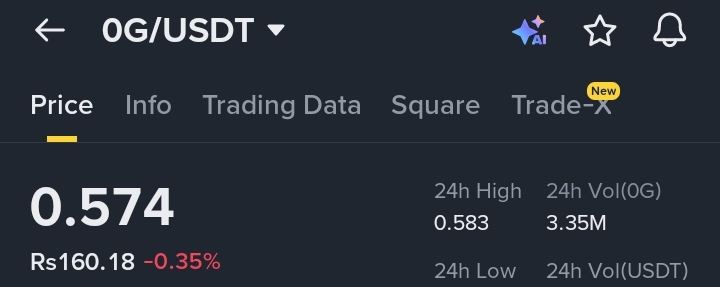
why OG price pump's???The recent pump in Tether (often called $OG USDT”) is usually driven by short-term demand spikes, liquidity imbalances, or temporary depegging fears rather than true value growth, since it’s designed to stay near $1.
Today’s movement likely reflects market volatility and trading pressure in crypto markets (e.g., shifts in Bitcoin or exchange flows), not a fundamental price increase—so any “pump” is typically brief and self-correcting.
why OG price pump's???
The recent pump in Tether (often called $OG USDT”) is usually driven by short-term demand spikes, liquidity imbalances, or temporary depegging fears rather than true value growth, since it’s designed to stay near $1.
Today’s movement likely reflects market volatility and trading pressure in crypto markets (e.g., shifts in Bitcoin or exchange flows), not a fundamental price increase—so any “pump” is typically brief and self-correcting.
Today’s movement likely reflects market volatility and trading pressure in crypto markets (e.g., shifts in Bitcoin or exchange flows), not a fundamental price increase—so any “pump” is typically brief and self-correcting.
170
·
--
Article
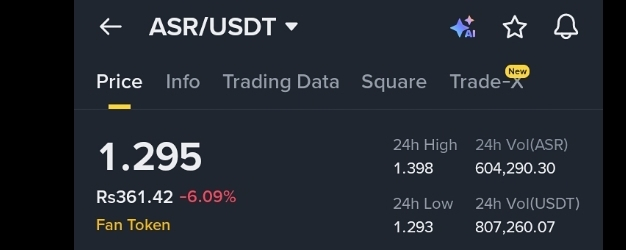
why ASR/usdt price pump's???$ASR /USDT (the AS Roma fan token) usually pumps because it’s a low market cap, high-volatility altcoin, so even small buying pressure can move price quickly. Recent data shows its trading volume jumped sharply (around +90% in 24h), which signals fresh demand entering the market . When volume rises like this—often due to traders, whales, or short-term hype—the price can spike even without major news. Also, fan tokens like $ASR are heavily influenced by overall crypto sentiment and social media activity, meaning quick rallies and drops are normal behavior .
For today’s small pump (under ~$500 move in pair terms), it’s likely driven by short-term trading momentum + technical bounce, not fundamentals. $ASR is currently moving around key support/resistance levels, so traders buy dips and trigger mini breakouts. These coins often react to Bitcoin trend, exchange activity, or even football-related hype, but most daily pumps are simply liquidity-driven moves rather than long-term growth signals.
why ASR/usdt price pump's???
$ASR /USDT (the AS Roma fan token) usually pumps because it’s a low market cap, high-volatility altcoin, so even small buying pressure can move price quickly. Recent data shows its trading volume jumped sharply (around +90% in 24h), which signals fresh demand entering the market . When volume rises like this—often due to traders, whales, or short-term hype—the price can spike even without major news. Also, fan tokens like $ASR are heavily influenced by overall crypto sentiment and social media activity, meaning quick rallies and drops are normal behavior .
For today’s small pump (under ~$500 move in pair terms), it’s likely driven by short-term trading momentum + technical bounce, not fundamentals. $ASR is currently moving around key support/resistance levels, so traders buy dips and trigger mini breakouts. These coins often react to Bitcoin trend, exchange activity, or even football-related hype, but most daily pumps are simply liquidity-driven moves rather than long-term growth signals.
For today’s small pump (under ~$500 move in pair terms), it’s likely driven by short-term trading momentum + technical bounce, not fundamentals. $ASR is currently moving around key support/resistance levels, so traders buy dips and trigger mini breakouts. These coins often react to Bitcoin trend, exchange activity, or even football-related hype, but most daily pumps are simply liquidity-driven moves rather than long-term growth signals.
345
·
--
Article
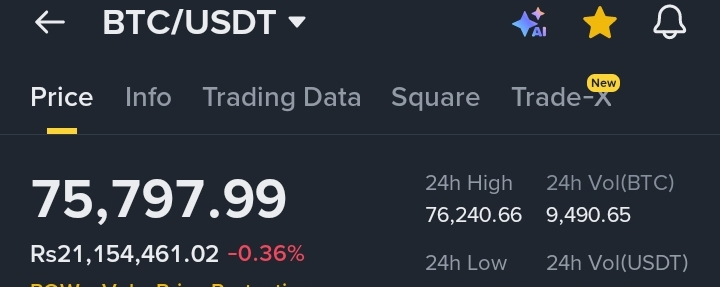
Why Bitcoin price pump's?$BITCOIN price usually “pumps” when demand suddenly outweighs supply. That can happen due to big institutional buying (like ETFs or large funds accumulating BTC), positive macro news (e.g., interest rate expectations or weaker dollar), or major adoption signals such as companies adding $BITCOIN to their balance sheets. Since Bitcoin has a fixed supply, even a modest increase in demand can push prices up quickly, especially in a market where liquidity is thin. Short squeezes also play a role—when traders betting against Bitcoin are forced to buy back at higher prices, it accelerates the upward move.
For today’s move (within roughly a $500 range), it’s likely a combination of short-term trading momentum and market sentiment rather than a single major event. Crypto markets often react to technical breakouts, whale activity, or broader risk-on behavior in global markets. Without a major headline, these smaller pumps are typically driven by traders rotating capital and exploiting volatility rather than long-term fundamental shifts.
Why Bitcoin price pump's?
$BITCOIN price usually “pumps” when demand suddenly outweighs supply. That can happen due to big institutional buying (like ETFs or large funds accumulating BTC), positive macro news (e.g., interest rate expectations or weaker dollar), or major adoption signals such as companies adding $BITCOIN to their balance sheets. Since Bitcoin has a fixed supply, even a modest increase in demand can push prices up quickly, especially in a market where liquidity is thin. Short squeezes also play a role—when traders betting against Bitcoin are forced to buy back at higher prices, it accelerates the upward move.
For today’s move (within roughly a $500 range), it’s likely a combination of short-term trading momentum and market sentiment rather than a single major event. Crypto markets often react to technical breakouts, whale activity, or broader risk-on behavior in global markets. Without a major headline, these smaller pumps are typically driven by traders rotating capital and exploiting volatility rather than long-term fundamental shifts.
For today’s move (within roughly a $500 range), it’s likely a combination of short-term trading momentum and market sentiment rather than a single major event. Crypto markets often react to technical breakouts, whale activity, or broader risk-on behavior in global markets. Without a major headline, these smaller pumps are typically driven by traders rotating capital and exploiting volatility rather than long-term fundamental shifts.
1
122
·
--
Article
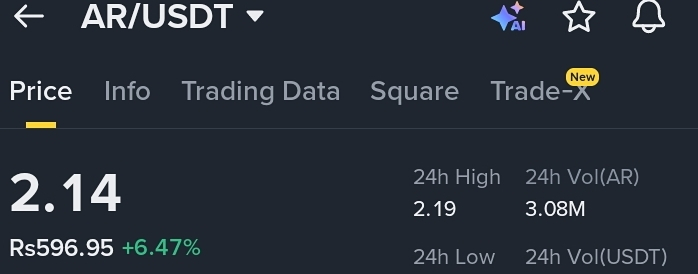
why AR/usdt pumps Price?The recent pump in $Arweave against Tether is largely being driven by a mix of narrative momentum and ecosystem-specific developments. Arweave has been gaining renewed attention because of growing interest in decentralized storage and “permaweb” applications, especially as AI and data permanence become hotter topics in crypto. Any announcements, partnerships, or upgrades tied to Arweave’s infrastructure—like improvements in data accessibility or integrations with Web3 platforms—tend to spark speculative demand. On top of that, when broader market sentiment turns bullish, mid-cap tokens like $AR often outperform due to their lower liquidity and higher upside potential, amplifying price moves.
Another key factor is market structure and trading behavior. $AR has relatively thinner liquidity compared to large-cap assets, so even moderate inflows can push prices up quickly. Traders often rotate profits from majors like Bitcoin and Ethereum into smaller narratives like storage or AI-related tokens, creating short-term spikes. Short squeezes can also accelerate pumps if traders betting against $AR are forced to close positions. Finally, social media hype and influencer attention can’t be ignored—once momentum builds, it becomes self-reinforcing as more traders jump in. Still, these moves can be volatile, so sharp pullbacks are just as common after rapid gains.
why AR/usdt pumps Price?
The recent pump in $Arweave against Tether is largely being driven by a mix of narrative momentum and ecosystem-specific developments. Arweave has been gaining renewed attention because of growing interest in decentralized storage and “permaweb” applications, especially as AI and data permanence become hotter topics in crypto. Any announcements, partnerships, or upgrades tied to Arweave’s infrastructure—like improvements in data accessibility or integrations with Web3 platforms—tend to spark speculative demand. On top of that, when broader market sentiment turns bullish, mid-cap tokens like $AR often outperform due to their lower liquidity and higher upside potential, amplifying price moves.
Another key factor is market structure and trading behavior. $AR has relatively thinner liquidity compared to large-cap assets, so even moderate inflows can push prices up quickly. Traders often rotate profits from majors like Bitcoin and Ethereum into smaller narratives like storage or AI-related tokens, creating short-term spikes. Short squeezes can also accelerate pumps if traders betting against $AR are forced to close positions. Finally, social media hype and influencer attention can’t be ignored—once momentum builds, it becomes self-reinforcing as more traders jump in. Still, these moves can be volatile, so sharp pullbacks are just as common after rapid gains.
Another key factor is market structure and trading behavior. $AR has relatively thinner liquidity compared to large-cap assets, so even moderate inflows can push prices up quickly. Traders often rotate profits from majors like Bitcoin and Ethereum into smaller narratives like storage or AI-related tokens, creating short-term spikes. Short squeezes can also accelerate pumps if traders betting against $AR are forced to close positions. Finally, social media hype and influencer attention can’t be ignored—once momentum builds, it becomes self-reinforcing as more traders jump in. Still, these moves can be volatile, so sharp pullbacks are just as common after rapid gains.
5
402
Log in to explore more content
Join global crypto users on Binance Square
⚡️ Get latest and useful information about crypto.
💬 Trusted by the world’s largest crypto exchange.
👍 Discover real insights from verified creators.
Email / Phone number
Trending Topics
BinanceIncidentReport
44,657 views
612 Discussing
29 October 2026 Binance Security Incident: Initial Findings and Response Update
Binance Blog
·306 Likes
·905.1k views
BinanceReopensWithdrawalsForMoreAssets
160,820 views
1,794 Discussing
BinanceHourlyDepositsExceedWithdrawals
76,671 views
826 Discussing