
DPodoprigora
128 Posts
DPodoprigora
Report
Block User
16 Following
23 Followers
147 Liked
Posts
All
Quotes
·
--
Article
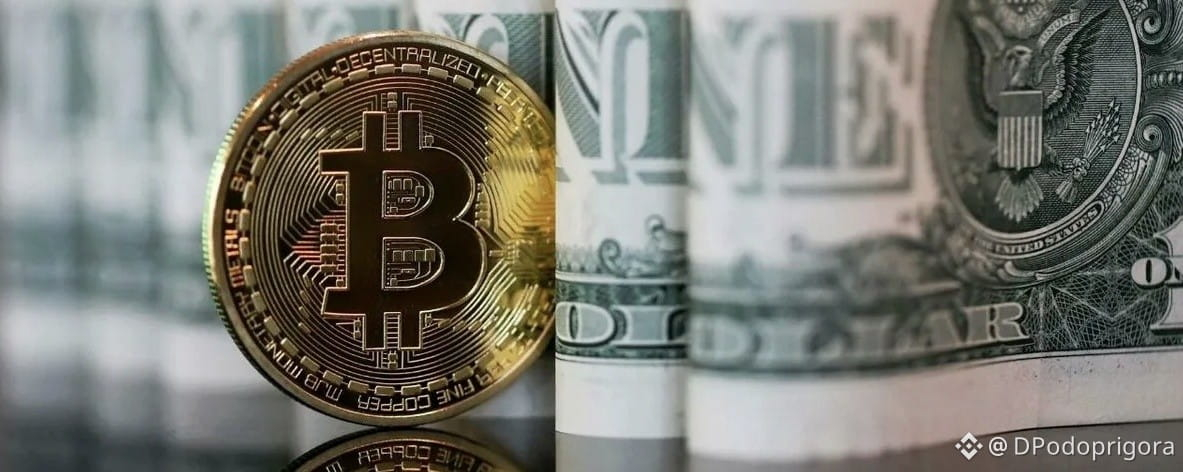
Ray Dalio and the Birth of the All Weather PortfolioHow to Survive Any Crypto Crash: The Secret to Ray Dalio’s Investment Strategy
#Binance History
Ray Dalio is the founder of Bridgewater Associates, the world’s largest hedge fund. Having weathered many severe crises, Dalio asked himself: How can you create an investment portfolio that grows steadily regardless of whether the market is falling or rising, or whether inflation or recession sets in?
Ray Dalio and the Birth of the All Weather Portfolio
How to Survive Any Crypto Crash: The Secret to Ray Dalio’s Investment Strategy
#Binance History
Ray Dalio is the founder of Bridgewater Associates, the world’s largest hedge fund. Having weathered many severe crises, Dalio asked himself: How can you create an investment portfolio that grows steadily regardless of whether the market is falling or rising, or whether inflation or recession sets in?
1
116
·
--
Article
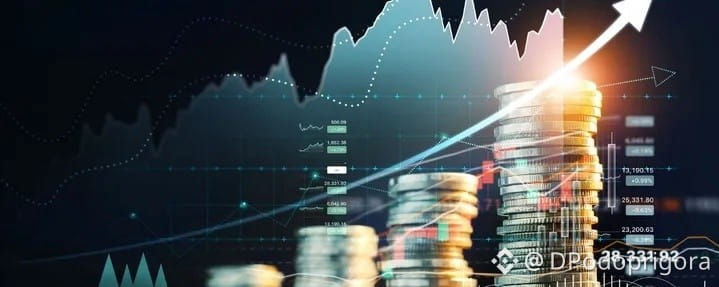
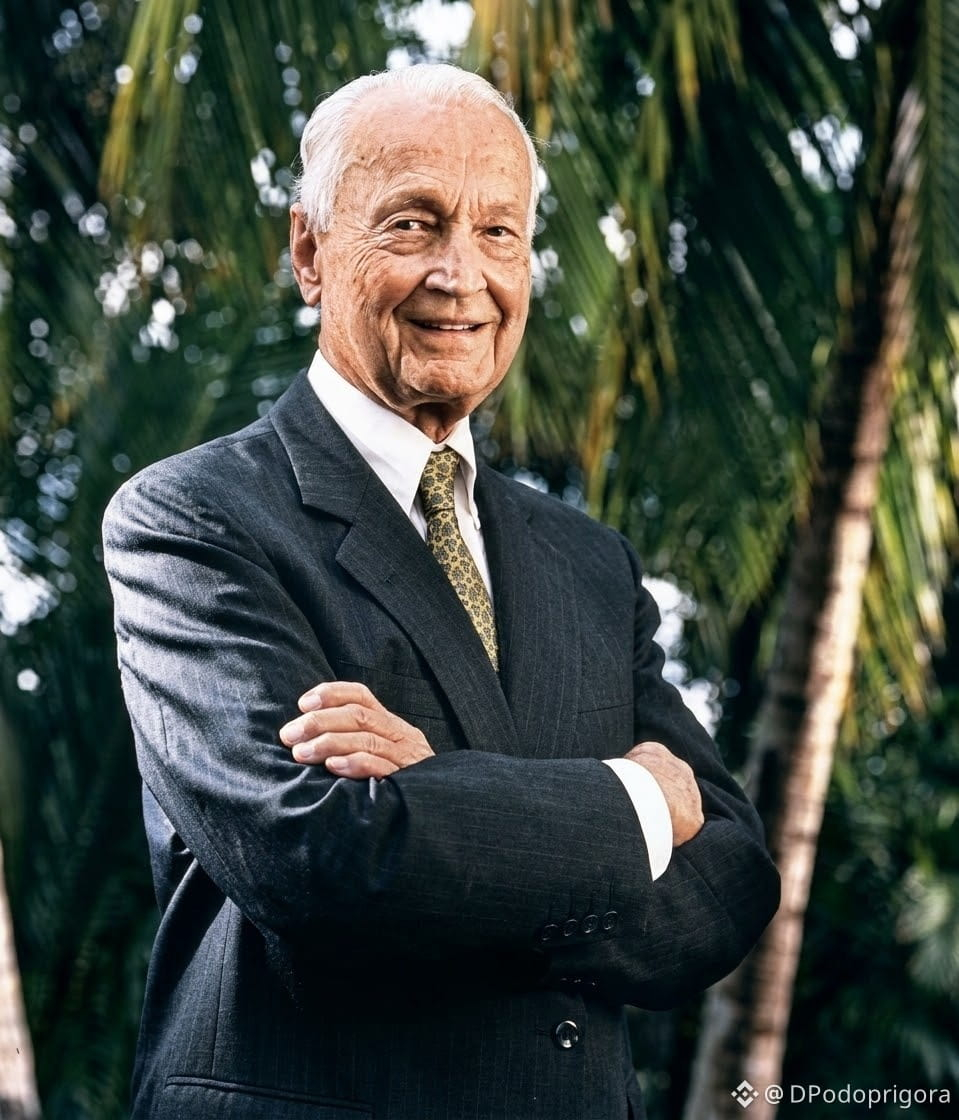
Victor Sperandeo (Trader “Pilot”): The Secret to Discipline and Survival in the MarketsThe 1% Rule from a Legendary Trader: Why Professionals Never Lose More Than Their Account Deposit on a Trade.
History
Victor Sperandeo (nicknamed “Trader Pilot”) managed large pools of capital on Wall Street for more than 30 years and became famous for never closing a year at a loss. At the height of severe market crashes (including the 1987 crash), his accounts not only survived but grew.
Victor Sperandeo (Trader “Pilot”): The Secret to Discipline and Survival in the Markets
The 1% Rule from a Legendary Trader: Why Professionals Never Lose More Than Their Account Deposit on a Trade.
History
Victor Sperandeo (nicknamed “Trader Pilot”) managed large pools of capital on Wall Street for more than 30 years and became famous for never closing a year at a loss. At the height of severe market crashes (including the 1987 crash), his accounts not only survived but grew.
History
Victor Sperandeo (nicknamed “Trader Pilot”) managed large pools of capital on Wall Street for more than 30 years and became famous for never closing a year at a loss. At the height of severe market crashes (including the 1987 crash), his accounts not only survived but grew.
1
89
·
--
Food for thought!
Food for thought!
Golos Baffeta
·
--
Notes for the Select Few
Let’s start with the current situation and then move on to the global agenda.
As of today, I’m still waiting for regulatory policy on all crypto projects to get underway. I think that as early as January–February 2027, it will clearly define various assets. Stablecoins will certainly be addressed right away as well.
As of today, I’m still waiting for regulatory policy on all crypto projects to get underway. I think that as early as January–February 2027, it will clearly define various assets. Stablecoins will certainly be addressed right away as well.

1
42
·
--
Article
George Soros and the Attack on the Bank of England: How to Break the System with MathematicsHow George Soros “crashed” the pound sterling and made $1 billion in a single day
History
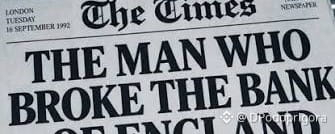
On September 16, 1992 (“Black Wednesday”), George Soros’s Quantum Fund made the most famous speculative trade in history. Soros spotted an imbalance: the Bank of England was artificially holding the pound sterling’s exchange rate within the European Exchange Rate Mechanism, even though the UK economy was in recession and could not withstand high interest rates.
George Soros and the Attack on the Bank of England: How to Break the System with Mathematics
How George Soros “crashed” the pound sterling and made $1 billion in a single day
History
On September 16, 1992 (“Black Wednesday”), George Soros’s Quantum Fund made the most famous speculative trade in history. Soros spotted an imbalance: the Bank of England was artificially holding the pound sterling’s exchange rate within the European Exchange Rate Mechanism, even though the UK economy was in recession and could not withstand high interest rates.
1
203
·
--
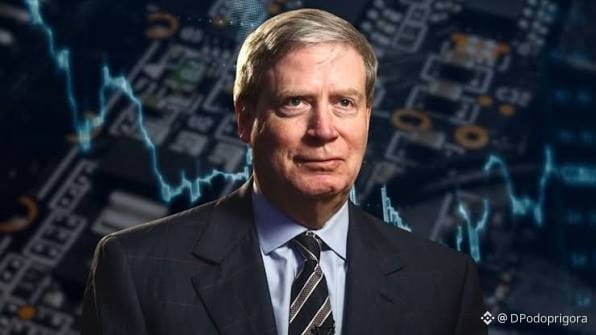
“Trends exist because it takes people time to process and accept new information.” — Stanley Druckenmiller
Stanley Freeman Druckenmiller is an American billionaire investor and financier, founder of Duquesne Capital, and is considered one of the most successful managers on Wall Street. His personal fortune is estimated at $4.8 billion. He is a philanthropist and an associate of George Soros, whose Quantum Fund he managed.
#BTC #XRP #XAU #stock
1
215
·
--
Article
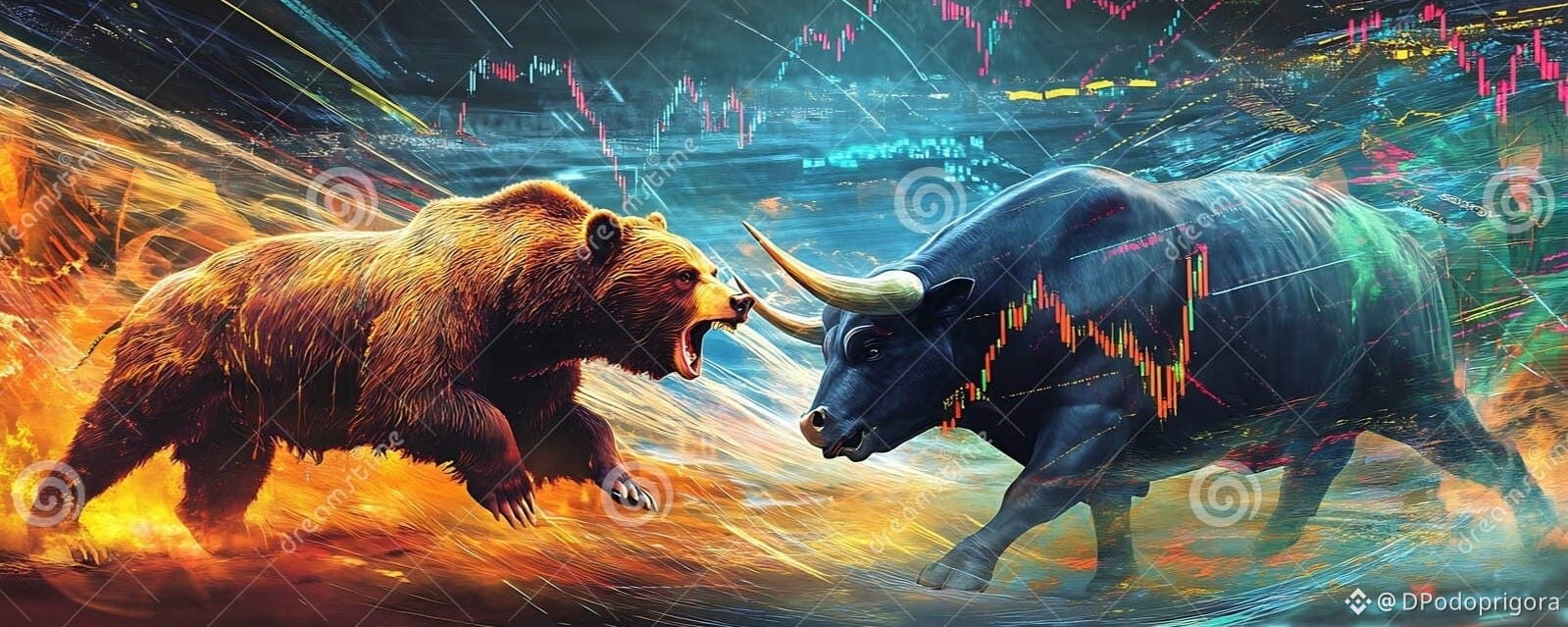
Michael Burry and the Collapse of the Mortgage Bubble: Patience Versus “Market Madness”How Michael Burry Shorted the Market 2 Years Before the Crash: The Key Lesson for Crypto Bears
History
Michael Burry (the brilliant investor featured in the film “The Big Short”) realized back in 2005–2006 that the U.S. mortgage market was built on “thin air.” He opened enormous short positions by buying credit default swaps.
Michael Burry and the Collapse of the Mortgage Bubble: Patience Versus “Market Madness”
How Michael Burry Shorted the Market 2 Years Before the Crash: The Key Lesson for Crypto Bears
History
Michael Burry (the brilliant investor featured in the film “The Big Short”) realized back in 2005–2006 that the U.S. mortgage market was built on “thin air.” He opened enormous short positions by buying credit default swaps.
History
Michael Burry (the brilliant investor featured in the film “The Big Short”) realized back in 2005–2006 that the U.S. mortgage market was built on “thin air.” He opened enormous short positions by buying credit default swaps.
2
187
·
--
Article
John Templeton and buying “to the sound of cannons”Concept: Deep value investor, extreme contrarianism, and psychological resilience.
The phrase “Buy to the sound of cannons, sell to the sound of trumpets” (a variant: “to the sound of fanfare”) is a classic stock market aphorism. It is believed to have been coined by the famous 18th-century financier Nathan Rothschild. The strategy is simple: geopolitical disasters, wars, and panic cause share prices to plunge, creating the best conditions for long-term investment, while the arrival of peace and euphoria is the time to take profits.
John Templeton and buying “to the sound of cannons”
Concept: Deep value investor, extreme contrarianism, and psychological resilience.
The phrase “Buy to the sound of cannons, sell to the sound of trumpets” (a variant: “to the sound of fanfare”) is a classic stock market aphorism. It is believed to have been coined by the famous 18th-century financier Nathan Rothschild. The strategy is simple: geopolitical disasters, wars, and panic cause share prices to plunge, creating the best conditions for long-term investment, while the arrival of peace and euphoria is the time to take profits.
The phrase “Buy to the sound of cannons, sell to the sound of trumpets” (a variant: “to the sound of fanfare”) is a classic stock market aphorism. It is believed to have been coined by the famous 18th-century financier Nathan Rothschild. The strategy is simple: geopolitical disasters, wars, and panic cause share prices to plunge, creating the best conditions for long-term investment, while the arrival of peace and euphoria is the time to take profits.
1
159
·
--
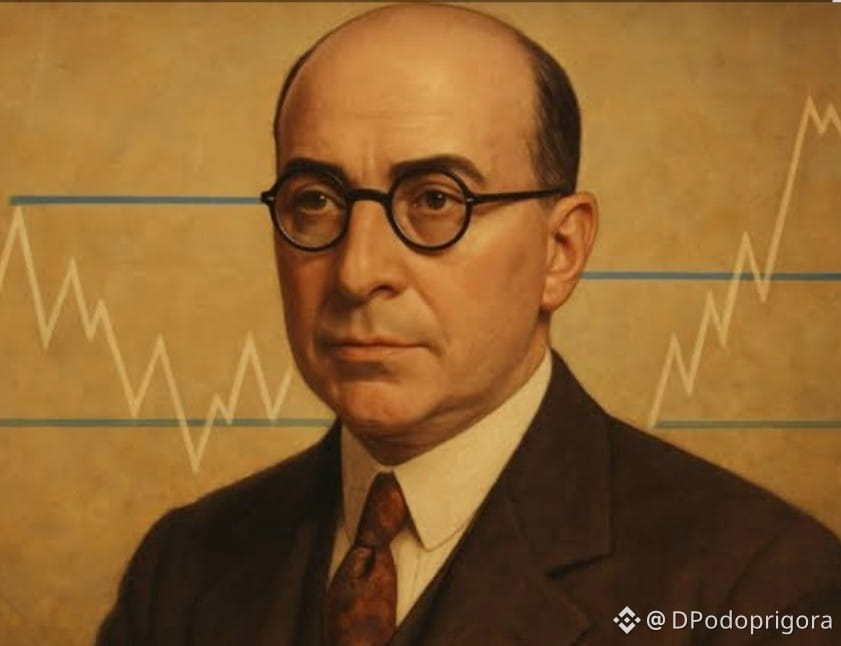
“The crowd is always wrong at market extremes.” — Humphrey Neill
Key facts:
Occupation: He published the influential newsletter Neill’s Contrary Opinion, writing from a secluded farmhouse in Vermont, far from the hustle and bustle of Wall Street.
Key idea: He is widely known for his aphorism: “When everybody thinks alike, everyone is likely to be wrong.”
View of the crowd: Neill argued that the crowd is usually right during the course of a market trend, but wrong at the very beginning and end of reversals (giving in to greed, fear, and herd mentality).
Major books:
The Art of Contrary Thinking (1954)
Tape Reading & Market Tactics (1931)
The Inside Story of the Stock Exchange (1950)
#BTC #XRP #XAU #BinanceSquareFamily

1
156
·
--
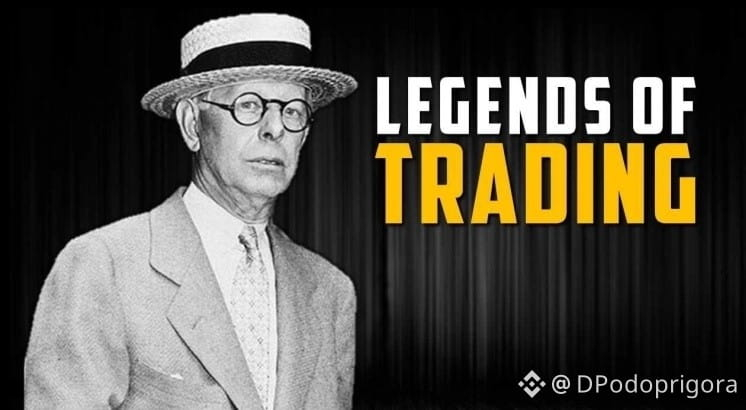
“The story on Wall Street always repeats itself because human nature never changes.” — Jesse Livermore
#BTC #ETH #XRP #BinanceSquareFamily
“The story on Wall Street always repeats itself because human nature never changes.” — Jesse Livermore
#BTC #ETH #XRP #BinanceSquareFamily
#BTC #ETH #XRP #BinanceSquareFamily
1
105
·
--
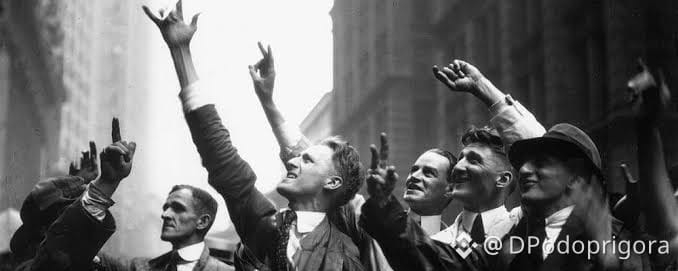
Article
Jesse Livermore and the Short Sale of the “Great Crash of 1929”Concept: A gambler’s instinct, an understanding of market psychology, major trends, and a tragic lesson in risk management.
History
Jesse Livermore (nicknamed “The Boy Plunger” and “The Great Bear of Wall Street”) was one of the most charismatic and distinctive traders in history. He started out as a quotation boy in the late 19th century, studying prices on the ticker tape (tape reading), and made and lost million-dollar fortunes from scratch several times. His peak came during the economic crisis of 1929.
Jesse Livermore and the Short Sale of the “Great Crash of 1929”
Concept: A gambler’s instinct, an understanding of market psychology, major trends, and a tragic lesson in risk management.
History
Jesse Livermore (nicknamed “The Boy Plunger” and “The Great Bear of Wall Street”) was one of the most charismatic and distinctive traders in history. He started out as a quotation boy in the late 19th century, studying prices on the ticker tape (tape reading), and made and lost million-dollar fortunes from scratch several times. His peak came during the economic crisis of 1929.
1
137
·
--

Article
Richard Dennis and the “Turtle Traders” Experiment (Turtle Traders)Concept: Discipline, trend following (Trend Following), systematic risk management, and rejecting intuition.
History
In the 1970s, Richard Dennis turned a borrowed $1,600 into more than $200 million by trading in the commodity and futures markets. In 1983, a fundamental dispute arose between him and his partner, William Eckhardt:
Richard Dennis and the “Turtle Traders” Experiment (Turtle Traders)
Concept: Discipline, trend following (Trend Following), systematic risk management, and rejecting intuition.
History
In the 1970s, Richard Dennis turned a borrowed $1,600 into more than $200 million by trading in the commodity and futures markets. In 1983, a fundamental dispute arose between him and his partner, William Eckhardt:
History
In the 1970s, Richard Dennis turned a borrowed $1,600 into more than $200 million by trading in the commodity and futures markets. In 1983, a fundamental dispute arose between him and his partner, William Eckhardt:
1
141
Log in to explore more content
Join global crypto users on Binance Square
⚡️ Get latest and useful information about crypto.
💬 Trusted by the world’s largest crypto exchange.
👍 Discover real insights from verified creators.
Email / Phone number
Trending Topics
HotCPIDecemberHikePriced
91,162 views
1,087 Discussing
CPI Market Watch | US CPI Rises 0.4% in October, Hotter Than 0.3% Forecast
Binance News
·27 Likes
·41.4k views
TrumpMediaAdds1510BTCInQ3
2,111 views
73 Discussing
AnthropicRejectsIPODelayValuationinQuestion
216,699 views
1,818 Discussing