

合约赌神高进
23 Posts

合约赌神高进
Report
Block User
深耕合约交易多年,专抓高胜率优质行情,精准预判多空拐点,正式开启10U本金复利冲击100万U挑战,稳扎稳打以复利持续放大本金。
Open Trade
High-Frequency Trader
3.6 Months
1.5K+ Following
3.1K+ Followers
3.6K+ Liked
Posts
Portfolio
·
--
Article
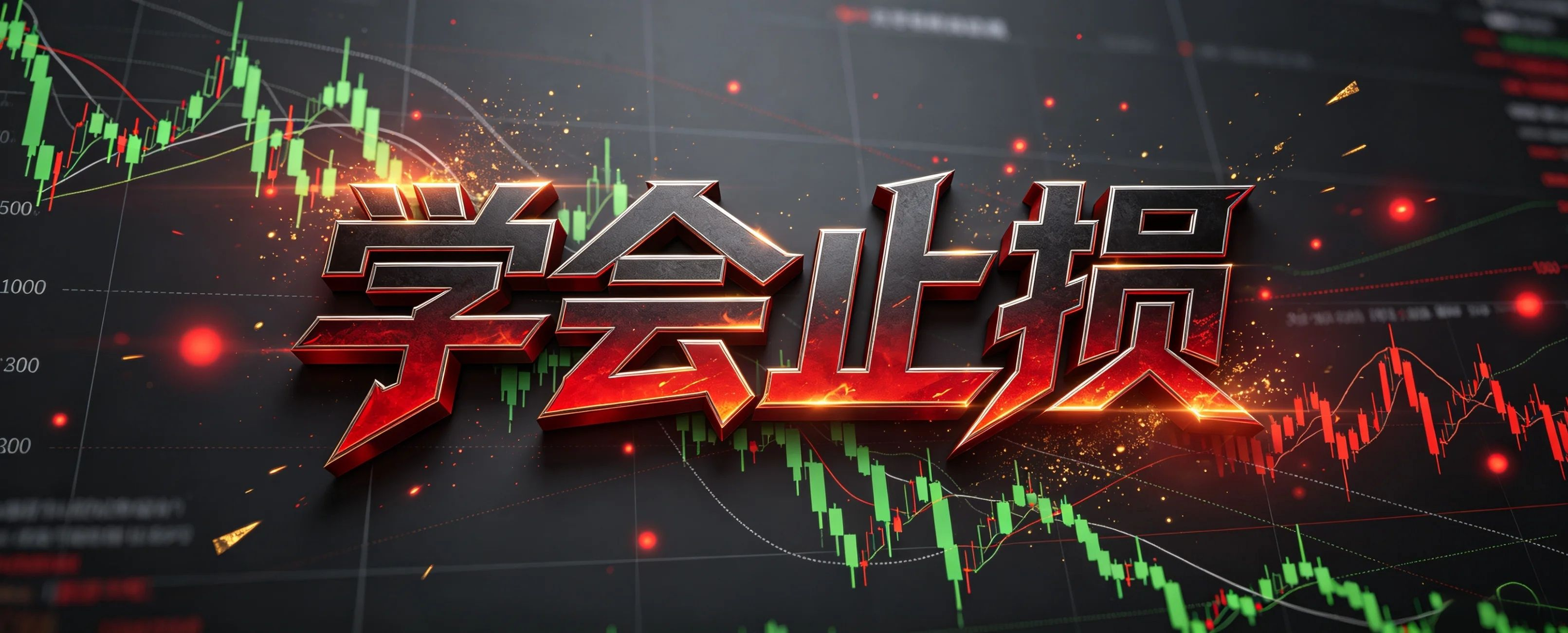
🔥 In trading, learning to use stop-loss is the ordinary person’s only life-saving trump card!After trading for a long time, you’ll discover a hard truth that stings: most people lose money not because they misread the market, but because they refuse to stop-loss and keep holding on.
The market will never give you any leniency because you’re stubborn, unwilling to give up, or because of your entry cost. Beginners think a stop-loss means admitting defeat—losing money. Experienced traders know: a stop-loss isn’t a loss; it’s risk control. Without stop-losses, that’s the real disaster.
Many people’s trading tragedies follow the exact same script.
When you’re down a little, you keep hoping for a lucky break—telling yourself to wait a bit longer, that it will bounce back, that you’ll get back to even. You’re reluctant to cut the unrealized loss. When the market only fluctuates slightly, you comfort yourself that it’s just a pullback; when the trend fully reverses, you still blindly try to bottom-fish and add more to lower your average cost.
🔥 In trading, learning to use stop-loss is the ordinary person’s only life-saving trump card!
After trading for a long time, you’ll discover a hard truth that stings: most people lose money not because they misread the market, but because they refuse to stop-loss and keep holding on.
The market will never give you any leniency because you’re stubborn, unwilling to give up, or because of your entry cost. Beginners think a stop-loss means admitting defeat—losing money. Experienced traders know: a stop-loss isn’t a loss; it’s risk control. Without stop-losses, that’s the real disaster.
Many people’s trading tragedies follow the exact same script.
When you’re down a little, you keep hoping for a lucky break—telling yourself to wait a bit longer, that it will bounce back, that you’ll get back to even. You’re reluctant to cut the unrealized loss. When the market only fluctuates slightly, you comfort yourself that it’s just a pullback; when the trend fully reverses, you still blindly try to bottom-fish and add more to lower your average cost.
The market will never give you any leniency because you’re stubborn, unwilling to give up, or because of your entry cost. Beginners think a stop-loss means admitting defeat—losing money. Experienced traders know: a stop-loss isn’t a loss; it’s risk control. Without stop-losses, that’s the real disaster.
Many people’s trading tragedies follow the exact same script.
When you’re down a little, you keep hoping for a lucky break—telling yourself to wait a bit longer, that it will bounce back, that you’ll get back to even. You’re reluctant to cut the unrealized loss. When the market only fluctuates slightly, you comfort yourself that it’s just a pullback; when the trend fully reverses, you still blindly try to bottom-fish and add more to lower your average cost.
997
2
76
997
·
--
Article
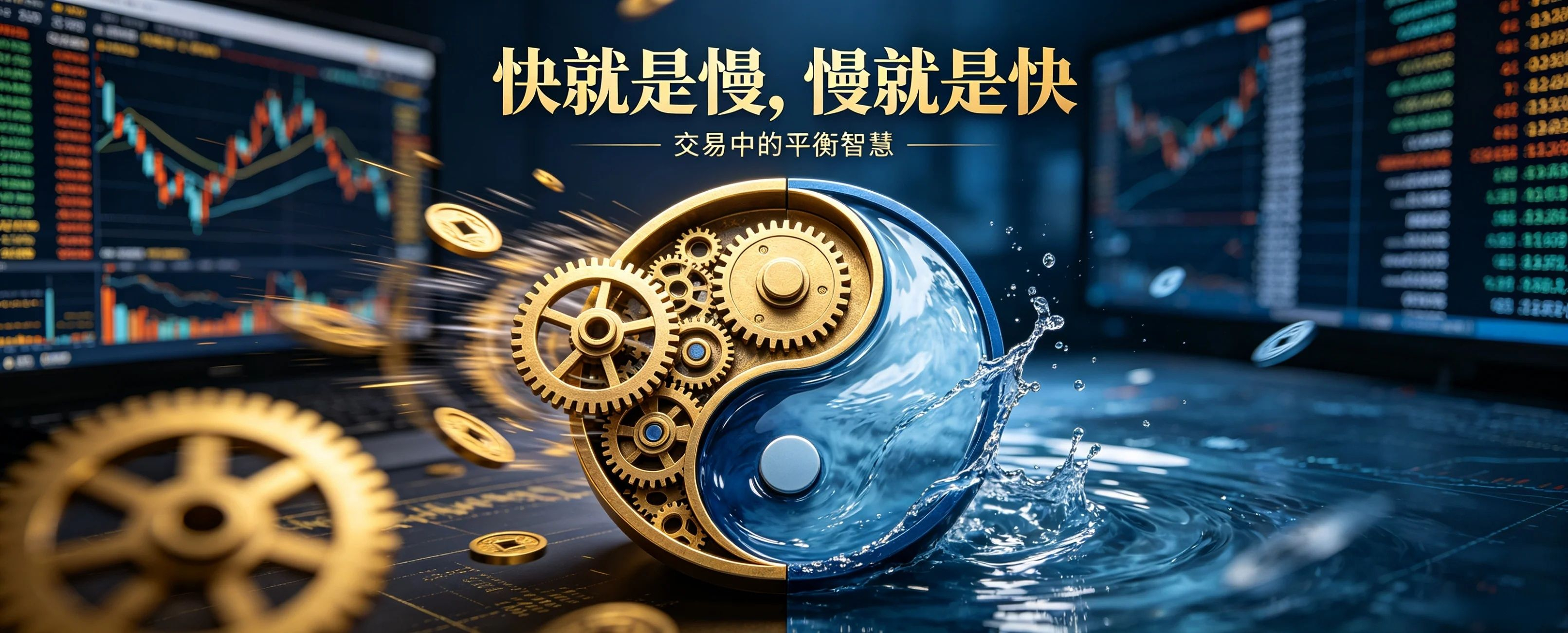
Trading Mastery: Fast is Slow, Slow is Fast, Have You Gotten It?The longer you hang out in the trading market, the more you understand the old saying: fast is slow, and slow is fast.
These eight characters are the root cause of losses for most traders and the foundational mindset for stable profits.
What does 'fast' mean in trading?
Most newbies get it fast:
Frequent entries, chasing pumps and dumps, going all-in during the day, jumping in at every fluctuation, cashing out at the slightest profit, holding on at the first sign of a loss, always wanting to catch every market wave, itching to trade ten times a day, doubling overnight.
This rush for profit, craving speed, and ignoring the rules is essentially greed and impatience.
Trading Mastery: Fast is Slow, Slow is Fast, Have You Gotten It?
The longer you hang out in the trading market, the more you understand the old saying: fast is slow, and slow is fast.
These eight characters are the root cause of losses for most traders and the foundational mindset for stable profits.
What does 'fast' mean in trading?
Most newbies get it fast:
Frequent entries, chasing pumps and dumps, going all-in during the day, jumping in at every fluctuation, cashing out at the slightest profit, holding on at the first sign of a loss, always wanting to catch every market wave, itching to trade ten times a day, doubling overnight.
This rush for profit, craving speed, and ignoring the rules is essentially greed and impatience.
These eight characters are the root cause of losses for most traders and the foundational mindset for stable profits.
What does 'fast' mean in trading?
Most newbies get it fast:
Frequent entries, chasing pumps and dumps, going all-in during the day, jumping in at every fluctuation, cashing out at the slightest profit, holding on at the first sign of a loss, always wanting to catch every market wave, itching to trade ten times a day, doubling overnight.
This rush for profit, craving speed, and ignoring the rules is essentially greed and impatience.
136
3
29
136
Log in to explore more content
Join global crypto users on Binance Square
⚡️ Get latest and useful information about crypto.
💬 Trusted by the world’s largest crypto exchange.
👍 Discover real insights from verified creators.
Email / Phone number