
What is liquidity premium? Yan Xiaojuan, who is good at extracting complex things and simplifying thinking, will explain to you today in simple terms what liquidity premium is.
Whether you can catch the bull market depends entirely on whether you understand the liquidity premium.
For example, those who have been working hard to get Binance peripherals recently, please stop! Since Binance peripherals are issued in limited quantities each year, the supply is insufficient, but there are a lot of crypto practitioners, and the demand is greater than the supply, so a set of second-hand peripherals on Xianyu is auctioned for more than 10,000 yuan. This is the liquidity premium.
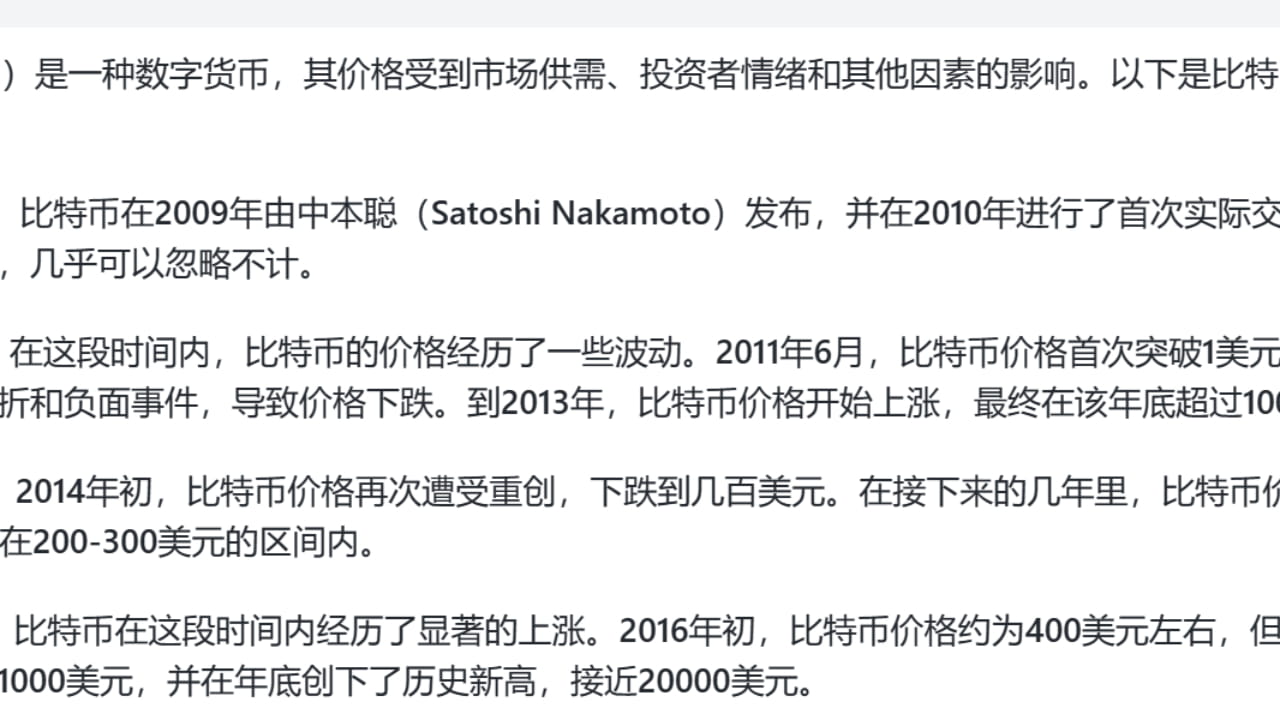
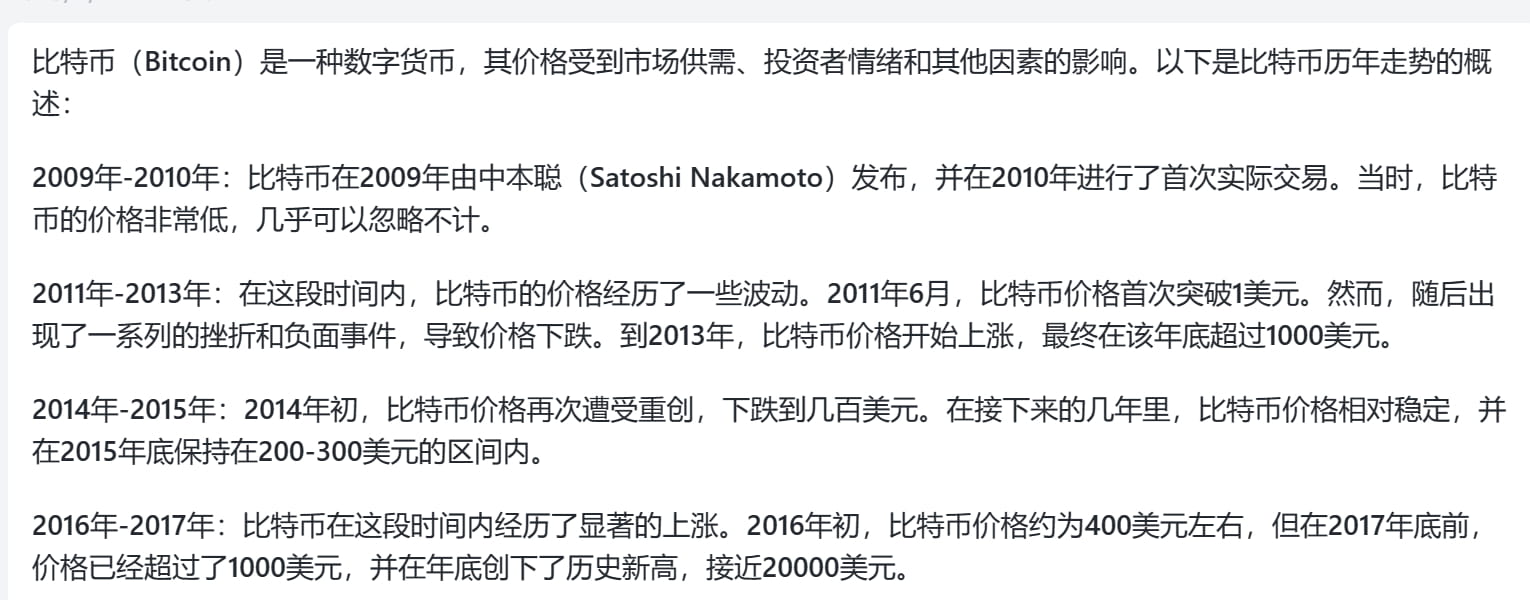
For example, in the 2017 bull market, Bitcoin was only in the CX stage and consensus had not yet been formed. At that time, I was an international student in a library on the other side of the ocean, and I felt uncomfortable if I didn’t study for a minute. The historical data of Bitcoin is as follows. How many people accumulated wealth in 2016-2017? Seeing the data, I am heartbroken now!
Liquidity premium refers to a situation where the market price of an asset is higher than its intrinsic value. It usually occurs when there is an imbalance in market supply and demand, low trading volume or insufficient market liquidity.
The reasons for the liquidity premium may include the following aspects:
Supply and demand imbalance: When the demand for an asset exceeds the supply, the market price will increase, resulting in a liquidity premium. This may be due to increased investor demand for the asset while the supply is limited.
Low trading volume: If the trading volume of an asset is low and the market liquidity is insufficient, traders may be willing to pay a higher price to ensure that they can buy or sell the asset. In this case, a liquidity premium may appear.
Market risk: In situations of increased market risk or uncertainty, investors may become more interested in more liquid assets, causing the prices of these assets to rise and a liquidity premium to emerge.
Liquidity premium can be a challenge and risk for investors because they may buy assets at a price higher than their intrinsic value. Therefore, investors should carefully evaluate the liquidity premium and pay attention to the supply and demand of the market and the fundamental value of the asset. In addition, investors can also consider using limit orders to control the price when buying or selling assets to avoid excessive liquidity premiums.