

Web3 X先生
1.2k Posts
 LIVE
LIVEWeb3 X先生
Report
Block User
Web3 6年行业观察 | 行情 价格 走势 分析 | X:blockx8855 | 公众号:加密老丁 | 每日策略 热点解读
Frequent Trader
5.7 Months
31 Following
2.0K+ Followers
487 Liked
Posts
All
Quotes
Live
·
--
【Non-Farm Only Adds 29,000 Jobs; Bitcoin Reverses and Soars to $86,000—What Is the Money Betting On?🔥📈】
Join Mr. X’s fan chat group on the homepage🔥
First, look at these employment data. In September, the U.S. added only 29,000 jobs. The market had originally expected 84,000. That’s a huge miss. The unemployment rate also rose to 4.2%. The first two months were revised down by another 60,000.🍂
The bond market reacted most directly. The yield on the U.S. 2-year Treasury fell by 7.7 basis points. The 10-year fell by 5.6 basis points. The 30-year dropped by 2.8 basis points. All three lines moved down together. They had only just hit fresh record highs this century a few days ago.📉
The logic is simple. If jobs are harder to find, the case for further rate hikes weakens. Traders immediately slashed rate-hike bets downward. The probability of holding rates steady in October surged to 82.8%. The next rate hike was pushed out to year-end. Some people even said, “A rate hike in October won’t happen.”🧊
Bitcoin’s reaction was the most straightforward. As soon as the data came out, the price moved above $86,000. The intraday gain was close to 3%. Gold also jumped higher. U.S. stock index futures rose in tandem. This time, both the cautious and the adventurous went up together.🚀
The money is moving back, too. On Thursday, U.S. Bitcoin ETFs saw net inflows of $103 million. Just one—BlackRock’s—bought in $196 million. In the past 30 days, cumulative inflows totaled $2.99 billion. The record of nine consecutive up days was broken by just one day, and the money came right back. The institutions’ hands never really stopped.💰
On the other side, it’s much colder. Ethereum ETFs recorded net outflows for the third straight trading day. On Thursday alone, another $55.37 million left. With the same set of data in front of everyone, the money only chooses Bitcoin. This kind of favoritism is rare in a bull market. The next data release will give the answer soon.⚖️
📌 A shockingly cool employment report not only scattered rate-hike expectations, but also pushed Bitcoin up to $86,000.
So is the market actually turning for real now? In this wave, do you dare to chase?
【Non-Farm Only Adds 29,000 Jobs; Bitcoin Reverses and Soars to $86,000—What Is the Money Betting On?🔥📈】
Join Mr. X’s fan chat group on the homepage🔥
First, look at these employment data. In September, the U.S. added only 29,000 jobs. The market had originally expected 84,000. That’s a huge miss. The unemployment rate also rose to 4.2%. The first two months were revised down by another 60,000.🍂
The bond market reacted most directly. The yield on the U.S. 2-year Treasury fell by 7.7 basis points. The 10-year fell by 5.6 basis points. The 30-year dropped by 2.8 basis points. All three lines moved down together. They had only just hit fresh record highs this century a few days ago.📉
The logic is simple. If jobs are harder to find, the case for further rate hikes weakens. Traders immediately slashed rate-hike bets downward. The probability of holding rates steady in October surged to 82.8%. The next rate hike was pushed out to year-end. Some people even said, “A rate hike in October won’t happen.”🧊
Bitcoin’s reaction was the most straightforward. As soon as the data came out, the price moved above $86,000. The intraday gain was close to 3%. Gold also jumped higher. U.S. stock index futures rose in tandem. This time, both the cautious and the adventurous went up together.🚀
The money is moving back, too. On Thursday, U.S. Bitcoin ETFs saw net inflows of $103 million. Just one—BlackRock’s—bought in $196 million. In the past 30 days, cumulative inflows totaled $2.99 billion. The record of nine consecutive up days was broken by just one day, and the money came right back. The institutions’ hands never really stopped.💰
On the other side, it’s much colder. Ethereum ETFs recorded net outflows for the third straight trading day. On Thursday alone, another $55.37 million left. With the same set of data in front of everyone, the money only chooses Bitcoin. This kind of favoritism is rare in a bull market. The next data release will give the answer soon.⚖️
📌 A shockingly cool employment report not only scattered rate-hike expectations, but also pushed Bitcoin up to $86,000.
So is the market actually turning for real now? In this wave, do you dare to chase?
Join Mr. X’s fan chat group on the homepage🔥
First, look at these employment data. In September, the U.S. added only 29,000 jobs. The market had originally expected 84,000. That’s a huge miss. The unemployment rate also rose to 4.2%. The first two months were revised down by another 60,000.🍂
The bond market reacted most directly. The yield on the U.S. 2-year Treasury fell by 7.7 basis points. The 10-year fell by 5.6 basis points. The 30-year dropped by 2.8 basis points. All three lines moved down together. They had only just hit fresh record highs this century a few days ago.📉
The logic is simple. If jobs are harder to find, the case for further rate hikes weakens. Traders immediately slashed rate-hike bets downward. The probability of holding rates steady in October surged to 82.8%. The next rate hike was pushed out to year-end. Some people even said, “A rate hike in October won’t happen.”🧊
Bitcoin’s reaction was the most straightforward. As soon as the data came out, the price moved above $86,000. The intraday gain was close to 3%. Gold also jumped higher. U.S. stock index futures rose in tandem. This time, both the cautious and the adventurous went up together.🚀
The money is moving back, too. On Thursday, U.S. Bitcoin ETFs saw net inflows of $103 million. Just one—BlackRock’s—bought in $196 million. In the past 30 days, cumulative inflows totaled $2.99 billion. The record of nine consecutive up days was broken by just one day, and the money came right back. The institutions’ hands never really stopped.💰
On the other side, it’s much colder. Ethereum ETFs recorded net outflows for the third straight trading day. On Thursday alone, another $55.37 million left. With the same set of data in front of everyone, the money only chooses Bitcoin. This kind of favoritism is rare in a bull market. The next data release will give the answer soon.⚖️
📌 A shockingly cool employment report not only scattered rate-hike expectations, but also pushed Bitcoin up to $86,000.
So is the market actually turning for real now? In this wave, do you dare to chase?

465
·
--
【On-Chain Trading of US Stocks Quietly Breaks 1 Billion, With Binance Chain Taking a Full 30% of the Pie 🔥📈】
Join Mr. X’s fan chat on the homepage 🔥
There’s something small that everyone has been ignoring lately. Tokenized US stocks on-chain have quietly surpassed 1 billion in scale. The whole market has already climbed to 3.7 billion. Leading the pack is Binance Chain, which accounts for about 30%. Second place is Ethereum, with a little over 800 million. This track is only just beginning—now people are starting to take it seriously. 🌐
Let’s rewind to this January. Back then, the entire market combined was only 700 million. In less than a year, it more than quintupled. The month-over-month growth rate in September was around 17%. That works out to an extra 50+ million dollars in a month. The money is truly moving onto the chain. 🚀
On Binance Chain, the number of tokenized stock addresses is 1.8 million—about 45% of the whole market. This includes Binance’s own bStocks, as well as tokenized securities like Ondo. Products are being migrated onto-chain in batches. US stocks and ETFs can be moved onto the chain in a tangible, real way. 🪙
For regular retail investors, this is a whole different playbook. You no longer need to wait for market open and close. On-chain trading can happen 24/7. Even one share can be split into very, very small pieces. You can buy directly without having an overseas brokerage account. The onboarding barrier is much lower than it used to be. 🎯
But don’t treat tokenized stocks as “real stocks.” In fact, you don’t have voting rights. How dividends are distributed depends on the platform’s rules. On-chain liquidity is still fairly thin right now. If you want to unload large quantities, it’s not certain there will be someone willing to take the other side. And if something goes wrong with the platform, it won’t be easy to hold anyone accountable. 🚨
Right now, the race is about who becomes the leader in this track. Binance Chain already took a first win. Ethereum and Solana won’t just sit back. Most likely, there will be another round of talent-grabbing and subsidies afterward. For anyone who wants to get exposure to US stocks, this is good news—when competition gets fiercer, the cost of getting access drops. 🔍
📌 One sentence: When stocks are moved on-chain, whoever controls the entry wins.
Will you buy US stocks on-chain, or keep using a brokerage?
【On-Chain Trading of US Stocks Quietly Breaks 1 Billion, With Binance Chain Taking a Full 30% of the Pie 🔥📈】
Join Mr. X’s fan chat on the homepage 🔥
There’s something small that everyone has been ignoring lately. Tokenized US stocks on-chain have quietly surpassed 1 billion in scale. The whole market has already climbed to 3.7 billion. Leading the pack is Binance Chain, which accounts for about 30%. Second place is Ethereum, with a little over 800 million. This track is only just beginning—now people are starting to take it seriously. 🌐
Let’s rewind to this January. Back then, the entire market combined was only 700 million. In less than a year, it more than quintupled. The month-over-month growth rate in September was around 17%. That works out to an extra 50+ million dollars in a month. The money is truly moving onto the chain. 🚀
On Binance Chain, the number of tokenized stock addresses is 1.8 million—about 45% of the whole market. This includes Binance’s own bStocks, as well as tokenized securities like Ondo. Products are being migrated onto-chain in batches. US stocks and ETFs can be moved onto the chain in a tangible, real way. 🪙
For regular retail investors, this is a whole different playbook. You no longer need to wait for market open and close. On-chain trading can happen 24/7. Even one share can be split into very, very small pieces. You can buy directly without having an overseas brokerage account. The onboarding barrier is much lower than it used to be. 🎯
But don’t treat tokenized stocks as “real stocks.” In fact, you don’t have voting rights. How dividends are distributed depends on the platform’s rules. On-chain liquidity is still fairly thin right now. If you want to unload large quantities, it’s not certain there will be someone willing to take the other side. And if something goes wrong with the platform, it won’t be easy to hold anyone accountable. 🚨
Right now, the race is about who becomes the leader in this track. Binance Chain already took a first win. Ethereum and Solana won’t just sit back. Most likely, there will be another round of talent-grabbing and subsidies afterward. For anyone who wants to get exposure to US stocks, this is good news—when competition gets fiercer, the cost of getting access drops. 🔍
📌 One sentence: When stocks are moved on-chain, whoever controls the entry wins.
Will you buy US stocks on-chain, or keep using a brokerage?
Join Mr. X’s fan chat on the homepage 🔥
There’s something small that everyone has been ignoring lately. Tokenized US stocks on-chain have quietly surpassed 1 billion in scale. The whole market has already climbed to 3.7 billion. Leading the pack is Binance Chain, which accounts for about 30%. Second place is Ethereum, with a little over 800 million. This track is only just beginning—now people are starting to take it seriously. 🌐
Let’s rewind to this January. Back then, the entire market combined was only 700 million. In less than a year, it more than quintupled. The month-over-month growth rate in September was around 17%. That works out to an extra 50+ million dollars in a month. The money is truly moving onto the chain. 🚀
On Binance Chain, the number of tokenized stock addresses is 1.8 million—about 45% of the whole market. This includes Binance’s own bStocks, as well as tokenized securities like Ondo. Products are being migrated onto-chain in batches. US stocks and ETFs can be moved onto the chain in a tangible, real way. 🪙
For regular retail investors, this is a whole different playbook. You no longer need to wait for market open and close. On-chain trading can happen 24/7. Even one share can be split into very, very small pieces. You can buy directly without having an overseas brokerage account. The onboarding barrier is much lower than it used to be. 🎯
But don’t treat tokenized stocks as “real stocks.” In fact, you don’t have voting rights. How dividends are distributed depends on the platform’s rules. On-chain liquidity is still fairly thin right now. If you want to unload large quantities, it’s not certain there will be someone willing to take the other side. And if something goes wrong with the platform, it won’t be easy to hold anyone accountable. 🚨
Right now, the race is about who becomes the leader in this track. Binance Chain already took a first win. Ethereum and Solana won’t just sit back. Most likely, there will be another round of talent-grabbing and subsidies afterward. For anyone who wants to get exposure to US stocks, this is good news—when competition gets fiercer, the cost of getting access drops. 🔍
📌 One sentence: When stocks are moved on-chain, whoever controls the entry wins.
Will you buy US stocks on-chain, or keep using a brokerage?
601
·
--
【Will 473 million XRP be listed on Nasdaq—Is this deal expensive or not? 🔥😳】
Group chat: [🔥 加入X先生的粉丝群聊](https://app.binance.com/uni-qr/MwYFhLo4)
A company is betting its entire fortune on one coin. Ticker XRPN is set to debut on Nasdaq on October 8. Backed by Ripple, it is an XRP treasury company. Its name is Evernorth, and the play is very straightforward. After listing, it will hold XRP for shareholders and make money from the stock price. The shareholders just voted, and the proposal passed smoothly. 🏦
This fundraising round is no small matter. Through the deal plus private placement, it raised more than $1 billion in total. Sitting in the treasury are 473 million XRP. A large portion came directly from Ripple itself. Another 84.37 million XRP were bought for $214 million. That works out to a cost of nearly $2.54 per coin. 💰
But right now, XRP is only around $1.50. Compared with that original cost basis, the position is sitting on paper losses. On the voting day, the price even surged a bit. Not long after, it softened again. The market isn’t especially convinced by this kind of story. After all, the coin price is the lifeline of a treasury company. 📉
The company says it won’t just sit there holding coins. It will also invest in XRP-related infrastructure. The goal is to make each share represent more XRP. This was the exact playbook MicroStrategy made famous over the past two years. Use a public company shell to load up on crypto assets. This year, plenty of companies have followed the trend. 🏗️
Buying XRPN does not mean buying XRP directly. What you get is stock, not the coin on-chain. The share price may trade above the holdings, or it may trade below. Whether there is a premium or a discount depends entirely on market sentiment. The thing treasury companies fear most is a persistent discount. Once that happens, the path of issuing shares to buy more coins gets blocked. ⚠️
So this deal is more like a high-stakes gamble. It’s a bet on whether XRP can rise later on. Win the bet, and the value per share rises with it. Lose it, and the stock can only grind against its net asset value. On October 8, when trading opens, the answer will be right there. By then, taking one look at XRPN will tell you what’s what. 🎯
📌 In one sentence: another crypto treasury company is going public, and the bet is still whether the coin price can keep up.
Do you think XRPN will open at a premium, or break below its issue price right away?
#XRP三季度首现连续三月收涨 #XRPN
【Will 473 million XRP be listed on Nasdaq—Is this deal expensive or not? 🔥😳】
Group chat: 🔥 加入X先生的粉丝群聊
A company is betting its entire fortune on one coin. Ticker XRPN is set to debut on Nasdaq on October 8. Backed by Ripple, it is an XRP treasury company. Its name is Evernorth, and the play is very straightforward. After listing, it will hold XRP for shareholders and make money from the stock price. The shareholders just voted, and the proposal passed smoothly. 🏦
This fundraising round is no small matter. Through the deal plus private placement, it raised more than $1 billion in total. Sitting in the treasury are 473 million XRP. A large portion came directly from Ripple itself. Another 84.37 million XRP were bought for $214 million. That works out to a cost of nearly $2.54 per coin. 💰
But right now, XRP is only around $1.50. Compared with that original cost basis, the position is sitting on paper losses. On the voting day, the price even surged a bit. Not long after, it softened again. The market isn’t especially convinced by this kind of story. After all, the coin price is the lifeline of a treasury company. 📉
The company says it won’t just sit there holding coins. It will also invest in XRP-related infrastructure. The goal is to make each share represent more XRP. This was the exact playbook MicroStrategy made famous over the past two years. Use a public company shell to load up on crypto assets. This year, plenty of companies have followed the trend. 🏗️
Buying XRPN does not mean buying XRP directly. What you get is stock, not the coin on-chain. The share price may trade above the holdings, or it may trade below. Whether there is a premium or a discount depends entirely on market sentiment. The thing treasury companies fear most is a persistent discount. Once that happens, the path of issuing shares to buy more coins gets blocked. ⚠️
So this deal is more like a high-stakes gamble. It’s a bet on whether XRP can rise later on. Win the bet, and the value per share rises with it. Lose it, and the stock can only grind against its net asset value. On October 8, when trading opens, the answer will be right there. By then, taking one look at XRPN will tell you what’s what. 🎯
📌 In one sentence: another crypto treasury company is going public, and the bet is still whether the coin price can keep up.
Do you think XRPN will open at a premium, or break below its issue price right away?
#XRP三季度首现连续三月收涨 #XRPN
Group chat: 🔥 加入X先生的粉丝群聊
A company is betting its entire fortune on one coin. Ticker XRPN is set to debut on Nasdaq on October 8. Backed by Ripple, it is an XRP treasury company. Its name is Evernorth, and the play is very straightforward. After listing, it will hold XRP for shareholders and make money from the stock price. The shareholders just voted, and the proposal passed smoothly. 🏦
This fundraising round is no small matter. Through the deal plus private placement, it raised more than $1 billion in total. Sitting in the treasury are 473 million XRP. A large portion came directly from Ripple itself. Another 84.37 million XRP were bought for $214 million. That works out to a cost of nearly $2.54 per coin. 💰
But right now, XRP is only around $1.50. Compared with that original cost basis, the position is sitting on paper losses. On the voting day, the price even surged a bit. Not long after, it softened again. The market isn’t especially convinced by this kind of story. After all, the coin price is the lifeline of a treasury company. 📉
The company says it won’t just sit there holding coins. It will also invest in XRP-related infrastructure. The goal is to make each share represent more XRP. This was the exact playbook MicroStrategy made famous over the past two years. Use a public company shell to load up on crypto assets. This year, plenty of companies have followed the trend. 🏗️
Buying XRPN does not mean buying XRP directly. What you get is stock, not the coin on-chain. The share price may trade above the holdings, or it may trade below. Whether there is a premium or a discount depends entirely on market sentiment. The thing treasury companies fear most is a persistent discount. Once that happens, the path of issuing shares to buy more coins gets blocked. ⚠️
So this deal is more like a high-stakes gamble. It’s a bet on whether XRP can rise later on. Win the bet, and the value per share rises with it. Lose it, and the stock can only grind against its net asset value. On October 8, when trading opens, the answer will be right there. By then, taking one look at XRPN will tell you what’s what. 🎯
📌 In one sentence: another crypto treasury company is going public, and the bet is still whether the coin price can keep up.
Do you think XRPN will open at a premium, or break below its issue price right away?
#XRP三季度首现连续三月收涨 #XRPN

1
297
·
--
【190 billion USDT to be moved back to Bitcoin—Is Tron panicking?😱⚡】
Group chat: [🚀 加入X先生粉丝群聊跟进](https://app.binance.com/uni-qr/MwYFhLo4)
USDT originally didn’t run on Ethereum. In 2014, it was born on the Bitcoin network. At the time, it used Bitcoin’s Omni protocol. Later, transfers became slow and expensive, and users gradually moved away. Tron and Ethereum then took over most of the transfer volume. And once they did, it was more than eight years without looking back.⏳
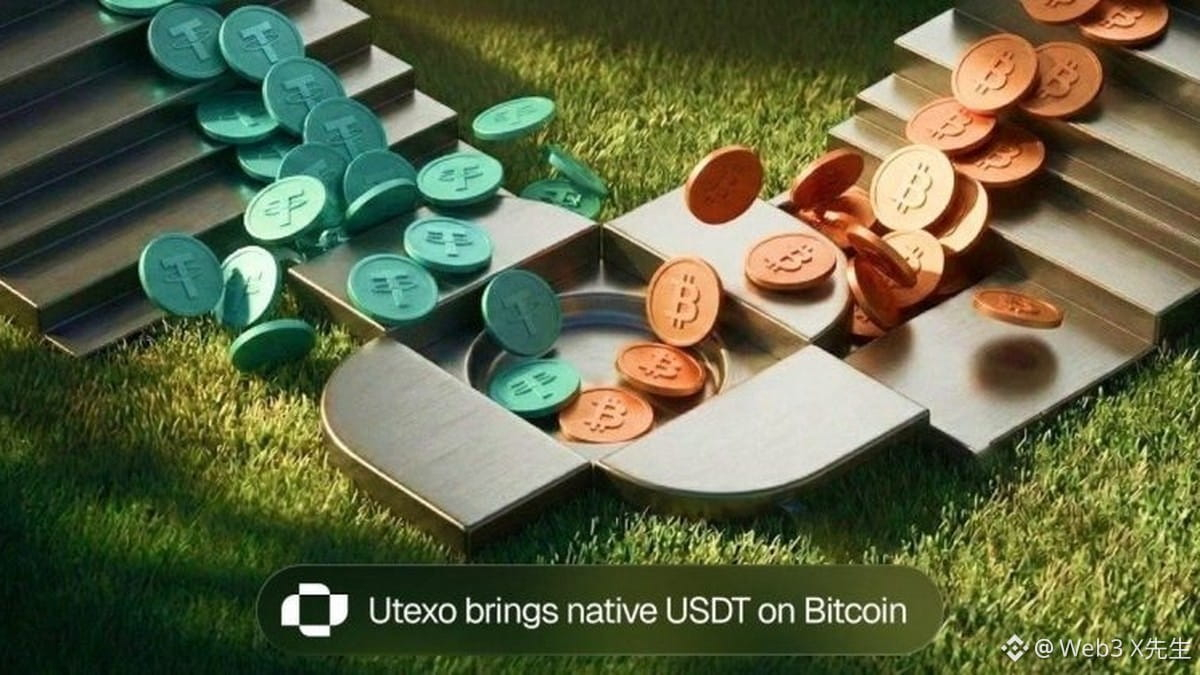
USDT’s parent company has said it will bring it back home. This time, they’re using the RGB protocol on the Bitcoin network. The landing partner is UTXO, which the parent company has invested in. Their co-founder put it very plainly: he said this isn’t issuing a new coin—it’s getting USDT back home. Transfers go through the Lightning Network, and funds can arrive in a matter of seconds.⚡
USDT’s market cap is now close to 190 billion USD. It’s the world’s largest USD-pegged stablecoin by size. Swapping out the underlying layer for something this large is definitely not a small deal. Tether wallets will be the first to support it. And a batch of exchanges are already lining up to integrate. The official timeline says it will launch within this month.👛
For ordinary users, the benefits are actually quite tangible. When you transfer USDT, you won’t need to keep TRX separately just to pay gas fees anymore. You can send directly to a Bitcoin address—cutting out an extra step. Bitcoin addresses are new every time, which provides better privacy. Fees are controlled via the API, so you can calculate in advance exactly how much you’ll spend. And you also save on conversion slippage and intermediary fees.💸
But there’s one detail you need to watch closely—don’t get too excited yet. In the end, RGB assets are ultimately anchored to Bitcoin UTXOs. The official can’t freeze USDT addresses here. Instead, they use a blacklist approach. They put problematic UTXOs on the list and distribute them to major exchanges. Once the coins are on the list, you basically won’t be able to redeem them again.🔒
The RGB protocol has actually been in the works for many years. Back in 2016, people started writing the underlying code. But it kept getting delayed until the previous bull market ended, and it still wasn’t done. That window gave Tron an unwanted free pass to move in. This time, if it truly lands, the whole landscape could be different. The stablecoin settlement layer may have to be shuffled.🌍
📌 If 190 billion USDT is going back to Bitcoin, whether it can truly be implemented depends on these coming months.
Right now, which chain do you use to transfer USDT? Let’s discuss in the comments.
【190 billion USDT to be moved back to Bitcoin—Is Tron panicking?😱⚡】
Group chat: 🚀 加入X先生粉丝群聊跟进
USDT originally didn’t run on Ethereum. In 2014, it was born on the Bitcoin network. At the time, it used Bitcoin’s Omni protocol. Later, transfers became slow and expensive, and users gradually moved away. Tron and Ethereum then took over most of the transfer volume. And once they did, it was more than eight years without looking back.⏳
USDT’s parent company has said it will bring it back home. This time, they’re using the RGB protocol on the Bitcoin network. The landing partner is UTXO, which the parent company has invested in. Their co-founder put it very plainly: he said this isn’t issuing a new coin—it’s getting USDT back home. Transfers go through the Lightning Network, and funds can arrive in a matter of seconds.⚡
USDT’s market cap is now close to 190 billion USD. It’s the world’s largest USD-pegged stablecoin by size. Swapping out the underlying layer for something this large is definitely not a small deal. Tether wallets will be the first to support it. And a batch of exchanges are already lining up to integrate. The official timeline says it will launch within this month.👛
For ordinary users, the benefits are actually quite tangible. When you transfer USDT, you won’t need to keep TRX separately just to pay gas fees anymore. You can send directly to a Bitcoin address—cutting out an extra step. Bitcoin addresses are new every time, which provides better privacy. Fees are controlled via the API, so you can calculate in advance exactly how much you’ll spend. And you also save on conversion slippage and intermediary fees.💸
But there’s one detail you need to watch closely—don’t get too excited yet. In the end, RGB assets are ultimately anchored to Bitcoin UTXOs. The official can’t freeze USDT addresses here. Instead, they use a blacklist approach. They put problematic UTXOs on the list and distribute them to major exchanges. Once the coins are on the list, you basically won’t be able to redeem them again.🔒
The RGB protocol has actually been in the works for many years. Back in 2016, people started writing the underlying code. But it kept getting delayed until the previous bull market ended, and it still wasn’t done. That window gave Tron an unwanted free pass to move in. This time, if it truly lands, the whole landscape could be different. The stablecoin settlement layer may have to be shuffled.🌍
📌 If 190 billion USDT is going back to Bitcoin, whether it can truly be implemented depends on these coming months.
Right now, which chain do you use to transfer USDT? Let’s discuss in the comments.
Group chat: 🚀 加入X先生粉丝群聊跟进
USDT originally didn’t run on Ethereum. In 2014, it was born on the Bitcoin network. At the time, it used Bitcoin’s Omni protocol. Later, transfers became slow and expensive, and users gradually moved away. Tron and Ethereum then took over most of the transfer volume. And once they did, it was more than eight years without looking back.⏳
USDT’s parent company has said it will bring it back home. This time, they’re using the RGB protocol on the Bitcoin network. The landing partner is UTXO, which the parent company has invested in. Their co-founder put it very plainly: he said this isn’t issuing a new coin—it’s getting USDT back home. Transfers go through the Lightning Network, and funds can arrive in a matter of seconds.⚡
USDT’s market cap is now close to 190 billion USD. It’s the world’s largest USD-pegged stablecoin by size. Swapping out the underlying layer for something this large is definitely not a small deal. Tether wallets will be the first to support it. And a batch of exchanges are already lining up to integrate. The official timeline says it will launch within this month.👛
For ordinary users, the benefits are actually quite tangible. When you transfer USDT, you won’t need to keep TRX separately just to pay gas fees anymore. You can send directly to a Bitcoin address—cutting out an extra step. Bitcoin addresses are new every time, which provides better privacy. Fees are controlled via the API, so you can calculate in advance exactly how much you’ll spend. And you also save on conversion slippage and intermediary fees.💸
But there’s one detail you need to watch closely—don’t get too excited yet. In the end, RGB assets are ultimately anchored to Bitcoin UTXOs. The official can’t freeze USDT addresses here. Instead, they use a blacklist approach. They put problematic UTXOs on the list and distribute them to major exchanges. Once the coins are on the list, you basically won’t be able to redeem them again.🔒
The RGB protocol has actually been in the works for many years. Back in 2016, people started writing the underlying code. But it kept getting delayed until the previous bull market ended, and it still wasn’t done. That window gave Tron an unwanted free pass to move in. This time, if it truly lands, the whole landscape could be different. The stablecoin settlement layer may have to be shuffled.🌍
📌 If 190 billion USDT is going back to Bitcoin, whether it can truly be implemented depends on these coming months.
Right now, which chain do you use to transfer USDT? Let’s discuss in the comments.
242
·
--
【Stablecoin certification starts early—has the issuer’s window opened?🏦🚀】
Group chat: [🚀 加入X先生粉丝群跟进](https://app.binance.com/uni-qr/MwYFhLo4)
The U.S. Treasury has moved the process up. States can submit materials before the rules are finalized and rolled out. The forms to be filled out and the steps have already been published. This move aims to give issuers an earlier path. The policy timeline is faster than the market expected. Issuers’ schedules have been forced forward.📋
The committee handling the certification is newly established. Its members include the Secretary of the Treasury, the Chair of the Federal Reserve, and the Chair of the FDIC. This set of procedures takes effect on September 30. Certification intake will only proceed after the documents are approved. The real rulebook is still in the proposal stage. So for now, the process comes first, while the standards remain to be decided.🏛️
State-level regulators are not convinced. They worry the time window is too tight. They opposed the April draft standards. The final federal version has not been released to this day. State rules need to align with the federal framework, and the two sides’ interpretations of how to align are not the same.⚖️
The certification deadline is set for January 18, 2028. That’s more than two years from now. The bill requires states to submit materials within one year. But even the standards haven’t been set yet. A short window and a long process—that’s the contradiction. States that submit first effectively grab the initiative.🗓️
The issuer’s choices are changing too. Where you obtain a license matters differently depending on the state. Big states carry more weight in terms of stance. How reserves are set up and how audits are conducted must be recalculated. Custody banks will receive new requirements accordingly. Compliance costs are likely to rise immediately by one step.🏢
For crypto, stablecoins are the foundation for dollar assets on-chain. The clearer the foundation, the more confidently applications above it can be built out. What institutions fear most isn’t the price—it’s the lack of rules. With rules, there’s certainty, and money will be willing to stay for the long term. The bar for issuance is getting higher. Smaller institutions could be pushed to the sidelines.🧱
📌 The point of the rules is not strictness, but predictability.
Do you think competition at the state level will make issuance more concentrated? Let’s discuss in the comments
#美财政部允许各州提前提交稳定币认证
【Stablecoin certification starts early—has the issuer’s window opened?🏦🚀】
Group chat: 🚀 加入X先生粉丝群跟进
The U.S. Treasury has moved the process up. States can submit materials before the rules are finalized and rolled out. The forms to be filled out and the steps have already been published. This move aims to give issuers an earlier path. The policy timeline is faster than the market expected. Issuers’ schedules have been forced forward.📋
The committee handling the certification is newly established. Its members include the Secretary of the Treasury, the Chair of the Federal Reserve, and the Chair of the FDIC. This set of procedures takes effect on September 30. Certification intake will only proceed after the documents are approved. The real rulebook is still in the proposal stage. So for now, the process comes first, while the standards remain to be decided.🏛️
State-level regulators are not convinced. They worry the time window is too tight. They opposed the April draft standards. The final federal version has not been released to this day. State rules need to align with the federal framework, and the two sides’ interpretations of how to align are not the same.⚖️
The certification deadline is set for January 18, 2028. That’s more than two years from now. The bill requires states to submit materials within one year. But even the standards haven’t been set yet. A short window and a long process—that’s the contradiction. States that submit first effectively grab the initiative.🗓️
The issuer’s choices are changing too. Where you obtain a license matters differently depending on the state. Big states carry more weight in terms of stance. How reserves are set up and how audits are conducted must be recalculated. Custody banks will receive new requirements accordingly. Compliance costs are likely to rise immediately by one step.🏢
For crypto, stablecoins are the foundation for dollar assets on-chain. The clearer the foundation, the more confidently applications above it can be built out. What institutions fear most isn’t the price—it’s the lack of rules. With rules, there’s certainty, and money will be willing to stay for the long term. The bar for issuance is getting higher. Smaller institutions could be pushed to the sidelines.🧱
📌 The point of the rules is not strictness, but predictability.
Do you think competition at the state level will make issuance more concentrated? Let’s discuss in the comments
#美财政部允许各州提前提交稳定币认证
Group chat: 🚀 加入X先生粉丝群跟进
The U.S. Treasury has moved the process up. States can submit materials before the rules are finalized and rolled out. The forms to be filled out and the steps have already been published. This move aims to give issuers an earlier path. The policy timeline is faster than the market expected. Issuers’ schedules have been forced forward.📋
The committee handling the certification is newly established. Its members include the Secretary of the Treasury, the Chair of the Federal Reserve, and the Chair of the FDIC. This set of procedures takes effect on September 30. Certification intake will only proceed after the documents are approved. The real rulebook is still in the proposal stage. So for now, the process comes first, while the standards remain to be decided.🏛️
State-level regulators are not convinced. They worry the time window is too tight. They opposed the April draft standards. The final federal version has not been released to this day. State rules need to align with the federal framework, and the two sides’ interpretations of how to align are not the same.⚖️
The certification deadline is set for January 18, 2028. That’s more than two years from now. The bill requires states to submit materials within one year. But even the standards haven’t been set yet. A short window and a long process—that’s the contradiction. States that submit first effectively grab the initiative.🗓️
The issuer’s choices are changing too. Where you obtain a license matters differently depending on the state. Big states carry more weight in terms of stance. How reserves are set up and how audits are conducted must be recalculated. Custody banks will receive new requirements accordingly. Compliance costs are likely to rise immediately by one step.🏢
For crypto, stablecoins are the foundation for dollar assets on-chain. The clearer the foundation, the more confidently applications above it can be built out. What institutions fear most isn’t the price—it’s the lack of rules. With rules, there’s certainty, and money will be willing to stay for the long term. The bar for issuance is getting higher. Smaller institutions could be pushed to the sidelines.🧱
📌 The point of the rules is not strictness, but predictability.
Do you think competition at the state level will make issuance more concentrated? Let’s discuss in the comments
#美财政部允许各州提前提交稳定币认证
102
·
--
Verified
【Ethereum quietly rolled out a new feature—does AI finally stop leaving a trace? 🔥🕵️】
Group chat: [🔥 加入X先生粉丝群掌握以太坊动向](https://app.binance.com/uni-qr/MwYFhLo4)
The Ethereum Foundation has just launched a new feature on the mainnet. It’s called the zkAPI protocol. It’s not a new coin, and it’s not an airdrop. It’s a payment pipeline for AI services. The source of the message comes from overseas media. Not many people know about it yet. 🛠️
The designer is Vitalik himself. You pre-store a bit of ETH or USDC on-chain. Then you use it to call the AI interface—charges are deducted directly. Every transaction is verified with zero-knowledge proofs. The merchant receiving the payment can’t see who the payer is. The whole process doesn’t require real-name verification. 🔒
Previously, when using AI interfaces, payment and identity were tied together. Anyone could trace who paid and what was asked—everything would show up. Now these two things have been completely separated. The merchant only knows that someone paid. They don’t know who that person is or what question was asked. For businesses, this is a huge deal. 🙈
The most interesting part is the demand behind it. Global AI call volume is exploding. But paid data has always been exposed. What enterprises fear most is their training data leaking. Anonymous payment hits this exact pain point. 📈
What is Ethereum really aiming at? It’s trying to capture the settlement gateway in the AI era. Stablecoins are already the best payment rails. Now it fills in the privacy piece too. In the future, AI payments might run on this stack. Not many people are watching this track right now. 🚀
For retail investors, this isn’t telling you to chase the rally. It’s a reminder that on-chain infrastructure is changing hands. Before the truly big money arrives, the pipeline will be laid first. This kind of news doesn’t make noise, but it’s crucial. Those who understand it will quietly take notes. By the time everyone else figures it out, the position may already be taken. 📝
📌 Ethereum has separated “payment” and “identity”—the pipeline for anonymous AI payments is officially live.
Do you think AI payments will run on-chain after this? Let’s discuss in the comments.
#以太坊三季度涨70.9%
【Ethereum quietly rolled out a new feature—does AI finally stop leaving a trace? 🔥🕵️】
Group chat: 🔥 加入X先生粉丝群掌握以太坊动向
The Ethereum Foundation has just launched a new feature on the mainnet. It’s called the zkAPI protocol. It’s not a new coin, and it’s not an airdrop. It’s a payment pipeline for AI services. The source of the message comes from overseas media. Not many people know about it yet. 🛠️
The designer is Vitalik himself. You pre-store a bit of ETH or USDC on-chain. Then you use it to call the AI interface—charges are deducted directly. Every transaction is verified with zero-knowledge proofs. The merchant receiving the payment can’t see who the payer is. The whole process doesn’t require real-name verification. 🔒
Previously, when using AI interfaces, payment and identity were tied together. Anyone could trace who paid and what was asked—everything would show up. Now these two things have been completely separated. The merchant only knows that someone paid. They don’t know who that person is or what question was asked. For businesses, this is a huge deal. 🙈
The most interesting part is the demand behind it. Global AI call volume is exploding. But paid data has always been exposed. What enterprises fear most is their training data leaking. Anonymous payment hits this exact pain point. 📈
What is Ethereum really aiming at? It’s trying to capture the settlement gateway in the AI era. Stablecoins are already the best payment rails. Now it fills in the privacy piece too. In the future, AI payments might run on this stack. Not many people are watching this track right now. 🚀
For retail investors, this isn’t telling you to chase the rally. It’s a reminder that on-chain infrastructure is changing hands. Before the truly big money arrives, the pipeline will be laid first. This kind of news doesn’t make noise, but it’s crucial. Those who understand it will quietly take notes. By the time everyone else figures it out, the position may already be taken. 📝
📌 Ethereum has separated “payment” and “identity”—the pipeline for anonymous AI payments is officially live.
Do you think AI payments will run on-chain after this? Let’s discuss in the comments.
#以太坊三季度涨70.9%
Group chat: 🔥 加入X先生粉丝群掌握以太坊动向
The Ethereum Foundation has just launched a new feature on the mainnet. It’s called the zkAPI protocol. It’s not a new coin, and it’s not an airdrop. It’s a payment pipeline for AI services. The source of the message comes from overseas media. Not many people know about it yet. 🛠️
The designer is Vitalik himself. You pre-store a bit of ETH or USDC on-chain. Then you use it to call the AI interface—charges are deducted directly. Every transaction is verified with zero-knowledge proofs. The merchant receiving the payment can’t see who the payer is. The whole process doesn’t require real-name verification. 🔒
Previously, when using AI interfaces, payment and identity were tied together. Anyone could trace who paid and what was asked—everything would show up. Now these two things have been completely separated. The merchant only knows that someone paid. They don’t know who that person is or what question was asked. For businesses, this is a huge deal. 🙈
The most interesting part is the demand behind it. Global AI call volume is exploding. But paid data has always been exposed. What enterprises fear most is their training data leaking. Anonymous payment hits this exact pain point. 📈
What is Ethereum really aiming at? It’s trying to capture the settlement gateway in the AI era. Stablecoins are already the best payment rails. Now it fills in the privacy piece too. In the future, AI payments might run on this stack. Not many people are watching this track right now. 🚀
For retail investors, this isn’t telling you to chase the rally. It’s a reminder that on-chain infrastructure is changing hands. Before the truly big money arrives, the pipeline will be laid first. This kind of news doesn’t make noise, but it’s crucial. Those who understand it will quietly take notes. By the time everyone else figures it out, the position may already be taken. 📝
📌 Ethereum has separated “payment” and “identity”—the pipeline for anonymous AI payments is officially live.
Do you think AI payments will run on-chain after this? Let’s discuss in the comments.
#以太坊三季度涨70.9%

145
·
--
【SEC suddenly makes a concession—can crypto assets now be self-custodied?🔥🏦】
Group chat: [⚖️ 加密监管动向进群聊](https://app.binance.com/uni-qr/MwYFhLo4)
This Wednesday, the SEC submitted a new proposal this week. It’s not regulating retail investors—it’s targeting advisors and funds. In the past, these institutions were too afraid to touch crypto. The key word is one thing: qualified custodian. Which custody provider counts as qualified has never had a clear standard. Clients’ funds can only be held by qualified custodians.🏛️
This issue has dragged on for many years, with no one willing to take responsibility. SEC Chair Atkins admitted it outright. He said the rules haven’t kept up and have fallen behind for too long. He also said they’re tearing down the gray areas of the previous era. The old rules truly can’t cover new assets. In one sentence: regulators are admitting their own mistake.📉
The proposal lays out three concrete areas where the restrictions are loosened. Self-custody? If you meet the conditions, it’s allowed. State-level trust companies can also act as custodians. And the audit and broker-custody rules will be updated together. The goal is very straightforward: make it easier for institutions to jump in. Lowering the threshold makes the path smooth.🔑
This isn’t an isolated move—it’s a line of action. The CLARITY Act is stuck in the Senate. The SEC has decided to take matters into its own hands and pave the way first. The innovation exemption has opened the door for tokenized stocks to be allowed on-chain. Fundraising and share buyback classifications are clarified as well. While Congress doesn’t move, regulators push forward on their own.🧵
How big of an impact will it have? Look at where the money goes. Bitcoin has grown from 2008 to today. It’s already a multitrillion-dollar market. Institutions manage people’s retirement savings and funds. Add another compliant route, and you attract another batch of capital. This wave is opening the institutional gate.💰
But don’t rush to call it a bull run—there’s still a long process. This proposal isn’t the final rule; it’s just a draft. After publication, there will be a 60-day public comment period. Then the SEC can still change it and will also vote. Fast could be a few months; slow could cross into next year. Before it’s truly implemented, anything can change.⏳
📌 The SEC has carved an opening in the custody wall—making the “ticket” for institutions a bit cheaper.
How much incremental capital do you think this could bring? Let’s discuss in the comments.
#SEC拟放宽投顾加密托管规则
【SEC suddenly makes a concession—can crypto assets now be self-custodied?🔥🏦】
Group chat: ⚖️ 加密监管动向进群聊
This Wednesday, the SEC submitted a new proposal this week. It’s not regulating retail investors—it’s targeting advisors and funds. In the past, these institutions were too afraid to touch crypto. The key word is one thing: qualified custodian. Which custody provider counts as qualified has never had a clear standard. Clients’ funds can only be held by qualified custodians.🏛️
This issue has dragged on for many years, with no one willing to take responsibility. SEC Chair Atkins admitted it outright. He said the rules haven’t kept up and have fallen behind for too long. He also said they’re tearing down the gray areas of the previous era. The old rules truly can’t cover new assets. In one sentence: regulators are admitting their own mistake.📉
The proposal lays out three concrete areas where the restrictions are loosened. Self-custody? If you meet the conditions, it’s allowed. State-level trust companies can also act as custodians. And the audit and broker-custody rules will be updated together. The goal is very straightforward: make it easier for institutions to jump in. Lowering the threshold makes the path smooth.🔑
This isn’t an isolated move—it’s a line of action. The CLARITY Act is stuck in the Senate. The SEC has decided to take matters into its own hands and pave the way first. The innovation exemption has opened the door for tokenized stocks to be allowed on-chain. Fundraising and share buyback classifications are clarified as well. While Congress doesn’t move, regulators push forward on their own.🧵
How big of an impact will it have? Look at where the money goes. Bitcoin has grown from 2008 to today. It’s already a multitrillion-dollar market. Institutions manage people’s retirement savings and funds. Add another compliant route, and you attract another batch of capital. This wave is opening the institutional gate.💰
But don’t rush to call it a bull run—there’s still a long process. This proposal isn’t the final rule; it’s just a draft. After publication, there will be a 60-day public comment period. Then the SEC can still change it and will also vote. Fast could be a few months; slow could cross into next year. Before it’s truly implemented, anything can change.⏳
📌 The SEC has carved an opening in the custody wall—making the “ticket” for institutions a bit cheaper.
How much incremental capital do you think this could bring? Let’s discuss in the comments.
#SEC拟放宽投顾加密托管规则
Group chat: ⚖️ 加密监管动向进群聊
This Wednesday, the SEC submitted a new proposal this week. It’s not regulating retail investors—it’s targeting advisors and funds. In the past, these institutions were too afraid to touch crypto. The key word is one thing: qualified custodian. Which custody provider counts as qualified has never had a clear standard. Clients’ funds can only be held by qualified custodians.🏛️
This issue has dragged on for many years, with no one willing to take responsibility. SEC Chair Atkins admitted it outright. He said the rules haven’t kept up and have fallen behind for too long. He also said they’re tearing down the gray areas of the previous era. The old rules truly can’t cover new assets. In one sentence: regulators are admitting their own mistake.📉
The proposal lays out three concrete areas where the restrictions are loosened. Self-custody? If you meet the conditions, it’s allowed. State-level trust companies can also act as custodians. And the audit and broker-custody rules will be updated together. The goal is very straightforward: make it easier for institutions to jump in. Lowering the threshold makes the path smooth.🔑
This isn’t an isolated move—it’s a line of action. The CLARITY Act is stuck in the Senate. The SEC has decided to take matters into its own hands and pave the way first. The innovation exemption has opened the door for tokenized stocks to be allowed on-chain. Fundraising and share buyback classifications are clarified as well. While Congress doesn’t move, regulators push forward on their own.🧵
How big of an impact will it have? Look at where the money goes. Bitcoin has grown from 2008 to today. It’s already a multitrillion-dollar market. Institutions manage people’s retirement savings and funds. Add another compliant route, and you attract another batch of capital. This wave is opening the institutional gate.💰
But don’t rush to call it a bull run—there’s still a long process. This proposal isn’t the final rule; it’s just a draft. After publication, there will be a 60-day public comment period. Then the SEC can still change it and will also vote. Fast could be a few months; slow could cross into next year. Before it’s truly implemented, anything can change.⏳
📌 The SEC has carved an opening in the custody wall—making the “ticket” for institutions a bit cheaper.
How much incremental capital do you think this could bring? Let’s discuss in the comments.
#SEC拟放宽投顾加密托管规则

469
·
--
【Ethereum surged 70.9% in a quarter, leaving Bitcoin in the dust 🔥🚀】
Group chat: [🌟 X先生粉丝群聊领策略](https://app.binance.com/uni-qr/MwYFhLo4)
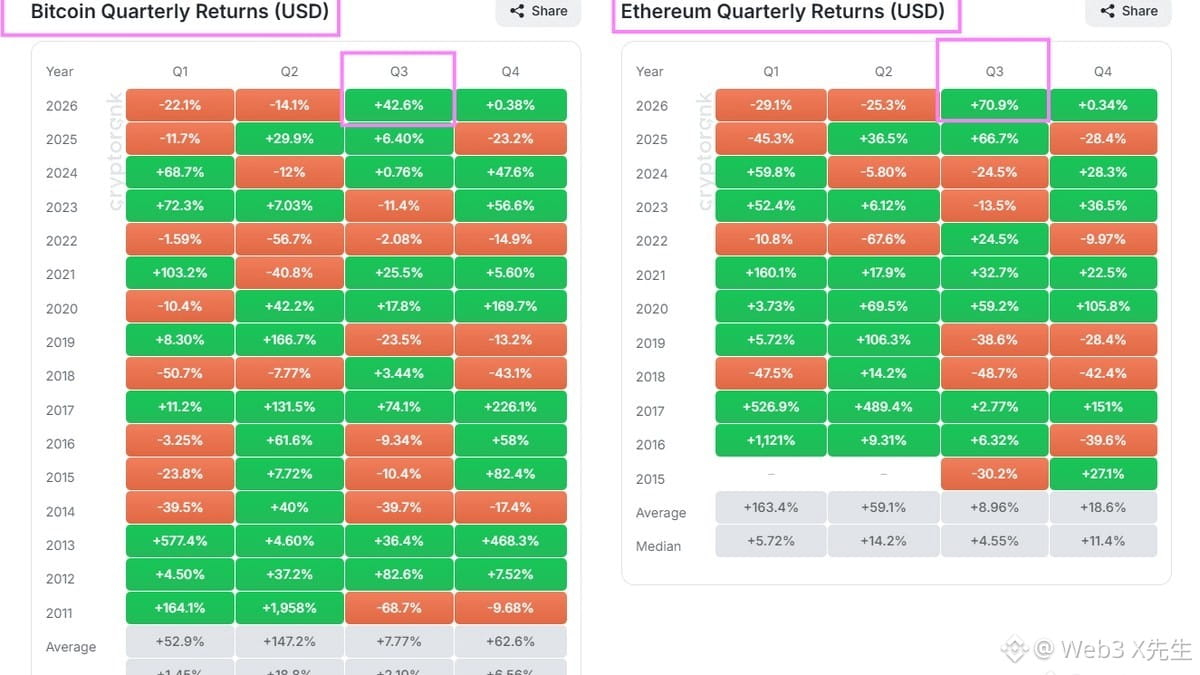
These numbers are quite interesting. Ethereum rose 70.9% in the third quarter—its strongest quarter since 2021. In the same period, Bitcoin only gained 44%. The coin that was mocked last year has quietly bounced back this year. 🚀
Money has actually been moving for a while. Last week, net inflows into digital-asset funds were about $3.55 billion. Bitcoin took $2.52 billion. Ethereum took $702 million. The total size of these products is back up to $173 billion. Ethereum is quietly siphoning the “water” from the cup. 💰
Even more aggressive is institutional sentiment. One big Wall Street bank has made a move. Bitcoin’s target price has been raised to $113,000. Ethereum’s target price has been lifted from $2,240 to $3,028. Three months ago, they collectively cut positions—fading their stance faster than the market moves. 🏦
The on-chain groundwork hasn’t been idle either. About 54% of global stablecoins are running on Ethereum. The larger the stablecoin supply, the more attractive the chain becomes. That’s the real reason institutions are willing to hold for the long term. On-chain capital is worth watching more than price stories. Not hype—just flows. ⛓️
But don’t rush to call it a bull market. Ethereum is still down about 9% year-to-date. Bitcoin is also still a bit short of breaking even. At its July low, Bitcoin was only a little above $58,000. Now it’s just back near $85,000. It’s still a long way from the all-time high. 📉
What retail investors should focus on most is timing. The quarter with the biggest surge is often when the news is the quietest. By the time everyone starts shouting “bull market,” the upside has usually already largely played out. This round is capital buying back in little by little—not a surge driven by emotions. The trend line is more real than any slogan. 🧐
📌 Up about 70% in a quarter, still down year-to-date—money is gradually making its way back.
Have you held onto your Ethereum through this quarter? Let’s discuss in the comments.
#以太坊三季度涨70.9%
【Ethereum surged 70.9% in a quarter, leaving Bitcoin in the dust 🔥🚀】
Group chat: 🌟 X先生粉丝群聊领策略
These numbers are quite interesting. Ethereum rose 70.9% in the third quarter—its strongest quarter since 2021. In the same period, Bitcoin only gained 44%. The coin that was mocked last year has quietly bounced back this year. 🚀
Money has actually been moving for a while. Last week, net inflows into digital-asset funds were about $3.55 billion. Bitcoin took $2.52 billion. Ethereum took $702 million. The total size of these products is back up to $173 billion. Ethereum is quietly siphoning the “water” from the cup. 💰
Even more aggressive is institutional sentiment. One big Wall Street bank has made a move. Bitcoin’s target price has been raised to $113,000. Ethereum’s target price has been lifted from $2,240 to $3,028. Three months ago, they collectively cut positions—fading their stance faster than the market moves. 🏦
The on-chain groundwork hasn’t been idle either. About 54% of global stablecoins are running on Ethereum. The larger the stablecoin supply, the more attractive the chain becomes. That’s the real reason institutions are willing to hold for the long term. On-chain capital is worth watching more than price stories. Not hype—just flows. ⛓️
But don’t rush to call it a bull market. Ethereum is still down about 9% year-to-date. Bitcoin is also still a bit short of breaking even. At its July low, Bitcoin was only a little above $58,000. Now it’s just back near $85,000. It’s still a long way from the all-time high. 📉
What retail investors should focus on most is timing. The quarter with the biggest surge is often when the news is the quietest. By the time everyone starts shouting “bull market,” the upside has usually already largely played out. This round is capital buying back in little by little—not a surge driven by emotions. The trend line is more real than any slogan. 🧐
📌 Up about 70% in a quarter, still down year-to-date—money is gradually making its way back.
Have you held onto your Ethereum through this quarter? Let’s discuss in the comments.
#以太坊三季度涨70.9%
Group chat: 🌟 X先生粉丝群聊领策略
These numbers are quite interesting. Ethereum rose 70.9% in the third quarter—its strongest quarter since 2021. In the same period, Bitcoin only gained 44%. The coin that was mocked last year has quietly bounced back this year. 🚀
Money has actually been moving for a while. Last week, net inflows into digital-asset funds were about $3.55 billion. Bitcoin took $2.52 billion. Ethereum took $702 million. The total size of these products is back up to $173 billion. Ethereum is quietly siphoning the “water” from the cup. 💰
Even more aggressive is institutional sentiment. One big Wall Street bank has made a move. Bitcoin’s target price has been raised to $113,000. Ethereum’s target price has been lifted from $2,240 to $3,028. Three months ago, they collectively cut positions—fading their stance faster than the market moves. 🏦
The on-chain groundwork hasn’t been idle either. About 54% of global stablecoins are running on Ethereum. The larger the stablecoin supply, the more attractive the chain becomes. That’s the real reason institutions are willing to hold for the long term. On-chain capital is worth watching more than price stories. Not hype—just flows. ⛓️
But don’t rush to call it a bull market. Ethereum is still down about 9% year-to-date. Bitcoin is also still a bit short of breaking even. At its July low, Bitcoin was only a little above $58,000. Now it’s just back near $85,000. It’s still a long way from the all-time high. 📉
What retail investors should focus on most is timing. The quarter with the biggest surge is often when the news is the quietest. By the time everyone starts shouting “bull market,” the upside has usually already largely played out. This round is capital buying back in little by little—not a surge driven by emotions. The trend line is more real than any slogan. 🧐
📌 Up about 70% in a quarter, still down year-to-date—money is gradually making its way back.
Have you held onto your Ethereum through this quarter? Let’s discuss in the comments.
#以太坊三季度涨70.9%
463
·
--
【U.S. Treasury yields hit a 23-year high—why is Bitcoin still standing?🏦🔥】
Group chat: [🔥 X先生粉丝群聊跟进行情](https://app.binance.com/uni-qr/MwYFhLo4)
Once these numbers came out, global markets went quiet for a moment. The yield on the U.S. 10-year Treasury note surged to 5.33%. This is the highest since April 2002. We haven’t seen bond yields this high in more than 23 years. The 30-year yield climbed straight to 5.67%. In a single day, it rose another 4 basis points.🏦
These numbers aren’t just about the bond market. They affect ordinary people’s mortgages, auto loans, and credit cards. When the government borrows at higher costs, personal borrowing gets more expensive too. This round is a global wave of selling Treasuries. The reasons aren’t exactly new. No one has truly tackled the deficit, and inflation is still sticky.📉
With yields at this level, risk-free returns are already above 5%. Money is smart—it goes where the interest is higher. Stocks and crypto, which are risk assets, are theoretically the first to get drained. The script from the past few years has played out the same way.📊
But this time is a little different: Bitcoin hasn’t fallen back sharply. It’s still hovering around 84,000 to 85,000. ETF inflows are also slowly returning. Citigroup raised its Bitcoin target price to 113,000. The previous target was only 82,000. Ethereum’s target was also raised from 2,240 to 3,028.📈
Investment banks expect $5 billion to flow into crypto over the next year. The rationale sounds pretty solid. Advisors and brokers are gradually increasing their allocation. Spot Bitcoin ETFs were net outflows of $5.8 billion through mid-year; by the end of September, they turned positive for the year. Last week alone saw a net inflow of $2.39 billion.💰
Still, don’t get too excited yet. High Treasury yields mean the overall cost of borrowing stays elevated. Risk assets may face pressure in the near term. Whether Bitcoin can hold its ground depends on ETF inflows. That interest-rate sword hasn’t truly fallen yet.⚠️
📌 Treasury yields hit a 23-year high, yet Bitcoin is still holding on.
Are you adding to or reducing your position? Let’s chat in the comments.
#美国10年期美债收益率逼近5.3% #美元指数创2025年5月来新高
【U.S. Treasury yields hit a 23-year high—why is Bitcoin still standing?🏦🔥】
Group chat: 🔥 X先生粉丝群聊跟进行情
Once these numbers came out, global markets went quiet for a moment. The yield on the U.S. 10-year Treasury note surged to 5.33%. This is the highest since April 2002. We haven’t seen bond yields this high in more than 23 years. The 30-year yield climbed straight to 5.67%. In a single day, it rose another 4 basis points.🏦
These numbers aren’t just about the bond market. They affect ordinary people’s mortgages, auto loans, and credit cards. When the government borrows at higher costs, personal borrowing gets more expensive too. This round is a global wave of selling Treasuries. The reasons aren’t exactly new. No one has truly tackled the deficit, and inflation is still sticky.📉
With yields at this level, risk-free returns are already above 5%. Money is smart—it goes where the interest is higher. Stocks and crypto, which are risk assets, are theoretically the first to get drained. The script from the past few years has played out the same way.📊
But this time is a little different: Bitcoin hasn’t fallen back sharply. It’s still hovering around 84,000 to 85,000. ETF inflows are also slowly returning. Citigroup raised its Bitcoin target price to 113,000. The previous target was only 82,000. Ethereum’s target was also raised from 2,240 to 3,028.📈
Investment banks expect $5 billion to flow into crypto over the next year. The rationale sounds pretty solid. Advisors and brokers are gradually increasing their allocation. Spot Bitcoin ETFs were net outflows of $5.8 billion through mid-year; by the end of September, they turned positive for the year. Last week alone saw a net inflow of $2.39 billion.💰
Still, don’t get too excited yet. High Treasury yields mean the overall cost of borrowing stays elevated. Risk assets may face pressure in the near term. Whether Bitcoin can hold its ground depends on ETF inflows. That interest-rate sword hasn’t truly fallen yet.⚠️
📌 Treasury yields hit a 23-year high, yet Bitcoin is still holding on.
Are you adding to or reducing your position? Let’s chat in the comments.
#美国10年期美债收益率逼近5.3% #美元指数创2025年5月来新高
Group chat: 🔥 X先生粉丝群聊跟进行情
Once these numbers came out, global markets went quiet for a moment. The yield on the U.S. 10-year Treasury note surged to 5.33%. This is the highest since April 2002. We haven’t seen bond yields this high in more than 23 years. The 30-year yield climbed straight to 5.67%. In a single day, it rose another 4 basis points.🏦
These numbers aren’t just about the bond market. They affect ordinary people’s mortgages, auto loans, and credit cards. When the government borrows at higher costs, personal borrowing gets more expensive too. This round is a global wave of selling Treasuries. The reasons aren’t exactly new. No one has truly tackled the deficit, and inflation is still sticky.📉
With yields at this level, risk-free returns are already above 5%. Money is smart—it goes where the interest is higher. Stocks and crypto, which are risk assets, are theoretically the first to get drained. The script from the past few years has played out the same way.📊
But this time is a little different: Bitcoin hasn’t fallen back sharply. It’s still hovering around 84,000 to 85,000. ETF inflows are also slowly returning. Citigroup raised its Bitcoin target price to 113,000. The previous target was only 82,000. Ethereum’s target was also raised from 2,240 to 3,028.📈
Investment banks expect $5 billion to flow into crypto over the next year. The rationale sounds pretty solid. Advisors and brokers are gradually increasing their allocation. Spot Bitcoin ETFs were net outflows of $5.8 billion through mid-year; by the end of September, they turned positive for the year. Last week alone saw a net inflow of $2.39 billion.💰
Still, don’t get too excited yet. High Treasury yields mean the overall cost of borrowing stays elevated. Risk assets may face pressure in the near term. Whether Bitcoin can hold its ground depends on ETF inflows. That interest-rate sword hasn’t truly fallen yet.⚠️
📌 Treasury yields hit a 23-year high, yet Bitcoin is still holding on.
Are you adding to or reducing your position? Let’s chat in the comments.
#美国10年期美债收益率逼近5.3% #美元指数创2025年5月来新高
318
·
--
#MetaMask 【Wallet giant pulled nodes overnight, and the crypto world is blowing up again?🔥⚠️】
Group chat: [🌟 币圈安全事件进群聊](https://app.binance.com/uni-qr/MwYFhLo4)
Yesterday, what went viral in crypto wasn’t the price—it was a security bulletin. The wallet provider MetaMask posted an alert, saying that part of the underlying infrastructure had run into problems. Their first reaction wasn’t to explain—it was to pull all the verification nodes. A batch of nodes running on Ethereum started lining up to shut down. Many people rushed to check their wallets. After all, when a wallet has trouble, it’s like your money pouch is leaking.⚠️
The amount that was withdrawn wasn’t officially disclosed, but on-chain data caught a detail. The founder of the parent company, Lubin, moved 133,000 ETH. At current prices, that’s close to $360 million. He said it has nothing to do with this, but the timing is too coincidental. The node operator Lido also confirmed it.😳
Exiting isn’t something that happens with a single sentence—it’s a queue process. Official estimates say the nodes won’t be fully taken offline until October 7. And coming back will require waiting another 45 days. What people are truly worried about is the ripple effect. Aave’s CEO quickly reassured everyone that the lending market is fine. Ethena also stated that its own assets haven’t touched stETH.🧊
When two major protocols both distance themselves, it actually makes people even more nervous. Last year, there was a node provider called Kiln that had a similar incident. On that occasion, it lost $41 million. What’s interesting is that the wallet business sells “peace of mind.” You hand over your private key to it, and you’re paying for convenience. In the end, it turned out to be someone walked into its infrastructure anyway.🤔
The official statement emphasized that this is non-custodial business, and the private key wasn’t lost. The private key wasn’t lost, yet the nodes were withdrawn first—that move is strange. Lido controls 29% of all staked ETH across the network. It has prepared an emergency fund—6750 stETH. Whether that money is enough to backstop things is something nobody dares to guarantee. MetaMask contract volume doubled in Q3 to $1.6 billion.📉
For ordinary people, this is a reminder. No matter how big the brand is, it doesn’t automatically mean absolute safety. If you keep your coins on-chain, the risk never disappears on its own. Spread holdings out and don’t put all your eggs in one basket. If something really happens, running fast is what matters. And for coins you don’t plan to move long-term, you’d better think carefully about where to store them.🔐
📌 Wallets sell trust—and trust is most afraid of “details not revealed for the time being.”
#MetaMask 【Wallet giant pulled nodes overnight, and the crypto world is blowing up again?🔥⚠️】
Group chat: 🌟 币圈安全事件进群聊
Yesterday, what went viral in crypto wasn’t the price—it was a security bulletin. The wallet provider MetaMask posted an alert, saying that part of the underlying infrastructure had run into problems. Their first reaction wasn’t to explain—it was to pull all the verification nodes. A batch of nodes running on Ethereum started lining up to shut down. Many people rushed to check their wallets. After all, when a wallet has trouble, it’s like your money pouch is leaking.⚠️
The amount that was withdrawn wasn’t officially disclosed, but on-chain data caught a detail. The founder of the parent company, Lubin, moved 133,000 ETH. At current prices, that’s close to $360 million. He said it has nothing to do with this, but the timing is too coincidental. The node operator Lido also confirmed it.😳
Exiting isn’t something that happens with a single sentence—it’s a queue process. Official estimates say the nodes won’t be fully taken offline until October 7. And coming back will require waiting another 45 days. What people are truly worried about is the ripple effect. Aave’s CEO quickly reassured everyone that the lending market is fine. Ethena also stated that its own assets haven’t touched stETH.🧊
When two major protocols both distance themselves, it actually makes people even more nervous. Last year, there was a node provider called Kiln that had a similar incident. On that occasion, it lost $41 million. What’s interesting is that the wallet business sells “peace of mind.” You hand over your private key to it, and you’re paying for convenience. In the end, it turned out to be someone walked into its infrastructure anyway.🤔
The official statement emphasized that this is non-custodial business, and the private key wasn’t lost. The private key wasn’t lost, yet the nodes were withdrawn first—that move is strange. Lido controls 29% of all staked ETH across the network. It has prepared an emergency fund—6750 stETH. Whether that money is enough to backstop things is something nobody dares to guarantee. MetaMask contract volume doubled in Q3 to $1.6 billion.📉
For ordinary people, this is a reminder. No matter how big the brand is, it doesn’t automatically mean absolute safety. If you keep your coins on-chain, the risk never disappears on its own. Spread holdings out and don’t put all your eggs in one basket. If something really happens, running fast is what matters. And for coins you don’t plan to move long-term, you’d better think carefully about where to store them.🔐
📌 Wallets sell trust—and trust is most afraid of “details not revealed for the time being.”
Group chat: 🌟 币圈安全事件进群聊
Yesterday, what went viral in crypto wasn’t the price—it was a security bulletin. The wallet provider MetaMask posted an alert, saying that part of the underlying infrastructure had run into problems. Their first reaction wasn’t to explain—it was to pull all the verification nodes. A batch of nodes running on Ethereum started lining up to shut down. Many people rushed to check their wallets. After all, when a wallet has trouble, it’s like your money pouch is leaking.⚠️
The amount that was withdrawn wasn’t officially disclosed, but on-chain data caught a detail. The founder of the parent company, Lubin, moved 133,000 ETH. At current prices, that’s close to $360 million. He said it has nothing to do with this, but the timing is too coincidental. The node operator Lido also confirmed it.😳
Exiting isn’t something that happens with a single sentence—it’s a queue process. Official estimates say the nodes won’t be fully taken offline until October 7. And coming back will require waiting another 45 days. What people are truly worried about is the ripple effect. Aave’s CEO quickly reassured everyone that the lending market is fine. Ethena also stated that its own assets haven’t touched stETH.🧊
When two major protocols both distance themselves, it actually makes people even more nervous. Last year, there was a node provider called Kiln that had a similar incident. On that occasion, it lost $41 million. What’s interesting is that the wallet business sells “peace of mind.” You hand over your private key to it, and you’re paying for convenience. In the end, it turned out to be someone walked into its infrastructure anyway.🤔
The official statement emphasized that this is non-custodial business, and the private key wasn’t lost. The private key wasn’t lost, yet the nodes were withdrawn first—that move is strange. Lido controls 29% of all staked ETH across the network. It has prepared an emergency fund—6750 stETH. Whether that money is enough to backstop things is something nobody dares to guarantee. MetaMask contract volume doubled in Q3 to $1.6 billion.📉
For ordinary people, this is a reminder. No matter how big the brand is, it doesn’t automatically mean absolute safety. If you keep your coins on-chain, the risk never disappears on its own. Spread holdings out and don’t put all your eggs in one basket. If something really happens, running fast is what matters. And for coins you don’t plan to move long-term, you’d better think carefully about where to store them.🔐
📌 Wallets sell trust—and trust is most afraid of “details not revealed for the time being.”

210
·
--
[U.S. inflation suddenly “cooled off,” bets on a rate hike in October got cut in half overnight 🔥😱]
Group chat: [🔥 加入X先生粉丝群跟进通胀变化](https://app.binance.com/uni-qr/MwYFhLo4)
The inflation data the Federal Reserve cares most about has just come out. In August, core PCE year-over-year was only 3.0%. The market had been expecting 3.3%. Overall PCE came in at 3.4%, versus expectations of 3.7%. Core and headline both came in below expectations. Wall Street’s rate-hike script now has to be rewritten. 📉
But there’s one detail that’s especially crucial this time. The statistical reporting standards changed first. The Bureau of Economic Analysis revised several ways of calculating prices. Legal services, software, and computer accessories were all revalued. Just from this change alone, July core PCE was revised downward. In one fell swoop, it was cut by 0.36 percentage points. 📐
The market reaction was actually very direct. Stock index futures jumped on the spot. The U.S. Dollar Index fell to 101.29. The odds of a rate hike in October were slashed by a large amount. The probability of “holding steady” climbed to 66%. The next rate hike was pushed out to December. 💵
On the other hand, economic data isn’t weak at all. The final reading of Q2 GDP was 2.2%. The market had only expected 1.5%. September ADP added 90,000 jobs. That figure was expected to be only 68,000. If the economy is this hot, why would the Fed cut rates? 📈
And inflation is still holding steady above 3%. It’s still a long way from the 2% target. The main driver of August price increases is still energy. Gasoline prices rose 4.4% over the month. One analyst said it’s hot no matter how you measure it. So this isn’t a pivot—it’s just being pushed further out. ⛽
In crypto as well, people are watching this data. Bitcoin has been hovering around $84,000. Over the past 24 hours, it’s only inched up about 1%. With the dollar weakening, risk assets can breathe a little. But the real test is still coming on Friday night. Nonfarm payrolls are expected at 84,000, and the unemployment rate at 4.1%. 🌊
📌 Rate hikes aren’t off the table—they’ve just been delayed to December.
For this move, are you planning to get on the train first, or wait until Friday’s nonfarm data lands before acting?
#美国8月核心PCE降至3% #美国9月ADP新增就业9万
[U.S. inflation suddenly “cooled off,” bets on a rate hike in October got cut in half overnight 🔥😱]
Group chat: 🔥 加入X先生粉丝群跟进通胀变化
The inflation data the Federal Reserve cares most about has just come out. In August, core PCE year-over-year was only 3.0%. The market had been expecting 3.3%. Overall PCE came in at 3.4%, versus expectations of 3.7%. Core and headline both came in below expectations. Wall Street’s rate-hike script now has to be rewritten. 📉
But there’s one detail that’s especially crucial this time. The statistical reporting standards changed first. The Bureau of Economic Analysis revised several ways of calculating prices. Legal services, software, and computer accessories were all revalued. Just from this change alone, July core PCE was revised downward. In one fell swoop, it was cut by 0.36 percentage points. 📐
The market reaction was actually very direct. Stock index futures jumped on the spot. The U.S. Dollar Index fell to 101.29. The odds of a rate hike in October were slashed by a large amount. The probability of “holding steady” climbed to 66%. The next rate hike was pushed out to December. 💵
On the other hand, economic data isn’t weak at all. The final reading of Q2 GDP was 2.2%. The market had only expected 1.5%. September ADP added 90,000 jobs. That figure was expected to be only 68,000. If the economy is this hot, why would the Fed cut rates? 📈
And inflation is still holding steady above 3%. It’s still a long way from the 2% target. The main driver of August price increases is still energy. Gasoline prices rose 4.4% over the month. One analyst said it’s hot no matter how you measure it. So this isn’t a pivot—it’s just being pushed further out. ⛽
In crypto as well, people are watching this data. Bitcoin has been hovering around $84,000. Over the past 24 hours, it’s only inched up about 1%. With the dollar weakening, risk assets can breathe a little. But the real test is still coming on Friday night. Nonfarm payrolls are expected at 84,000, and the unemployment rate at 4.1%. 🌊
📌 Rate hikes aren’t off the table—they’ve just been delayed to December.
For this move, are you planning to get on the train first, or wait until Friday’s nonfarm data lands before acting?
#美国8月核心PCE降至3% #美国9月ADP新增就业9万
Group chat: 🔥 加入X先生粉丝群跟进通胀变化
The inflation data the Federal Reserve cares most about has just come out. In August, core PCE year-over-year was only 3.0%. The market had been expecting 3.3%. Overall PCE came in at 3.4%, versus expectations of 3.7%. Core and headline both came in below expectations. Wall Street’s rate-hike script now has to be rewritten. 📉
But there’s one detail that’s especially crucial this time. The statistical reporting standards changed first. The Bureau of Economic Analysis revised several ways of calculating prices. Legal services, software, and computer accessories were all revalued. Just from this change alone, July core PCE was revised downward. In one fell swoop, it was cut by 0.36 percentage points. 📐
The market reaction was actually very direct. Stock index futures jumped on the spot. The U.S. Dollar Index fell to 101.29. The odds of a rate hike in October were slashed by a large amount. The probability of “holding steady” climbed to 66%. The next rate hike was pushed out to December. 💵
On the other hand, economic data isn’t weak at all. The final reading of Q2 GDP was 2.2%. The market had only expected 1.5%. September ADP added 90,000 jobs. That figure was expected to be only 68,000. If the economy is this hot, why would the Fed cut rates? 📈
And inflation is still holding steady above 3%. It’s still a long way from the 2% target. The main driver of August price increases is still energy. Gasoline prices rose 4.4% over the month. One analyst said it’s hot no matter how you measure it. So this isn’t a pivot—it’s just being pushed further out. ⛽
In crypto as well, people are watching this data. Bitcoin has been hovering around $84,000. Over the past 24 hours, it’s only inched up about 1%. With the dollar weakening, risk assets can breathe a little. But the real test is still coming on Friday night. Nonfarm payrolls are expected at 84,000, and the unemployment rate at 4.1%. 🌊
📌 Rate hikes aren’t off the table—they’ve just been delayed to December.
For this move, are you planning to get on the train first, or wait until Friday’s nonfarm data lands before acting?
#美国8月核心PCE降至3% #美国9月ADP新增就业9万

299
·
--
【The bill failed 49 to 50 in Congress; the SEC and CFTC simply wrote 9 rules themselves🏛️⚡】
Group chat: [🚀 加入X先生的粉丝群聊跟进](https://app.binance.com/uni-qr/MwYFhLo4)
The voting result from Congress was 49 to 50—just short by 11 votes, missing the 60-vote threshold. The CLARITY Act is effectively dead this year. The whole industry has been waiting for over a year, but it couldn’t clear this hurdle. Yet U.S. regulators haven’t stopped moving forward.🗳️
The SEC and CFTC acted together. At least 9 new rules were rolled out in total. SEC Chair Atkins went first. He said they wouldn’t wait for Congress and would push ahead anyway. CFTC Chair Selig followed suit. Both said existing authorities are enough.📜
On September 17, they issued an innovation exemption first. The term is provisionally set at five years, with conditions. It’s a special opening for tokenized securities platforms, allowing compliant trading of U.S. stocks. That same day, the CFTC also loosened things up: developers no longer need to register as brokers.⏳
Market reaction was actually very direct. The moment news broke that the bill got stuck, Bitcoin ETFs saw a single-day outflow of $450 million. That’s the largest daily outflow since June. Just FBTC alone accounted for $214.8 million, and IBIT followed with $161.7 million.📉
Looking back further to March of this year: the two agencies jointly issued guidance on token classifications. Both BTC and ETH are treated as digital commodities. XRP, SOL, and DOGE are treated the same way. Franklin Templeton launched a tokenized fund, and ARK even moved ARK Vx onto Ethereum.🚀
But this whole play has a ceiling. Rules that haven’t gone through legislation aren’t very solid—switch chairs and they could be overturned. The innovation exemption is still temporary. There are also limits on trading volume. Market-structure legislation could be delayed until 2030.⚠️
📌 With a Congress shutdown and regulators rushing ahead, near-term positives and long-term risks are coming down together.
How far do you think this kind of regulatory workaround can go?
#SEC将明确链上募资规则 #CFTC向白宫提交两项事件合约规则提案
【The bill failed 49 to 50 in Congress; the SEC and CFTC simply wrote 9 rules themselves🏛️⚡】
Group chat: 🚀 加入X先生的粉丝群聊跟进
The voting result from Congress was 49 to 50—just short by 11 votes, missing the 60-vote threshold. The CLARITY Act is effectively dead this year. The whole industry has been waiting for over a year, but it couldn’t clear this hurdle. Yet U.S. regulators haven’t stopped moving forward.🗳️
The SEC and CFTC acted together. At least 9 new rules were rolled out in total. SEC Chair Atkins went first. He said they wouldn’t wait for Congress and would push ahead anyway. CFTC Chair Selig followed suit. Both said existing authorities are enough.📜
On September 17, they issued an innovation exemption first. The term is provisionally set at five years, with conditions. It’s a special opening for tokenized securities platforms, allowing compliant trading of U.S. stocks. That same day, the CFTC also loosened things up: developers no longer need to register as brokers.⏳
Market reaction was actually very direct. The moment news broke that the bill got stuck, Bitcoin ETFs saw a single-day outflow of $450 million. That’s the largest daily outflow since June. Just FBTC alone accounted for $214.8 million, and IBIT followed with $161.7 million.📉
Looking back further to March of this year: the two agencies jointly issued guidance on token classifications. Both BTC and ETH are treated as digital commodities. XRP, SOL, and DOGE are treated the same way. Franklin Templeton launched a tokenized fund, and ARK even moved ARK Vx onto Ethereum.🚀
But this whole play has a ceiling. Rules that haven’t gone through legislation aren’t very solid—switch chairs and they could be overturned. The innovation exemption is still temporary. There are also limits on trading volume. Market-structure legislation could be delayed until 2030.⚠️
📌 With a Congress shutdown and regulators rushing ahead, near-term positives and long-term risks are coming down together.
How far do you think this kind of regulatory workaround can go?
#SEC将明确链上募资规则 #CFTC向白宫提交两项事件合约规则提案
Group chat: 🚀 加入X先生的粉丝群聊跟进
The voting result from Congress was 49 to 50—just short by 11 votes, missing the 60-vote threshold. The CLARITY Act is effectively dead this year. The whole industry has been waiting for over a year, but it couldn’t clear this hurdle. Yet U.S. regulators haven’t stopped moving forward.🗳️
The SEC and CFTC acted together. At least 9 new rules were rolled out in total. SEC Chair Atkins went first. He said they wouldn’t wait for Congress and would push ahead anyway. CFTC Chair Selig followed suit. Both said existing authorities are enough.📜
On September 17, they issued an innovation exemption first. The term is provisionally set at five years, with conditions. It’s a special opening for tokenized securities platforms, allowing compliant trading of U.S. stocks. That same day, the CFTC also loosened things up: developers no longer need to register as brokers.⏳
Market reaction was actually very direct. The moment news broke that the bill got stuck, Bitcoin ETFs saw a single-day outflow of $450 million. That’s the largest daily outflow since June. Just FBTC alone accounted for $214.8 million, and IBIT followed with $161.7 million.📉
Looking back further to March of this year: the two agencies jointly issued guidance on token classifications. Both BTC and ETH are treated as digital commodities. XRP, SOL, and DOGE are treated the same way. Franklin Templeton launched a tokenized fund, and ARK even moved ARK Vx onto Ethereum.🚀
But this whole play has a ceiling. Rules that haven’t gone through legislation aren’t very solid—switch chairs and they could be overturned. The innovation exemption is still temporary. There are also limits on trading volume. Market-structure legislation could be delayed until 2030.⚠️
📌 With a Congress shutdown and regulators rushing ahead, near-term positives and long-term risks are coming down together.
How far do you think this kind of regulatory workaround can go?
#SEC将明确链上募资规则 #CFTC向白宫提交两项事件合约规则提案
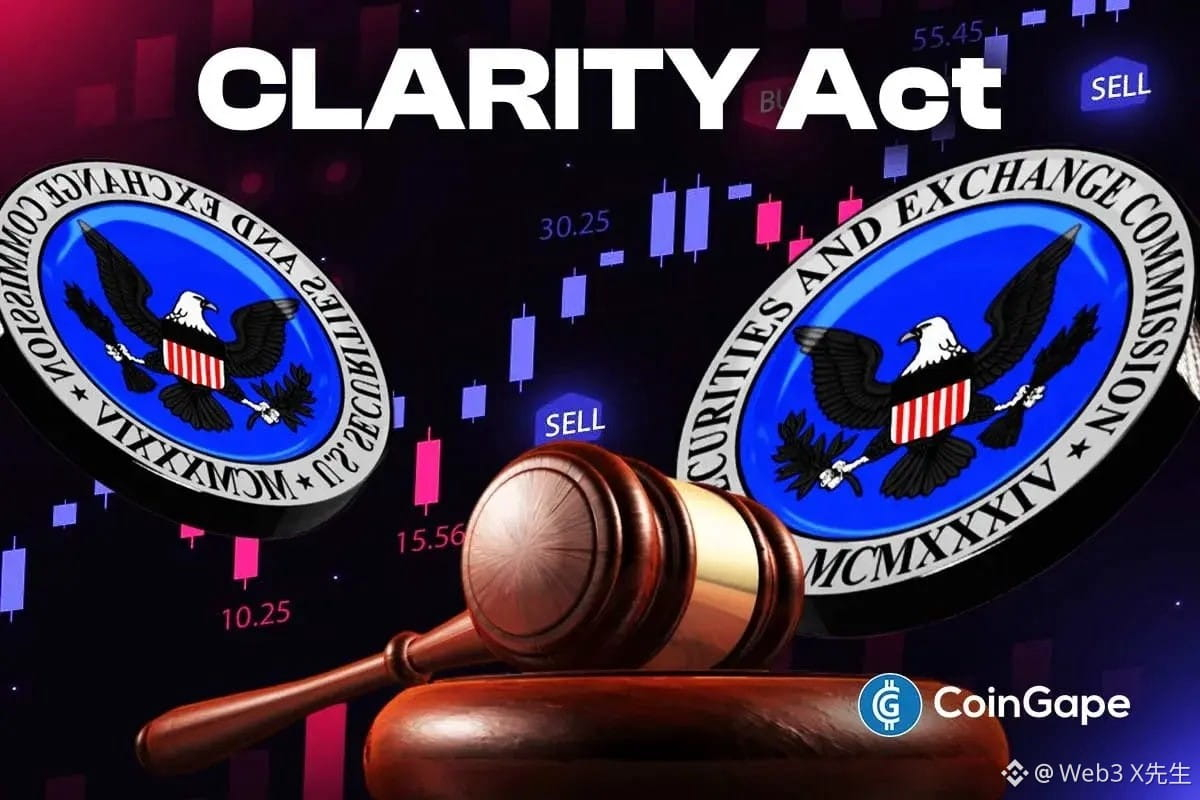
622
·
--
【Binance Pay integrated into Japan’s largest QR payment network—tourists can now spend USDT too 💴🔥】
Group chat: [🚀 加入X先生的粉丝群聊](https://app.binance.com/uni-qr/MwYFhLo4)
If you’re going to Japan, your wallet now has one more route.
Starting today, Binance Pay will connect to PayPay.
Overseas users can take out their phones and scan to spend USDT.
On the other side, the stores still receive Japanese yen.
In between, it runs on the HIVEX interoperability framework. 🇯🇵
In Japan, PayPay is a household-level tool.
Convenience stores, taxis, and vending machines—everything can be paid by scan.
The number of participating stores is in the millions.
Previously, this channel only connected a few Asian e-wallets.
This is the first time a crypto payment provider has been brought in. 💳
With the numbers on display, it’s even more direct.
Japan saw 42.7 million inbound visitors last year.
In the first eight months of this year, that totals 27.6 million.
In August alone, it was 3.1 million—about 10% less than the same period last year.
How tourists spend their money is a big business. 🧳
For merchants, nothing needs to change.
No application required, no new account to open.
Settlement is still in Japanese yen, and the process stays the same.
All the steps involving currency exchange and clearing are handled by the channel itself.
To a store, this deal is no different from ordinary QR payments. 🏪
What has always blocked this step isn’t technology—it’s the scenario.
Crypto payments have long been stuck spinning around inside the crypto world.
Now they’ve been inserted into the most everyday payment tools.
People using USDT don’t even have to understand the chain.
The real transaction volume that actually comes out is the hard metric. 📈
Risks are out in the open, too.
USDT’s compliance pathways haven’t been fully opened.
Japan has always been strict about reserves and licensing.
If the winds change, this channel could also tighten.
The buzz is one thing—what can actually be implemented is what counts. ⚠️
📌 Taking one more step forward for stablecoins is moving from the crypto world into someone else’s checkout counter.
When you travel abroad, would you be willing to use USDT to pay by QR code? Talk in the comments
【Binance Pay integrated into Japan’s largest QR payment network—tourists can now spend USDT too 💴🔥】
Group chat: 🚀 加入X先生的粉丝群聊
If you’re going to Japan, your wallet now has one more route.
Starting today, Binance Pay will connect to PayPay.
Overseas users can take out their phones and scan to spend USDT.
On the other side, the stores still receive Japanese yen.
In between, it runs on the HIVEX interoperability framework. 🇯🇵
In Japan, PayPay is a household-level tool.
Convenience stores, taxis, and vending machines—everything can be paid by scan.
The number of participating stores is in the millions.
Previously, this channel only connected a few Asian e-wallets.
This is the first time a crypto payment provider has been brought in. 💳
With the numbers on display, it’s even more direct.
Japan saw 42.7 million inbound visitors last year.
In the first eight months of this year, that totals 27.6 million.
In August alone, it was 3.1 million—about 10% less than the same period last year.
How tourists spend their money is a big business. 🧳
For merchants, nothing needs to change.
No application required, no new account to open.
Settlement is still in Japanese yen, and the process stays the same.
All the steps involving currency exchange and clearing are handled by the channel itself.
To a store, this deal is no different from ordinary QR payments. 🏪
What has always blocked this step isn’t technology—it’s the scenario.
Crypto payments have long been stuck spinning around inside the crypto world.
Now they’ve been inserted into the most everyday payment tools.
People using USDT don’t even have to understand the chain.
The real transaction volume that actually comes out is the hard metric. 📈
Risks are out in the open, too.
USDT’s compliance pathways haven’t been fully opened.
Japan has always been strict about reserves and licensing.
If the winds change, this channel could also tighten.
The buzz is one thing—what can actually be implemented is what counts. ⚠️
📌 Taking one more step forward for stablecoins is moving from the crypto world into someone else’s checkout counter.
When you travel abroad, would you be willing to use USDT to pay by QR code? Talk in the comments
Group chat: 🚀 加入X先生的粉丝群聊
If you’re going to Japan, your wallet now has one more route.
Starting today, Binance Pay will connect to PayPay.
Overseas users can take out their phones and scan to spend USDT.
On the other side, the stores still receive Japanese yen.
In between, it runs on the HIVEX interoperability framework. 🇯🇵
In Japan, PayPay is a household-level tool.
Convenience stores, taxis, and vending machines—everything can be paid by scan.
The number of participating stores is in the millions.
Previously, this channel only connected a few Asian e-wallets.
This is the first time a crypto payment provider has been brought in. 💳
With the numbers on display, it’s even more direct.
Japan saw 42.7 million inbound visitors last year.
In the first eight months of this year, that totals 27.6 million.
In August alone, it was 3.1 million—about 10% less than the same period last year.
How tourists spend their money is a big business. 🧳
For merchants, nothing needs to change.
No application required, no new account to open.
Settlement is still in Japanese yen, and the process stays the same.
All the steps involving currency exchange and clearing are handled by the channel itself.
To a store, this deal is no different from ordinary QR payments. 🏪
What has always blocked this step isn’t technology—it’s the scenario.
Crypto payments have long been stuck spinning around inside the crypto world.
Now they’ve been inserted into the most everyday payment tools.
People using USDT don’t even have to understand the chain.
The real transaction volume that actually comes out is the hard metric. 📈
Risks are out in the open, too.
USDT’s compliance pathways haven’t been fully opened.
Japan has always been strict about reserves and licensing.
If the winds change, this channel could also tighten.
The buzz is one thing—what can actually be implemented is what counts. ⚠️
📌 Taking one more step forward for stablecoins is moving from the crypto world into someone else’s checkout counter.
When you travel abroad, would you be willing to use USDT to pay by QR code? Talk in the comments

109
·
--
[Gold drops to a new 8-week low, but sovereign wealth funds are selling gold and buying crypto?🔥💰]
Group chat: [🔥 加入X先生的粉丝群聊](https://app.binance.com/uni-qr/MwYFhLo4)
A just-released institutional report has left quite a few people stunned. Bitwise released its first institutional adoption report. The report says that at least one sovereign wealth fund has made a move. It sold gold and foreign exchange reserves, switching into Bitcoin. For the first time, the money of the state teams has been written into a report like this.🌍
The report interviewed executives from 15 large institutions. The interviews took place from March to April this year. Bitcoin touched $125,000 last Q4. In this Q2, it fell to around $60,000 at one point. The pullback was close to half. But none of the institutions said they had reduced their holdings.🧱
A deeper look shows how they allocated. As long as they allocated to crypto assets, Bitcoin was the first buy. It’s also the position with the largest weight and the longest hold. Allocation ratios range from 0.5% to 13%. Most institutions fall in the 1% to 2% range. Sovereign funds have more layers in their process, so they generally lean toward the more conservative side.🏦
The report also poured some cold water. In the section on gold ETFs, there wasn’t evidence of large-scale withdrawals. Most institutions treat gold and Bitcoin as a complementary pair. They’re hedging against the same risk: fiat currency devaluation. The sovereign wealth fund that sold gold moved a bit faster—but that doesn’t mean the overall market direction has already fully turned.⚖️
The market backdrop is also quite timely. Gold has been dropping to an 8-week low lately, with quotes around $4,180. The yield on the U.S. 10-year Treasury spiked to 5.27%, the highest in 19 years; the 30-year yield reached 5.55%. The carrying cost of non-interest-bearing assets is suddenly being pushed higher.📉
Bitcoin is currently hovering around $83,000. Not long ago it surged to $85,000, but it didn’t hold and was pushed back down. On one side, sovereign funds are slowly entering as long-term money. On the other, interest rates are pinning risk assets so they can’t breathe. For the short term, you still need to watch two strings: interest rates and oil prices.🧭
📌 Selling gold and buying crypto by sovereign wealth funds is a signal—not the starting gun for a market trend.
Gold and Bitcoin— which one are you more willing to hold right now? Let’s chat in the comments.
[Gold drops to a new 8-week low, but sovereign wealth funds are selling gold and buying crypto?🔥💰]
Group chat: 🔥 加入X先生的粉丝群聊
A just-released institutional report has left quite a few people stunned. Bitwise released its first institutional adoption report. The report says that at least one sovereign wealth fund has made a move. It sold gold and foreign exchange reserves, switching into Bitcoin. For the first time, the money of the state teams has been written into a report like this.🌍
The report interviewed executives from 15 large institutions. The interviews took place from March to April this year. Bitcoin touched $125,000 last Q4. In this Q2, it fell to around $60,000 at one point. The pullback was close to half. But none of the institutions said they had reduced their holdings.🧱
A deeper look shows how they allocated. As long as they allocated to crypto assets, Bitcoin was the first buy. It’s also the position with the largest weight and the longest hold. Allocation ratios range from 0.5% to 13%. Most institutions fall in the 1% to 2% range. Sovereign funds have more layers in their process, so they generally lean toward the more conservative side.🏦
The report also poured some cold water. In the section on gold ETFs, there wasn’t evidence of large-scale withdrawals. Most institutions treat gold and Bitcoin as a complementary pair. They’re hedging against the same risk: fiat currency devaluation. The sovereign wealth fund that sold gold moved a bit faster—but that doesn’t mean the overall market direction has already fully turned.⚖️
The market backdrop is also quite timely. Gold has been dropping to an 8-week low lately, with quotes around $4,180. The yield on the U.S. 10-year Treasury spiked to 5.27%, the highest in 19 years; the 30-year yield reached 5.55%. The carrying cost of non-interest-bearing assets is suddenly being pushed higher.📉
Bitcoin is currently hovering around $83,000. Not long ago it surged to $85,000, but it didn’t hold and was pushed back down. On one side, sovereign funds are slowly entering as long-term money. On the other, interest rates are pinning risk assets so they can’t breathe. For the short term, you still need to watch two strings: interest rates and oil prices.🧭
📌 Selling gold and buying crypto by sovereign wealth funds is a signal—not the starting gun for a market trend.
Gold and Bitcoin— which one are you more willing to hold right now? Let’s chat in the comments.
Group chat: 🔥 加入X先生的粉丝群聊
A just-released institutional report has left quite a few people stunned. Bitwise released its first institutional adoption report. The report says that at least one sovereign wealth fund has made a move. It sold gold and foreign exchange reserves, switching into Bitcoin. For the first time, the money of the state teams has been written into a report like this.🌍
The report interviewed executives from 15 large institutions. The interviews took place from March to April this year. Bitcoin touched $125,000 last Q4. In this Q2, it fell to around $60,000 at one point. The pullback was close to half. But none of the institutions said they had reduced their holdings.🧱
A deeper look shows how they allocated. As long as they allocated to crypto assets, Bitcoin was the first buy. It’s also the position with the largest weight and the longest hold. Allocation ratios range from 0.5% to 13%. Most institutions fall in the 1% to 2% range. Sovereign funds have more layers in their process, so they generally lean toward the more conservative side.🏦
The report also poured some cold water. In the section on gold ETFs, there wasn’t evidence of large-scale withdrawals. Most institutions treat gold and Bitcoin as a complementary pair. They’re hedging against the same risk: fiat currency devaluation. The sovereign wealth fund that sold gold moved a bit faster—but that doesn’t mean the overall market direction has already fully turned.⚖️
The market backdrop is also quite timely. Gold has been dropping to an 8-week low lately, with quotes around $4,180. The yield on the U.S. 10-year Treasury spiked to 5.27%, the highest in 19 years; the 30-year yield reached 5.55%. The carrying cost of non-interest-bearing assets is suddenly being pushed higher.📉
Bitcoin is currently hovering around $83,000. Not long ago it surged to $85,000, but it didn’t hold and was pushed back down. On one side, sovereign funds are slowly entering as long-term money. On the other, interest rates are pinning risk assets so they can’t breathe. For the short term, you still need to watch two strings: interest rates and oil prices.🧭
📌 Selling gold and buying crypto by sovereign wealth funds is a signal—not the starting gun for a market trend.
Gold and Bitcoin— which one are you more willing to hold right now? Let’s chat in the comments.

285
·
--
【A company holds 847,000 BTC, with an average cost of only $75,000 🚀🔥】
Join Mr. X’s fan group chat on the homepage 🔥
Last week, this company made another move to buy coins. It spent a total of $142.7 million in cash at once. It bought 1,665 bitcoins in spot. On average, that’s $85,681 per BTC. This is already the second consecutive week of adding to its position. It had paused for a full two weeks before that. 💰
The previous week, its buy volume was only 950 BTC. The two weeks before that—there were no purchases at all. This week, the number jumped straight to 1,665 BTC. The pace of adding to the position increased by more than 70% overnight. The money wasn’t squeezed out of company profits. It came from selling the company’s own stock to raise this cash. 💵
In this round, it sold a total of 1.47 million shares of its own stock. Net proceeds came to $246.2 million. Of that, $142.7 million was converted entirely into bitcoin. The rest—more than $100 million—was used to repurchase preferred shares. Meanwhile, the cash balance in dollars actually decreased a bit, dropping from $1.05 billion to $1.0 billion. 🏦
Now, the company holds 847,666 bitcoins. Based on the total supply of 21 million BTC across the network, that’s roughly 4% of circulating supply. Its average cost is just $75,437 per BTC. Altogether, it has poured in $63.95 billion. The scale of this calculation is already so large that nobody can ignore it. 🧱
Today, bitcoin is back above $83,000. At this price, it’s sitting on an overall unrealized gain of around 10%. But on the other side, institutional buying demand is shrinking. Spot Bitcoin ETFs only saw $31 million in net inflows in a single day. Yet it’s still quietly adding more. The contrast is interesting in itself. ⚖️
These coins are now locked up in a company’s books. The amount of tradable chips in the market keeps getting smaller. People who can’t buy coins turn around and buy its stock. It then uses the money from selling stock to buy even more coins. This cycle has been going on for years. As for who will take over next—nobody dares to make a guarantee. 🔄
📌 847,000 BTC locked into a company vault means there’s one more chunk less available for circulation in the market.
Do you think that if it keeps buying like this, where will bitcoin’s bottom be? Let’s discuss in the comments.
【A company holds 847,000 BTC, with an average cost of only $75,000 🚀🔥】
Join Mr. X’s fan group chat on the homepage 🔥
Last week, this company made another move to buy coins. It spent a total of $142.7 million in cash at once. It bought 1,665 bitcoins in spot. On average, that’s $85,681 per BTC. This is already the second consecutive week of adding to its position. It had paused for a full two weeks before that. 💰
The previous week, its buy volume was only 950 BTC. The two weeks before that—there were no purchases at all. This week, the number jumped straight to 1,665 BTC. The pace of adding to the position increased by more than 70% overnight. The money wasn’t squeezed out of company profits. It came from selling the company’s own stock to raise this cash. 💵
In this round, it sold a total of 1.47 million shares of its own stock. Net proceeds came to $246.2 million. Of that, $142.7 million was converted entirely into bitcoin. The rest—more than $100 million—was used to repurchase preferred shares. Meanwhile, the cash balance in dollars actually decreased a bit, dropping from $1.05 billion to $1.0 billion. 🏦
Now, the company holds 847,666 bitcoins. Based on the total supply of 21 million BTC across the network, that’s roughly 4% of circulating supply. Its average cost is just $75,437 per BTC. Altogether, it has poured in $63.95 billion. The scale of this calculation is already so large that nobody can ignore it. 🧱
Today, bitcoin is back above $83,000. At this price, it’s sitting on an overall unrealized gain of around 10%. But on the other side, institutional buying demand is shrinking. Spot Bitcoin ETFs only saw $31 million in net inflows in a single day. Yet it’s still quietly adding more. The contrast is interesting in itself. ⚖️
These coins are now locked up in a company’s books. The amount of tradable chips in the market keeps getting smaller. People who can’t buy coins turn around and buy its stock. It then uses the money from selling stock to buy even more coins. This cycle has been going on for years. As for who will take over next—nobody dares to make a guarantee. 🔄
📌 847,000 BTC locked into a company vault means there’s one more chunk less available for circulation in the market.
Do you think that if it keeps buying like this, where will bitcoin’s bottom be? Let’s discuss in the comments.
Join Mr. X’s fan group chat on the homepage 🔥
Last week, this company made another move to buy coins. It spent a total of $142.7 million in cash at once. It bought 1,665 bitcoins in spot. On average, that’s $85,681 per BTC. This is already the second consecutive week of adding to its position. It had paused for a full two weeks before that. 💰
The previous week, its buy volume was only 950 BTC. The two weeks before that—there were no purchases at all. This week, the number jumped straight to 1,665 BTC. The pace of adding to the position increased by more than 70% overnight. The money wasn’t squeezed out of company profits. It came from selling the company’s own stock to raise this cash. 💵
In this round, it sold a total of 1.47 million shares of its own stock. Net proceeds came to $246.2 million. Of that, $142.7 million was converted entirely into bitcoin. The rest—more than $100 million—was used to repurchase preferred shares. Meanwhile, the cash balance in dollars actually decreased a bit, dropping from $1.05 billion to $1.0 billion. 🏦
Now, the company holds 847,666 bitcoins. Based on the total supply of 21 million BTC across the network, that’s roughly 4% of circulating supply. Its average cost is just $75,437 per BTC. Altogether, it has poured in $63.95 billion. The scale of this calculation is already so large that nobody can ignore it. 🧱
Today, bitcoin is back above $83,000. At this price, it’s sitting on an overall unrealized gain of around 10%. But on the other side, institutional buying demand is shrinking. Spot Bitcoin ETFs only saw $31 million in net inflows in a single day. Yet it’s still quietly adding more. The contrast is interesting in itself. ⚖️
These coins are now locked up in a company’s books. The amount of tradable chips in the market keeps getting smaller. People who can’t buy coins turn around and buy its stock. It then uses the money from selling stock to buy even more coins. This cycle has been going on for years. As for who will take over next—nobody dares to make a guarantee. 🔄
📌 847,000 BTC locked into a company vault means there’s one more chunk less available for circulation in the market.
Do you think that if it keeps buying like this, where will bitcoin’s bottom be? Let’s discuss in the comments.

95
·
--
【Oil prices have surged again. The odds of a rate hike in October are back to 70%, and Bitcoin has fallen back to $83,000 😱📉】
Group chat: [🚀 加入X先生的粉丝群聊](https://app.binance.com/uni-qr/MwYFhLo4)
In the Middle East, the negotiations have once again stalled. The U.S. and Iran are each talking to intermediaries. Iran wants a clear response in 4 to 5 days. In the conditions, they must first unfreeze funds and lift the blockade. Not a single core point has been conceded. The Strait of Hormuz is still not open. 💣
But the available supply data is contradicting that. Middle East crude oil export volumes have climbed to the highest level since the outbreak of the war. After fighting for seven months, they’re selling more oil instead. The market isn’t taking this as good news. Oil prices are still climbing—no sign of stopping. The more expensive the energy, the more it feels like kindling for inflation. 🛢️
When oil prices rise, the fire of inflation can’t be contained. The U.S. dollar index has been trending up for two straight days, standing above 101.2. Yields on both the 10-year and 30-year U.S. Treasuries have broken 5%. That’s a level you haven’t seen in years. Money is rushing into the dollar and U.S. Treasuries— the safer it looks, the more people are fighting to get in. 💵
The CME data is even more direct. Traders are betting that the probability of another rate hike in October has returned to 70%. There was just one hike earlier this month—this would be the second. The higher the interest rates, the more expensive it is to borrow. Companies cut spending first; players hold back first. Risk assets are the first to get drained of liquidity. 📊
The crypto market’s reaction came fast. Bitcoin dropped from its high back to $83,000. Privacy coins among the top by market cap fell 12% in a single day. Trading volume hasn’t expanded accordingly. Buyers are watching from the sidelines—no one dares to step in first. In times like this, cash is actually more attractive. 📉
Next come two hurdles. On Wednesday, the PCE inflation data. On Friday, nonfarm payrolls employment. As long as these numbers come in stronger than expected, rate-hike odds will be pushed even higher. Oil is already burning with extra fuel. By then, the crypto market will have to take another round of pain. ⏳
📌 When oil gets expensive, money gets expensive too—and the crypto market gets drained first.
Do you think there will really be another rate hike in October?
【Oil prices have surged again. The odds of a rate hike in October are back to 70%, and Bitcoin has fallen back to $83,000 😱📉】
Group chat: 🚀 加入X先生的粉丝群聊
In the Middle East, the negotiations have once again stalled. The U.S. and Iran are each talking to intermediaries. Iran wants a clear response in 4 to 5 days. In the conditions, they must first unfreeze funds and lift the blockade. Not a single core point has been conceded. The Strait of Hormuz is still not open. 💣
But the available supply data is contradicting that. Middle East crude oil export volumes have climbed to the highest level since the outbreak of the war. After fighting for seven months, they’re selling more oil instead. The market isn’t taking this as good news. Oil prices are still climbing—no sign of stopping. The more expensive the energy, the more it feels like kindling for inflation. 🛢️
When oil prices rise, the fire of inflation can’t be contained. The U.S. dollar index has been trending up for two straight days, standing above 101.2. Yields on both the 10-year and 30-year U.S. Treasuries have broken 5%. That’s a level you haven’t seen in years. Money is rushing into the dollar and U.S. Treasuries— the safer it looks, the more people are fighting to get in. 💵
The CME data is even more direct. Traders are betting that the probability of another rate hike in October has returned to 70%. There was just one hike earlier this month—this would be the second. The higher the interest rates, the more expensive it is to borrow. Companies cut spending first; players hold back first. Risk assets are the first to get drained of liquidity. 📊
The crypto market’s reaction came fast. Bitcoin dropped from its high back to $83,000. Privacy coins among the top by market cap fell 12% in a single day. Trading volume hasn’t expanded accordingly. Buyers are watching from the sidelines—no one dares to step in first. In times like this, cash is actually more attractive. 📉
Next come two hurdles. On Wednesday, the PCE inflation data. On Friday, nonfarm payrolls employment. As long as these numbers come in stronger than expected, rate-hike odds will be pushed even higher. Oil is already burning with extra fuel. By then, the crypto market will have to take another round of pain. ⏳
📌 When oil gets expensive, money gets expensive too—and the crypto market gets drained first.
Do you think there will really be another rate hike in October?
Group chat: 🚀 加入X先生的粉丝群聊
In the Middle East, the negotiations have once again stalled. The U.S. and Iran are each talking to intermediaries. Iran wants a clear response in 4 to 5 days. In the conditions, they must first unfreeze funds and lift the blockade. Not a single core point has been conceded. The Strait of Hormuz is still not open. 💣
But the available supply data is contradicting that. Middle East crude oil export volumes have climbed to the highest level since the outbreak of the war. After fighting for seven months, they’re selling more oil instead. The market isn’t taking this as good news. Oil prices are still climbing—no sign of stopping. The more expensive the energy, the more it feels like kindling for inflation. 🛢️
When oil prices rise, the fire of inflation can’t be contained. The U.S. dollar index has been trending up for two straight days, standing above 101.2. Yields on both the 10-year and 30-year U.S. Treasuries have broken 5%. That’s a level you haven’t seen in years. Money is rushing into the dollar and U.S. Treasuries— the safer it looks, the more people are fighting to get in. 💵
The CME data is even more direct. Traders are betting that the probability of another rate hike in October has returned to 70%. There was just one hike earlier this month—this would be the second. The higher the interest rates, the more expensive it is to borrow. Companies cut spending first; players hold back first. Risk assets are the first to get drained of liquidity. 📊
The crypto market’s reaction came fast. Bitcoin dropped from its high back to $83,000. Privacy coins among the top by market cap fell 12% in a single day. Trading volume hasn’t expanded accordingly. Buyers are watching from the sidelines—no one dares to step in first. In times like this, cash is actually more attractive. 📉
Next come two hurdles. On Wednesday, the PCE inflation data. On Friday, nonfarm payrolls employment. As long as these numbers come in stronger than expected, rate-hike odds will be pushed even higher. Oil is already burning with extra fuel. By then, the crypto market will have to take another round of pain. ⏳
📌 When oil gets expensive, money gets expensive too—and the crypto market gets drained first.
Do you think there will really be another rate hike in October?

1
540
·
--
【Weekly 40,000 BTC leaving exchanges—are institutions quietly adding?🔥📈】
Join Mr. X’s fan group on the homepage🔥
The amount of Bitcoin on exchanges has dropped by 40,000 BTC in a week. This figure comes from statistics on exchange holdings. Total holdings have fallen to 2.46 million BTC. This is the lowest level since mid-May. When money is moved off trading platforms, the market tape gets lighter.📉
Most of what was withdrawn likely ended up on corporate balance sheets. Michael Saylor of MicroStrategy sent an orange signal. This usually hints at buying more coins. His stock price rose 30% last month, and another 20% this month. Strive’s stock has been even more aggressive over the same period. The higher the share price, the more capacity the company has to finance and buy BTC.🏦
With fewer coins on exchanges, there are fewer chips available to smash the market. Under this structure, price becomes more sensitive to buy-side demand. In the past few cycles, the balance lows showed up early—before the行情 (the main move in price). This time, the low appeared even earlier than the previous cycle. As volume heads outward, price hasn’t fully caught up yet. This divergence is often followed by a bout of volatility.⚖️
On the other hand, Bitcoin’s price ratio versus gold is strengthening. This month it’s up 13%; last month it was still up 15%. Combined across Q3, the ratio is up about 37%. Money is being reallocated between gold and Bitcoin. The gold-side pullback lines up right with this period. The sources of capital for both assets are actually pretty similar.🔄
However, on-chain signals don’t necessarily mean a rally immediately. Corporate buying BTC is a long-term allocation, not a short-term trade. They’re looking at three to five years, not three to five days. Retail investors chasing after it can easily get the timing wrong. The real test is whether the funds can keep coming in consistently. One week of data still can’t prove a trend.⏳
Next, we’ll need to watch next week’s changes in balances. If outflows continue, supply will truly tighten. If there’s a rebound back, then this move can be considered a rebalancing. Price and balances rarely top out at the exact same time. Looking at both indicators together is the best way to avoid being shaken. The real watershed is in next month’s macro data.📊
📌 Bitcoin leaving exchanges is a slow variable; price is a fast variable. When fast and slow get out of sync, that’s when patience is most tested.
Do you think this round is institutions laying in positions early, or is it just another time for rebalancing? Let’s discuss in the comments.
【Weekly 40,000 BTC leaving exchanges—are institutions quietly adding?🔥📈】
Join Mr. X’s fan group on the homepage🔥
The amount of Bitcoin on exchanges has dropped by 40,000 BTC in a week. This figure comes from statistics on exchange holdings. Total holdings have fallen to 2.46 million BTC. This is the lowest level since mid-May. When money is moved off trading platforms, the market tape gets lighter.📉
Most of what was withdrawn likely ended up on corporate balance sheets. Michael Saylor of MicroStrategy sent an orange signal. This usually hints at buying more coins. His stock price rose 30% last month, and another 20% this month. Strive’s stock has been even more aggressive over the same period. The higher the share price, the more capacity the company has to finance and buy BTC.🏦
With fewer coins on exchanges, there are fewer chips available to smash the market. Under this structure, price becomes more sensitive to buy-side demand. In the past few cycles, the balance lows showed up early—before the行情 (the main move in price). This time, the low appeared even earlier than the previous cycle. As volume heads outward, price hasn’t fully caught up yet. This divergence is often followed by a bout of volatility.⚖️
On the other hand, Bitcoin’s price ratio versus gold is strengthening. This month it’s up 13%; last month it was still up 15%. Combined across Q3, the ratio is up about 37%. Money is being reallocated between gold and Bitcoin. The gold-side pullback lines up right with this period. The sources of capital for both assets are actually pretty similar.🔄
However, on-chain signals don’t necessarily mean a rally immediately. Corporate buying BTC is a long-term allocation, not a short-term trade. They’re looking at three to five years, not three to five days. Retail investors chasing after it can easily get the timing wrong. The real test is whether the funds can keep coming in consistently. One week of data still can’t prove a trend.⏳
Next, we’ll need to watch next week’s changes in balances. If outflows continue, supply will truly tighten. If there’s a rebound back, then this move can be considered a rebalancing. Price and balances rarely top out at the exact same time. Looking at both indicators together is the best way to avoid being shaken. The real watershed is in next month’s macro data.📊
📌 Bitcoin leaving exchanges is a slow variable; price is a fast variable. When fast and slow get out of sync, that’s when patience is most tested.
Do you think this round is institutions laying in positions early, or is it just another time for rebalancing? Let’s discuss in the comments.
Join Mr. X’s fan group on the homepage🔥
The amount of Bitcoin on exchanges has dropped by 40,000 BTC in a week. This figure comes from statistics on exchange holdings. Total holdings have fallen to 2.46 million BTC. This is the lowest level since mid-May. When money is moved off trading platforms, the market tape gets lighter.📉
Most of what was withdrawn likely ended up on corporate balance sheets. Michael Saylor of MicroStrategy sent an orange signal. This usually hints at buying more coins. His stock price rose 30% last month, and another 20% this month. Strive’s stock has been even more aggressive over the same period. The higher the share price, the more capacity the company has to finance and buy BTC.🏦
With fewer coins on exchanges, there are fewer chips available to smash the market. Under this structure, price becomes more sensitive to buy-side demand. In the past few cycles, the balance lows showed up early—before the行情 (the main move in price). This time, the low appeared even earlier than the previous cycle. As volume heads outward, price hasn’t fully caught up yet. This divergence is often followed by a bout of volatility.⚖️
On the other hand, Bitcoin’s price ratio versus gold is strengthening. This month it’s up 13%; last month it was still up 15%. Combined across Q3, the ratio is up about 37%. Money is being reallocated between gold and Bitcoin. The gold-side pullback lines up right with this period. The sources of capital for both assets are actually pretty similar.🔄
However, on-chain signals don’t necessarily mean a rally immediately. Corporate buying BTC is a long-term allocation, not a short-term trade. They’re looking at three to five years, not three to five days. Retail investors chasing after it can easily get the timing wrong. The real test is whether the funds can keep coming in consistently. One week of data still can’t prove a trend.⏳
Next, we’ll need to watch next week’s changes in balances. If outflows continue, supply will truly tighten. If there’s a rebound back, then this move can be considered a rebalancing. Price and balances rarely top out at the exact same time. Looking at both indicators together is the best way to avoid being shaken. The real watershed is in next month’s macro data.📊
📌 Bitcoin leaving exchanges is a slow variable; price is a fast variable. When fast and slow get out of sync, that’s when patience is most tested.
Do you think this round is institutions laying in positions early, or is it just another time for rebalancing? Let’s discuss in the comments.

1
238
·
--
【A company scooped up 6 million Ether, and nearly 5% was bought by it🔥📊】
Join X Mr.'s fan group chat on the homepage🔥
A U.S. publicly listed company has just made a bold disclosure. It is holding 6 million Ether. Based on the price it reported, the batch is worth $16.2 billion. The company’s entire net worth combined is $17.2 billion. It took it less than 15 months to accumulate all this.💼
Just how absurd is this number. There are 122.1 million ETH in total. This one company accounts for 4.9%—just one step away from its own target of 5%. In other words, 98% of the goal has already been completed. Among global public companies, no one hoards this much.🏦
Last week, it also bought another 17,362 ETH. The key is that “another.” Counting from June 30, 2025, it has been buying every single week—never paused once in between. While others are calculating when they’ll break even, it’s calculating its share.📈
The money used to buy the coins isn’t even saved up by itself. Behind it is ARK, Cathie Wood’s firm. Also listed are Founders Fund, and Galaxy Digital. Even Tom Lee himself put in money. A bunch of institutions are circling it to add more.🎯
It also staked 5.06 million ETH—equivalent to 84% of its total holdings. Based on current yield rates, staking income is $358 million per year, just from staking. There are plenty of coin-hoarding companies, but only a few can make the coins earn money on their own.💰
Even more interesting is the market performance. In Q3, Ethereum outperformed the S&P 500. The lead was 6,728 basis points. Tom Lee’s exact words were that institutions are still under-allocated. He believes more buying will happen before year-end. And he dares to say that publicly.🔥
📌 One company has accumulated nearly 5% of all Ethereum, keeps buying every week, and rolls the money back via staking.
One company buys nearly 5% of Ethereum—what do you think?
【A company scooped up 6 million Ether, and nearly 5% was bought by it🔥📊】
Join X Mr.'s fan group chat on the homepage🔥
A U.S. publicly listed company has just made a bold disclosure. It is holding 6 million Ether. Based on the price it reported, the batch is worth $16.2 billion. The company’s entire net worth combined is $17.2 billion. It took it less than 15 months to accumulate all this.💼
Just how absurd is this number. There are 122.1 million ETH in total. This one company accounts for 4.9%—just one step away from its own target of 5%. In other words, 98% of the goal has already been completed. Among global public companies, no one hoards this much.🏦
Last week, it also bought another 17,362 ETH. The key is that “another.” Counting from June 30, 2025, it has been buying every single week—never paused once in between. While others are calculating when they’ll break even, it’s calculating its share.📈
The money used to buy the coins isn’t even saved up by itself. Behind it is ARK, Cathie Wood’s firm. Also listed are Founders Fund, and Galaxy Digital. Even Tom Lee himself put in money. A bunch of institutions are circling it to add more.🎯
It also staked 5.06 million ETH—equivalent to 84% of its total holdings. Based on current yield rates, staking income is $358 million per year, just from staking. There are plenty of coin-hoarding companies, but only a few can make the coins earn money on their own.💰
Even more interesting is the market performance. In Q3, Ethereum outperformed the S&P 500. The lead was 6,728 basis points. Tom Lee’s exact words were that institutions are still under-allocated. He believes more buying will happen before year-end. And he dares to say that publicly.🔥
📌 One company has accumulated nearly 5% of all Ethereum, keeps buying every week, and rolls the money back via staking.
One company buys nearly 5% of Ethereum—what do you think?
Join X Mr.'s fan group chat on the homepage🔥
A U.S. publicly listed company has just made a bold disclosure. It is holding 6 million Ether. Based on the price it reported, the batch is worth $16.2 billion. The company’s entire net worth combined is $17.2 billion. It took it less than 15 months to accumulate all this.💼
Just how absurd is this number. There are 122.1 million ETH in total. This one company accounts for 4.9%—just one step away from its own target of 5%. In other words, 98% of the goal has already been completed. Among global public companies, no one hoards this much.🏦
Last week, it also bought another 17,362 ETH. The key is that “another.” Counting from June 30, 2025, it has been buying every single week—never paused once in between. While others are calculating when they’ll break even, it’s calculating its share.📈
The money used to buy the coins isn’t even saved up by itself. Behind it is ARK, Cathie Wood’s firm. Also listed are Founders Fund, and Galaxy Digital. Even Tom Lee himself put in money. A bunch of institutions are circling it to add more.🎯
It also staked 5.06 million ETH—equivalent to 84% of its total holdings. Based on current yield rates, staking income is $358 million per year, just from staking. There are plenty of coin-hoarding companies, but only a few can make the coins earn money on their own.💰
Even more interesting is the market performance. In Q3, Ethereum outperformed the S&P 500. The lead was 6,728 basis points. Tom Lee’s exact words were that institutions are still under-allocated. He believes more buying will happen before year-end. And he dares to say that publicly.🔥
📌 One company has accumulated nearly 5% of all Ethereum, keeps buying every week, and rolls the money back via staking.
One company buys nearly 5% of Ethereum—what do you think?
1
323
·
--
【Gold falls to $4,144, yet U.S. Treasury yields climb to 5.23%📉🔥】
Join the X Mr. fan group on the home page🔥
These numbers side by side are really jarring.
Gold’s current price has already dropped to $4,145.
In a single day, it’s down more than 3%.
Silver has fallen even harder, nearing 5%.
The last time it was this low was August 5.
On an intraday basis, this is the most intense drop of August.📉
Money isn’t disappearing—it’s just changing locations.
The 10-year U.S. Treasury yield surged to 5.23%.
This is the first time since 2007.
Gold doesn’t pay interest, but Treasuries lying there can still earn yields.
If it were you, which would you choose?
Things that pay interest are more popular now than “safe-haven” ones.🏦
What’s even more troublesome is that rate-hike expectations are back on the rise.
The Fed just added 25 basis points in September.
This is the first time in three years they’ve taken action.
Traders are betting there’s a 70% chance of another hike in October.
The U.S. dollar index is also sitting above 101.
The market is treating this hike as the starting point, not the finish line.⚖️
Earlier this year in January, gold was still around $5,600.
It has already pulled back 25% from that peak.
Even the central banks buying gold didn’t manage to hold the line.
In Q2, global central banks bought 289 tons.
A record amount—but the price still keeps sliding.
Retail investors are still buying, while the whole market is being smashed downward.🥇
This logic holds true for the crypto market as well.
When non-yielding assets are dumped, no one can escape.
Bitcoin has also fallen back below $83,000.
Funds are withdrawing from high-volatility places.
Money runs toward areas that pay coupons.
If volatility really kicks in, crypto drops faster than anyone else.🪙
This week, there are three data points to watch.
Wednesday’s PCE inflation, Thursday’s ISM.
Friday’s Nonfarm Payrolls is the main event.
Any one of them beating expectations could further add to rate-hike expectations.
Gold and the crypto market will both have to read their faces.
Good data pushes yields higher; bad data is what brings safe-haven demand.📅
📌 When yields are at 5.23%, non-yielding assets can only take hits.
At this level, would you dare to buy gold—or buy crypto?
【Gold falls to $4,144, yet U.S. Treasury yields climb to 5.23%📉🔥】
Join the X Mr. fan group on the home page🔥
These numbers side by side are really jarring.
Gold’s current price has already dropped to $4,145.
In a single day, it’s down more than 3%.
Silver has fallen even harder, nearing 5%.
The last time it was this low was August 5.
On an intraday basis, this is the most intense drop of August.📉
Money isn’t disappearing—it’s just changing locations.
The 10-year U.S. Treasury yield surged to 5.23%.
This is the first time since 2007.
Gold doesn’t pay interest, but Treasuries lying there can still earn yields.
If it were you, which would you choose?
Things that pay interest are more popular now than “safe-haven” ones.🏦
What’s even more troublesome is that rate-hike expectations are back on the rise.
The Fed just added 25 basis points in September.
This is the first time in three years they’ve taken action.
Traders are betting there’s a 70% chance of another hike in October.
The U.S. dollar index is also sitting above 101.
The market is treating this hike as the starting point, not the finish line.⚖️
Earlier this year in January, gold was still around $5,600.
It has already pulled back 25% from that peak.
Even the central banks buying gold didn’t manage to hold the line.
In Q2, global central banks bought 289 tons.
A record amount—but the price still keeps sliding.
Retail investors are still buying, while the whole market is being smashed downward.🥇
This logic holds true for the crypto market as well.
When non-yielding assets are dumped, no one can escape.
Bitcoin has also fallen back below $83,000.
Funds are withdrawing from high-volatility places.
Money runs toward areas that pay coupons.
If volatility really kicks in, crypto drops faster than anyone else.🪙
This week, there are three data points to watch.
Wednesday’s PCE inflation, Thursday’s ISM.
Friday’s Nonfarm Payrolls is the main event.
Any one of them beating expectations could further add to rate-hike expectations.
Gold and the crypto market will both have to read their faces.
Good data pushes yields higher; bad data is what brings safe-haven demand.📅
📌 When yields are at 5.23%, non-yielding assets can only take hits.
At this level, would you dare to buy gold—or buy crypto?
Join the X Mr. fan group on the home page🔥
These numbers side by side are really jarring.
Gold’s current price has already dropped to $4,145.
In a single day, it’s down more than 3%.
Silver has fallen even harder, nearing 5%.
The last time it was this low was August 5.
On an intraday basis, this is the most intense drop of August.📉
Money isn’t disappearing—it’s just changing locations.
The 10-year U.S. Treasury yield surged to 5.23%.
This is the first time since 2007.
Gold doesn’t pay interest, but Treasuries lying there can still earn yields.
If it were you, which would you choose?
Things that pay interest are more popular now than “safe-haven” ones.🏦
What’s even more troublesome is that rate-hike expectations are back on the rise.
The Fed just added 25 basis points in September.
This is the first time in three years they’ve taken action.
Traders are betting there’s a 70% chance of another hike in October.
The U.S. dollar index is also sitting above 101.
The market is treating this hike as the starting point, not the finish line.⚖️
Earlier this year in January, gold was still around $5,600.
It has already pulled back 25% from that peak.
Even the central banks buying gold didn’t manage to hold the line.
In Q2, global central banks bought 289 tons.
A record amount—but the price still keeps sliding.
Retail investors are still buying, while the whole market is being smashed downward.🥇
This logic holds true for the crypto market as well.
When non-yielding assets are dumped, no one can escape.
Bitcoin has also fallen back below $83,000.
Funds are withdrawing from high-volatility places.
Money runs toward areas that pay coupons.
If volatility really kicks in, crypto drops faster than anyone else.🪙
This week, there are three data points to watch.
Wednesday’s PCE inflation, Thursday’s ISM.
Friday’s Nonfarm Payrolls is the main event.
Any one of them beating expectations could further add to rate-hike expectations.
Gold and the crypto market will both have to read their faces.
Good data pushes yields higher; bad data is what brings safe-haven demand.📅
📌 When yields are at 5.23%, non-yielding assets can only take hits.
At this level, would you dare to buy gold—or buy crypto?
1
327
Log in to explore more content
Join global crypto users on Binance Square
⚡️ Get latest and useful information about crypto.
💬 Trusted by the world’s largest crypto exchange.
👍 Discover real insights from verified creators.
Email / Phone number