Given the current situation, it’s indeed reasonable to downgrade the optimistic prospects that the U.S. and Iran will be able to return to negotiations this time.
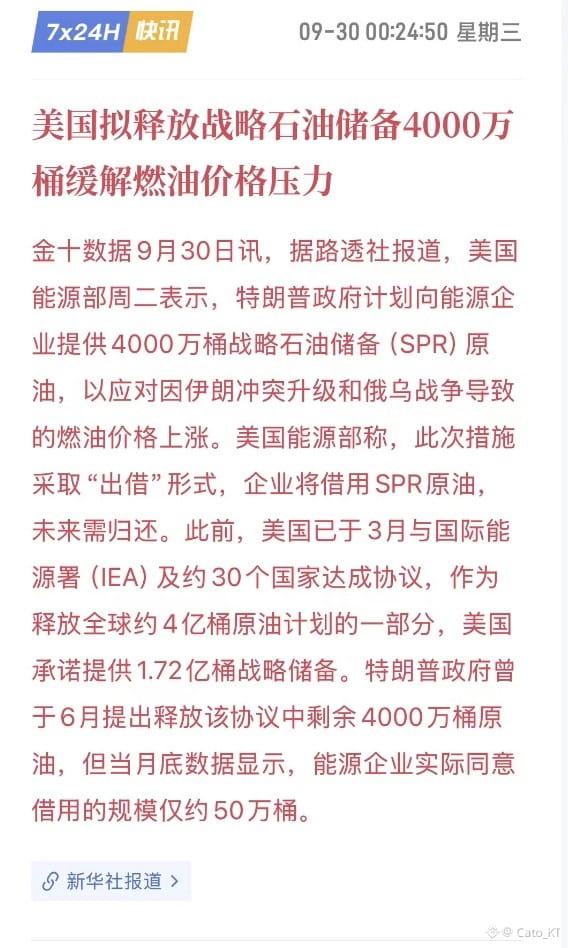
1. The U.S. plans to release 40 million barrels of strategic oil reserves to ease pressure on fuel prices.
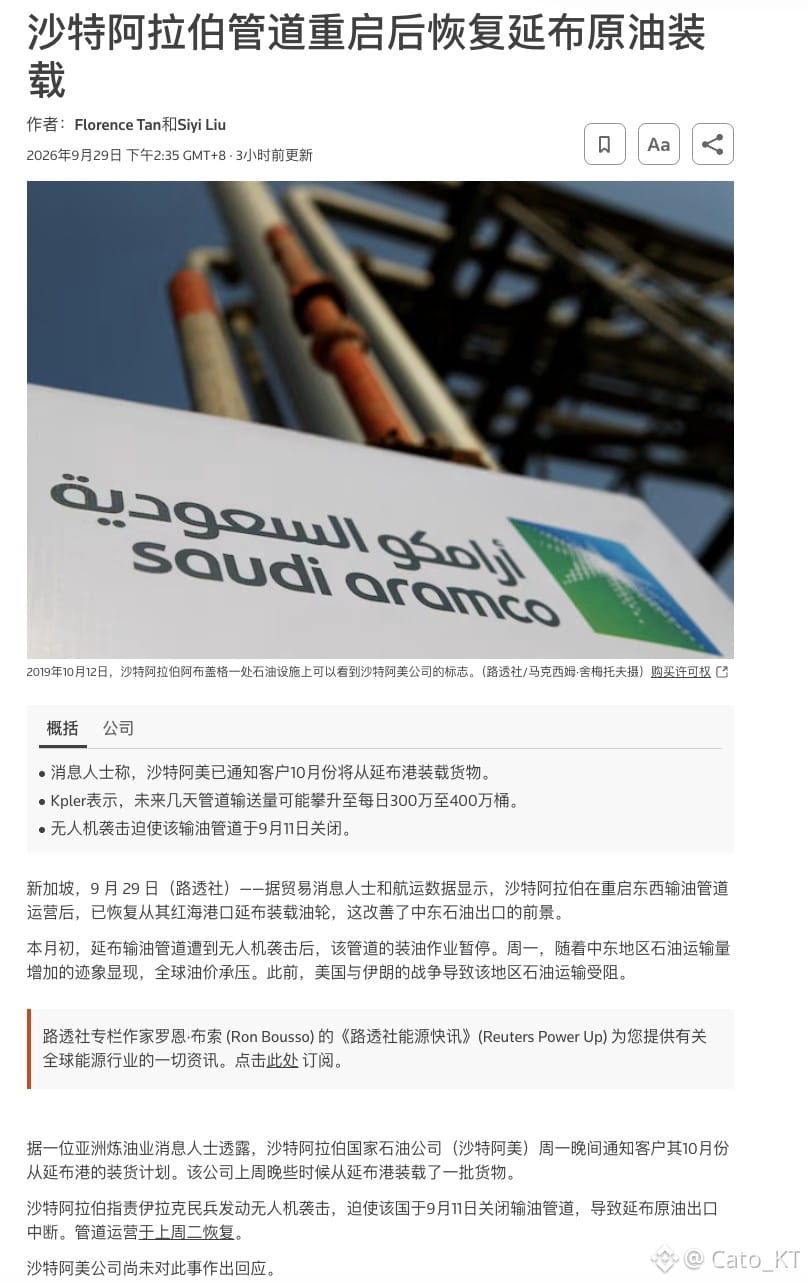
2. Saudi Arabia’s Red Sea export route has officially resumed, which will reduce the risk in the Strait of Hormuz by shifting exports through the Red Sea.
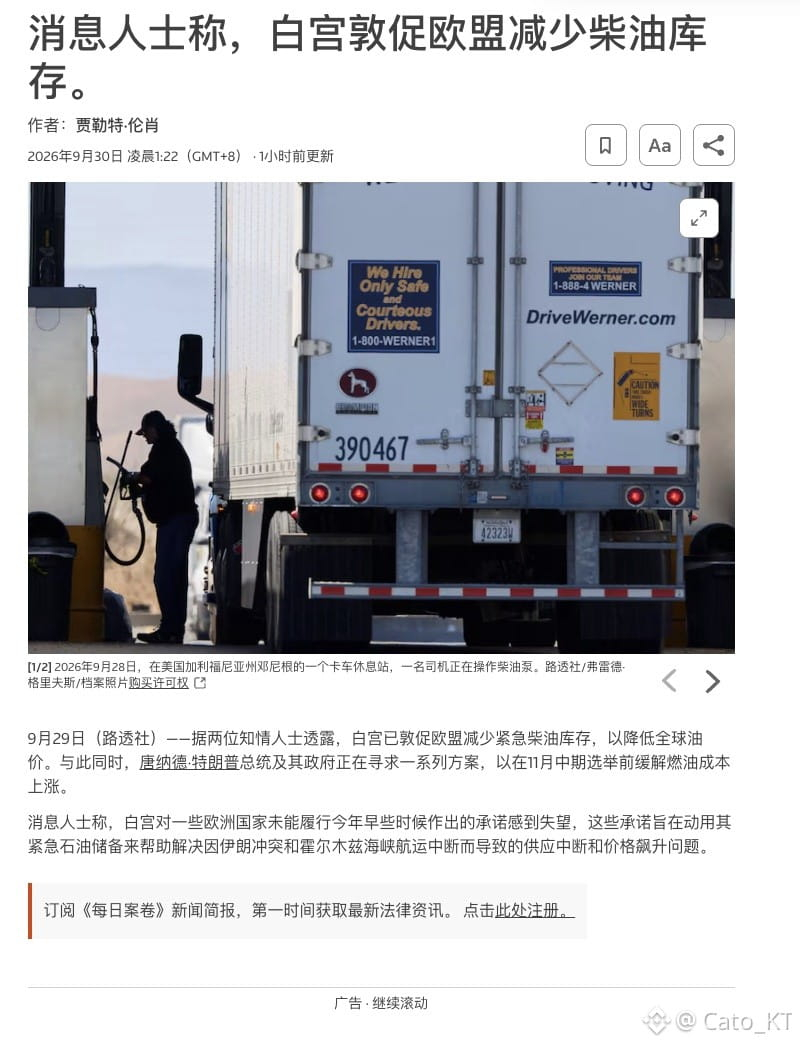
3. The White House has asked European allies to release their national diesel reserves to ease tight energy market supply.
Based on these developments, if Trump is determined to seek an energy supply plan to replace the Strait of Hormuz, then he will inevitably take a harder line in negotiations with Iran. In that situation, the only way to hope for reconciliation and a return to talks would be to count on Iran softening its stance—but the likelihood of that is low.
So, at present, it’s necessary to downgrade expectations for the U.S.-Iran return to negotiations. Unless all current reports are simply meant to build momentum to support Trump’s negotiating efforts, the negotiating threshold for Iran is very high right now! #股票财报季
1. The U.S. plans to release 40 million barrels of strategic oil reserves to ease pressure on fuel prices.
2. Saudi Arabia’s Red Sea export route has officially resumed, which will reduce the risk in the Strait of Hormuz by shifting exports through the Red Sea.
3. The White House has asked European allies to release their national diesel reserves to ease tight energy market supply.
Based on these developments, if Trump is determined to seek an energy supply plan to replace the Strait of Hormuz, then he will inevitably take a harder line in negotiations with Iran. In that situation, the only way to hope for reconciliation and a return to talks would be to count on Iran softening its stance—but the likelihood of that is low.
So, at present, it’s necessary to downgrade expectations for the U.S.-Iran return to negotiations. Unless all current reports are simply meant to build momentum to support Trump’s negotiating efforts, the negotiating threshold for Iran is very high right now! #股票财报季