Lisk surges briefly over 515%: a short squeeze on a thin order book
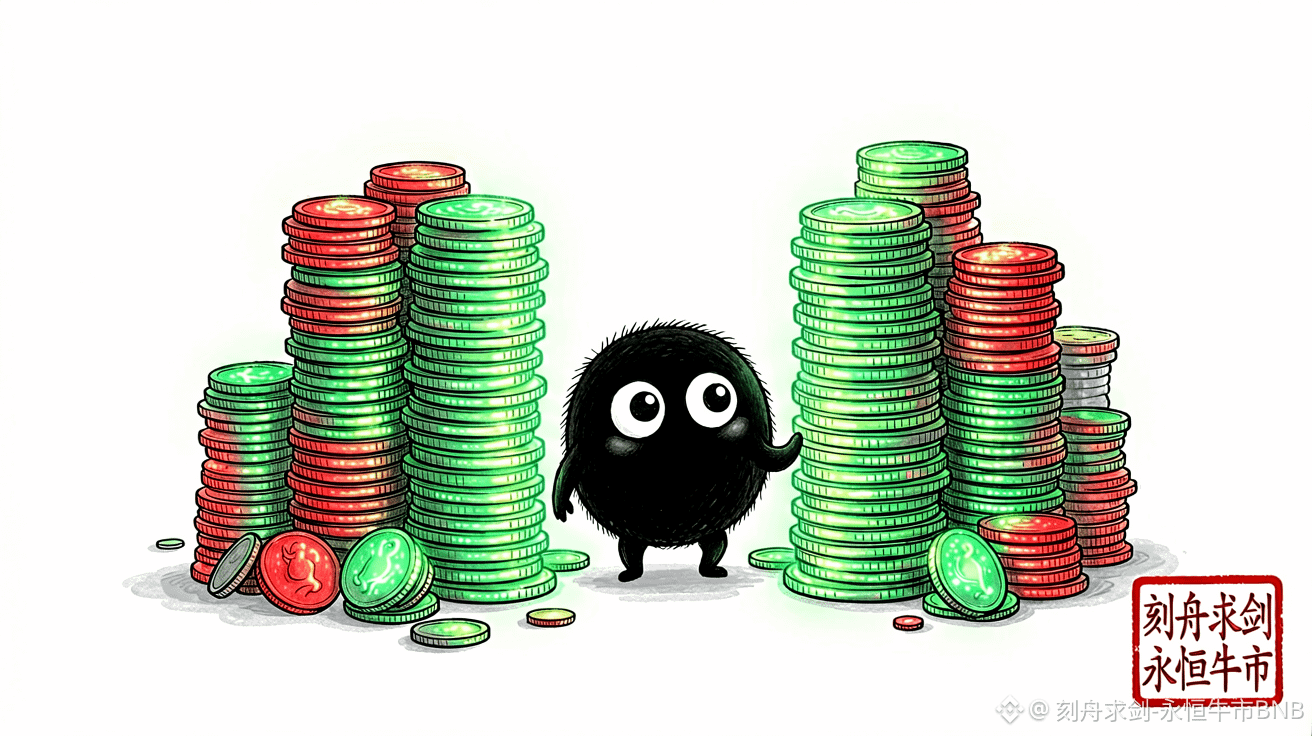
On September 13, 2026, over the following 24 hours, Lisk saw a brief surge of more than 515%. In the session, it climbed from around $0.20 to as high as $2.37, then gave back more than half and slid back to the $0.8 area. It’s worth writing about—the key is the mechanism rather than that exaggerated move. This candle cleanly shows how “thin-liquidity small caps + high-leverage short positions + stacked narratives” can squeeze price action out of the market.
The direct trigger is a short liquidation cascade. Based on estimated public liquidation data, about $41 million was liquidated across the entire network within 24 hours, with shorts accounting for roughly $33 million. Open interest is around $42 million, while perpetual trading volume is about $501 million—and spot order-book liquidity is extremely thin. This mismatch—“derivatives-heavy, spot-light”—is a classic signature of a short squeeze: when price is pushed up slightly, shorts get force-liquidated; force-liquidations turn into market buys; those buys push price higher again, continuing the chain until the short side is cleared.
What puts shorts on the wrong side is the stacked narrative. Since August, Lisk has shifted from a public-chain focus to an enterprise-level stablecoin payment platform and introduced a USD stablecoin settlement layer. The team’s promotion of burning 100 million coins (reducing total supply from 400 million to 300 million) creates scarcity expectations. In addition, the original chain is set to be shut down on October 31, 2026; assets that are not bridged will become invalid. This hard cutoff date forces holders to act. With three layers of narrative stacked, it gives longs a story—and gives shorts a window to be disproven.
Binance already added Lisk to a monitoring tag on July 24, 2026, flagging volatility and delisting risk. Lisk is listed on Binance and tradable, and it trades in the spot market alongside BNB under the platform-token listings; related discussion can also be found in the Binance Square. After roughly 5 hours of the anomaly, the address said to be linked to the founder reportedly transferred about 3.3 million Lisk to Binance—often read as a prelude to distribution. The squeeze hit hard on a thin book, and it faded quickly.
I think this rally was a short squeeze jointly “manufactured” by “stacked narratives + thin order books + high-leverage shorts,” rather than a fundamental repricing. There’s only one way to test it: if, over the next three weeks, the token burns are carried out on schedule, the enterprise platform actually lands real revenue and adoption, and yet Lisk still holds along the lower edge of the anomaly range without falling back, then it means the rally truly has fundamental support—and my “pure squeeze” explanation is immediately invalidated. This article is a record of opinions and does not constitute investment advice.$LSK
$AAPLB $GOOGL.US #lsk24小时上涨超515%
On September 13, 2026, over the following 24 hours, Lisk saw a brief surge of more than 515%. In the session, it climbed from around $0.20 to as high as $2.37, then gave back more than half and slid back to the $0.8 area. It’s worth writing about—the key is the mechanism rather than that exaggerated move. This candle cleanly shows how “thin-liquidity small caps + high-leverage short positions + stacked narratives” can squeeze price action out of the market.
The direct trigger is a short liquidation cascade. Based on estimated public liquidation data, about $41 million was liquidated across the entire network within 24 hours, with shorts accounting for roughly $33 million. Open interest is around $42 million, while perpetual trading volume is about $501 million—and spot order-book liquidity is extremely thin. This mismatch—“derivatives-heavy, spot-light”—is a classic signature of a short squeeze: when price is pushed up slightly, shorts get force-liquidated; force-liquidations turn into market buys; those buys push price higher again, continuing the chain until the short side is cleared.
What puts shorts on the wrong side is the stacked narrative. Since August, Lisk has shifted from a public-chain focus to an enterprise-level stablecoin payment platform and introduced a USD stablecoin settlement layer. The team’s promotion of burning 100 million coins (reducing total supply from 400 million to 300 million) creates scarcity expectations. In addition, the original chain is set to be shut down on October 31, 2026; assets that are not bridged will become invalid. This hard cutoff date forces holders to act. With three layers of narrative stacked, it gives longs a story—and gives shorts a window to be disproven.
Binance already added Lisk to a monitoring tag on July 24, 2026, flagging volatility and delisting risk. Lisk is listed on Binance and tradable, and it trades in the spot market alongside BNB under the platform-token listings; related discussion can also be found in the Binance Square. After roughly 5 hours of the anomaly, the address said to be linked to the founder reportedly transferred about 3.3 million Lisk to Binance—often read as a prelude to distribution. The squeeze hit hard on a thin book, and it faded quickly.
I think this rally was a short squeeze jointly “manufactured” by “stacked narratives + thin order books + high-leverage shorts,” rather than a fundamental repricing. There’s only one way to test it: if, over the next three weeks, the token burns are carried out on schedule, the enterprise platform actually lands real revenue and adoption, and yet Lisk still holds along the lower edge of the anomaly range without falling back, then it means the rally truly has fundamental support—and my “pure squeeze” explanation is immediately invalidated. This article is a record of opinions and does not constitute investment advice.$LSK
$AAPLB $GOOGL.US #lsk24小时上涨超515%