
白鲨观点合约账户
1k Posts

白鲨观点合约账户
158 Following
9.3K+ Followers
1.3K+ Liked
Posts
All
Quotes
Live
PINNED
Follow me and get your red envelope everyday!🧧

🧧
灼见
·
--
🔥 The BTC ETF saw outflows for just one day, and the funds came back.
This could be the most important signal to watch today.
On the previous trading day, BTC ETF recorded roughly $202M in net outflows, ending a streak of nine straight days of net inflows.
Many people have started to worry:
Are institutions getting ready to pull out?
But the latest data immediately shows a reversal:
🟢 BTC ETF: about +$216.7M
🟣 ETH ETF: about +$87.7M
🔥 ETH ETF: net inflows for the 11th consecutive trading day
What’s even more worth noting is—
BTC is still only around $78K.
Meaning:
The money is back, but the price hasn’t clearly kicked off yet.
This is completely different from the simple pattern of “price rises → capital chases.”
Meanwhile, BTC futures open interest hasn’t expanded crazily in sync either. The market currently looks more like it’s being driven by spot inflows, rather than high-leverage momentum.
So what I’m focusing on now isn’t:
“Will BTC break back above 80K today?”
It’s:
With these ongoing funds flowing into Crypto, who will they ultimately push up?
BTC is responsible for stabilizing the market.
ETH is steadily absorbing institutional capital.
And if liquidity continues to spread, BNB and other major assets may also become key things to watch in the next phase.
The most interesting state of this market right now is:
PRICE is hesitating.
But MONEY is still entering.
When price and fund flows show this kind of divergence—
it’s often worth taking a second look.
👇 If you can only choose one, who do you think will break through first in the next phase?
BTC / ETH / BNB?
#BTC #ETH #BNB
This could be the most important signal to watch today.
On the previous trading day, BTC ETF recorded roughly $202M in net outflows, ending a streak of nine straight days of net inflows.
Many people have started to worry:
Are institutions getting ready to pull out?
But the latest data immediately shows a reversal:
🟢 BTC ETF: about +$216.7M
🟣 ETH ETF: about +$87.7M
🔥 ETH ETF: net inflows for the 11th consecutive trading day
What’s even more worth noting is—
BTC is still only around $78K.
Meaning:
The money is back, but the price hasn’t clearly kicked off yet.
This is completely different from the simple pattern of “price rises → capital chases.”
Meanwhile, BTC futures open interest hasn’t expanded crazily in sync either. The market currently looks more like it’s being driven by spot inflows, rather than high-leverage momentum.
So what I’m focusing on now isn’t:
“Will BTC break back above 80K today?”
It’s:
With these ongoing funds flowing into Crypto, who will they ultimately push up?
BTC is responsible for stabilizing the market.
ETH is steadily absorbing institutional capital.
And if liquidity continues to spread, BNB and other major assets may also become key things to watch in the next phase.
The most interesting state of this market right now is:
PRICE is hesitating.
But MONEY is still entering.
When price and fund flows show this kind of divergence—
it’s often worth taking a second look.
👇 If you can only choose one, who do you think will break through first in the next phase?
BTC / ETH / BNB?
#BTC #ETH #BNB

🧧

光明社区-亮总
·
--
Even if wind and rain shroud the road ahead,
don’t lament the many twists and turns of time.
Let your heart settle and gather strength to forge your spirit,
and there will be brilliance breaking through the mist to emerge.
don’t lament the many twists and turns of time.
Let your heart settle and gather strength to forge your spirit,
and there will be brilliance breaking through the mist to emerge.

Go
@光明社区-亮总
is speaking[LIVE] 🎙️ Your choices are your cognition—so wealth is cognition monetized!
6.5k listens
🧧


币盈Anna
·
--
The competition for USDT is finally here! Bank of America and Goldman Sachs and Citigroup lead: 21 global top banks form a coalition to launch a stablecoin
Overseas Perspective | Digital Finance Special
In just one day yesterday, the global financial community was almost simultaneously rocked by two major pieces of news—one even heavier than the next.
First, Merrill Lynch, Citigroup, Goldman Sachs, Bank of America, UBS, Deutsche Bank… 21 of the world’s top financial institutions have officially announced that they’re banding together to form a new company that will issue its own stablecoin.
Second, the London Stock Exchange announced a partnership with Kraken’s parent company, Payward, to tokenize the 100 largest publicly listed companies in the UK and move them onto the blockchain. Over the past few years, traditional finance’s stance toward crypto has shifted from scolding to watching, and then to cautiously testing.
In just one day yesterday, the global financial community was almost simultaneously rocked by two major pieces of news—one even heavier than the next.
First, Merrill Lynch, Citigroup, Goldman Sachs, Bank of America, UBS, Deutsche Bank… 21 of the world’s top financial institutions have officially announced that they’re banding together to form a new company that will issue its own stablecoin.
Second, the London Stock Exchange announced a partnership with Kraken’s parent company, Payward, to tokenize the 100 largest publicly listed companies in the UK and move them onto the blockchain. Over the past few years, traditional finance’s stance toward crypto has shifted from scolding to watching, and then to cautiously testing.

🧧
超人不会飞2020
·
--
People cannot burn for the long term in an overdrawn state.
🧧

M R T
·
--
🚀 Follow • Repost • Claim Reward
🎁 Claim Your Reward Now
🔥 Follow Repost Win Rewards
🎁 Claim Your Reward Now
🔥 Follow Repost Win Rewards

🧧

路人1688luren
·
--
#美联储加息概率升至68% $XRP What surprised me most this time isn’t how much the price has risen, but that the ETF has gone 11 straight trading days without running out of funds.
In the latest day, the U.S. spot XRP ETF saw net inflows of about $14.38 million. The cumulative inflows from this streak are already close to $170 million. Since it launched in November last year, the cumulative net inflow has reached about $1.68 billion.
To be honest, that number isn’t all that extraordinary in front of Bitcoin.
But for $XRP , the meaning is completely different.
In the past, whenever we talked about XRP, the market kept circling around Ripple, lawsuits, cross-border payments, and bank partnerships—stories have been told for years, and truly obvious institutional money that would be willing to hold real cash long-term wasn’t especially clear.
Now, the ETF is essentially opening up a proper channel for legitimate funding.
And during these 11 days, the XRP price wasn’t rising every day. It fell again from around $1.45 in late August back to roughly $1.33, yet ETF capital kept flowing in.
I actually find this more interesting than chasing a rally.
When the price drops and the money doesn’t run—at least it suggests some of the capital isn’t just trying to chase a single big green candle.
Also, in the disclosed data for Q2, the XRP ETF exposure held by Goldman Sachs is around $87.4 million, and Jane Street and Millennium are also listed. Of course, don’t immediately see Goldman Sachs and imagine a “Wall Street all-in on XRP.” These positions could include market-making, arbitrage, even hedging trades.
But no matter what, the fact that institutions are willing to use this product is itself a change.
I’m not going to call $XRP to “take off” right away.
What I’d rather see is this: after 11 days, will there still be a 12th, a 15th, a 20th day?
A big buy in a single day is emotion.
Only continuous inflows can be called a trend.
If the XRP ETF can truly maintain this kind of capital stickiness, then the most important fuel for its next round of trading activity may no longer be retail investors shouting orders every day—it could be institutions slowly but steadily buying away the float, one piece at a time.
In the latest day, the U.S. spot XRP ETF saw net inflows of about $14.38 million. The cumulative inflows from this streak are already close to $170 million. Since it launched in November last year, the cumulative net inflow has reached about $1.68 billion.
To be honest, that number isn’t all that extraordinary in front of Bitcoin.
But for $XRP , the meaning is completely different.
In the past, whenever we talked about XRP, the market kept circling around Ripple, lawsuits, cross-border payments, and bank partnerships—stories have been told for years, and truly obvious institutional money that would be willing to hold real cash long-term wasn’t especially clear.
Now, the ETF is essentially opening up a proper channel for legitimate funding.
And during these 11 days, the XRP price wasn’t rising every day. It fell again from around $1.45 in late August back to roughly $1.33, yet ETF capital kept flowing in.
I actually find this more interesting than chasing a rally.
When the price drops and the money doesn’t run—at least it suggests some of the capital isn’t just trying to chase a single big green candle.
Also, in the disclosed data for Q2, the XRP ETF exposure held by Goldman Sachs is around $87.4 million, and Jane Street and Millennium are also listed. Of course, don’t immediately see Goldman Sachs and imagine a “Wall Street all-in on XRP.” These positions could include market-making, arbitrage, even hedging trades.
But no matter what, the fact that institutions are willing to use this product is itself a change.
I’m not going to call $XRP to “take off” right away.
What I’d rather see is this: after 11 days, will there still be a 12th, a 15th, a 20th day?
A big buy in a single day is emotion.
Only continuous inflows can be called a trend.
If the XRP ETF can truly maintain this kind of capital stickiness, then the most important fuel for its next round of trading activity may no longer be retail investors shouting orders every day—it could be institutions slowly but steadily buying away the float, one piece at a time.


🧧

大仁Jaron
·
--
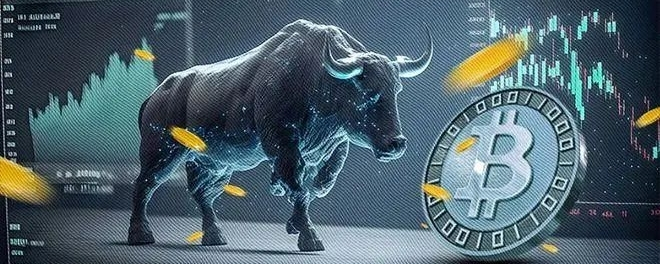
After the squeeze—Bitcoin's $77,000 crossroads
After several months of dormancy, Bitcoin resumed its uptrend during the week of August 17. It surged 21.99% for the week and broke above $80,000 on August 25.
Upward drivers
Short-term catalyst—short squeeze: Previously, Bitcoin traded sideways around $60,000 for months, while the derivatives market accumulated a large amount of leveraged short positions. Once the price broke above a key level, it triggered forced-cover buy orders, creating a squeeze effect that further propelled the rally.
Sustained support signal:
1. Liquidity: U.S. Bitcoin spot ETFs recorded a net inflow of $420 million over the past five trading days, effectively offsetting early third-quarter pressure from outflows.
Upward drivers
Short-term catalyst—short squeeze: Previously, Bitcoin traded sideways around $60,000 for months, while the derivatives market accumulated a large amount of leveraged short positions. Once the price broke above a key level, it triggered forced-cover buy orders, creating a squeeze effect that further propelled the rally.
Sustained support signal:
1. Liquidity: U.S. Bitcoin spot ETFs recorded a net inflow of $420 million over the past five trading days, effectively offsetting early third-quarter pressure from outflows.
🧧

周周1688
·
--
🚀 Sep 2 | Crypto Market Snapshot
$BNB 🧧🧧
📰 Market Overview
BTC is currently around $77,000–$77,500, with a 24-hour drop of about 1.5%; ETH is around $2,400–$2,420, and SOL has slipped back to around $100.
The strong rally in August has entered a correction phase, and the market is now clearly being driven by macro risk.
The U.S. 10-year Treasury yield has risen to about 4.8%, while higher oil prices and an escalation of the Middle East situation further weigh on risk assets.
🏦 21 major financial institutions team up to develop USD stablecoins
Including Citi, Goldman Sachs, Bank of America, UBS, Deutsche Bank, and others, 21 financial institutions plan to form a new company to launch a USD stablecoin, targeting the first half of 2027.
More importantly, this is not just a crypto trading product—it’s financial infrastructure aimed at cross-border payments, institutional settlement, and digital-asset trading.
Traditional finance is shifting from “researching blockchain” to directly building its own on-chain USD system.
💰 Binance saw $15.7 billion in fund inflows in August
According to related data, Binance recorded about $15.7 billion in fund inflows in August, accounting for over 75% of total inflows to centralized exchanges.
This closely aligns with BTC breaking above $80,000, suggesting that during August’s market rebound, trading capital and liquidity clearly returned.
📉 Macro pressure is back as the main storyline
Oil prices are nearing $95, and the U.S. 10-year Treasury yield has risen to about 4.81%; expectations for the Fed to hike rates in September have noticeably warmed.
Therefore, BTC’s current pullback is not only profit-taking, but also a reassessment of the global liquidity environment.
🚀 What to watch today
SC: +50.0%
ARB: +25.5%
ONG: +18.3%
August’s rally was driven by capital inflows; in September, liquidity resilience will be put to the test.
For now, BTC is holding the $76,000–$77,000 range, while traditional finance is accelerating into stablecoins and on-chain settlement.
In the short term, things are cooling off—but the long-term narrative is getting hotter.
#1688家族family
$ETH $BTC
$BNB 🧧🧧
📰 Market Overview
BTC is currently around $77,000–$77,500, with a 24-hour drop of about 1.5%; ETH is around $2,400–$2,420, and SOL has slipped back to around $100.
The strong rally in August has entered a correction phase, and the market is now clearly being driven by macro risk.
The U.S. 10-year Treasury yield has risen to about 4.8%, while higher oil prices and an escalation of the Middle East situation further weigh on risk assets.
🏦 21 major financial institutions team up to develop USD stablecoins
Including Citi, Goldman Sachs, Bank of America, UBS, Deutsche Bank, and others, 21 financial institutions plan to form a new company to launch a USD stablecoin, targeting the first half of 2027.
More importantly, this is not just a crypto trading product—it’s financial infrastructure aimed at cross-border payments, institutional settlement, and digital-asset trading.
Traditional finance is shifting from “researching blockchain” to directly building its own on-chain USD system.
💰 Binance saw $15.7 billion in fund inflows in August
According to related data, Binance recorded about $15.7 billion in fund inflows in August, accounting for over 75% of total inflows to centralized exchanges.
This closely aligns with BTC breaking above $80,000, suggesting that during August’s market rebound, trading capital and liquidity clearly returned.
📉 Macro pressure is back as the main storyline
Oil prices are nearing $95, and the U.S. 10-year Treasury yield has risen to about 4.81%; expectations for the Fed to hike rates in September have noticeably warmed.
Therefore, BTC’s current pullback is not only profit-taking, but also a reassessment of the global liquidity environment.
🚀 What to watch today
SC: +50.0%
ARB: +25.5%
ONG: +18.3%
August’s rally was driven by capital inflows; in September, liquidity resilience will be put to the test.
For now, BTC is holding the $76,000–$77,000 range, while traditional finance is accelerating into stablecoins and on-chain settlement.
In the short term, things are cooling off—but the long-term narrative is getting hotter.
#1688家族family
$ETH $BTC

Go
@周周1688
is speaking[LIVE] 🎙️ Let’s talk about the market and invest in BNB spot through dollar-cost averaging!
14.9k listens

🧧

BTC卧龙
·
--
Many people who trade can’t even tell the difference between left-side and right-side trading.
They’re also unclear about which time period they’re actually trading.
They use signals from a small timeframe to try to battle the market on a larger timeframe;
then they use a large-timeframe mindset to agonize over the up-and-down fluctuations of the small timeframe.
If you can’t distinguish the timeframe and don’t understand left vs. right, entering trades becomes very blind.
Some traders prefer to set up positions early on the left side, taking the stress of oscillations and pullbacks;
others trade only after right-side confirmation, giving up some early profit in exchange for certainty.
There’s no absolute right or wrong, but you must be clear:
Which timeframe are you trading? Are you doing left-side or right-side trading?
When timeframes are mixed up, trading easily loses its rhythm.
They’re also unclear about which time period they’re actually trading.
They use signals from a small timeframe to try to battle the market on a larger timeframe;
then they use a large-timeframe mindset to agonize over the up-and-down fluctuations of the small timeframe.
If you can’t distinguish the timeframe and don’t understand left vs. right, entering trades becomes very blind.
Some traders prefer to set up positions early on the left side, taking the stress of oscillations and pullbacks;
others trade only after right-side confirmation, giving up some early profit in exchange for certainty.
There’s no absolute right or wrong, but you must be clear:
Which timeframe are you trading? Are you doing left-side or right-side trading?
When timeframes are mixed up, trading easily loses its rhythm.


🧧

MV - MrColibrì
·
--
"The Art and the Measure"
Art does not arise from emptiness,
but from a vision that transcends time.
LUCIC, like carved jade,
glows with the signature of Michel Saja.
The proper measure is the foundation:
two hundred ten thousand fixed coins,
as the sky has its order,
so the ecosystem finds its root.
The community of Guangming,
like the disciples of the wise,
converges in consensus and virtue,
weaving the Web3 network.
Digital art and the chain,
like water and the road,
complement each other effortlessly.
Yet the sage examines with care:
"Investigate for yourself" —said the Master—
and do not trust blindly in another’s words.
@静姐6888 @一休哥168 @光明社区-亮总 @光明社区-裴佩 @未来已来-光明社区 @瑞霖-光明社区 @光明社区-明道 @金算盘-光明社区 @阿波罗1111
Art does not arise from emptiness,
but from a vision that transcends time.
LUCIC, like carved jade,
glows with the signature of Michel Saja.
The proper measure is the foundation:
two hundred ten thousand fixed coins,
as the sky has its order,
so the ecosystem finds its root.
The community of Guangming,
like the disciples of the wise,
converges in consensus and virtue,
weaving the Web3 network.
Digital art and the chain,
like water and the road,
complement each other effortlessly.
Yet the sage examines with care:
"Investigate for yourself" —said the Master—
and do not trust blindly in another’s words.
@静姐6888 @一休哥168 @光明社区-亮总 @光明社区-裴佩 @未来已来-光明社区 @瑞霖-光明社区 @光明社区-明道 @金算盘-光明社区 @阿波罗1111


🧧

SNM Khan
·
--
$T
$CLO
$KITE
All is Going High Shorts Before Waiting For Recovery Entry Zone Still For Sniper Shot DYOR 👈
$CLO
$KITE
All is Going High Shorts Before Waiting For Recovery Entry Zone Still For Sniper Shot DYOR 👈

🧧

幸运雨Rain
·
--
🌙 As the night settles and the haze fades, a cup of clear tea dissolves the noise of the day’s chart 🍵.
Let the tea be sipped slowly—the same goes for trading; don’t rush for quick results 📊.
Let go of the regrets and unwillingness that linger on the day’s chart, and make peace with the day’s market movement 🕯️.
Don’t brood over missed opportunities; the market will always offer the next chance.
Unravel the restlessness, calmly review and reflect in the quiet of the night, and let your thoughts deepen ✨.
Don’t let greed drag you along—hold on to your inner measure and your trading rhythm 💎.
Only after you’ve settled and deepened your mindset can you meet the next round of market pursuit with composure 🌌.
#美联储加息概率升至68%
#1688家族family
#TradingMindset
Let the tea be sipped slowly—the same goes for trading; don’t rush for quick results 📊.
Let go of the regrets and unwillingness that linger on the day’s chart, and make peace with the day’s market movement 🕯️.
Don’t brood over missed opportunities; the market will always offer the next chance.
Unravel the restlessness, calmly review and reflect in the quiet of the night, and let your thoughts deepen ✨.
Don’t let greed drag you along—hold on to your inner measure and your trading rhythm 💎.
Only after you’ve settled and deepened your mindset can you meet the next round of market pursuit with composure 🌌.
#美联储加息概率升至68%
#1688家族family
#TradingMindset

🧧
白鲨观点合约账户
·
--
Follow me and get your red envelope everyday!🧧

🧧
白鲨观点合约账户
·
--
At lunchtime, I chatted with friends again about cutting losses. He said that recently, because he didn’t cut losses, a trade got stuck at 20%, and now it’s “frozen” altogether.
When I first got into the profession, I was like that too. I thought cutting losses really meant admitting defeat. As long as you don’t sell, there’s still hope the price will turn around and rise again. But what happens instead? Usually, a small loss drags on and turns into a big loss, then the big loss turns into a deep trap, and in the end people stop even looking. They give that behavior a name: “value investing.”
Later, after suffering losses many times, I finally understood: cutting losses isn’t surrender—it’s to keep yourself alive.
Think about it: if you make ten trades, even if you’re wrong five times and right five times, as long as every time you’re wrong you lose a little, and every time you’re right you gain a lot, the overall result can still be profitable. But if you don’t cut losses, just one wrong trade can wipe out everything you achieved in the previous nine.
In trading, survival matters more than anything.
Many people like to see how many times others can make money, and think that’s what it means to be good. But that’s not the case. The truly great ones are the people who have still been here after ten years, eight years. They may not make money as fast as that, and it’s very rare for anyone to have a “life-changing overnight” legend—but they move steadily and go far.
Fast and steady—forever—comes down to a choice.
Choose fast, and you might shine brilliantly for a moment;
Choose steady, and you can reach the end.
$BTC #BinanceSquare #BTC #交易心得分享
When I first got into the profession, I was like that too. I thought cutting losses really meant admitting defeat. As long as you don’t sell, there’s still hope the price will turn around and rise again. But what happens instead? Usually, a small loss drags on and turns into a big loss, then the big loss turns into a deep trap, and in the end people stop even looking. They give that behavior a name: “value investing.”
Later, after suffering losses many times, I finally understood: cutting losses isn’t surrender—it’s to keep yourself alive.
Think about it: if you make ten trades, even if you’re wrong five times and right five times, as long as every time you’re wrong you lose a little, and every time you’re right you gain a lot, the overall result can still be profitable. But if you don’t cut losses, just one wrong trade can wipe out everything you achieved in the previous nine.
In trading, survival matters more than anything.
Many people like to see how many times others can make money, and think that’s what it means to be good. But that’s not the case. The truly great ones are the people who have still been here after ten years, eight years. They may not make money as fast as that, and it’s very rare for anyone to have a “life-changing overnight” legend—but they move steadily and go far.
Fast and steady—forever—comes down to a choice.
Choose fast, and you might shine brilliantly for a moment;
Choose steady, and you can reach the end.
$BTC #BinanceSquare #BTC #交易心得分享

This week, the market is pretty lively too. BTC went from 75k up to 80k, then got pushed back down, and after that rallied again. Every few thousand points, the price swings up and down continuously, and both the long and short sides have people getting their accounts wiped. Scroll through the comments for a round—some people brag about profits, some curse, and some pretend to be dead. Every weekend is pretty much the same.
As for me, this week I almost didn’t do anything. I’m still holding Spot. I only used a small amount of capital to make two swing trades and earned a bit of money for groceries. In the past, when I met markets like this sideways one, I’d probably jump in every day, and if I didn’t trade for a day, I’d get itchy. But now I don’t feel that way anymore. I’m older now, my guts are smaller, and I’ve come to understand that some coins aren’t meant to be chased or forced to make money.
Many people ask me what direction the market will take next week. To be honest, I don’t know.
I’ve been trading for years, and the more time goes by, the less I dare to predict. I used to think I could spot the trend, and then the market would just swing around and slap me in the face. I thought it would definitely drop, and it would go on to rise just to show me.
In the end, I realized that being right about the market a few times isn’t that impressive. What’s truly skillful is being able to survive in this market for 5 years, 10 years. As for next week—let’s think about that next week. Tonight, just enjoy a good meal and go to bed a little earlier.
Tomorrow the market opens, and a new week begins again.
As for me, this week I almost didn’t do anything. I’m still holding Spot. I only used a small amount of capital to make two swing trades and earned a bit of money for groceries. In the past, when I met markets like this sideways one, I’d probably jump in every day, and if I didn’t trade for a day, I’d get itchy. But now I don’t feel that way anymore. I’m older now, my guts are smaller, and I’ve come to understand that some coins aren’t meant to be chased or forced to make money.
Many people ask me what direction the market will take next week. To be honest, I don’t know.
I’ve been trading for years, and the more time goes by, the less I dare to predict. I used to think I could spot the trend, and then the market would just swing around and slap me in the face. I thought it would definitely drop, and it would go on to rise just to show me.
In the end, I realized that being right about the market a few times isn’t that impressive. What’s truly skillful is being able to survive in this market for 5 years, 10 years. As for next week—let’s think about that next week. Tonight, just enjoy a good meal and go to bed a little earlier.
Tomorrow the market opens, and a new week begins again.

Have a great weekend everyone!
Follow me to receive gifts every day!
Follow me to receive gifts every day!

1

白鲨观点
·
--
BearishA trader I know got liquidated last week.
I’ve known him for three years—he’s a hard-working trader.
This week, when BTC surged from 63,000 to 81,000, he was wiped out.
It wasn’t just that he lost money—he completely lost his place in this circle.
With 50x leverage, he shorted with full position sizing and got liquidated through.
His principal was money he’d saved for a house down payment, plus loans he’d taken from relatives.
Yesterday he messaged me saying he won’t touch futures contracts anymore.
He found a job, working a 9-to-5 shift—steady and grounded.
I didn’t try to persuade him, and I didn’t comfort him.
Because I know this kind of story plays out in the crypto world every day.
Most of the time, all you hear about is “so-and-so made how many multiples.”
Nobody goes around saying they got liquidated.
So today, I’m not going to talk about the market—just plain human words:
Leverage: if you use it well, it’s an accelerator. If you use it badly, it’s a crusher.
You can profit 10 times—if you lose once, you might end up with nothing.
Spot can be held long-term, but futures can’t.
Time is always your biggest enemy.
Don’t tell me anything about “seeking fortune in risk.”
The people who can truly survive in this market
are never the bravest—they’re the most cautious.
#BinanceSquare #交易心得分享 #合约交易 #币圈故事 #BTC
I’ve known him for three years—he’s a hard-working trader.
This week, when BTC surged from 63,000 to 81,000, he was wiped out.
It wasn’t just that he lost money—he completely lost his place in this circle.
With 50x leverage, he shorted with full position sizing and got liquidated through.
His principal was money he’d saved for a house down payment, plus loans he’d taken from relatives.
Yesterday he messaged me saying he won’t touch futures contracts anymore.
He found a job, working a 9-to-5 shift—steady and grounded.
I didn’t try to persuade him, and I didn’t comfort him.
Because I know this kind of story plays out in the crypto world every day.
Most of the time, all you hear about is “so-and-so made how many multiples.”
Nobody goes around saying they got liquidated.
So today, I’m not going to talk about the market—just plain human words:
Leverage: if you use it well, it’s an accelerator. If you use it badly, it’s a crusher.
You can profit 10 times—if you lose once, you might end up with nothing.
Spot can be held long-term, but futures can’t.
Time is always your biggest enemy.
Don’t tell me anything about “seeking fortune in risk.”
The people who can truly survive in this market
are never the bravest—they’re the most cautious.
#BinanceSquare #交易心得分享 #合约交易 #币圈故事 #BTC

Log in to explore more content