
#secclarifiescryptoclassification
secclarifiescryptoclassification
1.6M views
13,124 Discussing
Hot
Latest


·
--
Article
SEC Clarifies Crypto Asset Classification, Excludes Most from Securities DefinitionThe U.S. Securities and Exchange Commission (SEC) announced on Tuesday that the majority of cryptocurrency assets will not be classified as securities. According to NS3.AI, the SEC specifically stated that activities such as protocol mining, staking, and airdrops do not fall under the definition of an investment contract. SEC Chair Paul Atkins highlighted that this interpretation provides market participants with clearer guidelines under federal securities laws, addressing over a decade of ambiguity.Following the SEC's announcement, the Commodity Futures Trading Commission (CFTC) declared that it would align its administration of the Commodity Exchange Act with the SEC's interpretation. Atkins further noted that this guidance could act as a transitional measure while Congress develops bipartisan legislation on market structure.
SEC Clarifies Crypto Asset Classification, Excludes Most from Securities Definition
The U.S. Securities and Exchange Commission (SEC) announced on Tuesday that the majority of cryptocurrency assets will not be classified as securities. According to NS3.AI, the SEC specifically stated that activities such as protocol mining, staking, and airdrops do not fall under the definition of an investment contract. SEC Chair Paul Atkins highlighted that this interpretation provides market participants with clearer guidelines under federal securities laws, addressing over a decade of ambiguity.Following the SEC's announcement, the Commodity Futures Trading Commission (CFTC) declared that it would align its administration of the Commodity Exchange Act with the SEC's interpretation. Atkins further noted that this guidance could act as a transitional measure while Congress develops bipartisan legislation on market structure.
173
89
405
24.6k



·
--
Bearish
$BTC
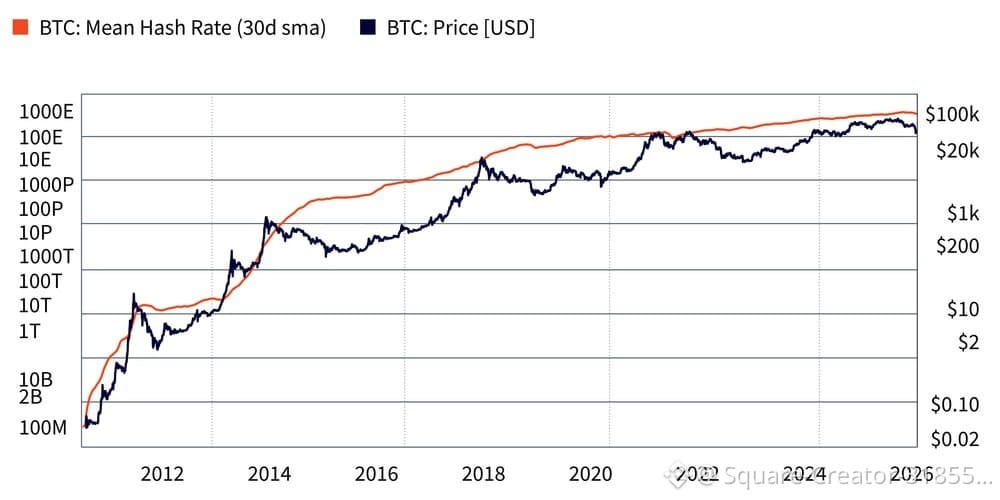
Bitcoin replaces institutional trust with funded security, where hashrate reflects the aggregate energy and capital deployed for transaction finality.
As network value grows, so does security investment — driving increasingly industrialized mining operations where cost efficiency and scale define competitive positioning.#Eid Mubarak 💚
#astermainnet #SECClarifiesCryptoClassification #USFebruaryPPISurgedSurprisingly #SECApprovesNasdaqTokenizedStocksPilot #MarchFedMeeting
$BTC
Bitcoin replaces institutional trust with funded security, where hashrate reflects the aggregate energy and capital deployed for transaction finality.
As network value grows, so does security investment — driving increasingly industrialized mining operations where cost efficiency and scale define competitive positioning.#Eid Mubarak 💚
#astermainnet #SECClarifiesCryptoClassification #USFebruaryPPISurgedSurprisingly #SECApprovesNasdaqTokenizedStocksPilot #MarchFedMeeting
Bitcoin replaces institutional trust with funded security, where hashrate reflects the aggregate energy and capital deployed for transaction finality.
As network value grows, so does security investment — driving increasingly industrialized mining operations where cost efficiency and scale define competitive positioning.#Eid Mubarak 💚
#astermainnet #SECClarifiesCryptoClassification #USFebruaryPPISurgedSurprisingly #SECApprovesNasdaqTokenizedStocksPilot #MarchFedMeeting
1
54

·
--
Bullish
Price Up Zone ⬆️🟢⬆️
Binance Community Hub
Good Luck
🦅 $CLO : The Sei-DeFi Powerhouse is Primed for a "Clovis Cross-Chain" Ignition! 🚀🔥
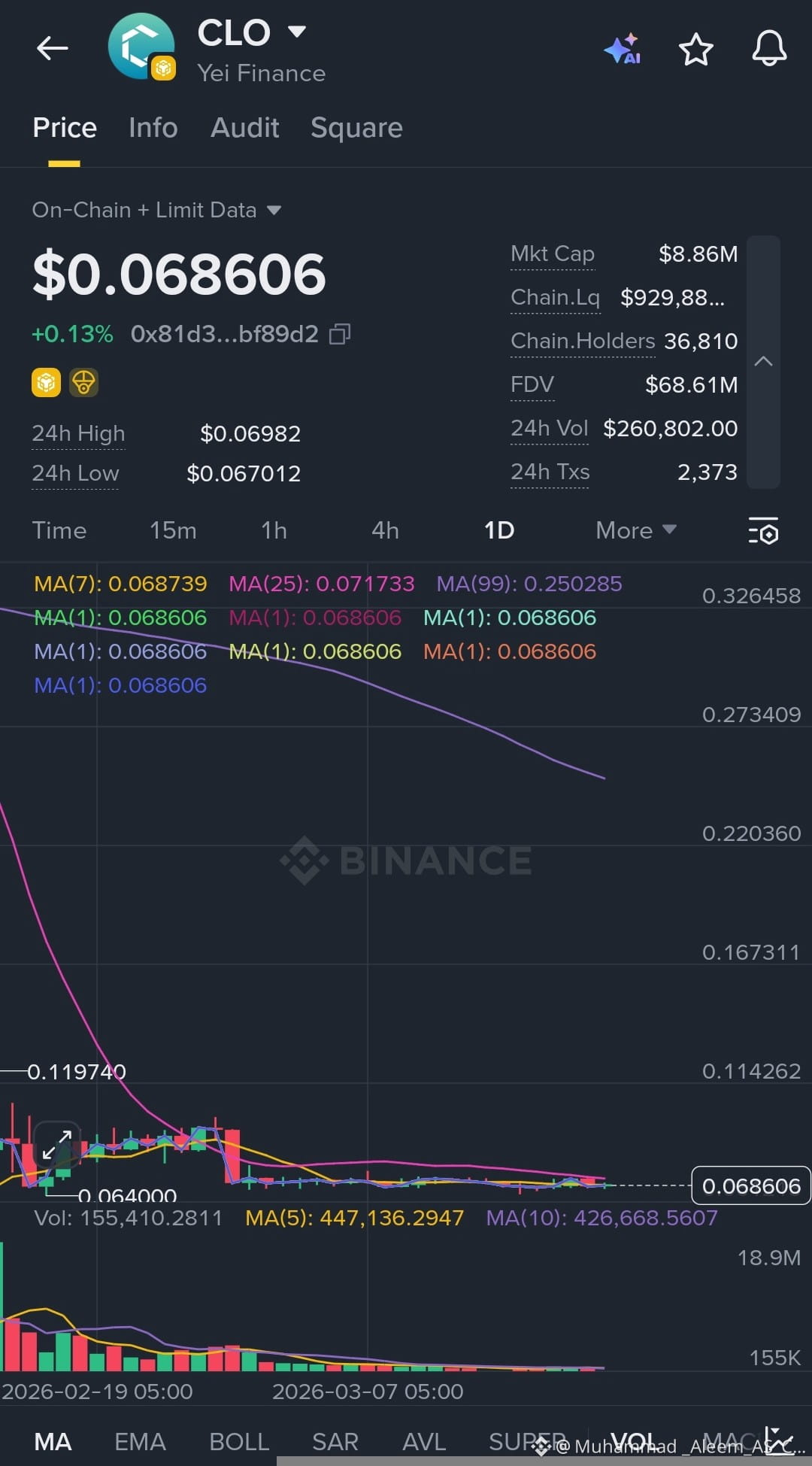
$CLO is currently "Bottom-Fishing" at $0.071, and the Clovis Cross-Chain Expansion is about to trigger a massive, liquidity-driven supply shock! While the "Retail" is panicked by the Sei SIP-3 Migration, the smart money is front-running the First-Ever Cross-Chain Money Market Hub on Sei. This isn't just a token; it's the master liquidity-key for the fastest Layer-1 in existence! 💎🛡️
We are seeing a Granite-Solid Floor at $0.062 - $0.065. The "Legacy USDC Fudsters" have been officially flushed out, and the daily chart is printing a Mega Oversold Reversal (RSI: 34). With Binance Alpha Trading Competitions pumping new eyes into the project and the Aave V3-based security foundation, CLO is the ultimate value-play in a fragmented DeFi landscape. The "Shorts" are trapped at the cycle-bottom—one liquidity spark and we go vertical! 🐳⚡
Technically, $CLO is testing the $0.075 local resistance. A clean break and daily close above this level will trigger a "Gamma Squeeze" towards the $0.220+ macro zone, opening the doors for a massive rally to reclaim its $0.91 All-Time High! 📈💥
🏹 Long CLO (The Sei-Alpha Sniper)
🟢 Long Entry: 0.065 – 0.072
🎯 TP1: 0.125 (Quick 1500% ROI on 20x)
🔥 TP2: 0.220 (Targeting 4500%+ ROI)
🚀 TP3: 0.550 (The 2026 "Clovis-Giga" Target)
🛑 Stop-Loss: 0.058 (Strict Protection below the Pivot Floor!)
⚠️ Warning: MIGRATION VOLATILITY! Sei Network upgrades can temporarily disrupt TVL. Use 10x-20x leverage but strictly keep your margin at 1%. The Cross-Chain Catalyst is the target—front-run the "Liquidity Revolution" before CLO hits its $1.00+ cycle target! Click below to Take Trade 👇
{alpha}(560x81d3a238b02827f62b9f390f947d36d4a5bf89d2)
#CLO
#BinanceKOLIntroductionProgram
#MarchFedMeeting
#SECClarifiesCryptoClassification
#USFebruaryPPISurgedSurprisingly
Price Up Zone ⬆️🟢⬆️
Binance Community Hub
Good Luck
🦅 $CLO : The Sei-DeFi Powerhouse is Primed for a "Clovis Cross-Chain" Ignition! 🚀🔥
$CLO is currently "Bottom-Fishing" at $0.071, and the Clovis Cross-Chain Expansion is about to trigger a massive, liquidity-driven supply shock! While the "Retail" is panicked by the Sei SIP-3 Migration, the smart money is front-running the First-Ever Cross-Chain Money Market Hub on Sei. This isn't just a token; it's the master liquidity-key for the fastest Layer-1 in existence! 💎🛡️
We are seeing a Granite-Solid Floor at $0.062 - $0.065. The "Legacy USDC Fudsters" have been officially flushed out, and the daily chart is printing a Mega Oversold Reversal (RSI: 34). With Binance Alpha Trading Competitions pumping new eyes into the project and the Aave V3-based security foundation, CLO is the ultimate value-play in a fragmented DeFi landscape. The "Shorts" are trapped at the cycle-bottom—one liquidity spark and we go vertical! 🐳⚡
Technically, $CLO is testing the $0.075 local resistance. A clean break and daily close above this level will trigger a "Gamma Squeeze" towards the $0.220+ macro zone, opening the doors for a massive rally to reclaim its $0.91 All-Time High! 📈💥
🏹 Long CLO (The Sei-Alpha Sniper)
🟢 Long Entry: 0.065 – 0.072
🎯 TP1: 0.125 (Quick 1500% ROI on 20x)
🔥 TP2: 0.220 (Targeting 4500%+ ROI)
🚀 TP3: 0.550 (The 2026 "Clovis-Giga" Target)
🛑 Stop-Loss: 0.058 (Strict Protection below the Pivot Floor!)
⚠️ Warning: MIGRATION VOLATILITY! Sei Network upgrades can temporarily disrupt TVL. Use 10x-20x leverage but strictly keep your margin at 1%. The Cross-Chain Catalyst is the target—front-run the "Liquidity Revolution" before CLO hits its $1.00+ cycle target! Click below to Take Trade 👇
#CLO
#BinanceKOLIntroductionProgram
#MarchFedMeeting
#SECClarifiesCryptoClassification
#USFebruaryPPISurgedSurprisingly
Binance Community Hub
Good Luck
🦅 $CLO : The Sei-DeFi Powerhouse is Primed for a "Clovis Cross-Chain" Ignition! 🚀🔥
$CLO is currently "Bottom-Fishing" at $0.071, and the Clovis Cross-Chain Expansion is about to trigger a massive, liquidity-driven supply shock! While the "Retail" is panicked by the Sei SIP-3 Migration, the smart money is front-running the First-Ever Cross-Chain Money Market Hub on Sei. This isn't just a token; it's the master liquidity-key for the fastest Layer-1 in existence! 💎🛡️
We are seeing a Granite-Solid Floor at $0.062 - $0.065. The "Legacy USDC Fudsters" have been officially flushed out, and the daily chart is printing a Mega Oversold Reversal (RSI: 34). With Binance Alpha Trading Competitions pumping new eyes into the project and the Aave V3-based security foundation, CLO is the ultimate value-play in a fragmented DeFi landscape. The "Shorts" are trapped at the cycle-bottom—one liquidity spark and we go vertical! 🐳⚡
Technically, $CLO is testing the $0.075 local resistance. A clean break and daily close above this level will trigger a "Gamma Squeeze" towards the $0.220+ macro zone, opening the doors for a massive rally to reclaim its $0.91 All-Time High! 📈💥
🏹 Long CLO (The Sei-Alpha Sniper)
🟢 Long Entry: 0.065 – 0.072
🎯 TP1: 0.125 (Quick 1500% ROI on 20x)
🔥 TP2: 0.220 (Targeting 4500%+ ROI)
🚀 TP3: 0.550 (The 2026 "Clovis-Giga" Target)
🛑 Stop-Loss: 0.058 (Strict Protection below the Pivot Floor!)
⚠️ Warning: MIGRATION VOLATILITY! Sei Network upgrades can temporarily disrupt TVL. Use 10x-20x leverage but strictly keep your margin at 1%. The Cross-Chain Catalyst is the target—front-run the "Liquidity Revolution" before CLO hits its $1.00+ cycle target! Click below to Take Trade 👇
#CLO
#BinanceKOLIntroductionProgram
#MarchFedMeeting
#SECClarifiesCryptoClassification
#USFebruaryPPISurgedSurprisingly
2
157

·
--
Binance News
·
--
Kalshi Achieves $22 Billion Valuation in Latest Funding Round
Kalshi has reportedly reached a valuation of $22 billion following a $1 billion funding round led by Coatue Management. According to NS3.AI, this valuation positions Kalshi slightly ahead of Polymarket, as both companies were previously seeking $20 billion valuations earlier in March. Despite this financial milestone, Kalshi is currently facing over 20 lawsuits concerning its legal status.
21

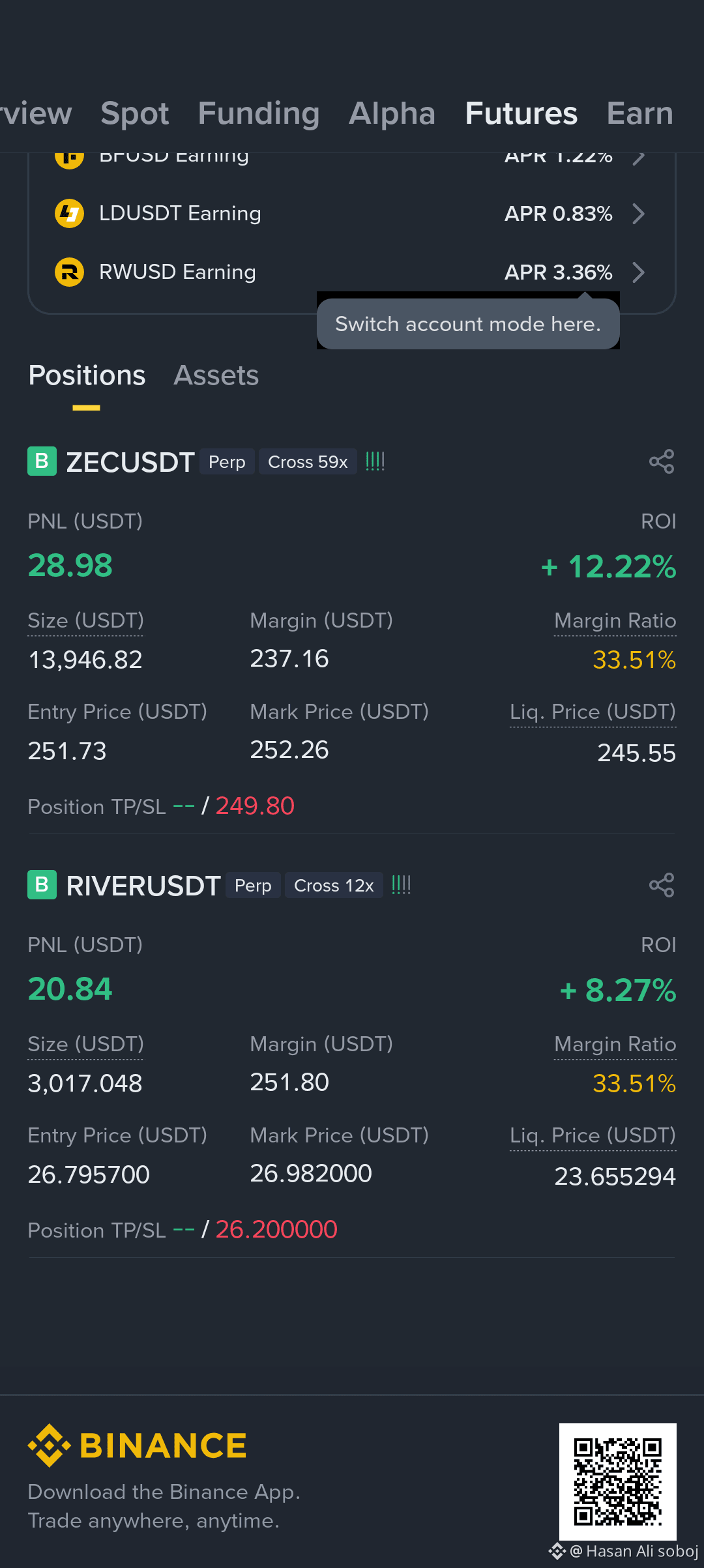
Sourced by user sharing on Binance
1
190

·
--
Bullish
never Die only falling. $BTC $ETH Btc bullish BitcoinHits$75K#MarchFedMeeting #SECClarifiesCryptoClassification
never Die only falling. $BTC $ETH Btc bullish BitcoinHits$75K#MarchFedMeeting #SECClarifiesCryptoClassification

2
100


·
--
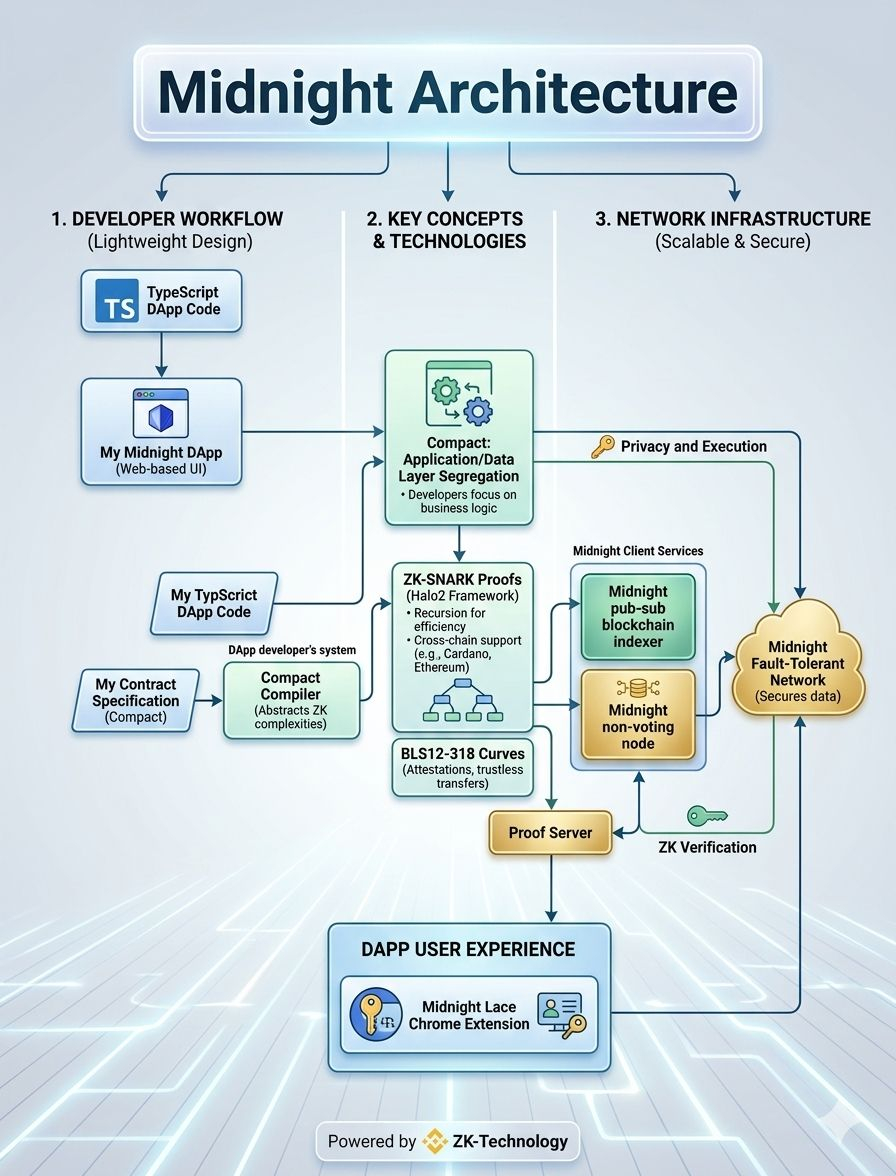
Most projects talk about privacy but very few make it usable for developers that's exactly where @MidnightNetwork architecture stands out to me.
What i like first is how the lightweight the design instead of forcing developers into complex and unfamiliar languages midnight uses TypesScript along with a domain specific language that is called compact.this makes onboarding much easier and allow developers to focus on buliding rather than learning difficult systems.
But the real innovation in my view is how midnight seperates the application layer from the data layer. developers can write normal application logic while the heavy zero knowledge computations run in the background. this means you did not need deep expertise in cryptography to build privacy focused apps yet you still get strong security and data protection.
The architecture flow itself is also very practical. developers write DApp code in Typescript and define contracts using compact and compile them. the application interacts through user interfaces like midnight Lace while backend components such as nodes, indexers and proof servers handle execution and verification. this layered structure makes the system both scalable and efficient.
If we see on the technical side midnight uses zkSNARKs with the Halo2 framework that enable fast verification and trustless execution. it also supports advanced scalability and complex application without compromising performance.
What excites me most is that midnight is not building in isolation it is designed for interoperability meaning it can connect with ecosystems like Cardano and #Ethereum . this allows developers to build hybrid application and combining privacy with existing Blockchain infrastructure instead of replacing it.
For me this architecture solve one of the biggest challenge in Web3 removing the trade off between usability and privacy. it gives developers simple tools and users strong data protection and the network ability to scale and integrate.
#night
$NIGHT $ETH $KAT
#SECClarifiesCryptoClassification #MarchFedMeeting #KATBinancePre-TGE
Most projects talk about privacy but very few make it usable for developers that's exactly where @MidnightNetwork architecture stands out to me.
What i like first is how the lightweight the design instead of forcing developers into complex and unfamiliar languages midnight uses TypesScript along with a domain specific language that is called compact.this makes onboarding much easier and allow developers to focus on buliding rather than learning difficult systems.
But the real innovation in my view is how midnight seperates the application layer from the data layer. developers can write normal application logic while the heavy zero knowledge computations run in the background. this means you did not need deep expertise in cryptography to build privacy focused apps yet you still get strong security and data protection.
The architecture flow itself is also very practical. developers write DApp code in Typescript and define contracts using compact and compile them. the application interacts through user interfaces like midnight Lace while backend components such as nodes, indexers and proof servers handle execution and verification. this layered structure makes the system both scalable and efficient.
If we see on the technical side midnight uses zkSNARKs with the Halo2 framework that enable fast verification and trustless execution. it also supports advanced scalability and complex application without compromising performance.
What excites me most is that midnight is not building in isolation it is designed for interoperability meaning it can connect with ecosystems like Cardano and #Ethereum . this allows developers to build hybrid application and combining privacy with existing Blockchain infrastructure instead of replacing it.
For me this architecture solve one of the biggest challenge in Web3 removing the trade off between usability and privacy. it gives developers simple tools and users strong data protection and the network ability to scale and integrate.
#night
$NIGHT $ETH $KAT
#SECClarifiesCryptoClassification #MarchFedMeeting #KATBinancePre-TGE
What i like first is how the lightweight the design instead of forcing developers into complex and unfamiliar languages midnight uses TypesScript along with a domain specific language that is called compact.this makes onboarding much easier and allow developers to focus on buliding rather than learning difficult systems.
But the real innovation in my view is how midnight seperates the application layer from the data layer. developers can write normal application logic while the heavy zero knowledge computations run in the background. this means you did not need deep expertise in cryptography to build privacy focused apps yet you still get strong security and data protection.
The architecture flow itself is also very practical. developers write DApp code in Typescript and define contracts using compact and compile them. the application interacts through user interfaces like midnight Lace while backend components such as nodes, indexers and proof servers handle execution and verification. this layered structure makes the system both scalable and efficient.
If we see on the technical side midnight uses zkSNARKs with the Halo2 framework that enable fast verification and trustless execution. it also supports advanced scalability and complex application without compromising performance.
What excites me most is that midnight is not building in isolation it is designed for interoperability meaning it can connect with ecosystems like Cardano and #Ethereum . this allows developers to build hybrid application and combining privacy with existing Blockchain infrastructure instead of replacing it.
For me this architecture solve one of the biggest challenge in Web3 removing the trade off between usability and privacy. it gives developers simple tools and users strong data protection and the network ability to scale and integrate.
#night
$NIGHT $ETH $KAT
#SECClarifiesCryptoClassification #MarchFedMeeting #KATBinancePre-TGE
33
77
1.4k


·
--
Bullish
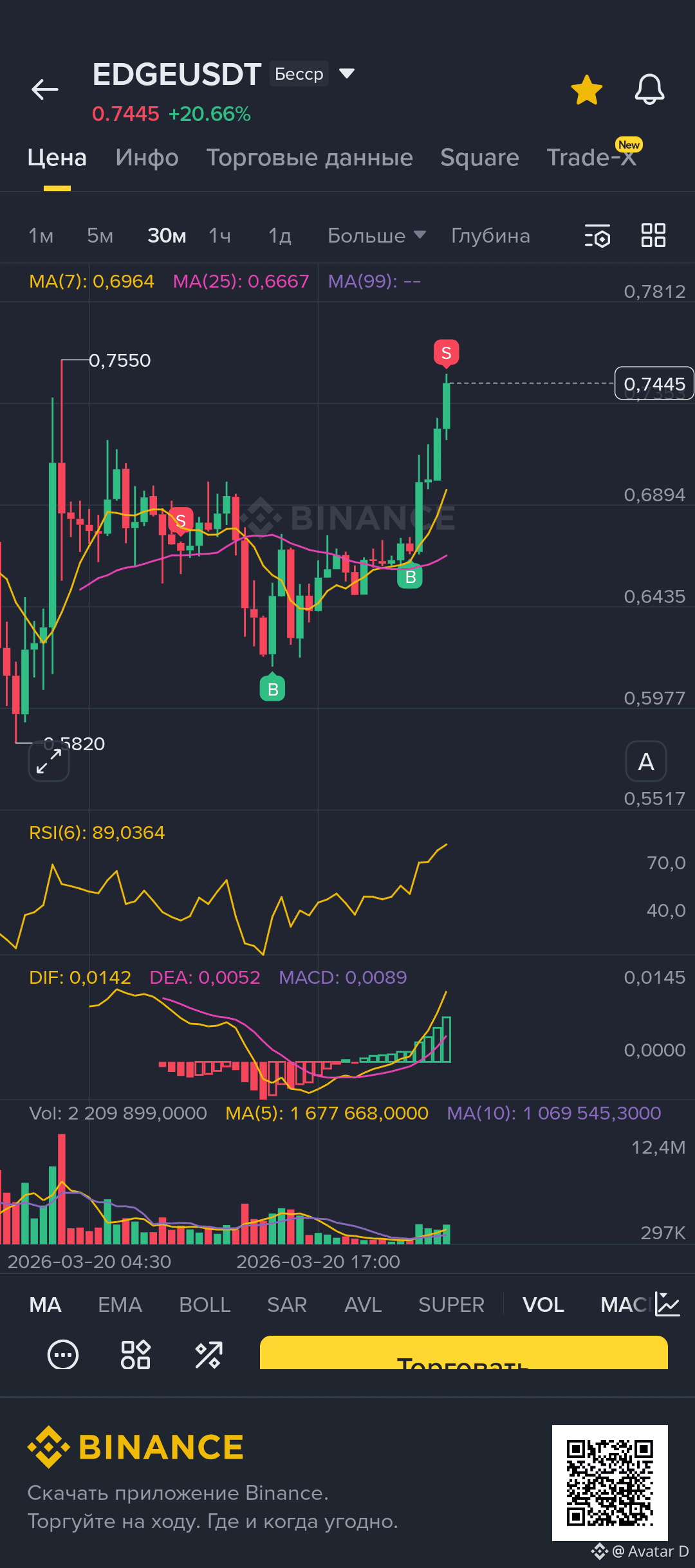
✅️ $EDGE ✅️ At night, a penny is not given easily
#EDGE #MarchFedMeeting #SECClarifiesCryptoClassification
✅️ $EDGE ✅️ At night, a penny is not given easily
#EDGE #MarchFedMeeting #SECClarifiesCryptoClassification
#EDGE #MarchFedMeeting #SECClarifiesCryptoClassification
4
661

·
--
Bullish
What are you waiting for? You can join now from here ⤵️
⬅️In this world, it's either success or defeat 💲$ETH $BTC $BNB #FTXCreditorPayouts #USFebruaryPPISurgedSurprisingly #SECClarifiesCryptoClassification #BinanceKOLIntroductionProgram
My goal is success, I will succeed no matter what.
What are you waiting for? You can join now from here ⤵️
⬅️In this world, it's either success or defeat 💲$ETH $BTC $BNB #FTXCreditorPayouts #USFebruaryPPISurgedSurprisingly #SECClarifiesCryptoClassification #BinanceKOLIntroductionProgram
My goal is success, I will succeed no matter what.
⬅️In this world, it's either success or defeat 💲$ETH $BTC $BNB #FTXCreditorPayouts #USFebruaryPPISurgedSurprisingly #SECClarifiesCryptoClassification #BinanceKOLIntroductionProgram
My goal is success, I will succeed no matter what.


2
123
·
--
Bullish
✅️ $ZAMA ✅️ Opened LONG 🐋🚀
Stop on the scan.
#ZAMA #BinanceKOLIntroductionProgram #SECClarifiesCryptoClassification
✅️ $ZAMA ✅️ Opened LONG 🐋🚀
Stop on the scan.
#ZAMA #BinanceKOLIntroductionProgram #SECClarifiesCryptoClassification
Stop on the scan.
#ZAMA #BinanceKOLIntroductionProgram #SECClarifiesCryptoClassification

1
250

·
--
Bullish
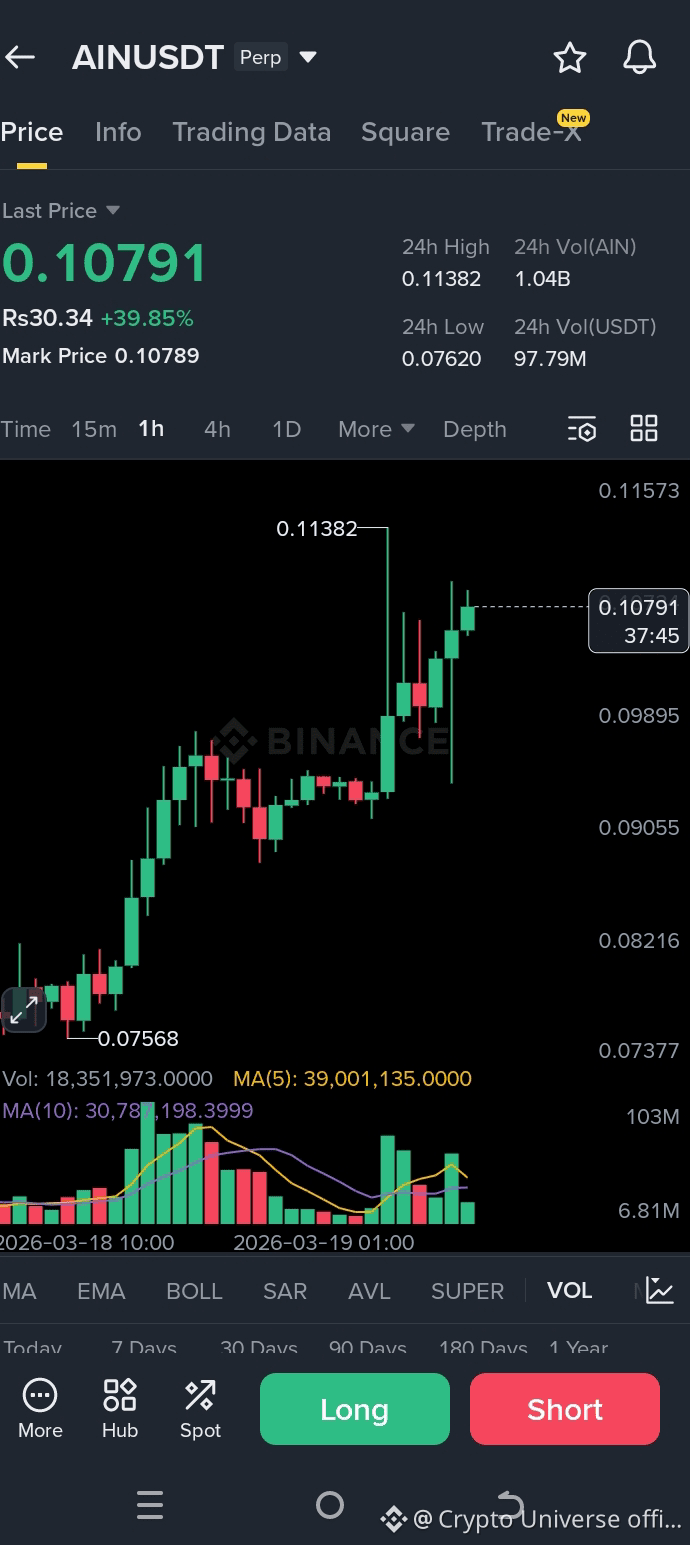
🚨 $AIN STRONG TREND — BULLS STILL IN CONTROL! 🚀💹
Market may look overheated… but AIN is still showing clear strength ⚡
Trend is strong — momentum not done yet 📈
🟢 Trade Setup:
👉 LONG AIN NOW 🚀
🛡️ Stop Loss: 0.0940
🎯 Targets:
🔹 TP1: 0.115
🔹 TP2: 0.113
🔹 TP3: 0.127
🔹 TP4: 0.131
💎 Follow the trend, not the noise — and manage risk smartly 🛡️🔥
$BEAT $SIREN
#cryptouniverseofficial #MarchFedMeeting #USFebruaryPPISurgedSurprisingly #SECClarifiesCryptoClassification
🚨 $AIN STRONG TREND — BULLS STILL IN CONTROL! 🚀💹
Market may look overheated… but AIN is still showing clear strength ⚡
Trend is strong — momentum not done yet 📈
🟢 Trade Setup:
👉 LONG AIN NOW 🚀
🛡️ Stop Loss: 0.0940
🎯 Targets:
🔹 TP1: 0.115
🔹 TP2: 0.113
🔹 TP3: 0.127
🔹 TP4: 0.131
💎 Follow the trend, not the noise — and manage risk smartly 🛡️🔥
$BEAT $SIREN
#cryptouniverseofficial #MarchFedMeeting #USFebruaryPPISurgedSurprisingly #SECClarifiesCryptoClassification
Market may look overheated… but AIN is still showing clear strength ⚡
Trend is strong — momentum not done yet 📈
🟢 Trade Setup:
👉 LONG AIN NOW 🚀
🛡️ Stop Loss: 0.0940
🎯 Targets:
🔹 TP1: 0.115
🔹 TP2: 0.113
🔹 TP3: 0.127
🔹 TP4: 0.131
💎 Follow the trend, not the noise — and manage risk smartly 🛡️🔥
$BEAT $SIREN
#cryptouniverseofficial #MarchFedMeeting #USFebruaryPPISurgedSurprisingly #SECClarifiesCryptoClassification
2
1k

·
--
which coin i should buy to recover my losses ?
#USFebruaryPPISurgedSurprisingly .#SECClarifiesCryptoClassification
which coin i should buy to recover my losses ?
#USFebruaryPPISurgedSurprisingly .#SECClarifiesCryptoClassification
#USFebruaryPPISurgedSurprisingly .#SECClarifiesCryptoClassification
1
11

Cardano......
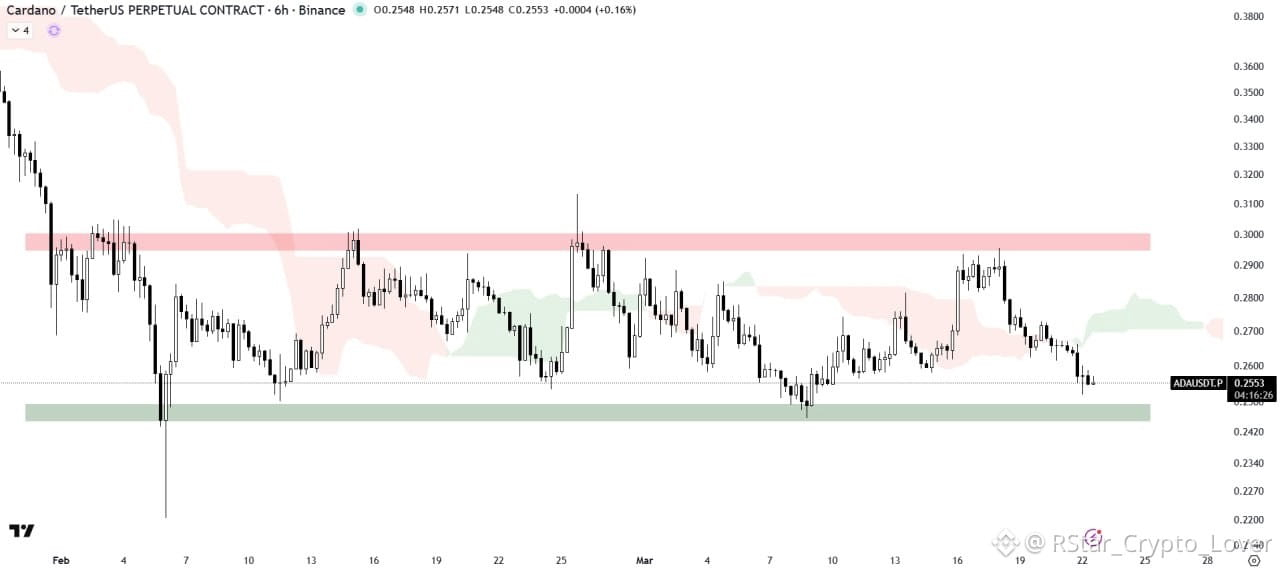
#ADA/USDT ANALYSIS
ADA is consolidating within a rectangle range and currently holding above the horizontal demand zone of the channel.
The Ichimoku Cloud is acting as a resistance barrier above the price. As long as price sustains above this demand zone, a rebound toward the upper range is likely.
#FTXCreditorPayouts
#Cardano #ADA
#SECClarifiesCryptoClassification
#AnimocaBrandsInvestsinAVAX
Cardano......
#ADA/USDT ANALYSIS
ADA is consolidating within a rectangle range and currently holding above the horizontal demand zone of the channel.
The Ichimoku Cloud is acting as a resistance barrier above the price. As long as price sustains above this demand zone, a rebound toward the upper range is likely.
#FTXCreditorPayouts
#Cardano #ADA
#SECClarifiesCryptoClassification
#AnimocaBrandsInvestsinAVAX
#ADA/USDT ANALYSIS
ADA is consolidating within a rectangle range and currently holding above the horizontal demand zone of the channel.
The Ichimoku Cloud is acting as a resistance barrier above the price. As long as price sustains above this demand zone, a rebound toward the upper range is likely.
#FTXCreditorPayouts
#Cardano #ADA
#SECClarifiesCryptoClassification
#AnimocaBrandsInvestsinAVAX
161

·
--
🚨 PRESIDENT TRUMP ALERT! 🚨
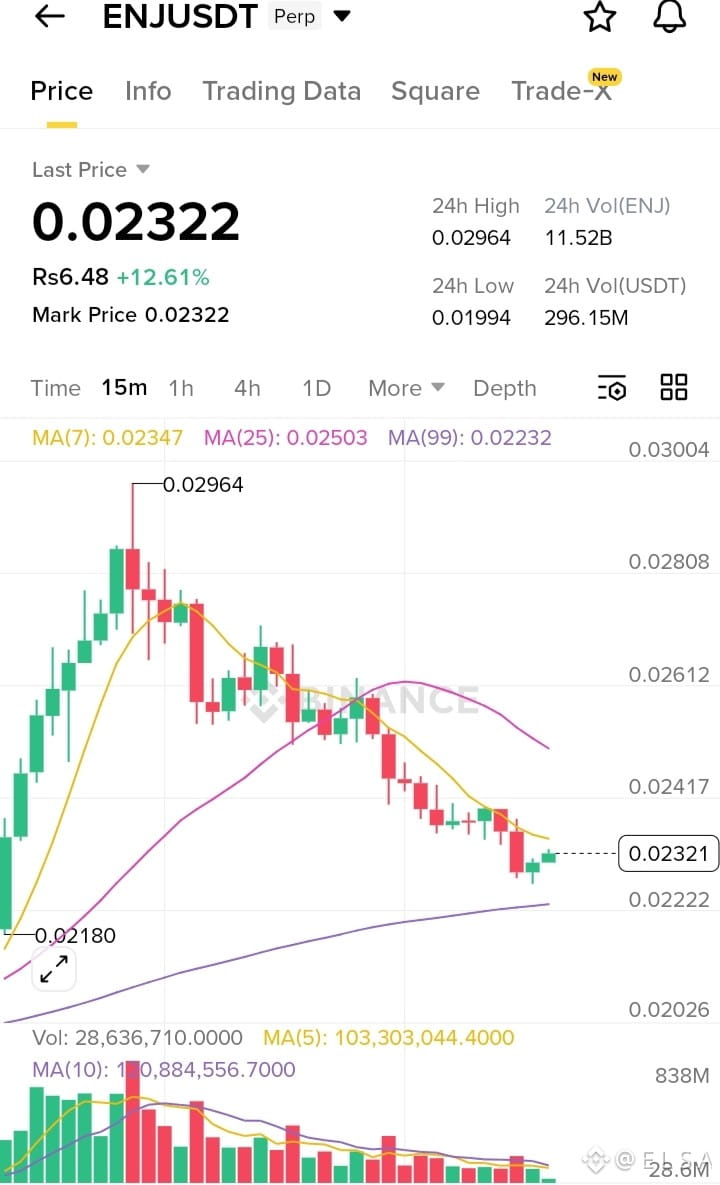
$ENJ $NXPC are buzzing ⚡
The real question — when will Powell finally start cutting interest rates? ⏳
$AIN is ready to explode if the Fed moves! 💥
Big moves coming… stay sharp! 🔥
#USFebruaryPPISurgedSurprisingly #SECClarifiesCryptoClassification #MarchFedMeeting BitcoinHits$75K#YZiLabsInvestsInRoboForce
🚨 PRESIDENT TRUMP ALERT! 🚨
$ENJ $NXPC are buzzing ⚡
The real question — when will Powell finally start cutting interest rates? ⏳
$AIN is ready to explode if the Fed moves! 💥
Big moves coming… stay sharp! 🔥
#USFebruaryPPISurgedSurprisingly #SECClarifiesCryptoClassification #MarchFedMeeting BitcoinHits$75K#YZiLabsInvestsInRoboForce
$ENJ $NXPC are buzzing ⚡
The real question — when will Powell finally start cutting interest rates? ⏳
$AIN is ready to explode if the Fed moves! 💥
Big moves coming… stay sharp! 🔥
#USFebruaryPPISurgedSurprisingly #SECClarifiesCryptoClassification #MarchFedMeeting BitcoinHits$75K#YZiLabsInvestsInRoboForce
1
285

$BTC ✨$ETH ✨ $PAXG
The fact that the SEC and CFTC have finally agreed to create five clear categories is a total rule change. It's no longer a guessing game where any token could be punished out of nowhere; now there is a map that divides digital assets from securities, which removes a huge weight of uncertainty from institutional investors.
However, the market has the handbrake on due to the Federal Reserve. Although legal clarity is a long-term victory, big money doesn't move wildly just before they talk about interest rates. At 2:00 p.m. is the moment of truth, and in the meantime, Bitcoin just sits there, bumping against that ceiling of $75,000 or $76,000. It's as if the market is processing the good news but is afraid that Jerome Powell will mention the issue of the war in Iran and energy prices, which could ruin the party.
At the end of the day, what Tagus Capital says is key: this makes compliance predictable. We may not see that big jump today due to caution ahead of the Fed, but the foundation being built with this joint guidance is much more solid than any temporary spike. It’s a day of great patience because strong volatility will start just after the press conference.
How do you feel about the market atmosphere today? Do you think the Fed will clear the way for us to break those $76,000 or will we have to wait a bit?
Follow me for more news…..
#noticias
#SECClarifiesCryptoClassification
{spot}(PAXGUSDT)
{spot}(ETHUSDT)
{spot}(BTCUSDT)
$BTC ✨$ETH ✨ $PAXG
The fact that the SEC and CFTC have finally agreed to create five clear categories is a total rule change. It's no longer a guessing game where any token could be punished out of nowhere; now there is a map that divides digital assets from securities, which removes a huge weight of uncertainty from institutional investors.
However, the market has the handbrake on due to the Federal Reserve. Although legal clarity is a long-term victory, big money doesn't move wildly just before they talk about interest rates. At 2:00 p.m. is the moment of truth, and in the meantime, Bitcoin just sits there, bumping against that ceiling of $75,000 or $76,000. It's as if the market is processing the good news but is afraid that Jerome Powell will mention the issue of the war in Iran and energy prices, which could ruin the party.
At the end of the day, what Tagus Capital says is key: this makes compliance predictable. We may not see that big jump today due to caution ahead of the Fed, but the foundation being built with this joint guidance is much more solid than any temporary spike. It’s a day of great patience because strong volatility will start just after the press conference.
How do you feel about the market atmosphere today? Do you think the Fed will clear the way for us to break those $76,000 or will we have to wait a bit?
Follow me for more news…..
#noticias
#SECClarifiesCryptoClassification
The fact that the SEC and CFTC have finally agreed to create five clear categories is a total rule change. It's no longer a guessing game where any token could be punished out of nowhere; now there is a map that divides digital assets from securities, which removes a huge weight of uncertainty from institutional investors.
However, the market has the handbrake on due to the Federal Reserve. Although legal clarity is a long-term victory, big money doesn't move wildly just before they talk about interest rates. At 2:00 p.m. is the moment of truth, and in the meantime, Bitcoin just sits there, bumping against that ceiling of $75,000 or $76,000. It's as if the market is processing the good news but is afraid that Jerome Powell will mention the issue of the war in Iran and energy prices, which could ruin the party.
At the end of the day, what Tagus Capital says is key: this makes compliance predictable. We may not see that big jump today due to caution ahead of the Fed, but the foundation being built with this joint guidance is much more solid than any temporary spike. It’s a day of great patience because strong volatility will start just after the press conference.
How do you feel about the market atmosphere today? Do you think the Fed will clear the way for us to break those $76,000 or will we have to wait a bit?
Follow me for more news…..
#noticias
#SECClarifiesCryptoClassification
9
15
1.1k

#BreakingNews
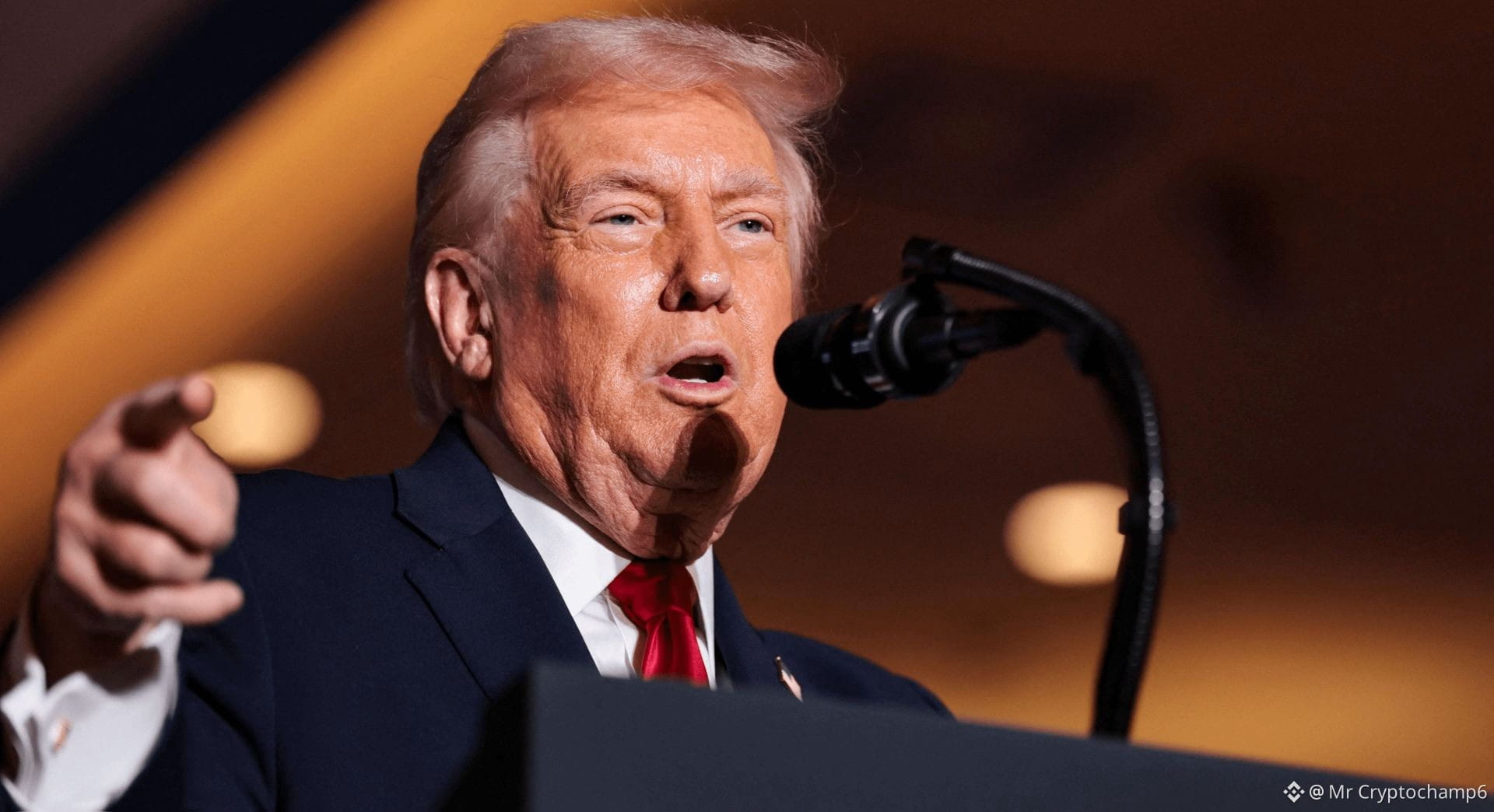
🚨 UPDATE: Trump Urges Restraint on Energy Targets 🇺🇸🇮🇱
Donald Trump revealed he had cautioned Israel against striking oil and gas sites, warning that such moves could have serious global consequences.
With some facilities already impacted, concerns are building over a potential energy shock that could drive prices higher worldwide.
Simply put: attacks on energy infrastructure can quickly turn a regional conflict into a global economic problem.
⚠️ The statement also hints at quiet disagreements among allies, even as tensions continue to rise.
$LYN
{future}(LYNUSDT)
$EDGE
{future}(EDGEUSDT)
$AIA
{future}(AIAUSDT)
#BinanceKOLIntroductionProgram #SECApprovesNasdaqTokenizedStocksPilot #SECClarifiesCryptoClassification
#BreakingNews
🚨 UPDATE: Trump Urges Restraint on Energy Targets 🇺🇸🇮🇱
Donald Trump revealed he had cautioned Israel against striking oil and gas sites, warning that such moves could have serious global consequences.
With some facilities already impacted, concerns are building over a potential energy shock that could drive prices higher worldwide.
Simply put: attacks on energy infrastructure can quickly turn a regional conflict into a global economic problem.
⚠️ The statement also hints at quiet disagreements among allies, even as tensions continue to rise.
$LYN
$EDGE
$AIA
#BinanceKOLIntroductionProgram #SECApprovesNasdaqTokenizedStocksPilot #SECClarifiesCryptoClassification
🚨 UPDATE: Trump Urges Restraint on Energy Targets 🇺🇸🇮🇱
Donald Trump revealed he had cautioned Israel against striking oil and gas sites, warning that such moves could have serious global consequences.
With some facilities already impacted, concerns are building over a potential energy shock that could drive prices higher worldwide.
Simply put: attacks on energy infrastructure can quickly turn a regional conflict into a global economic problem.
⚠️ The statement also hints at quiet disagreements among allies, even as tensions continue to rise.
$LYN
$EDGE
$AIA
#BinanceKOLIntroductionProgram #SECApprovesNasdaqTokenizedStocksPilot #SECClarifiesCryptoClassification
2
535

·
--
Ethereum is the source of trust in trading
If the price hesitates again to 2131, I believe that the accumulation phase is complete and we will see an event that delights us 😍#MarchFedMeeting #OpenAIPlansDesktopSuperapp #SECClarifiesCryptoClassification $ETH $
Ethereum is the source of trust in trading
If the price hesitates again to 2131, I believe that the accumulation phase is complete and we will see an event that delights us 😍#MarchFedMeeting #OpenAIPlansDesktopSuperapp #SECClarifiesCryptoClassification $ETH $
If the price hesitates again to 2131, I believe that the accumulation phase is complete and we will see an event that delights us 😍#MarchFedMeeting #OpenAIPlansDesktopSuperapp #SECClarifiesCryptoClassification $ETH $
8
228

·
--
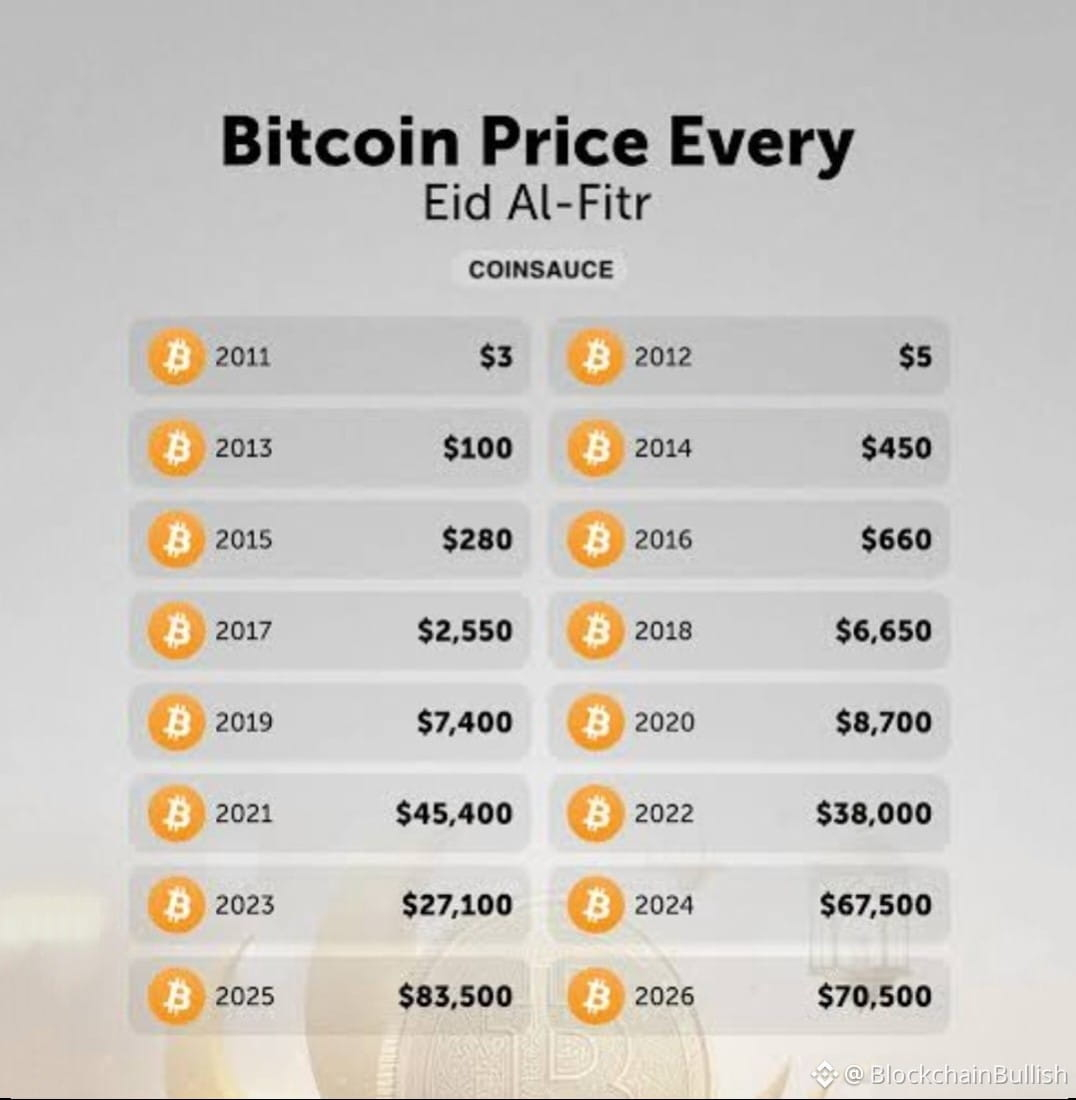
The Autobiography of Bitcoin 💸🚀
→ 2010: $0.06
→ 2011: $3
→ 2012: $5
→ 2013: $100
→ 2014: $450
→ 2015: $280
→ 2016: $660
→ 2017: $2,550
→ 2018: $6,650
→ 2019: $7,400
→ 2020: $8,700
→ 2021: $45,400
→ 2022: $38,000
→ 2023: $27,100
→ 2024: $67,500
→ 2025: $83,500
→ 2026: $70,000
It's increasing every year, what do you think $BTC in 2027?
{spot}(SOLUSDT)
{spot}(ZECUSDT)
{spot}(BTCUSDT)
#USFebruaryPPISurgedSurprisingly #BinanceKOLIntroductionProgram #AnimocaBrandsInvestsinAVAX #SECClarifiesCryptoClassification #MarchFedMeeting
The Autobiography of Bitcoin 💸🚀
→ 2010: $0.06
→ 2011: $3
→ 2012: $5
→ 2013: $100
→ 2014: $450
→ 2015: $280
→ 2016: $660
→ 2017: $2,550
→ 2018: $6,650
→ 2019: $7,400
→ 2020: $8,700
→ 2021: $45,400
→ 2022: $38,000
→ 2023: $27,100
→ 2024: $67,500
→ 2025: $83,500
→ 2026: $70,000
It's increasing every year, what do you think $BTC in 2027?
#USFebruaryPPISurgedSurprisingly #BinanceKOLIntroductionProgram #AnimocaBrandsInvestsinAVAX #SECClarifiesCryptoClassification #MarchFedMeeting
→ 2010: $0.06
→ 2011: $3
→ 2012: $5
→ 2013: $100
→ 2014: $450
→ 2015: $280
→ 2016: $660
→ 2017: $2,550
→ 2018: $6,650
→ 2019: $7,400
→ 2020: $8,700
→ 2021: $45,400
→ 2022: $38,000
→ 2023: $27,100
→ 2024: $67,500
→ 2025: $83,500
→ 2026: $70,000
It's increasing every year, what do you think $BTC in 2027?
#USFebruaryPPISurgedSurprisingly #BinanceKOLIntroductionProgram #AnimocaBrandsInvestsinAVAX #SECClarifiesCryptoClassification #MarchFedMeeting
1
5
1.1k
Log in to explore more content
Join global crypto users on Binance Square
⚡️ Get latest and useful information about crypto.
💬 Trusted by the world’s largest crypto exchange.
👍 Discover real insights from verified creators.
Email / Phone number
Trending Topics
1
#BTCBreaks80K
115,440 views
1,833 Discussing
2
#比特币突破8万
90,745 views
270 Discussing
3
#EthereumReclaims$2600
19 views
20 Discussing
4
#SECReceivesAmendedInjectiveETFFiling
711 views
40 Discussing
5
#SanDiskToJoinSP100OnSep21
491 views
32 Discussing
6
#PolygonToDeployContractBurning100MPOL
298 views
14 Discussing
7
#YahooFinanceEndsPolymarketPartnership
0 views
1 Discussing
8
#BuffettBecomesBerkshireChairmanEmeritus
29,899 views
622 Discussing
9
#ZcashSpotETFTops$230MMonthlyInflow
7,078 views
85 Discussing
10
#HYPEJumpsOver11%
92,268 views
1,192 Discussing