
#nft
nft
302.8M views
2.6M Discussing
Hot
Latest

If an NFT is transferred away and then back, will the old approval become active again?Summary: ERC-721 manages approvals for individual NFTs separately from operator approvals that allow a holder to manage the entire contract. An NFT transfer clears the former, but you cannot conclude from that that the original wallet’s operator approval has also been revoked.
Suppose you transfer an NFT from wallet A to wallet B, then transfer it back to A some time later. Many people assume that once the asset has left A, all the permissions A previously granted to a marketplace are automatically invalidated. To answer this, you need to distinguish between two different types of approval.
ERC-721’s `approve` function designates an authorized address for a single tokenId. The standard specifies that the token-specific approval for an NFT is reset whenever that NFT is transferred. Therefore, when implemented according to the standard, the token-specific approval that A set for this NFT before transferring it will not remain in place when the NFT reaches B. If it is later transferred from B back to A, the original token-specific approval will not automatically be restored just because it was returned.
If an NFT is transferred away and then back, will the old approval become active again?
Summary: ERC-721 manages approvals for individual NFTs separately from operator approvals that allow a holder to manage the entire contract. An NFT transfer clears the former, but you cannot conclude from that that the original wallet’s operator approval has also been revoked.
Suppose you transfer an NFT from wallet A to wallet B, then transfer it back to A some time later. Many people assume that once the asset has left A, all the permissions A previously granted to a marketplace are automatically invalidated. To answer this, you need to distinguish between two different types of approval.
ERC-721’s `approve` function designates an authorized address for a single tokenId. The standard specifies that the token-specific approval for an NFT is reset whenever that NFT is transferred. Therefore, when implemented according to the standard, the token-specific approval that A set for this NFT before transferring it will not remain in place when the NFT reaches B. If it is later transferred from B back to A, the original token-specific approval will not automatically be restored just because it was returned.
29

·
--
A data-driven shock: another NFT narrative quietly exits the stage.
Unique Network has officially announced that this NFT-focused public blockchain will shut down on January 26, 2027, due to lower-than-expected user numbers and depleted funds. The team has urged projects in its ecosystem to migrate their collectibles and NFTs to Polkadot AssetHub, and confirmed that all code will be open-sourced.
When liquidity dries up, sectors without real demand are the first to be cleared out. Unique is not the first, and it won’t be the last—every “official shutdown announcement” in the NFT winter puts a price on the frenzy of the past.
Open-sourcing allows the technology to live on, but a public blockchain that has lost its ecosystem is like a person who has lost their heartbeat. $DOT , as a Polkadot hub, may be among the most direct beneficiaries of this migration wave.
For those still in the NFT space, this is both a wake-up call and a signal to choose a new direction. #NFT #Polkadot
286
·
--
🎁 Telegram Moves Gift Trading On-Chain — Fees Slashed 80% to 2%
📌 What happened
Telegram has moved peer-to-peer trading of its collectible gifts onto The Open Network (TON), founder Pavel Durov announced on Nov 26. Sales and offers now settle through smart contracts, with sellers receiving Gram directly in their wallets — and the marketplace fee drops from 10% to 2%.
📊 Key numbers
• Fee: 10% → 2% — an 80% cut; on a 100-Gram sale, sellers now keep 98 instead of 90
• New 2% rate matches rival marketplace Getgems
• Migration began Nov 22: more than 2,800 sale contracts deployed in 40 minutes at peak
• Scope: Gram-priced sales only; Stars-priced listings still clear inside Telegram
• TON: ~$1.60 on Binance
🔍 Why it matters
Telegram gifts are one of the biggest consumer NFT economies in crypto — Durov says gifts are worth 2.5x their issuance value after one to two years. Moving settlement on-chain removes Telegram as intermediary and puts real transaction volume through TON, turning a popular in-app feature into a direct driver of on-chain activity for a Binance-listed token. Cheaper fees should lift trading volumes, while on-chain visibility makes the market more transparent.
👀 What to watch
• Gift trading volumes on TON in the coming weeks
• Whether Stars-priced gifts follow onto the chain
• TON price action around $1.60
• Growth of the wider Telegram on-chain economy
Not financial advice. Source: crypto.news / The Defiant, Nov 26.
$TON #Telegram #TON #NFT
81
·
--
Verified
Someone offered about $1 million to buy the Telegram username @liar, so Durov put it up for auction
At 5:49 a.m. on November 25 (UTC+8), Telegram founder Durov posted on X that someone had offered $1 million to buy the Telegram username @liar that he owns. He also joked: “I’d really like to believe that money is real, but it’s hard to trust someone who wants to be called a ‘liar.’”
Jokes aside, the username soon appeared on Fragment, Telegram’s official username marketplace. At 7:06 a.m. on November 25 (UTC+8), an account called plug-tg.ton bid 1.06 million GRAM (the native token of the TON blockchain), equivalent to about $978,000 according to Fragment’s conversion. The next bid must be at least 1.113 million tokens, with each bid increasing by 5%. The auction will end at 6:41 a.m. on December 2 (UTC+8).
Records on Fragment show that @liar was sold once before, in September 2023, for just 6,500 tokens. By token count, the current bid is about 163 times higher.
On Telegram, memorable short usernames can be bought and sold on-chain like collectibles, and this auction has put the business back in the spotlight. The comments section is lively, too: some people jokingly asked whether he could give them @free for free, while others suspect this is publicity for Telegram’s username marketplace. We’ll find out whether anyone makes a higher bid when the auction ends on December 2.
#TON #Telegram #NFT does not constitute investment advice

4
3.3k
·
--
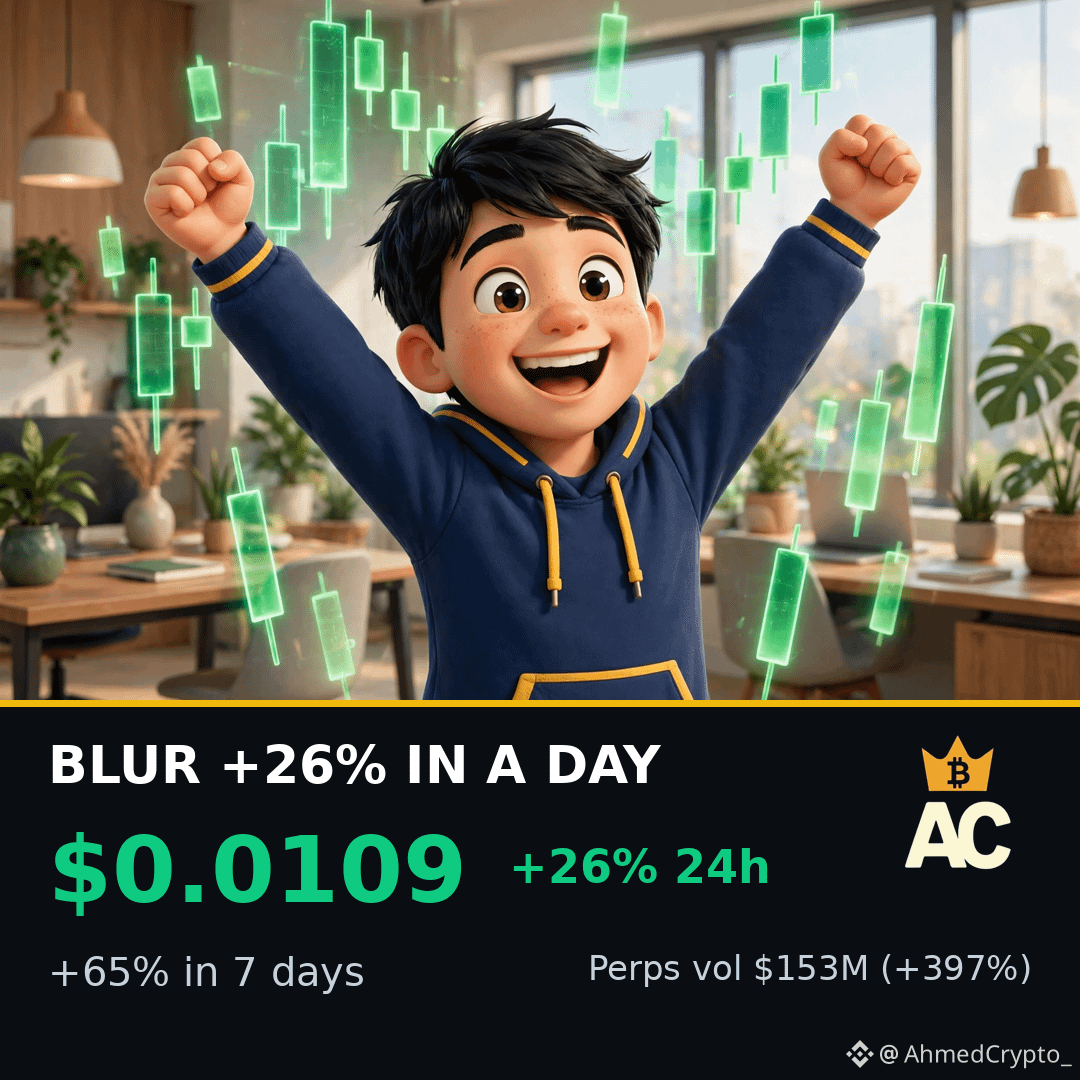
🔥 BLUR +26% IN A DAY — THE NFT TOKEN NOBODY WAS WATCHING
Blur just ripped to ~$0.0109, up ~26% in 24 hours and +65% in a week — while the market was still stuck in Extreme Fear. And here's the honest part: no big project announcement behind it. This is pure flow.
• Price: ~$0.0109 (+26% 24h, +65% 7d)
• Perps volume: $153M in 24h (+397% vs yesterday)
• Open interest: $27.9M (+31%) — shorts squeezed ($288K vs $60K longs)
• Nearly doubled from its $0.0056 low on 14 Nov
Still ~99.8% below its $5.02 all-time high, and momentum this hot can reverse just as fast. Is this the start of an NFT revival — or just a squeeze?
#Blur #NFT #Crypto $BLUR
192

·
--
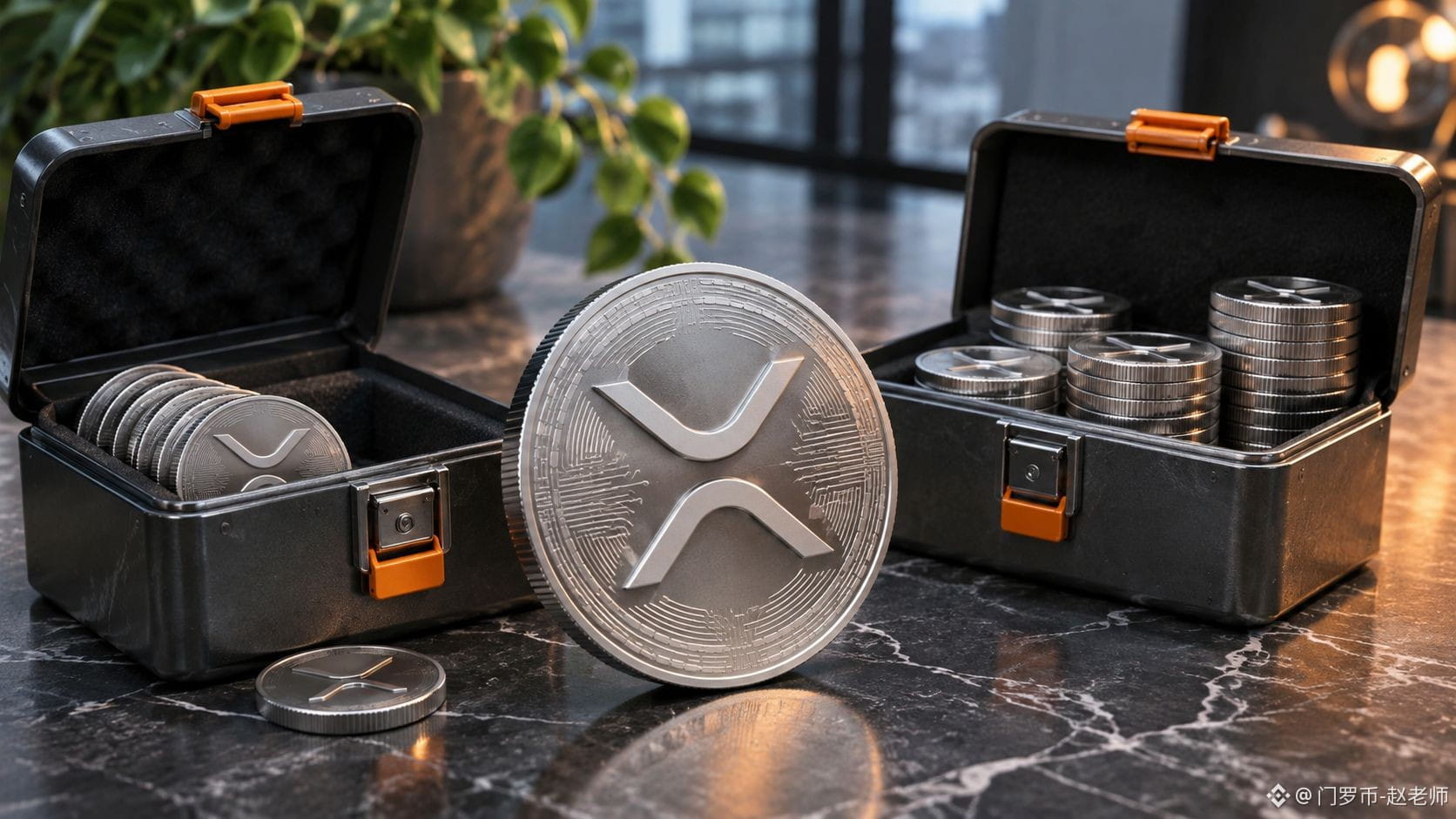
Article
Why does an account's reserve sometimes stay the same when it receives another NFT on the XRP Ledger?Why does an account's reserve sometimes stay the same when it receives another NFT on the XRP Ledger?
On the XRP Ledger, NFTs are stored in an account's NFTokenPage. Each page can hold up to 32 NFTs, but the actual number on a page changes as pages split and merge. The owner reserve for these pages is calculated per page.
For example, a new NFT may be added to an existing page, in which case the number of pages may not change. If adding it triggers a page split, the account may need to cover the reserve for one additional page. Even if two accounts hold the same number of NFTs, you can't determine their reserves based on the count alone, since the NFTs may be distributed across pages differently.
Why does an account's reserve sometimes stay the same when it receives another NFT on the XRP Ledger?
Why does an account's reserve sometimes stay the same when it receives another NFT on the XRP Ledger?
On the XRP Ledger, NFTs are stored in an account's NFTokenPage. Each page can hold up to 32 NFTs, but the actual number on a page changes as pages split and merge. The owner reserve for these pages is calculated per page.
For example, a new NFT may be added to an existing page, in which case the number of pages may not change. If adding it triggers a page split, the account may need to cover the reserve for one additional page. Even if two accounts hold the same number of NFTs, you can't determine their reserves based on the count alone, since the NFTs may be distributed across pages differently.
65

·
--
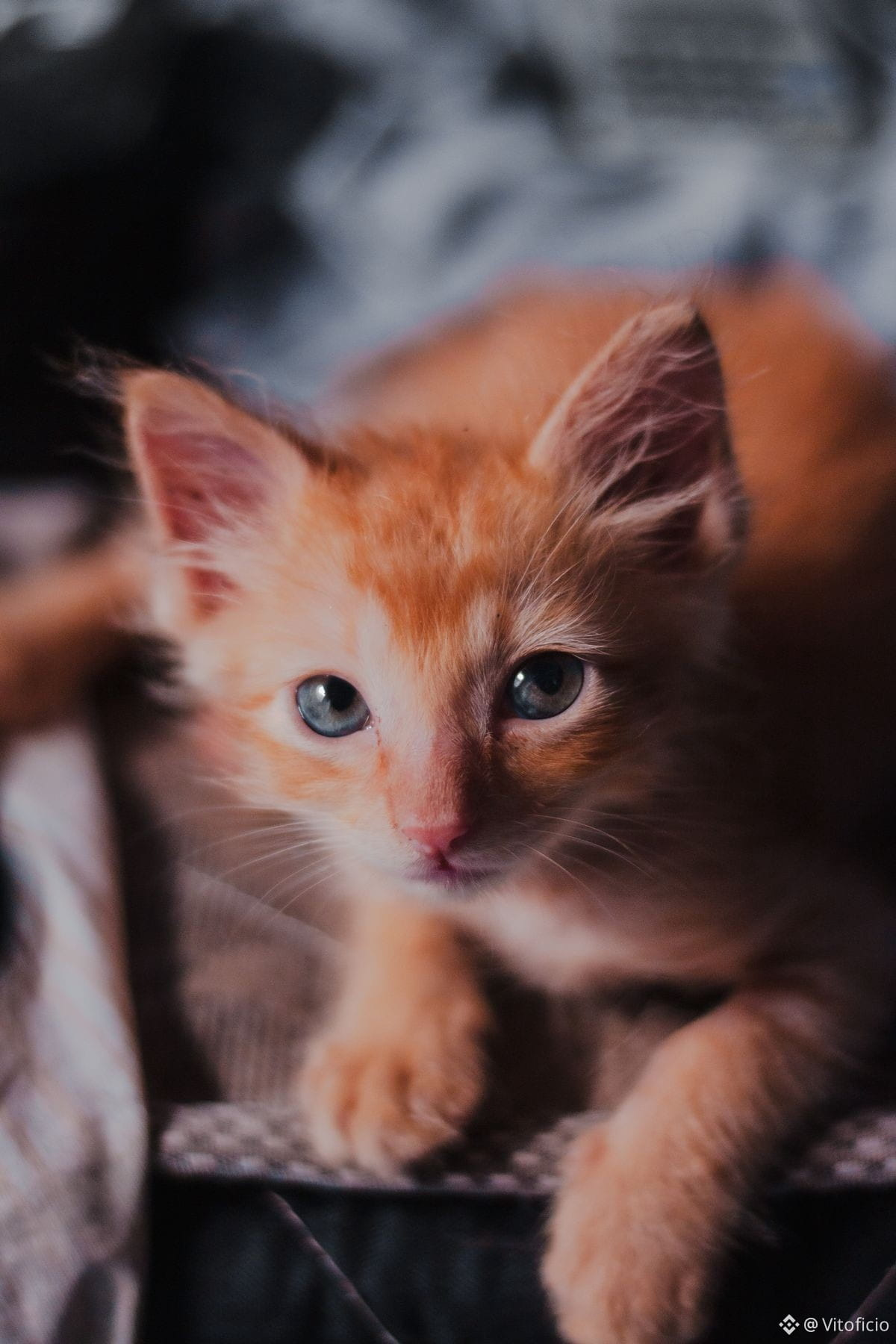
DID SOME DIGITAL KITTENS CRASH ETHEREUM? 🐱
In November 2017, CryptoKitties appeared—a game for buying, breeding, and selling digital kittens, each one unique on the Ethereum blockchain. Within a few days, it became the network’s most popular app: people spent more than $3 million in the first week, and the kittens came to account for nearly 20% of all Ethereum transactions (CoinDesk, Dec. 4, 2017).
The network became congested, transactions got stuck, and fees skyrocketed. The team had to double the fee to create a kitten, from 0.001 to 0.002 ETH. And the most expensive kitten, “Dragon,” sold for 600 ETH, about $170,000 in September 2018.
It was one of the first NFT projects and helped shape the ERC-721 standard, which is now used by almost all digital collectibles.
To me, the lesson is that nobody can predict what will put a technology to the test: sometimes it’s not a bank or a government—it’s a kitten game.
Would you pay for a digital kitten? 🐱
$ETH $1,692.65, +0.77% 24h (Binance public API, mirror, verified 16:25 BA)
#Ethereum #NFT #Cryptocurrencies
32


·
--
Verified
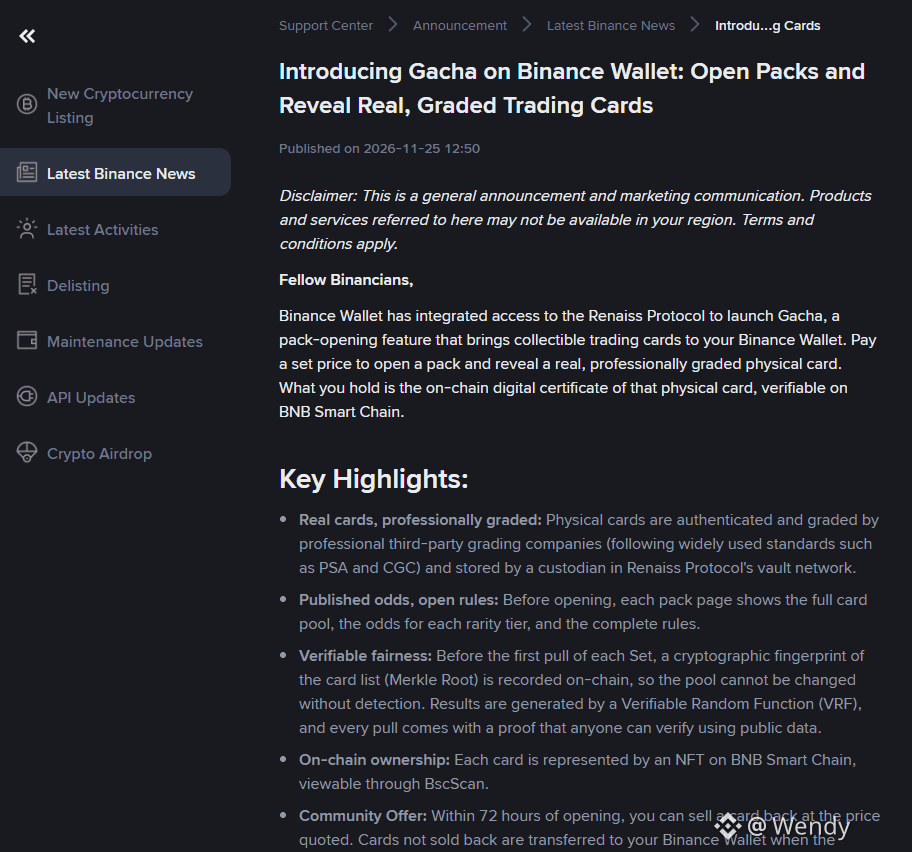
BINANCE WALLET JUST BROUGHT REAL-WORLD COLLECTIBLE TRADING CARDS ON-CHAIN!
Binance Wallet has partnered with Renaiss Protocol to introduce Gacha, a new feature that lets users open packs and reveal real, professionally graded trading cards.
Here's what makes it interesting:
🔸 Physical cards authenticated, graded and securely stored.
🔸 Transparent card pools and rarity odds.
🔸 Cryptographically verifiable random results.
🔸 NFT-based ownership on BNB Smart Chain.
🔸 Option to sell cards back at the quoted price within 72 hours.
How to get started:
Update your Binance App.
Open Binance Wallet → Markets → Gacha.
Select a pack and review the odds.
Pay with USDT and reveal your card.
Users can open up to 10 packs at once.
Note: Physical card redemption is not available at launch. Regional restrictions apply, and pack contents may be worth less than the purchase price.
From tokenized stocks to physical collectibles, Binance Wallet continues expanding its RWA ecosystem.
Would you try opening a pack? 👀
#BinanceWallet #RWA #NFT
FXTARDER:
hello
1
1
11
2.4k

A graded card in custody: What do you own after 72 hours?What do you actually own when you buy a card pack on Binance Wallet? You own a token on the $BNB network representing a graded card—not the physical card in your hands 📊
First, the pack is purchased with USDT and reveals a verified, professionally graded card. The card listings, rarity ratios, and rules are publicly disclosed, and the results are generated using a verifiable random function.
A graded card in custody: What do you own after 72 hours?
What do you actually own when you buy a card pack on Binance Wallet? You own a token on the $BNB network representing a graded card—not the physical card in your hands 📊
First, the pack is purchased with USDT and reveals a verified, professionally graded card. The card listings, rarity ratios, and rules are publicly disclosed, and the results are generated using a verifiable random function.
First, the pack is purchased with USDT and reveals a verified, professionally graded card. The card listings, rarity ratios, and rules are publicly disclosed, and the results are generated using a verifiable random function.
11

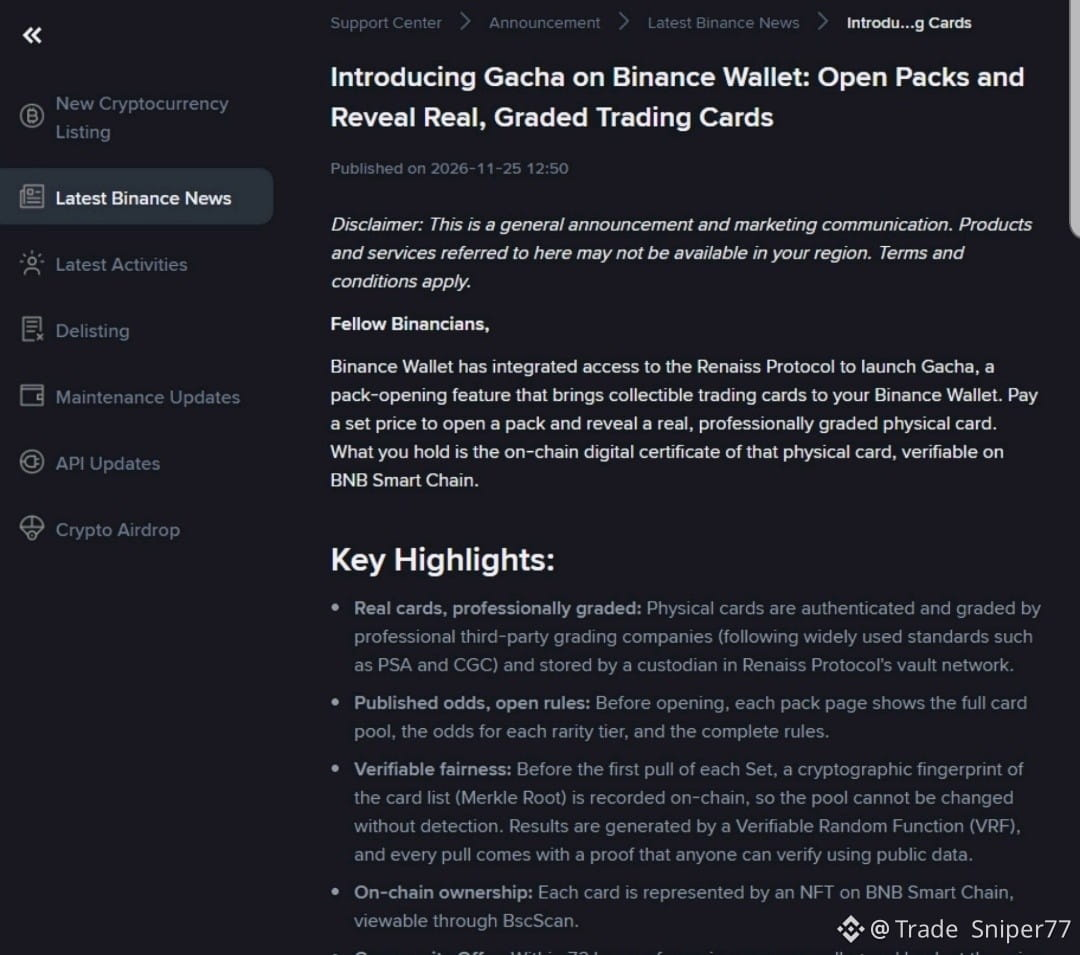
BINANCE Wallet just brought real-world collectible trading cards to the blockchain!
Binance Wallet partnered with the Renaiss Protocol to launch Gacha, a new feature that lets users open packs and discover professionally graded real trading cards.
Here’s what makes it special:
🔸 Authenticated, graded physical cards stored securely.
🔸 Transparent card collections and clear rarity odds.
🔸 Cryptographically verifiable random results.
🔸 NFT-based ownership on BNB Smart Chain.
🔸 Option to resell cards at the displayed price within 72 hours.
How to get started:
Update the Binance app.
Open Binance Wallet ← Markets ← Gacha.
Choose a pack and review the odds.
Pay with USDT and discover your card.
Users can open up to 10 packs at a time.
Note: Physical card redemption is not available at launch. Regional restrictions apply, and the value of a pack’s contents may be lower than its purchase price.
From tokenized stocks to physical collectibles, Binance Wallet continues to expand its real-world asset (RWA) ecosystem.
Will you try opening a pack? 👀
#BinanceWallet #RWA #NFT
2
54

Just Headz only launched yesterday afternoon, and they’ve just officially announced it’s completely sold out. All 3,120 have been minted, and the final batch of 378 was snapped up in just over 20 minutes—more than six hours before the original 9:30 PM deadline tonight. It was a free mint on OpenSea via Robinhood’s chain, with hand-drawn-style profile pics. The official account’s line, “Every head has its own story,” is pretty spot-on. From mint opening to sellout, the whole thing took 18 and a half hours. Next up is the reveal, followed by the launch of $HEADZ. For a free drop to get this much demand, are you genuinely bullish on the project, or did you just not want to miss out on something free?
#NFT #Free mint
#NFT #Free mint
6

·
--
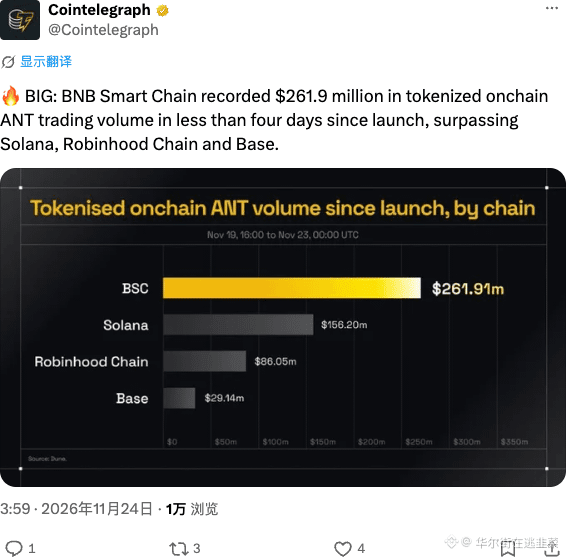
The Aptos NFT tokenization project ANT reached $262 million in trading volume just four days after launching on BNB Smart Chain, overtaking several other blockchains, including Solana and Base.
That’s an incredibly explosive pace. ANT has completely outdone Solana and Base this time around. It seems BNB Chain really knows how to attract big money, and on-chain activity is keeping up with the momentum.
#ANT #BNBChain #NFT
That’s an incredibly explosive pace. ANT has completely outdone Solana and Base this time around. It seems BNB Chain really knows how to attract big money, and on-chain activity is keeping up with the momentum.
#ANT #BNBChain #NFT
33

Blur sealed its own back door shut before winding down, and in the process welded 546 ETH inside it.
At 11/22 18:33 UTC, Yuga Labs blockchain VP Quit posted that Blur executed a series of transactions that broke the Safe multisig controlling Blur, Blend, and the Blur Pool, meaning these contracts can no longer be upgraded.
I checked it on-chain myself: the owner of Blur Pool is Safe 0xfa9f…f1bb. One of the five signers is now 0x…dEaD, the threshold is 5/5, and there are no modules attached. In plain English: the signatures can never be assembled. This is real.
Why does this lock up funds? Blur Pool is a weird ERC20 with no transfer and no approve; the ETH inside can only be withdrawn via withdraw(). For normal wallets, that’s fine — just call withdraw yourself. The problem is that royalties used to be paid directly to project teams as Pool ETH, and many projects’ royalty-splitting contracts were hardcoded and never implemented any code to call withdraw. Before, the only hope was that Blur would upgrade the contract and release it; now the door has been welded shut.
Quit scanned about 125,000 holder addresses: 889 are contracts, holding a total of 1216 ETH; among them, 315 are immutable and have no withdraw function, totaling 545.6 ETH that will never come out. The biggest chunks: 173.2 from Moonbirds/PROOF-related contracts, 85.0 in a Milady treasury, and 82.6 across 63 split contracts from 0xSplits.
The pool currently holds about 4915.5 ETH in total (I checked the balance at Ethereum block 26474298), so the locked portion is roughly 11%.
My take: the crypto crowd always praises "immutable" and "renouncing control" as virtues of decentralization, but this time it was just a project winding down. On 10/12 they announced it, on 11/12 they shut down the frontend, Blend stopped issuing new loans, and then before wrapping up they locked the escape hatch and called it immutable. Paying creators royalties in a wrapped token that can only be redeemed through your own function is, from day one, a design that keeps the key in your own hand — and now the key has been thrown away.
There’s another number that’s even more absurd: in the other 558 contracts, 550.9 ETH is sitting there and can be withdrawn, but nobody has done it. If you’ve run an NFT project or had royalties flow through Blur, go check your split contract today — don’t wait until one day you remember and realize you’re among those 315.
Finally, Blur’s 10/12 announcement said BLUR would "continue to control the fee switch." After the Safe was broken, which contract that switch lives on, and who can still operate it, was never clearly explained by the team. If you hold BLUR, go check the permissions yourself — don’t just trust that one line.
#Blur #NFT
58
An ape sells for 250K U, and the timeline immediately starts shouting, “BAYC is back.” Hold on—first, let’s see how this deal went down.
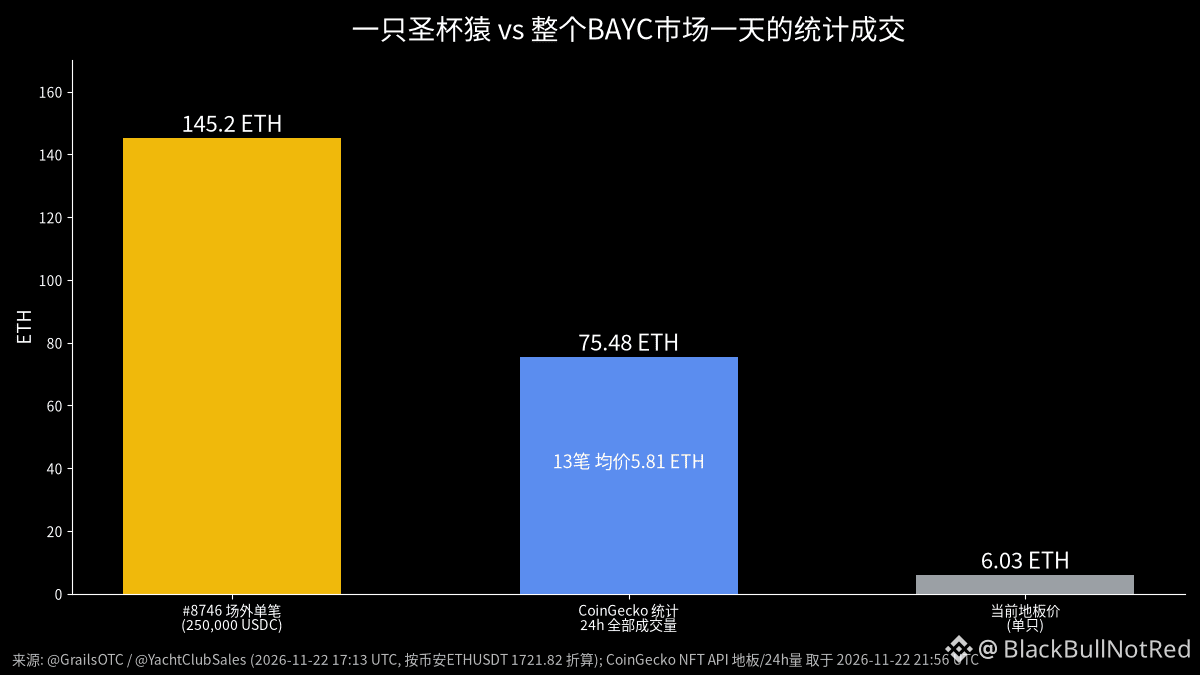
#8746 was bought by Adam Weitsman from cymbalda.eth through GrailsOTC, an OTC marketplace. It settled for 250,000 USDC, or about 145 ETH at current prices. The claim that this was “the highest single sale in the past 12 months” comes from a post by GrailsOTC itself, which brokered the deal. It’s normal for a broker to promote its own sale, but don’t mistake an ad for market data.
I pulled BAYC data from CoinGecko: the floor is 6.03 ETH, and over the past 24 hours there were 13 sales totaling 75.48 ETH, for an average price of 5.81 ETH. This 145 ETH sale clearly wasn’t included. One OTC grail alone was worth nearly twice the entire market’s reported daily sales volume.
That tells us two things. First, top-tier rare pieces and floor items have long been two separate markets: one relies on a handful of major collectors negotiating peer-to-peer, while the other consists of listed items slowly bleeding value. The floor, in ETH terms, is still down 2.3% over seven days. Second, grail prices have almost no spillover effect on the ordinary ape you own. If you use “the grails are up” to value your own holdings, you’re using someone else’s sale to make your own look better.
Weitsman is a genuine collector who paid real money for it; I have no doubts about that. What I question is people using one OTC sale to claim the whole collection is recovering. To find out whether BAYC is actually coming back, look at the number of floor sales and unique buyers—not a screenshot of a $250,000 sale. #BAYC #NFT
11
·
--
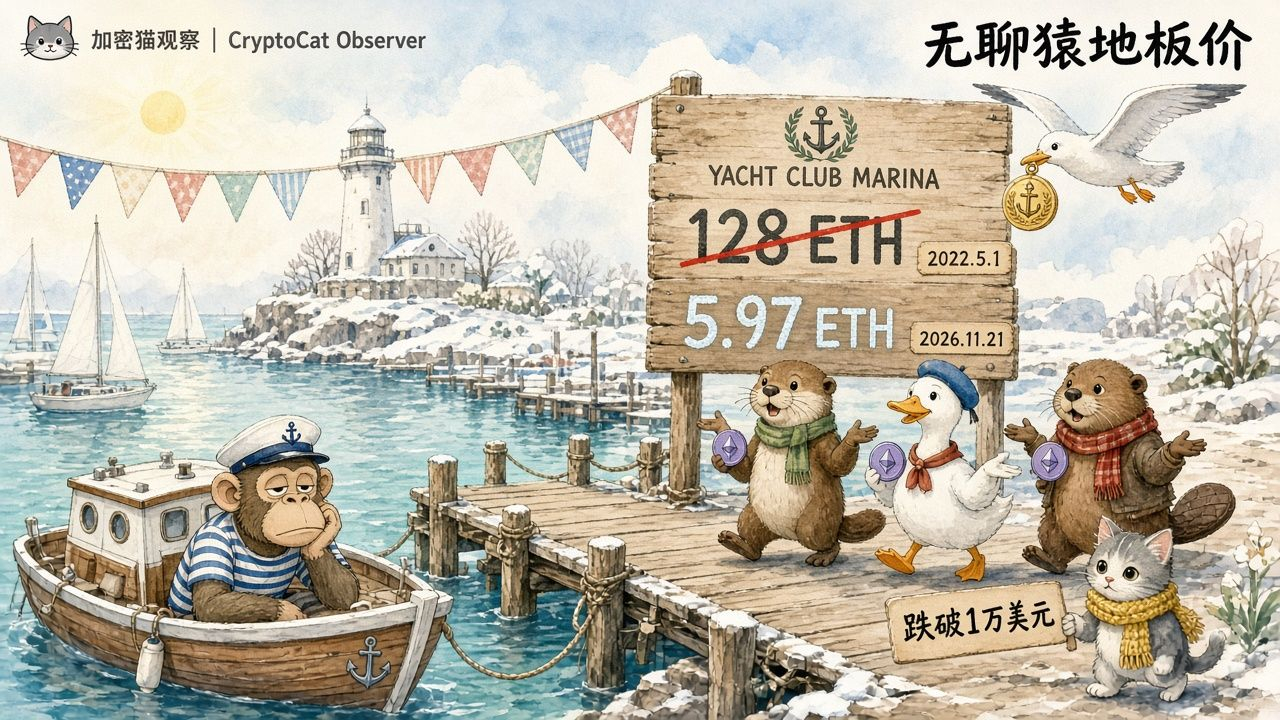
Bored Ape floor price fell below $10,000 on November 21; at its peak in May 2022, one cost 128 ETH
The cheapest Bored Ape (BAYC), once the hottest NFT collection, fell below $10,000 on November 21.
According to CoinGecko data, at 13:47 on November 21 (UTC+8), the Bored Ape floor price was 5.98 ETH, or about $9,324. On November 2, it was still 5.88 ETH, or about $13,569. Over the three weeks, it barely changed in ETH terms, but fell by about 31% in dollar terms, mainly because ETH itself dropped by around 30%.
Around 00:50 on November 23 (UTC+8), Ethereum was trading at about $1,722 on Binance, and the Bored Ape floor price was around 5.97 ETH, equivalent to just over $10,000—having just climbed back above that mark.
The longer-term decline is even more pronounced. On May 1, 2022, the Bored Ape floor price peaked at 128 ETH, worth about $350,000 at the time. Celebrities such as Curry and Justin Bieber had bought them for high prices. The current floor price is down more than 95% from then.
But there is another side to the story: when the collection first launched in April 2021, each Ape sold for just 0.08 ETH, or about $220. Those who minted one back then and held on to it would still be up more than 70 times in ETH terms.
ApeCoin (APE), which rose to prominence alongside it, peaked at $28 in the month it launched on Binance, March 2022. At 00:50 on November 23 (UTC+8), it was worth only around $0.073.
#ETH #NFT #APE This is not investment advice
403

·
--
BAYC #8746 sold for 250,000 USDC. The transaction was executed via Seaport 1.6 at 1:13 Beijing time on November 23, with the NFT and USDC transferred between the buyer’s and seller’s addresses, respectively. Based on this figure alone, we can confirm the amount and settlement currency of this NFT transaction. The material does not indicate whether it sold at a premium or discount, or what its price was in ETH. For $BTC , a single NFT sale is not enough to draw conclusions about the broader market; the only verifiable details are the on-chain transfer and contract interaction itself. #BAYC #NFT. First see whether the market is buying it—don’t rush in just because you saw the headline.
BAYC #8746 sold for 250,000 USDC. The transaction was executed via Seaport 1.6 at 1:13 Beijing time on November 23, with the NFT and USDC transferred between the buyer’s and seller’s addresses, respectively. Based on this figure alone, we can confirm the amount and settlement currency of this NFT transaction. The material does not indicate whether it sold at a premium or discount, or what its price was in ETH. For $BTC , a single NFT sale is not enough to draw conclusions about the broader market; the only verifiable details are the on-chain transfer and contract interaction itself. #BAYC #NFT. First see whether the market is buying it—don’t rush in just because you saw the headline.
7

·
--
$BLUR
NFT marketplaces depend heavily on liquidity, creator participation, and genuine collector demand. Blur built its identity around active NFT trading, but market conditions can change quickly. Its longer-term position will depend on whether traders and creators continue finding value in the platform.
#BLUR #nft #Ethereum
117

·
--
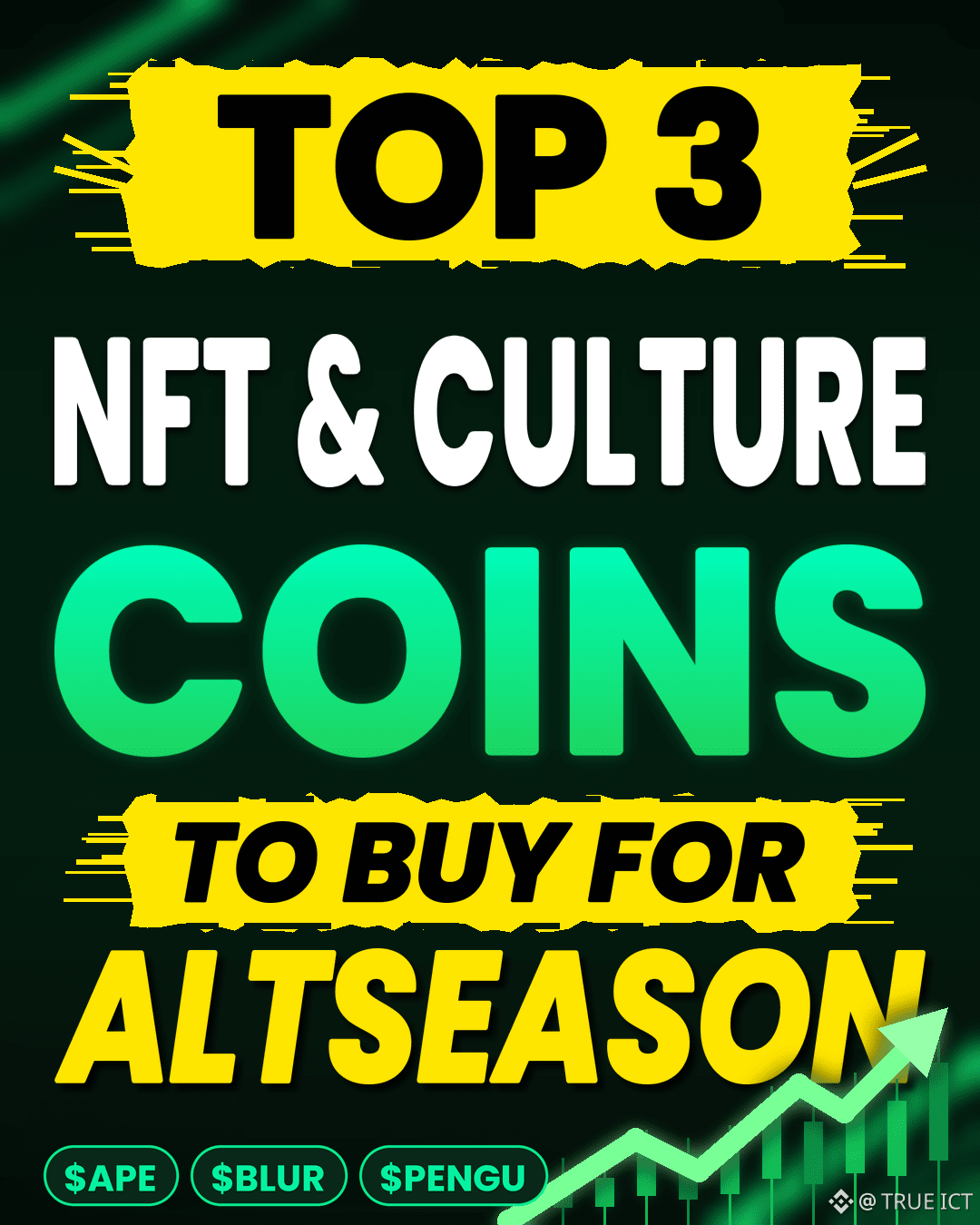
🎨 Top 3 NFT & Culture Coins to Watch
NFTs have cooled, but culture-driven tokens still move on sentiment:
1️⃣ $APE (ApeCoin): the token of the Bored Ape ecosystem.
2️⃣ $BLUR: an NFT marketplace token built for pro traders.
3️⃣ $PENGU: the token of the Pudgy Penguins brand.
⚠️ These depend on sentiment and NFT volume. I keep position size small.
Are NFTs coming back? 👇
Not financial advice. DYOR.
#NFT #APE #Binance
🎨 Top 3 NFT & Culture Coins to Watch
NFTs have cooled, but culture-driven tokens still move on sentiment:
1️⃣ $APE (ApeCoin): the token of the Bored Ape ecosystem.
2️⃣ $BLUR : an NFT marketplace token built for pro traders.
3️⃣ $PENGU : the token of the Pudgy Penguins brand.
⚠️ These depend on sentiment and NFT volume. I keep position size small.
Are NFTs coming back? 👇
Not financial advice. DYOR.
#NFT #APE #Binance
1
1.3k

·
--
Article
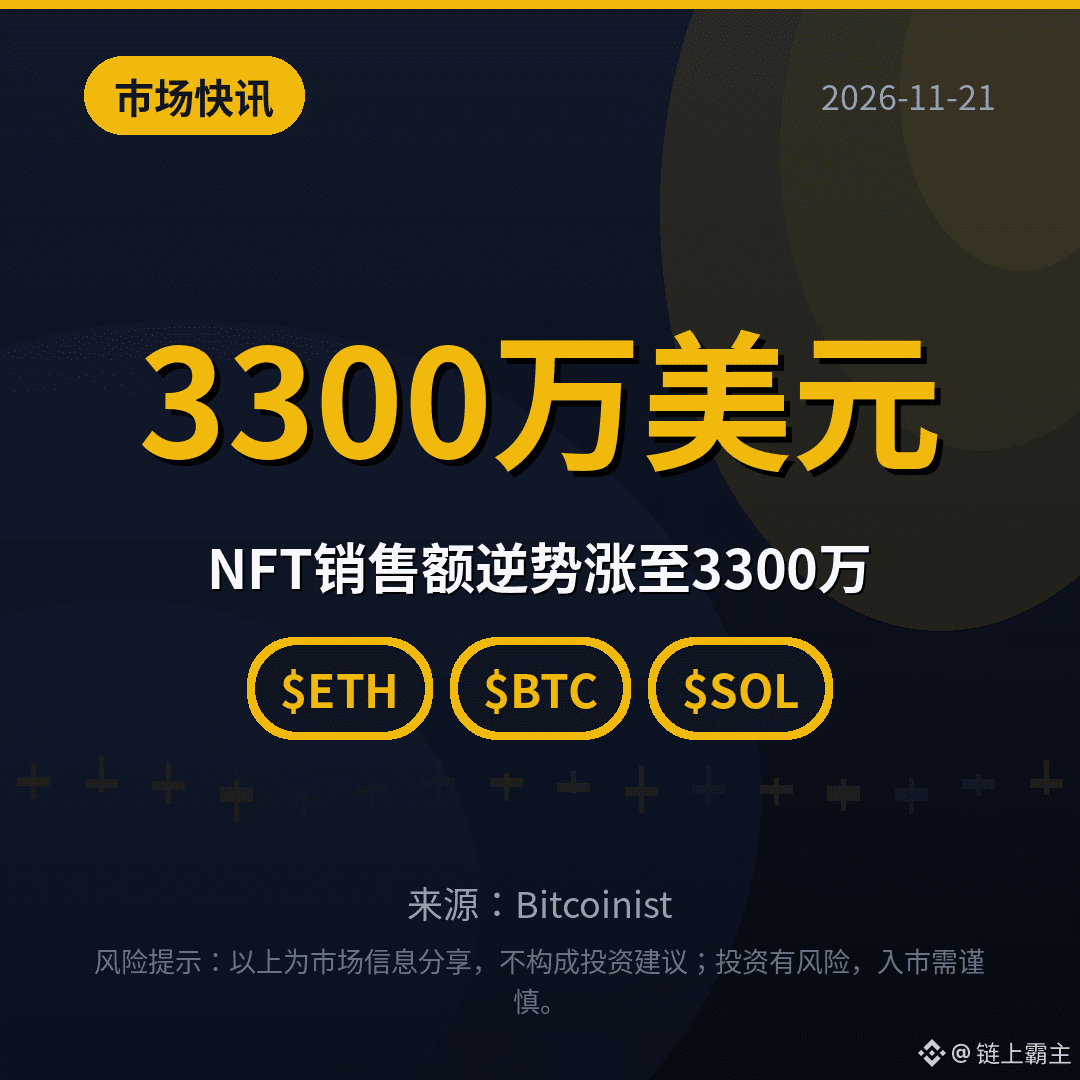
【Market Update】NFT Sales Defy the Downturn, Rising to $33 MillionBitcoin hit a two-year low and Ethereum neared $1,650 as markets fell across the board—but one corner quietly heated up: NFTs.
According to CryptoSlam, NFT sales rose 3.88% week over week over the past seven days, reaching $33 million. Buyer addresses surged 60.89% to 109,319, while seller addresses increased 68.95% to 85,937; the previous week, both had plunged by more than 70%. The number of transactions edged down 3.63%, but the average sale price rose from about $53 to about $57.
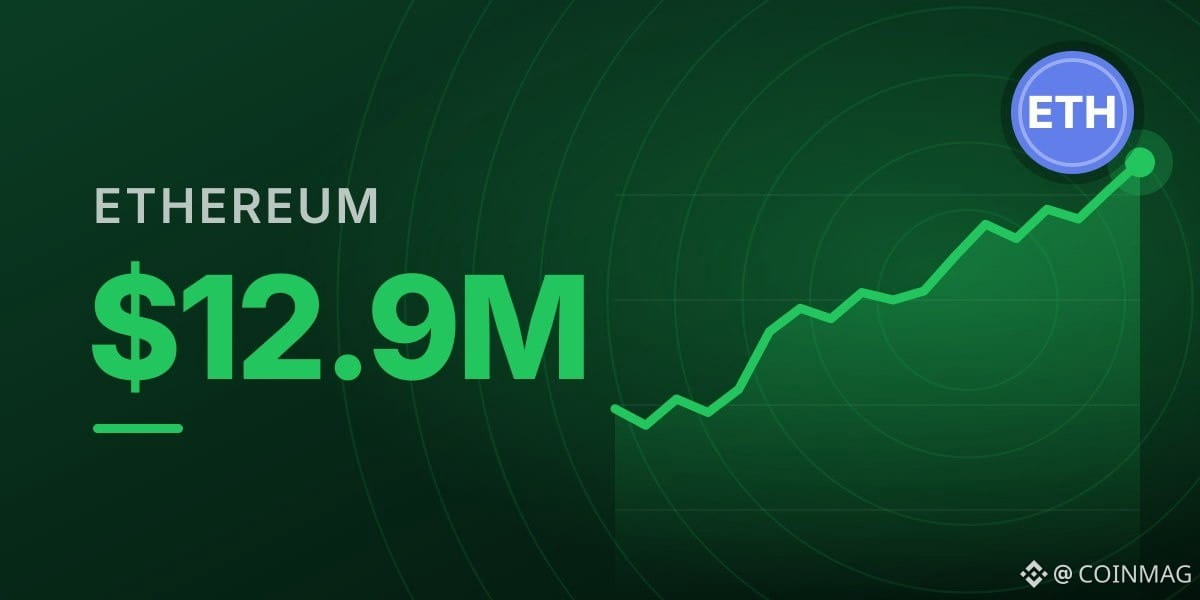
Ethereum was the clear leader: on-chain sales rose 33.50% to $12.91 million, accounting for about 39% of the total market. Buyer addresses doubled to 13,108, while wash trading amounted to just $51,379, suggesting most of the growth came from genuine demand. Polygon ranked second with $7.46 million in sales. Buyer addresses rose 62.73% to 33,053, but $17.55 million was flagged as wash trading, so the figures should be taken with a grain of salt. Bitcoin on-chain sales fell 20.72% to $3.87 million, even as buyer addresses surged 87.16% to 6,489.
【Market Update】NFT Sales Defy the Downturn, Rising to $33 Million
Bitcoin hit a two-year low and Ethereum neared $1,650 as markets fell across the board—but one corner quietly heated up: NFTs.
According to CryptoSlam, NFT sales rose 3.88% week over week over the past seven days, reaching $33 million. Buyer addresses surged 60.89% to 109,319, while seller addresses increased 68.95% to 85,937; the previous week, both had plunged by more than 70%. The number of transactions edged down 3.63%, but the average sale price rose from about $53 to about $57.
Ethereum was the clear leader: on-chain sales rose 33.50% to $12.91 million, accounting for about 39% of the total market. Buyer addresses doubled to 13,108, while wash trading amounted to just $51,379, suggesting most of the growth came from genuine demand. Polygon ranked second with $7.46 million in sales. Buyer addresses rose 62.73% to 33,053, but $17.55 million was flagged as wash trading, so the figures should be taken with a grain of salt. Bitcoin on-chain sales fell 20.72% to $3.87 million, even as buyer addresses surged 87.16% to 6,489.
17
Log in to explore more content
Join global crypto users on Binance Square
⚡️ Get latest and useful information about crypto.
💬 Trusted by the world’s largest crypto exchange.
👍 Discover real insights from verified creators.
Email / Phone number
Trending Topics
1
#MoneroFalls13%OnDelistings
20,589 views
286 Discussing
2
#EvolveAtBinanceBlockchainWeek
1.2M views
14,079 Discussing
3
#EthereumGlamsterdamKeepsStorageFeeChange
11,775 views
144 Discussing
4
#XRPLedgerVaultGets29Votes
33,958 views
409 Discussing
5
#CanMarketsReboundAfterThanksgiving?
451,559 views
3,369 Discussing
6
#CouldSpaceX’sOrbitalDataCentersBoostAIChipDemand?
172,829 views
1,735 Discussing
7
#UKFCAProposesDeFiAccessLimitsForExchanges
1,299 views
20 Discussing
8
#ZcashDevelopersUrgeZECMoveToIronwood
101,235 views
493 Discussing
9
#SwitzerlandApproves57JurisdictionsForCryptoDataExchange
10,218 views
35 Discussing
10
#SanDiskJumps11%NvidiaUp4%Premarket
713 views
23 Discussing