

#gridtrading
gridtrading
285,207 views
1,514 Discussing
Hot
Latest

$ONDO — The grid has started. Further exposure is conditional.
The anchor establishes the first position in ONDOUSDC.
From here, price levels, available capital and risk limits determine whether the position can grow.
Plan in one glance:
• Anchor: 0.4815 USDC
• Initial size: 20.37 USDC
• Buy zone: -1.7% to -4.32% from anchor · 7 levels
• Exit zone: +0.56% to +1.27% from anchor · 2 levels
• Risk boundary: -5% from anchor
A planned purchase is not an obligation to buy.
Not a recommendation.
No financial advice.
$ONDO #GridTrading #GridCore
$ONDO — The grid has started. Further exposure is conditional.
The anchor establishes the first position in ONDOUSDC.
From here, price levels, available capital and risk limits determine whether the position can grow.
Plan in one glance:
• Anchor: 0.4815 USDC
• Initial size: 20.37 USDC
• Buy zone: -1.7% to -4.32% from anchor · 7 levels
• Exit zone: +0.56% to +1.27% from anchor · 2 levels
• Risk boundary: -5% from anchor
A planned purchase is not an obligation to buy.
Not a recommendation.
No financial advice.
$ONDO #GridTrading #GridCore
The anchor establishes the first position in ONDOUSDC.
From here, price levels, available capital and risk limits determine whether the position can grow.
Plan in one glance:
• Anchor: 0.4815 USDC
• Initial size: 20.37 USDC
• Buy zone: -1.7% to -4.32% from anchor · 7 levels
• Exit zone: +0.56% to +1.27% from anchor · 2 levels
• Risk boundary: -5% from anchor
A planned purchase is not an obligation to buy.
Not a recommendation.
No financial advice.
$ONDO #GridTrading #GridCore
13
$PENGU — The cycle began with room left for mean reversion.
Initial exposure remains small relative to the complete grid budget.
The plan keeps capital available if price moves deeper into the range.
Plan in one glance:
• Anchor: 0.00972727 USDC
• Initial size: 20.92 USDC
• Buy zone: -0.36% to -3.01% from anchor · 11 levels
• Exit zone: +0.55% to +2.4% from anchor · 3 levels
• Risk boundary: -5% from anchor
The first fill should not consume the whole idea.
Not a recommendation.
No financial advice.
$PENGU #GridTrading #GridCore
$PENGU — The cycle began with room left for mean reversion.
Initial exposure remains small relative to the complete grid budget.
The plan keeps capital available if price moves deeper into the range.
Plan in one glance:
• Anchor: 0.00972727 USDC
• Initial size: 20.92 USDC
• Buy zone: -0.36% to -3.01% from anchor · 11 levels
• Exit zone: +0.55% to +2.4% from anchor · 3 levels
• Risk boundary: -5% from anchor
The first fill should not consume the whole idea.
Not a recommendation.
No financial advice.
$PENGU #GridTrading #GridCore
Initial exposure remains small relative to the complete grid budget.
The plan keeps capital available if price moves deeper into the range.
Plan in one glance:
• Anchor: 0.00972727 USDC
• Initial size: 20.92 USDC
• Buy zone: -0.36% to -3.01% from anchor · 11 levels
• Exit zone: +0.55% to +2.4% from anchor · 3 levels
• Risk boundary: -5% from anchor
The first fill should not consume the whole idea.
Not a recommendation.
No financial advice.
$PENGU #GridTrading #GridCore
1
Grid Core Weekly Recap — 2026-W39
The week included a Hard-SL exit and a non-negative realized result.
Numbers that matter
• Return on sold basis: +0.06%
• Net after fees: +0.72 USDC
• Activity: 82 normal sell fills · 0 controlled-exit fills · 1 Hard-SL fill
• Portfolio now: 2 active grids · 20 open orders · 135 completed cycles
• Main driver: normal grid sells (+6.77 USDC)
That result still includes risk intervention, so regular sells and hard-stop fills are shown separately.
Data: Binance myTrades with fee conversion.
Where should the next recap go deeper: realized edge, fees or exit handling?
Not a recommendation.
No financial advice.
#GridTrading #RiskManagement #GridCore
Grid Core Weekly Recap — 2026-W39
The week included a Hard-SL exit and a non-negative realized result.
Numbers that matter
• Return on sold basis: +0.06%
• Net after fees: +0.72 USDC
• Activity: 82 normal sell fills · 0 controlled-exit fills · 1 Hard-SL fill
• Portfolio now: 2 active grids · 20 open orders · 135 completed cycles
• Main driver: normal grid sells (+6.77 USDC)
That result still includes risk intervention, so regular sells and hard-stop fills are shown separately.
Data: Binance myTrades with fee conversion.
Where should the next recap go deeper: realized edge, fees or exit handling?
Not a recommendation.
No financial advice.
#GridTrading #RiskManagement #GridCore
The week included a Hard-SL exit and a non-negative realized result.
Numbers that matter
• Return on sold basis: +0.06%
• Net after fees: +0.72 USDC
• Activity: 82 normal sell fills · 0 controlled-exit fills · 1 Hard-SL fill
• Portfolio now: 2 active grids · 20 open orders · 135 completed cycles
• Main driver: normal grid sells (+6.77 USDC)
That result still includes risk intervention, so regular sells and hard-stop fills are shown separately.
Data: Binance myTrades with fee conversion.
Where should the next recap go deeper: realized edge, fees or exit handling?
Not a recommendation.
No financial advice.
#GridTrading #RiskManagement #GridCore
1
$SUI — The grid entered the range without paying for certainty.
Plan in one glance:
• Anchor: 1.18394483 USDC
• Initial size: 13.73 USDC
• Buy zone: -0.76% to -3.65% from anchor · 8 levels
• Exit zone: +0.66% from anchor · 1 level
• Risk boundary: -5% from anchor
The anchor establishes the cycle while the larger position remains conditional.
Further exposure requires price to reach the predefined buy zone.
Commit gradually. Verify continuously.
Not a recommendation.
No financial advice.
$SUI #GridTrading #GridCore
$SUI — The grid entered the range without paying for certainty.
Plan in one glance:
• Anchor: 1.18394483 USDC
• Initial size: 13.73 USDC
• Buy zone: -0.76% to -3.65% from anchor · 8 levels
• Exit zone: +0.66% from anchor · 1 level
• Risk boundary: -5% from anchor
The anchor establishes the cycle while the larger position remains conditional.
Further exposure requires price to reach the predefined buy zone.
Commit gradually. Verify continuously.
Not a recommendation.
No financial advice.
$SUI #GridTrading #GridCore
Plan in one glance:
• Anchor: 1.18394483 USDC
• Initial size: 13.73 USDC
• Buy zone: -0.76% to -3.65% from anchor · 8 levels
• Exit zone: +0.66% from anchor · 1 level
• Risk boundary: -5% from anchor
The anchor establishes the cycle while the larger position remains conditional.
Further exposure requires price to reach the predefined buy zone.
Commit gradually. Verify continuously.
Not a recommendation.
No financial advice.
$SUI #GridTrading #GridCore
6

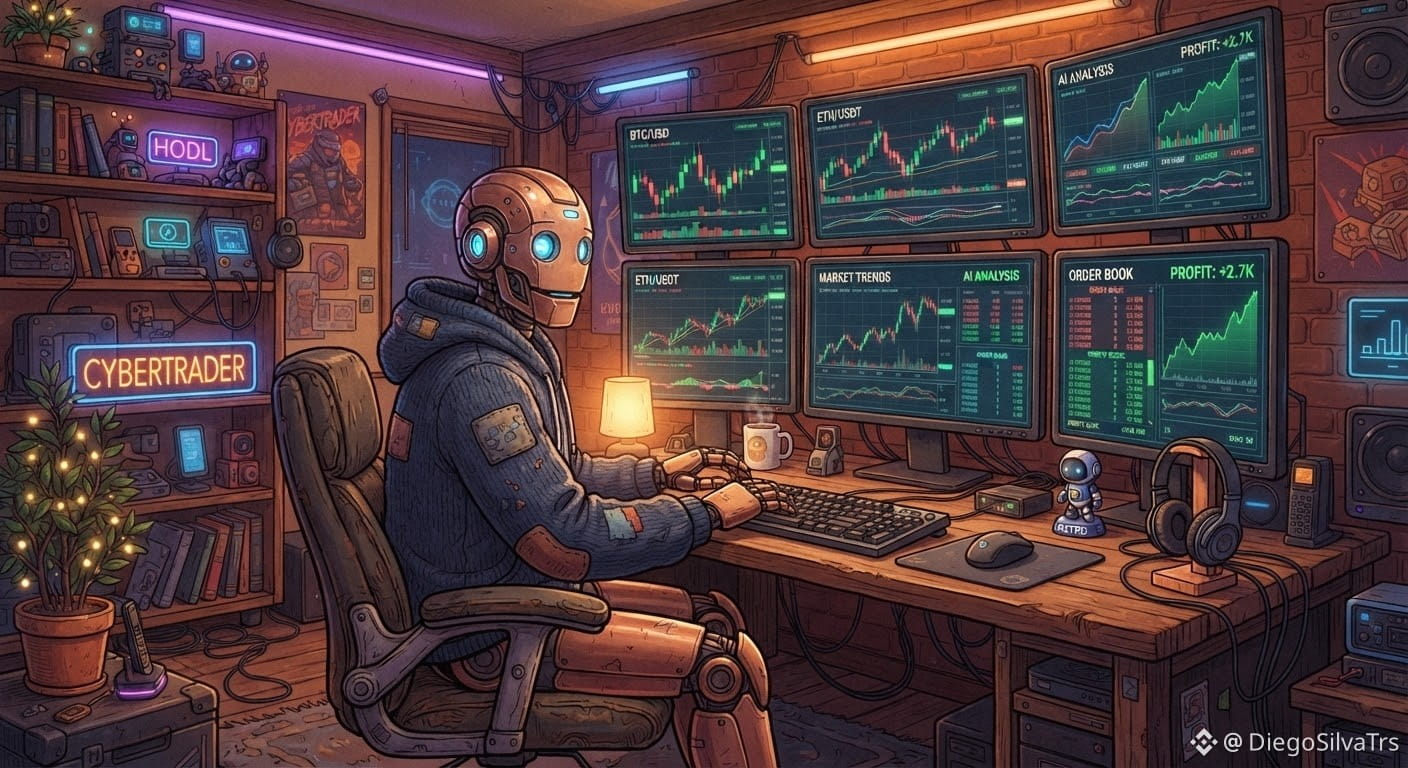
Works Like Grid Bots: The secret behind automatic rebalancing!
Have you noticed how grid robots seem to work on their own as the market rises and falls? The good news is that you can apply the exact same logic to your portfolio—manually or automatically!
But hold on: before you start putting money in, let’s understand how it works in practice and where the big detail that many people forget really is.
How does the "Grid" strategy work?
The logic is simple and it works like a cycle for your capital:
The market drops: If the price of your asset falls (for example, -10%), you inject a bit more cash to buy cheaper and bring down your average entry price.
The market rises: When the price recovers and goes up (for example, +10%), you sell a portion to pocket the profit.
The cycle repeats: You’re never fully invested at the peak, and you’re never completely out of the market. You accumulate assets when prices are low and realize profits when prices are high.
The big "Achilles' heel": Watch out for fees!
This strategy is great for learning market dynamics, but there’s a fundamental detail: the size of your capital matters (a lot)!
Trading with pennies (like $0.02 or $1.00): It’s great for testing and understanding the tool without risk, but it doesn’t generate real profit. Why? Because exchange fees can wipe out your margin. A profit measured in fractions of a cent turns into dust once fees are applied.
The ideal scenario: To make your money actually grow, the ideal is to work with dozens or hundreds of dollars. That way, the changes generate meaningful amounts that outweigh the costs.
Opera Summary
Averaging in and rebalancing your portfolio by buying on the drop and selling on the rise is one of the smartest tactics. However, remember: volume is essential. Leave the micro-tests for learning, protect your margin, and adjust your capital!
Have you tested any grid bot yet, or do you prefer managing things manually? Share your opinion!
#BinanceSquare #GridTrading #Estrategia #EducacaoFinanceira #Criptomoedas
$BTC $ADA
Works Like Grid Bots: The secret behind automatic rebalancing!
Have you noticed how grid robots seem to work on their own as the market rises and falls? The good news is that you can apply the exact same logic to your portfolio—manually or automatically!
But hold on: before you start putting money in, let’s understand how it works in practice and where the big detail that many people forget really is.
How does the "Grid" strategy work?
The logic is simple and it works like a cycle for your capital:
The market drops: If the price of your asset falls (for example, -10%), you inject a bit more cash to buy cheaper and bring down your average entry price.
The market rises: When the price recovers and goes up (for example, +10%), you sell a portion to pocket the profit.
The cycle repeats: You’re never fully invested at the peak, and you’re never completely out of the market. You accumulate assets when prices are low and realize profits when prices are high.
The big "Achilles' heel": Watch out for fees!
This strategy is great for learning market dynamics, but there’s a fundamental detail: the size of your capital matters (a lot)!
Trading with pennies (like $0.02 or $1.00): It’s great for testing and understanding the tool without risk, but it doesn’t generate real profit. Why? Because exchange fees can wipe out your margin. A profit measured in fractions of a cent turns into dust once fees are applied.
The ideal scenario: To make your money actually grow, the ideal is to work with dozens or hundreds of dollars. That way, the changes generate meaningful amounts that outweigh the costs.
Opera Summary
Averaging in and rebalancing your portfolio by buying on the drop and selling on the rise is one of the smartest tactics. However, remember: volume is essential. Leave the micro-tests for learning, protect your margin, and adjust your capital!
Have you tested any grid bot yet, or do you prefer managing things manually? Share your opinion!
#BinanceSquare #GridTrading #Estrategia #EducacaoFinanceira #Criptomoedas
$BTC $ADA
Have you noticed how grid robots seem to work on their own as the market rises and falls? The good news is that you can apply the exact same logic to your portfolio—manually or automatically!
But hold on: before you start putting money in, let’s understand how it works in practice and where the big detail that many people forget really is.
How does the "Grid" strategy work?
The logic is simple and it works like a cycle for your capital:
The market drops: If the price of your asset falls (for example, -10%), you inject a bit more cash to buy cheaper and bring down your average entry price.
The market rises: When the price recovers and goes up (for example, +10%), you sell a portion to pocket the profit.
The cycle repeats: You’re never fully invested at the peak, and you’re never completely out of the market. You accumulate assets when prices are low and realize profits when prices are high.
The big "Achilles' heel": Watch out for fees!
This strategy is great for learning market dynamics, but there’s a fundamental detail: the size of your capital matters (a lot)!
Trading with pennies (like $0.02 or $1.00): It’s great for testing and understanding the tool without risk, but it doesn’t generate real profit. Why? Because exchange fees can wipe out your margin. A profit measured in fractions of a cent turns into dust once fees are applied.
The ideal scenario: To make your money actually grow, the ideal is to work with dozens or hundreds of dollars. That way, the changes generate meaningful amounts that outweigh the costs.
Opera Summary
Averaging in and rebalancing your portfolio by buying on the drop and selling on the rise is one of the smartest tactics. However, remember: volume is essential. Leave the micro-tests for learning, protect your margin, and adjust your capital!
Have you tested any grid bot yet, or do you prefer managing things manually? Share your opinion!
#BinanceSquare #GridTrading #Estrategia #EducacaoFinanceira #Criptomoedas
$BTC $ADA
1
1
163
$PUMP — The grid began with budget discipline intact.
Plan in one glance:
• Anchor: 0.00580713 USDC
• Initial size: 20.42 USDC
• Buy zone: -1.21% to -3.84% from anchor · 7 levels
• Exit zone: +0.57% to +1.25% from anchor · 2 levels
• Risk boundary: -5% from anchor
Anchor, buy zone and exit zone were defined before expansion.
The system keeps room for mean reversion instead of front-loading exposure.
Good structure leaves room to be wrong.
Not a recommendation.
No financial advice.
$PUMP #GridTrading #GridCore
$PUMP — The grid began with budget discipline intact.
Plan in one glance:
• Anchor: 0.00580713 USDC
• Initial size: 20.42 USDC
• Buy zone: -1.21% to -3.84% from anchor · 7 levels
• Exit zone: +0.57% to +1.25% from anchor · 2 levels
• Risk boundary: -5% from anchor
Anchor, buy zone and exit zone were defined before expansion.
The system keeps room for mean reversion instead of front-loading exposure.
Good structure leaves room to be wrong.
Not a recommendation.
No financial advice.
$PUMP #GridTrading #GridCore
Plan in one glance:
• Anchor: 0.00580713 USDC
• Initial size: 20.42 USDC
• Buy zone: -1.21% to -3.84% from anchor · 7 levels
• Exit zone: +0.57% to +1.25% from anchor · 2 levels
• Risk boundary: -5% from anchor
Anchor, buy zone and exit zone were defined before expansion.
The system keeps room for mean reversion instead of front-loading exposure.
Good structure leaves room to be wrong.
Not a recommendation.
No financial advice.
$PUMP #GridTrading #GridCore
2
The Secret of Percentages: Why small and large capital play by different rules!
Many try to apply the same logic to any value, but crypto math works differently. The size of your capital determines what margin of variation (grid spacing) is worth it.
Let’s see in practice how this changes between micro-contributions and larger positions, factoring in fees and true profit.
1. The micro-contribution case (Example of R$ 1 and R$ 10)
When you trade with very low amounts:
Why use larger variations (20%): If you look for short variations (1%), the profit is fractions of a cent.
The danger of fees: Exchanges charge trading fees. With R$ 1 or R$ 10, a short swing makes the gain disappear into brokerage commissions.
The solution: Stretch the target to 20% ranges so the gain is more visible and you reduce unnecessary orders.
2. The jump to intermediate capital (Example of R$ 100)
When you move up to the hundreds:
The break-even point: A 10% to 15% margin starts to pay off for real.
A 10% variation on R$ 100 brings a return that offsets the platform costs, ensuring growth every cycle.
3. Larger positions (Example of US$ 1,000)
Working with solid capital:
The advantage of 10%: A 10% swing represents US$ 100 per cycle! That’s an excellent figure that comfortably absorbs fees and delivers real profit.
Why not 1%? Chasing 1% variations with US$ 1,000 would generate hundreds of orders per day, turning into a "fee mill" and a fiscal nightmare. The 10% range protects your margin and brings peace of mind.
Final Take
Adjust the strategy to your budget: with R$ 1 or R$ 10, stretch the percentage to escape fees; with more capital (like US$ 1,000), 10% delivers the perfect balance!
Have you thought about this when setting up your grids? Comment below!
#BinanceSquare #GridTrading #Estrategia
$BTC $ETH $SOL
The Secret of Percentages: Why small and large capital play by different rules!
Many try to apply the same logic to any value, but crypto math works differently. The size of your capital determines what margin of variation (grid spacing) is worth it.
Let’s see in practice how this changes between micro-contributions and larger positions, factoring in fees and true profit.
1. The micro-contribution case (Example of R$ 1 and R$ 10)
When you trade with very low amounts:
Why use larger variations (20%): If you look for short variations (1%), the profit is fractions of a cent.
The danger of fees: Exchanges charge trading fees. With R$ 1 or R$ 10, a short swing makes the gain disappear into brokerage commissions.
The solution: Stretch the target to 20% ranges so the gain is more visible and you reduce unnecessary orders.
2. The jump to intermediate capital (Example of R$ 100)
When you move up to the hundreds:
The break-even point: A 10% to 15% margin starts to pay off for real.
A 10% variation on R$ 100 brings a return that offsets the platform costs, ensuring growth every cycle.
3. Larger positions (Example of US$ 1,000)
Working with solid capital:
The advantage of 10%: A 10% swing represents US$ 100 per cycle! That’s an excellent figure that comfortably absorbs fees and delivers real profit.
Why not 1%? Chasing 1% variations with US$ 1,000 would generate hundreds of orders per day, turning into a "fee mill" and a fiscal nightmare. The 10% range protects your margin and brings peace of mind.
Final Take
Adjust the strategy to your budget: with R$ 1 or R$ 10, stretch the percentage to escape fees; with more capital (like US$ 1,000), 10% delivers the perfect balance!
Have you thought about this when setting up your grids? Comment below!
#BinanceSquare #GridTrading #Estrategia
$BTC $ETH $SOL
Many try to apply the same logic to any value, but crypto math works differently. The size of your capital determines what margin of variation (grid spacing) is worth it.
Let’s see in practice how this changes between micro-contributions and larger positions, factoring in fees and true profit.
1. The micro-contribution case (Example of R$ 1 and R$ 10)
When you trade with very low amounts:
Why use larger variations (20%): If you look for short variations (1%), the profit is fractions of a cent.
The danger of fees: Exchanges charge trading fees. With R$ 1 or R$ 10, a short swing makes the gain disappear into brokerage commissions.
The solution: Stretch the target to 20% ranges so the gain is more visible and you reduce unnecessary orders.
2. The jump to intermediate capital (Example of R$ 100)
When you move up to the hundreds:
The break-even point: A 10% to 15% margin starts to pay off for real.
A 10% variation on R$ 100 brings a return that offsets the platform costs, ensuring growth every cycle.
3. Larger positions (Example of US$ 1,000)
Working with solid capital:
The advantage of 10%: A 10% swing represents US$ 100 per cycle! That’s an excellent figure that comfortably absorbs fees and delivers real profit.
Why not 1%? Chasing 1% variations with US$ 1,000 would generate hundreds of orders per day, turning into a "fee mill" and a fiscal nightmare. The 10% range protects your margin and brings peace of mind.
Final Take
Adjust the strategy to your budget: with R$ 1 or R$ 10, stretch the percentage to escape fees; with more capital (like US$ 1,000), 10% delivers the perfect balance!
Have you thought about this when setting up your grids? Comment below!
#BinanceSquare #GridTrading #Estrategia
$BTC $ETH $SOL
DiegoSilvaTrs
·
--
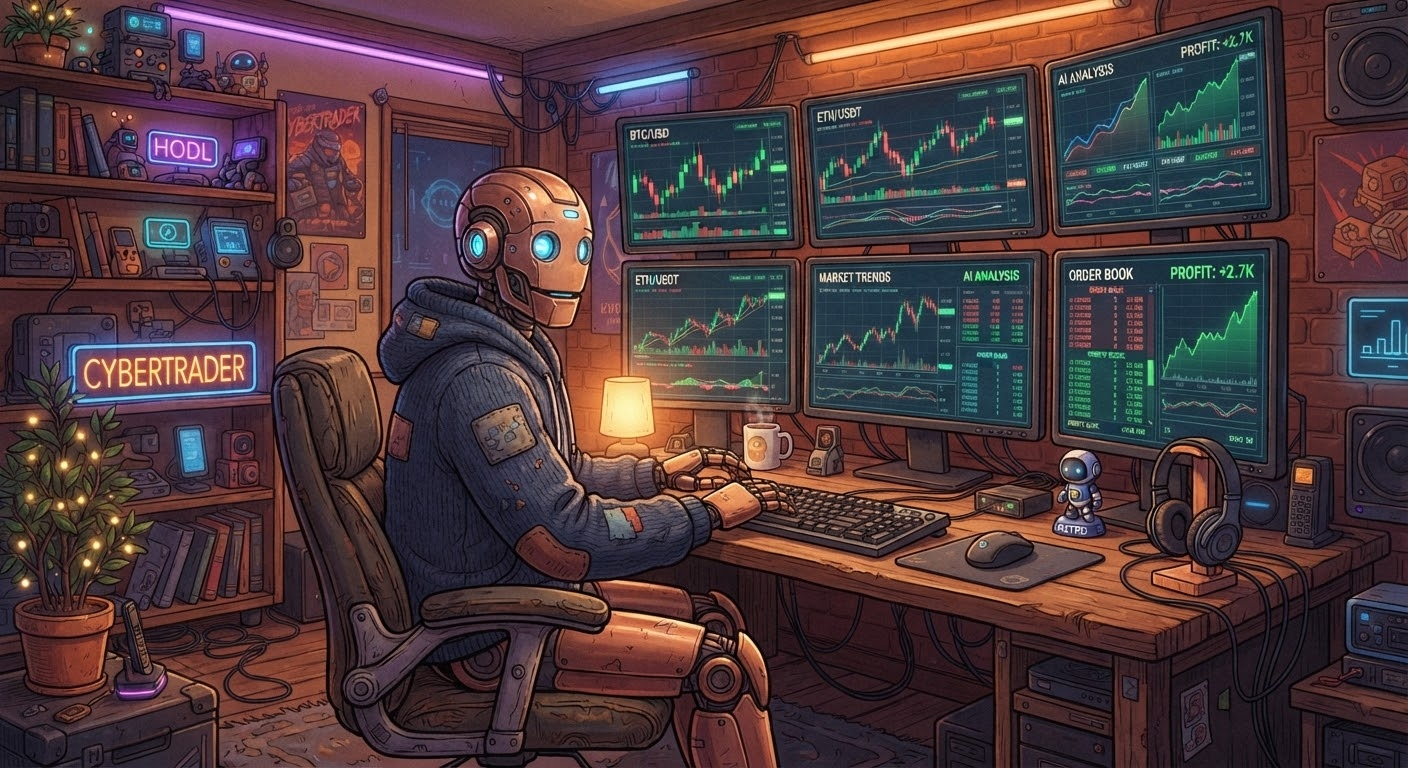
Works Like Grid Bots: The secret behind automatic rebalancing!
Have you noticed how grid robots seem to work on their own as the market rises and falls? The good news is that you can apply the exact same logic to your portfolio—manually or automatically!
But hold on: before you start putting money in, let’s understand how it works in practice and where the big detail that many people forget really is.
How does the "Grid" strategy work?
The logic is simple and it works like a cycle for your capital:
The market drops: If the price of your asset falls (for example, -10%), you inject a bit more cash to buy cheaper and bring down your average entry price.
The market rises: When the price recovers and goes up (for example, +10%), you sell a portion to pocket the profit.
The cycle repeats: You’re never fully invested at the peak, and you’re never completely out of the market. You accumulate assets when prices are low and realize profits when prices are high.
The big "Achilles' heel": Watch out for fees!
This strategy is great for learning market dynamics, but there’s a fundamental detail: the size of your capital matters (a lot)!
Trading with pennies (like $0.02 or $1.00): It’s great for testing and understanding the tool without risk, but it doesn’t generate real profit. Why? Because exchange fees can wipe out your margin. A profit measured in fractions of a cent turns into dust once fees are applied.
The ideal scenario: To make your money actually grow, the ideal is to work with dozens or hundreds of dollars. That way, the changes generate meaningful amounts that outweigh the costs.
Opera Summary
Averaging in and rebalancing your portfolio by buying on the drop and selling on the rise is one of the smartest tactics. However, remember: volume is essential. Leave the micro-tests for learning, protect your margin, and adjust your capital!
Have you tested any grid bot yet, or do you prefer managing things manually? Share your opinion!
#BinanceSquare #GridTrading #Estrategia #EducacaoFinanceira #Criptomoedas
$BTC $ADA
Have you noticed how grid robots seem to work on their own as the market rises and falls? The good news is that you can apply the exact same logic to your portfolio—manually or automatically!
But hold on: before you start putting money in, let’s understand how it works in practice and where the big detail that many people forget really is.
How does the "Grid" strategy work?
The logic is simple and it works like a cycle for your capital:
The market drops: If the price of your asset falls (for example, -10%), you inject a bit more cash to buy cheaper and bring down your average entry price.
The market rises: When the price recovers and goes up (for example, +10%), you sell a portion to pocket the profit.
The cycle repeats: You’re never fully invested at the peak, and you’re never completely out of the market. You accumulate assets when prices are low and realize profits when prices are high.
The big "Achilles' heel": Watch out for fees!
This strategy is great for learning market dynamics, but there’s a fundamental detail: the size of your capital matters (a lot)!
Trading with pennies (like $0.02 or $1.00): It’s great for testing and understanding the tool without risk, but it doesn’t generate real profit. Why? Because exchange fees can wipe out your margin. A profit measured in fractions of a cent turns into dust once fees are applied.
The ideal scenario: To make your money actually grow, the ideal is to work with dozens or hundreds of dollars. That way, the changes generate meaningful amounts that outweigh the costs.
Opera Summary
Averaging in and rebalancing your portfolio by buying on the drop and selling on the rise is one of the smartest tactics. However, remember: volume is essential. Leave the micro-tests for learning, protect your margin, and adjust your capital!
Have you tested any grid bot yet, or do you prefer managing things manually? Share your opinion!
#BinanceSquare #GridTrading #Estrategia #EducacaoFinanceira #Criptomoedas
$BTC $ADA
1
101
$WLD — The position is being worked down without adding weight.
Fresh buy expansion stays paused for this cycle.
The system focuses on resolving existing inventory.
Position update:
• Change: Active grid → position workdown
• Why: Price moved sufficiently below average acquisition that the risk policy stopped further buying.
• Avg acquisition: 0.50858242 USDC
• Cost basis: 87.67960879 USDC
• Inventory: 172.4 WLD
• Open orders: 0 buys / 3 sells
• Unrealized drawdown at decision: 3.29%
Committed capital should leave cleanly before more joins it.
Not a recommendation.
No financial advice.
$WLD #GridTrading #GridCore
$WLD — The position is being worked down without adding weight.
Fresh buy expansion stays paused for this cycle.
The system focuses on resolving existing inventory.
Position update:
• Change: Active grid → position workdown
• Why: Price moved sufficiently below average acquisition that the risk policy stopped further buying.
• Avg acquisition: 0.50858242 USDC
• Cost basis: 87.67960879 USDC
• Inventory: 172.4 WLD
• Open orders: 0 buys / 3 sells
• Unrealized drawdown at decision: 3.29%
Committed capital should leave cleanly before more joins it.
Not a recommendation.
No financial advice.
$WLD #GridTrading #GridCore
Fresh buy expansion stays paused for this cycle.
The system focuses on resolving existing inventory.
Position update:
• Change: Active grid → position workdown
• Why: Price moved sufficiently below average acquisition that the risk policy stopped further buying.
• Avg acquisition: 0.50858242 USDC
• Cost basis: 87.67960879 USDC
• Inventory: 172.4 WLD
• Open orders: 0 buys / 3 sells
• Unrealized drawdown at decision: 3.29%
Committed capital should leave cleanly before more joins it.
Not a recommendation.
No financial advice.
$WLD #GridTrading #GridCore
56
$ALGO — The grid began with budget discipline intact.
Plan in one glance:
• Anchor: 0.12957097 USDC
• Initial size: 20.08 USDC
• Buy zone: -0.52% to -3.37% from anchor · 8 levels
• Exit zone: +0.56% to +1.26% from anchor · 2 levels
• Risk boundary: -5% from anchor
Anchor, buy zone and exit zone were defined before expansion.
The system keeps room for mean reversion instead of front-loading exposure.
Good structure leaves room to be wrong.
Not a recommendation.
No financial advice.
$ALGO #GridTrading #GridCore
$ALGO — The grid began with budget discipline intact.
Plan in one glance:
• Anchor: 0.12957097 USDC
• Initial size: 20.08 USDC
• Buy zone: -0.52% to -3.37% from anchor · 8 levels
• Exit zone: +0.56% to +1.26% from anchor · 2 levels
• Risk boundary: -5% from anchor
Anchor, buy zone and exit zone were defined before expansion.
The system keeps room for mean reversion instead of front-loading exposure.
Good structure leaves room to be wrong.
Not a recommendation.
No financial advice.
$ALGO #GridTrading #GridCore
Plan in one glance:
• Anchor: 0.12957097 USDC
• Initial size: 20.08 USDC
• Buy zone: -0.52% to -3.37% from anchor · 8 levels
• Exit zone: +0.56% to +1.26% from anchor · 2 levels
• Risk boundary: -5% from anchor
Anchor, buy zone and exit zone were defined before expansion.
The system keeps room for mean reversion instead of front-loading exposure.
Good structure leaves room to be wrong.
Not a recommendation.
No financial advice.
$ALGO #GridTrading #GridCore
1
$ALGO — The grid is resolving exposure one step at a time.
Fresh buys remain disabled during the workdown.
Position update:
• Change: Active grid → position workdown
• Why: The position is being reduced or resolved without adding new buy-side exposure.
• Avg acquisition: 0.12414474 USDC
• Cost basis: 5.71065789 USDC
• Inventory: 46 ALGO
• Open orders: 0 buys / 1 sell
• Unrealized drawdown at decision: 0%
The current structure stays focused on reducing the position.
Progress is measured in reduced exposure.
Not a recommendation.
No financial advice.
$ALGO #GridTrading #GridCore
$ALGO — The grid is resolving exposure one step at a time.
Fresh buys remain disabled during the workdown.
Position update:
• Change: Active grid → position workdown
• Why: The position is being reduced or resolved without adding new buy-side exposure.
• Avg acquisition: 0.12414474 USDC
• Cost basis: 5.71065789 USDC
• Inventory: 46 ALGO
• Open orders: 0 buys / 1 sell
• Unrealized drawdown at decision: 0%
The current structure stays focused on reducing the position.
Progress is measured in reduced exposure.
Not a recommendation.
No financial advice.
$ALGO #GridTrading #GridCore
Fresh buys remain disabled during the workdown.
Position update:
• Change: Active grid → position workdown
• Why: The position is being reduced or resolved without adding new buy-side exposure.
• Avg acquisition: 0.12414474 USDC
• Cost basis: 5.71065789 USDC
• Inventory: 46 ALGO
• Open orders: 0 buys / 1 sell
• Unrealized drawdown at decision: 0%
The current structure stays focused on reducing the position.
Progress is measured in reduced exposure.
Not a recommendation.
No financial advice.
$ALGO #GridTrading #GridCore
1
$XPL — The cycle began with room left for mean reversion.
Initial exposure remains small relative to the complete grid budget.
Plan in one glance:
• Anchor: 0.09603642 USDC
• Initial size: 20.45 USDC
• Buy zone: -0.48% to -3.38% from anchor · 8 levels
• Exit zone: +0.56% to +1.25% from anchor · 2 levels
• Risk boundary: -5% from anchor
The plan keeps capital available if price moves deeper into the range.
The first fill should not consume the whole idea.
Not a recommendation.
No financial advice.
$XPL #GridTrading #GridCore
$XPL — The cycle began with room left for mean reversion.
Initial exposure remains small relative to the complete grid budget.
Plan in one glance:
• Anchor: 0.09603642 USDC
• Initial size: 20.45 USDC
• Buy zone: -0.48% to -3.38% from anchor · 8 levels
• Exit zone: +0.56% to +1.25% from anchor · 2 levels
• Risk boundary: -5% from anchor
The plan keeps capital available if price moves deeper into the range.
The first fill should not consume the whole idea.
Not a recommendation.
No financial advice.
$XPL #GridTrading #GridCore
Initial exposure remains small relative to the complete grid budget.
Plan in one glance:
• Anchor: 0.09603642 USDC
• Initial size: 20.45 USDC
• Buy zone: -0.48% to -3.38% from anchor · 8 levels
• Exit zone: +0.56% to +1.25% from anchor · 2 levels
• Risk boundary: -5% from anchor
The plan keeps capital available if price moves deeper into the range.
The first fill should not consume the whole idea.
Not a recommendation.
No financial advice.
$XPL #GridTrading #GridCore
27
$AERO — The plan opened quietly, with most capital still unspent.
Plan in one glance:
• Anchor: 0.8033352 USDC
• Initial size: 20.08 USDC
• Buy zone: -0.55% to -3.45% from anchor · 8 levels
• Exit zone: +0.56% to +1.25% from anchor · 2 levels
• Risk boundary: -5% from anchor
The initial purchase establishes exposure within the planned range.
Further inventory depends on predefined levels getting reached.
Small starts keep the next decision honest.
Not a recommendation.
No financial advice.
$AERO #GridTrading #GridCore
$AERO — The plan opened quietly, with most capital still unspent.
Plan in one glance:
• Anchor: 0.8033352 USDC
• Initial size: 20.08 USDC
• Buy zone: -0.55% to -3.45% from anchor · 8 levels
• Exit zone: +0.56% to +1.25% from anchor · 2 levels
• Risk boundary: -5% from anchor
The initial purchase establishes exposure within the planned range.
Further inventory depends on predefined levels getting reached.
Small starts keep the next decision honest.
Not a recommendation.
No financial advice.
$AERO #GridTrading #GridCore
Plan in one glance:
• Anchor: 0.8033352 USDC
• Initial size: 20.08 USDC
• Buy zone: -0.55% to -3.45% from anchor · 8 levels
• Exit zone: +0.56% to +1.25% from anchor · 2 levels
• Risk boundary: -5% from anchor
The initial purchase establishes exposure within the planned range.
Further inventory depends on predefined levels getting reached.
Small starts keep the next decision honest.
Not a recommendation.
No financial advice.
$AERO #GridTrading #GridCore
2
$SUI — The cycle began with room left for mean reversion.
Plan in one glance:
• Anchor: 1.17234348 USDC
• Initial size: 13.48 USDC
• Buy zone: -1.14% to -4.03% from anchor · 8 levels
• Exit zone: +0.65% from anchor · 1 level
• Risk boundary: -5% from anchor
Initial exposure remains small relative to the complete grid budget.
The plan keeps capital available if price moves deeper into the range.
The first fill should not consume the whole idea.
Not a recommendation.
No financial advice.
$SUI #GridTrading #GridCore
$SUI — The cycle began with room left for mean reversion.
Plan in one glance:
• Anchor: 1.17234348 USDC
• Initial size: 13.48 USDC
• Buy zone: -1.14% to -4.03% from anchor · 8 levels
• Exit zone: +0.65% from anchor · 1 level
• Risk boundary: -5% from anchor
Initial exposure remains small relative to the complete grid budget.
The plan keeps capital available if price moves deeper into the range.
The first fill should not consume the whole idea.
Not a recommendation.
No financial advice.
$SUI #GridTrading #GridCore
Plan in one glance:
• Anchor: 1.17234348 USDC
• Initial size: 13.48 USDC
• Buy zone: -1.14% to -4.03% from anchor · 8 levels
• Exit zone: +0.65% from anchor · 1 level
• Risk boundary: -5% from anchor
Initial exposure remains small relative to the complete grid budget.
The plan keeps capital available if price moves deeper into the range.
The first fill should not consume the whole idea.
Not a recommendation.
No financial advice.
$SUI #GridTrading #GridCore
9
$SUI — The grid is resolving exposure one step at a time.
Progress is measured in reduced exposure.
Fresh buys remain disabled during the workdown.
The current structure stays focused on reducing the position.
Position update:
• Change: Active grid → position workdown
• Why: The position is being reduced or resolved without adding new buy-side exposure.
• Avg acquisition: 1.14838234 USDC
• Cost basis: 13.20639694 USDC
• Inventory: 11.5 SUI
• Open orders: 0 buys / 1 sell
• Unrealized drawdown at decision: 0%
Not a recommendation.
No financial advice.
$SUI #GridTrading #GridCore
$SUI — The grid is resolving exposure one step at a time.
Progress is measured in reduced exposure.
Fresh buys remain disabled during the workdown.
The current structure stays focused on reducing the position.
Position update:
• Change: Active grid → position workdown
• Why: The position is being reduced or resolved without adding new buy-side exposure.
• Avg acquisition: 1.14838234 USDC
• Cost basis: 13.20639694 USDC
• Inventory: 11.5 SUI
• Open orders: 0 buys / 1 sell
• Unrealized drawdown at decision: 0%
Not a recommendation.
No financial advice.
$SUI #GridTrading #GridCore
Progress is measured in reduced exposure.
Fresh buys remain disabled during the workdown.
The current structure stays focused on reducing the position.
Position update:
• Change: Active grid → position workdown
• Why: The position is being reduced or resolved without adding new buy-side exposure.
• Avg acquisition: 1.14838234 USDC
• Cost basis: 13.20639694 USDC
• Inventory: 11.5 SUI
• Open orders: 0 buys / 1 sell
• Unrealized drawdown at decision: 0%
Not a recommendation.
No financial advice.
$SUI #GridTrading #GridCore
8
$CFG — The grid began with budget discipline intact.
Anchor, buy zone and exit zone were defined before expansion.
Plan in one glance:
• Anchor: 0.15460816 USDC
• Initial size: 20.45 USDC
• Buy zone: -0.78% to -3.63% from anchor · 8 levels
• Exit zone: +0.58% to +1.29% from anchor · 2 levels
• Risk boundary: -5% from anchor
The system keeps room for mean reversion instead of front-loading exposure.
Good structure leaves room to be wrong.
Not a recommendation.
No financial advice.
$CFG #GridTrading #GridCore
$CFG — The grid began with budget discipline intact.
Anchor, buy zone and exit zone were defined before expansion.
Plan in one glance:
• Anchor: 0.15460816 USDC
• Initial size: 20.45 USDC
• Buy zone: -0.78% to -3.63% from anchor · 8 levels
• Exit zone: +0.58% to +1.29% from anchor · 2 levels
• Risk boundary: -5% from anchor
The system keeps room for mean reversion instead of front-loading exposure.
Good structure leaves room to be wrong.
Not a recommendation.
No financial advice.
$CFG #GridTrading #GridCore
Anchor, buy zone and exit zone were defined before expansion.
Plan in one glance:
• Anchor: 0.15460816 USDC
• Initial size: 20.45 USDC
• Buy zone: -0.78% to -3.63% from anchor · 8 levels
• Exit zone: +0.58% to +1.29% from anchor · 2 levels
• Risk boundary: -5% from anchor
The system keeps room for mean reversion instead of front-loading exposure.
Good structure leaves room to be wrong.
Not a recommendation.
No financial advice.
$CFG #GridTrading #GridCore
4
$NEAR — Price reached the range. Exposure stayed measured.
Plan in one glance:
• Anchor: 4.88909322 USDC
• Initial size: 13.2 USDC
• Buy zone: -0.39% to -3.05% from anchor · 7 levels
• Exit zone: +0.65% from anchor · 1 level
• Risk boundary: -5% from anchor
The grid opened with an anchor instead of spending the full envelope.
Further purchases at lower levels remain subject to the available budget and risk limits.
A good start preserves choices.
Not a recommendation.
No financial advice.
$NEAR #GridTrading #GridCore
$NEAR — Price reached the range. Exposure stayed measured.
Plan in one glance:
• Anchor: 4.88909322 USDC
• Initial size: 13.2 USDC
• Buy zone: -0.39% to -3.05% from anchor · 7 levels
• Exit zone: +0.65% from anchor · 1 level
• Risk boundary: -5% from anchor
The grid opened with an anchor instead of spending the full envelope.
Further purchases at lower levels remain subject to the available budget and risk limits.
A good start preserves choices.
Not a recommendation.
No financial advice.
$NEAR #GridTrading #GridCore
Plan in one glance:
• Anchor: 4.88909322 USDC
• Initial size: 13.2 USDC
• Buy zone: -0.39% to -3.05% from anchor · 7 levels
• Exit zone: +0.65% from anchor · 1 level
• Risk boundary: -5% from anchor
The grid opened with an anchor instead of spending the full envelope.
Further purchases at lower levels remain subject to the available budget and risk limits.
A good start preserves choices.
Not a recommendation.
No financial advice.
$NEAR #GridTrading #GridCore
2
$ZEC — Price reached the range. Exposure stayed measured.
Plan in one glance:
• Anchor: 1,429.43555556 USDC
• Initial size: 25.73 USDC
• Buy zone: -0.23% to -3.14% from anchor · 7 levels
• Exit zone: +0.55% to +2.4% from anchor · 3 levels
• Risk boundary: -5% from anchor
The grid opened with an anchor instead of spending the full envelope.
Further purchases at lower levels remain subject to the available budget and risk limits.
A good start preserves choices.
Not a recommendation.
No financial advice.
$ZEC #GridTrading #GridCore
$ZEC — Price reached the range. Exposure stayed measured.
Plan in one glance:
• Anchor: 1,429.43555556 USDC
• Initial size: 25.73 USDC
• Buy zone: -0.23% to -3.14% from anchor · 7 levels
• Exit zone: +0.55% to +2.4% from anchor · 3 levels
• Risk boundary: -5% from anchor
The grid opened with an anchor instead of spending the full envelope.
Further purchases at lower levels remain subject to the available budget and risk limits.
A good start preserves choices.
Not a recommendation.
No financial advice.
$ZEC #GridTrading #GridCore
Plan in one glance:
• Anchor: 1,429.43555556 USDC
• Initial size: 25.73 USDC
• Buy zone: -0.23% to -3.14% from anchor · 7 levels
• Exit zone: +0.55% to +2.4% from anchor · 3 levels
• Risk boundary: -5% from anchor
The grid opened with an anchor instead of spending the full envelope.
Further purchases at lower levels remain subject to the available budget and risk limits.
A good start preserves choices.
Not a recommendation.
No financial advice.
$ZEC #GridTrading #GridCore
126
$NEAR — The grid entered the range without paying for certainty.
The anchor establishes the cycle while the larger position remains conditional.
Further exposure requires price to reach the predefined buy zone.
Plan in one glance:
• Anchor: 4.89235 USDC
• Initial size: 19.57 USDC
• Buy zone: -0.58% to -3.46% from anchor · 8 levels
• Exit zone: +0.57% to +1.26% from anchor · 2 levels
• Risk boundary: -5% from anchor
Commit gradually. Verify continuously.
Not a recommendation.
No financial advice.
$NEAR #GridTrading #GridCore
$NEAR — The grid entered the range without paying for certainty.
The anchor establishes the cycle while the larger position remains conditional.
Further exposure requires price to reach the predefined buy zone.
Plan in one glance:
• Anchor: 4.89235 USDC
• Initial size: 19.57 USDC
• Buy zone: -0.58% to -3.46% from anchor · 8 levels
• Exit zone: +0.57% to +1.26% from anchor · 2 levels
• Risk boundary: -5% from anchor
Commit gradually. Verify continuously.
Not a recommendation.
No financial advice.
$NEAR #GridTrading #GridCore
The anchor establishes the cycle while the larger position remains conditional.
Further exposure requires price to reach the predefined buy zone.
Plan in one glance:
• Anchor: 4.89235 USDC
• Initial size: 19.57 USDC
• Buy zone: -0.58% to -3.46% from anchor · 8 levels
• Exit zone: +0.57% to +1.26% from anchor · 2 levels
• Risk boundary: -5% from anchor
Commit gradually. Verify continuously.
Not a recommendation.
No financial advice.
$NEAR #GridTrading #GridCore
2
$FET — Price reached the range. Exposure stayed measured.
A good start preserves choices.
The grid opened with an anchor instead of spending the full envelope.
Further purchases at lower levels remain subject to the available budget and risk limits.
Plan in one glance:
• Anchor: 0.23057537 USDC
• Initial size: 20.13 USDC
• Buy zone: -0.55% to -3.42% from anchor · 8 levels
• Exit zone: +0.57% to +1.27% from anchor · 2 levels
• Risk boundary: -5% from anchor
Not a recommendation.
No financial advice.
$FET #GridTrading #GridCore
$FET — Price reached the range. Exposure stayed measured.
A good start preserves choices.
The grid opened with an anchor instead of spending the full envelope.
Further purchases at lower levels remain subject to the available budget and risk limits.
Plan in one glance:
• Anchor: 0.23057537 USDC
• Initial size: 20.13 USDC
• Buy zone: -0.55% to -3.42% from anchor · 8 levels
• Exit zone: +0.57% to +1.27% from anchor · 2 levels
• Risk boundary: -5% from anchor
Not a recommendation.
No financial advice.
$FET #GridTrading #GridCore
A good start preserves choices.
The grid opened with an anchor instead of spending the full envelope.
Further purchases at lower levels remain subject to the available budget and risk limits.
Plan in one glance:
• Anchor: 0.23057537 USDC
• Initial size: 20.13 USDC
• Buy zone: -0.55% to -3.42% from anchor · 8 levels
• Exit zone: +0.57% to +1.27% from anchor · 2 levels
• Risk boundary: -5% from anchor
Not a recommendation.
No financial advice.
$FET #GridTrading #GridCore
16
$LINK — The grid has started. Further exposure is conditional.
A planned purchase is not an obligation to buy.
The anchor establishes the first position in LINKUSDC.
From here, price levels, available capital and risk limits determine whether the position can grow.
Plan in one glance:
• Anchor: 14.73385075 USDC
• Initial size: 19.74 USDC
• Buy zone: -0.47% to -3.38% from anchor · 8 levels
• Exit zone: +0.55% to +1.26% from anchor · 2 levels
• Risk boundary: -5% from anchor
Not a recommendation.
No financial advice.
$LINK #GridTrading #GridCore
$LINK — The grid has started. Further exposure is conditional.
A planned purchase is not an obligation to buy.
The anchor establishes the first position in LINKUSDC.
From here, price levels, available capital and risk limits determine whether the position can grow.
Plan in one glance:
• Anchor: 14.73385075 USDC
• Initial size: 19.74 USDC
• Buy zone: -0.47% to -3.38% from anchor · 8 levels
• Exit zone: +0.55% to +1.26% from anchor · 2 levels
• Risk boundary: -5% from anchor
Not a recommendation.
No financial advice.
$LINK #GridTrading #GridCore
A planned purchase is not an obligation to buy.
The anchor establishes the first position in LINKUSDC.
From here, price levels, available capital and risk limits determine whether the position can grow.
Plan in one glance:
• Anchor: 14.73385075 USDC
• Initial size: 19.74 USDC
• Buy zone: -0.47% to -3.38% from anchor · 8 levels
• Exit zone: +0.55% to +1.26% from anchor · 2 levels
• Risk boundary: -5% from anchor
Not a recommendation.
No financial advice.
$LINK #GridTrading #GridCore
5
Log in to explore more content
Join global crypto users on Binance Square
⚡️ Get latest and useful information about crypto.
💬 Trusted by the world’s largest crypto exchange.
👍 Discover real insights from verified creators.
Email / Phone number
Trending Topics
1
#NFPWatch
10.8M views
19,078 Discussing
2
#BitcoinFundingRateTriplesTo10%
134,739 views
1,052 Discussing
3
#BitcoinSurpasses$86KUp2.99%
42,107 views
105 Discussing
4
#ZcashFalls21%FromSeptemberPeak
74,589 views
771 Discussing
5
#USSeptemberPayrollsAdd29KUnemploymentRises4.2%
61,630 views
464 Discussing
6
#XRPPostsFirstThreeGreenMonthsInQ3
49,611 views
639 Discussing
7
#BNBChainTokenizedStocksTop$1BAt30%Share
22,855 views
37 Discussing
8
#BitcoinRisesToward$85K
111,417 views
152 Discussing
9
#AmazonPlansToSell$8BNvidiaChips
7,621 views
89 Discussing
10
#NEARFallsToAround$4.70Down14%
47,909 views
116 Discussing