

夏木KRIS
9.5k Posts

夏木KRIS
 Square Verified+
Report
Block User
🧧2026区块链百强创作者候选人,请为我投上一票,感谢支持!2026 Blockchain 100 Nominee. Please vote for me! Thank you!🧧

2025 Blockchain 100 — Independent Researcher

Traders League Badge Expert

原创之星
High-Frequency Trader
8.5 Years
387 Following
83.9K+ Followers
169.5K+ Liked
3 Badges
Posts
All
Quotes
Videos
PINNED
·
--

Article
Humanity Is Running Out of Time: Most Apps Designed for Humans Will Be淘汰For the past two decades, nearly the entire internet industry has been doing the same thing: making it easier for humans to use software.
Google solved information retrieval, Amazon solved online shopping, Uber solved transportation dispatch, and Salesforce solved customer relationship management. Various SaaS products cover finance, HR, marketing, and project management within companies.
These products share a common underlying assumption: humans are the primary operators of software. As a result, software companies need to continually optimize their user interfaces, lower the barriers to use, and improve the interaction experience, then generate revenue through subscriptions, advertising, or transaction fees.
Humanity Is Running Out of Time: Most Apps Designed for Humans Will Be淘汰
For the past two decades, nearly the entire internet industry has been doing the same thing: making it easier for humans to use software.
Google solved information retrieval, Amazon solved online shopping, Uber solved transportation dispatch, and Salesforce solved customer relationship management. Various SaaS products cover finance, HR, marketing, and project management within companies.
These products share a common underlying assumption: humans are the primary operators of software. As a result, software companies need to continually optimize their user interfaces, lower the barriers to use, and improve the interaction experience, then generate revenue through subscriptions, advertising, or transaction fees.
Google solved information retrieval, Amazon solved online shopping, Uber solved transportation dispatch, and Salesforce solved customer relationship management. Various SaaS products cover finance, HR, marketing, and project management within companies.
These products share a common underlying assumption: humans are the primary operators of software. As a result, software companies need to continually optimize their user interfaces, lower the barriers to use, and improve the interaction experience, then generate revenue through subscriptions, advertising, or transaction fees.
29
3
93
3.1k
PINNED
·
--
Bullish
Verified
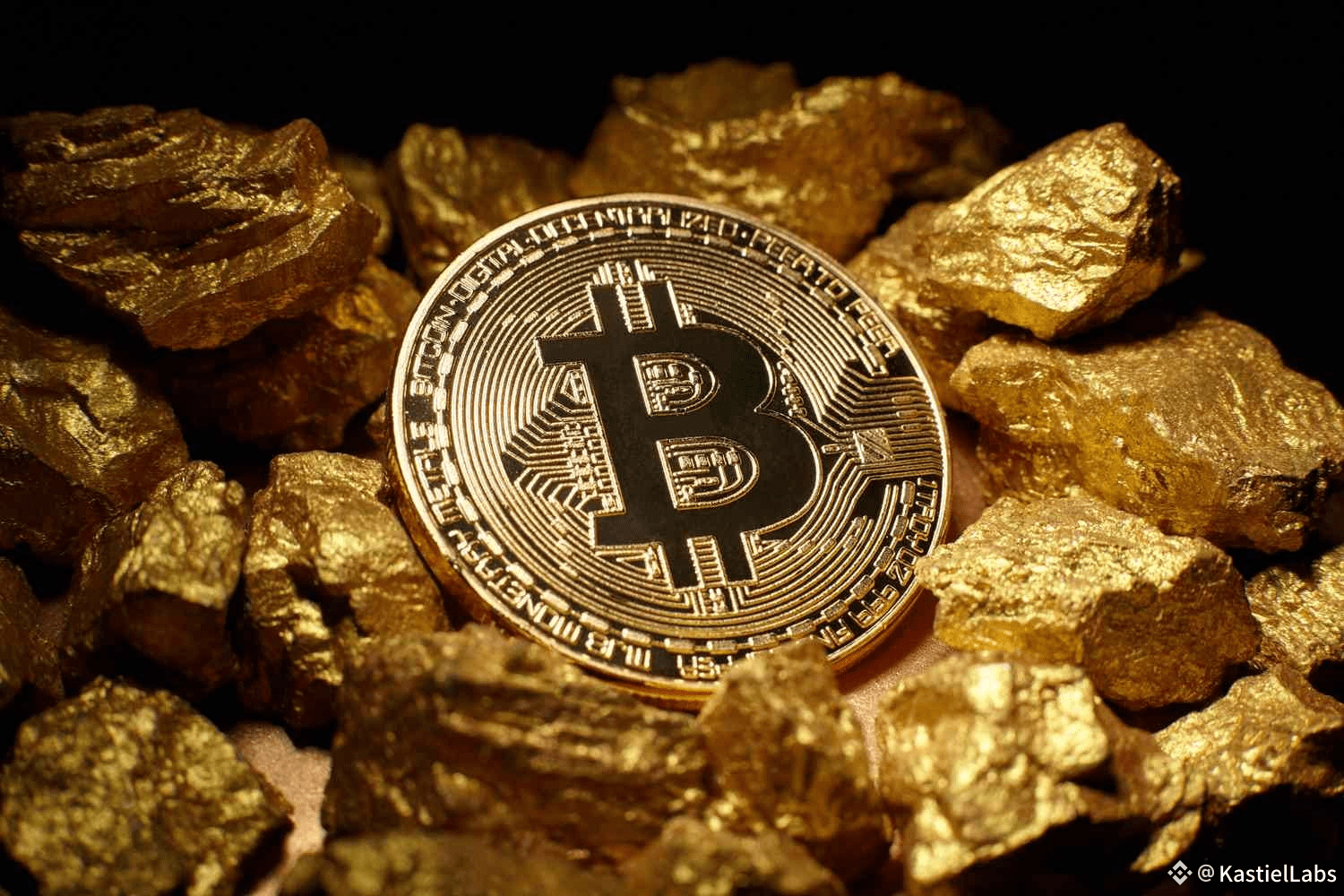
Dual Anchor Currency Era: Why Only Gold and Bitcoin Will Survive in the End
I increasingly feel that we are heading towards a strange yet inevitable future. The world is forming two distinctly different trust systems: one based on 'material', gold; the other supported by 'algorithms', Bitcoin.
China continues to increase its gold reserves, this action seems more like preparing a defense in advance. Gold does not depend on any country, nor does it require third-party guarantees; its value comes from the accumulation of time and the common trust of humanity. Meanwhile, the United States is promoting the institutionalization of cryptocurrencies, with frequent interactions between capital and regulatory bodies, and financial giants are all making plans. They are trying to make digital currency the core tool of the new financial system, using new rules to consolidate dominance.
When one country hoards physical assets and another builds computational power infrastructure, the world's monetary order has begun to loosen. The dollar once represented global credit, but now with rising debts, excessive currency issuance, and diminishing trust, the system itself is beginning to show signs of fatigue.
The currency of the future may be underground or in the cloud. Gold remains the most solid store of value in the real world, while Bitcoin is gradually gaining a similar status in the digital realm. One embodies stability and tradition, while the other symbolizes openness and innovation.
I often think that gold connects to the civilizations of the past, while Bitcoin leads to the order of the future. As the credit system of the dollar gradually collapses, humanity is searching for a new anchor point of 'trust'; these two assets may become new pivot points.
This transformation is not a distant fantasy, but a migration that is quietly happening. We are moving from national credit to consensus credit, from printing presses to computational power and time. Yet most people have not realized that they are already standing at the historical watershed.
$BTC
{spot}(BTCUSDT)
$PAXG
{spot}(PAXGUSDT)
Dual Anchor Currency Era: Why Only Gold and Bitcoin Will Survive in the End
I increasingly feel that we are heading towards a strange yet inevitable future. The world is forming two distinctly different trust systems: one based on 'material', gold; the other supported by 'algorithms', Bitcoin.
China continues to increase its gold reserves, this action seems more like preparing a defense in advance. Gold does not depend on any country, nor does it require third-party guarantees; its value comes from the accumulation of time and the common trust of humanity. Meanwhile, the United States is promoting the institutionalization of cryptocurrencies, with frequent interactions between capital and regulatory bodies, and financial giants are all making plans. They are trying to make digital currency the core tool of the new financial system, using new rules to consolidate dominance.
When one country hoards physical assets and another builds computational power infrastructure, the world's monetary order has begun to loosen. The dollar once represented global credit, but now with rising debts, excessive currency issuance, and diminishing trust, the system itself is beginning to show signs of fatigue.
The currency of the future may be underground or in the cloud. Gold remains the most solid store of value in the real world, while Bitcoin is gradually gaining a similar status in the digital realm. One embodies stability and tradition, while the other symbolizes openness and innovation.
I often think that gold connects to the civilizations of the past, while Bitcoin leads to the order of the future. As the credit system of the dollar gradually collapses, humanity is searching for a new anchor point of 'trust'; these two assets may become new pivot points.
This transformation is not a distant fantasy, but a migration that is quietly happening. We are moving from national credit to consensus credit, from printing presses to computational power and time. Yet most people have not realized that they are already standing at the historical watershed.
$BTC
$PAXG
I increasingly feel that we are heading towards a strange yet inevitable future. The world is forming two distinctly different trust systems: one based on 'material', gold; the other supported by 'algorithms', Bitcoin.
China continues to increase its gold reserves, this action seems more like preparing a defense in advance. Gold does not depend on any country, nor does it require third-party guarantees; its value comes from the accumulation of time and the common trust of humanity. Meanwhile, the United States is promoting the institutionalization of cryptocurrencies, with frequent interactions between capital and regulatory bodies, and financial giants are all making plans. They are trying to make digital currency the core tool of the new financial system, using new rules to consolidate dominance.
When one country hoards physical assets and another builds computational power infrastructure, the world's monetary order has begun to loosen. The dollar once represented global credit, but now with rising debts, excessive currency issuance, and diminishing trust, the system itself is beginning to show signs of fatigue.
The currency of the future may be underground or in the cloud. Gold remains the most solid store of value in the real world, while Bitcoin is gradually gaining a similar status in the digital realm. One embodies stability and tradition, while the other symbolizes openness and innovation.
I often think that gold connects to the civilizations of the past, while Bitcoin leads to the order of the future. As the credit system of the dollar gradually collapses, humanity is searching for a new anchor point of 'trust'; these two assets may become new pivot points.
This transformation is not a distant fantasy, but a migration that is quietly happening. We are moving from national credit to consensus credit, from printing presses to computational power and time. Yet most people have not realized that they are already standing at the historical watershed.
$BTC
$PAXG
119
56
341
15.1k
·
--
Verified
Meta has really gone crazy this time!
According to the latest news on October 26, $METAB plans to raise up to $95 billion through stock financing to continue expanding its AI infrastructure.
Of that amount, $35 billion will be raised through the issuance of common and preferred shares, while another $60 billion is planned to come from subsequent stock offerings.
Even more astonishingly, NVIDIA, $AMDB , and Broadcom are all interested in participating.
Meta’s free cash flow turned negative in the third quarter, with the company burning through $2.12 billion in a single quarter. Yet it is still preparing to invest huge sums in building data centers.
A very unusual phenomenon is emerging in the AI industry.
Tech companies spend money buying chips, and chip suppliers may then turn around and invest in those very customers.
As money starts circulating within the AI supply chain, how should Wall Street assess these companies’ true demand?
I’m increasingly worried that capital spending in the AI industry has raced far ahead of commercial returns.
$NVDAB
Meta has really gone crazy this time!
According to the latest news on October 26, $METAB plans to raise up to $95 billion through stock financing to continue expanding its AI infrastructure.
Of that amount, $35 billion will be raised through the issuance of common and preferred shares, while another $60 billion is planned to come from subsequent stock offerings.
Even more astonishingly, NVIDIA, $AMDB , and Broadcom are all interested in participating.
Meta’s free cash flow turned negative in the third quarter, with the company burning through $2.12 billion in a single quarter. Yet it is still preparing to invest huge sums in building data centers.
A very unusual phenomenon is emerging in the AI industry.
Tech companies spend money buying chips, and chip suppliers may then turn around and invest in those very customers.
As money starts circulating within the AI supply chain, how should Wall Street assess these companies’ true demand?
I’m increasingly worried that capital spending in the AI industry has raced far ahead of commercial returns.
$NVDAB
According to the latest news on October 26, $METAB plans to raise up to $95 billion through stock financing to continue expanding its AI infrastructure.
Of that amount, $35 billion will be raised through the issuance of common and preferred shares, while another $60 billion is planned to come from subsequent stock offerings.
Even more astonishingly, NVIDIA, $AMDB , and Broadcom are all interested in participating.
Meta’s free cash flow turned negative in the third quarter, with the company burning through $2.12 billion in a single quarter. Yet it is still preparing to invest huge sums in building data centers.
A very unusual phenomenon is emerging in the AI industry.
Tech companies spend money buying chips, and chip suppliers may then turn around and invest in those very customers.
As money starts circulating within the AI supply chain, how should Wall Street assess these companies’ true demand?
I’m increasingly worried that capital spending in the AI industry has raced far ahead of commercial returns.
$NVDAB
1
9
2.2k
·
--
Verified
A company has already bought nearly 5% of the world's $ETH !
BitMine announced its latest holdings today: it now owns 6.05 million ETH, about 4.95% of Ethereum's total supply.
What does that mean?
The ETH held by a single publicly traded company is already close to one-twentieth of the entire circulating supply.
And BitMine is still buying. It added about 10,452 ETH over the past week.
At the same time, the company has repurchased about 22.9 million shares so far this year.
But I think there's an important question worth examining here.
As more and more ETH is concentrated on the balance sheets of a handful of publicly traded companies, changes in the price of ETH no longer affect only on-chain investors—they also directly affect these companies' valuations and ability to raise capital.
If $ETH starts rising again, these companies could see substantial asset appreciation. But if the price continues to fall, the risks could be amplified just as much.
A company has already bought nearly 5% of the world's $ETH !
BitMine announced its latest holdings today: it now owns 6.05 million ETH, about 4.95% of Ethereum's total supply.
What does that mean?
The ETH held by a single publicly traded company is already close to one-twentieth of the entire circulating supply.
And BitMine is still buying. It added about 10,452 ETH over the past week.
At the same time, the company has repurchased about 22.9 million shares so far this year.
But I think there's an important question worth examining here.
As more and more ETH is concentrated on the balance sheets of a handful of publicly traded companies, changes in the price of ETH no longer affect only on-chain investors—they also directly affect these companies' valuations and ability to raise capital.
If $ETH starts rising again, these companies could see substantial asset appreciation. But if the price continues to fall, the risks could be amplified just as much.
BitMine announced its latest holdings today: it now owns 6.05 million ETH, about 4.95% of Ethereum's total supply.
What does that mean?
The ETH held by a single publicly traded company is already close to one-twentieth of the entire circulating supply.
And BitMine is still buying. It added about 10,452 ETH over the past week.
At the same time, the company has repurchased about 22.9 million shares so far this year.
But I think there's an important question worth examining here.
As more and more ETH is concentrated on the balance sheets of a handful of publicly traded companies, changes in the price of ETH no longer affect only on-chain investors—they also directly affect these companies' valuations and ability to raise capital.
If $ETH starts rising again, these companies could see substantial asset appreciation. But if the price continues to fall, the risks could be amplified just as much.
1
10
2.2k
·
--
Verified
Ripple has landed another institutional partnership! $XRP
On October 26, Aviva Investors announced a partnership with Ripple, with plans to launch tokenized fund shares on the XRP Ledger.
It’s worth noting that this involves traditional asset management, rather than simply issuing a new cryptocurrency.
For asset management firms, tokenizing fund shares could improve asset registration, transfer, and settlement processes.
However, this doesn’t mean that all of the fund’s assets will be transferred directly to XRPL, nor does it mean that institutions will need to buy large amounts of XRP.
I’ve always believed that XRP’s potential for a higher valuation in the future can’t be judged solely by how many partners Ripple signs.
What matters more is how much real-world trading, fund settlement, and network usage these partnerships ultimately generate.
It’s a positive sign that banks and asset managers are willing to test XRPL, but moving from partnership announcements to large-scale adoption will still take time. $XRP
Ripple has landed another institutional partnership! $XRP
On October 26, Aviva Investors announced a partnership with Ripple, with plans to launch tokenized fund shares on the XRP Ledger.
It’s worth noting that this involves traditional asset management, rather than simply issuing a new cryptocurrency.
For asset management firms, tokenizing fund shares could improve asset registration, transfer, and settlement processes.
However, this doesn’t mean that all of the fund’s assets will be transferred directly to XRPL, nor does it mean that institutions will need to buy large amounts of XRP.
I’ve always believed that XRP’s potential for a higher valuation in the future can’t be judged solely by how many partners Ripple signs.
What matters more is how much real-world trading, fund settlement, and network usage these partnerships ultimately generate.
It’s a positive sign that banks and asset managers are willing to test XRPL, but moving from partnership announcements to large-scale adoption will still take time. $XRP
On October 26, Aviva Investors announced a partnership with Ripple, with plans to launch tokenized fund shares on the XRP Ledger.
It’s worth noting that this involves traditional asset management, rather than simply issuing a new cryptocurrency.
For asset management firms, tokenizing fund shares could improve asset registration, transfer, and settlement processes.
However, this doesn’t mean that all of the fund’s assets will be transferred directly to XRPL, nor does it mean that institutions will need to buy large amounts of XRP.
I’ve always believed that XRP’s potential for a higher valuation in the future can’t be judged solely by how many partners Ripple signs.
What matters more is how much real-world trading, fund settlement, and network usage these partnerships ultimately generate.
It’s a positive sign that banks and asset managers are willing to test XRPL, but moving from partnership announcements to large-scale adoption will still take time. $XRP
1
8
2.1k
·
--
South Korean crypto investors may be able to breathe a sigh of relief again!
According to the latest reports on October 26, South Korea is considering postponing its tax on cryptocurrency investment gains for a fourth time, potentially pushing implementation back to 2029.
This is actually worth paying close attention to. South Korea has long been one of the world's most active crypto trading markets, but taxes on individual investment gains have been delayed multiple times.
Regulators need to address more than just the tax rate. They also need to tackle the reporting of assets held on overseas exchanges, cost calculations, and reconciling data across different trading platforms.
If implementation is indeed pushed back to 2029, that would certainly be good news for individual investors in South Korea.
However, a tax delay does not mean looser regulation, nor does it mean the market is bound to rise.
What I care more about is whether South Korea will use this opportunity to build a more comprehensive tax and trading regulatory framework for crypto assets.
$KORUB $KORU
South Korean crypto investors may be able to breathe a sigh of relief again!
According to the latest reports on October 26, South Korea is considering postponing its tax on cryptocurrency investment gains for a fourth time, potentially pushing implementation back to 2029.
This is actually worth paying close attention to. South Korea has long been one of the world's most active crypto trading markets, but taxes on individual investment gains have been delayed multiple times.
Regulators need to address more than just the tax rate. They also need to tackle the reporting of assets held on overseas exchanges, cost calculations, and reconciling data across different trading platforms.
If implementation is indeed pushed back to 2029, that would certainly be good news for individual investors in South Korea.
However, a tax delay does not mean looser regulation, nor does it mean the market is bound to rise.
What I care more about is whether South Korea will use this opportunity to build a more comprehensive tax and trading regulatory framework for crypto assets.
$KORUB $KORU
According to the latest reports on October 26, South Korea is considering postponing its tax on cryptocurrency investment gains for a fourth time, potentially pushing implementation back to 2029.
This is actually worth paying close attention to. South Korea has long been one of the world's most active crypto trading markets, but taxes on individual investment gains have been delayed multiple times.
Regulators need to address more than just the tax rate. They also need to tackle the reporting of assets held on overseas exchanges, cost calculations, and reconciling data across different trading platforms.
If implementation is indeed pushed back to 2029, that would certainly be good news for individual investors in South Korea.
However, a tax delay does not mean looser regulation, nor does it mean the market is bound to rise.
What I care more about is whether South Korea will use this opportunity to build a more comprehensive tax and trading regulatory framework for crypto assets.
$KORUB $KORU
1
1
7
2.7k
·
--
Verified
Ethereum $ETH has had another important upgrade delayed!
The Glamsterdam upgrade, originally scheduled for October 26 on the Hoodi testnet, has been postponed by the development team.
The reason is that security researchers found that some changes to the Gas mechanism could affect the security of existing smart contracts when transactions fail.
The proposals involved include EIP-8037 and EIP-8038.
This is worth noting because improving execution efficiency in the future will require Ethereum to keep adjusting its underlying protocol.
But every change to Gas rules could affect the many smart contracts that have already been deployed.
The development team has chosen to address the potential risks before moving ahead with testing.
I think that’s much more sensible than rushing a release just to meet a deadline.
However, Glamsterdam was originally planned to move forward before the end of the year. If the testnet issues take too long to resolve, the mainnet upgrade schedule could also be affected.
For $ETH , the technical roadmap remains important, but upgrade progress and actual network usage also need to be continuously validated.
Ethereum $ETH has had another important upgrade delayed!
The Glamsterdam upgrade, originally scheduled for October 26 on the Hoodi testnet, has been postponed by the development team.
The reason is that security researchers found that some changes to the Gas mechanism could affect the security of existing smart contracts when transactions fail.
The proposals involved include EIP-8037 and EIP-8038.
This is worth noting because improving execution efficiency in the future will require Ethereum to keep adjusting its underlying protocol.
But every change to Gas rules could affect the many smart contracts that have already been deployed.
The development team has chosen to address the potential risks before moving ahead with testing.
I think that’s much more sensible than rushing a release just to meet a deadline.
However, Glamsterdam was originally planned to move forward before the end of the year. If the testnet issues take too long to resolve, the mainnet upgrade schedule could also be affected.
For $ETH , the technical roadmap remains important, but upgrade progress and actual network usage also need to be continuously validated.
The Glamsterdam upgrade, originally scheduled for October 26 on the Hoodi testnet, has been postponed by the development team.
The reason is that security researchers found that some changes to the Gas mechanism could affect the security of existing smart contracts when transactions fail.
The proposals involved include EIP-8037 and EIP-8038.
This is worth noting because improving execution efficiency in the future will require Ethereum to keep adjusting its underlying protocol.
But every change to Gas rules could affect the many smart contracts that have already been deployed.
The development team has chosen to address the potential risks before moving ahead with testing.
I think that’s much more sensible than rushing a release just to meet a deadline.
However, Glamsterdam was originally planned to move forward before the end of the year. If the testnet issues take too long to resolve, the mainnet upgrade schedule could also be affected.
For $ETH , the technical roadmap remains important, but upgrade progress and actual network usage also need to be continuously validated.
1
8
1.1k
·
--
Day 8
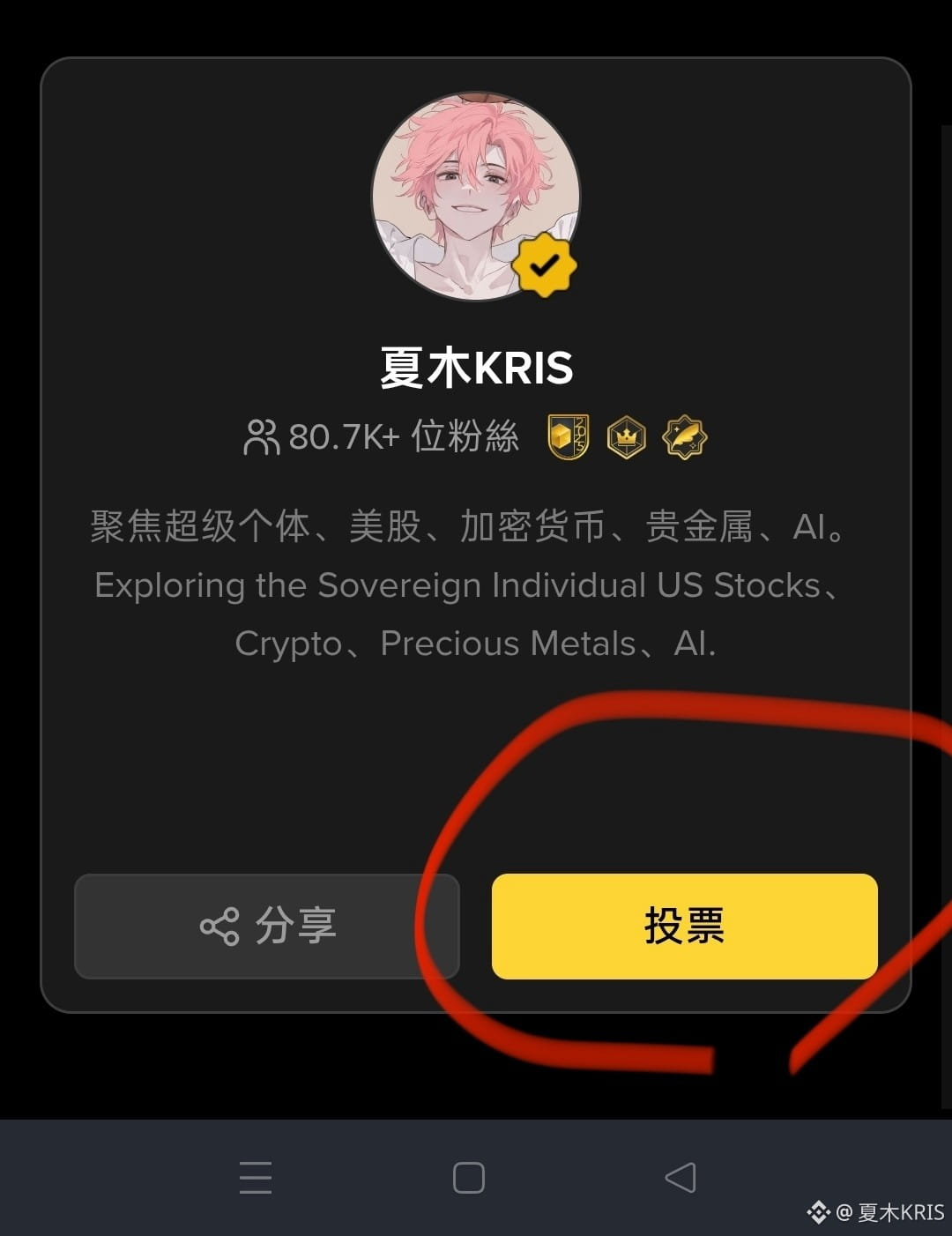
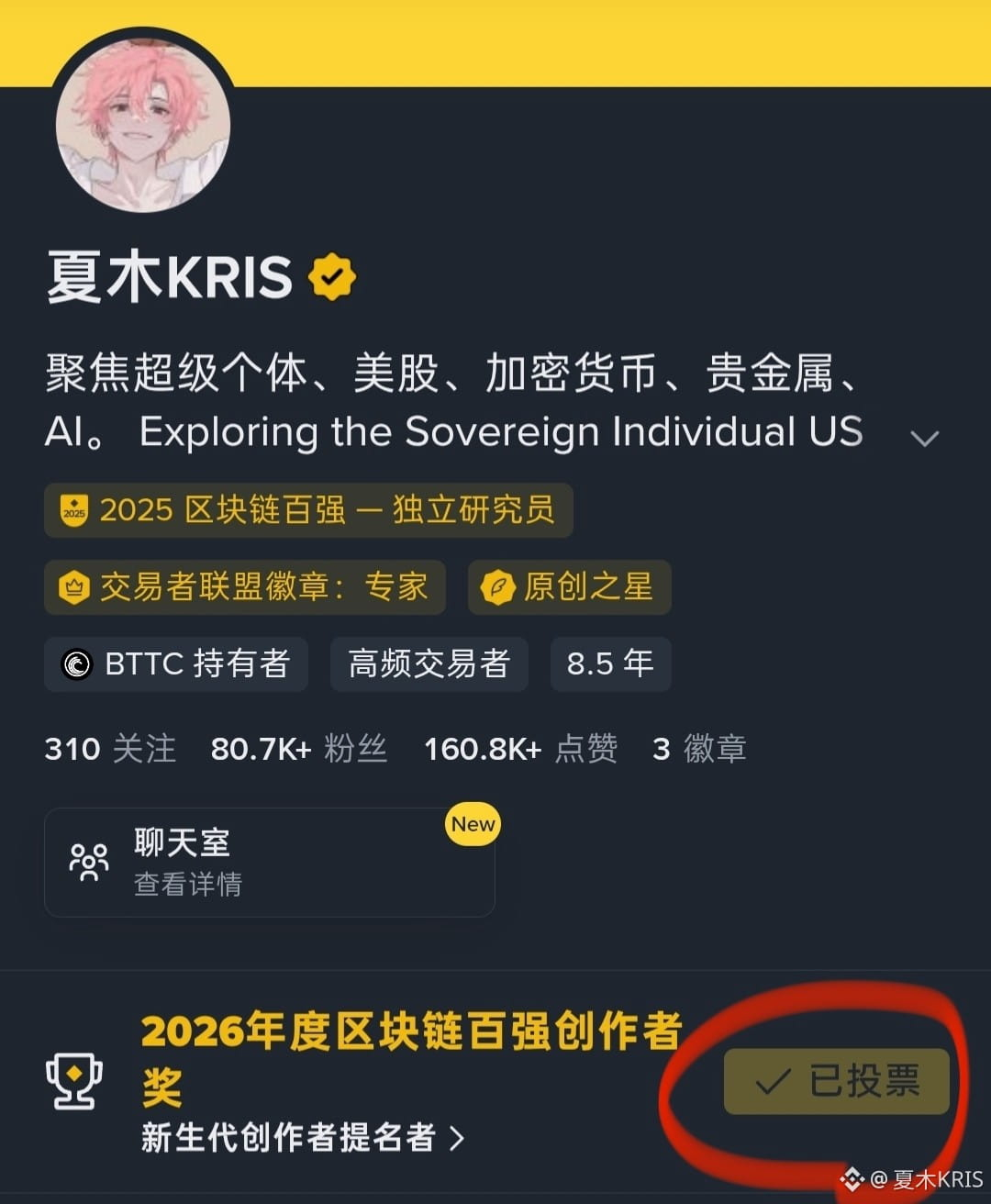
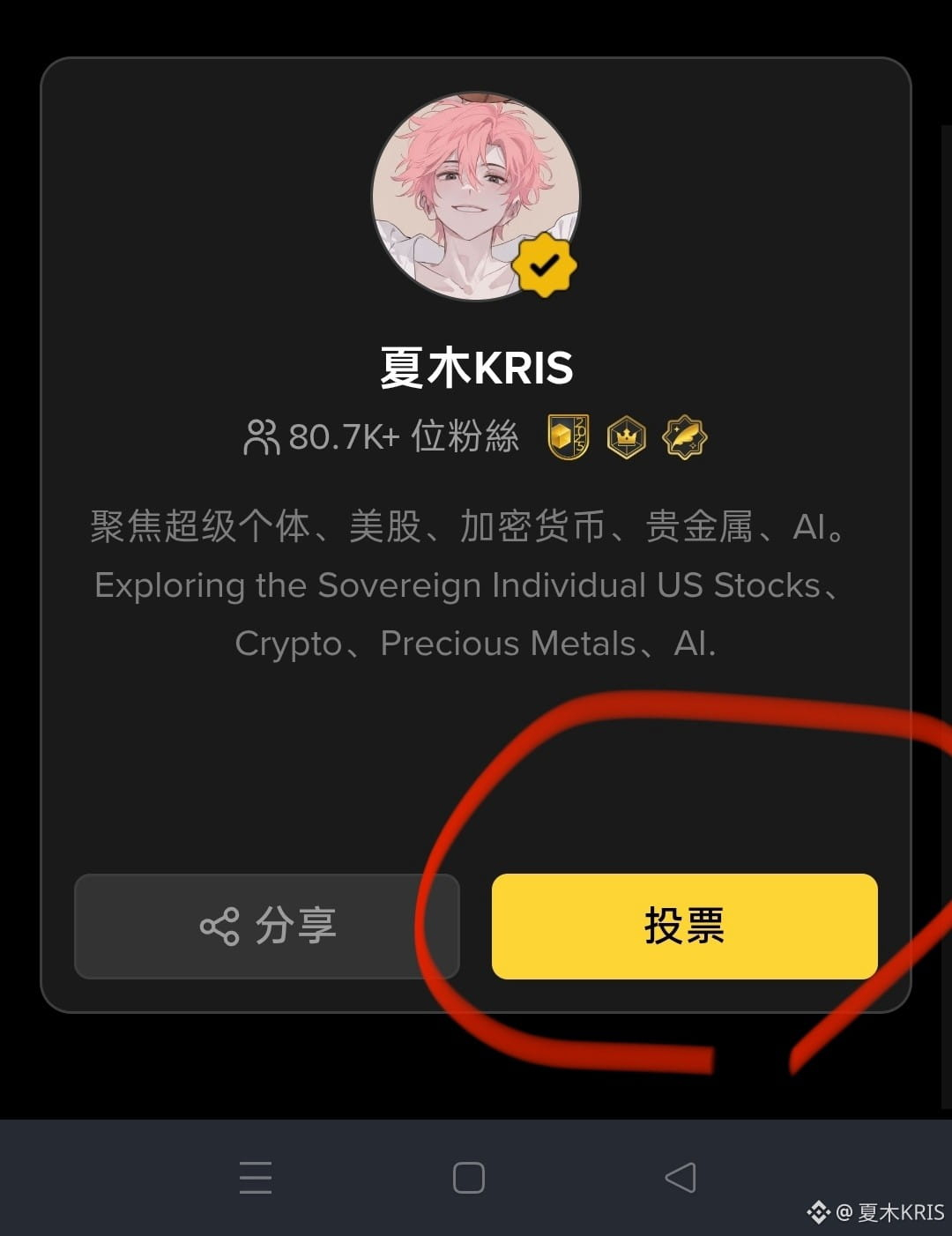
The love and support over the past few days have been incredible! Thank you all so much! I'm nominated for the Binance
Blockchain 100 Global Creator Awards!
[Support me with your vote🧧 👈](https://app.binance.com/uni-qr/cact26user/703?uc=app_square_share_link&us=copylink)
Every vote means the world to me!
[👉 Visit my profile](https://app.binance.com/uni-qr/cpro/VireGeek?l=zh-CN&r=R0LRB3CO&uc=app_square_share_link&us=copylink) and vote for @VireGeek
You can vote again every day after 00:00 UTC!Let's keep going together!
Day 8
The love and support over the past few days have been incredible! Thank you all so much! I'm nominated for the Binance
Blockchain 100 Global Creator Awards!
Support me with your vote🧧 👈
Every vote means the world to me!
👉 Visit my profile and vote for @夏木KRIS
You can vote again every day after 00:00 UTC!Let's keep going together!
The love and support over the past few days have been incredible! Thank you all so much! I'm nominated for the Binance
Blockchain 100 Global Creator Awards!
Support me with your vote🧧 👈
Every vote means the world to me!
👉 Visit my profile and vote for @夏木KRIS
You can vote again every day after 00:00 UTC!Let's keep going together!
2.4k
11
147
2.4k
·
--
This week could be a wild one for the financial markets!
The Federal Reserve, European Central Bank, Bank of Japan, and several other central banks are about to announce their interest rate decisions, while the U.S. is also set to release key inflation data.
Markets widely expect the Fed to keep rates unchanged in October for now, but the odds of another rate hike in December have already climbed to nearly 80%.
To make matters worse, international oil prices remain elevated.
Brent crude rose a cumulative 6.2% last week. Even after pulling back today, it is still trading around $115.
If upcoming inflation data remains stubbornly high, the Fed may find it hard to signal that it will ease policy.
Meanwhile, Microsoft, Google, and Amazon are also set to report earnings.
Interest rates, inflation, and AI company earnings—the three factors affecting global risk assets—all converge in the same week.
I’m not in a rush to call a bottom for U.S. stocks or the crypto market just yet.$CL $GOOGLB $AMZNB
This week could be a wild one for the financial markets!
The Federal Reserve, European Central Bank, Bank of Japan, and several other central banks are about to announce their interest rate decisions, while the U.S. is also set to release key inflation data.
Markets widely expect the Fed to keep rates unchanged in October for now, but the odds of another rate hike in December have already climbed to nearly 80%.
To make matters worse, international oil prices remain elevated.
Brent crude rose a cumulative 6.2% last week. Even after pulling back today, it is still trading around $115.
If upcoming inflation data remains stubbornly high, the Fed may find it hard to signal that it will ease policy.
Meanwhile, Microsoft, Google, and Amazon are also set to report earnings.
Interest rates, inflation, and AI company earnings—the three factors affecting global risk assets—all converge in the same week.
I’m not in a rush to call a bottom for U.S. stocks or the crypto market just yet.$CL $GOOGLB $AMZNB
The Federal Reserve, European Central Bank, Bank of Japan, and several other central banks are about to announce their interest rate decisions, while the U.S. is also set to release key inflation data.
Markets widely expect the Fed to keep rates unchanged in October for now, but the odds of another rate hike in December have already climbed to nearly 80%.
To make matters worse, international oil prices remain elevated.
Brent crude rose a cumulative 6.2% last week. Even after pulling back today, it is still trading around $115.
If upcoming inflation data remains stubbornly high, the Fed may find it hard to signal that it will ease policy.
Meanwhile, Microsoft, Google, and Amazon are also set to report earnings.
Interest rates, inflation, and AI company earnings—the three factors affecting global risk assets—all converge in the same week.
I’m not in a rush to call a bottom for U.S. stocks or the crypto market just yet.$CL $GOOGLB $AMZNB
1
14
2.5k
·
--
Musk has made another major move!
According to the latest reports, SpaceX has completed $40 billion in debt financing, with the funds earmarked for GPU-related infrastructure.
What does $40 billion mean?
This is no longer the kind of financing you’d see for an ordinary tech startup. It’s the massive capital investment large companies are willing to take on to compete for AI computing power.
In the past, the AI industry competed over who had the better models. Now, it increasingly seems to be about who can secure more GPUs, electricity, and data center resources.
But I think there’s an issue here that deserves caution.
As tech giants increasingly rely on massive financing to expand their computing capacity, if AI revenue growth fails to keep pace with capital spending, the entire industry chain could face a valuation reset.
$SPCXB $TSLAB $BTC
Musk has made another major move!
According to the latest reports, SpaceX has completed $40 billion in debt financing, with the funds earmarked for GPU-related infrastructure.
What does $40 billion mean?
This is no longer the kind of financing you’d see for an ordinary tech startup. It’s the massive capital investment large companies are willing to take on to compete for AI computing power.
In the past, the AI industry competed over who had the better models. Now, it increasingly seems to be about who can secure more GPUs, electricity, and data center resources.
But I think there’s an issue here that deserves caution.
As tech giants increasingly rely on massive financing to expand their computing capacity, if AI revenue growth fails to keep pace with capital spending, the entire industry chain could face a valuation reset.
$SPCXB $TSLAB $BTC
According to the latest reports, SpaceX has completed $40 billion in debt financing, with the funds earmarked for GPU-related infrastructure.
What does $40 billion mean?
This is no longer the kind of financing you’d see for an ordinary tech startup. It’s the massive capital investment large companies are willing to take on to compete for AI computing power.
In the past, the AI industry competed over who had the better models. Now, it increasingly seems to be about who can secure more GPUs, electricity, and data center resources.
But I think there’s an issue here that deserves caution.
As tech giants increasingly rely on massive financing to expand their computing capacity, if AI revenue growth fails to keep pace with capital spending, the entire industry chain could face a valuation reset.
$SPCXB $TSLAB $BTC
7
987
·
--
Verified
That’s it—Bitcoin still couldn’t hold above $80,000!
$BTC fell below $80,000 again today, and $ETH also dropped to around $2,300.
Just a few days ago, BTC rebounded to $84,600, but after only a few days, it’s fallen right back to where it started.
The biggest concern is that this time, the market is not only lacking buyers, but the macroeconomic environment hasn’t improved either.
The U.S. 10-year Treasury yield is still close to 5%, oil prices remain around $115, and the probability of the Fed continuing to raise rates in December has already reached about 80%.
In this environment, it’s difficult for funds to flow back into the crypto market on a large scale.
What worries me most right now is that BTC may not recover quickly after falling below $80,000.
If it can’t hold above $78,000 next, $76,000 could soon come back into view.
That’s it—Bitcoin still couldn’t hold above $80,000!
$BTC fell below $80,000 again today, and $ETH also dropped to around $2,300.
Just a few days ago, BTC rebounded to $84,600, but after only a few days, it’s fallen right back to where it started.
The biggest concern is that this time, the market is not only lacking buyers, but the macroeconomic environment hasn’t improved either.
The U.S. 10-year Treasury yield is still close to 5%, oil prices remain around $115, and the probability of the Fed continuing to raise rates in December has already reached about 80%.
In this environment, it’s difficult for funds to flow back into the crypto market on a large scale.
What worries me most right now is that BTC may not recover quickly after falling below $80,000.
If it can’t hold above $78,000 next, $76,000 could soon come back into view.
$BTC fell below $80,000 again today, and $ETH also dropped to around $2,300.
Just a few days ago, BTC rebounded to $84,600, but after only a few days, it’s fallen right back to where it started.
The biggest concern is that this time, the market is not only lacking buyers, but the macroeconomic environment hasn’t improved either.
The U.S. 10-year Treasury yield is still close to 5%, oil prices remain around $115, and the probability of the Fed continuing to raise rates in December has already reached about 80%.
In this environment, it’s difficult for funds to flow back into the crypto market on a large scale.
What worries me most right now is that BTC may not recover quickly after falling below $80,000.
If it can’t hold above $78,000 next, $76,000 could soon come back into view.
7
2.4k
·
--
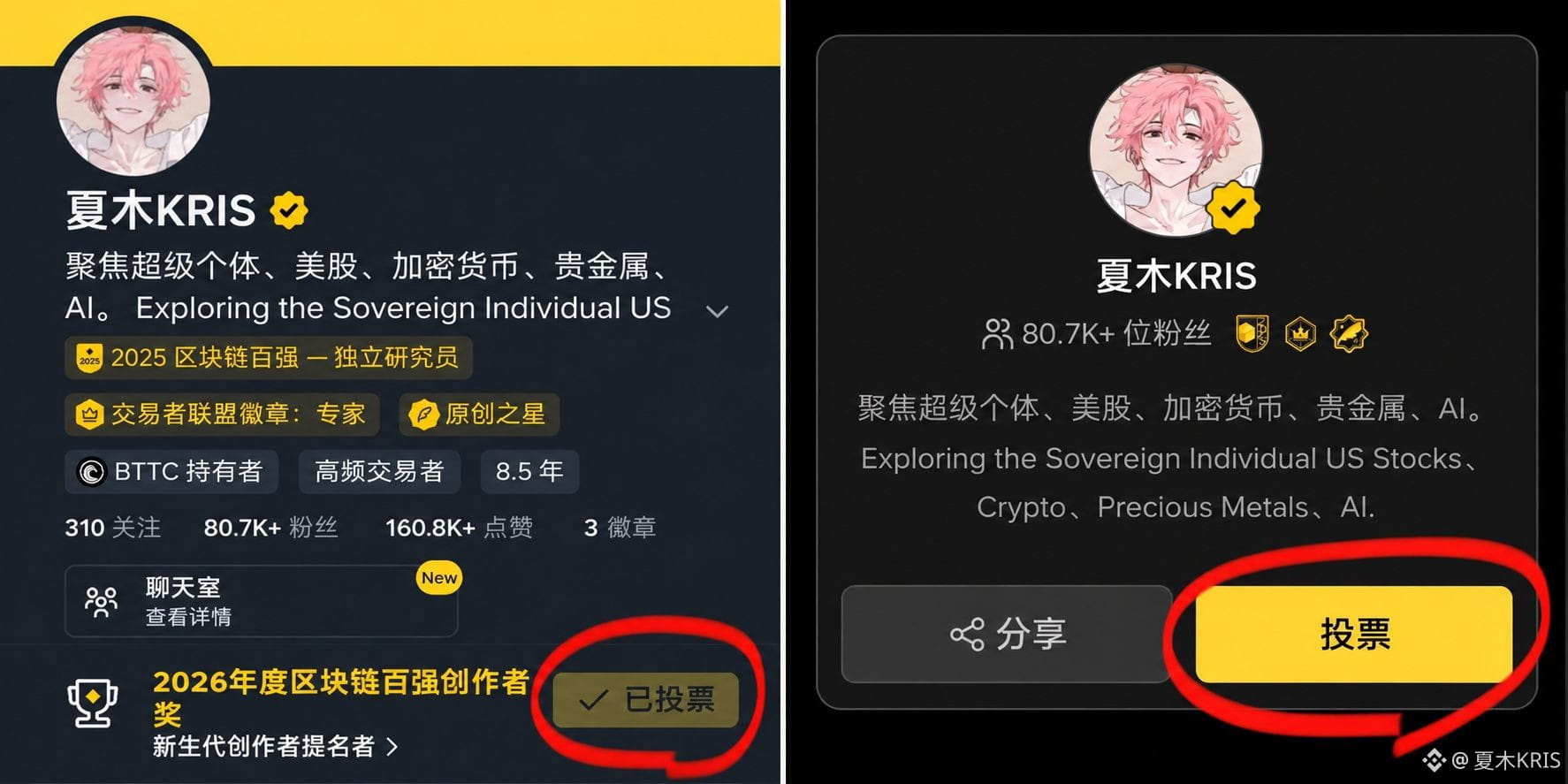
Day 8
The love and support you’ve all shown me over the past few days have been incredible! Thank you so much! I’ve been nominated for the Binance Blockchain 100 Global Creator Award!
[Support me with your vote🧧 👈](https://app.binance.com/uni-qr/cact26user/703?uc=app_square_share_link&us=copylink)
Every vote means the world to me!
[👉 Visit my profile](https://app.binance.com/uni-qr/cpro/VireGeek?l=zh-CN&r=R0LRB3CO&uc=app_square_share_link&us=copylink) and vote for @VireGeek
You can vote again every day after 00:00 UTC! Let’s keep going together!!
Day 8
The love and support you’ve all shown me over the past few days have been incredible! Thank you so much! I’ve been nominated for the Binance Blockchain 100 Global Creator Award!
Support me with your vote🧧 👈
Every vote means the world to me!
👉 Visit my profile and vote for @夏木KRIS
You can vote again every day after 00:00 UTC! Let’s keep going together!!
The love and support you’ve all shown me over the past few days have been incredible! Thank you so much! I’ve been nominated for the Binance Blockchain 100 Global Creator Award!
Support me with your vote🧧 👈
Every vote means the world to me!
👉 Visit my profile and vote for @夏木KRIS
You can vote again every day after 00:00 UTC! Let’s keep going together!!
3.8k
15
223
3.8k
·
--
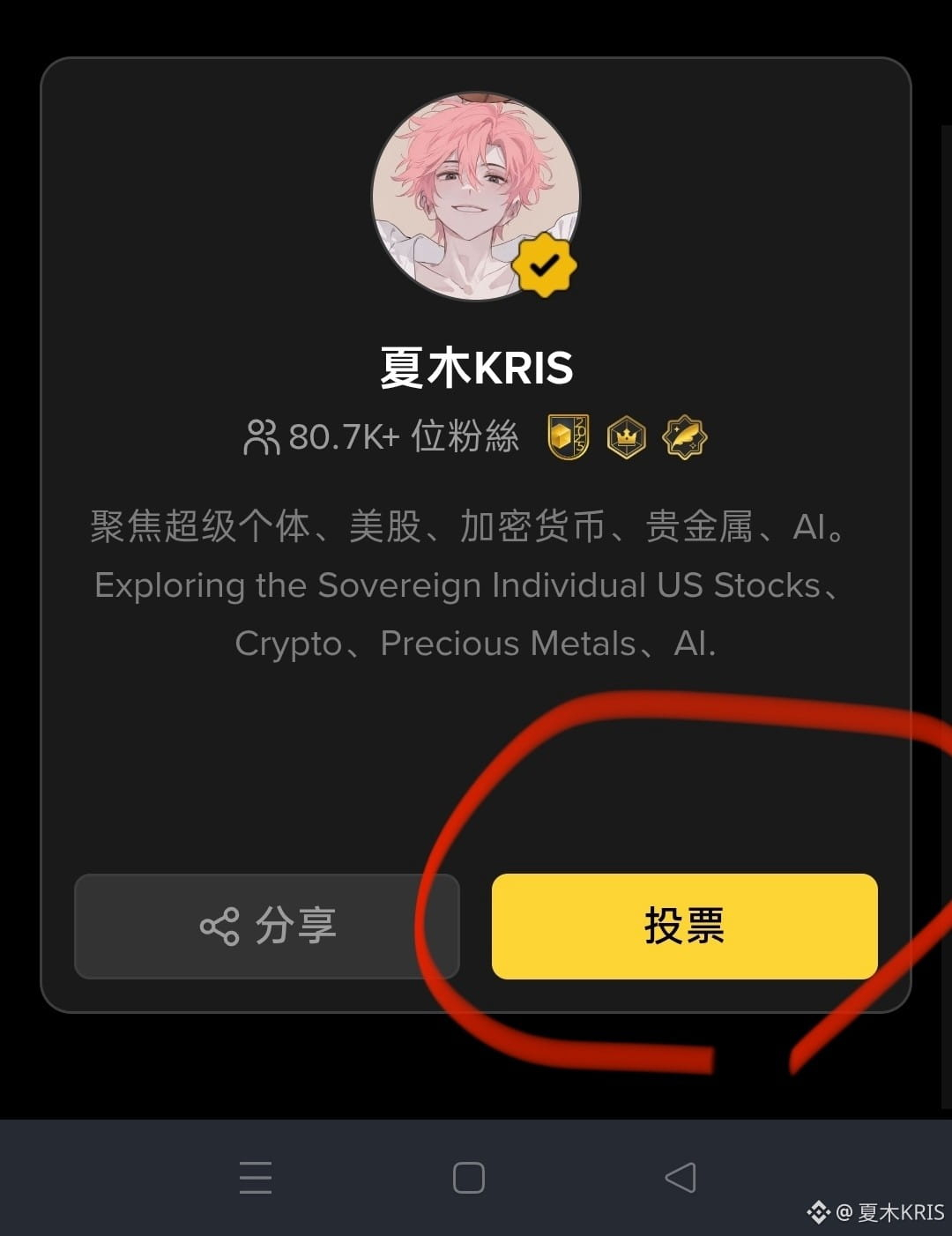
Good morning guys!!
It’s a new day and you have a new vote to cast. Please vote, it will only take a few seconds.
[Vote Here投给我 👈🧧](https://app.binance.com/uni-qr/cact26user/703?uc=app_square_share_link&us=copylink)
@VireGeek
Good morning guys!!
It’s a new day and you have a new vote to cast. Please vote, it will only take a few seconds.
Vote Here投给我 👈🧧
@夏木KRIS
It’s a new day and you have a new vote to cast. Please vote, it will only take a few seconds.
Vote Here投给我 👈🧧
@夏木KRIS
2.7k
9
175
2.7k
·
--
Bitcoin has taken quite a beating this time!
$BTC It briefly fell to around $79,200 over the weekend, then climbed back above $80,000.
More dramatically, about $547 million in leveraged positions were liquidated across the crypto market in the past 24 hours, affecting more than 110,000 traders.
But on-chain data show a noteworthy change.
According to CryptoQuant, the one-year change in whale holdings has improved from a decrease of about 282,000 BTC to a decrease of about 39,000 BTC.
It’s too early to say that whales have fully shifted to accumulating, but large holders are definitely selling at a slower pace.
I’m actually not feeling quite so bearish now.
If support can be re-established around $80,000, then with fewer leveraged positions left to be liquidated after the recent streak of liquidations, BTC may still have a chance to rebound toward $84,000.
$ETH $BNB
Bitcoin has taken quite a beating this time!
$BTC It briefly fell to around $79,200 over the weekend, then climbed back above $80,000.
More dramatically, about $547 million in leveraged positions were liquidated across the crypto market in the past 24 hours, affecting more than 110,000 traders.
But on-chain data show a noteworthy change.
According to CryptoQuant, the one-year change in whale holdings has improved from a decrease of about 282,000 BTC to a decrease of about 39,000 BTC.
It’s too early to say that whales have fully shifted to accumulating, but large holders are definitely selling at a slower pace.
I’m actually not feeling quite so bearish now.
If support can be re-established around $80,000, then with fewer leveraged positions left to be liquidated after the recent streak of liquidations, BTC may still have a chance to rebound toward $84,000.
$ETH $BNB
$BTC It briefly fell to around $79,200 over the weekend, then climbed back above $80,000.
More dramatically, about $547 million in leveraged positions were liquidated across the crypto market in the past 24 hours, affecting more than 110,000 traders.
But on-chain data show a noteworthy change.
According to CryptoQuant, the one-year change in whale holdings has improved from a decrease of about 282,000 BTC to a decrease of about 39,000 BTC.
It’s too early to say that whales have fully shifted to accumulating, but large holders are definitely selling at a slower pace.
I’m actually not feeling quite so bearish now.
If support can be re-established around $80,000, then with fewer leveraged positions left to be liquidated after the recent streak of liquidations, BTC may still have a chance to rebound toward $84,000.
$ETH $BNB
1
7
2.2k
·
--
Partly True
Next week could be the most exciting week of the year for U.S. stocks!
Microsoft, Google parent Alphabet, and Amazon are all set to report earnings, while the Federal Reserve will announce its interest rate decision in the same week.
AI-related stocks have seen a clear pullback recently, but corporate earnings haven’t broadly deteriorated.
According to market forecasts, S&P 500 earnings overall could grow by more than 32% year over year in the third quarter.
What Wall Street is most concerned about now is whether the tech giants’ nearly $800 billion in capital expenditures this year will generate enough returns.
If the earnings reports from several tech giants next week continue to beat expectations, the AI sector could well see a rebound.
But if capital spending keeps expanding while profit growth fails to keep pace, the semiconductor companies that have gained the most could continue to fall.
This earnings season, I’m paying more attention to cash flow than to how compelling the AI story sounds.
$AMZNB $GOOGLB $AAPLB
Next week could be the most exciting week of the year for U.S. stocks!
Microsoft, Google parent Alphabet, and Amazon are all set to report earnings, while the Federal Reserve will announce its interest rate decision in the same week.
AI-related stocks have seen a clear pullback recently, but corporate earnings haven’t broadly deteriorated.
According to market forecasts, S&P 500 earnings overall could grow by more than 32% year over year in the third quarter.
What Wall Street is most concerned about now is whether the tech giants’ nearly $800 billion in capital expenditures this year will generate enough returns.
If the earnings reports from several tech giants next week continue to beat expectations, the AI sector could well see a rebound.
But if capital spending keeps expanding while profit growth fails to keep pace, the semiconductor companies that have gained the most could continue to fall.
This earnings season, I’m paying more attention to cash flow than to how compelling the AI story sounds.
$AMZNB $GOOGLB $AAPLB
Microsoft, Google parent Alphabet, and Amazon are all set to report earnings, while the Federal Reserve will announce its interest rate decision in the same week.
AI-related stocks have seen a clear pullback recently, but corporate earnings haven’t broadly deteriorated.
According to market forecasts, S&P 500 earnings overall could grow by more than 32% year over year in the third quarter.
What Wall Street is most concerned about now is whether the tech giants’ nearly $800 billion in capital expenditures this year will generate enough returns.
If the earnings reports from several tech giants next week continue to beat expectations, the AI sector could well see a rebound.
But if capital spending keeps expanding while profit growth fails to keep pace, the semiconductor companies that have gained the most could continue to fall.
This earnings season, I’m paying more attention to cash flow than to how compelling the AI story sounds.
$AMZNB $GOOGLB $AAPLB
2
1
7
2k
·
--
Partly True
Something quite extraordinary has recently happened in the Indian capital markets.
Jio Platforms, owned by India's richest man, Mukesh Ambani, is preparing to go public in an IPO expected to raise around $3.2 billion.
As of October 23, investors had submitted subscription bids worth more than $77 billion!
That means demand was roughly 24 times the size of the offering.
Jio has a massive telecom user base and also operates digital services, cloud computing, and related technology businesses.
What's even more notable is that while tech stocks around the world are concerned about AI valuations being too high, the Indian market is still willing to invest heavily in a major technology company.
This shows that global capital has not completely lost its appetite for risk.
However, investors are becoming more selective. Companies with real users, established businesses, and stable revenue may find it easier to attract funding than those relying solely on the AI narrative.
$NVDAB $AAPLB $MSFTB
Something quite extraordinary has recently happened in the Indian capital markets.
Jio Platforms, owned by India's richest man, Mukesh Ambani, is preparing to go public in an IPO expected to raise around $3.2 billion.
As of October 23, investors had submitted subscription bids worth more than $77 billion!
That means demand was roughly 24 times the size of the offering.
Jio has a massive telecom user base and also operates digital services, cloud computing, and related technology businesses.
What's even more notable is that while tech stocks around the world are concerned about AI valuations being too high, the Indian market is still willing to invest heavily in a major technology company.
This shows that global capital has not completely lost its appetite for risk.
However, investors are becoming more selective. Companies with real users, established businesses, and stable revenue may find it easier to attract funding than those relying solely on the AI narrative.
$NVDAB $AAPLB $MSFTB
Jio Platforms, owned by India's richest man, Mukesh Ambani, is preparing to go public in an IPO expected to raise around $3.2 billion.
As of October 23, investors had submitted subscription bids worth more than $77 billion!
That means demand was roughly 24 times the size of the offering.
Jio has a massive telecom user base and also operates digital services, cloud computing, and related technology businesses.
What's even more notable is that while tech stocks around the world are concerned about AI valuations being too high, the Indian market is still willing to invest heavily in a major technology company.
This shows that global capital has not completely lost its appetite for risk.
However, investors are becoming more selective. Companies with real users, established businesses, and stable revenue may find it easier to attract funding than those relying solely on the AI narrative.
$NVDAB $AAPLB $MSFTB
2
21
27.4k
·
--
Verified
HSBC has finally brought stablecoins into everyday life!
On October 23, HSBC officially launched RedCoin (RCHKD), a Hong Kong dollar stablecoin, and integrated it directly into its PayMe payment app.
PayMe currently has over 3.3 million users and supports more than 100,000 merchants.
This means that many people who have never used cryptocurrency may soon be able to pay with stablecoins directly through their banking app.
Even more notably, HSBC has already launched digital bonds, gold tokens, and tokenized deposit services.
Now it’s extending stablecoins into retail payments as well.
The crypto industry has long hoped that traditional finance would embrace blockchain. Now banks are entering the market by leveraging their own customers, licenses, and payment networks.
The biggest competitor in the stablecoin industry may not be another crypto company at all.$AAPLB $NVDAB $MSFTB
HSBC has finally brought stablecoins into everyday life!
On October 23, HSBC officially launched RedCoin (RCHKD), a Hong Kong dollar stablecoin, and integrated it directly into its PayMe payment app.
PayMe currently has over 3.3 million users and supports more than 100,000 merchants.
This means that many people who have never used cryptocurrency may soon be able to pay with stablecoins directly through their banking app.
Even more notably, HSBC has already launched digital bonds, gold tokens, and tokenized deposit services.
Now it’s extending stablecoins into retail payments as well.
The crypto industry has long hoped that traditional finance would embrace blockchain. Now banks are entering the market by leveraging their own customers, licenses, and payment networks.
The biggest competitor in the stablecoin industry may not be another crypto company at all.$AAPLB $NVDAB $MSFTB
On October 23, HSBC officially launched RedCoin (RCHKD), a Hong Kong dollar stablecoin, and integrated it directly into its PayMe payment app.
PayMe currently has over 3.3 million users and supports more than 100,000 merchants.
This means that many people who have never used cryptocurrency may soon be able to pay with stablecoins directly through their banking app.
Even more notably, HSBC has already launched digital bonds, gold tokens, and tokenized deposit services.
Now it’s extending stablecoins into retail payments as well.
The crypto industry has long hoped that traditional finance would embrace blockchain. Now banks are entering the market by leveraging their own customers, licenses, and payment networks.
The biggest competitor in the stablecoin industry may not be another crypto company at all.$AAPLB $NVDAB $MSFTB
27
18.7k
·
--
Apple has finally launched a foldable iPhone!
On October 23, its first foldable phone, the iPhone Duo, officially went on sale for around $2,000.
But shortly after preorders opened, estimated delivery dates had already been pushed back to the end of January next year.
Interestingly, Samsung and Huawei launched foldable phones years ago, while Apple has only just entered the market.
According to IDC forecasts, Apple could capture 44% of global foldable phone sales by value this year, and may even become the market leader in 2027.
Apple’s greatest strength may never have been inventing a technology first.
It can wait for competitors to spend years educating the market, then use its brand, ecosystem, and massive user base to turn a niche product into a new premium consumer good.
However, strong preorders don’t prove that long-term demand is there. Actual sales next year will be the real test.
$AAPLB $NVDAB $MSFTB
Apple has finally launched a foldable iPhone!
On October 23, its first foldable phone, the iPhone Duo, officially went on sale for around $2,000.
But shortly after preorders opened, estimated delivery dates had already been pushed back to the end of January next year.
Interestingly, Samsung and Huawei launched foldable phones years ago, while Apple has only just entered the market.
According to IDC forecasts, Apple could capture 44% of global foldable phone sales by value this year, and may even become the market leader in 2027.
Apple’s greatest strength may never have been inventing a technology first.
It can wait for competitors to spend years educating the market, then use its brand, ecosystem, and massive user base to turn a niche product into a new premium consumer good.
However, strong preorders don’t prove that long-term demand is there. Actual sales next year will be the real test.
$AAPLB $NVDAB $MSFTB
On October 23, its first foldable phone, the iPhone Duo, officially went on sale for around $2,000.
But shortly after preorders opened, estimated delivery dates had already been pushed back to the end of January next year.
Interestingly, Samsung and Huawei launched foldable phones years ago, while Apple has only just entered the market.
According to IDC forecasts, Apple could capture 44% of global foldable phone sales by value this year, and may even become the market leader in 2027.
Apple’s greatest strength may never have been inventing a technology first.
It can wait for competitors to spend years educating the market, then use its brand, ecosystem, and massive user base to turn a niche product into a new premium consumer good.
However, strong preorders don’t prove that long-term demand is there. Actual sales next year will be the real test.
$AAPLB $NVDAB $MSFTB
14
2k
·
--
The development of stablecoins in Asia may be happening faster than many people think.
On October 23, the Monetary Authority of Singapore announced that the central banks of Malaysia and Thailand had officially joined the BLOOM cross-border digital currency initiative.
Participating organizations include Ripple, Visa, Mastercard, Circle, Coinbase, JPMorgan Chase, and other companies.
The initiative primarily explores how regulated stablecoins and tokenized bank deposits can be used to settle funds between different countries and financial institutions.
Ripple has also taken part in related pilots, planning to use RLUSD and the XRP Ledger to test trade payments.
However, this does not mean that the three countries have officially adopted XRP for settlements.
For now, this is still at the stage of regulatory coordination and technical trials.
But I’ve always believed that one of the markets with the greatest potential for stablecoins is cross-border payments—especially in regions like Asia, with its many different currencies and intensive trade.
If banks can settle transactions directly with digital currencies in the future, the competitive landscape of the traditional cross-border payments system could change dramatically.
$XRP $CRCLB $COINB
The development of stablecoins in Asia may be happening faster than many people think.
On October 23, the Monetary Authority of Singapore announced that the central banks of Malaysia and Thailand had officially joined the BLOOM cross-border digital currency initiative.
Participating organizations include Ripple, Visa, Mastercard, Circle, Coinbase, JPMorgan Chase, and other companies.
The initiative primarily explores how regulated stablecoins and tokenized bank deposits can be used to settle funds between different countries and financial institutions.
Ripple has also taken part in related pilots, planning to use RLUSD and the XRP Ledger to test trade payments.
However, this does not mean that the three countries have officially adopted XRP for settlements.
For now, this is still at the stage of regulatory coordination and technical trials.
But I’ve always believed that one of the markets with the greatest potential for stablecoins is cross-border payments—especially in regions like Asia, with its many different currencies and intensive trade.
If banks can settle transactions directly with digital currencies in the future, the competitive landscape of the traditional cross-border payments system could change dramatically.
$XRP $CRCLB $COINB
On October 23, the Monetary Authority of Singapore announced that the central banks of Malaysia and Thailand had officially joined the BLOOM cross-border digital currency initiative.
Participating organizations include Ripple, Visa, Mastercard, Circle, Coinbase, JPMorgan Chase, and other companies.
The initiative primarily explores how regulated stablecoins and tokenized bank deposits can be used to settle funds between different countries and financial institutions.
Ripple has also taken part in related pilots, planning to use RLUSD and the XRP Ledger to test trade payments.
However, this does not mean that the three countries have officially adopted XRP for settlements.
For now, this is still at the stage of regulatory coordination and technical trials.
But I’ve always believed that one of the markets with the greatest potential for stablecoins is cross-border payments—especially in regions like Asia, with its many different currencies and intensive trade.
If banks can settle transactions directly with digital currencies in the future, the competitive landscape of the traditional cross-border payments system could change dramatically.
$XRP $CRCLB $COINB
1
14
2.9k
Log in to explore more content
Join global crypto users on Binance Square
⚡️ Get latest and useful information about crypto.
💬 Trusted by the world’s largest crypto exchange.
👍 Discover real insights from verified creators.
Email / Phone number