

FG峰哥论币
1.7k Posts

FG峰哥论币
 Square Verified+
Report
Block User
连续两次错发6000U红包的男人 | 币安广场玩红包最真实的新手记录者
Open Trade

BTC Holder
Occasional Trader
5.9 Years
650 Following
47.8K+ Followers
39.4K+ Liked
Posts
Portfolio
All
Quotes
Videos
Live
·
--
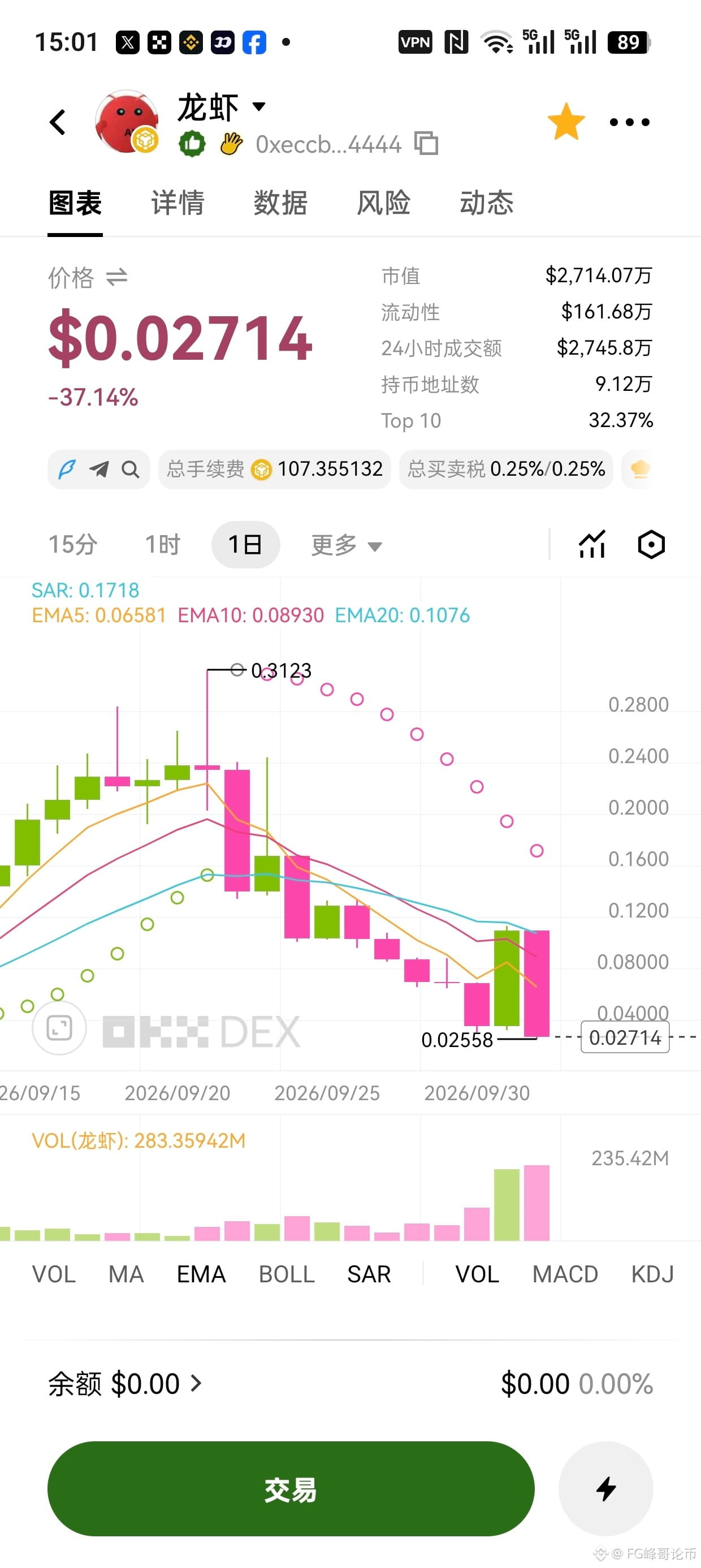
$龙虾 This is too intense—some people are full, while others have a hard time.
$龙虾 This is too intense—some people are full, while others have a hard time.
1
2
1.6k
·
--
September 30th: #ALPHA air drop announcement!
📅 Today’s air drop
No announcement yet—it's the last day of September. Can we squeeze in one more and wrap up the month?
Alpha Trading Competition: 24-hour data
AEON: Yesterday’s limit order was 430 million; by now, from 8:00 this morning, only just over 110k has come through. Current price is 0.0536; up 1.42% in 24 hours. FDV is 53 million. Total volume in the race is 153 million; 7 days left. The top 2,000 will split 910 tokens. At the current price, it’s about 48U.
XDP: 24-hour trading volume is 200 million; up 6.5%. FDV is 230 million. Limit orders today are only 28k; yesterday was just over 1 million. Total volume in the race is only 480k. Prize is 2,500 XDP, roughly 58U.
COAI: 2 days left. 24-hour trading volume is just over 1 million; today’s limit order is under 2,000. Total volume is 540k. 162 tokens is about 49U.
Suggested actions for today:
CNPY (9 days left) and DGAI (16 days left). Make orders in the range of 300 to 500U per time. Watch both—whichever has steadier performance with lower slippage, go with that. #ALPHA🔥
September 30th: #ALPHA air drop announcement!
📅 Today’s air drop
No announcement yet—it's the last day of September. Can we squeeze in one more and wrap up the month?
Alpha Trading Competition: 24-hour data
AEON: Yesterday’s limit order was 430 million; by now, from 8:00 this morning, only just over 110k has come through. Current price is 0.0536; up 1.42% in 24 hours. FDV is 53 million. Total volume in the race is 153 million; 7 days left. The top 2,000 will split 910 tokens. At the current price, it’s about 48U.
XDP: 24-hour trading volume is 200 million; up 6.5%. FDV is 230 million. Limit orders today are only 28k; yesterday was just over 1 million. Total volume in the race is only 480k. Prize is 2,500 XDP, roughly 58U.
COAI: 2 days left. 24-hour trading volume is just over 1 million; today’s limit order is under 2,000. Total volume is 540k. 162 tokens is about 49U.
Suggested actions for today:
CNPY (9 days left) and DGAI (16 days left). Make orders in the range of 300 to 500U per time. Watch both—whichever has steadier performance with lower slippage, go with that. #ALPHA🔥
📅 Today’s air drop
No announcement yet—it's the last day of September. Can we squeeze in one more and wrap up the month?
Alpha Trading Competition: 24-hour data
AEON: Yesterday’s limit order was 430 million; by now, from 8:00 this morning, only just over 110k has come through. Current price is 0.0536; up 1.42% in 24 hours. FDV is 53 million. Total volume in the race is 153 million; 7 days left. The top 2,000 will split 910 tokens. At the current price, it’s about 48U.
XDP: 24-hour trading volume is 200 million; up 6.5%. FDV is 230 million. Limit orders today are only 28k; yesterday was just over 1 million. Total volume in the race is only 480k. Prize is 2,500 XDP, roughly 58U.
COAI: 2 days left. 24-hour trading volume is just over 1 million; today’s limit order is under 2,000. Total volume is 540k. 162 tokens is about 49U.
Suggested actions for today:
CNPY (9 days left) and DGAI (16 days left). Make orders in the range of 300 to 500U per time. Watch both—whichever has steadier performance with lower slippage, go with that. #ALPHA🔥
1
22
3.9k
·
--
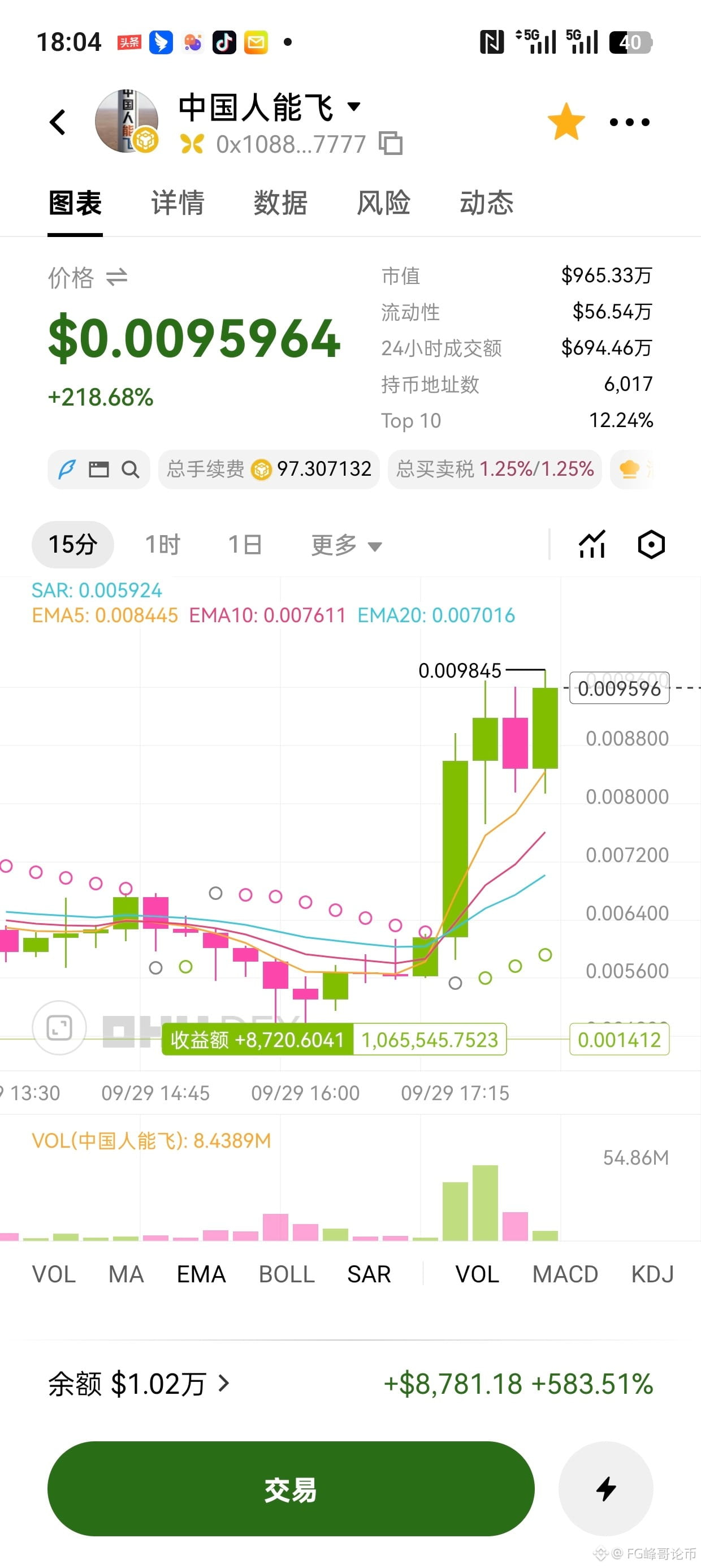
Old iron brothers, get on the train. $Chinese people can fly—first get a market value of 10 million, then look at 100 million. Give me a lift!
Old iron brothers, get on the train. $Chinese people can fly—first get a market value of 10 million, then look at 100 million. Give me a lift!
2
547
·
--
September 29th, #ALPHA Airdrop preview!
📅 Today’s airdrop
Good morning—no preview yet. The raid last night was completely unbelievable—totally no rules, launching a sneak attack in the middle of the night. Let’s get another one today, and wrap up September feeling nice and smooth.
Alpha Trading Contest 24-hour data:
PIEVERSE has 13 hours left. Current price: 1.47. 24h volume: 3.9M, down 3.86%. FDV: 1.47B. Total volume is 995M so far, with 44 coins at about 64U.
AEON also has 13 hours left. Current price: 0.053. 24h volume: 2.25M, down 3.26%. FDV: 53M. Total volume: 155M, with 910 coins—about $48.
COAI has 3 days left. Current price: 0.2993. 24h volume: 1.36M, down 3.8%. FDV: 300M. Total volume: 480K, with 162 coins—about $48.5.
Suggested actions for today:
For CNPY (10 days left) and DGAI (17 days left), place single orders of 300–500U. Watch both for a bit longer—whichever is more stable and has less wear-and-tear, use that one. #ALPHA🔥
September 29th, #ALPHA Airdrop preview!
📅 Today’s airdrop
Good morning—no preview yet. The raid last night was completely unbelievable—totally no rules, launching a sneak attack in the middle of the night. Let’s get another one today, and wrap up September feeling nice and smooth.
Alpha Trading Contest 24-hour data:
PIEVERSE has 13 hours left. Current price: 1.47. 24h volume: 3.9M, down 3.86%. FDV: 1.47B. Total volume is 995M so far, with 44 coins at about 64U.
AEON also has 13 hours left. Current price: 0.053. 24h volume: 2.25M, down 3.26%. FDV: 53M. Total volume: 155M, with 910 coins—about $48.
COAI has 3 days left. Current price: 0.2993. 24h volume: 1.36M, down 3.8%. FDV: 300M. Total volume: 480K, with 162 coins—about $48.5.
Suggested actions for today:
For CNPY (10 days left) and DGAI (17 days left), place single orders of 300–500U. Watch both for a bit longer—whichever is more stable and has less wear-and-tear, use that one. #ALPHA🔥
📅 Today’s airdrop
Good morning—no preview yet. The raid last night was completely unbelievable—totally no rules, launching a sneak attack in the middle of the night. Let’s get another one today, and wrap up September feeling nice and smooth.
Alpha Trading Contest 24-hour data:
PIEVERSE has 13 hours left. Current price: 1.47. 24h volume: 3.9M, down 3.86%. FDV: 1.47B. Total volume is 995M so far, with 44 coins at about 64U.
AEON also has 13 hours left. Current price: 0.053. 24h volume: 2.25M, down 3.26%. FDV: 53M. Total volume: 155M, with 910 coins—about $48.
COAI has 3 days left. Current price: 0.2993. 24h volume: 1.36M, down 3.8%. FDV: 300M. Total volume: 480K, with 162 coins—about $48.5.
Suggested actions for today:
For CNPY (10 days left) and DGAI (17 days left), place single orders of 300–500U. Watch both for a bit longer—whichever is more stable and has less wear-and-tear, use that one. #ALPHA🔥
185
·
--
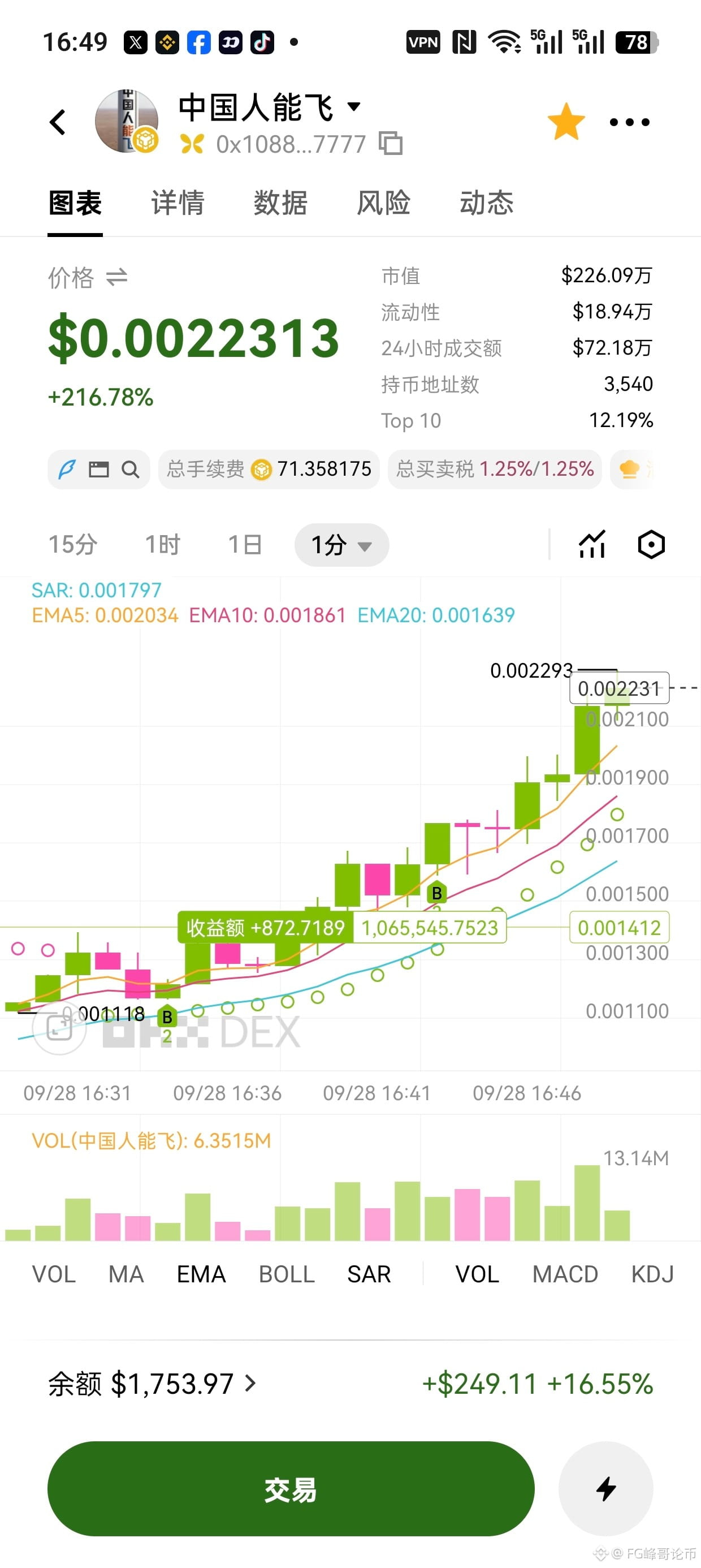
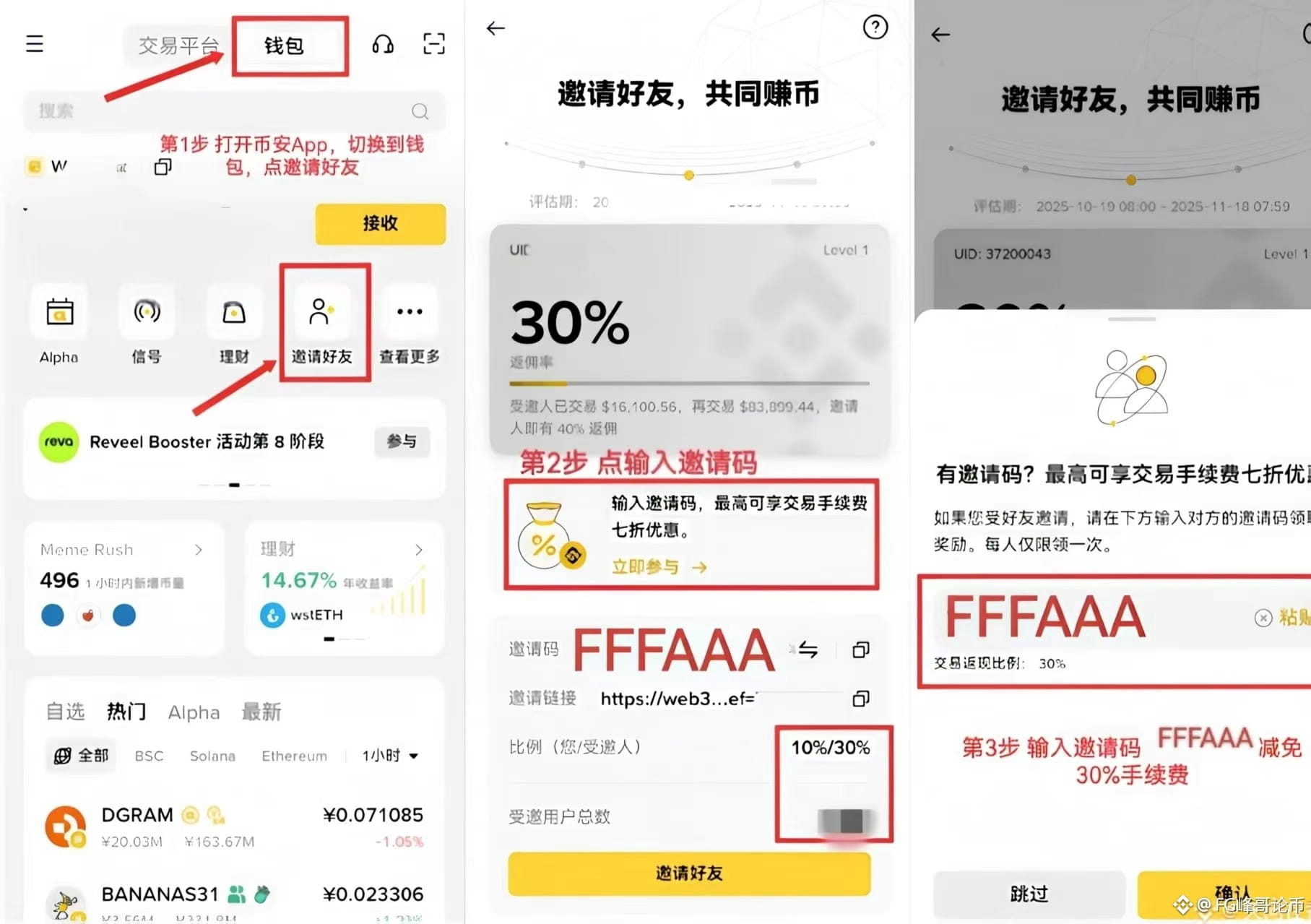
Today I sold $MARSCOIN bought $China can fly, National Day is coming soon, this coin will take off. Bro, don’t say I didn’t warn you—get on, get on!
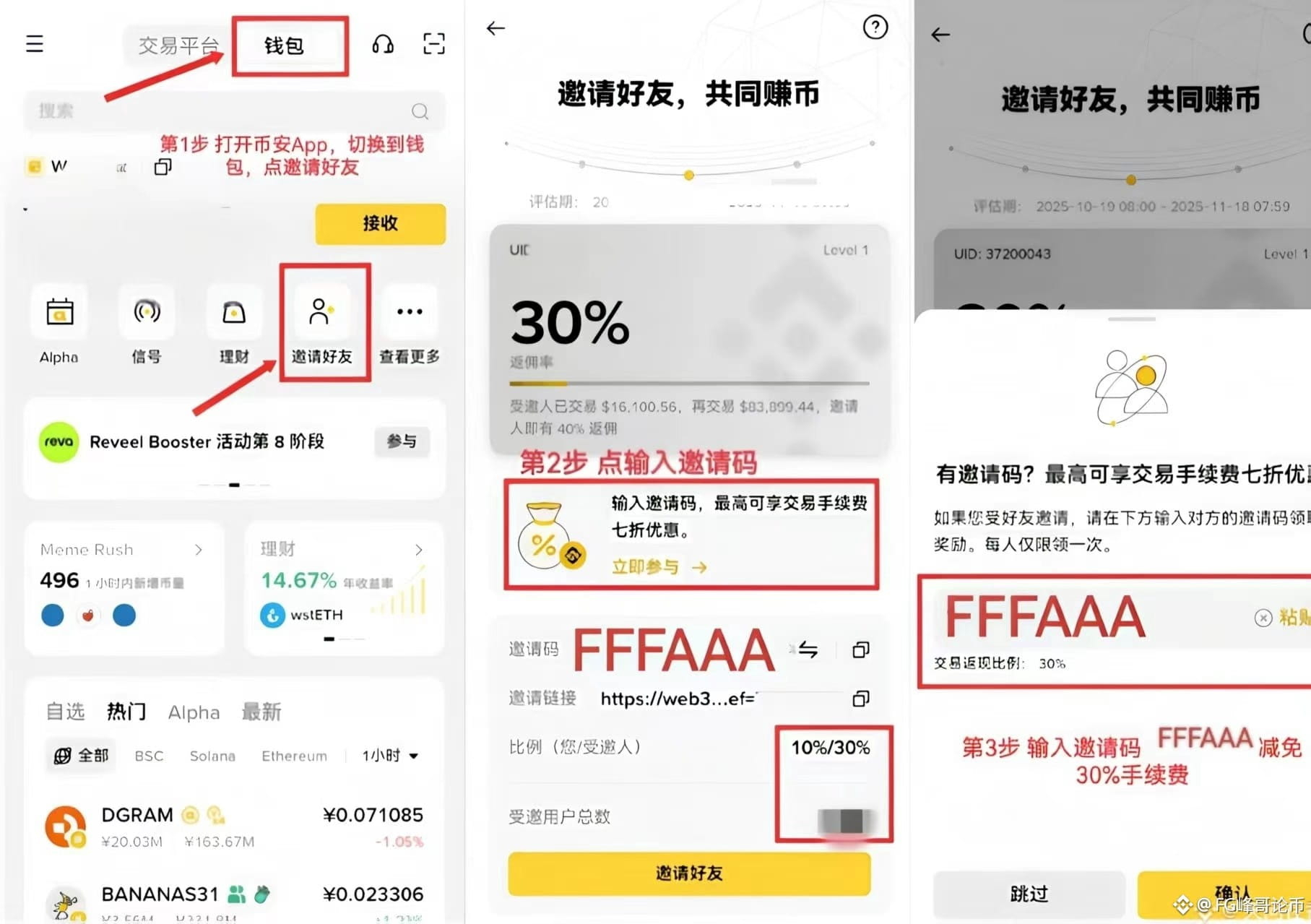
Use the Binance Wallet— you can enter my code FFFAAA to save on fees.
{spot}(MARSCOINUSDT)
Today I sold $MARSCOIN bought $China can fly, National Day is coming soon, this coin will take off. Bro, don’t say I didn’t warn you—get on, get on!
Use the Binance Wallet— you can enter my code FFFAAA to save on fees.
Use the Binance Wallet— you can enter my code FFFAAA to save on fees.
2
349
·
--
September 23rd, #ALPHA Airdrop Announcement!
📅 Today’s Airdrop
Good morning—it's Wednesday already. If we don’t schedule it now, there won’t be anything fun left.
Alpha Trading Competition 24-hour Data:
PIEVERSE, Contract: Target. There are 7 days left in the event. Current price is 1.78. About 6.51 million traded in the last 24 hours—down 3.47%. FDV: $1.78 billion. Total trading volume: 175 million. Rewards: 44 PIVEVERSE, about 78U.
KII: 3 days left. Price 0.0808. 5.53 million in 24 hours—almost flat, down just 0.19%. FDV: $145 million. Total trading volume is already 549 million. 625 KII exchanged for a little over 50U.
DEBIT: 2 days left. Price 2.14. 2.4 million in 24 hours—down 4.33%. FDV: $214 million. Total trading volume has broken 1 billion straight up: 1,040,189,773. Rewards: 29 DEBIT, about 62U.
AEON: 7 days left. Price 0.0638. 7.08 million in 24 hours—up 15% today, the only one with a clearly noticeable rise. FDV: only $63.75 million. Total trading volume: a bit over 400k. Rewards: 910 AEON, about 58U. AEON has a 2x bonus on day one.
CAP: Contract. 2 days left. Price 0.0469. 1.25 million in 24 hours—up 2.75%. FDV: $469 million. Total trading volume: 8.98 million, and 50 USDC is exactly 50U.
Suggested Actions for Today:
CNPY (14 days left), DGAI (23 days left). Per transaction: 300–500U. Observe both more—whichever has more stable, lower wear-and-tear, choose that one to proceed. #ALPHA🔥
September 23rd, #ALPHA Airdrop Announcement!
📅 Today’s Airdrop
Good morning—it's Wednesday already. If we don’t schedule it now, there won’t be anything fun left.
Alpha Trading Competition 24-hour Data:
PIEVERSE, Contract: Target. There are 7 days left in the event. Current price is 1.78. About 6.51 million traded in the last 24 hours—down 3.47%. FDV: $1.78 billion. Total trading volume: 175 million. Rewards: 44 PIVEVERSE, about 78U.
KII: 3 days left. Price 0.0808. 5.53 million in 24 hours—almost flat, down just 0.19%. FDV: $145 million. Total trading volume is already 549 million. 625 KII exchanged for a little over 50U.
DEBIT: 2 days left. Price 2.14. 2.4 million in 24 hours—down 4.33%. FDV: $214 million. Total trading volume has broken 1 billion straight up: 1,040,189,773. Rewards: 29 DEBIT, about 62U.
AEON: 7 days left. Price 0.0638. 7.08 million in 24 hours—up 15% today, the only one with a clearly noticeable rise. FDV: only $63.75 million. Total trading volume: a bit over 400k. Rewards: 910 AEON, about 58U. AEON has a 2x bonus on day one.
CAP: Contract. 2 days left. Price 0.0469. 1.25 million in 24 hours—up 2.75%. FDV: $469 million. Total trading volume: 8.98 million, and 50 USDC is exactly 50U.
Suggested Actions for Today:
CNPY (14 days left), DGAI (23 days left). Per transaction: 300–500U. Observe both more—whichever has more stable, lower wear-and-tear, choose that one to proceed. #ALPHA🔥
📅 Today’s Airdrop
Good morning—it's Wednesday already. If we don’t schedule it now, there won’t be anything fun left.
Alpha Trading Competition 24-hour Data:
PIEVERSE, Contract: Target. There are 7 days left in the event. Current price is 1.78. About 6.51 million traded in the last 24 hours—down 3.47%. FDV: $1.78 billion. Total trading volume: 175 million. Rewards: 44 PIVEVERSE, about 78U.
KII: 3 days left. Price 0.0808. 5.53 million in 24 hours—almost flat, down just 0.19%. FDV: $145 million. Total trading volume is already 549 million. 625 KII exchanged for a little over 50U.
DEBIT: 2 days left. Price 2.14. 2.4 million in 24 hours—down 4.33%. FDV: $214 million. Total trading volume has broken 1 billion straight up: 1,040,189,773. Rewards: 29 DEBIT, about 62U.
AEON: 7 days left. Price 0.0638. 7.08 million in 24 hours—up 15% today, the only one with a clearly noticeable rise. FDV: only $63.75 million. Total trading volume: a bit over 400k. Rewards: 910 AEON, about 58U. AEON has a 2x bonus on day one.
CAP: Contract. 2 days left. Price 0.0469. 1.25 million in 24 hours—up 2.75%. FDV: $469 million. Total trading volume: 8.98 million, and 50 USDC is exactly 50U.
Suggested Actions for Today:
CNPY (14 days left), DGAI (23 days left). Per transaction: 300–500U. Observe both more—whichever has more stable, lower wear-and-tear, choose that one to proceed. #ALPHA🔥
2
14
3.6k
·
--
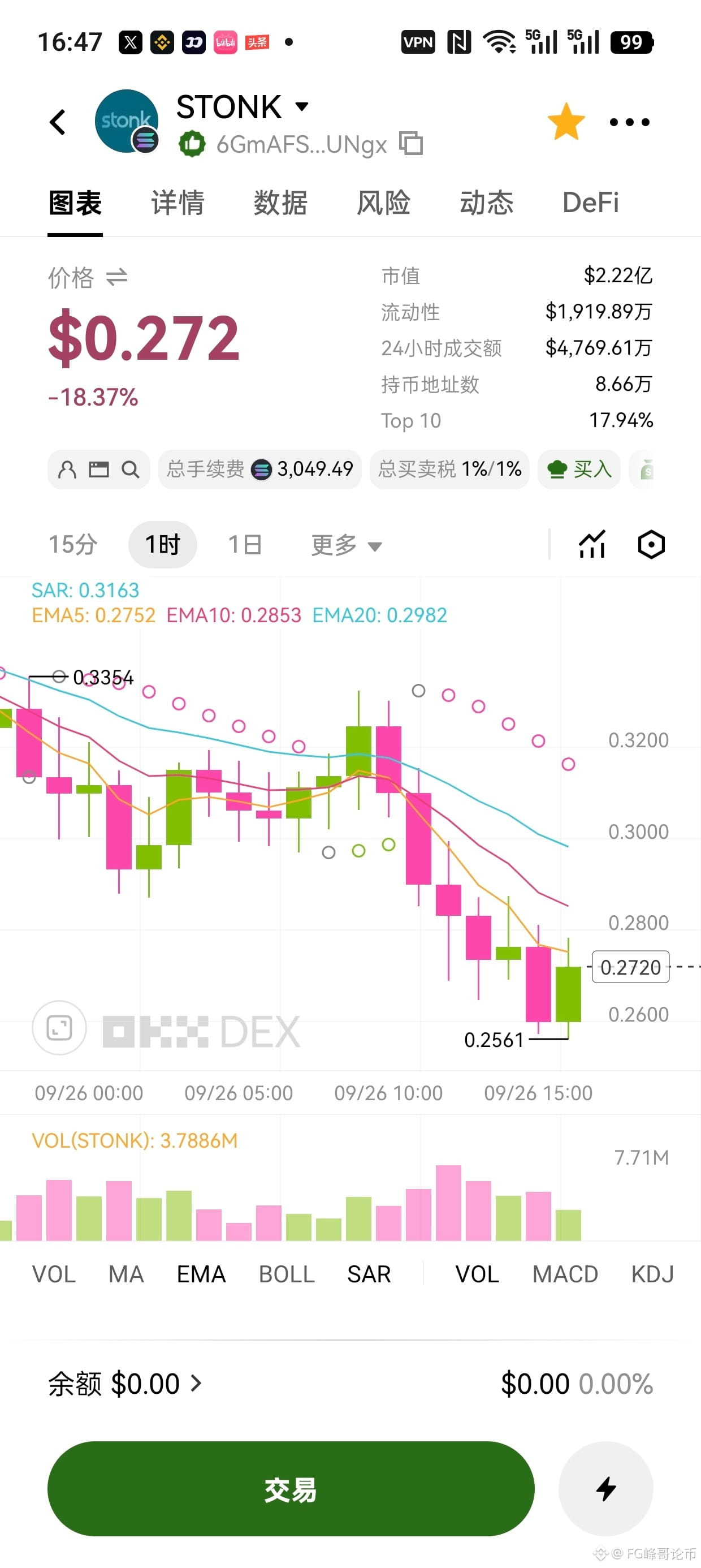
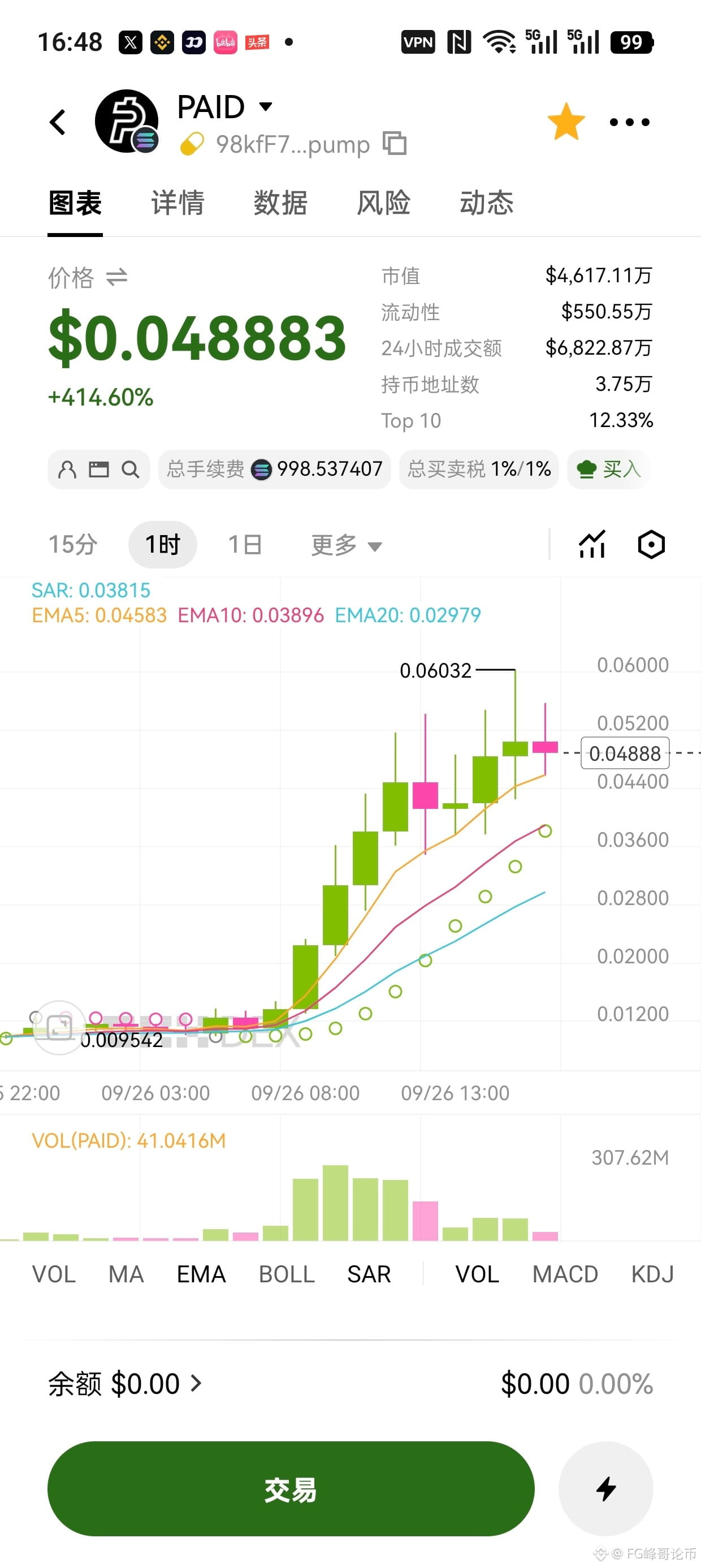
Awesome! Really, it’s awesome! $PAID got fed, $STONK fell down—unfortunately I couldn’t take part.
Awesome! Really, it’s awesome! $PAID got fed, $STONK fell down—unfortunately I couldn’t take part.
1
1.2k
·
--
September 24th, #ALPHA airdrop announcement!
📅 Today’s airdrop
The morning issue: Yesterday, CYS’s current value was 30U. If we don’t arrange one this week, it’ll be scammed back.
Alpha Trading Contest 24-hour data:
PIEVERSE is currently 1.68. 24h volume is 4.16M, down 5.44%. FDV is 1.68B. The total volume of the contest has reached 298M. There are 6 days left, and the rewards are approximately 44 coins, about 74U.
DEBIT is quoted at 2.08. 24H volume is 3.64M, down 2.8%. FDV is 208M. The total volume is already 1.115B. The contest has only 13 hours left. Rewards are 29, about 60U.
CAP is the strongest: 0.0517. 24h volume is 4.59M, jumping 10.29% directly. FDV is 517M. Total is a bit over 200M, with 13 hours left, reward 50U.
KII is 0.0794, with the highest volume at 9.31M, a slight dip of 1.71%. FDV is 143M. Total is 610M, 2 days left, reward 625, about 50U.
AEON is 0.0596. 24h volume is 4.62M, down 6.49%. FDV is 59.6M. The total is only 1.24M, 6 days left, reward 910, about 54U.
Today’s trading suggestions:
CNPY (13 days) and DGAI (22 days), 300–500U per order. Observe both more than once—whichever is more stable and has less slippage, use that one. #ALPHA🔥
September 24th, #ALPHA airdrop announcement!
📅 Today’s airdrop
The morning issue: Yesterday, CYS’s current value was 30U. If we don’t arrange one this week, it’ll be scammed back.
Alpha Trading Contest 24-hour data:
PIEVERSE is currently 1.68. 24h volume is 4.16M, down 5.44%. FDV is 1.68B. The total volume of the contest has reached 298M. There are 6 days left, and the rewards are approximately 44 coins, about 74U.
DEBIT is quoted at 2.08. 24H volume is 3.64M, down 2.8%. FDV is 208M. The total volume is already 1.115B. The contest has only 13 hours left. Rewards are 29, about 60U.
CAP is the strongest: 0.0517. 24h volume is 4.59M, jumping 10.29% directly. FDV is 517M. Total is a bit over 200M, with 13 hours left, reward 50U.
KII is 0.0794, with the highest volume at 9.31M, a slight dip of 1.71%. FDV is 143M. Total is 610M, 2 days left, reward 625, about 50U.
AEON is 0.0596. 24h volume is 4.62M, down 6.49%. FDV is 59.6M. The total is only 1.24M, 6 days left, reward 910, about 54U.
Today’s trading suggestions:
CNPY (13 days) and DGAI (22 days), 300–500U per order. Observe both more than once—whichever is more stable and has less slippage, use that one. #ALPHA🔥
📅 Today’s airdrop
The morning issue: Yesterday, CYS’s current value was 30U. If we don’t arrange one this week, it’ll be scammed back.
Alpha Trading Contest 24-hour data:
PIEVERSE is currently 1.68. 24h volume is 4.16M, down 5.44%. FDV is 1.68B. The total volume of the contest has reached 298M. There are 6 days left, and the rewards are approximately 44 coins, about 74U.
DEBIT is quoted at 2.08. 24H volume is 3.64M, down 2.8%. FDV is 208M. The total volume is already 1.115B. The contest has only 13 hours left. Rewards are 29, about 60U.
CAP is the strongest: 0.0517. 24h volume is 4.59M, jumping 10.29% directly. FDV is 517M. Total is a bit over 200M, with 13 hours left, reward 50U.
KII is 0.0794, with the highest volume at 9.31M, a slight dip of 1.71%. FDV is 143M. Total is 610M, 2 days left, reward 625, about 50U.
AEON is 0.0596. 24h volume is 4.62M, down 6.49%. FDV is 59.6M. The total is only 1.24M, 6 days left, reward 910, about 54U.
Today’s trading suggestions:
CNPY (13 days) and DGAI (22 days), 300–500U per order. Observe both more than once—whichever is more stable and has less slippage, use that one. #ALPHA🔥
9
3.2k
·
--
September 23rd, #ALPHA Airdrop Announcement!
📅 Today’s Airdrop
Good morning—it's Wednesday. If you don't arrange it now, there won't be anything fun left to do.
Alpha Trading Contest: 24-hour data:
PIEVERSE, contract tier, with 7 days remaining in the schedule. Current price is 1.78. 24-hour volume is a little over 6.51 million, down 3.47%. FDV is $1.78 billion. Total trading volume is 175 million, and the reward is 44 PIVEVERSE—about $78.
KII, with 3 days remaining. Price is 0.0808. 24-hour volume is 5.53 million, basically flat with a tiny dip of 0.19%. FDV is $145 million. Total trading volume is already 549 million, and 625 KII trades for a little over $50.
DEBIT, with 2 days remaining. Price is 2.14. 24-hour volume is 2.40 million, down 4.33%. FDV is $214 million. Total trading volume has directly broken 1 billion—1,040,189,773—with 29 DEBIT rewards—about $62.
AEON, with 7 days remaining. Price is 0.0638. 24-hour volume is 7.08 million, up 15% today—the only one with a clearly noticeable gain. FDV is only $63.75 million. Total trading volume is a bit over 400k, and 910 AEON is about $58. AEON has a 2x bonus on day one.
CAP, contract, with 2 days remaining. Price is 0.0469. 24-hour volume is 1.25 million, up 2.75%. FDV is $469 million. Total trading volume is 8.98 million, and 50 USDC is exactly 50U.
Today’s operating suggestions:
CNPY (14 days left), DGAI (23 days left). Per trade: 300–500U. Watch both a bit more—whichever has more stable grinding loss, do that. #ALPHA🔥
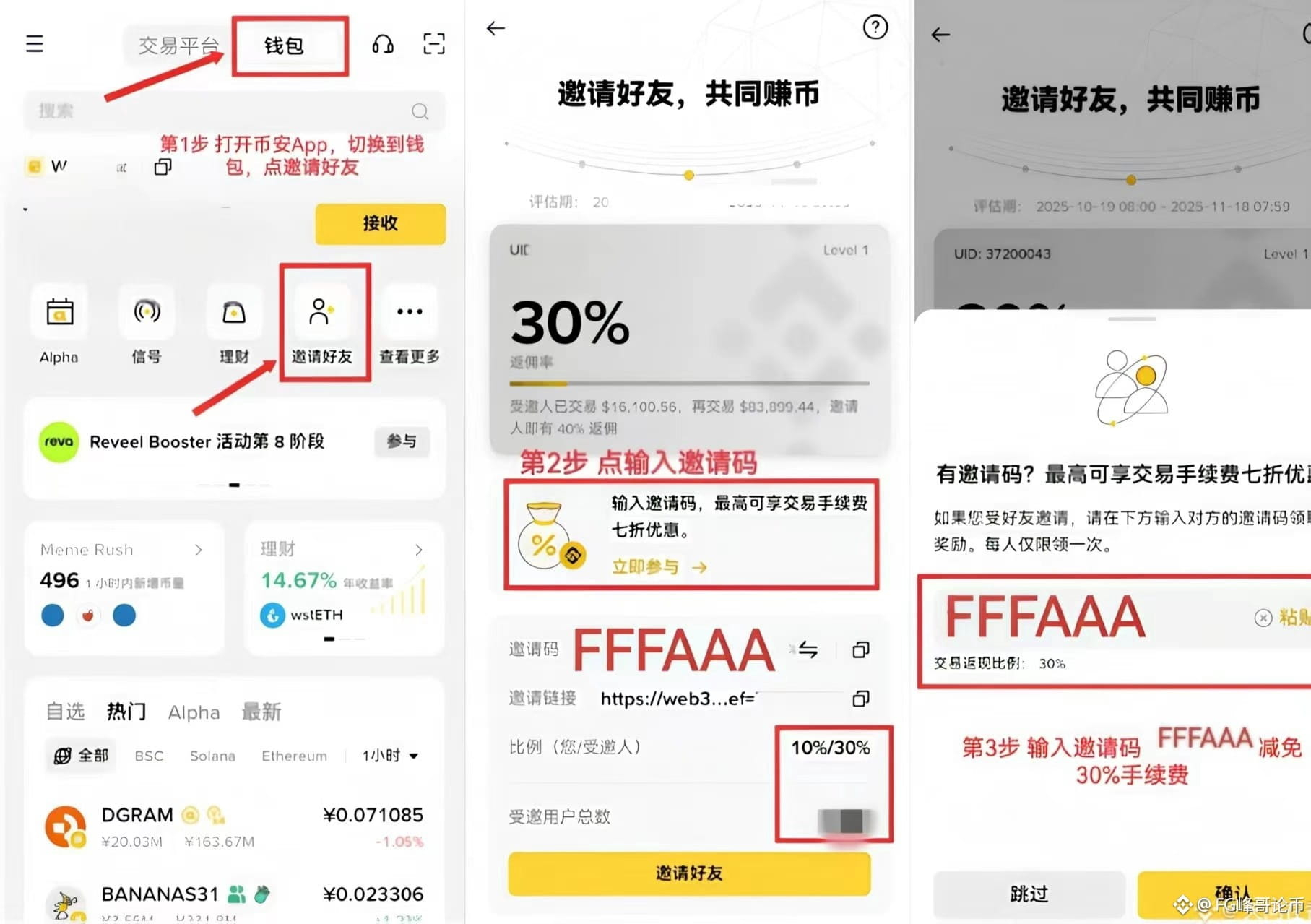
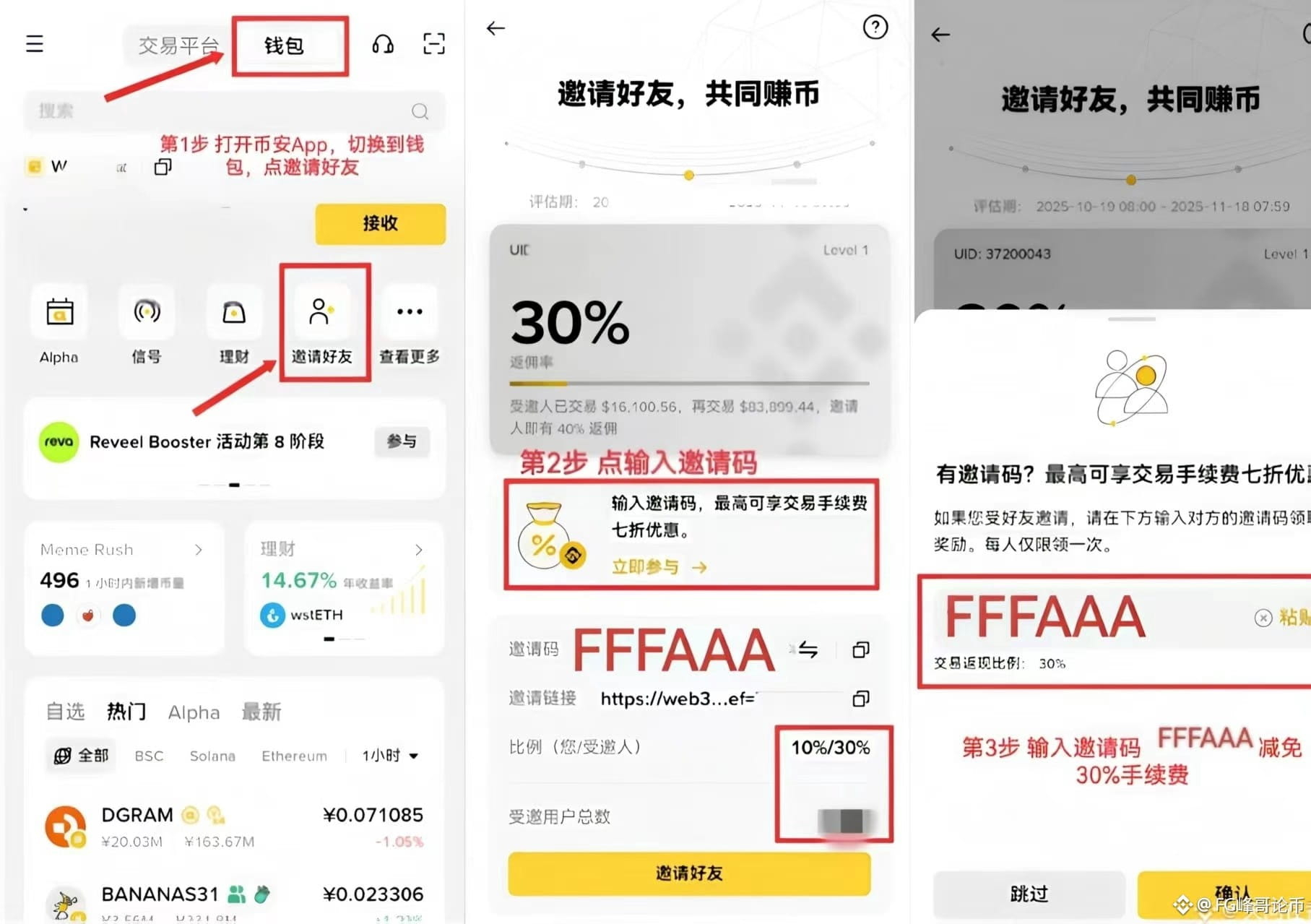
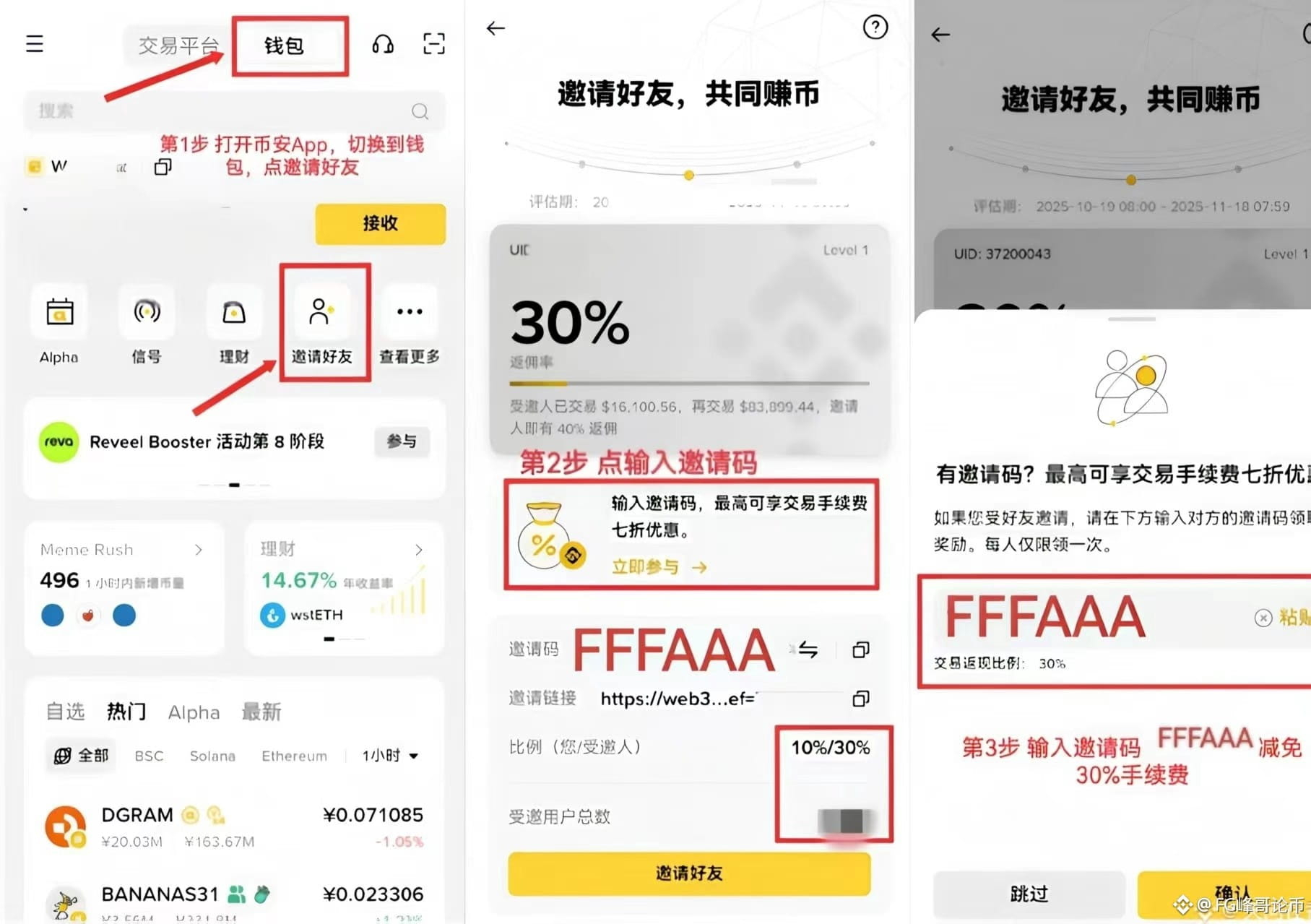
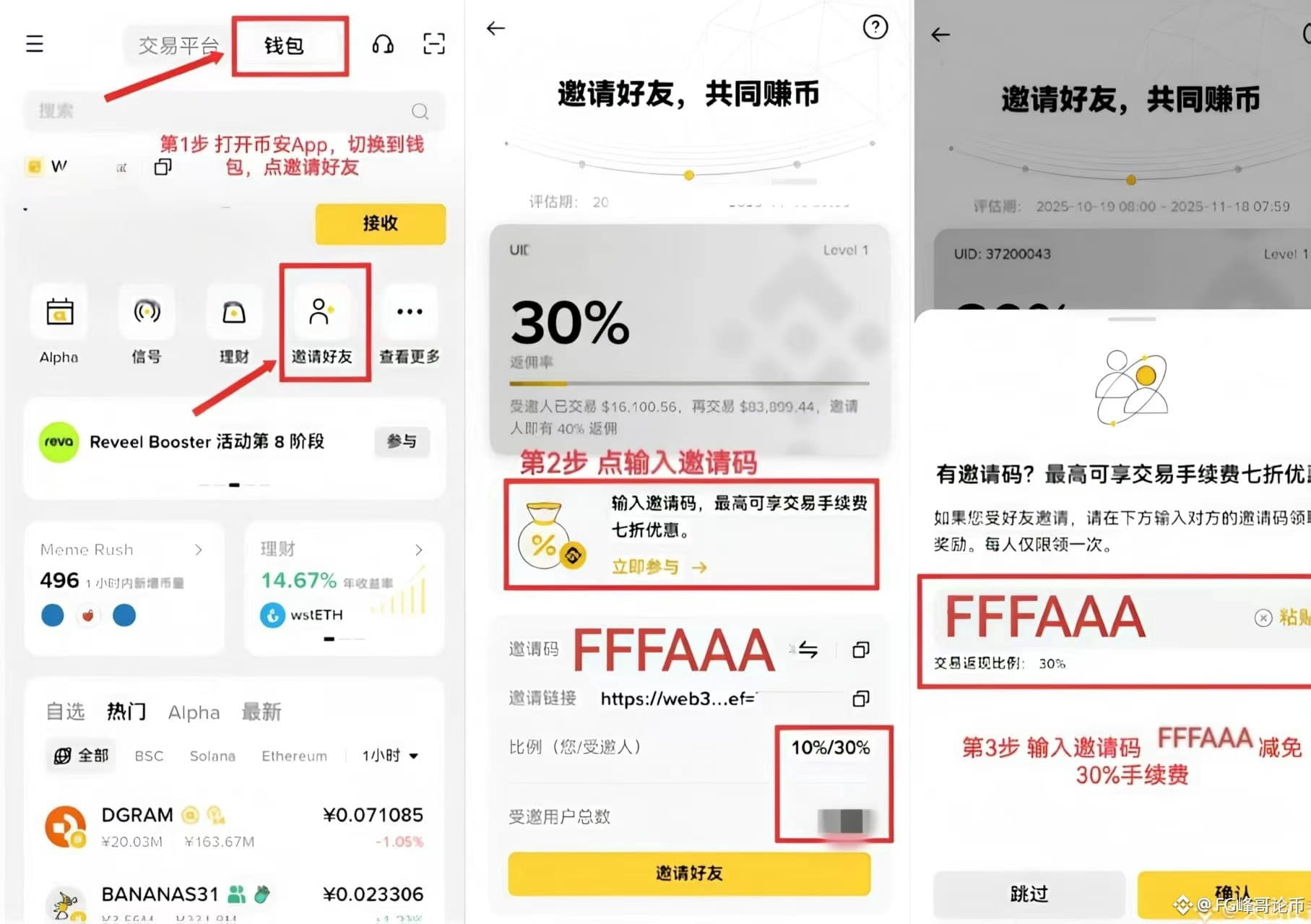
Recently, on-chain conditions are good. Use the Binance wallet—whether you're farming referrals or doing alpha, there’s 30% fees. Use my code FFFAAA for it, and the steps are shown in the picture.
September 23rd, #ALPHA Airdrop Announcement!
📅 Today’s Airdrop
Good morning—it's Wednesday. If you don't arrange it now, there won't be anything fun left to do.
Alpha Trading Contest: 24-hour data:
PIEVERSE, contract tier, with 7 days remaining in the schedule. Current price is 1.78. 24-hour volume is a little over 6.51 million, down 3.47%. FDV is $1.78 billion. Total trading volume is 175 million, and the reward is 44 PIVEVERSE—about $78.
KII, with 3 days remaining. Price is 0.0808. 24-hour volume is 5.53 million, basically flat with a tiny dip of 0.19%. FDV is $145 million. Total trading volume is already 549 million, and 625 KII trades for a little over $50.
DEBIT, with 2 days remaining. Price is 2.14. 24-hour volume is 2.40 million, down 4.33%. FDV is $214 million. Total trading volume has directly broken 1 billion—1,040,189,773—with 29 DEBIT rewards—about $62.
AEON, with 7 days remaining. Price is 0.0638. 24-hour volume is 7.08 million, up 15% today—the only one with a clearly noticeable gain. FDV is only $63.75 million. Total trading volume is a bit over 400k, and 910 AEON is about $58. AEON has a 2x bonus on day one.
CAP, contract, with 2 days remaining. Price is 0.0469. 24-hour volume is 1.25 million, up 2.75%. FDV is $469 million. Total trading volume is 8.98 million, and 50 USDC is exactly 50U.
Today’s operating suggestions:
CNPY (14 days left), DGAI (23 days left). Per trade: 300–500U. Watch both a bit more—whichever has more stable grinding loss, do that. #ALPHA🔥
Recently, on-chain conditions are good. Use the Binance wallet—whether you're farming referrals or doing alpha, there’s 30% fees. Use my code FFFAAA for it, and the steps are shown in the picture.
📅 Today’s Airdrop
Good morning—it's Wednesday. If you don't arrange it now, there won't be anything fun left to do.
Alpha Trading Contest: 24-hour data:
PIEVERSE, contract tier, with 7 days remaining in the schedule. Current price is 1.78. 24-hour volume is a little over 6.51 million, down 3.47%. FDV is $1.78 billion. Total trading volume is 175 million, and the reward is 44 PIVEVERSE—about $78.
KII, with 3 days remaining. Price is 0.0808. 24-hour volume is 5.53 million, basically flat with a tiny dip of 0.19%. FDV is $145 million. Total trading volume is already 549 million, and 625 KII trades for a little over $50.
DEBIT, with 2 days remaining. Price is 2.14. 24-hour volume is 2.40 million, down 4.33%. FDV is $214 million. Total trading volume has directly broken 1 billion—1,040,189,773—with 29 DEBIT rewards—about $62.
AEON, with 7 days remaining. Price is 0.0638. 24-hour volume is 7.08 million, up 15% today—the only one with a clearly noticeable gain. FDV is only $63.75 million. Total trading volume is a bit over 400k, and 910 AEON is about $58. AEON has a 2x bonus on day one.
CAP, contract, with 2 days remaining. Price is 0.0469. 24-hour volume is 1.25 million, up 2.75%. FDV is $469 million. Total trading volume is 8.98 million, and 50 USDC is exactly 50U.
Today’s operating suggestions:
CNPY (14 days left), DGAI (23 days left). Per trade: 300–500U. Watch both a bit more—whichever has more stable grinding loss, do that. #ALPHA🔥
Recently, on-chain conditions are good. Use the Binance wallet—whether you're farming referrals or doing alpha, there’s 30% fees. Use my code FFFAAA for it, and the steps are shown in the picture.
35
6.7k
·
--
September 22: #ALPHA Airdrop Announcement!
📅 Today’s Airdrop
Good morning—no announcement for now. Let’s see if there’ll be a surprise later?
Alpha Trading Competition — 24-hour data:
DEBIT price 2.23, slightly over 3.24 million in 24 hours, up 1.51%, FDV 223 million. Today’s limit orders are only 640k; yesterday’s were 156 million. Total trading volume: 947 million. There are 3 days left; the prize pool is 29 coins, roughly 65U.
KII price 0.0809, 47 million in 24 hours, a slight dip of 0.91%, FDV 145 million. Today’s limit orders are 560k; yesterday’s were 68.87 million. Cumulative: 503 million. There are 4 days left; prize 625 coins, about 50U.
PIEVERSE price 1.83, 13.42 million in 24 hours, up 7.72% (the biggest mover), FDV jumped straight to 1.83 billion. Today’s limit orders are 440k; yesterday’s were 304 million. Cumulative: 345 million. For the contract pool/trading competition, there are 13 hours left; prize 44 coins, about 80U.
CAP price 0.0456, 2.11 million in 24 hours, up 2.77%, FDV 456 million. Today’s limit orders are just 7,654; yesterday’s were 550k. Cumulative: 8.66 million. Also contract-based; 3 days left; prize 50 U.
CP price 0.0138, 1.4 million in 24 hours, up 3.68%, FDV 68.75 million. Today’s limit orders are 138; yesterday’s were 52k. Cumulative: 440k. There are 12 days left, but the trading competition only has 13 hours remaining; prize 2,000 coins, about 27.5U.
Suggested actions for today:
CNPY (15 days left), DGAI (24 days left), place multiple small orders of 300–500U. Choose whichever is more stable and has less wear/consumption, then place there. #ALPHA🔥
September 22: #ALPHA Airdrop Announcement!
📅 Today’s Airdrop
Good morning—no announcement for now. Let’s see if there’ll be a surprise later?
Alpha Trading Competition — 24-hour data:
DEBIT price 2.23, slightly over 3.24 million in 24 hours, up 1.51%, FDV 223 million. Today’s limit orders are only 640k; yesterday’s were 156 million. Total trading volume: 947 million. There are 3 days left; the prize pool is 29 coins, roughly 65U.
KII price 0.0809, 47 million in 24 hours, a slight dip of 0.91%, FDV 145 million. Today’s limit orders are 560k; yesterday’s were 68.87 million. Cumulative: 503 million. There are 4 days left; prize 625 coins, about 50U.
PIEVERSE price 1.83, 13.42 million in 24 hours, up 7.72% (the biggest mover), FDV jumped straight to 1.83 billion. Today’s limit orders are 440k; yesterday’s were 304 million. Cumulative: 345 million. For the contract pool/trading competition, there are 13 hours left; prize 44 coins, about 80U.
CAP price 0.0456, 2.11 million in 24 hours, up 2.77%, FDV 456 million. Today’s limit orders are just 7,654; yesterday’s were 550k. Cumulative: 8.66 million. Also contract-based; 3 days left; prize 50 U.
CP price 0.0138, 1.4 million in 24 hours, up 3.68%, FDV 68.75 million. Today’s limit orders are 138; yesterday’s were 52k. Cumulative: 440k. There are 12 days left, but the trading competition only has 13 hours remaining; prize 2,000 coins, about 27.5U.
Suggested actions for today:
CNPY (15 days left), DGAI (24 days left), place multiple small orders of 300–500U. Choose whichever is more stable and has less wear/consumption, then place there. #ALPHA🔥
📅 Today’s Airdrop
Good morning—no announcement for now. Let’s see if there’ll be a surprise later?
Alpha Trading Competition — 24-hour data:
DEBIT price 2.23, slightly over 3.24 million in 24 hours, up 1.51%, FDV 223 million. Today’s limit orders are only 640k; yesterday’s were 156 million. Total trading volume: 947 million. There are 3 days left; the prize pool is 29 coins, roughly 65U.
KII price 0.0809, 47 million in 24 hours, a slight dip of 0.91%, FDV 145 million. Today’s limit orders are 560k; yesterday’s were 68.87 million. Cumulative: 503 million. There are 4 days left; prize 625 coins, about 50U.
PIEVERSE price 1.83, 13.42 million in 24 hours, up 7.72% (the biggest mover), FDV jumped straight to 1.83 billion. Today’s limit orders are 440k; yesterday’s were 304 million. Cumulative: 345 million. For the contract pool/trading competition, there are 13 hours left; prize 44 coins, about 80U.
CAP price 0.0456, 2.11 million in 24 hours, up 2.77%, FDV 456 million. Today’s limit orders are just 7,654; yesterday’s were 550k. Cumulative: 8.66 million. Also contract-based; 3 days left; prize 50 U.
CP price 0.0138, 1.4 million in 24 hours, up 3.68%, FDV 68.75 million. Today’s limit orders are 138; yesterday’s were 52k. Cumulative: 440k. There are 12 days left, but the trading competition only has 13 hours remaining; prize 2,000 coins, about 27.5U.
Suggested actions for today:
CNPY (15 days left), DGAI (24 days left), place multiple small orders of 300–500U. Choose whichever is more stable and has less wear/consumption, then place there. #ALPHA🔥
1
10
1.5k
·
--
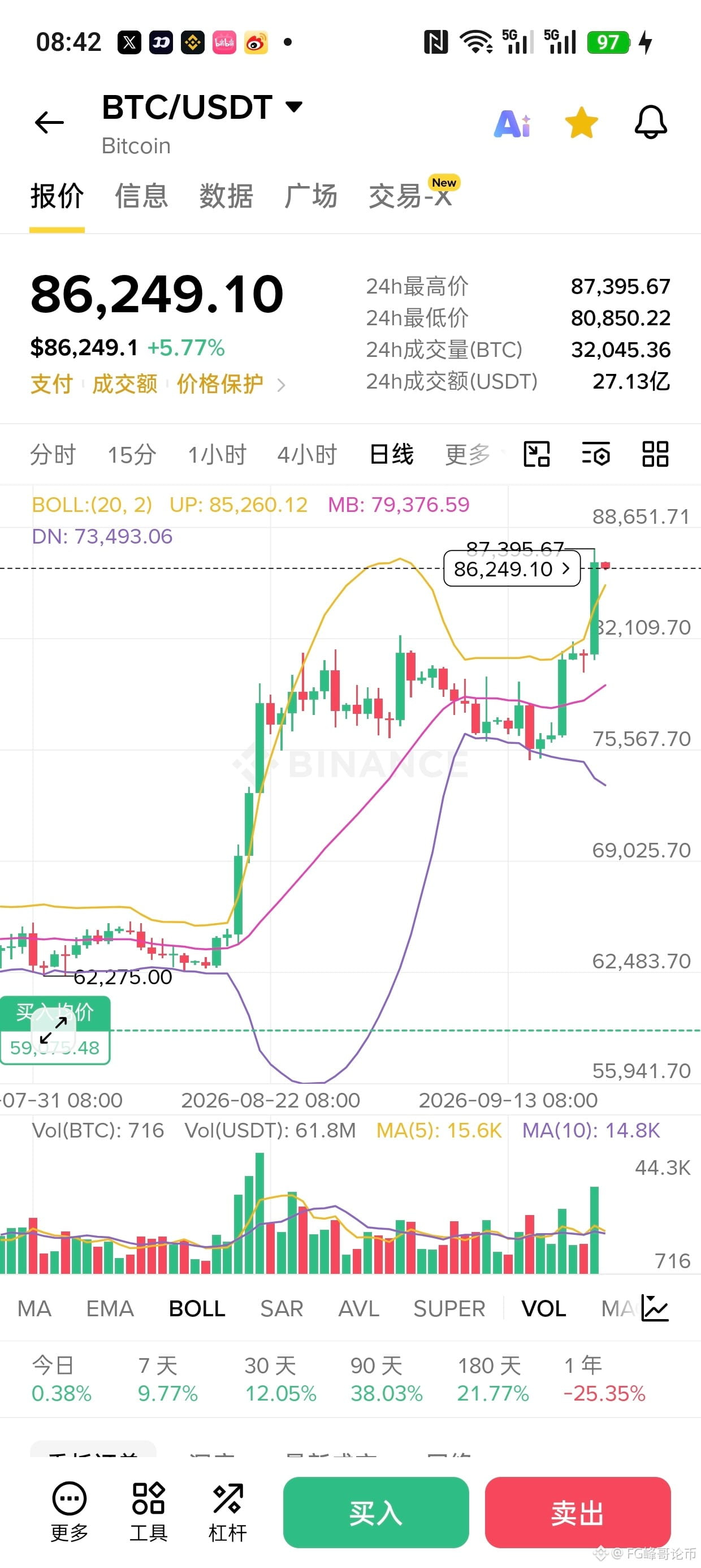
Those guys who didn’t build a position at $BTC —are you panicking? It doesn’t exist; it will come back. There will be a chance to get on board.
{spot}(BTCUSDT)
Those guys who didn’t build a position at $BTC —are you panicking? It doesn’t exist; it will come back. There will be a chance to get on board.
1
487
·
--
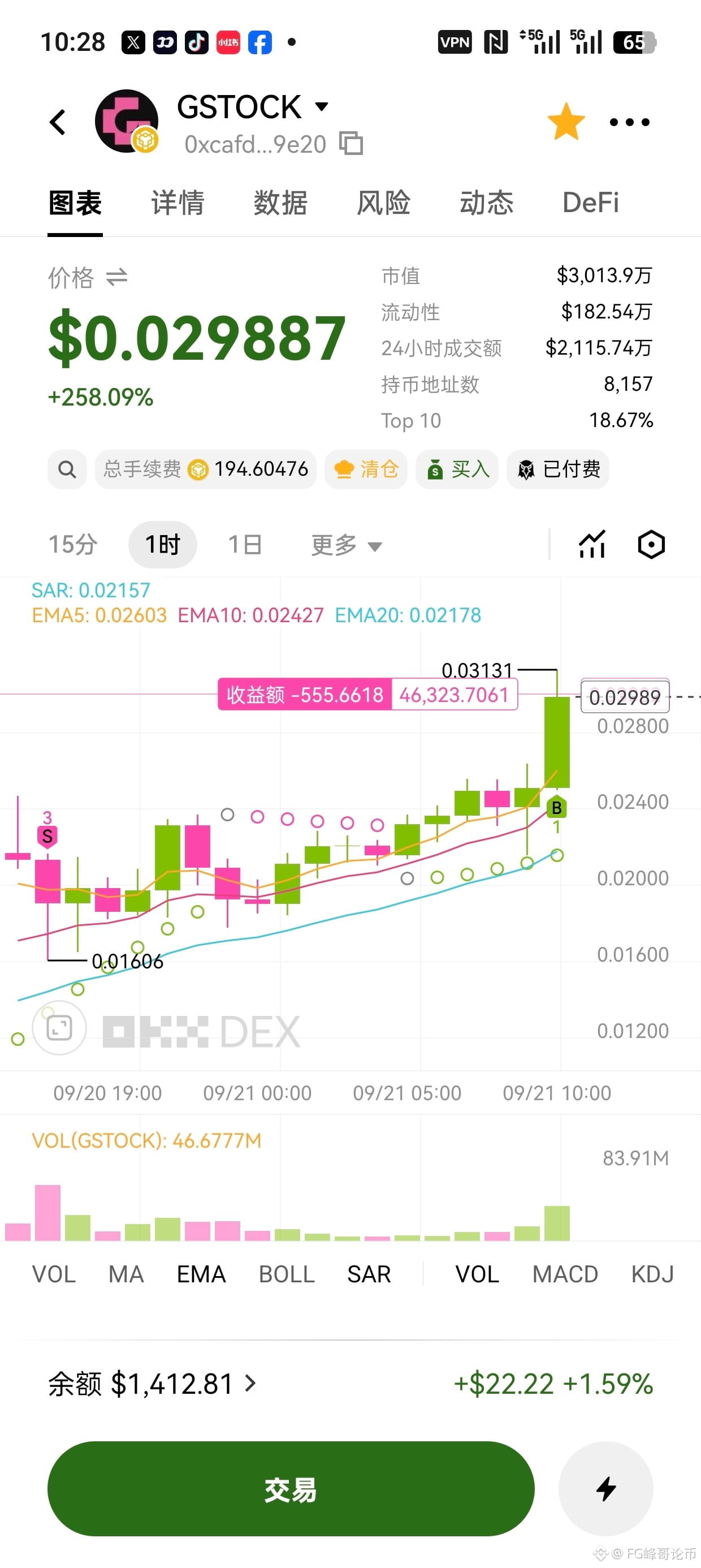
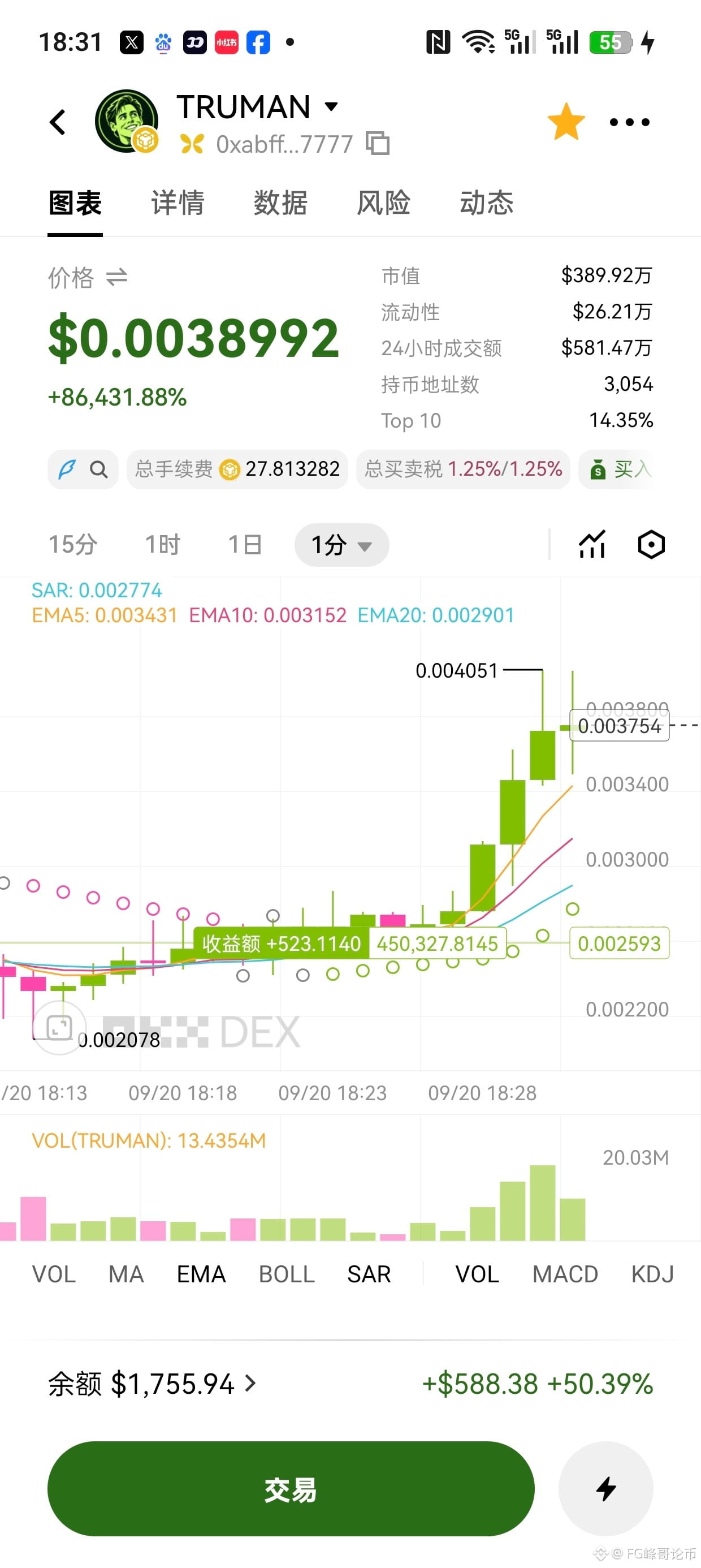
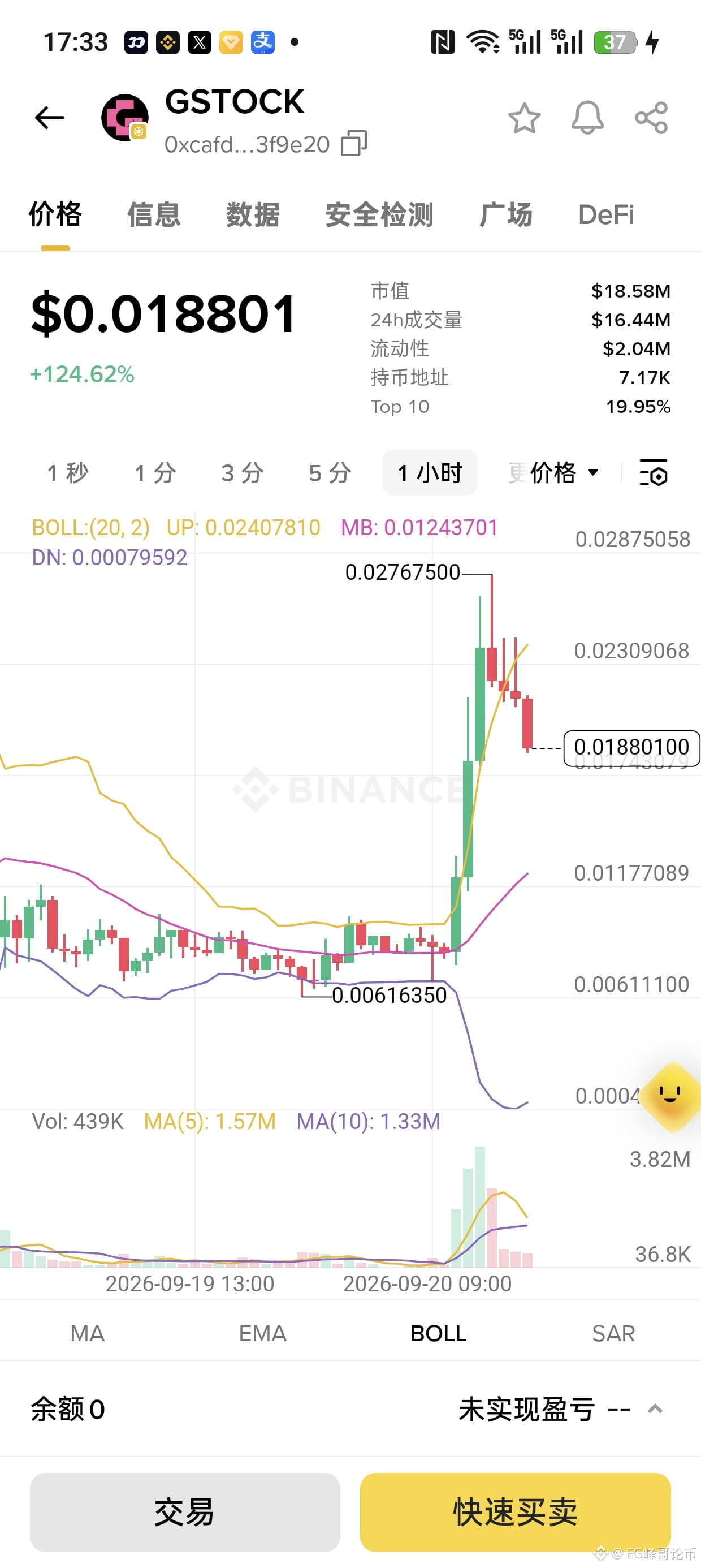
I got stabbed yesterday, and when I did, it started going up. Today I’m getting on the train again—I’ll see if I can slice it again. $GSTOCK
I got stabbed yesterday, and when I did, it started going up. Today I’m getting on the train again—I’ll see if I can slice it again. $GSTOCK
4
1.1k
·
--
September 21st, #ALPHA airdrop preview!
📅 Today’s airdrop
No preview for now.
Alpha Trading Competition 24-hour data:
1st place: DEBIT, current price 2.20, 24h volume 4.78M, down 2.94%, FDV about 220M. Today the limit order成交 was 2.63M; yesterday it was 137M—cutting it down to the ankle. Total成交 volume is 793M, with 4 days left.
2nd place: KII, price 0.0816, 24h volume 54.71M, basically no movement, down 0.9%, FDV 147M. Today the limit order成交 was 465K; yesterday it was 189M. Total成交 volume is 434M, with 5 days left.
3rd place: PIEVERSE, price 1.68, 24h volume 15.67M, down 1.9%, FDV 168M. Today the limit order成交 was 170K; yesterday it was 34.77M. Total成交 volume is 40.97M, with 2 days left.
4th place: CAP, price 0.0444, 24h volume 3.87M, down 6%, FDV 444M. Today the limit order成交 is only 1,818; yesterday it was 1.66M. Total成交 volume is 8.09M, with 4 days left.
5th place: CP, price 0.0133, 24h volume 2.13M, down 6.12%, FDV 66.3M. Today the limit order成交 is 541; yesterday it was 39K. Total成交 volume is 389K, with 2 days left.
Trading suggestions for today:
CNPY (16 days), DGAI (25 days), 300–500U per order. Watch closely to see which price holds steady, has less slippage, and which is suitable—then grind with that one. #ALPHA🔥
September 21st, #ALPHA airdrop preview!
📅 Today’s airdrop
No preview for now.
Alpha Trading Competition 24-hour data:
1st place: DEBIT, current price 2.20, 24h volume 4.78M, down 2.94%, FDV about 220M. Today the limit order成交 was 2.63M; yesterday it was 137M—cutting it down to the ankle. Total成交 volume is 793M, with 4 days left.
2nd place: KII, price 0.0816, 24h volume 54.71M, basically no movement, down 0.9%, FDV 147M. Today the limit order成交 was 465K; yesterday it was 189M. Total成交 volume is 434M, with 5 days left.
3rd place: PIEVERSE, price 1.68, 24h volume 15.67M, down 1.9%, FDV 168M. Today the limit order成交 was 170K; yesterday it was 34.77M. Total成交 volume is 40.97M, with 2 days left.
4th place: CAP, price 0.0444, 24h volume 3.87M, down 6%, FDV 444M. Today the limit order成交 is only 1,818; yesterday it was 1.66M. Total成交 volume is 8.09M, with 4 days left.
5th place: CP, price 0.0133, 24h volume 2.13M, down 6.12%, FDV 66.3M. Today the limit order成交 is 541; yesterday it was 39K. Total成交 volume is 389K, with 2 days left.
Trading suggestions for today:
CNPY (16 days), DGAI (25 days), 300–500U per order. Watch closely to see which price holds steady, has less slippage, and which is suitable—then grind with that one. #ALPHA🔥
📅 Today’s airdrop
No preview for now.
Alpha Trading Competition 24-hour data:
1st place: DEBIT, current price 2.20, 24h volume 4.78M, down 2.94%, FDV about 220M. Today the limit order成交 was 2.63M; yesterday it was 137M—cutting it down to the ankle. Total成交 volume is 793M, with 4 days left.
2nd place: KII, price 0.0816, 24h volume 54.71M, basically no movement, down 0.9%, FDV 147M. Today the limit order成交 was 465K; yesterday it was 189M. Total成交 volume is 434M, with 5 days left.
3rd place: PIEVERSE, price 1.68, 24h volume 15.67M, down 1.9%, FDV 168M. Today the limit order成交 was 170K; yesterday it was 34.77M. Total成交 volume is 40.97M, with 2 days left.
4th place: CAP, price 0.0444, 24h volume 3.87M, down 6%, FDV 444M. Today the limit order成交 is only 1,818; yesterday it was 1.66M. Total成交 volume is 8.09M, with 4 days left.
5th place: CP, price 0.0133, 24h volume 2.13M, down 6.12%, FDV 66.3M. Today the limit order成交 is 541; yesterday it was 39K. Total成交 volume is 389K, with 2 days left.
Trading suggestions for today:
CNPY (16 days), DGAI (25 days), 300–500U per order. Watch closely to see which price holds steady, has less slippage, and which is suitable—then grind with that one. #ALPHA🔥
4
3
1.3k

·
--
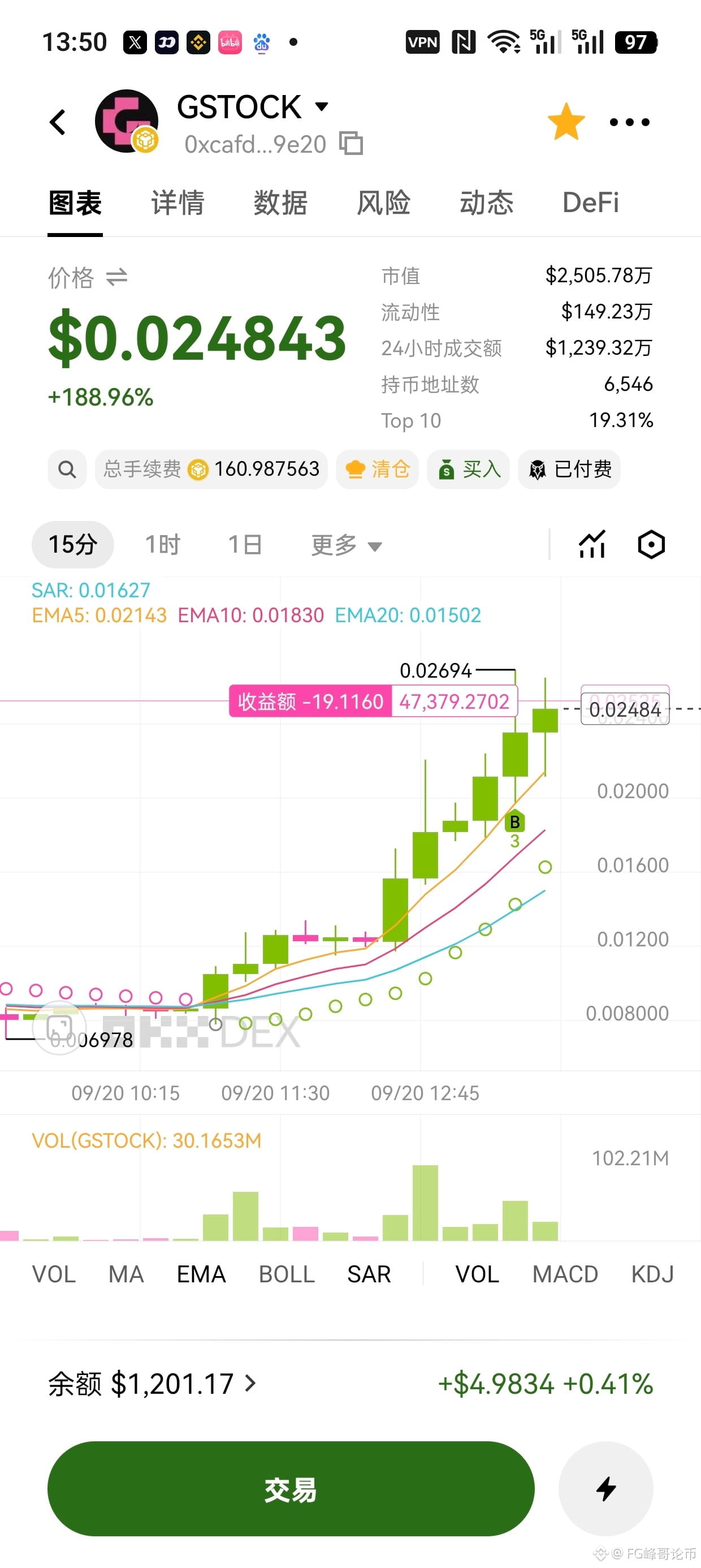
Guys, is this still being chased? The Bsc chain is all trading the concept of Bnc— is this the real true dragon?
Guys, is this still being chased? The Bsc chain is all trading the concept of Bnc— is this the real true dragon?
1
9
3.4k
·
--
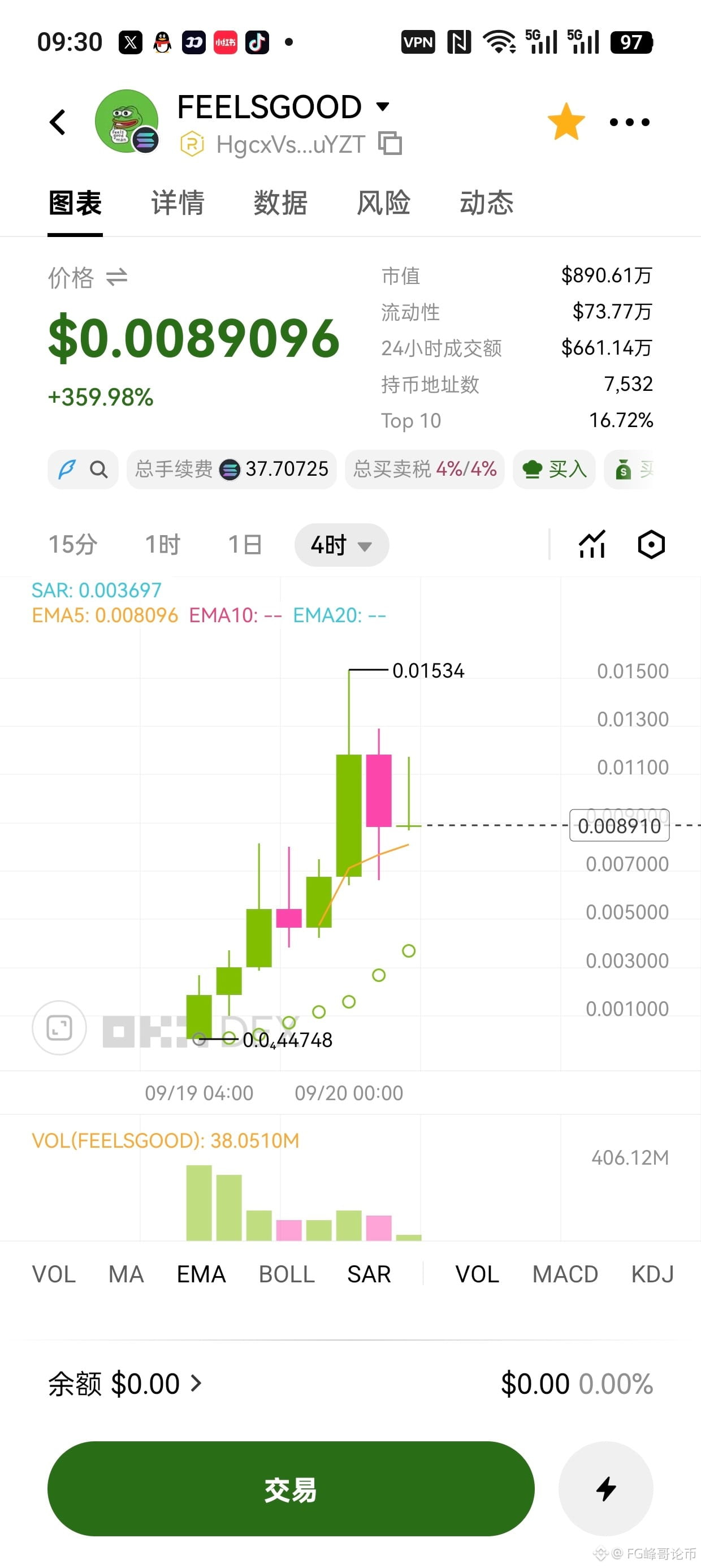
$FEELSGOOD Yesterday morning, with a market cap of over a million it didn’t make it, and now the market cap is approaching 10 million. If you hold the token, you’ll receive $PEPE as returns. It’s not too late to get in now.
$FEELSGOOD Yesterday morning, with a market cap of over a million it didn’t make it, and now the market cap is approaching 10 million. If you hold the token, you’ll receive $PEPE as returns. It’s not too late to get in now.
417
·
--
September 19, #ALPHA airdrop announcement!
📅 Today's Airdrop
Good morning. There probably won't be an airdrop today.
Alpha Trading Competition Data:
DEBIT: Current price 2.54, 24-hour trading volume 11.12M, down 5.32%, FDV 254M. Total competition volume so far is 443M, with 6 days remaining.
KII: 0.0817, trading volume 72.59M, slight increase of 0.84%, FDV 147M. Total competition volume is 41.21M, with 7 days remaining.
PIEVERSE: Perp market, current price 1.60, surged 30.39%, trading volume 19.13M, FDV 1.6B. Total competition volume is 3.9M, with 4 days remaining.
CAP: Also perp, 0.0555, mostly flat, slight drop of 0.13%, trading volume 1.53M, FDV 5.55B, total competition volume 310K.
CP: 0.0135, up 9.29%, trading volume 4.71M, FDV 67.75M. Total competition volume 309K, with 15 days left in the schedule.
Suggested Actions for Today:
CNPY: 18 days, 300–500U per order. #ALPHA🔥
September 19, #ALPHA airdrop announcement!
📅 Today's Airdrop
Good morning. There probably won't be an airdrop today.
Alpha Trading Competition Data:
DEBIT: Current price 2.54, 24-hour trading volume 11.12M, down 5.32%, FDV 254M. Total competition volume so far is 443M, with 6 days remaining.
KII: 0.0817, trading volume 72.59M, slight increase of 0.84%, FDV 147M. Total competition volume is 41.21M, with 7 days remaining.
PIEVERSE: Perp market, current price 1.60, surged 30.39%, trading volume 19.13M, FDV 1.6B. Total competition volume is 3.9M, with 4 days remaining.
CAP: Also perp, 0.0555, mostly flat, slight drop of 0.13%, trading volume 1.53M, FDV 5.55B, total competition volume 310K.
CP: 0.0135, up 9.29%, trading volume 4.71M, FDV 67.75M. Total competition volume 309K, with 15 days left in the schedule.
Suggested Actions for Today:
CNPY: 18 days, 300–500U per order. #ALPHA🔥
📅 Today's Airdrop
Good morning. There probably won't be an airdrop today.
Alpha Trading Competition Data:
DEBIT: Current price 2.54, 24-hour trading volume 11.12M, down 5.32%, FDV 254M. Total competition volume so far is 443M, with 6 days remaining.
KII: 0.0817, trading volume 72.59M, slight increase of 0.84%, FDV 147M. Total competition volume is 41.21M, with 7 days remaining.
PIEVERSE: Perp market, current price 1.60, surged 30.39%, trading volume 19.13M, FDV 1.6B. Total competition volume is 3.9M, with 4 days remaining.
CAP: Also perp, 0.0555, mostly flat, slight drop of 0.13%, trading volume 1.53M, FDV 5.55B, total competition volume 310K.
CP: 0.0135, up 9.29%, trading volume 4.71M, FDV 67.75M. Total competition volume 309K, with 15 days left in the schedule.
Suggested Actions for Today:
CNPY: 18 days, 300–500U per order. #ALPHA🔥
1
7
2k
·
--
September 18th, #ALPHA Airdrop Announcement!
📅 Today’s Airdrop
There’s no announcement for now. This week’s two spots have already been arranged, so chances are it’s already over today.
Alpha Trading Competition Data:
DEBIT: Current price 2.67, 24h trading volume 20.21 million, up 3.44%, FDV 267 million. Competition schedule: Sep 10 21:00 to Sep 17 21:00. It has concluded. Total trading volume: 2.55 billion, reward: 29 DEBIT worth about 77U.
XPIN: Current price 0.000837, 24h trading volume just over 240,000, up 4.47%, FDV 83.69 million. Today’s limit order: 38,000. Yesterday was 20.42 million. Total trading volume: 325 million. With 13 hours left, 55,556 XPIN is about 46U.
CAP: Current price 0.0557, 24h trading volume 2.44 million, down 7.9%, FDV 557 million. Today’s limit order is only 13,000; yesterday was 307,000. Total trading volume is just 109,000. The competition started at 21:00 last night and ends in 7 days, reward: 50 USDC.
PIEVERSE: Current price 1.22, 24h trading volume 6.62 million, slight increase of 1.38%, FDV 1.22 billion. Today’s limit order: 6,185; yesterday: 1.21 million. Total trading volume: 1.9 million. 5 days left, 44 coins are about 54U.
CP: 24h trading volume 27.56 million, current price 0.0124, up 0.73%, FDV 61.85 million. Today’s limit order: 1,212; yesterday: 140,000. Total trading volume: 240,000. The project period has 16 days remaining; the trading competition has 5 days left. 2,000 CP is about 25U.
Today’s Trading Suggestions:
CNPY: 19 days left, 300–500U per order. #ALPHA🔥
September 18th, #ALPHA Airdrop Announcement!
📅 Today’s Airdrop
There’s no announcement for now. This week’s two spots have already been arranged, so chances are it’s already over today.
Alpha Trading Competition Data:
DEBIT: Current price 2.67, 24h trading volume 20.21 million, up 3.44%, FDV 267 million. Competition schedule: Sep 10 21:00 to Sep 17 21:00. It has concluded. Total trading volume: 2.55 billion, reward: 29 DEBIT worth about 77U.
XPIN: Current price 0.000837, 24h trading volume just over 240,000, up 4.47%, FDV 83.69 million. Today’s limit order: 38,000. Yesterday was 20.42 million. Total trading volume: 325 million. With 13 hours left, 55,556 XPIN is about 46U.
CAP: Current price 0.0557, 24h trading volume 2.44 million, down 7.9%, FDV 557 million. Today’s limit order is only 13,000; yesterday was 307,000. Total trading volume is just 109,000. The competition started at 21:00 last night and ends in 7 days, reward: 50 USDC.
PIEVERSE: Current price 1.22, 24h trading volume 6.62 million, slight increase of 1.38%, FDV 1.22 billion. Today’s limit order: 6,185; yesterday: 1.21 million. Total trading volume: 1.9 million. 5 days left, 44 coins are about 54U.
CP: 24h trading volume 27.56 million, current price 0.0124, up 0.73%, FDV 61.85 million. Today’s limit order: 1,212; yesterday: 140,000. Total trading volume: 240,000. The project period has 16 days remaining; the trading competition has 5 days left. 2,000 CP is about 25U.
Today’s Trading Suggestions:
CNPY: 19 days left, 300–500U per order. #ALPHA🔥
📅 Today’s Airdrop
There’s no announcement for now. This week’s two spots have already been arranged, so chances are it’s already over today.
Alpha Trading Competition Data:
DEBIT: Current price 2.67, 24h trading volume 20.21 million, up 3.44%, FDV 267 million. Competition schedule: Sep 10 21:00 to Sep 17 21:00. It has concluded. Total trading volume: 2.55 billion, reward: 29 DEBIT worth about 77U.
XPIN: Current price 0.000837, 24h trading volume just over 240,000, up 4.47%, FDV 83.69 million. Today’s limit order: 38,000. Yesterday was 20.42 million. Total trading volume: 325 million. With 13 hours left, 55,556 XPIN is about 46U.
CAP: Current price 0.0557, 24h trading volume 2.44 million, down 7.9%, FDV 557 million. Today’s limit order is only 13,000; yesterday was 307,000. Total trading volume is just 109,000. The competition started at 21:00 last night and ends in 7 days, reward: 50 USDC.
PIEVERSE: Current price 1.22, 24h trading volume 6.62 million, slight increase of 1.38%, FDV 1.22 billion. Today’s limit order: 6,185; yesterday: 1.21 million. Total trading volume: 1.9 million. 5 days left, 44 coins are about 54U.
CP: 24h trading volume 27.56 million, current price 0.0124, up 0.73%, FDV 61.85 million. Today’s limit order: 1,212; yesterday: 140,000. Total trading volume: 240,000. The project period has 16 days remaining; the trading competition has 5 days left. 2,000 CP is about 25U.
Today’s Trading Suggestions:
CNPY: 19 days left, 300–500U per order. #ALPHA🔥
2
5
1k
·
--
September 17th, #ALPHA Airdrop Announcement!
📅 Today’s Airdrop
Tonight at 21:00, an airdrop for APM (apM Fashion). The project itself is aimed at the Korea Dongdaemun fashion wholesale scene + AI / ZK / RWA directions. It offers blockchain loyalty rewards plus pay, targeting the wholesale side. Funding: 5 million. Blind guess: around 240 points.
Alpha Trading Contest Data:
DEBIT: Current price 2.58, 24H trading volume 19.17M, up 13.22%. FDV 258M. Total trading volume 2.4B. 13 hours left in the contest; the project itself has 8 days remaining.
PIEVERSE: 1.21. 24H trading volume 2.94M, up 7.25%. FDV 1.21B. Total trading volume 689K. 6 days left in the trading contest.
XPIN: 0.000801. 24H volume just over 370K, down 5.36%. FDV 80.1M. Total trading volume 304M. 2 days left in the contest.
CP: 0.0122. 24H trading volume 4.01M, slight dip of 0.57%. FDV 61.2M. Total trading volume a little over 100K. 17 days left for the project; 6 days left in the trading contest.
Suggested Actions for Today:
DEBIT (8 days left), CNPY (20 days left), 300–500U per order. #ALPHA🔥
September 17th, #ALPHA Airdrop Announcement!
📅 Today’s Airdrop
Tonight at 21:00, an airdrop for APM (apM Fashion). The project itself is aimed at the Korea Dongdaemun fashion wholesale scene + AI / ZK / RWA directions. It offers blockchain loyalty rewards plus pay, targeting the wholesale side. Funding: 5 million. Blind guess: around 240 points.
Alpha Trading Contest Data:
DEBIT: Current price 2.58, 24H trading volume 19.17M, up 13.22%. FDV 258M. Total trading volume 2.4B. 13 hours left in the contest; the project itself has 8 days remaining.
PIEVERSE: 1.21. 24H trading volume 2.94M, up 7.25%. FDV 1.21B. Total trading volume 689K. 6 days left in the trading contest.
XPIN: 0.000801. 24H volume just over 370K, down 5.36%. FDV 80.1M. Total trading volume 304M. 2 days left in the contest.
CP: 0.0122. 24H trading volume 4.01M, slight dip of 0.57%. FDV 61.2M. Total trading volume a little over 100K. 17 days left for the project; 6 days left in the trading contest.
Suggested Actions for Today:
DEBIT (8 days left), CNPY (20 days left), 300–500U per order. #ALPHA🔥
📅 Today’s Airdrop
Tonight at 21:00, an airdrop for APM (apM Fashion). The project itself is aimed at the Korea Dongdaemun fashion wholesale scene + AI / ZK / RWA directions. It offers blockchain loyalty rewards plus pay, targeting the wholesale side. Funding: 5 million. Blind guess: around 240 points.
Alpha Trading Contest Data:
DEBIT: Current price 2.58, 24H trading volume 19.17M, up 13.22%. FDV 258M. Total trading volume 2.4B. 13 hours left in the contest; the project itself has 8 days remaining.
PIEVERSE: 1.21. 24H trading volume 2.94M, up 7.25%. FDV 1.21B. Total trading volume 689K. 6 days left in the trading contest.
XPIN: 0.000801. 24H volume just over 370K, down 5.36%. FDV 80.1M. Total trading volume 304M. 2 days left in the contest.
CP: 0.0122. 24H trading volume 4.01M, slight dip of 0.57%. FDV 61.2M. Total trading volume a little over 100K. 17 days left for the project; 6 days left in the trading contest.
Suggested Actions for Today:
DEBIT (8 days left), CNPY (20 days left), 300–500U per order. #ALPHA🔥
3
2.4k
Log in to explore more content
Join global crypto users on Binance Square
⚡️ Get latest and useful information about crypto.
💬 Trusted by the world’s largest crypto exchange.
👍 Discover real insights from verified creators.
Email / Phone number
Trending Topics
SECProposesCryptoCustodyRules
1,954 views
67 Discussing
#secproposescryptocustodyrules
The SEC is finally chilling out! 🧘♂️ Under Chairman Paul Atkins, they just dropped a new proposal under "Project Crypto" allowing asset managers and investment advisers to self-custody or use state-chartered trusts instead of forcing everyone into traditional banks.
Does it protect traders?
Heck yes! It keeps institutional capital secure without traditional banking chokeholds, meaning way more market liquidity. For everyday traders, it brings safety without killing innovation. Gary Gensler is probably crying somewhere. 😢
What should traders do?
Relax and stay positioned. This institutional green light is structurally bullish for crypto infrastructure. Accumulate your favorite assets safely!
Not financial advice! Use code VINHTOCDO or link to register: https://www.binance.com/register?ref=VINHTOCDO
Click trading below to support me! 👇
$BTC
$ETH
$BNB
#CryptoRegulation #SECProjectCrypto #CryptoCustody #DeFi #VINHTOCDO #SEC
Vinhtocdo
·3 Likes
·320 views
SECApproves3xLongCryptoCommodityETPs
3,374 views
108 Discussing
G7PlansToReleaseUpTo100MBarrelsOilDiesel
3,441 views
153 Discussing