
闪迪分析师策源
883 Posts

闪迪分析师策源
公众号:大圣BTC,币安跟单聊天室id:sol3888 . 跟单请进策源的聊天室 多次带粉小资金做到A9 每天内部分享
热门 主流大趋势 一级土狗打新
1 Following
1.1K+ Followers
97 Liked
Posts
All
Quotes
PINNED
$XAU 148The logic behind profits, all because we understood Wosh's “hawk’s claw.”
Basis for shorting: The direct reason was that Fed Chair Wosh delivered a more “hawkish” speech at the Jackson Hole global central bank annual meeting, significantly boosting market expectations for future Fed rate hikes.
Gold formed a death-cross resonance around 4615, so we decisively followed with a short position. Market sentiment became extreme ahead of the interest rate decision, and around 4466 was exactly the strong Fibonacci 0.618 support level, so we chose to exit the trade, locking in a 148-point profit.
No direction? Join the chat room
#沃什称通胀是美联储首要关注 #加州通过法案拟禁官员发行Meme币
Basis for shorting: The direct reason was that Fed Chair Wosh delivered a more “hawkish” speech at the Jackson Hole global central bank annual meeting, significantly boosting market expectations for future Fed rate hikes.
Gold formed a death-cross resonance around 4615, so we decisively followed with a short position. Market sentiment became extreme ahead of the interest rate decision, and around 4466 was exactly the strong Fibonacci 0.618 support level, so we chose to exit the trade, locking in a 148-point profit.
No direction? Join the chat room
#沃什称通胀是美联储首要关注 #加州通过法案拟禁官员发行Meme币

$ETH Suddenly 20,000 more coins appeared—wasn’t it supposed to be “deflation” turning into “inflation”?
Honestly, a lot of people haven’t even reacted yet. Why are they minting more? Because nobody’s playing on-chain anymore. Gas fees are down to rock bottom, and the burn rate can’t keep up with the rate of money printing.
It’s like you go mine for coins, but your electricity bill ends up costing more than what you produce. Who’s panicking the most right now? Those who heavily bet on “deflation”—their convictions are starting to loosen.
But the market is just like this—against human nature. Bad news that’s already cleared is often an opportunity. The more everyone panics, the more you shouldn’t easily hand over the chips in your hand.
Remember: at this moment, it’s not about who runs fastest—it’s about who still has bullets.
No direction? Enter the chat room
#沃什称通胀是美联储首要关注 #SOL本周上涨20%
Honestly, a lot of people haven’t even reacted yet. Why are they minting more? Because nobody’s playing on-chain anymore. Gas fees are down to rock bottom, and the burn rate can’t keep up with the rate of money printing.
It’s like you go mine for coins, but your electricity bill ends up costing more than what you produce. Who’s panicking the most right now? Those who heavily bet on “deflation”—their convictions are starting to loosen.
But the market is just like this—against human nature. Bad news that’s already cleared is often an opportunity. The more everyone panics, the more you shouldn’t easily hand over the chips in your hand.
Remember: at this moment, it’s not about who runs fastest—it’s about who still has bullets.
No direction? Enter the chat room
#沃什称通胀是美联储首要关注 #SOL本周上涨20%

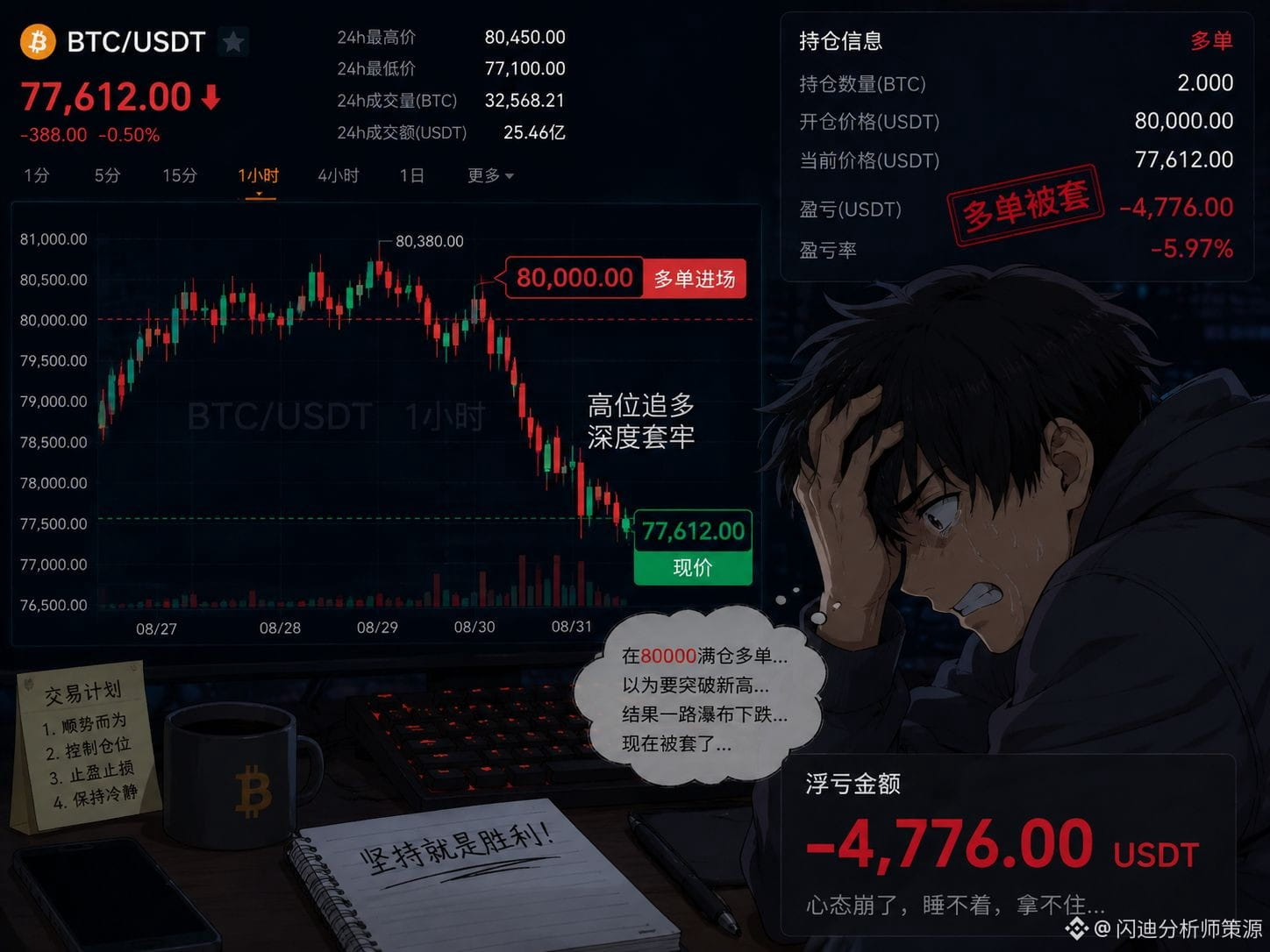
$BTC 8 ten-thousand followers chasing a rally and getting trapped—do they still have a chance to get out alive?
For the brothers who chased long positions for 80,000, I know you’re a bit panicked right now.
Last night, a single remark from the U.S. Federal Reserve sent the market straight down from 81,000 to 77,500. Your long position at 80,000 is definitely awkward—cut it and it hurts; hold it and you’re afraid it will keep dropping.
But don’t rush to close your position yet. Let me give you a few data points and you judge for yourself:
First, smart money hasn’t exited. The average long entry price is 77,500. They’re still in profit right now and they haven’t sold into the drop. What got liquidated were the shorts chased at 76,000—over ten million USD is gone just like that.
Second, the 77,500 level is where earlier liquidity was stacked—not something made of paper. Once it gets here, it clearly can’t fall further easily.
If you cut now, you’ll most likely cut near the bottom. After the emotions have digested, the market will likely pull back toward around 80,000 and give you a chance to get out. Then it’s better to exit at breakeven or with a small loss rather than making a reckless decision out of panic.
I know you’re thinking about holding a bit longer, getting back to even, and even trying to make a little profit—totally normal. Traders who play with contracts all think that way. But the most stable approach right now is to control your hands and don’t let panic make the decision for you.
The hole dug by news shocks gets filled the fastest by emotions. Don’t scare yourself.
No way to get out of the trap? Join the chat room
#沃什称通胀是美联储首要关注 #纽约白银期货跌3%
For the brothers who chased long positions for 80,000, I know you’re a bit panicked right now.
Last night, a single remark from the U.S. Federal Reserve sent the market straight down from 81,000 to 77,500. Your long position at 80,000 is definitely awkward—cut it and it hurts; hold it and you’re afraid it will keep dropping.
But don’t rush to close your position yet. Let me give you a few data points and you judge for yourself:
First, smart money hasn’t exited. The average long entry price is 77,500. They’re still in profit right now and they haven’t sold into the drop. What got liquidated were the shorts chased at 76,000—over ten million USD is gone just like that.
Second, the 77,500 level is where earlier liquidity was stacked—not something made of paper. Once it gets here, it clearly can’t fall further easily.
If you cut now, you’ll most likely cut near the bottom. After the emotions have digested, the market will likely pull back toward around 80,000 and give you a chance to get out. Then it’s better to exit at breakeven or with a small loss rather than making a reckless decision out of panic.
I know you’re thinking about holding a bit longer, getting back to even, and even trying to make a little profit—totally normal. Traders who play with contracts all think that way. But the most stable approach right now is to control your hands and don’t let panic make the decision for you.
The hole dug by news shocks gets filled the fastest by emotions. Don’t scare yourself.
No way to get out of the trap? Join the chat room
#沃什称通胀是美联储首要关注 #纽约白银期货跌3%
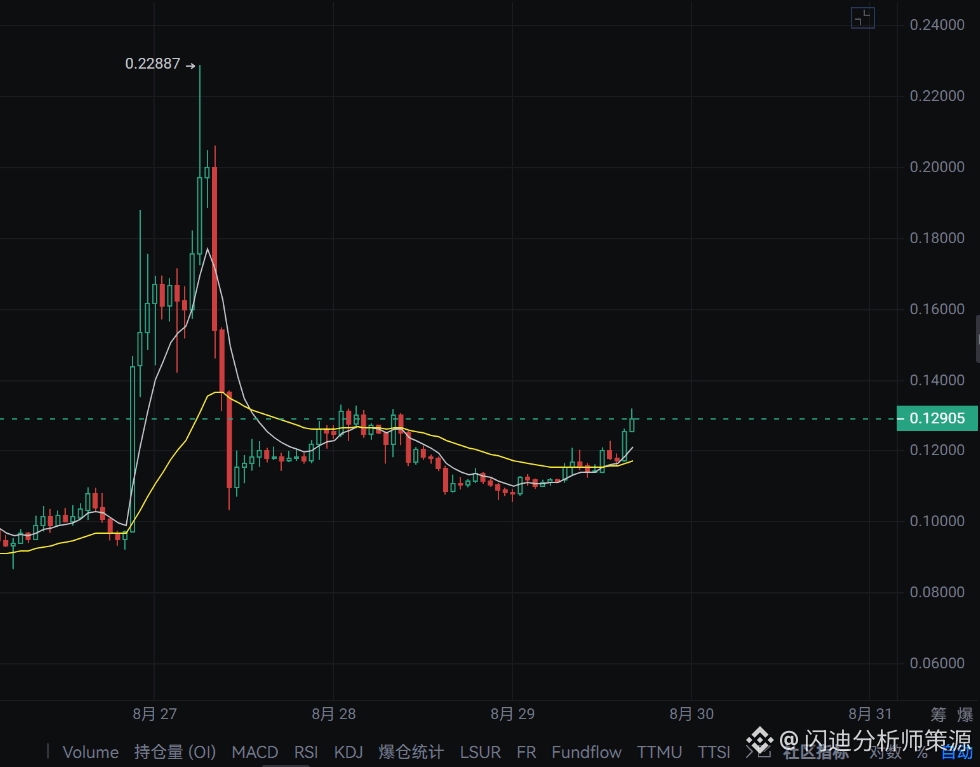
$ONG 连续多天站稳0.1上方,是否是下一个妖币$AKE ?
说实话,看着盘面挺诱人,但心里真没底。
我翻了下数据,发现一个很扎眼的问题——钱在跑。别看短时小单在买,那点量根本撑不起行情。真正的大钱,1天跑了122万,7天跑了386万,30天更是跑了928万。这数字摆在这,不是闹着玩的。更像是趁着还有人接盘,慢慢在撤。
再看K线,0.22跌到0.13那根大阴线太扎心了。上方全是套牢盘,想拉上去?得拿真金白银去解那帮人的套。谁愿意当这个活雷锋?
现在最怕的就是,看着反弹冲进去,结果成了最后的买单人。这种小币种,涨起来猛,跌起来更不讲道理。
真要玩,也得等它回到0.11附近,看看撑不撑得住,到时候再说。现在冲,纯属赌命。
操作建议:现价0.13做空,目标:0.11
没有方向?进聊天室内,我会分享具体点位
#提词员付17万美元和解内幕交易案 #提词员付17万美元和解内幕交易案
说实话,看着盘面挺诱人,但心里真没底。
我翻了下数据,发现一个很扎眼的问题——钱在跑。别看短时小单在买,那点量根本撑不起行情。真正的大钱,1天跑了122万,7天跑了386万,30天更是跑了928万。这数字摆在这,不是闹着玩的。更像是趁着还有人接盘,慢慢在撤。
再看K线,0.22跌到0.13那根大阴线太扎心了。上方全是套牢盘,想拉上去?得拿真金白银去解那帮人的套。谁愿意当这个活雷锋?
现在最怕的就是,看着反弹冲进去,结果成了最后的买单人。这种小币种,涨起来猛,跌起来更不讲道理。
真要玩,也得等它回到0.11附近,看看撑不撑得住,到时候再说。现在冲,纯属赌命。
操作建议:现价0.13做空,目标:0.11
没有方向?进聊天室内,我会分享具体点位
#提词员付17万美元和解内幕交易案 #提词员付17万美元和解内幕交易案

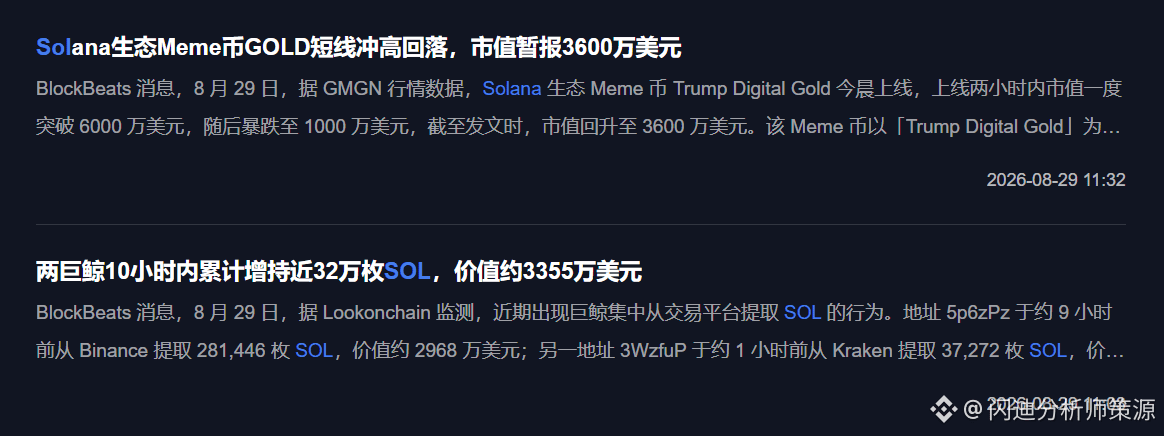
🔥 $SOL This wave—giant whales are picking up bargains. What are you afraid of?
I’ll be blunt: in the past 10 hours, two big players withdrew 320,000 SOL from exchanges, worth over $33 million. This isn’t small money—it’s a blatant “bottom-picking” signal.
What’s interesting, though, is that retail traders are bearish, yet funds are still flowing out. Isn’t this exactly the classic “whales are eating while retail gets cut”? This kind of drama has played out in the crypto market countless times.
Look at the K-line: SOL is now at $103, and it’s retracing right back to the vicinity of the prior low. On the hourly timeframe it’s already oversold—so even a rebound of 5%-8% wouldn’t be unreasonable. The last time this combination of “giant whale accumulation + retail panic selling” showed up, it surged 12% the very next day.
Trading advice:
Long: Aggressively take a small long position around 103. If it breaks below 100, exit. Target: 108.
Short: Wait for a rebound to around 108. If it can’t push higher, then short there. Take profit can be set at your discretion; stop loss at 110.6.
Remember: a positive funding rate means the longs are too crowded. Before the breakout push, it’s highly likely there will be a shakeout. Don’t get emotional—set your stop losses and don’t die before dawn.
No direction? Join the chat
#SOL本周上涨20% #沃什称通胀是美联储首要关注
I’ll be blunt: in the past 10 hours, two big players withdrew 320,000 SOL from exchanges, worth over $33 million. This isn’t small money—it’s a blatant “bottom-picking” signal.
What’s interesting, though, is that retail traders are bearish, yet funds are still flowing out. Isn’t this exactly the classic “whales are eating while retail gets cut”? This kind of drama has played out in the crypto market countless times.
Look at the K-line: SOL is now at $103, and it’s retracing right back to the vicinity of the prior low. On the hourly timeframe it’s already oversold—so even a rebound of 5%-8% wouldn’t be unreasonable. The last time this combination of “giant whale accumulation + retail panic selling” showed up, it surged 12% the very next day.
Trading advice:
Long: Aggressively take a small long position around 103. If it breaks below 100, exit. Target: 108.
Short: Wait for a rebound to around 108. If it can’t push higher, then short there. Take profit can be set at your discretion; stop loss at 110.6.
Remember: a positive funding rate means the longs are too crowded. Before the breakout push, it’s highly likely there will be a shakeout. Don’t get emotional—set your stop losses and don’t die before dawn.
No direction? Join the chat
#SOL本周上涨20% #沃什称通胀是美联储首要关注

$ETH Great whale 2440 wildly buys the dip, but retail traders are crying and cutting losses—this time, which side are you on?
I just watched the chart: on the 1-hour timeframe, at the 2440 level for ETH there’s clearly “someone” taking bids. The candlesticks show a low-volume rebound; the MACD has a weak bullish crossover, and the RSI is only 43—this is a typical “breather” in a bearish market.
The funding data looks very real: small outflows on the 1-hour, but on the 4-hour there was a loss of 150 million. What does this volume-price divergence suggest? It suggests that chasing longs right now is most likely handing over your head.
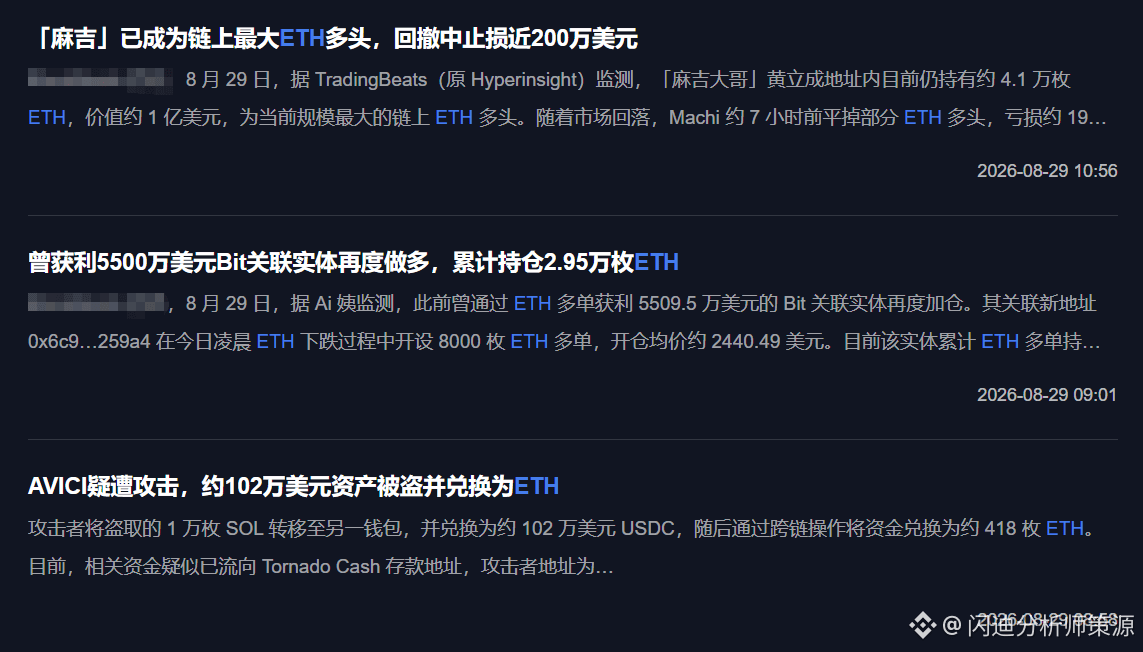
But what’s interesting is that the smart money is splitting. Big Bro Maji cut and ran at a loss of 1.9 million USD. Yet Bit Entity, who last year made 55 million USD from ETH long positions, quietly added 8,000 more coins at 2440—the average price is painfully precise.
My take: this is the “traders’ paradise,” not a steady bottom. If it breaks below 2420, panic selling could directly slam it to 2380; but as long as 2440 holds, the probability of a rebound back to 2560 is very high.
Trading suggestions:
Longs: 2445–2455 light position to try longs; stop loss at 2420; targets 2520–2560.
Shorts: 2560–2570 short; stop loss at 2590; target 2450—if it breaks through, hold for 2380.
No direction? Join the chat room
#SOL本周上涨20% #加州通过法案拟禁官员发行Meme币
I just watched the chart: on the 1-hour timeframe, at the 2440 level for ETH there’s clearly “someone” taking bids. The candlesticks show a low-volume rebound; the MACD has a weak bullish crossover, and the RSI is only 43—this is a typical “breather” in a bearish market.
The funding data looks very real: small outflows on the 1-hour, but on the 4-hour there was a loss of 150 million. What does this volume-price divergence suggest? It suggests that chasing longs right now is most likely handing over your head.
But what’s interesting is that the smart money is splitting. Big Bro Maji cut and ran at a loss of 1.9 million USD. Yet Bit Entity, who last year made 55 million USD from ETH long positions, quietly added 8,000 more coins at 2440—the average price is painfully precise.
My take: this is the “traders’ paradise,” not a steady bottom. If it breaks below 2420, panic selling could directly slam it to 2380; but as long as 2440 holds, the probability of a rebound back to 2560 is very high.
Trading suggestions:
Longs: 2445–2455 light position to try longs; stop loss at 2420; targets 2520–2560.
Shorts: 2560–2570 short; stop loss at 2590; target 2450—if it breaks through, hold for 2380.
No direction? Join the chat room
#SOL本周上涨20% #加州通过法案拟禁官员发行Meme币

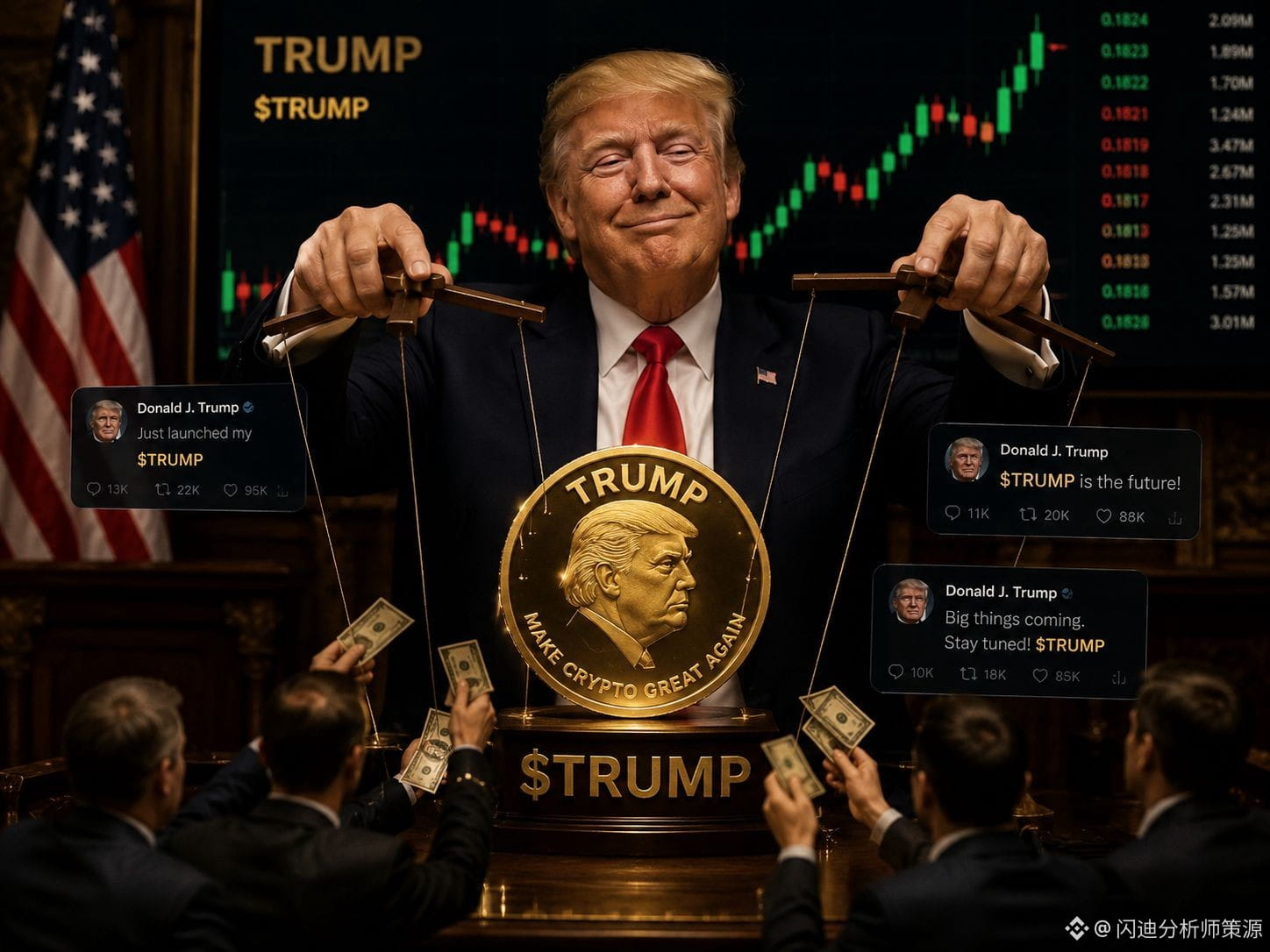
$TRUMP The market has been completely “PUA’d” by him.
When it’s up, it’s because he throws you a sweet; when it’s down, it’s because he slaps you. But every player knows it’s a “casino,” yet nobody is willing to get off the table—because everyone thinks they can time the moves.
First, everyone is watching his mouth.
He’s a typical “policy-driven market” now—today he threatens new taxes, tomorrow he might postpone them. In this roller-coaster行情, up and down have nothing to do with fundamentals; it all comes down to the White House’s Twitter. Everyone knows that as soon as he loosens his grip, it’s a chance to pick up easy money.
Second, greed overwhelms fear.
Even if they know he has an “information advantage,” like consistently making perfect bottom-picks before every bad-news drop lands, retail investors’ greed always keeps creeping in: “If he can profit, why can’t I?” So whenever it dips a bit, someone wants to buy the bottom—this “bet it all” mindset keeps it from falling further. But once any soothing news comes out, people swarm to chase the rally, causing an instant surge.
In plain terms, it’s just an assembly line: hype up, pump the price, dump the goods, and wipe it to zero. Each round is the same. The ones who get caught are always the next batch of people gambling with red eyes; they’re trading bets on Trump’s personality. The more violent the swings, the more excited the gamblers—because nobody wants to miss the next wave of instant riches.
If you’re interested, you can chat in the group chat
#SOL本周上涨20% #加州通过法案拟禁官员发行Meme币
When it’s up, it’s because he throws you a sweet; when it’s down, it’s because he slaps you. But every player knows it’s a “casino,” yet nobody is willing to get off the table—because everyone thinks they can time the moves.
First, everyone is watching his mouth.
He’s a typical “policy-driven market” now—today he threatens new taxes, tomorrow he might postpone them. In this roller-coaster行情, up and down have nothing to do with fundamentals; it all comes down to the White House’s Twitter. Everyone knows that as soon as he loosens his grip, it’s a chance to pick up easy money.
Second, greed overwhelms fear.
Even if they know he has an “information advantage,” like consistently making perfect bottom-picks before every bad-news drop lands, retail investors’ greed always keeps creeping in: “If he can profit, why can’t I?” So whenever it dips a bit, someone wants to buy the bottom—this “bet it all” mindset keeps it from falling further. But once any soothing news comes out, people swarm to chase the rally, causing an instant surge.
In plain terms, it’s just an assembly line: hype up, pump the price, dump the goods, and wipe it to zero. Each round is the same. The ones who get caught are always the next batch of people gambling with red eyes; they’re trading bets on Trump’s personality. The more violent the swings, the more excited the gamblers—because nobody wants to miss the next wave of instant riches.
If you’re interested, you can chat in the group chat
#SOL本周上涨20% #加州通过法案拟禁官员发行Meme币
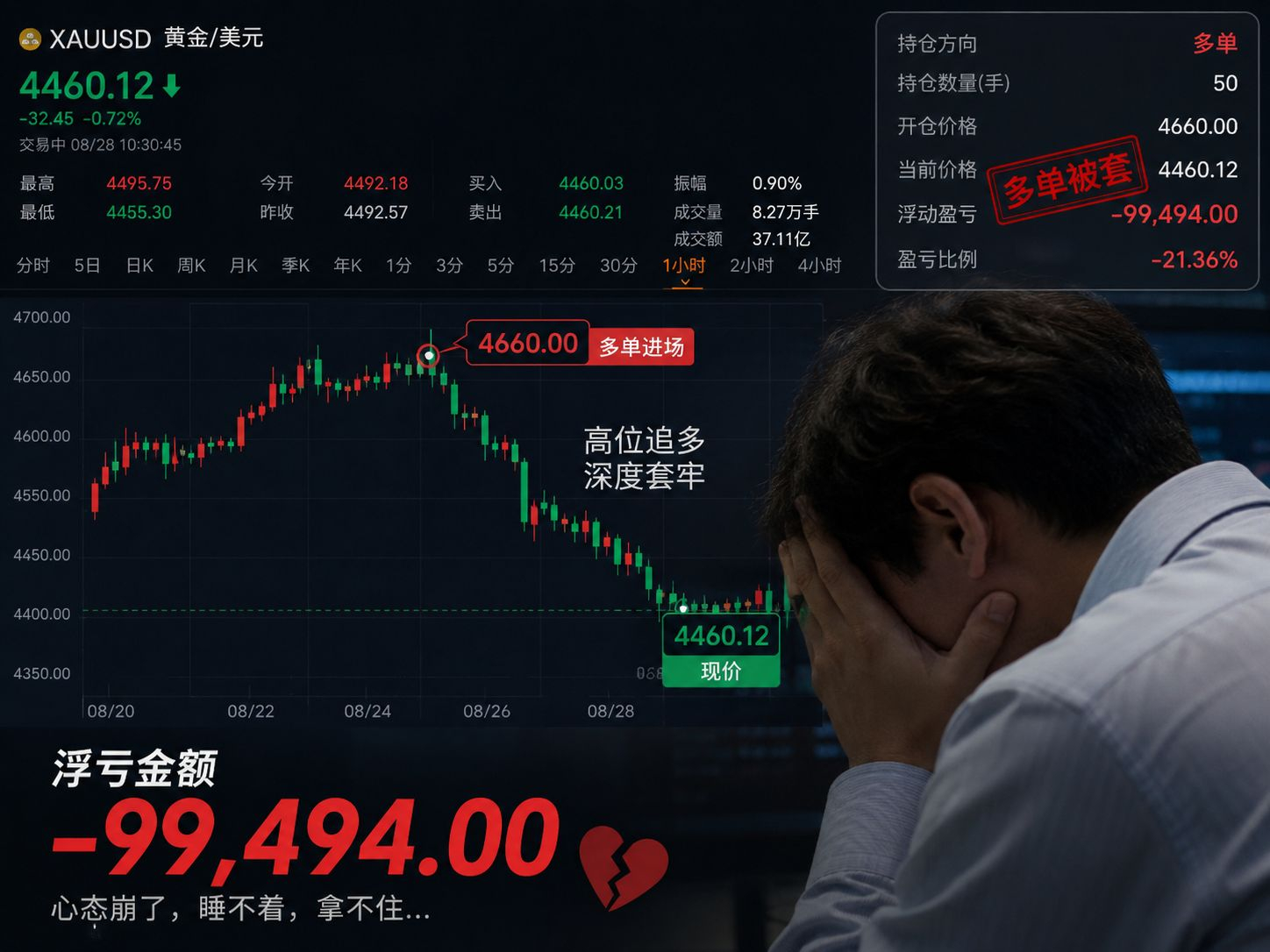
The gold window for unwinding long positions at $XAU —just watch this one point
Actually, getting long positions stuck isn’t the scary part. What’s scary is not having confidence in your head.
For the brothers who entered at 4660, what you should be thinking about right now isn’t where the price might fall to, but what the main players are thinking.
Yesterday’s drop from 4551 downward clearly showed that the short-term hot money couldn’t hold and ran. But on the other side, the group with an average price of 4525 not only didn’t lose—they’re still making money.
Do you think the main players would allow themselves to get trapped? Of course not. The price will be pulled back sooner or later.
Right now, the 4450–4465 area is the main players’ bottom line. Look at the chart—that’s the support zone where earlier lots are the most concentrated. If it breaks through, they’d be the ones taking losses, so chances are they’ll defend it. As long as this level hasn’t been broken, there’s still a chance for long positions to get out.
For the rebound, first watch around 4550–4560. Don’t get greedy when it reaches this area—remember to reduce your position first or exit to break even. If you’re unlucky and 4450 gets breached, then admit it and get out to wait for the next signal. As long as your principal is still there, opportunities will always be there.
No idea how to unwind? Join the chat room
#SOL本周上涨20% #嘉信理财拟新增SOLAVAXLINK交易
Actually, getting long positions stuck isn’t the scary part. What’s scary is not having confidence in your head.
For the brothers who entered at 4660, what you should be thinking about right now isn’t where the price might fall to, but what the main players are thinking.
Yesterday’s drop from 4551 downward clearly showed that the short-term hot money couldn’t hold and ran. But on the other side, the group with an average price of 4525 not only didn’t lose—they’re still making money.
Do you think the main players would allow themselves to get trapped? Of course not. The price will be pulled back sooner or later.
Right now, the 4450–4465 area is the main players’ bottom line. Look at the chart—that’s the support zone where earlier lots are the most concentrated. If it breaks through, they’d be the ones taking losses, so chances are they’ll defend it. As long as this level hasn’t been broken, there’s still a chance for long positions to get out.
For the rebound, first watch around 4550–4560. Don’t get greedy when it reaches this area—remember to reduce your position first or exit to break even. If you’re unlucky and 4450 gets breached, then admit it and get out to wait for the next signal. As long as your principal is still there, opportunities will always be there.
No idea how to unwind? Join the chat room
#SOL本周上涨20% #嘉信理财拟新增SOLAVAXLINK交易
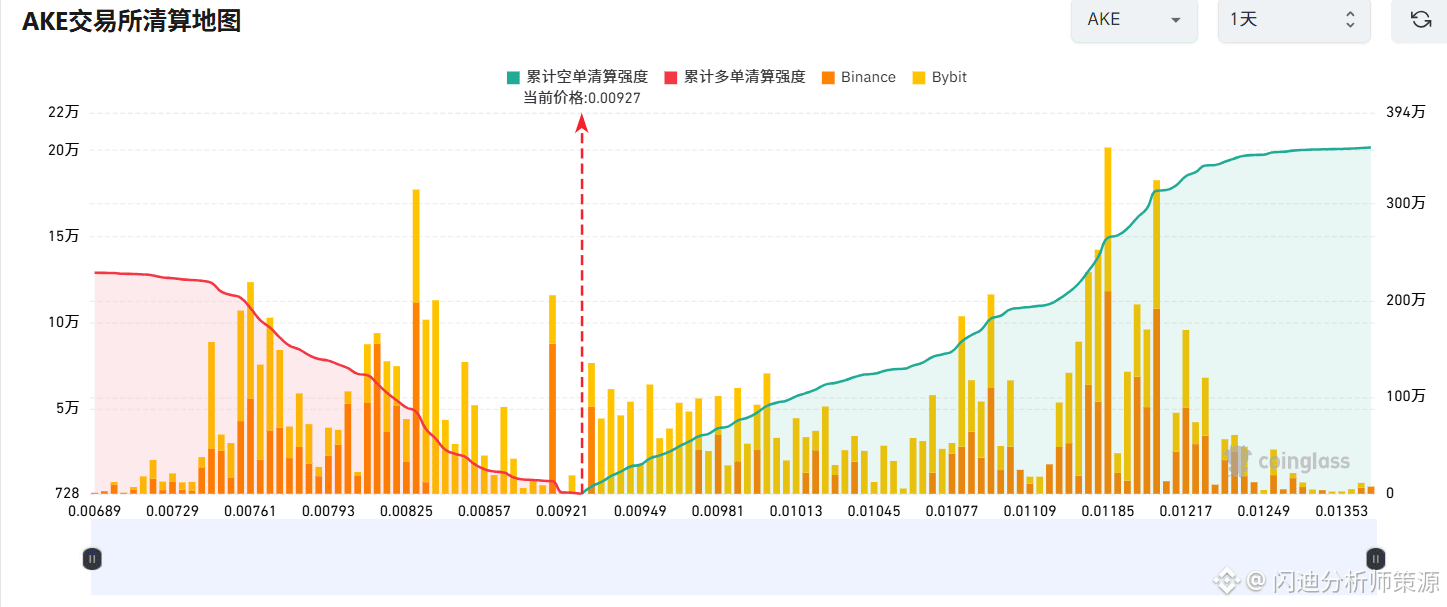
$AKE Just finished pulling and then smashing—multi and short both explode! You really think the dog-whales are here to hand out freebies?
Brothers, just now that AKE move: first they pulled up, then they smashed down—classic “multi and short double explosion.” When they were pulling, the ones chasing longs hadn’t even had time to get happy, and then—back with a single needle—they pinned the chasing-high crowd on the mountaintop.
In plain terms, this pull-up is basically a liquidation of shorts, but the main force never intended to actually run the market higher. After the shorts explode, the longs get harvested as well, and the liquidity gets eaten cleanly.
Trading suggestions:
Longs: Aggressive—go long at the current price of 0.00915. Steady—look for a pullback to around 0.008–0.0083 to go long.
Shorts: Short if there is a valid breakdown below 0.008, or short near the resistance zone around 0.00108–0.00118.
Remember, in this kind of high-volatility market, greed is basically handing over money.
No direction? Join the chat room
#SOL本周上涨20% #沃什称通胀是美联储首要关注
Brothers, just now that AKE move: first they pulled up, then they smashed down—classic “multi and short double explosion.” When they were pulling, the ones chasing longs hadn’t even had time to get happy, and then—back with a single needle—they pinned the chasing-high crowd on the mountaintop.
In plain terms, this pull-up is basically a liquidation of shorts, but the main force never intended to actually run the market higher. After the shorts explode, the longs get harvested as well, and the liquidity gets eaten cleanly.
Trading suggestions:
Longs: Aggressive—go long at the current price of 0.00915. Steady—look for a pullback to around 0.008–0.0083 to go long.
Shorts: Short if there is a valid breakdown below 0.008, or short near the resistance zone around 0.00108–0.00118.
Remember, in this kind of high-volatility market, greed is basically handing over money.
No direction? Join the chat room
#SOL本周上涨20% #沃什称通胀是美联储首要关注

$SNDK The big players’ cost at 1511 hasn’t even been hit yet—why are you panicking?
Brothers, you watch the K-line every day, staring at the order book until it scares you. The simplest thing is right in front of you: the big players’ average holding cost is 1511. Now the price is 1490, and even they are still down by more than 1 point. These people haven’t left—so why are you freaking out?
I can clearly see the on-chain data. The top 100 holding addresses’ cost is right around 1511. They didn’t cut losses—instead, they’ve been quietly adding positions at the low end. Smart money has made over 55 million in profit, with unrealized gains of another 4.7 million. What does that mean? It means the main force never intended to run—they’re just waiting for you to scare yourselves into handing over your chips.
The chart dropped from 1588 to 1436, and it precisely hit the prior low support. Then a long lower shadow candle pulled it back—this is a textbook “fake breakdown.” The MACD is about to form a golden cross, and the short-side volume is shrinking more and more. That’s the signal that the market won’t keep falling.
Also, there’s been new progress on the SNDK and Western Digital merger. Industry consolidation is the big trend, and the long-term logic is already laid out.
Trading suggestions:
Aggressive traders: go long directly around 1490.
Conservative traders: wait for a pullback to 1470–1480, then go long.
For shorts: look to sell if it gets rejected around 1530–1540.
Remember: when others cut losses and exit, I enter. The main force hasn’t run—so what are you afraid of?
No direction? Join the chat room.
#波场主网激活TVM布拉格大阪兼容 #加州通过法案拟禁官员发行Meme币
Brothers, you watch the K-line every day, staring at the order book until it scares you. The simplest thing is right in front of you: the big players’ average holding cost is 1511. Now the price is 1490, and even they are still down by more than 1 point. These people haven’t left—so why are you freaking out?
I can clearly see the on-chain data. The top 100 holding addresses’ cost is right around 1511. They didn’t cut losses—instead, they’ve been quietly adding positions at the low end. Smart money has made over 55 million in profit, with unrealized gains of another 4.7 million. What does that mean? It means the main force never intended to run—they’re just waiting for you to scare yourselves into handing over your chips.
The chart dropped from 1588 to 1436, and it precisely hit the prior low support. Then a long lower shadow candle pulled it back—this is a textbook “fake breakdown.” The MACD is about to form a golden cross, and the short-side volume is shrinking more and more. That’s the signal that the market won’t keep falling.
Also, there’s been new progress on the SNDK and Western Digital merger. Industry consolidation is the big trend, and the long-term logic is already laid out.
Trading suggestions:
Aggressive traders: go long directly around 1490.
Conservative traders: wait for a pullback to 1470–1480, then go long.
For shorts: look to sell if it gets rejected around 1530–1540.
Remember: when others cut losses and exit, I enter. The main force hasn’t run—so what are you afraid of?
No direction? Join the chat room.
#波场主网激活TVM布拉格大阪兼容 #加州通过法案拟禁官员发行Meme币
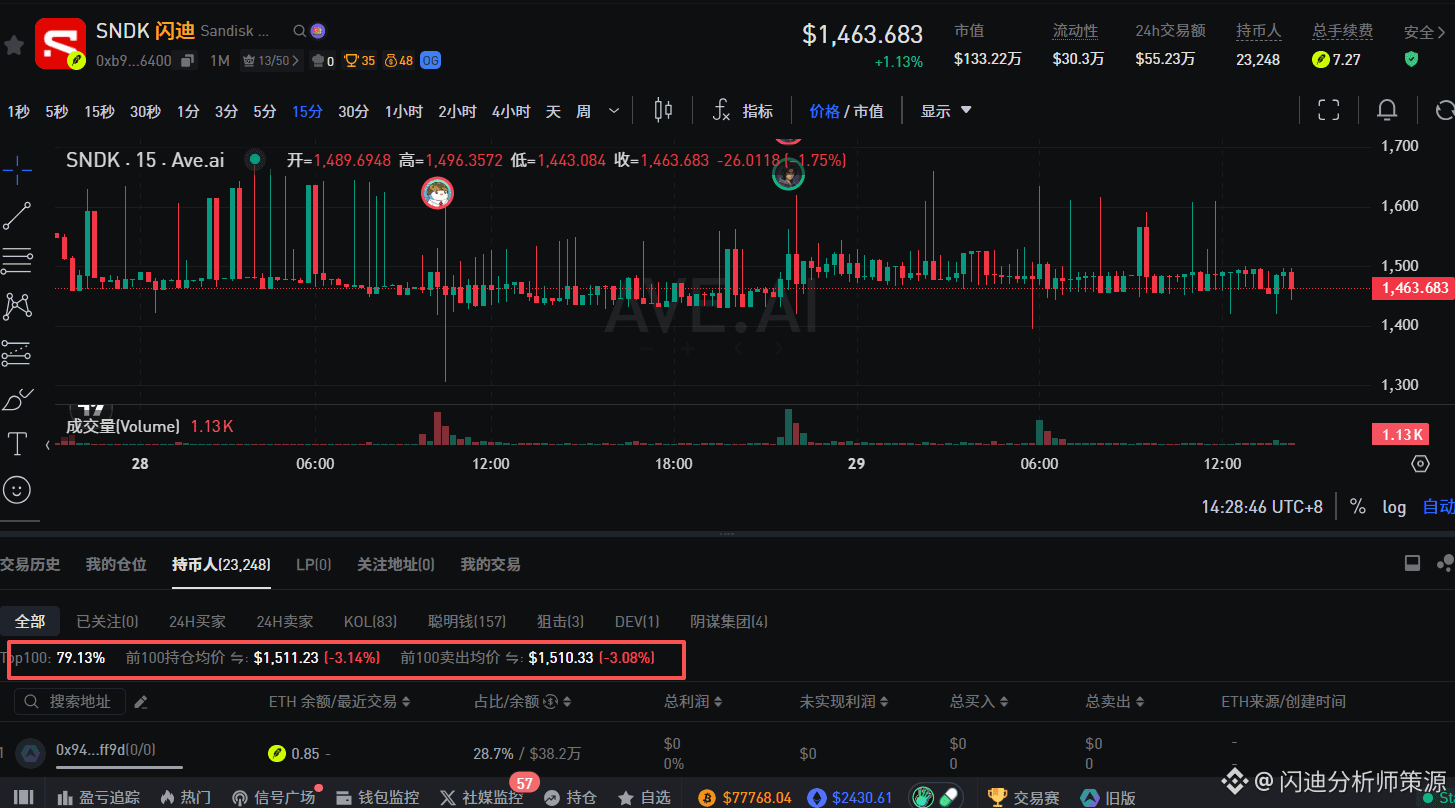
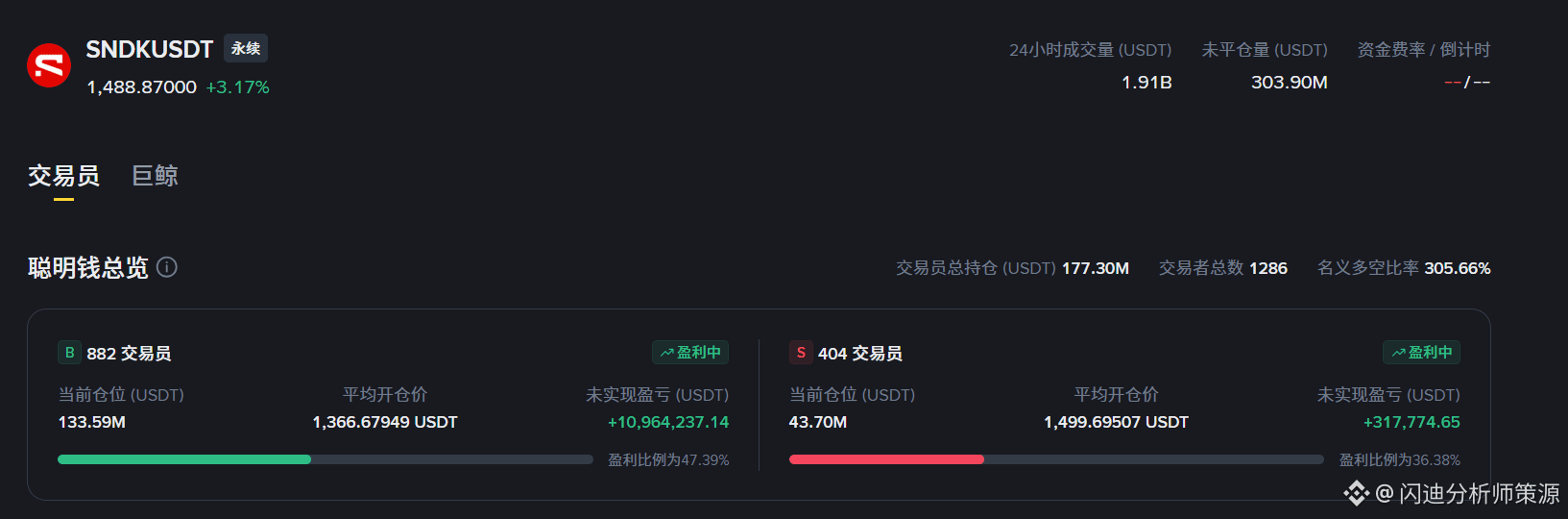

Brother, last night’s $SPCX pullback—put simply, it was “the big players at the $143.5 level baiting us with a classic fishing move.”
Look at that spot: it’s right in the dense zone of trapped shares from earlier. When the price pokes up to there, it turns around as if it hit a wall—so is that really a “technical adjustment”? Clearly, it’s the main force using thin liquidity to complete a pinpoint distribution after hours. They love to strike at times like the early morning when retail traders aren’t watching the chart, precisely dumping shares onto those bulls who are still dreaming that it’s about to take off.
And look at that huge green column—on the surface it seems like capital is coming in, but in reality it’s long vs. short fighting it out here until both sides go crazy. This kind of “trap burst,” once it’s paired with a rally-and-fade, is textbook-style bull trap: first push it up to a higher price so greedy money rushes in to buy, and then—on the flip side—dump all the inventory to them.
Put plainly, the biggest illusion for retail traders is thinking, “This time it’s different.” But it never is. Pull this stunt before the weekend—there must have been some inside signal. Better to get out first. In this market, the brothers who chase highs are probably going to be stuck guarding the post, blowing cold wind.
No direction? Join the chat
#SOL本周上涨20% #加州通过法案拟禁官员发行Meme币
Look at that spot: it’s right in the dense zone of trapped shares from earlier. When the price pokes up to there, it turns around as if it hit a wall—so is that really a “technical adjustment”? Clearly, it’s the main force using thin liquidity to complete a pinpoint distribution after hours. They love to strike at times like the early morning when retail traders aren’t watching the chart, precisely dumping shares onto those bulls who are still dreaming that it’s about to take off.
And look at that huge green column—on the surface it seems like capital is coming in, but in reality it’s long vs. short fighting it out here until both sides go crazy. This kind of “trap burst,” once it’s paired with a rally-and-fade, is textbook-style bull trap: first push it up to a higher price so greedy money rushes in to buy, and then—on the flip side—dump all the inventory to them.
Put plainly, the biggest illusion for retail traders is thinking, “This time it’s different.” But it never is. Pull this stunt before the weekend—there must have been some inside signal. Better to get out first. In this market, the brothers who chase highs are probably going to be stuck guarding the post, blowing cold wind.
No direction? Join the chat
#SOL本周上涨20% #加州通过法案拟禁官员发行Meme币
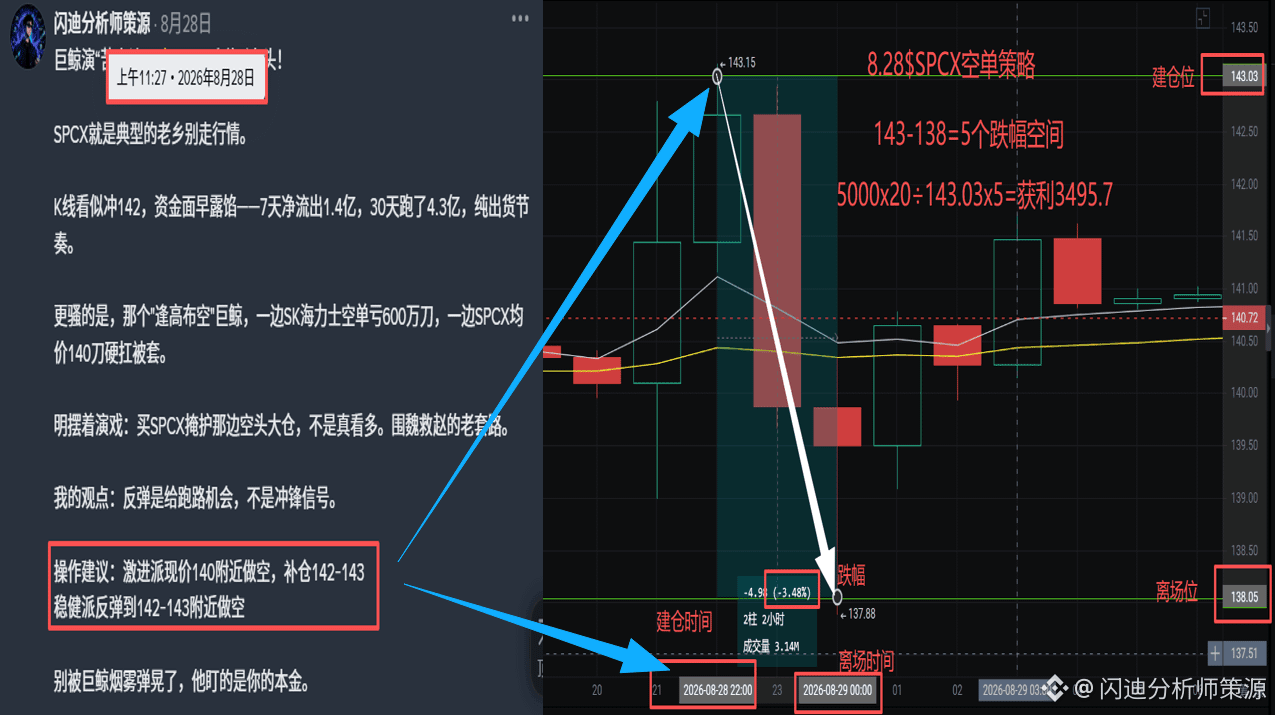
Last night, Nvidia $NVDA dropped pretty hard—over 4% wiped out. A lot of friends who trade US stocks asked, “Weren’t they just done releasing earnings?” Actually, the core reasons boil down to three points—pretty clear.
First, the broader environment isn’t giving any face. In his Jackson Hole remarks, Fed Chair Waller still sounded concerned about inflation and left the door open for continued rate hikes. That immediately spooked the market: if rates keep going up, tech stocks—companies that rely on telling future stories—take the biggest hit. The entire semiconductor sector got punished as well, and Nvidia naturally didn’t escape.
Second, there are issues on its own turf too. The Wall Street Journal said Nvidia has paused some AI computing-power revenue-sharing projects. The idea was to help smaller cloud providers with compute capacity, while Nvidia could still keep collecting revenue. But once it’s paused, the market starts worrying whether follow-up revenue will run into trouble. On top of that, while the earnings look good, the company itself hinted that the gross margin at around 71%–72% may be nearing its ceiling—cost control isn’t keeping up, and profit efficiency has people feeling uneasy.
Third, short-term capital is running. After the earnings report the day before, the stock surged nearly 8%. A lot of people already made a lot of money, so the next day they cashed out to lock in gains—playing it safe. That kind of move is extremely normal.
In plain terms, many people are still greedy at heart—they keep wondering whether they can push higher again. But the big money is being cautious and watching from the sidelines. Nobody wants to be the one stuck holding the bag at a high level.
No direction? Join the chat room inside
#黄金8月上涨约14% #加州通过法案拟禁官员发行Meme币
First, the broader environment isn’t giving any face. In his Jackson Hole remarks, Fed Chair Waller still sounded concerned about inflation and left the door open for continued rate hikes. That immediately spooked the market: if rates keep going up, tech stocks—companies that rely on telling future stories—take the biggest hit. The entire semiconductor sector got punished as well, and Nvidia naturally didn’t escape.
Second, there are issues on its own turf too. The Wall Street Journal said Nvidia has paused some AI computing-power revenue-sharing projects. The idea was to help smaller cloud providers with compute capacity, while Nvidia could still keep collecting revenue. But once it’s paused, the market starts worrying whether follow-up revenue will run into trouble. On top of that, while the earnings look good, the company itself hinted that the gross margin at around 71%–72% may be nearing its ceiling—cost control isn’t keeping up, and profit efficiency has people feeling uneasy.
Third, short-term capital is running. After the earnings report the day before, the stock surged nearly 8%. A lot of people already made a lot of money, so the next day they cashed out to lock in gains—playing it safe. That kind of move is extremely normal.
In plain terms, many people are still greedy at heart—they keep wondering whether they can push higher again. But the big money is being cautious and watching from the sidelines. Nobody wants to be the one stuck holding the bag at a high level.
No direction? Join the chat room inside
#黄金8月上涨约14% #加州通过法案拟禁官员发行Meme币
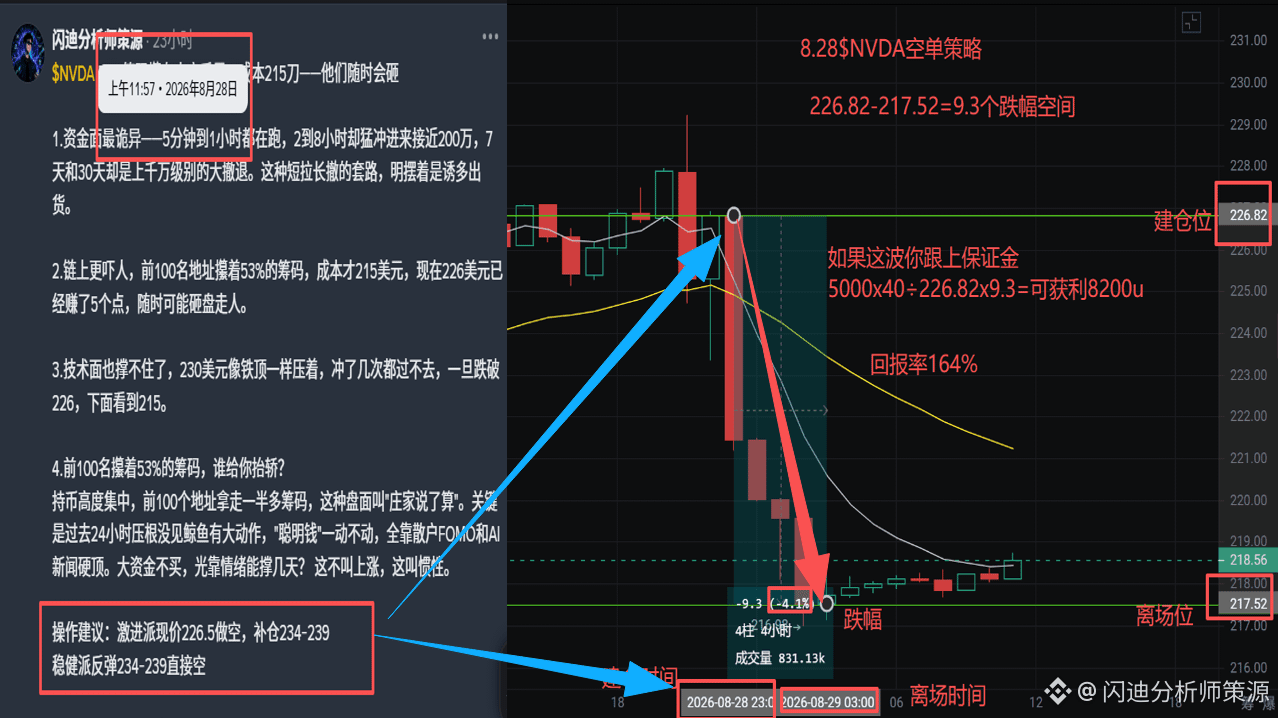
Will one sentence from Wosh crush the big market? $BTC —don’t get carried away with this rebound!
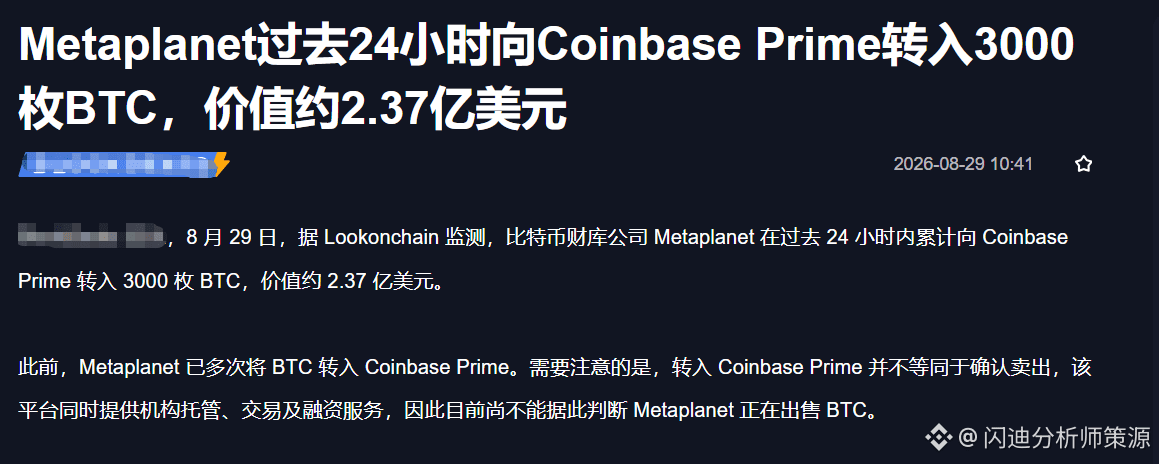
Don’t let that just-now small bullish candle fool you. Wosh, the old hawk, spoke yesterday at Jackson Hole, and the gold price dropped straight by $120. The U.S. dollar was like it got injected with chicken blood and surged hard. At the same time, Metaplanet transferred 3,000 BTC to Coinbase Prime over the past 24 hours, worth about $237 million.
On the BTC one-hour chart, it looks like it might bounce, but in reality the MACD death cross is pressing down, and the RSI is also half-dead and lifeless—classic stop-hunting / bull-trap behavior.
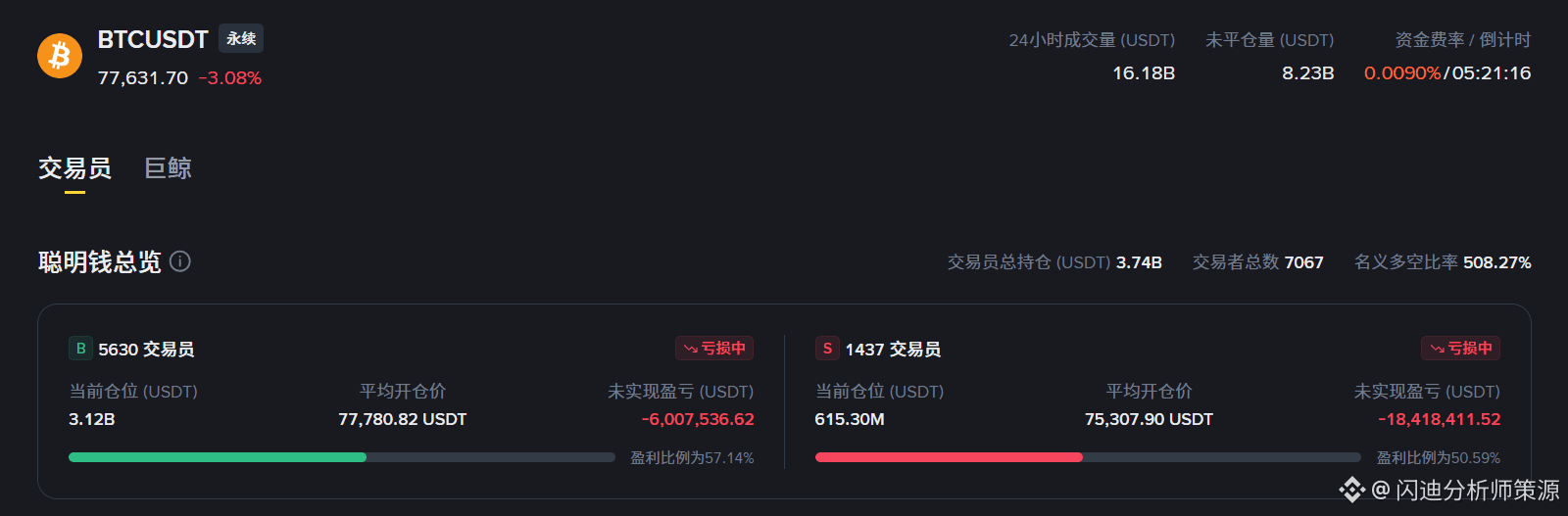
The most eye-catching part is the “smart money”—the long/short ratio is up to 508%, with longs’ average entry around 77,800, and they’re all stuck/bagholding right now. Even just BTC traders alone are down over $6 million. Why would these people be willing to play the fool? Maybe they’re about to flip and dump to save themselves.
Trading advice: around 78,000 you can consider a small short. If it breaks 78,500, it’s admitting defeat—first target to watch is 76,500. For those looking to go long: wait for a pullback around 76,200 that doesn’t break; then you can act. If it breaks, quickly flip and chase the short.
Remember: under the hawkish shadow, staying alive matters more than making money. Chasing longs at this spot—be careful you don’t end up as an institution’s lunchtime meal.
No direction? Enter the chat room
#加州通过法案拟禁官员发行Meme币 #黄金8月上涨约14%
Don’t let that just-now small bullish candle fool you. Wosh, the old hawk, spoke yesterday at Jackson Hole, and the gold price dropped straight by $120. The U.S. dollar was like it got injected with chicken blood and surged hard. At the same time, Metaplanet transferred 3,000 BTC to Coinbase Prime over the past 24 hours, worth about $237 million.
On the BTC one-hour chart, it looks like it might bounce, but in reality the MACD death cross is pressing down, and the RSI is also half-dead and lifeless—classic stop-hunting / bull-trap behavior.
The most eye-catching part is the “smart money”—the long/short ratio is up to 508%, with longs’ average entry around 77,800, and they’re all stuck/bagholding right now. Even just BTC traders alone are down over $6 million. Why would these people be willing to play the fool? Maybe they’re about to flip and dump to save themselves.
Trading advice: around 78,000 you can consider a small short. If it breaks 78,500, it’s admitting defeat—first target to watch is 76,500. For those looking to go long: wait for a pullback around 76,200 that doesn’t break; then you can act. If it breaks, quickly flip and chase the short.
Remember: under the hawkish shadow, staying alive matters more than making money. Chasing longs at this spot—be careful you don’t end up as an institution’s lunchtime meal.
No direction? Enter the chat room
#加州通过法案拟禁官员发行Meme币 #黄金8月上涨约14%

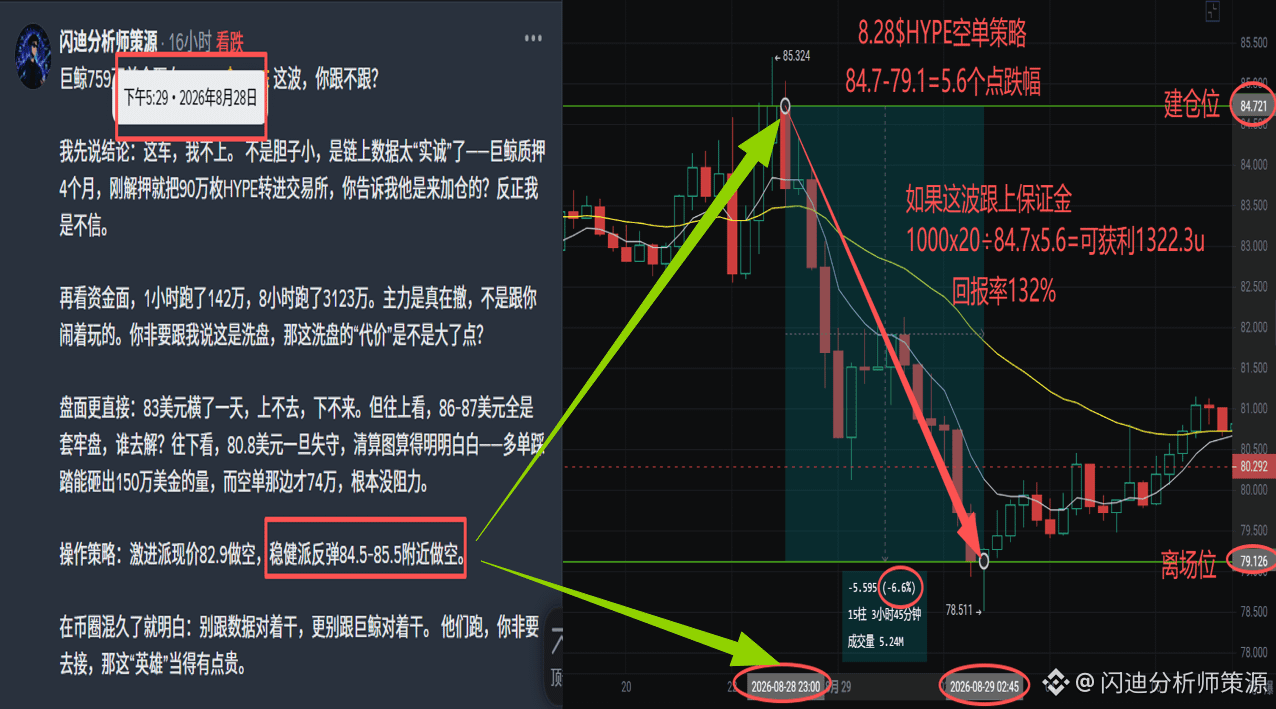
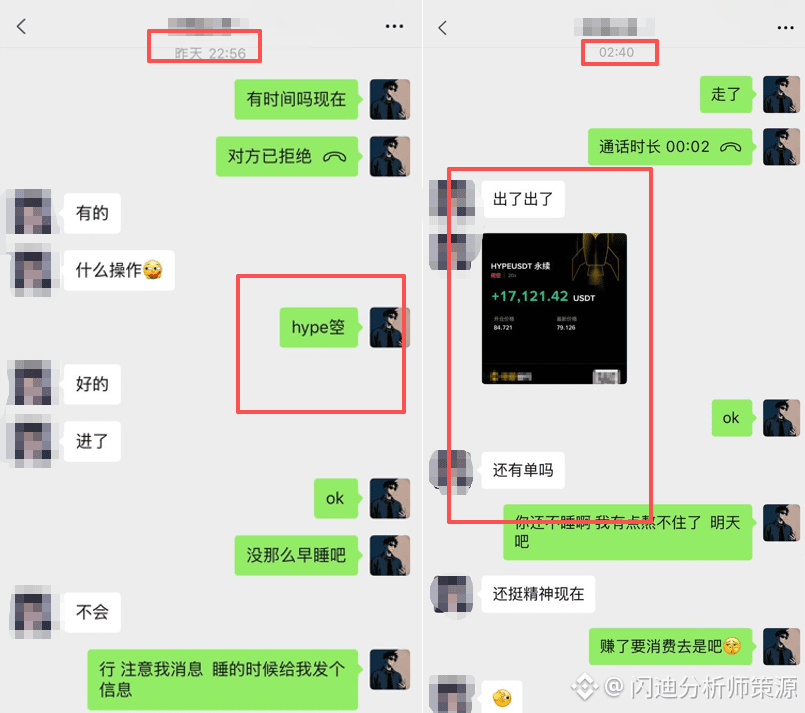
This wave $HYPE I made it! 84.7 precise entry, 79.1 decisive exit, 7% realized profit
Brothers, last night that HYPE spike—did it hurt you too?
Let me start with the result: entered at 84.7, exited at 79.1, 7 points profit—not much, but solid.
Short-sell rationale:
Main reason: on-chain data monitoring showed that a 3x leveraged short position from the big whale Loracle got liquidated, with floating losses exceeding $18 million. They were forced to start closing positions to cut losses. At the same time, sell orders suddenly increased, intensifying the downward pressure—this is a classic whale-position liquidation/“stampede” event.
No direction? Join the chat
#波场主网激活TVM布拉格大阪兼容 #黄金8月上涨约14%
Brothers, last night that HYPE spike—did it hurt you too?
Let me start with the result: entered at 84.7, exited at 79.1, 7 points profit—not much, but solid.
Short-sell rationale:
Main reason: on-chain data monitoring showed that a 3x leveraged short position from the big whale Loracle got liquidated, with floating losses exceeding $18 million. They were forced to start closing positions to cut losses. At the same time, sell orders suddenly increased, intensifying the downward pressure—this is a classic whale-position liquidation/“stampede” event.
No direction? Join the chat
#波场主网激活TVM布拉格大阪兼容 #黄金8月上涨约14%
When the Scythe Hovers: The Paradox of Vaush’s Eagle Cry and Crypto Players’ Greed
When Vaush’s hawkish remarks pierce the bubble of gold, the market does not turn to panic; instead, it sparks a frenzy in the crypto world.
The logic is simple: traditional safe-haven assets are struggling, and the US dollar strengthens, but what crypto players see is an alternative opportunity under “liquidity tightening.” They believe that after institutional funds leave precious metals, they will seek higher-beta targets—and cryptocurrency is that chosen casino.
This greed comes in layers. First, players interpret Vaush’s “no substantive improvement seen” as the Fed’s inability to control inflation, which in turn strengthens the narrative of Bitcoin as “digital gold.”
Second, they bet that rate-hike expectations have already been fully priced in, and that once short-term bad news is out, it becomes good news. So at the very same time gold is crashing, the altcoin derivatives market surges with astonishing buying volume—not for hedging, but purely to chase profit.
But the danger of this frenzy is that when the Fed finally acts and raises rates for real, liquidity withdrawal will first crush high-volatility assets. The players’ greed is just dancing on the tip of a blade—while Vaush’s hand hovers over the button.
#沃什称通胀是美联储首要关注 #黄金8月上涨约14%
When Vaush’s hawkish remarks pierce the bubble of gold, the market does not turn to panic; instead, it sparks a frenzy in the crypto world.
The logic is simple: traditional safe-haven assets are struggling, and the US dollar strengthens, but what crypto players see is an alternative opportunity under “liquidity tightening.” They believe that after institutional funds leave precious metals, they will seek higher-beta targets—and cryptocurrency is that chosen casino.
This greed comes in layers. First, players interpret Vaush’s “no substantive improvement seen” as the Fed’s inability to control inflation, which in turn strengthens the narrative of Bitcoin as “digital gold.”
Second, they bet that rate-hike expectations have already been fully priced in, and that once short-term bad news is out, it becomes good news. So at the very same time gold is crashing, the altcoin derivatives market surges with astonishing buying volume—not for hedging, but purely to chase profit.
But the danger of this frenzy is that when the Fed finally acts and raises rates for real, liquidity withdrawal will first crush high-volatility assets. The players’ greed is just dancing on the tip of a blade—while Vaush’s hand hovers over the button.
#沃什称通胀是美联储首要关注 #黄金8月上涨约14%

Metaplanet transfer sparks panic and associations; $BTC faces pressure and declines the night before Jackson Hole
Short-selling rationale:
Tonight, the market is still waiting for the Fed Chair’s speech at the Jackson Hole Global Central Bank conference to look for policy clues. In such a sensitive moment, any small ripple can be amplified. An hour ago, Metap1anet also sent another 1,350 BTC to Coinbase Prime, causing the price to move rapidly.
No clear direction? Join the chat
#英伟达开盘140分钟成交335亿美元 #黄金8月上涨约14%
Short-selling rationale:
Tonight, the market is still waiting for the Fed Chair’s speech at the Jackson Hole Global Central Bank conference to look for policy clues. In such a sensitive moment, any small ripple can be amplified. An hour ago, Metap1anet also sent another 1,350 BTC to Coinbase Prime, causing the price to move rapidly.
No clear direction? Join the chat
#英伟达开盘140分钟成交335亿美元 #黄金8月上涨约14%

Tonight, the whole world is all ears, waiting for Worsh to speak
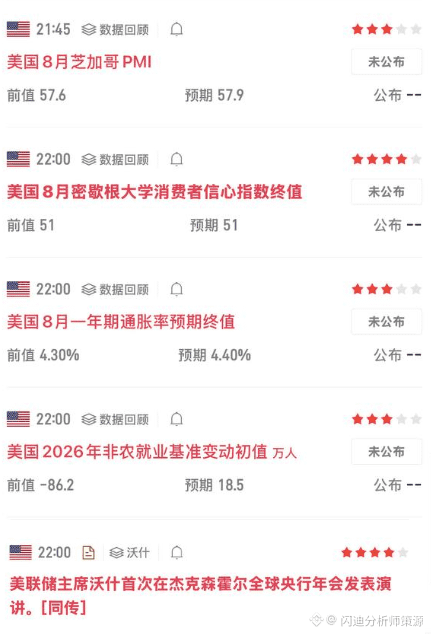
At 9:45 p.m. tonight, a raft of U.S. economic data is set to be released—manufacturing, consumer confidence, inflation expectations… But these are only appetizers. The real main course is one: Federal Reserve Chair Worsh’s first remarks at the Jackson Hole conference.
First, let’s look at the data front. The manufacturing PMI forecast is decent, but everyday people’s lives are really tight—consumer confidence is down to 51, nearing the worst on record, and inflation expectations have also been raised. Price pressure simply hasn’t eased.
What draws the most attention is the jobs revision. Earlier, it was revised downward by 862,000, which spooked the market. This time, the expectation is a rebound of 185,000. If it does turn positive, at the very least it would signal that employment hasn’t collapsed, and the Federal Reserve can finally take a breather.
But none of these figures carries as much weight as a single sentence from Worsh. This will be his first time speaking at a global conference since taking office. The market is guessing: will he keep “trading on the data,” or will he send out new signals?
If inflation can’t be brought under control and employment is swinging up and down, neither side is easy to manage. How Worsh finds the balance will basically determine the market’s direction over the next few months.
In short, tonight is bound to be anything but calm. Whether the data looks good or not is one thing. What Worsh says matters far more—and is what truly moves the nerves.
#韩股KOSPI因AI热潮降温下跌 #英伟达开盘140分钟成交335亿美元
At 9:45 p.m. tonight, a raft of U.S. economic data is set to be released—manufacturing, consumer confidence, inflation expectations… But these are only appetizers. The real main course is one: Federal Reserve Chair Worsh’s first remarks at the Jackson Hole conference.
First, let’s look at the data front. The manufacturing PMI forecast is decent, but everyday people’s lives are really tight—consumer confidence is down to 51, nearing the worst on record, and inflation expectations have also been raised. Price pressure simply hasn’t eased.
What draws the most attention is the jobs revision. Earlier, it was revised downward by 862,000, which spooked the market. This time, the expectation is a rebound of 185,000. If it does turn positive, at the very least it would signal that employment hasn’t collapsed, and the Federal Reserve can finally take a breather.
But none of these figures carries as much weight as a single sentence from Worsh. This will be his first time speaking at a global conference since taking office. The market is guessing: will he keep “trading on the data,” or will he send out new signals?
If inflation can’t be brought under control and employment is swinging up and down, neither side is easy to manage. How Worsh finds the balance will basically determine the market’s direction over the next few months.
In short, tonight is bound to be anything but calm. Whether the data looks good or not is one thing. What Worsh says matters far more—and is what truly moves the nerves.
#韩股KOSPI因AI热潮降温下跌 #英伟达开盘140分钟成交335亿美元
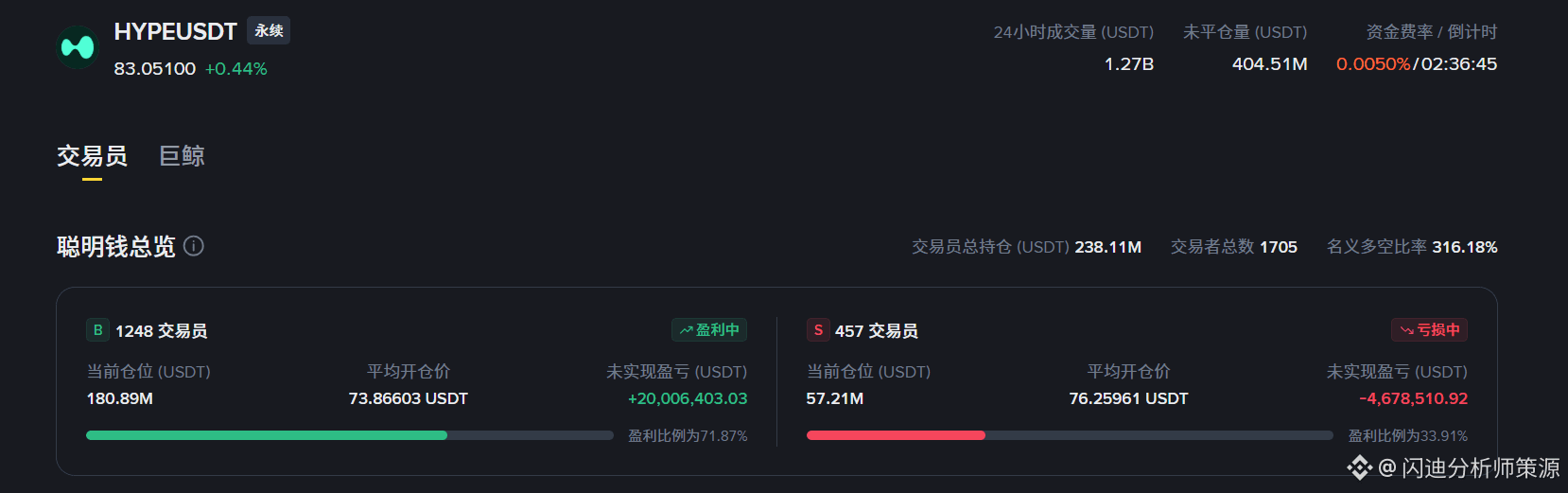
A giant whale pours $7.59 million into Bybit—$HYPE , are you in or not?
First, my conclusion: I’m not getting on this ride. It’s not because I’m timid—it’s because the on-chain data is way too “honest.” The whale had $HYPE staked for 4 months, and the moment it was un-staked, it moved 900,000 tokens into an exchange. Tell me, is that meant to add to the position? I don’t buy it.
Look at the funding flow: in one hour, $1.42 million left; in eight hours, $31.23 million left. The main force is really pulling out—this isn’t them “playing around” with you. If you insist this is just a distribution/washout, then is the “cost” of this washout not a bit too high?
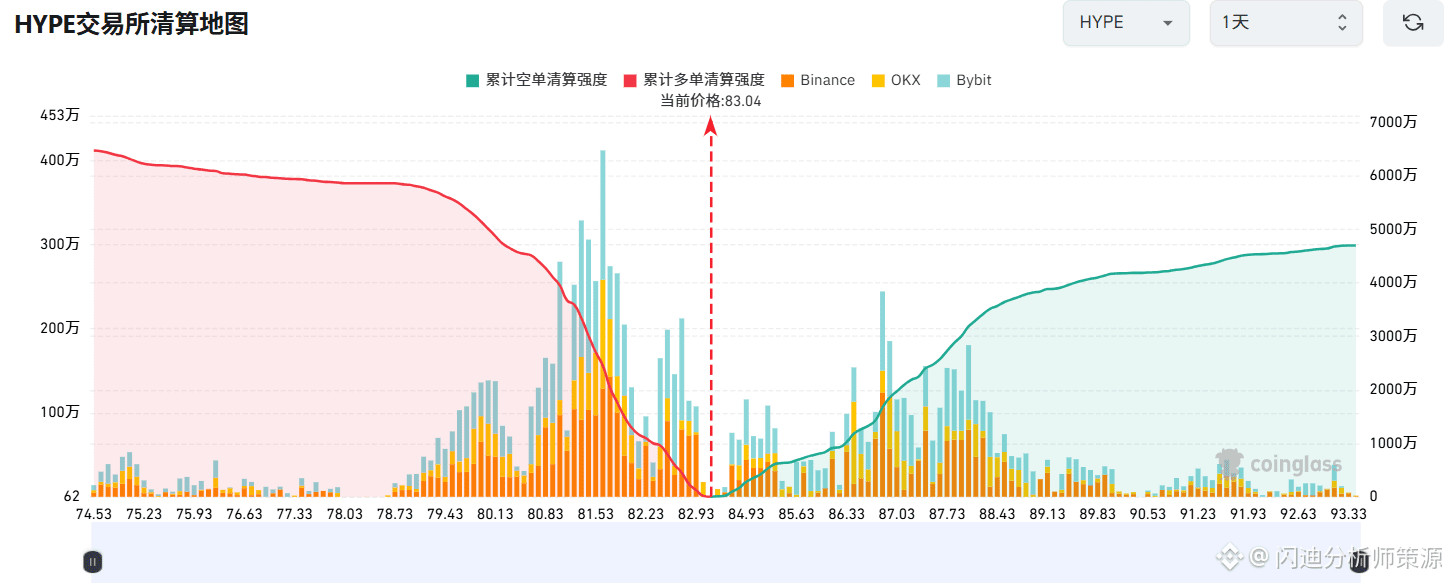
The chart is even more direct: price is stuck around $83 for a full day—can’t go up, can’t go down. But zoom in: in the $86–87 range, it’s packed with trapped positions—who’s going to unwind that? Downside: if $80.8 breaks, the liquidation math is crystal clear. Longs being swept can dump about $1.5 million in volume, while shorts on the other side are only about $740,000—there’s basically no resistance.
Trading strategy: For the aggressive crowd, short at $82.9 on the spot price. For the conservative crowd, short around the $84.5–85.5 rebound zone.
If you’ve been around crypto long enough, you’ll understand: don’t fight the data, and don’t fight the whales. If they’re running, and you still insist on catching the move—then that “hero” act costs a bit too much.
No direction? Join the chat—daily strategy shares
#台股TAIEX受芯片股带动重返46500点 #标普500涨0.7%科技板块涨3.3%
First, my conclusion: I’m not getting on this ride. It’s not because I’m timid—it’s because the on-chain data is way too “honest.” The whale had $HYPE staked for 4 months, and the moment it was un-staked, it moved 900,000 tokens into an exchange. Tell me, is that meant to add to the position? I don’t buy it.
Look at the funding flow: in one hour, $1.42 million left; in eight hours, $31.23 million left. The main force is really pulling out—this isn’t them “playing around” with you. If you insist this is just a distribution/washout, then is the “cost” of this washout not a bit too high?
The chart is even more direct: price is stuck around $83 for a full day—can’t go up, can’t go down. But zoom in: in the $86–87 range, it’s packed with trapped positions—who’s going to unwind that? Downside: if $80.8 breaks, the liquidation math is crystal clear. Longs being swept can dump about $1.5 million in volume, while shorts on the other side are only about $740,000—there’s basically no resistance.
Trading strategy: For the aggressive crowd, short at $82.9 on the spot price. For the conservative crowd, short around the $84.5–85.5 rebound zone.
If you’ve been around crypto long enough, you’ll understand: don’t fight the data, and don’t fight the whales. If they’re running, and you still insist on catching the move—then that “hero” act costs a bit too much.
No direction? Join the chat—daily strategy shares
#台股TAIEX受芯片股带动重返46500点 #标普500涨0.7%科技板块涨3.3%


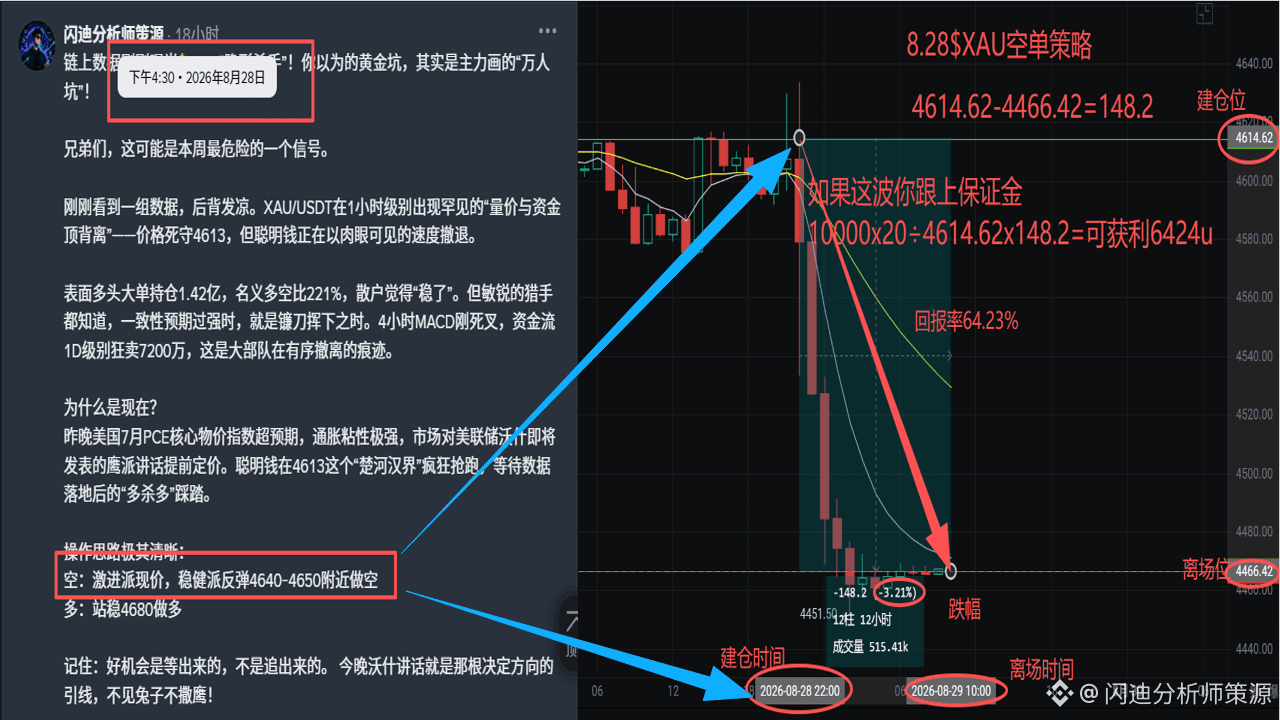
On-chain data has just been exposed: $XAU “the invisible killer”! You think it’s a gold trap, but it’s actually a “mass grave” painted by the main forces!
Brothers, this might be the most dangerous signal of the week.
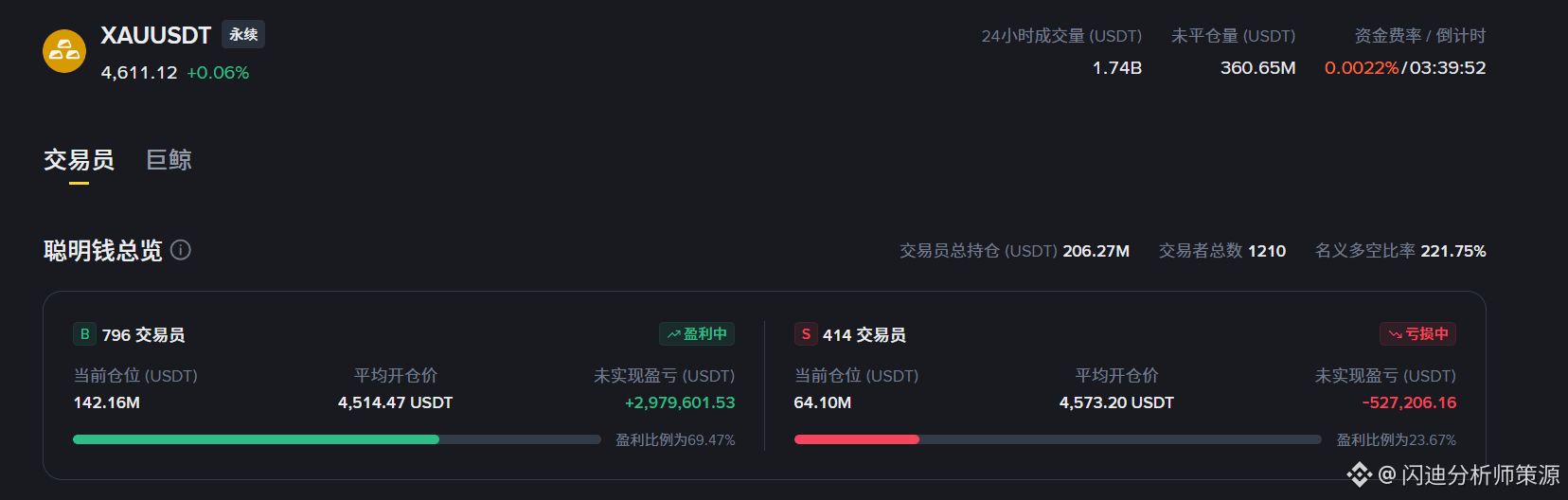
I just saw a set of data that sent chills down my back. XAU/USDT shows a rare “price-volume and funding top divergence” on the 1-hour timeframe—price is holding at 4613, but smart money is retreating at a speed you can plainly see.
On the surface, long positions by large holders are 142 million, with the nominal long-to-short ratio at 221%. Retail traders think, “It’s solid.” But sharp hunters know that when expectations become too one-sided and too consistent, it’s when the scythe swings. The 4-hour MACD just formed a dead cross, and the 1D-level capital flow is aggressively selling 72 million—this looks like the large group is withdrawing in an orderly manner.
Why now?
Last night, the U.S. July core PCE inflation came in hotter than expected, with inflation proving extremely sticky. The market is pricing in a more hawkish speech from the Fed Chair “to come” ahead of time. Smart money is sprinting out of the gate at 4613—this “Chu River Han Boundary”—waiting for the data to land so that “more killing of longs” happens during the stampede.
The trading logic is extremely clear:
Short: aggressive players short at current price; conservative players short on rebounds around 4640–4650.
Long: hold above 4680 to go long.
Remember: good opportunities are waited for, not chased. Tonight’s Waller speech is the fuse that decides the direction—no rabbit, no throwing hawk!
No direction? Join the chat room—share strategies daily.
#台股TAIEX受芯片股带动重返46500点 #Marvell盘后跌超5%
Brothers, this might be the most dangerous signal of the week.
I just saw a set of data that sent chills down my back. XAU/USDT shows a rare “price-volume and funding top divergence” on the 1-hour timeframe—price is holding at 4613, but smart money is retreating at a speed you can plainly see.
On the surface, long positions by large holders are 142 million, with the nominal long-to-short ratio at 221%. Retail traders think, “It’s solid.” But sharp hunters know that when expectations become too one-sided and too consistent, it’s when the scythe swings. The 4-hour MACD just formed a dead cross, and the 1D-level capital flow is aggressively selling 72 million—this looks like the large group is withdrawing in an orderly manner.
Why now?
Last night, the U.S. July core PCE inflation came in hotter than expected, with inflation proving extremely sticky. The market is pricing in a more hawkish speech from the Fed Chair “to come” ahead of time. Smart money is sprinting out of the gate at 4613—this “Chu River Han Boundary”—waiting for the data to land so that “more killing of longs” happens during the stampede.
The trading logic is extremely clear:
Short: aggressive players short at current price; conservative players short on rebounds around 4640–4650.
Long: hold above 4680 to go long.
Remember: good opportunities are waited for, not chased. Tonight’s Waller speech is the fuse that decides the direction—no rabbit, no throwing hawk!
No direction? Join the chat room—share strategies daily.
#台股TAIEX受芯片股带动重返46500点 #Marvell盘后跌超5%

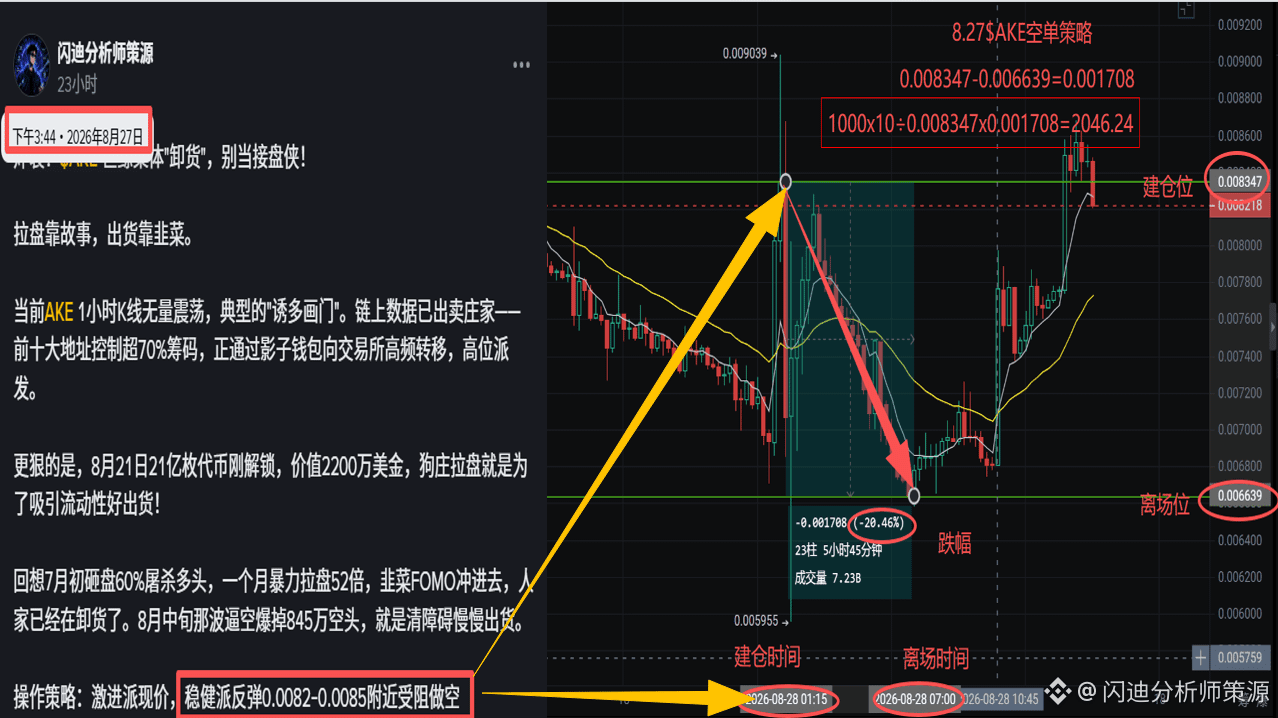
$AKE Short trade log: Logic for entering at 0.0083 and exiting at 0.0066
Shorting rationale:
1. At the time, market sentiment was already bearish. There were noticeably more shorts than longs, so the price was naturally prone to move downward. Then once the price broke below a key level, it immediately blew up those short-term long traders who had chased the price up—their stop-loss orders got triggered, sell orders suddenly flooded in, and the price dropped like a plunge.
2. On-chain, you can see an early-cost address with extremely low cost continuously distributing/disposing of coins. It sells like an assembly line, and it has accumulated more than $100,000 in cash-outs. This kind of selling pressure is especially obvious when liquidity is insufficient.
3. Actually, for this kind of low market-cap coin, it was previously pumped by market makers by dozens of times. The supply/chips were concentrated in the hands of just a few people. After the pump, it follows the typical playbook of dumping to exit—so big volatility is totally normal.
No direction? Enter the chatroom—share strategies every day
#台股TAIEX受芯片股带动重返46500点 #Okta与CrowdStrike财报超预期大涨
Shorting rationale:
1. At the time, market sentiment was already bearish. There were noticeably more shorts than longs, so the price was naturally prone to move downward. Then once the price broke below a key level, it immediately blew up those short-term long traders who had chased the price up—their stop-loss orders got triggered, sell orders suddenly flooded in, and the price dropped like a plunge.
2. On-chain, you can see an early-cost address with extremely low cost continuously distributing/disposing of coins. It sells like an assembly line, and it has accumulated more than $100,000 in cash-outs. This kind of selling pressure is especially obvious when liquidity is insufficient.
3. Actually, for this kind of low market-cap coin, it was previously pumped by market makers by dozens of times. The supply/chips were concentrated in the hands of just a few people. After the pump, it follows the typical playbook of dumping to exit—so big volatility is totally normal.
No direction? Enter the chatroom—share strategies every day
#台股TAIEX受芯片股带动重返46500点 #Okta与CrowdStrike财报超预期大涨
Log in to explore more content