
Viualizer
262 Posts
Viualizer
Report
Block User
Student of Charts analysis ll Talk to the chart daily , Make your own way to analyze. Reduce distruction fake news and social media influencers hype.
1 Following
300 Followers
579 Liked
Posts
All
Quotes
Videos
·
--
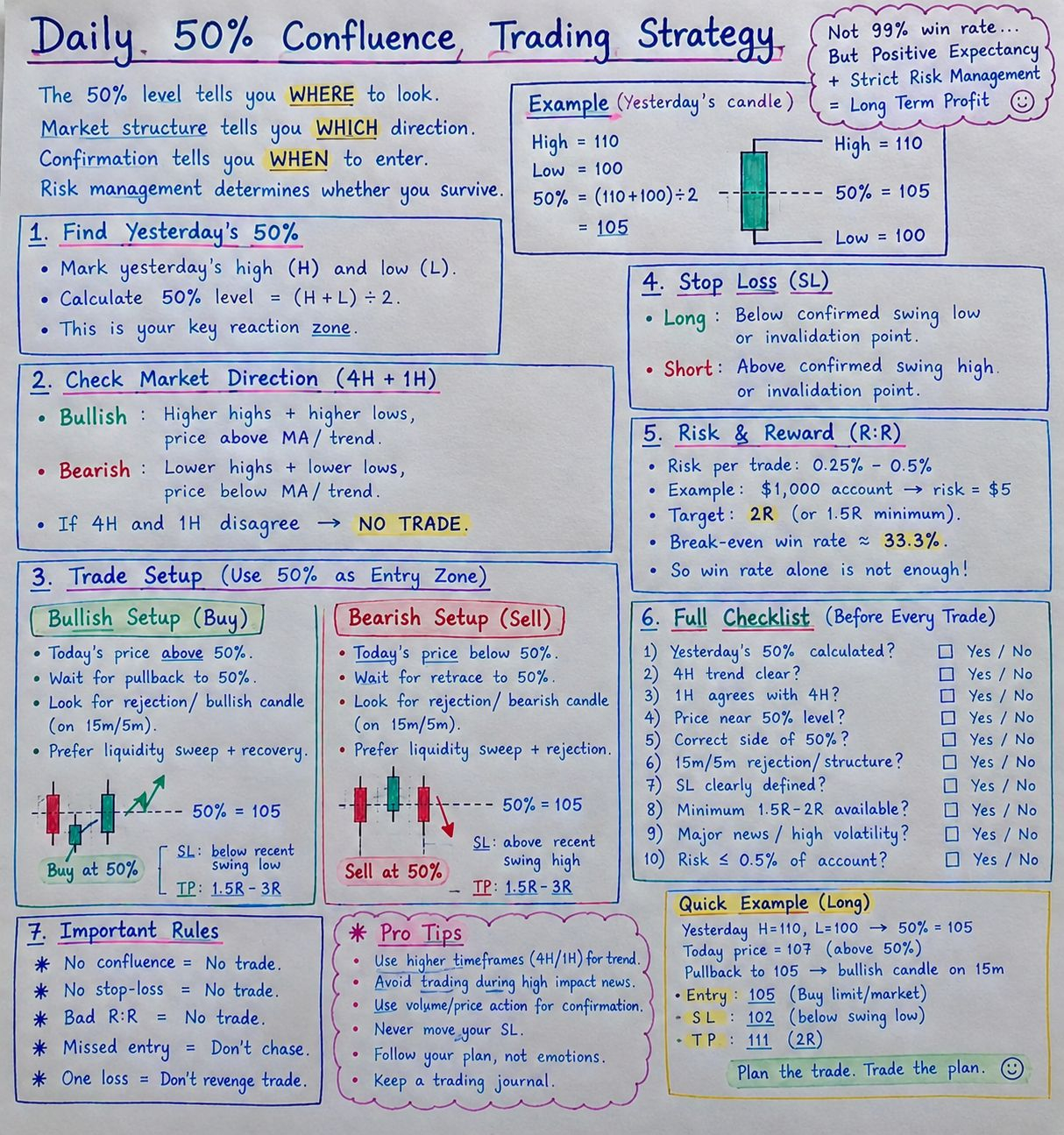
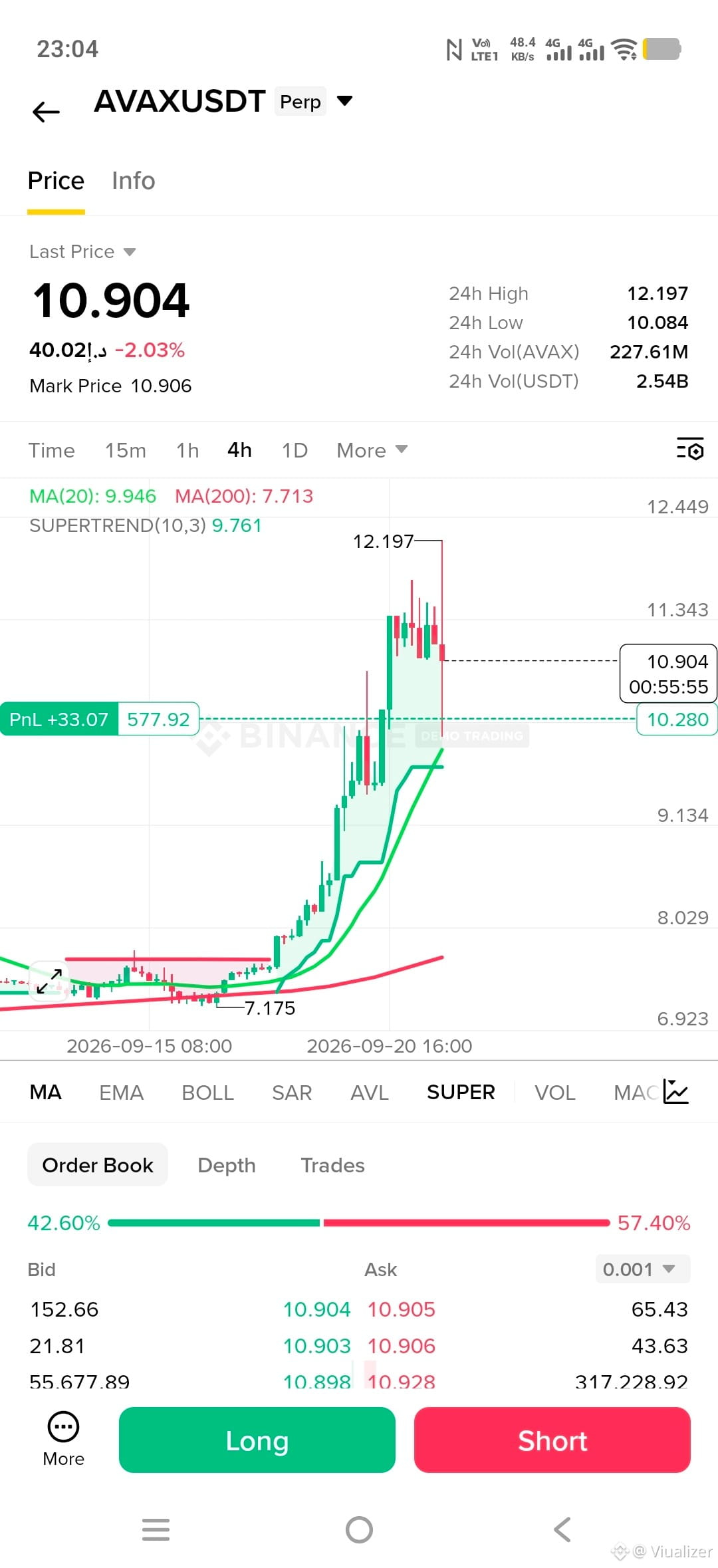
How this become possible , just because of simple strategy being away from market. The strategy is simple here.
How this become possible , just because of simple strategy being away from market. The strategy is simple here.
112
·
--
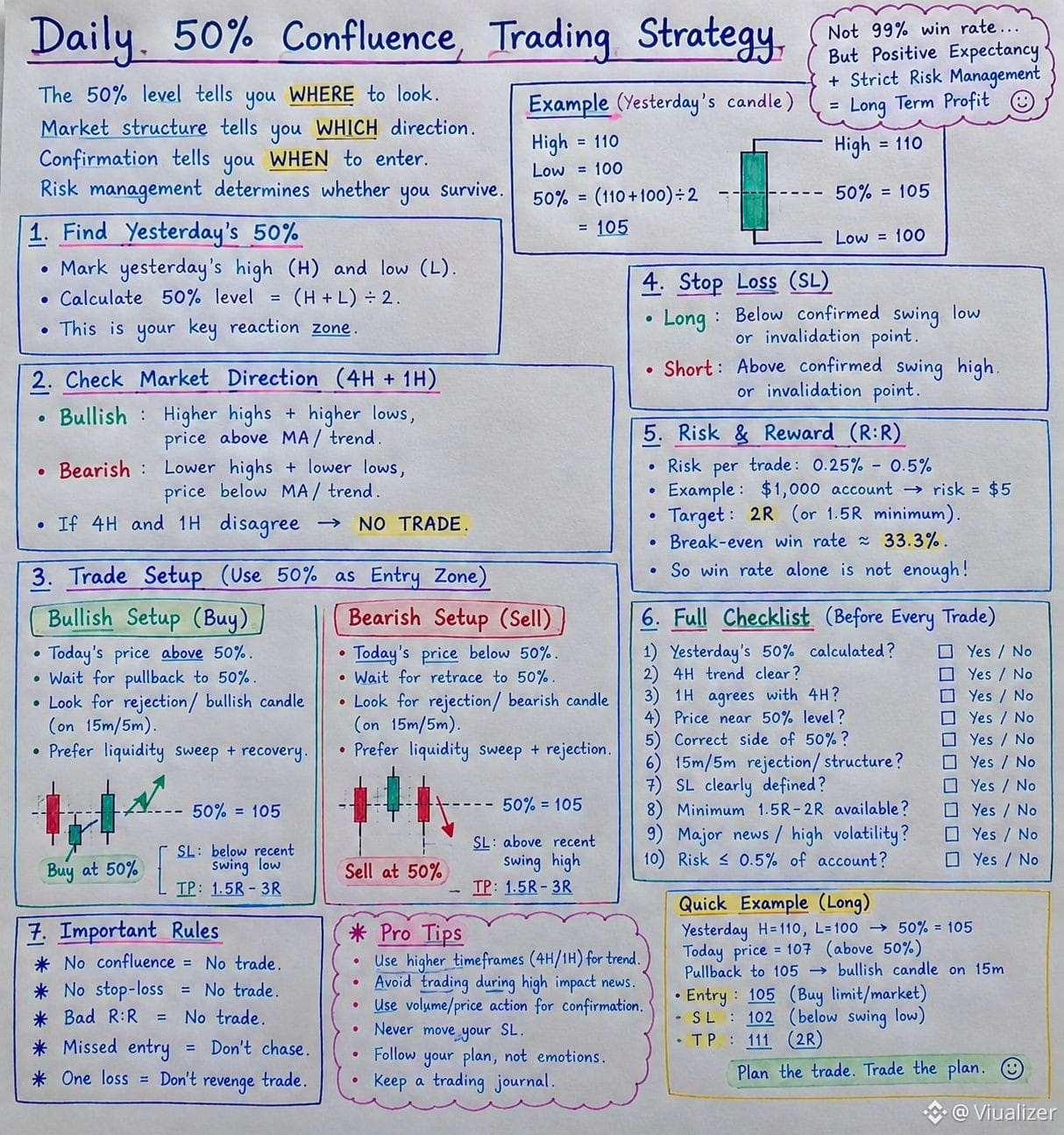
Are you doing Job?
Are you tired of losses?
Do you want not to pay anyone for signals?
Follow this strategy :
Are you doing Job?
Are you tired of losses?
Do you want not to pay anyone for signals?
Follow this strategy :
Are you tired of losses?
Do you want not to pay anyone for signals?
Follow this strategy :
76
·
--
Bullish
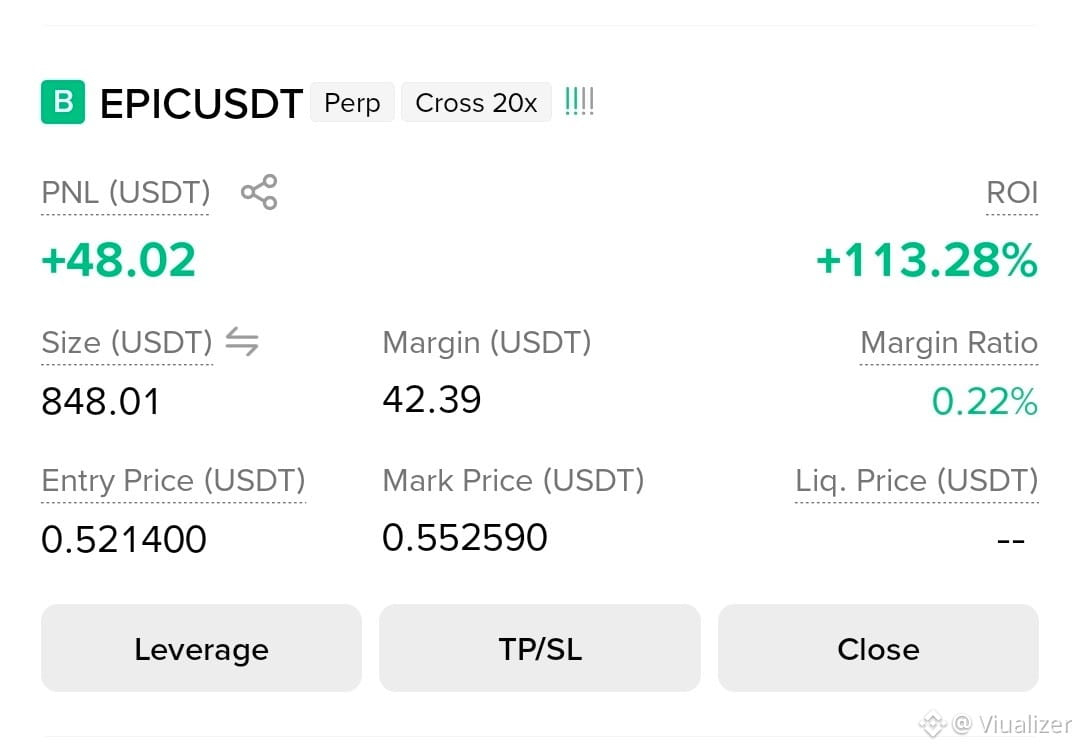
How it became possible just because of simple strategy of waiting all day.
How it became possible just because of simple strategy of waiting all day.
160
·
--
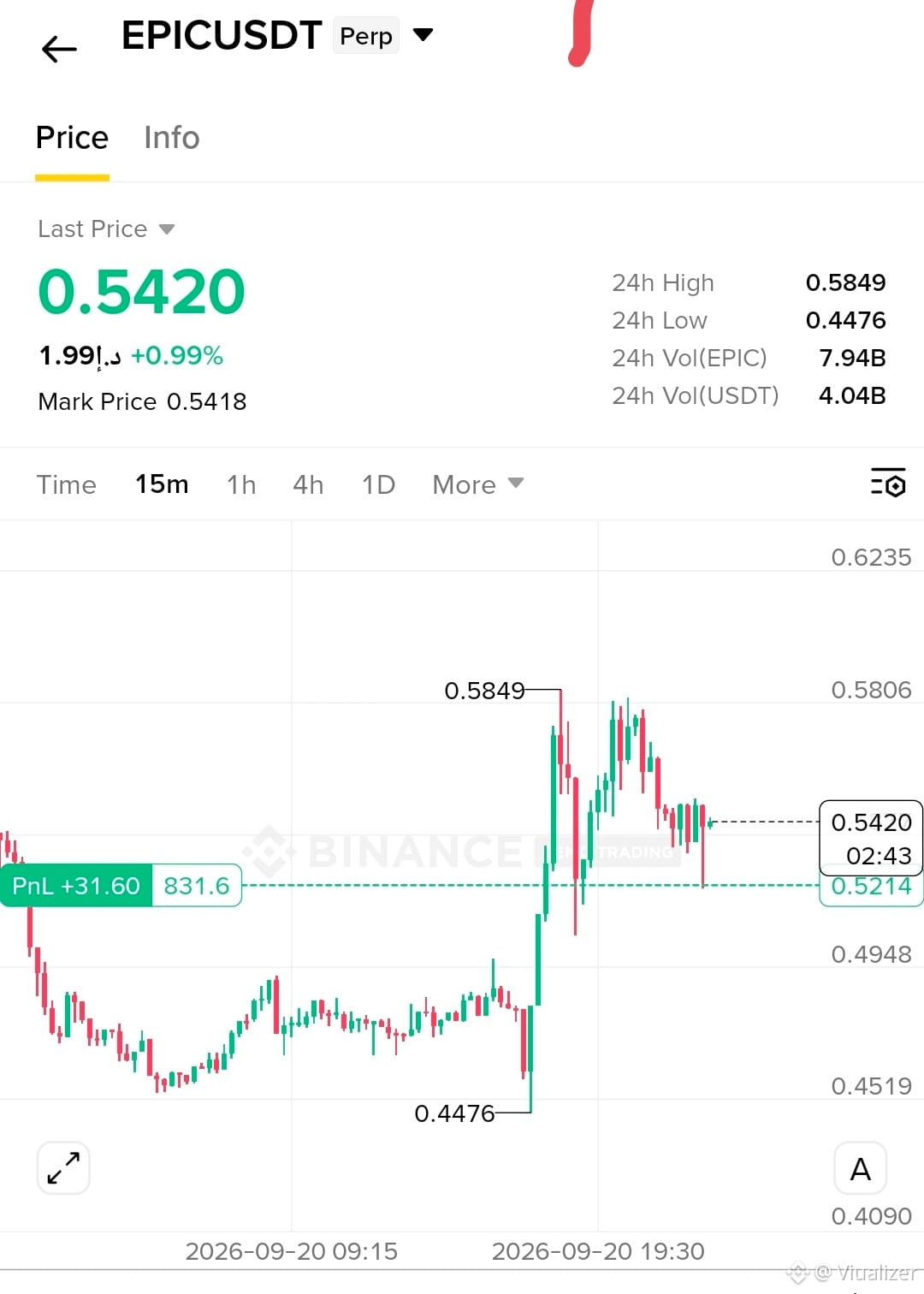
How this become possible just because of one simple strategy
How this become possible just because of one simple strategy
1
4
1.2k
·
--
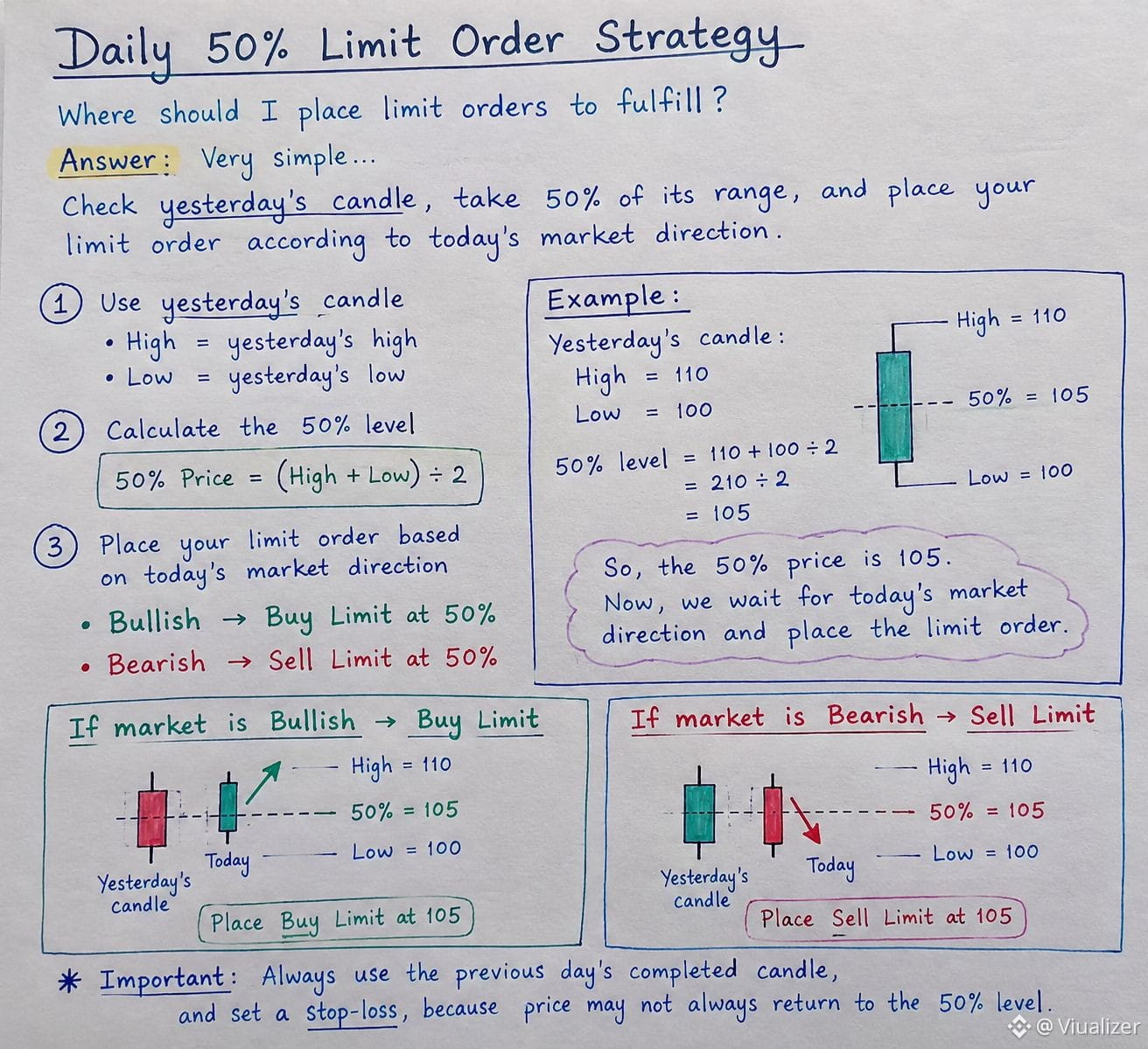
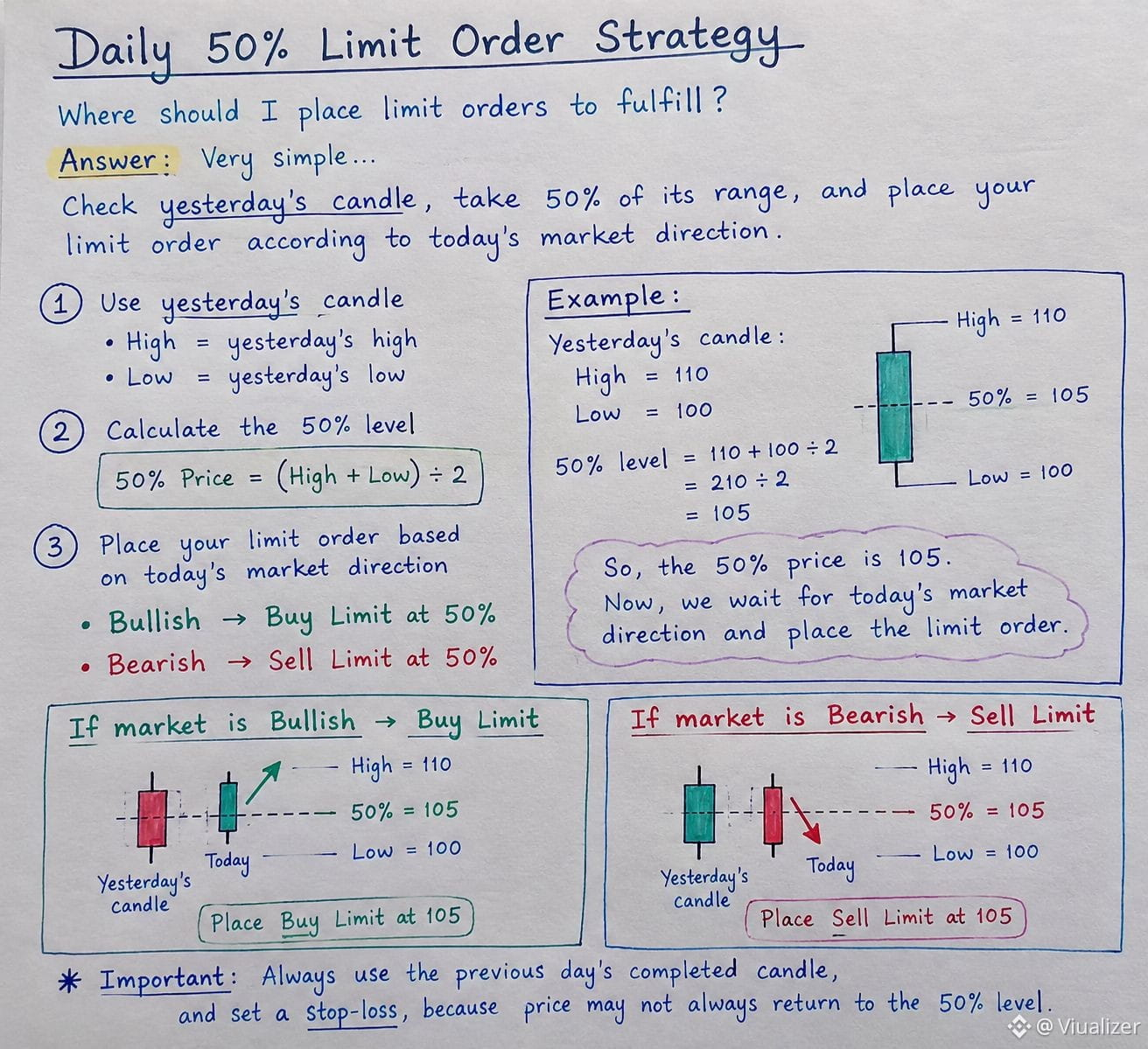
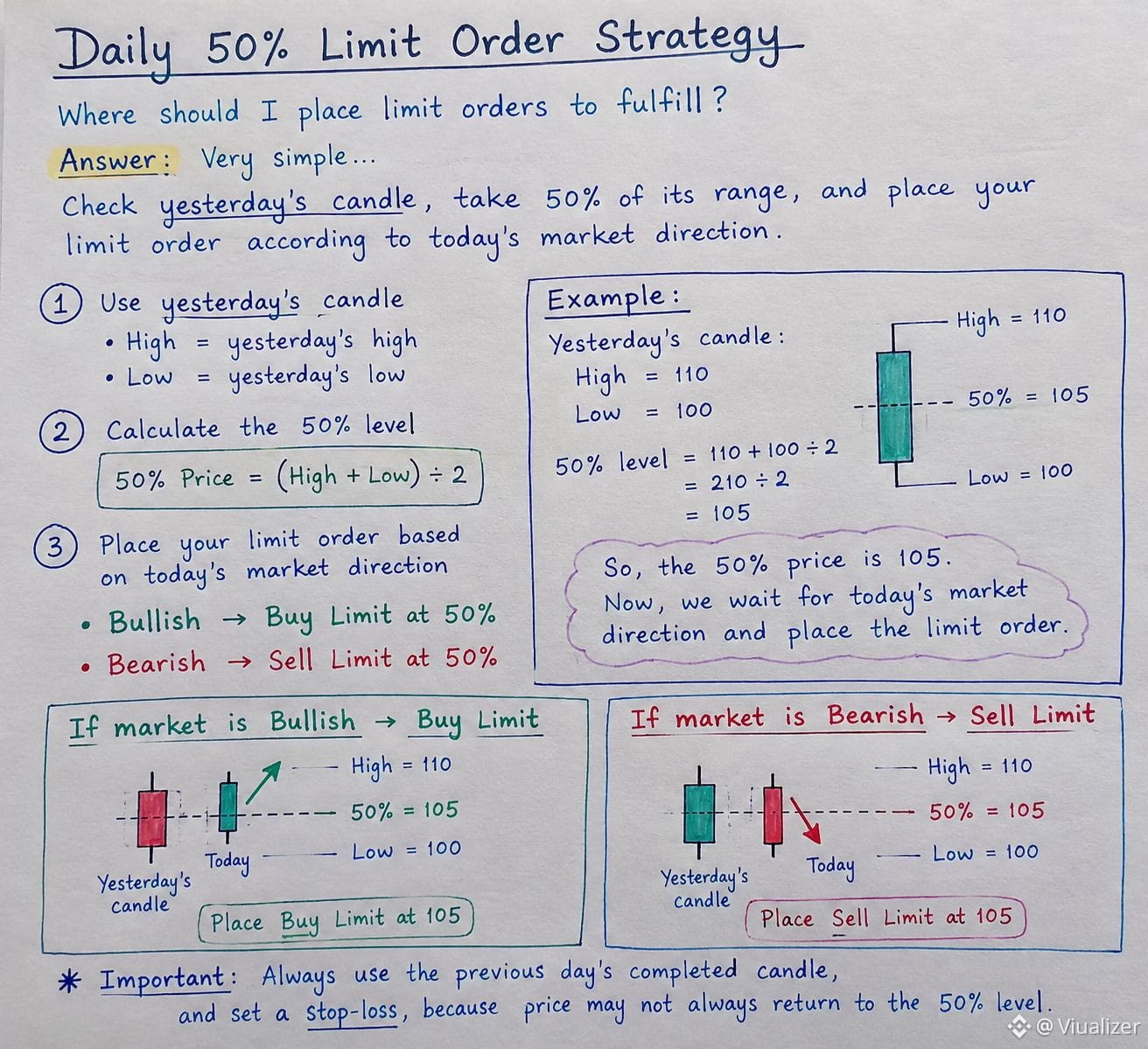
No need to pay anyone for signals. Test this strategy :
90 % Success Rate.
The Question is where I should place limit orders to fulfill
Answer is very simple
Check candle in the day give half of it price , if market is bullish, go for buy and vice versa
$BTC
{future}(BTCUSDT)
No need to pay anyone for signals. Test this strategy :
90 % Success Rate.
The Question is where I should place limit orders to fulfill
Answer is very simple
Check candle in the day give half of it price , if market is bullish, go for buy and vice versa
$BTC
90 % Success Rate.
The Question is where I should place limit orders to fulfill
Answer is very simple
Check candle in the day give half of it price , if market is bullish, go for buy and vice versa
$BTC
5
4
2.1k
·
--

Article
My Trading Rules1. Prefer planned limit entries rather than chasing price.
2. Never increase position size because I am confident about a trade.
3. Define the maximum acceptable loss before entering.
4. Use a stop-loss when appropriate.
5. Do not force a trade if my entry price is not reached.
6. Review every trade and identify whether I followed my rules.
7. Protect capital first; profits come second.
My goal is not to win every trade. My goal is to make sure that one bad trade never damages my ability to continue trading.
My Trading Rules
1. Prefer planned limit entries rather than chasing price.
2. Never increase position size because I am confident about a trade.
3. Define the maximum acceptable loss before entering.
4. Use a stop-loss when appropriate.
5. Do not force a trade if my entry price is not reached.
6. Review every trade and identify whether I followed my rules.
7. Protect capital first; profits come second.
My goal is not to win every trade. My goal is to make sure that one bad trade never damages my ability to continue trading.
2. Never increase position size because I am confident about a trade.
3. Define the maximum acceptable loss before entering.
4. Use a stop-loss when appropriate.
5. Do not force a trade if my entry price is not reached.
6. Review every trade and identify whether I followed my rules.
7. Protect capital first; profits come second.
My goal is not to win every trade. My goal is to make sure that one bad trade never damages my ability to continue trading.
117
·
--
Bullish
Best trade is the trade where you place the order and leave it to fill $ZEC
Best trade is the trade where you place the order and leave it to fill $ZEC
1
148
·
--
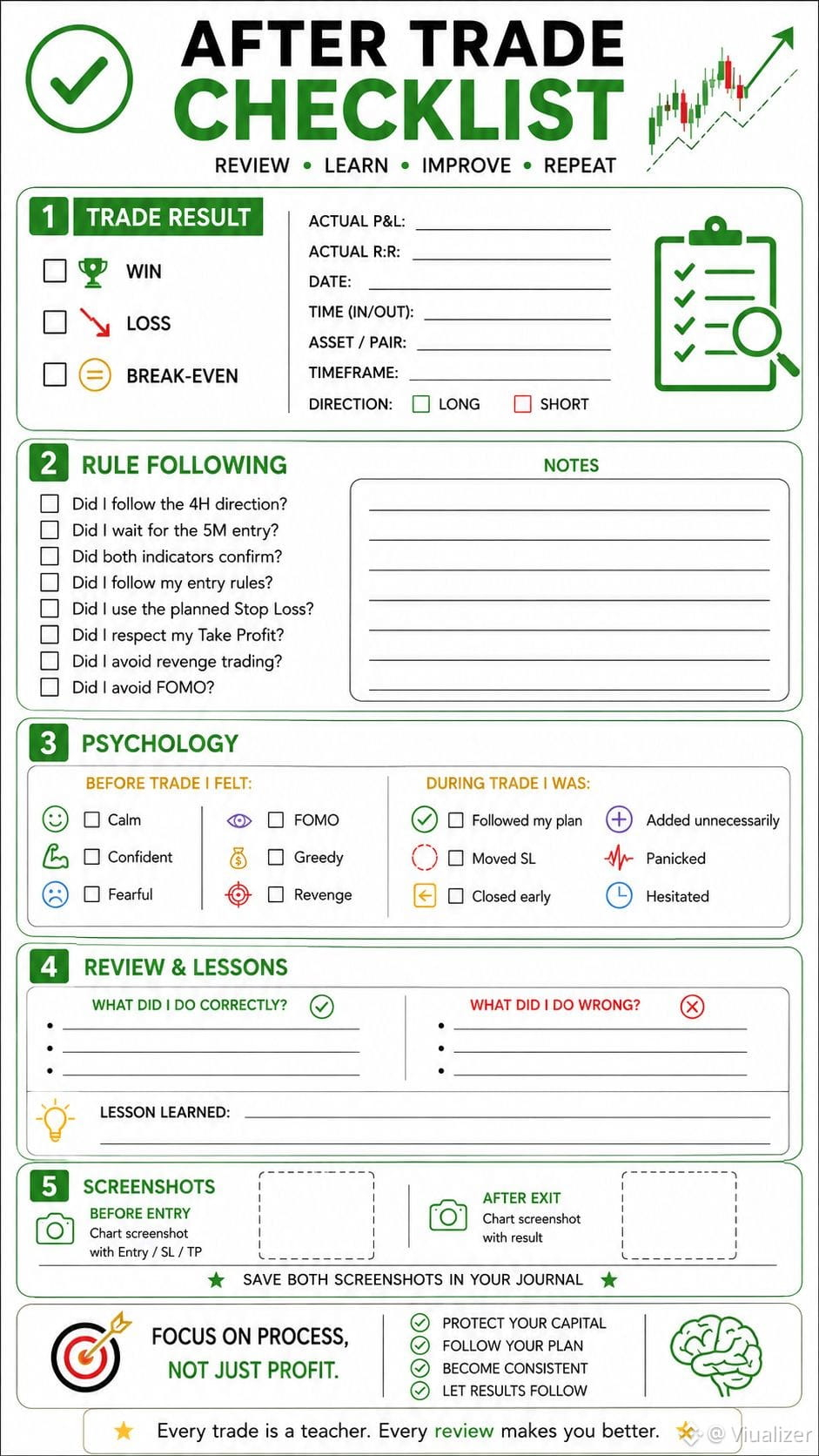
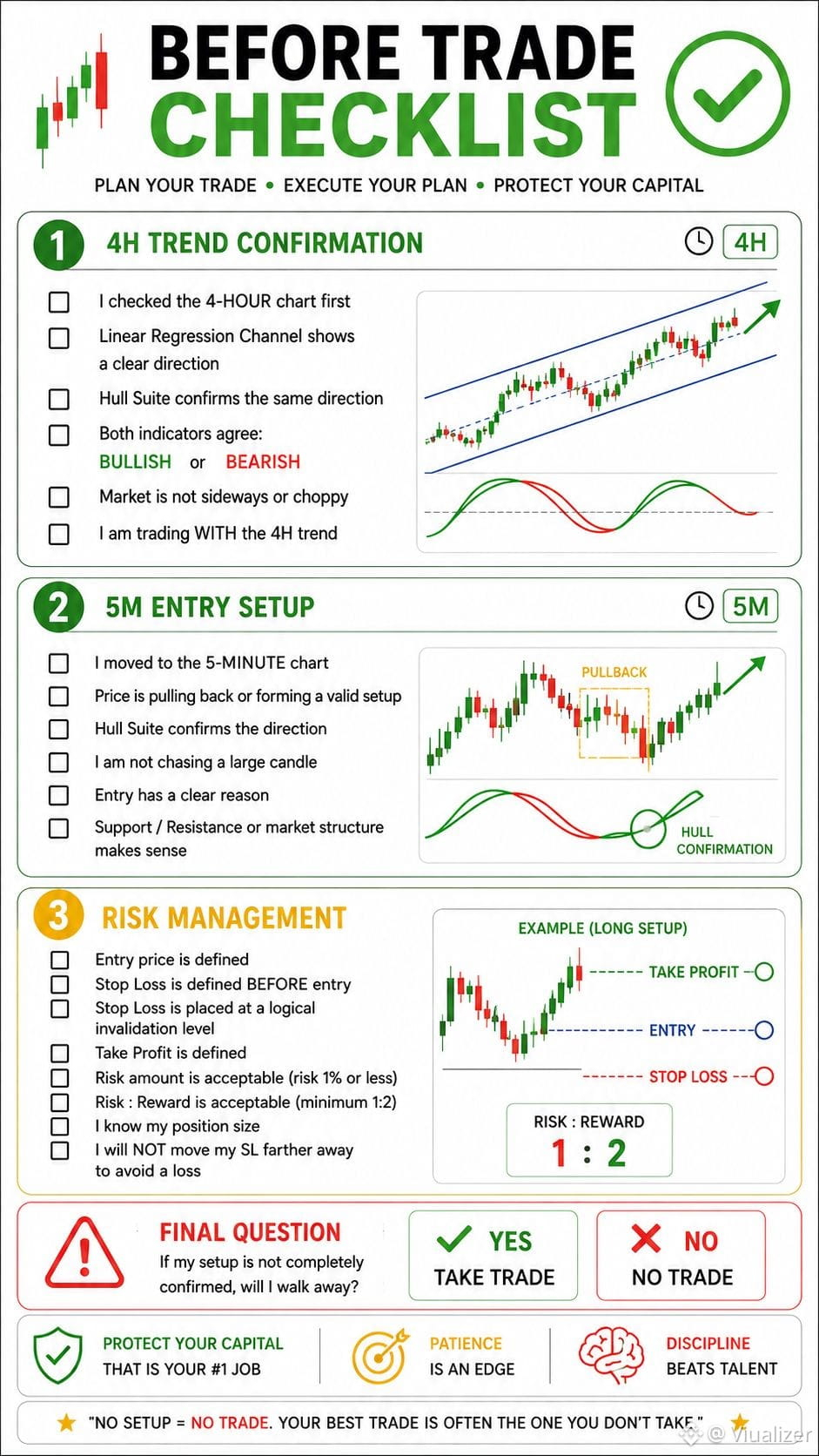
Trading Checklist ll Before Trade & After Trade
Trading Checklist ll Before Trade & After Trade
73
·
--
Banks don’t give a huge loan to just one person—they spread their risk across many borrowers. So why should a trader risk everything on a single trade? Smart trading is about managing risk, protecting capital, and staying in the game for the long term.
Banks don’t give a huge loan to just one person—they spread their risk across many borrowers. So why should a trader risk everything on a single trade? Smart trading is about managing risk, protecting capital, and staying in the game for the long term.
60
·
--
If financial institutions can build wealth through compounding over time, why should traders always rush to double their money?
Banks understand that time, consistency, and controlled risk create sustainable returns. The longer a well-structured loan remains productive, the more the bank benefits from compounding returns.
Trading should be approached with the same mindset. You don’t need excessive leverage or greed to make money quickly. The longer you stay in the market with discipline, proper risk management, and a good strategy, the greater the opportunity for your returns to compound.
Don’t focus on doubling your money quickly. Focus on staying in the game long enough for compounding to do the work.
Less leverage. Less greed. More patience. More consistency.
#Banking #ConsistentGrowth
If financial institutions can build wealth through compounding over time, why should traders always rush to double their money?
Banks understand that time, consistency, and controlled risk create sustainable returns. The longer a well-structured loan remains productive, the more the bank benefits from compounding returns.
Trading should be approached with the same mindset. You don’t need excessive leverage or greed to make money quickly. The longer you stay in the market with discipline, proper risk management, and a good strategy, the greater the opportunity for your returns to compound.
Don’t focus on doubling your money quickly. Focus on staying in the game long enough for compounding to do the work.
Less leverage. Less greed. More patience. More consistency.
#Banking #ConsistentGrowth
Banks understand that time, consistency, and controlled risk create sustainable returns. The longer a well-structured loan remains productive, the more the bank benefits from compounding returns.
Trading should be approached with the same mindset. You don’t need excessive leverage or greed to make money quickly. The longer you stay in the market with discipline, proper risk management, and a good strategy, the greater the opportunity for your returns to compound.
Don’t focus on doubling your money quickly. Focus on staying in the game long enough for compounding to do the work.
Less leverage. Less greed. More patience. More consistency.
#Banking #ConsistentGrowth
83
·
--
Strict rules — non-negotiable
1. Protect capital first — never risk the account trying to make back a loss.
2. No revenge trading — after a losing trade, don't immediately trade to recover it.
3. Cut losses quickly — don't turn a small planned loss into a large one.
4. Never average down blindly — don't keep buying simply because price fell.
Trade only your setup — no setup = no trade.
5. Don't use excessive leverage — leverage should never determine whether you survive a bad trade.
6. Never chase a pump — if the move has already happened, let it go.
7. Don't predict; react — trade what price confirms rather than what you hope will happen.
8. Respect the stop-loss — once invalidated, exit.
9. Don't overtrade — quality over quantity.
10. Don't let one trade matter too much — think in probabilities over many trades.
11. Preserve mental discipline — fear, greed, anger and FOMO are reasons to stop trading.
Strict rules — non-negotiable
1. Protect capital first — never risk the account trying to make back a loss.
2. No revenge trading — after a losing trade, don't immediately trade to recover it.
3. Cut losses quickly — don't turn a small planned loss into a large one.
4. Never average down blindly — don't keep buying simply because price fell.
Trade only your setup — no setup = no trade.
5. Don't use excessive leverage — leverage should never determine whether you survive a bad trade.
6. Never chase a pump — if the move has already happened, let it go.
7. Don't predict; react — trade what price confirms rather than what you hope will happen.
8. Respect the stop-loss — once invalidated, exit.
9. Don't overtrade — quality over quantity.
10. Don't let one trade matter too much — think in probabilities over many trades.
11. Preserve mental discipline — fear, greed, anger and FOMO are reasons to stop trading.
1. Protect capital first — never risk the account trying to make back a loss.
2. No revenge trading — after a losing trade, don't immediately trade to recover it.
3. Cut losses quickly — don't turn a small planned loss into a large one.
4. Never average down blindly — don't keep buying simply because price fell.
Trade only your setup — no setup = no trade.
5. Don't use excessive leverage — leverage should never determine whether you survive a bad trade.
6. Never chase a pump — if the move has already happened, let it go.
7. Don't predict; react — trade what price confirms rather than what you hope will happen.
8. Respect the stop-loss — once invalidated, exit.
9. Don't overtrade — quality over quantity.
10. Don't let one trade matter too much — think in probabilities over many trades.
11. Preserve mental discipline — fear, greed, anger and FOMO are reasons to stop trading.
2
289
·
--
BNF-style trading rules:
✔️Trade only liquid coins.
✔️Wait for an unusually large move.
✔️Don't chase a pump.
✔️Look for panic selling/overreaction.
✔️Enter only when your setup confirms.
✔️Risk 1% or less of trading capital.
✔️Take profits according to a predefined plan.
✔️Cut losing trades quickly.
✔️Never revenge trade.
✔️Don't trade just because you are bored.
✔️Keep a trading journal.
✔️Protect capital first; profit comes second.
BNF-style trading rules:
✔️Trade only liquid coins.
✔️Wait for an unusually large move.
✔️Don't chase a pump.
✔️Look for panic selling/overreaction.
✔️Enter only when your setup confirms.
✔️Risk 1% or less of trading capital.
✔️Take profits according to a predefined plan.
✔️Cut losing trades quickly.
✔️Never revenge trade.
✔️Don't trade just because you are bored.
✔️Keep a trading journal.
✔️Protect capital first; profit comes second.
✔️Trade only liquid coins.
✔️Wait for an unusually large move.
✔️Don't chase a pump.
✔️Look for panic selling/overreaction.
✔️Enter only when your setup confirms.
✔️Risk 1% or less of trading capital.
✔️Take profits according to a predefined plan.
✔️Cut losing trades quickly.
✔️Never revenge trade.
✔️Don't trade just because you are bored.
✔️Keep a trading journal.
✔️Protect capital first; profit comes second.
43
·
--
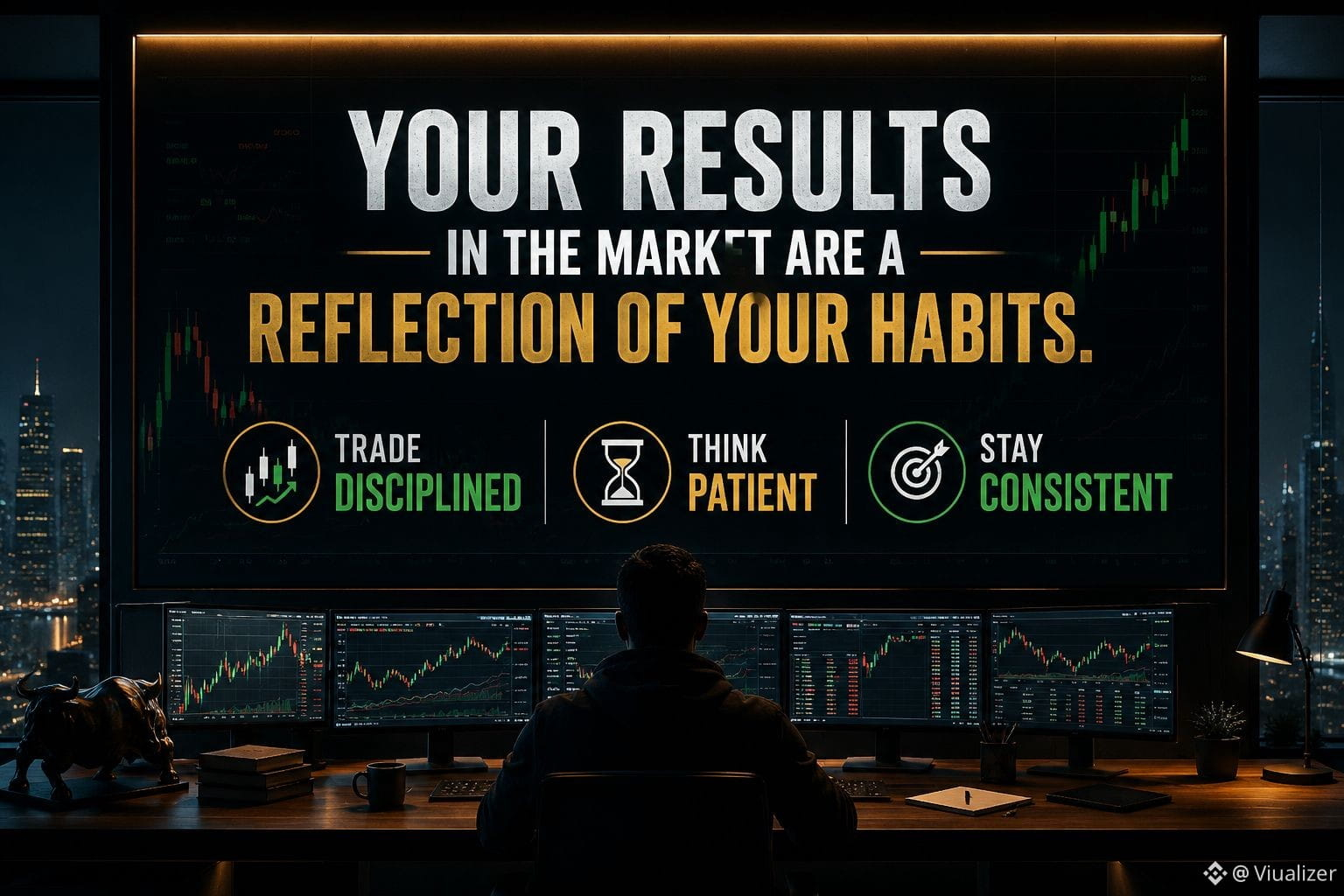
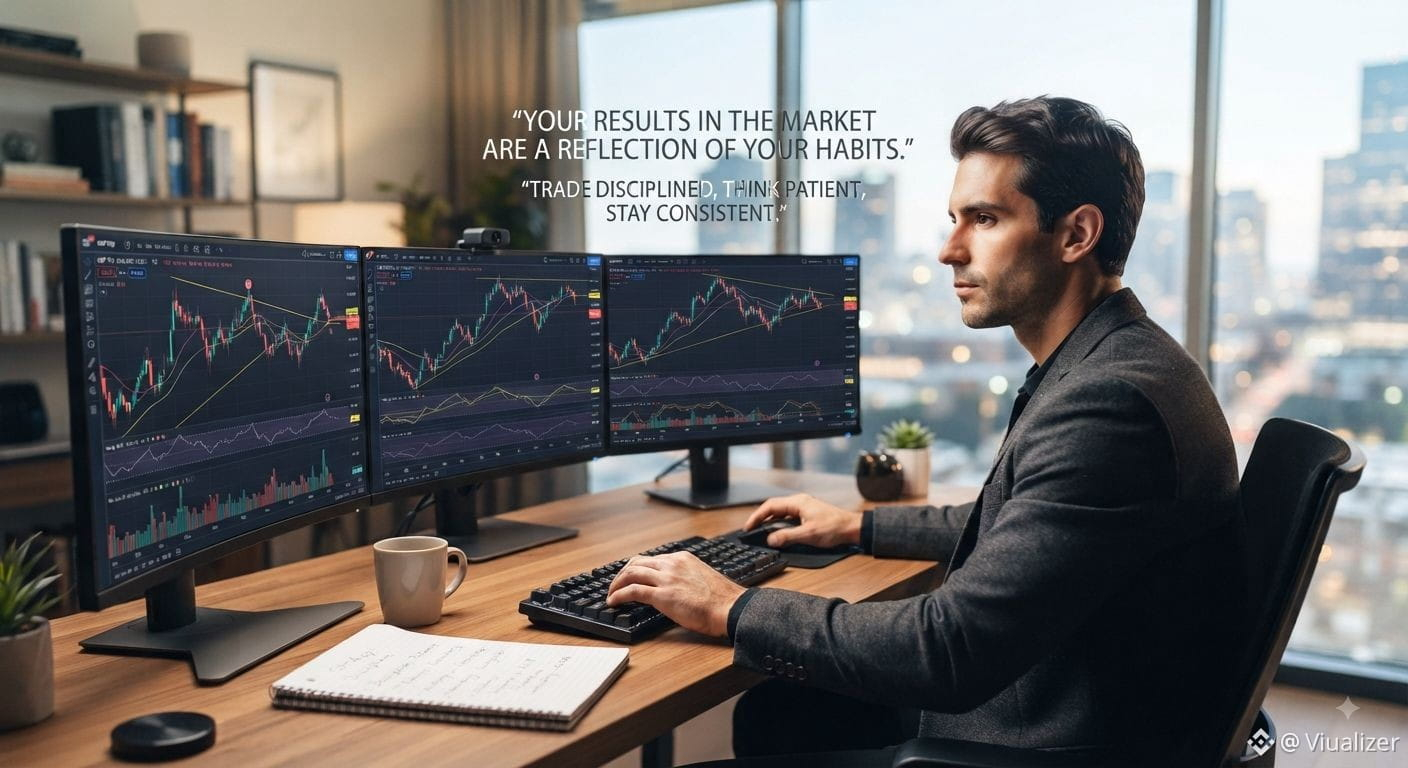
Your results in the market are a reflection of your habits. Trade disciplined, think patient, stay consistent.”
Your results in the market are a reflection of your habits. Trade disciplined, think patient, stay consistent.”
43
·
--
Your results in the market are a reflection of your habits. Trade disciplined, think patient, stay consistent.
Your results in the market are a reflection of your habits. Trade disciplined, think patient, stay consistent.
61
·
--
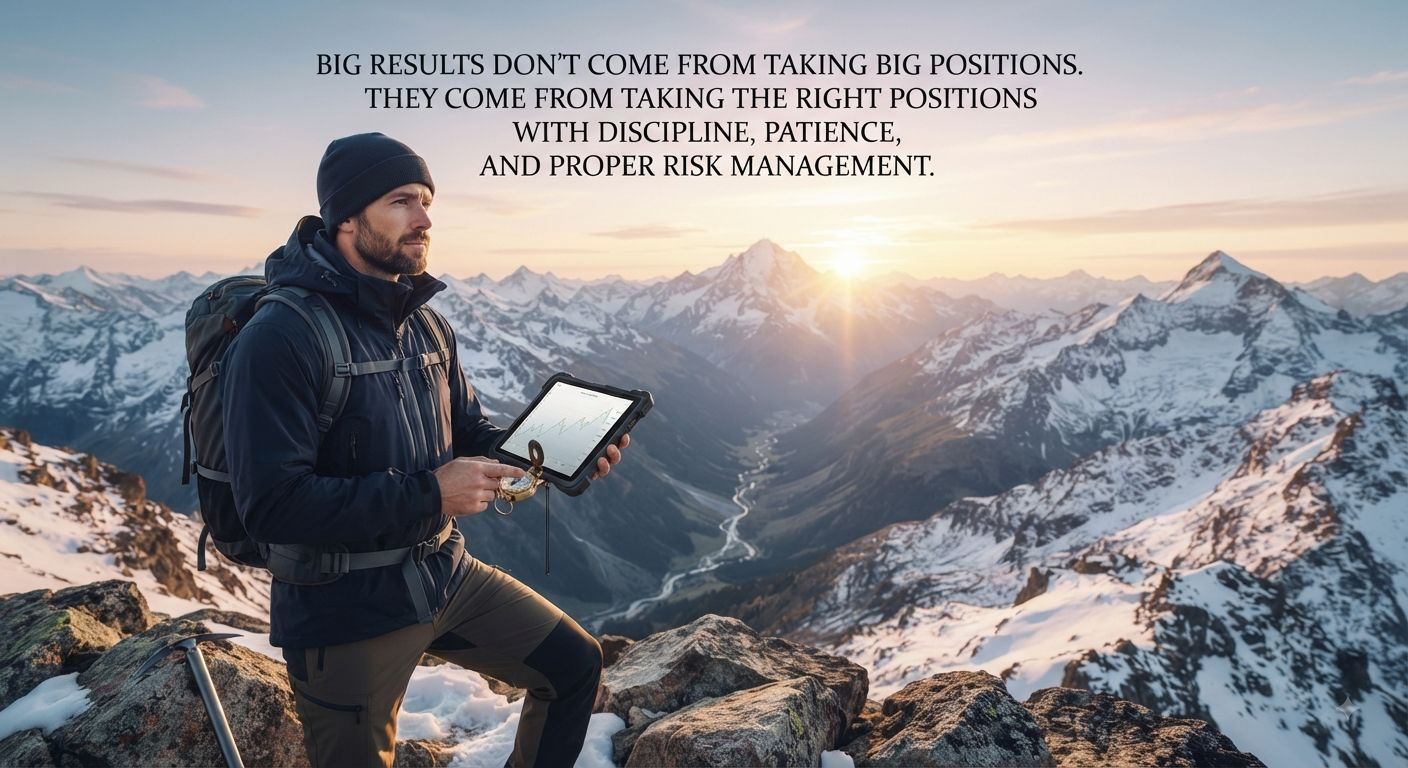
Big results don’t come from taking big positions. They come from taking the right positions with discipline, patience, and proper risk management.
Big results don’t come from taking big positions. They come from taking the right positions with discipline, patience, and proper risk management.
79
·
--
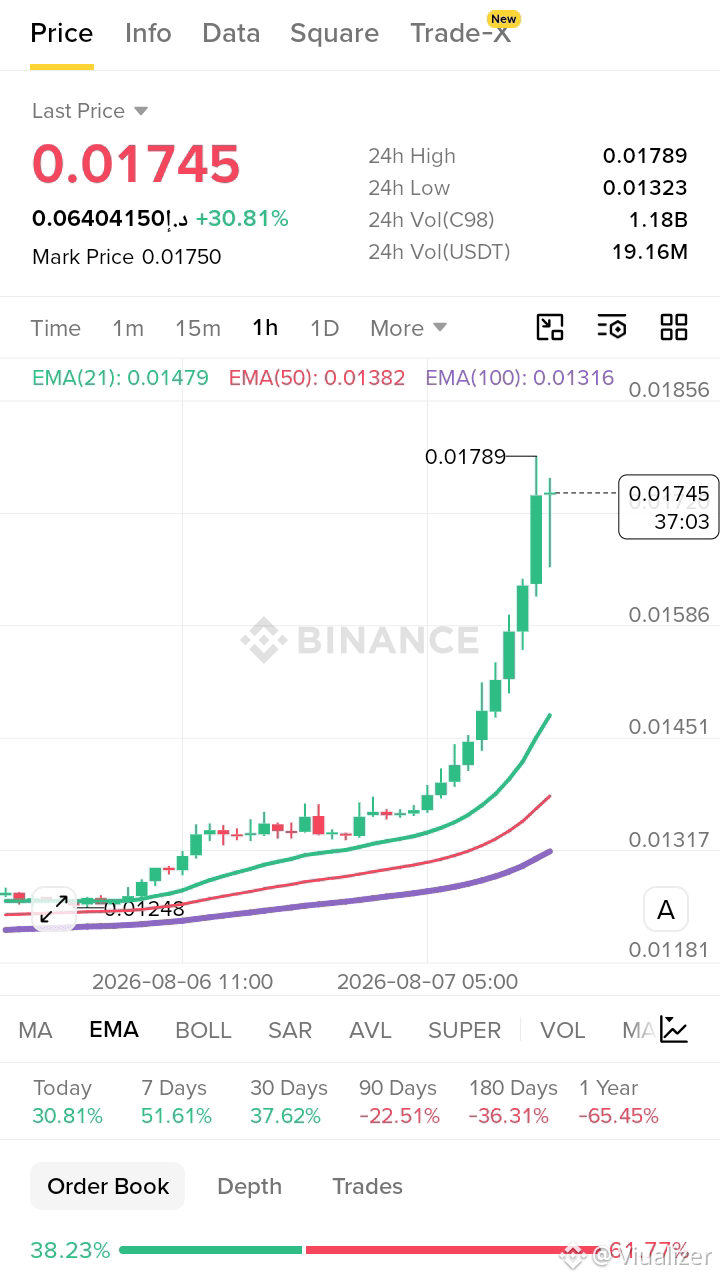
Problem is not the chart , problem is in brain of watching the chart 📈
Problem is not the chart , problem is in brain of watching the chart 📈
69
·
--
Every loss is a lesson learned,
Every mistake is a bridge you’ve burned.
The market teaches, the market shows,
Only the patient truly grows.
Stop loss ready, risk defined,
Clear decisions with a focused mind.
The winner knows when to walk away,
And waits for the perfect day.
$BTC
Every loss is a lesson learned,
Every mistake is a bridge you’ve burned.
The market teaches, the market shows,
Only the patient truly grows.
Stop loss ready, risk defined,
Clear decisions with a focused mind.
The winner knows when to walk away,
And waits for the perfect day.
$BTC
Every mistake is a bridge you’ve burned.
The market teaches, the market shows,
Only the patient truly grows.
Stop loss ready, risk defined,
Clear decisions with a focused mind.
The winner knows when to walk away,
And waits for the perfect day.
$BTC
16
·
--
The market doesn't hear your name,
It doesn't know your fear or pain.
It only shows what you reveal,
Your discipline decides what you feel.
The market doesn't hear your name,
It doesn't know your fear or pain.
It only shows what you reveal,
Your discipline decides what you feel.
It doesn't know your fear or pain.
It only shows what you reveal,
Your discipline decides what you feel.
6
Log in to explore more content
Join global crypto users on Binance Square
⚡️ Get latest and useful information about crypto.
💬 Trusted by the world’s largest crypto exchange.
👍 Discover real insights from verified creators.
Email / Phone number
Trending Topics
AIStocksWhatNext
67,547 views
682 Discussing
Share & Win Traffic Reward in our Trending Hashtag Campaign
✨Topic: What Other Investment Opportunities Remain as AI Stocks Keep Rising?
👉How to Join:
Publish a short post or article with hashtag #AIStocksWhatNext
Share whether you’re bullish or bearish, and post your AI stock holdings or trade — using the trade widget may improve your eligibility.
You can also strengthen your post by sharing data or charts, and avoiding AI-generated images.
✍️Create content based on the below angles:
- Nvidia says chip sales will double next year, and top AI companies keep hitting record revenue, the compute spend behind it is just as staggering. Is AI demand really taking off? And how long can it last? AI stocks are up across the board. Is this a real breakout, or just a short-term bounce?
- Industry leaders are calling to slow down AI development, while Trump plans to build an “AI Force”, claiming AI could account for 25% of U.S. GDP in the future. Whose side are you on? Will state-level backing be a long-term win for AI stocks?
- Are you buying AI stocks? Share your AI-related trade/holdings with our trade sharing widget.
⏰Campaign Period:
- 2026-09-22 7:00 - 2026-09-24 4:00 UTC
🎁Reward:
- Qualified posts that comply with the above guidelines and contain more than 100 words will be reviewed and may receive a random traffic boost of 500 to 3,000 views. You will receive a notification from your feed secretary if your post is selected.
- Get a chance to have your article featured on Binance Square Official
Need ideas for your post? Visit the topic page #AIStocksWhatNext or the Square Guide on How to Post for Better Reach.
Binance Square Official
·175 Likes
·232k views
DogecoinRises15%
37 views
9 Discussing
$14BBitcoinOptionsExpireFriday
13 views
2 Discussing