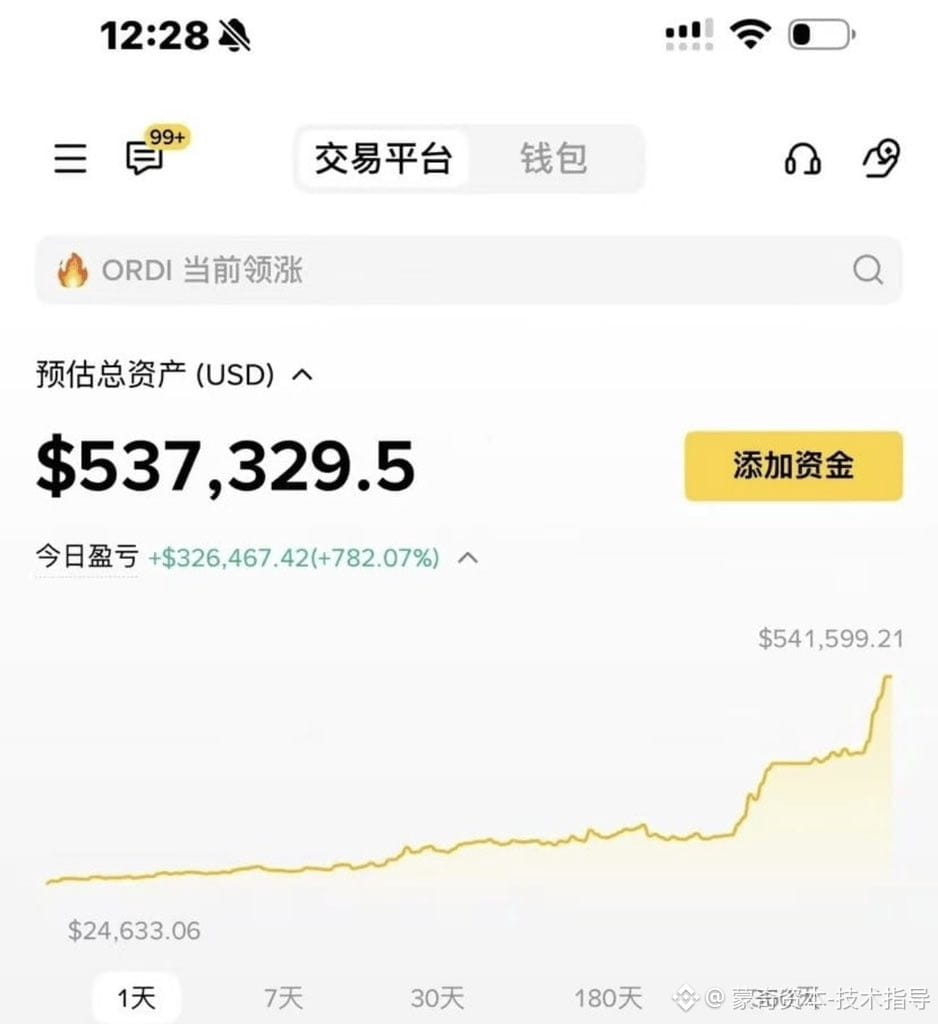
After trading crypto for so many years, I’ve gradually developed a habit: when my account makes money, I withdraw it first, then think about the next trade. $AKE
A follower once asked me:
“Markets are doing so well, and your account has just made a profit. Why not keep adding to your position and let the profits compound?”
My answer is simple: the numbers in your account are only unrealized gains. The money you actually withdraw is the profit you can truly use.
Over the years, I’ve seen this happen far too many times. An account grows from 10,000 U to tens of thousands of U, or even close to 100,000 U. You start to feel like you’ve figured out how the market works, so you increase your position size and trade more frequently.
Then the market turns around, even slightly, and the profits you’d built up slowly disappear.
Over time, I changed the way I trade and made a point of sticking to three habits:
First, consider the worst-case scenario before opening a position.
Don’t start by imagining how much you could make on a trade. Calculate in advance how much you’d lose if you were wrong. If the risk is beyond what you can afford, don’t take the trade, no matter how good the opportunity looks.
Second, don’t trade if your criteria aren’t met.
No matter how impressive a rally looks, that doesn’t mean it’s an opportunity for you. If there’s no good entry point, keep waiting. If you make several bad calls in a row, stop trading, review what happened, and only then decide what to do next.
Third, when your profits reach your target, take some money off the table.
Don’t put all your profits back into the market. Withdraw some of your earnings so that part of your gains is actually secured, while also easing the psychological pressure of future trades.
Now, when the market suddenly surges, I don’t immediately think about chasing it. I first consider the logic behind the entry, where to place a stop-loss, and the potential risks.
I used to think that I had to catch every market move to make more money. Now I understand that a truly mature trader knows how to pass up opportunities that aren’t theirs.
Going from 10,000 U to 100,000 U, the most important lesson isn’t what number the account once reached, but how I gradually learned to manage profits and control risk.
Trading takes more than the ability to make money; it also takes the ability to protect your profits.
The market won’t guarantee you another win just because you made money before. Don’t let a short-term profit cloud your judgment. Only those who can stay in the market over the long term will be around to wait for the next opportunity.