📰 Fed Turns More Hawkish: Why Powell’s Successor Makes BTC’s Situation Worse?
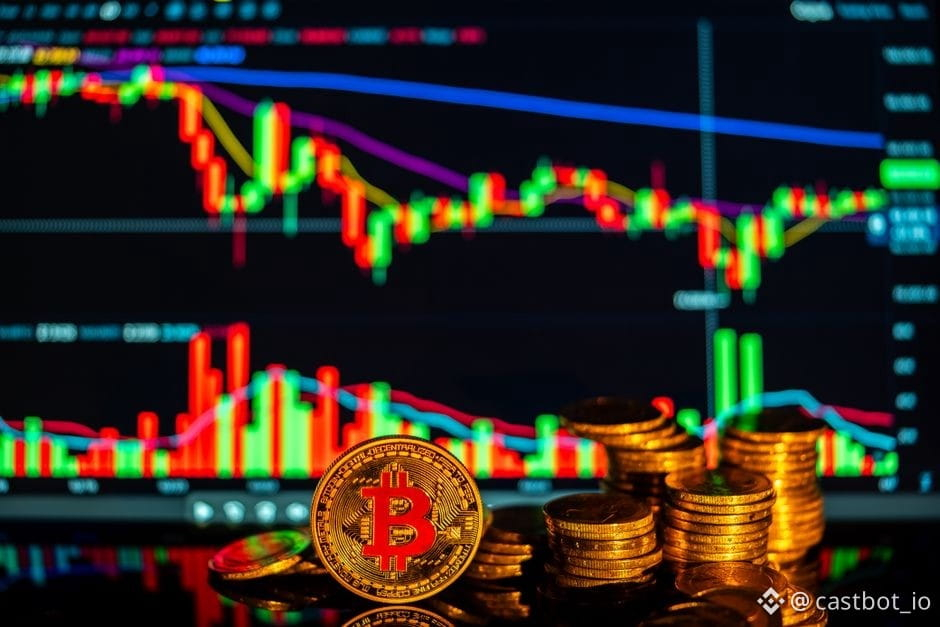
One of the Federal Reserve’s Board members, Michael Barr, who has just joined the rate-hike camp, warned that to get inflation back to the 2% target on time, further rate hikes may still be needed. This came not long after the Fed’s first hike in 7 months—adding fuel to an already pressured Bitcoin ($83,979.73). After failing to break above $87,300 twice, BTC is currently struggling below $84,600.
Why is this news important?
The Fed governor in charge of financial regulation (Barr, in particular, oversees this area) has begun to express a clearer tightening stance. That means prior speculation that the rate-hiking cycle was near its end may need to be revised. This message is significant because it comes after the Fed has already taken action (July’s hike), not merely as part of discussion. In other words, what markets now have to digest is that “tightening could be more persistent and harsher than expected,” rather than “whether the Fed will tighten.”
Why would this hit Bitcoin? Because Bitcoin itself is a hedge against inflation and monetary easing. If the Fed turns hawkish, it can end up suppressing assets like this.
Impact on the market
For BTC and ETH, this is undoubtedly salt in the wound. Both coins are currently under pressure at key technical levels, and the hawkish comments from Powell’s successor will likely intensify that pressure, with risk appetite expected to remain constrained in the near term. In terms of transmission, the Fed’s policy direction will directly affect global liquidity expectations. And because Bitcoin is the largest cryptocurrency in the world, its price volatility is often highly correlated with overall market risk sentiment. Historically, whenever the Fed signals hikes or actually hikes rates, performance of Bitcoin and other crypto assets usually isn’t great, since they are classic risk assets.
💡 In the short term, I think $83,000–$82,000 is the key defensive range. If it breaks below that level, support near $81,500 may be tested. This means hawkish Fed messaging could increase downside pressure on Bitcoin, because rate-hike expectations have been reactivated—and Bitcoin is the market’s direct reaction to easing expectations.
If, in the future, the Fed actually announces a rate hike, this view would be invalid. This article has no project sponsorship. The author does not hold any of the assets mentioned.
⚠️ Not investment advice; forecasts are for reference only
#MarketNews|BarrJoins the Hawkish Chorus as Markets Lean Toward an October Hike
One of the Federal Reserve’s Board members, Michael Barr, who has just joined the rate-hike camp, warned that to get inflation back to the 2% target on time, further rate hikes may still be needed. This came not long after the Fed’s first hike in 7 months—adding fuel to an already pressured Bitcoin ($83,979.73). After failing to break above $87,300 twice, BTC is currently struggling below $84,600.
Why is this news important?
The Fed governor in charge of financial regulation (Barr, in particular, oversees this area) has begun to express a clearer tightening stance. That means prior speculation that the rate-hiking cycle was near its end may need to be revised. This message is significant because it comes after the Fed has already taken action (July’s hike), not merely as part of discussion. In other words, what markets now have to digest is that “tightening could be more persistent and harsher than expected,” rather than “whether the Fed will tighten.”
Why would this hit Bitcoin? Because Bitcoin itself is a hedge against inflation and monetary easing. If the Fed turns hawkish, it can end up suppressing assets like this.
Impact on the market
For BTC and ETH, this is undoubtedly salt in the wound. Both coins are currently under pressure at key technical levels, and the hawkish comments from Powell’s successor will likely intensify that pressure, with risk appetite expected to remain constrained in the near term. In terms of transmission, the Fed’s policy direction will directly affect global liquidity expectations. And because Bitcoin is the largest cryptocurrency in the world, its price volatility is often highly correlated with overall market risk sentiment. Historically, whenever the Fed signals hikes or actually hikes rates, performance of Bitcoin and other crypto assets usually isn’t great, since they are classic risk assets.
💡 In the short term, I think $83,000–$82,000 is the key defensive range. If it breaks below that level, support near $81,500 may be tested. This means hawkish Fed messaging could increase downside pressure on Bitcoin, because rate-hike expectations have been reactivated—and Bitcoin is the market’s direct reaction to easing expectations.
If, in the future, the Fed actually announces a rate hike, this view would be invalid. This article has no project sponsorship. The author does not hold any of the assets mentioned.
⚠️ Not investment advice; forecasts are for reference only
#MarketNews|BarrJoins the Hawkish Chorus as Markets Lean Toward an October Hike