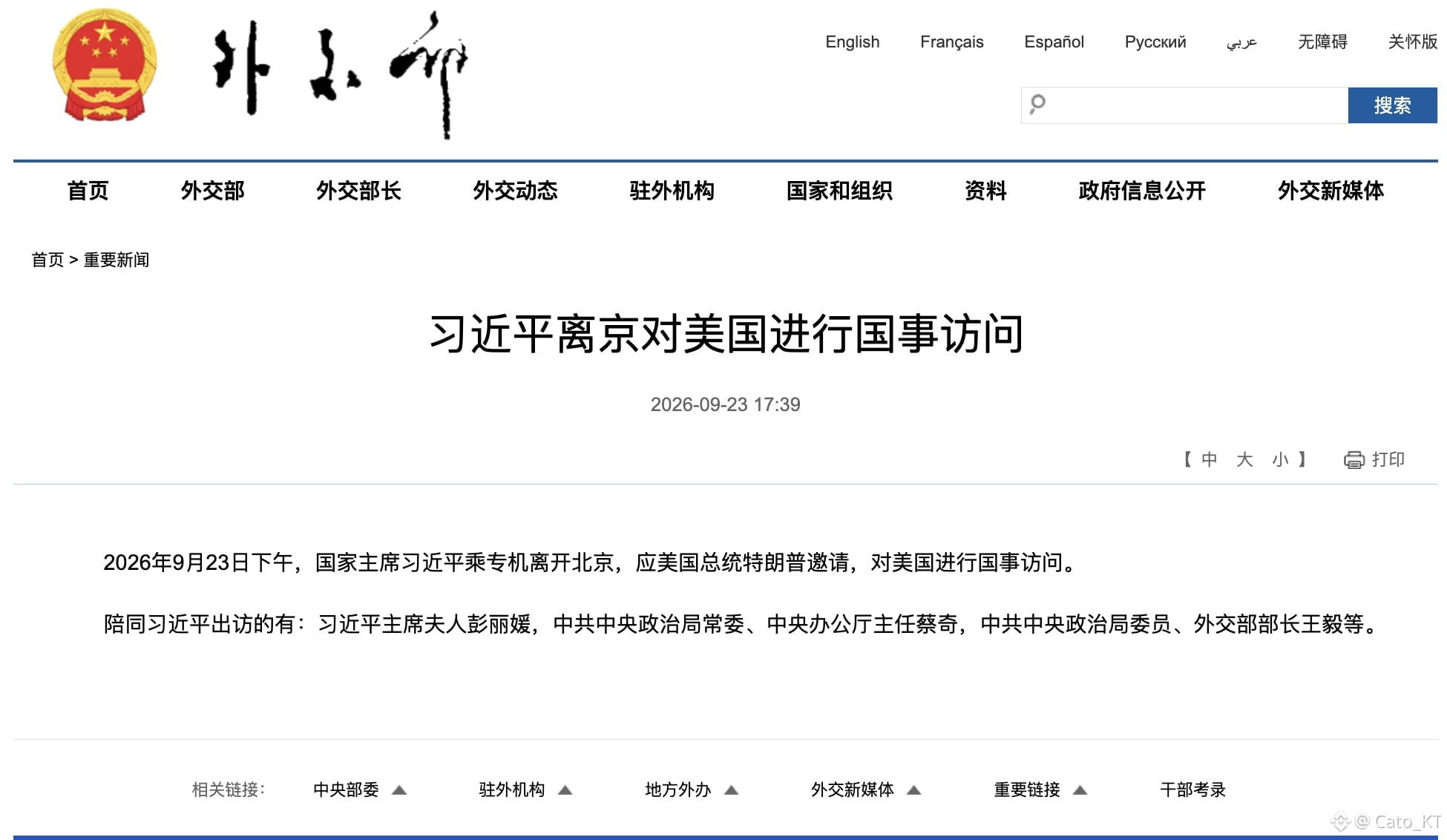
Simplify this week’s macro mainline framework. Focus on three lines: the China-US summit as it relates to the US dollar against the RMB exchange rate index; the Iran–US relationship as it relates to crude oil price movements; and inflation expectations as reflected by fluctuations in crude oil and bond market yields.
a. In the run-up to the China-US summit, if the USD/CNH (US dollar to RMB) index falls, the RMB appreciates. If the outcome is better than expected, the index continues to decline and the RMB continues to strengthen. Conversely, if the result is worse than what the market had previously expected, the index rebounds and the RMB weakens.
Of course, this is just a short-term observation indicator. After the summit ends, the RMB–USD relationship will still depend on policy adjustments by all parties; no more details here.
b. The Iran–US relationship is about crude oil—Brent and WTI. Not much to add here. Whether or not the Iran–US side can return to negotiations, the real situation of shipping across the strait, and energy supply conditions—all of it will be most directly reflected in crude oil prices.
c. The most interesting combination: crude oil prices versus bond market yield fluctuations. If Brent continues to fall, but US Treasury yields—2-year and 10-year—can’t keep falling, this suggests that the market’s inflation pricing is becoming more differentiated. In that case, energy prices are no longer the main pricing core for inflation, and the market may start factoring in the US’s internal (domestic) inflation. If this kind of scenario really occurs, it would imply that the probability of further rate hikes should rise.
Once crude oil prices fall below $95, observations of US Treasury yields should enter a key phase. If yields stop falling, then inflation concerns will shift away from oil prices and toward the US’s endogenous economic conditions. #AI股持续上涨还有哪些投资机会
a. In the run-up to the China-US summit, if the USD/CNH (US dollar to RMB) index falls, the RMB appreciates. If the outcome is better than expected, the index continues to decline and the RMB continues to strengthen. Conversely, if the result is worse than what the market had previously expected, the index rebounds and the RMB weakens.
Of course, this is just a short-term observation indicator. After the summit ends, the RMB–USD relationship will still depend on policy adjustments by all parties; no more details here.
b. The Iran–US relationship is about crude oil—Brent and WTI. Not much to add here. Whether or not the Iran–US side can return to negotiations, the real situation of shipping across the strait, and energy supply conditions—all of it will be most directly reflected in crude oil prices.
c. The most interesting combination: crude oil prices versus bond market yield fluctuations. If Brent continues to fall, but US Treasury yields—2-year and 10-year—can’t keep falling, this suggests that the market’s inflation pricing is becoming more differentiated. In that case, energy prices are no longer the main pricing core for inflation, and the market may start factoring in the US’s internal (domestic) inflation. If this kind of scenario really occurs, it would imply that the probability of further rate hikes should rise.
Once crude oil prices fall below $95, observations of US Treasury yields should enter a key phase. If yields stop falling, then inflation concerns will shift away from oil prices and toward the US’s endogenous economic conditions. #AI股持续上涨还有哪些投资机会