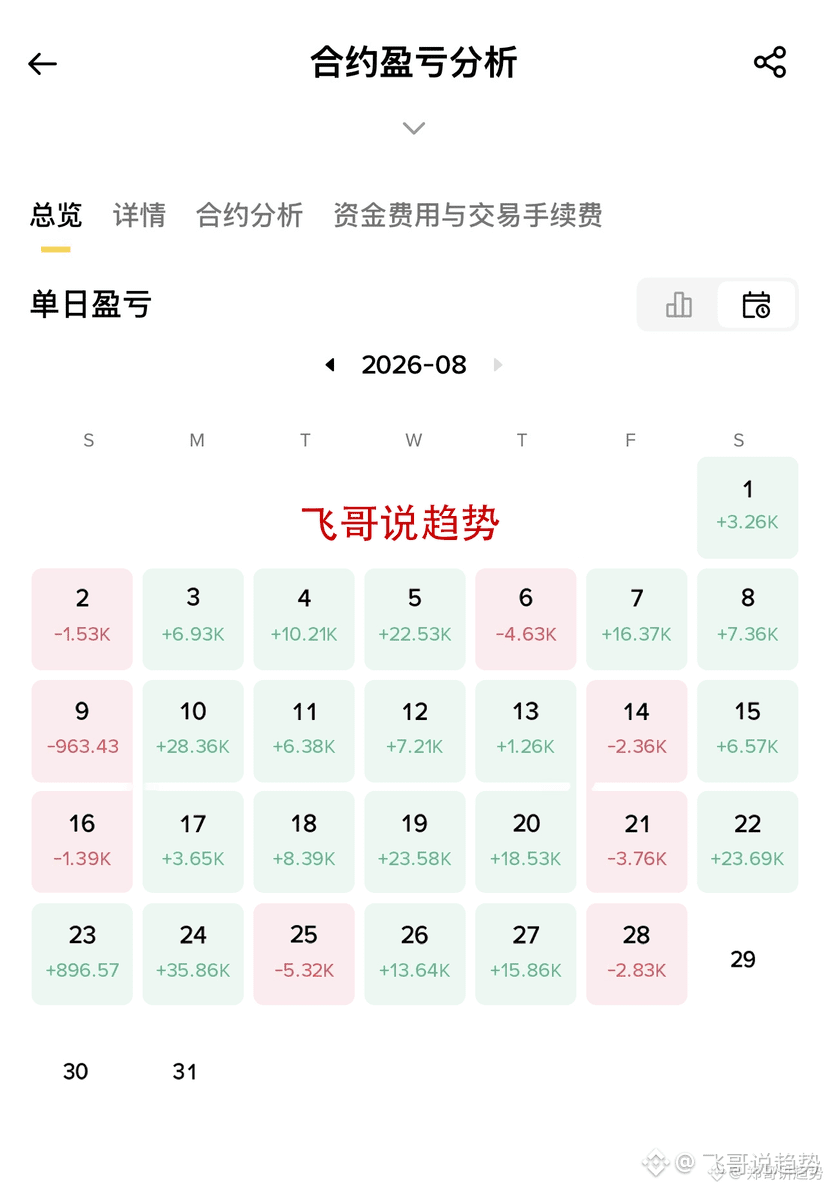
Last year, a fan came in with 100,000 U. After a long run of messing around, their account was left with only 5,000 U. The traps he fell into are the common pitfalls that the vast majority of traders in the crypto world end up stumbling over. $BTC
He told me that when he first entered, he was full of confidence. With 100,000 U as principal, he felt he was different from those who started with just a few thousand U—he could handle volatility. What happened? In the first week, he went all-in on the wrong direction, refused to exit, and endured it for three days as the losses kept getting worse. In the end, he cut his losses and exited.
Then he was unwilling to accept it and wanted to turn it around in one go. The second trade had an even heavier position size, but he made the same mistake again—his account was instantly slashed in half. $ETH
After reviewing his trading records, I found that these traps are almost the ones everyone has fallen into at least once, yet very few people truly manage to avoid them.
The first trap: after winning a couple trades, you think you’re a genius. You get a few correct calls in a row, your confidence swells, and you start to believe you understand the market. Then you loosen your position size, widen your stop-loss, and allow more leverage. The result? One loss wipes out all the profits from before—and even costs you the principal. The arrogance after making money is more deadly than the fear after losing, because it makes you feel you can’t be wrong. And once you think you can’t be wrong, you’re not far from getting liquidated. $BTR
The second trap: after losing, you start adding positions like crazy. When the direction is wrong, you don’t exit first—you think, “I’ll add another trade to lower my average entry.” But the more you add, the more you get trapped. The more trapped you get, the heavier the position becomes, and the bigger the loss grows. Adding positions feels good for a moment, but it turns into a liquidation ceremony. If you’ve made a mistake, adding more just compounds the error. The only correct move is to exit first, get your mind clear, then reassess.
The third trap: you can’t stop trading—too frequent. You open seven or eight trades in a day, thinking that not trading is wasting time. The result is that you pay a pile of fees, the account gets thinner and thinner, and your mindset gets more and more chaotic. Stopping to rest isn’t wasting time—it’s how you save your life. The people who can survive in this market aren’t the ones trading every day. It’s the ones who know when to stop.
Want to avoid these traps? First, stop. Reduce your position size. Slow down your frequency. Hold your emotions in check. If you can do these three things, you’re already stronger than most people.
He told me that when he first entered, he was full of confidence. With 100,000 U as principal, he felt he was different from those who started with just a few thousand U—he could handle volatility. What happened? In the first week, he went all-in on the wrong direction, refused to exit, and endured it for three days as the losses kept getting worse. In the end, he cut his losses and exited.
Then he was unwilling to accept it and wanted to turn it around in one go. The second trade had an even heavier position size, but he made the same mistake again—his account was instantly slashed in half. $ETH
After reviewing his trading records, I found that these traps are almost the ones everyone has fallen into at least once, yet very few people truly manage to avoid them.
The first trap: after winning a couple trades, you think you’re a genius. You get a few correct calls in a row, your confidence swells, and you start to believe you understand the market. Then you loosen your position size, widen your stop-loss, and allow more leverage. The result? One loss wipes out all the profits from before—and even costs you the principal. The arrogance after making money is more deadly than the fear after losing, because it makes you feel you can’t be wrong. And once you think you can’t be wrong, you’re not far from getting liquidated. $BTR
The second trap: after losing, you start adding positions like crazy. When the direction is wrong, you don’t exit first—you think, “I’ll add another trade to lower my average entry.” But the more you add, the more you get trapped. The more trapped you get, the heavier the position becomes, and the bigger the loss grows. Adding positions feels good for a moment, but it turns into a liquidation ceremony. If you’ve made a mistake, adding more just compounds the error. The only correct move is to exit first, get your mind clear, then reassess.
The third trap: you can’t stop trading—too frequent. You open seven or eight trades in a day, thinking that not trading is wasting time. The result is that you pay a pile of fees, the account gets thinner and thinner, and your mindset gets more and more chaotic. Stopping to rest isn’t wasting time—it’s how you save your life. The people who can survive in this market aren’t the ones trading every day. It’s the ones who know when to stop.
Want to avoid these traps? First, stop. Reduce your position size. Slow down your frequency. Hold your emotions in check. If you can do these three things, you’re already stronger than most people.