

According to Cointelegraph: New research from crypto intelligence firm Coin Metrics indicates that it is no longer feasible for nation-states to disrupt the Bitcoin and Ethereum networks via 51% attacks, due to the prohibitive costs involved.
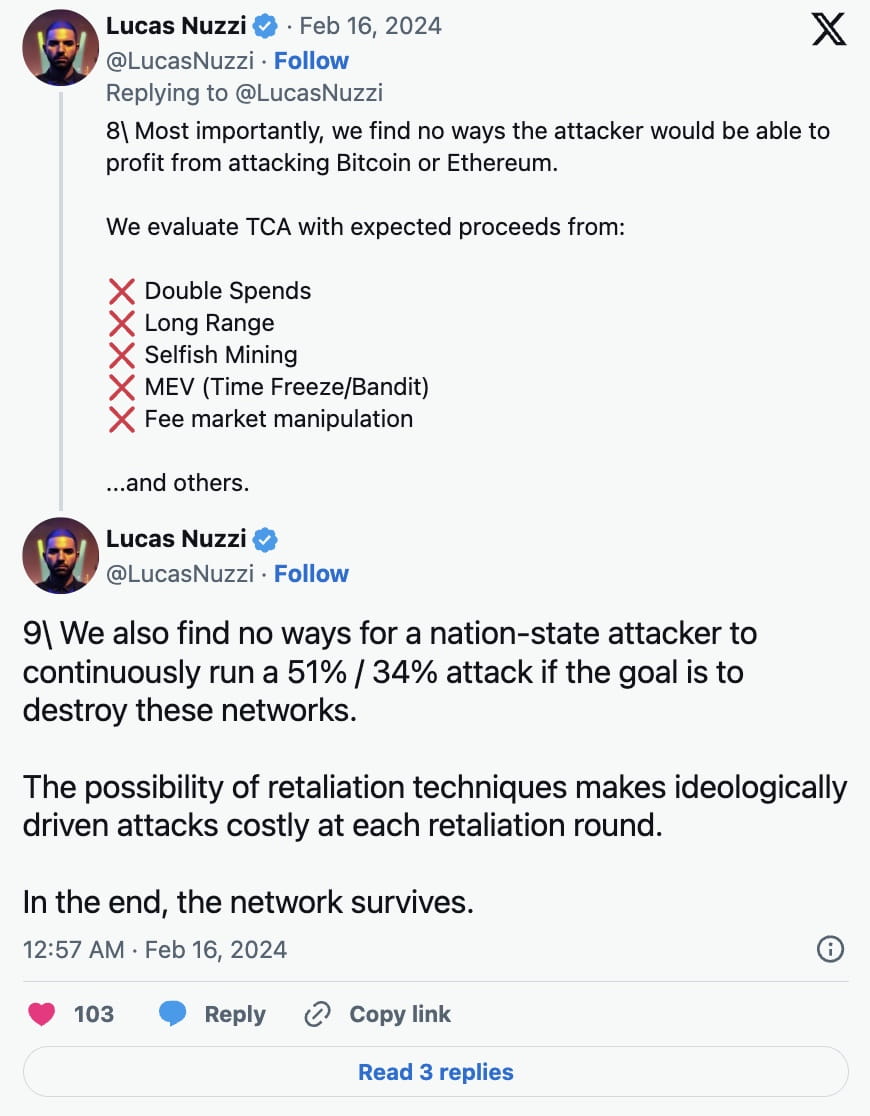
A 51% attack refers to a scenario where a malicious party controls more than 51% of the mining hash rate in a proof-of-work system such as Bitcoin, or 51% of staked crypto in a proof-of-stake network like Ethereum.
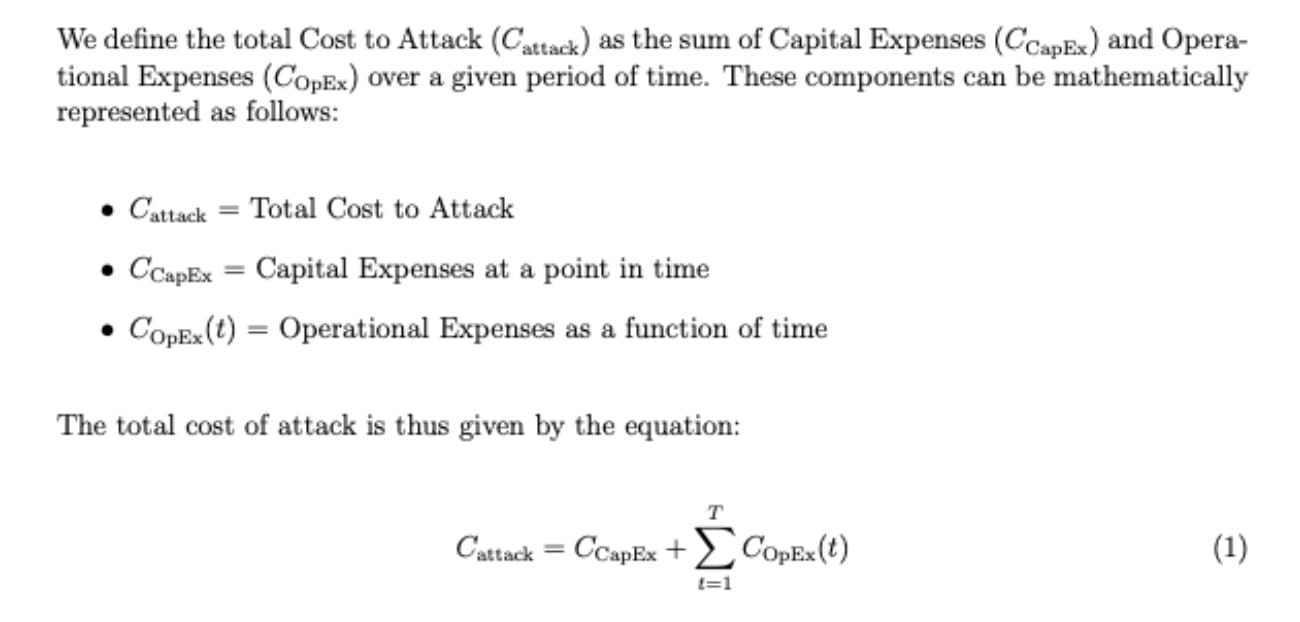
Researchers Lucas Nuzzi, Kyle Water, and Matias Andrade used a metric called the "Total Cost to Attack" (TCA) to calculate exactly how much it would cost to mount an attack on a blockchain network.
The report concluded that neither the Bitcoin nor Ethereum networks could be profitably attacked by nefarious actors due to the high costs involved.
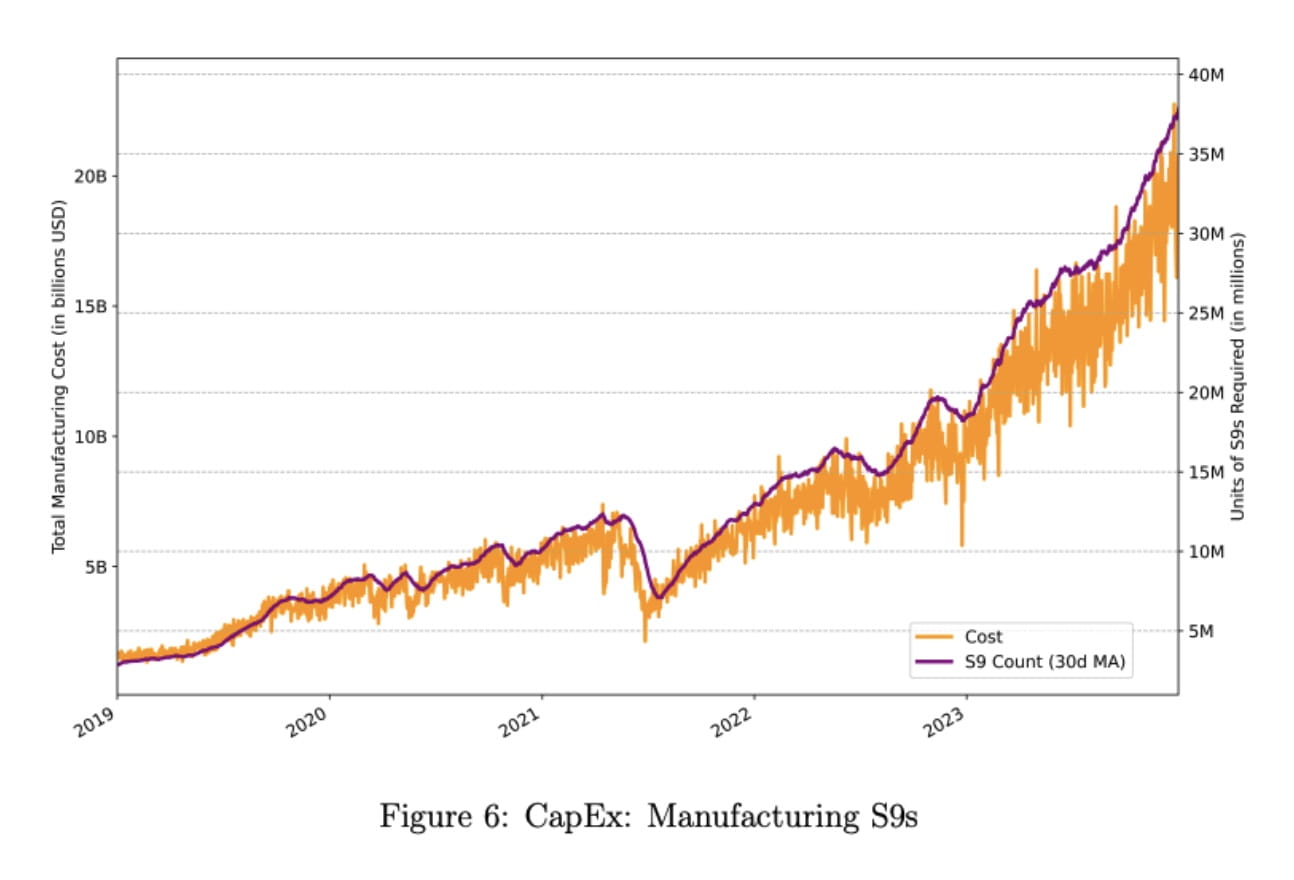
For Bitcoin, executing a 51% attack would necessitate purchasing around 7 million ASIC mining rigs at a staggering cost of approximately $20 billion. Even if a potential attacker was resourceful enough to manufacture their own mining rigs, costs would still surpass $20 billion.
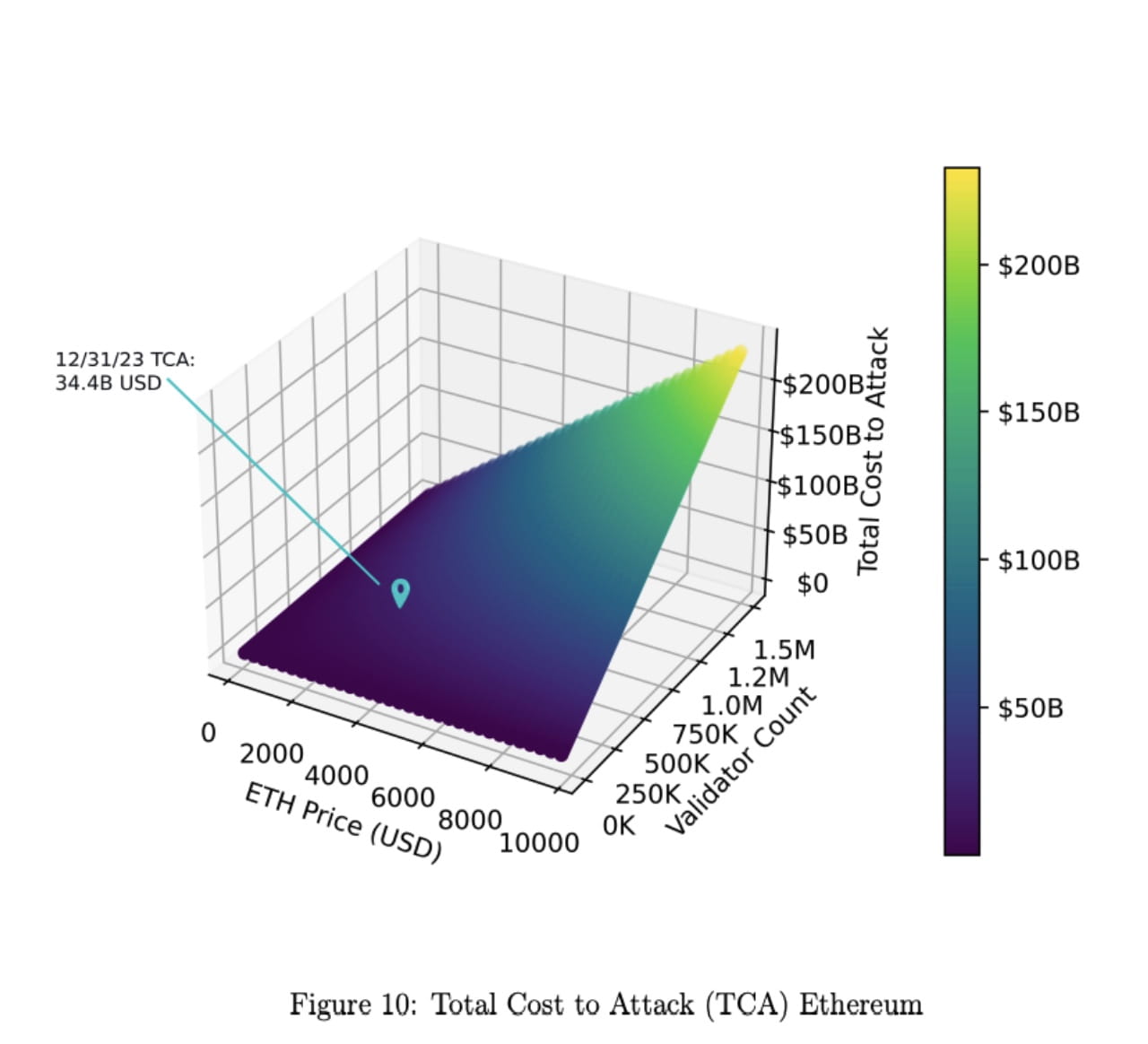
Concerning Ethereum, fears over a potential 34% staking attack from Lido validators also appear to be exaggerated. The time and high cost required to use Liquid Staking Derivatives (LSDs) to attack the Ethereum blockchain make it extremely unlikely.
Nic Carter, partner at Castle Island Ventures, praised Coin Metric's research for providing the first rigorous and empirical analysis on this subject.

