

#tokenization
tokenization
3.5M views
15,346 Discussing
Hot
Latest
🚨 TOKENIZATION: WALL STREET’S NEXT BIG CRYPTO NARRATIVE?
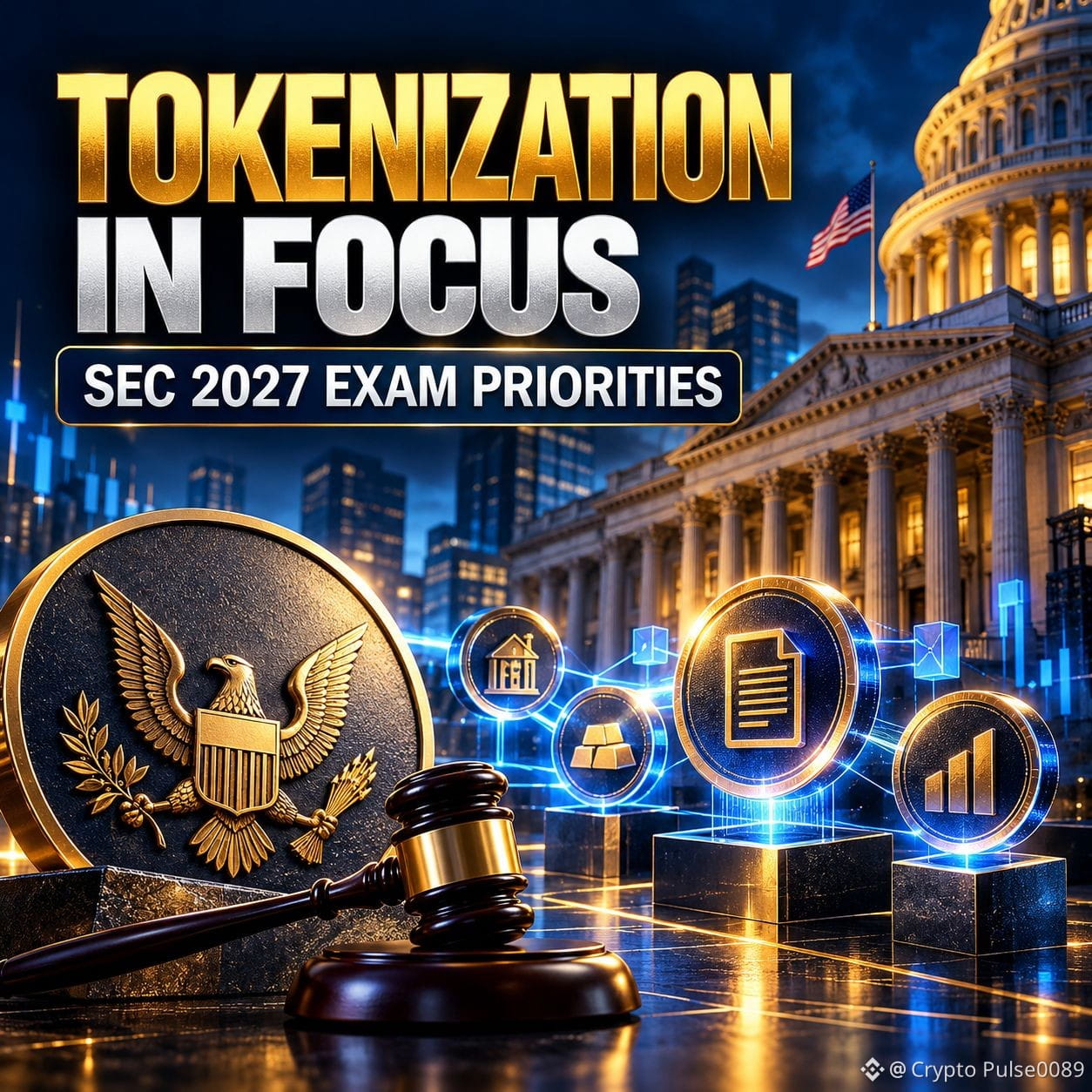
The US SEC has included tokenization among its FY 2027 examination priorities, highlighting the growing importance of blockchain-based financial infrastructure.
🔹 Why it matters: Tokenization can represent traditional assets as digital tokens on a blockchain.
🔹 What to watch: Regulatory clarity, institutional adoption, investor protection, and real-world use cases.
🔹 Coins to watch: $BTC and $ETH for broader market sentiment — but regulatory attention alone does not guarantee a price increase.
💬 Do you believe tokenization will be a major driver of crypto adoption, or will regulation slow its growth?
#CryptoNews #Tokenization #BTC #ETH #DigitalAssets
⚠️ This is for educational purposes only, not financial advice (NFA). Always do your own research (DYOR).
$ERA $OSMO
{spot}(ERAUSDT)
{spot}(OSMOUSDT)
{spot}(BTCUSDT)
🚨 TOKENIZATION: WALL STREET’S NEXT BIG CRYPTO NARRATIVE?
The US SEC has included tokenization among its FY 2027 examination priorities, highlighting the growing importance of blockchain-based financial infrastructure.
🔹 Why it matters: Tokenization can represent traditional assets as digital tokens on a blockchain.
🔹 What to watch: Regulatory clarity, institutional adoption, investor protection, and real-world use cases.
🔹 Coins to watch: $BTC and $ETH for broader market sentiment — but regulatory attention alone does not guarantee a price increase.
💬 Do you believe tokenization will be a major driver of crypto adoption, or will regulation slow its growth?
#CryptoNews #Tokenization #BTC #ETH #DigitalAssets
⚠️ This is for educational purposes only, not financial advice (NFA). Always do your own research (DYOR).
$ERA $OSMO
The US SEC has included tokenization among its FY 2027 examination priorities, highlighting the growing importance of blockchain-based financial infrastructure.
🔹 Why it matters: Tokenization can represent traditional assets as digital tokens on a blockchain.
🔹 What to watch: Regulatory clarity, institutional adoption, investor protection, and real-world use cases.
🔹 Coins to watch: $BTC and $ETH for broader market sentiment — but regulatory attention alone does not guarantee a price increase.
💬 Do you believe tokenization will be a major driver of crypto adoption, or will regulation slow its growth?
#CryptoNews #Tokenization #BTC #ETH #DigitalAssets
⚠️ This is for educational purposes only, not financial advice (NFA). Always do your own research (DYOR).
$ERA $OSMO
22


£22 billion on the XRP Ledger? 🇬🇧 Read the second line before you celebrate.
Headline: Aviva Investors puts its £22B Sterling Liquidity Fund on XRPL.
Reality: a new tokenized share class of that fund went live, and Aviva seeded it with £50M of its own money. 💷
Quick Q&A for the timeline 👇
❓ Did £22B move on-chain?
No. The fund stays off-chain as an Irish UCITS money market fund. Tokens act as a "digital twin" of holdings.
❓ So why does it matter?
🏛️ It's Aviva's largest fund, and its second on XRPL after the USD Liquidity Fund in July. Combined tokenized investment is now above £86M.
❓ Can retail buy it?
🔒 Not really. Class T lists a £1M minimum and is for eligible professional investors.
❓ What did $XRP do?
📊 Around $1.31, up about 1% in 24h. Wall Street keeps choosing the rails, the token keeps waiting.
💡 My take: slow, boring, regulated adoption is exactly how real RWA growth looks. It just doesn't pump on day one.
Is this the start of a big RWA wave on XRPL, or one more headline the market already priced in? 🤔
Found this useful? Tap like, follow for more breakdowns, and share it with your XRP group chat. 🚀
#XRP #RWA #Tokenization #CryptoNews
£22 billion on the XRP Ledger? 🇬🇧 Read the second line before you celebrate.
Headline: Aviva Investors puts its £22B Sterling Liquidity Fund on XRPL.
Reality: a new tokenized share class of that fund went live, and Aviva seeded it with £50M of its own money. 💷
Quick Q&A for the timeline 👇
❓ Did £22B move on-chain?
No. The fund stays off-chain as an Irish UCITS money market fund. Tokens act as a "digital twin" of holdings.
❓ So why does it matter?
🏛️ It's Aviva's largest fund, and its second on XRPL after the USD Liquidity Fund in July. Combined tokenized investment is now above £86M.
❓ Can retail buy it?
🔒 Not really. Class T lists a £1M minimum and is for eligible professional investors.
❓ What did $XRP do?
📊 Around $1.31, up about 1% in 24h. Wall Street keeps choosing the rails, the token keeps waiting.
💡 My take: slow, boring, regulated adoption is exactly how real RWA growth looks. It just doesn't pump on day one.
Is this the start of a big RWA wave on XRPL, or one more headline the market already priced in? 🤔
Found this useful? Tap like, follow for more breakdowns, and share it with your XRP group chat. 🚀
#XRP #RWA #Tokenization #CryptoNews
Headline: Aviva Investors puts its £22B Sterling Liquidity Fund on XRPL.
Reality: a new tokenized share class of that fund went live, and Aviva seeded it with £50M of its own money. 💷
Quick Q&A for the timeline 👇
❓ Did £22B move on-chain?
No. The fund stays off-chain as an Irish UCITS money market fund. Tokens act as a "digital twin" of holdings.
❓ So why does it matter?
🏛️ It's Aviva's largest fund, and its second on XRPL after the USD Liquidity Fund in July. Combined tokenized investment is now above £86M.
❓ Can retail buy it?
🔒 Not really. Class T lists a £1M minimum and is for eligible professional investors.
❓ What did $XRP do?
📊 Around $1.31, up about 1% in 24h. Wall Street keeps choosing the rails, the token keeps waiting.
💡 My take: slow, boring, regulated adoption is exactly how real RWA growth looks. It just doesn't pump on day one.
Is this the start of a big RWA wave on XRPL, or one more headline the market already priced in? 🤔
Found this useful? Tap like, follow for more breakdowns, and share it with your XRP group chat. 🚀
#XRP #RWA #Tokenization #CryptoNews

136

🔥 Bullish just sealed a $4.2 B acquisition of Equiti for tokenized securities — the largest single‑deal capital infusion into crypto‑backed equities since the 2022 Bitcoin ETF frenzy.
📊 The timing hits as Bitcoin hovers at $79,882, its RSI sliding to 38.2, signaling a potential bottom that could fuel demand for 24/7 tradable assets.
💡 Institutional futures metrics confirm the bias: BTC open interest sits at $7.62 B with a 2.22 long‑short ratio and funding at +0.0100%, meaning longs are paying shorts, while top traders are net long at 66 %; #BTC on‑chain smart wallets are quietly loading Solana‑based tokens like SPCX and SOJO, suggesting capital is already positioning for token‑driven liquidity, and #tokenization is gaining traction across #BSC with trending projects HONon and DNA.
🚀 Watch the $80,500 resistance on BTC and the $2,350 pivot on ETH as the first price triggers that could validate Bullish’s move and accelerate stablecoin settlement pipelines, so a break above these levels would likely unleash a wave of institutional inflows
🔥 Bullish just sealed a $4.2 B acquisition of Equiti for tokenized securities — the largest single‑deal capital infusion into crypto‑backed equities since the 2022 Bitcoin ETF frenzy.
📊 The timing hits as Bitcoin hovers at $79,882, its RSI sliding to 38.2, signaling a potential bottom that could fuel demand for 24/7 tradable assets.
💡 Institutional futures metrics confirm the bias: BTC open interest sits at $7.62 B with a 2.22 long‑short ratio and funding at +0.0100%, meaning longs are paying shorts, while top traders are net long at 66 %; #BTC on‑chain smart wallets are quietly loading Solana‑based tokens like SPCX and SOJO, suggesting capital is already positioning for token‑driven liquidity, and #tokenization is gaining traction across #BSC with trending projects HONon and DNA.
🚀 Watch the $80,500 resistance on BTC and the $2,350 pivot on ETH as the first price triggers that could validate Bullish’s move and accelerate stablecoin settlement pipelines, so a break above these levels would likely unleash a wave of institutional inflows
📊 The timing hits as Bitcoin hovers at $79,882, its RSI sliding to 38.2, signaling a potential bottom that could fuel demand for 24/7 tradable assets.
💡 Institutional futures metrics confirm the bias: BTC open interest sits at $7.62 B with a 2.22 long‑short ratio and funding at +0.0100%, meaning longs are paying shorts, while top traders are net long at 66 %; #BTC on‑chain smart wallets are quietly loading Solana‑based tokens like SPCX and SOJO, suggesting capital is already positioning for token‑driven liquidity, and #tokenization is gaining traction across #BSC with trending projects HONon and DNA.
🚀 Watch the $80,500 resistance on BTC and the $2,350 pivot on ETH as the first price triggers that could validate Bullish’s move and accelerate stablecoin settlement pipelines, so a break above these levels would likely unleash a wave of institutional inflows
1

·
--
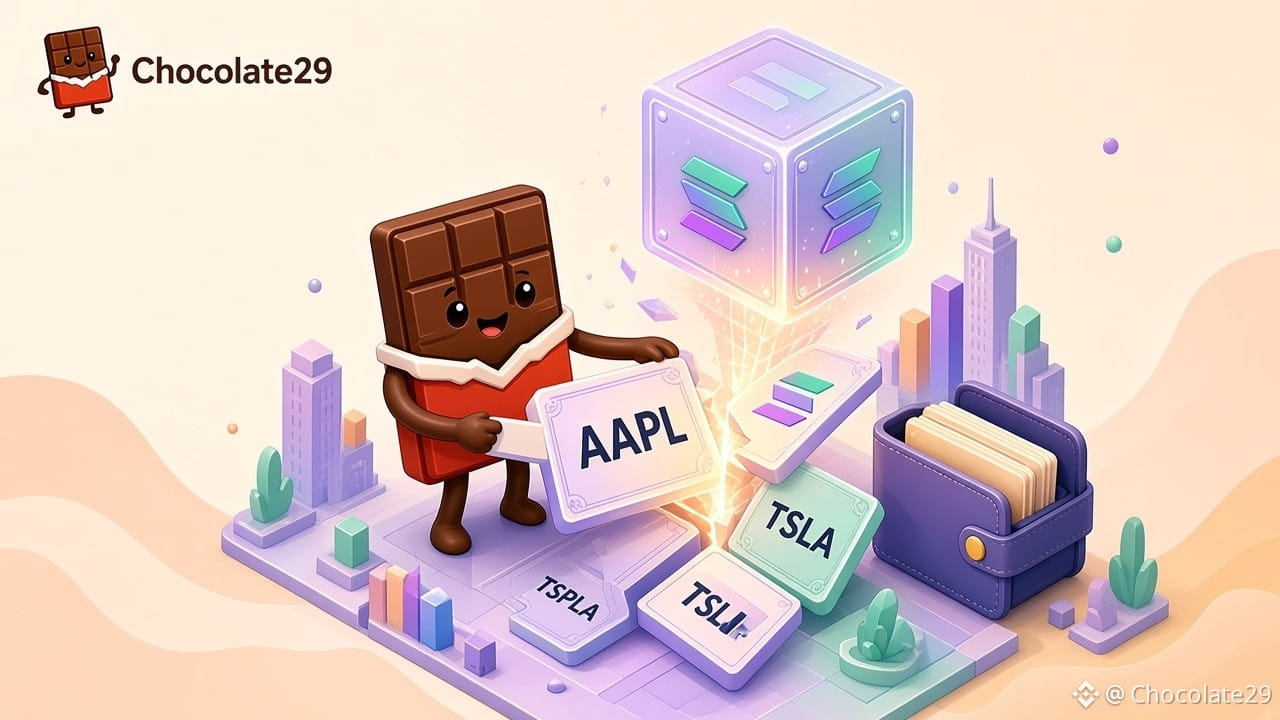
Solana just hit a record 1.5 million addresses holding tokenized stocks — five times the August count.
On October 26, 2026, Solana’s official account, citing Blockworks data, said addresses holding tokenized equities reached about 1.5 million, up from roughly 300,000 in August and past the 1 million mark logged in September. That September snapshot also put tokenized equity trading near $4.4 billion with about $684 million of outstanding value. The total counts wallets, not unique people, so one investor can appear more than once.
Much of the activity settles in stablecoins rather than $SOL, so the holder boom does not equal matching buy pressure on the token. Blockworks also found that between August 3 and October 11 reward programs sent about $31 million in stock tokens to more than 360,000 wallets — meaning incentives and trading structure, not only organic stock demand, helped the count climb.
#Solana #Tokenization #RWA #Crypto
DYOR. Not financial advice.
Solana just hit a record 1.5 million addresses holding tokenized stocks — five times the August count.
On October 26, 2026, Solana’s official account, citing Blockworks data, said addresses holding tokenized equities reached about 1.5 million, up from roughly 300,000 in August and past the 1 million mark logged in September. That September snapshot also put tokenized equity trading near $4.4 billion with about $684 million of outstanding value. The total counts wallets, not unique people, so one investor can appear more than once.
Much of the activity settles in stablecoins rather than $SOL , so the holder boom does not equal matching buy pressure on the token. Blockworks also found that between August 3 and October 11 reward programs sent about $31 million in stock tokens to more than 360,000 wallets — meaning incentives and trading structure, not only organic stock demand, helped the count climb.
#Solana #Tokenization #RWA #Crypto
DYOR. Not financial advice.
On October 26, 2026, Solana’s official account, citing Blockworks data, said addresses holding tokenized equities reached about 1.5 million, up from roughly 300,000 in August and past the 1 million mark logged in September. That September snapshot also put tokenized equity trading near $4.4 billion with about $684 million of outstanding value. The total counts wallets, not unique people, so one investor can appear more than once.
Much of the activity settles in stablecoins rather than $SOL , so the holder boom does not equal matching buy pressure on the token. Blockworks also found that between August 3 and October 11 reward programs sent about $31 million in stock tokens to more than 360,000 wallets — meaning incentives and trading structure, not only organic stock demand, helped the count climb.
#Solana #Tokenization #RWA #Crypto
DYOR. Not financial advice.
13
·
--
Article
Tokenized Stocks Cross $3 Billion: Is Blockchain Bringing Wall Street On-Chain?Tokenized Stocks Cross $3 Billion: Is Blockchain Bringing Wall Street On-Chain?
The next major crypto story may not be another meme coin. It could be the connection between traditional financial markets and blockchain technology.
The $3 Billion Milestone
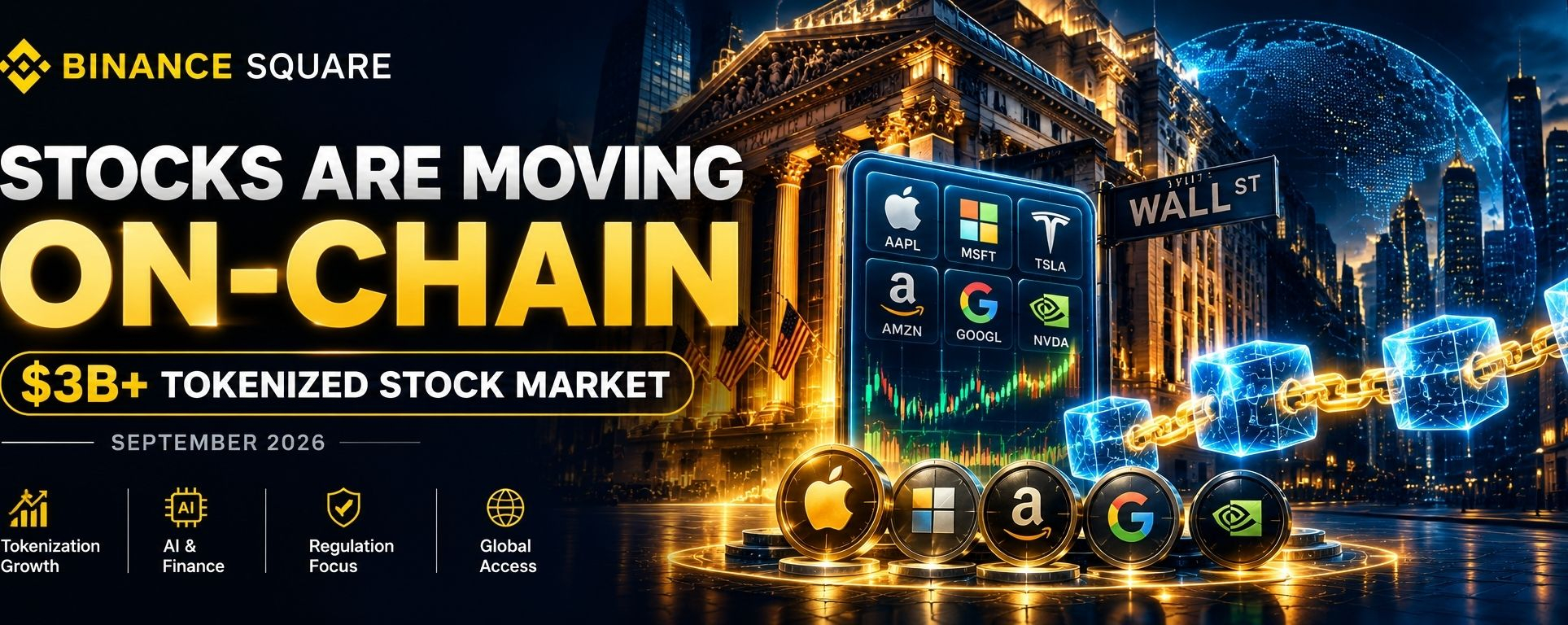
Tokenized stocks crossed $3 billion in market capitalization during September 2026, according to Binance Research's report on the on-chain economy.
This matters because tokenization attempts to represent traditional assets as digital tokens on a blockchain. Depending on the product's structure, this may enable new ways to access, transfer, or interact with financial assets.
However, tokenization is not magic. Putting an asset on a blockchain does not automatically make it safer, cheaper, or more accessible.
Why Is Wall Street Paying Attention?
On October 23, the US Securities and Exchange Commission identified AI, private assets, and tokenized securities among its examination priorities for fiscal year 2027.
This does not mean every tokenized-stock project has received regulatory approval. It shows that the technology and its risks are receiving attention from financial regulators.
For crypto, that creates an important discussion: how can innovation develop while investors remain protected?
Three Potential Opportunities
1. New ways to access financial assets
Tokenization could make certain financial products available through new digital channels. Actual access depends on the product, local laws, eligibility requirements, and the platform offering it.
2. More blockchain-based financial activity
If tokenized assets attract real users, they could generate demand for blockchain infrastructure, settlement systems, and related financial applications.
3. A closer relationship between traditional finance and crypto
The long-term story may be less about replacing banks overnight and more about traditional financial institutions experimenting with blockchain-based systems.
The Risks Investors Should Not Ignore
A token that tracks a stock does not necessarily provide the same ownership rights as buying that stock through a traditional broker.
Before considering any tokenized asset, check:
- Legal rights: What exactly does the token holder own?
- Issuer and platform risk: Who issues the token, and who is responsible for it?
- Liquidity: Can you sell when you want to, at a reasonable price?
- Fees and restrictions: What costs, geographic limits, or eligibility rules apply?
- Regulatory protection: What protections are available if something goes wrong?
A convincing narrative is not proof of a sound investment.
What Could Happen Next?
The key question is whether tokenized assets can move beyond headlines and attract sustainable usage.
Watch for measurable evidence: growth in active users, transparent asset backing, reliable redemption arrangements, healthy liquidity, and clear legal structures.
If adoption grows alongside stronger safeguards, tokenization could become an important part of the digital financial system. If real demand fails to materialize, the current excitement may fade.
Neither outcome is guaranteed.
Final Takeaway
The $3 billion milestone is worth watching, but the bigger story is whether tokenized stocks can deliver genuine utility rather than just another speculative narrative.
My question for the community: Would you trust a properly regulated tokenized stock, or would you prefer to own shares through a traditional broker?
Tell me your reason in the comments. I'm interested in the arguments on both sides.
Sources: Binance Research, “Rewriting the On-Chain Economy” (September 29, 2026); Reuters' report on SEC examination priorities (October 23, 2026).
Disclaimer: This article is for educational purposes only and is not financial advice. Tokenized assets and cryptocurrencies involve risk.
#Tokenization #realworldassets #RWA #CryptoRegulation #blockchain
Tokenized Stocks Cross $3 Billion: Is Blockchain Bringing Wall Street On-Chain?
Tokenized Stocks Cross $3 Billion: Is Blockchain Bringing Wall Street On-Chain?
The next major crypto story may not be another meme coin. It could be the connection between traditional financial markets and blockchain technology.
The $3 Billion Milestone
Tokenized stocks crossed $3 billion in market capitalization during September 2026, according to Binance Research's report on the on-chain economy.
This matters because tokenization attempts to represent traditional assets as digital tokens on a blockchain. Depending on the product's structure, this may enable new ways to access, transfer, or interact with financial assets.
However, tokenization is not magic. Putting an asset on a blockchain does not automatically make it safer, cheaper, or more accessible.
Why Is Wall Street Paying Attention?
On October 23, the US Securities and Exchange Commission identified AI, private assets, and tokenized securities among its examination priorities for fiscal year 2027.
This does not mean every tokenized-stock project has received regulatory approval. It shows that the technology and its risks are receiving attention from financial regulators.
For crypto, that creates an important discussion: how can innovation develop while investors remain protected?
Three Potential Opportunities
1. New ways to access financial assets
Tokenization could make certain financial products available through new digital channels. Actual access depends on the product, local laws, eligibility requirements, and the platform offering it.
2. More blockchain-based financial activity
If tokenized assets attract real users, they could generate demand for blockchain infrastructure, settlement systems, and related financial applications.
3. A closer relationship between traditional finance and crypto
The long-term story may be less about replacing banks overnight and more about traditional financial institutions experimenting with blockchain-based systems.
The Risks Investors Should Not Ignore
A token that tracks a stock does not necessarily provide the same ownership rights as buying that stock through a traditional broker.
Before considering any tokenized asset, check:
- Legal rights: What exactly does the token holder own?
- Issuer and platform risk: Who issues the token, and who is responsible for it?
- Liquidity: Can you sell when you want to, at a reasonable price?
- Fees and restrictions: What costs, geographic limits, or eligibility rules apply?
- Regulatory protection: What protections are available if something goes wrong?
A convincing narrative is not proof of a sound investment.
What Could Happen Next?
The key question is whether tokenized assets can move beyond headlines and attract sustainable usage.
Watch for measurable evidence: growth in active users, transparent asset backing, reliable redemption arrangements, healthy liquidity, and clear legal structures.
If adoption grows alongside stronger safeguards, tokenization could become an important part of the digital financial system. If real demand fails to materialize, the current excitement may fade.
Neither outcome is guaranteed.
Final Takeaway
The $3 billion milestone is worth watching, but the bigger story is whether tokenized stocks can deliver genuine utility rather than just another speculative narrative.
My question for the community: Would you trust a properly regulated tokenized stock, or would you prefer to own shares through a traditional broker?
Tell me your reason in the comments. I'm interested in the arguments on both sides.
Sources: Binance Research, “Rewriting the On-Chain Economy” (September 29, 2026); Reuters' report on SEC examination priorities (October 23, 2026).
Disclaimer: This article is for educational purposes only and is not financial advice. Tokenized assets and cryptocurrencies involve risk.
#Tokenization #realworldassets #RWA #CryptoRegulation #blockchain
The next major crypto story may not be another meme coin. It could be the connection between traditional financial markets and blockchain technology.
The $3 Billion Milestone
Tokenized stocks crossed $3 billion in market capitalization during September 2026, according to Binance Research's report on the on-chain economy.
This matters because tokenization attempts to represent traditional assets as digital tokens on a blockchain. Depending on the product's structure, this may enable new ways to access, transfer, or interact with financial assets.
However, tokenization is not magic. Putting an asset on a blockchain does not automatically make it safer, cheaper, or more accessible.
Why Is Wall Street Paying Attention?
On October 23, the US Securities and Exchange Commission identified AI, private assets, and tokenized securities among its examination priorities for fiscal year 2027.
This does not mean every tokenized-stock project has received regulatory approval. It shows that the technology and its risks are receiving attention from financial regulators.
For crypto, that creates an important discussion: how can innovation develop while investors remain protected?
Three Potential Opportunities
1. New ways to access financial assets
Tokenization could make certain financial products available through new digital channels. Actual access depends on the product, local laws, eligibility requirements, and the platform offering it.
2. More blockchain-based financial activity
If tokenized assets attract real users, they could generate demand for blockchain infrastructure, settlement systems, and related financial applications.
3. A closer relationship between traditional finance and crypto
The long-term story may be less about replacing banks overnight and more about traditional financial institutions experimenting with blockchain-based systems.
The Risks Investors Should Not Ignore
A token that tracks a stock does not necessarily provide the same ownership rights as buying that stock through a traditional broker.
Before considering any tokenized asset, check:
- Legal rights: What exactly does the token holder own?
- Issuer and platform risk: Who issues the token, and who is responsible for it?
- Liquidity: Can you sell when you want to, at a reasonable price?
- Fees and restrictions: What costs, geographic limits, or eligibility rules apply?
- Regulatory protection: What protections are available if something goes wrong?
A convincing narrative is not proof of a sound investment.
What Could Happen Next?
The key question is whether tokenized assets can move beyond headlines and attract sustainable usage.
Watch for measurable evidence: growth in active users, transparent asset backing, reliable redemption arrangements, healthy liquidity, and clear legal structures.
If adoption grows alongside stronger safeguards, tokenization could become an important part of the digital financial system. If real demand fails to materialize, the current excitement may fade.
Neither outcome is guaranteed.
Final Takeaway
The $3 billion milestone is worth watching, but the bigger story is whether tokenized stocks can deliver genuine utility rather than just another speculative narrative.
My question for the community: Would you trust a properly regulated tokenized stock, or would you prefer to own shares through a traditional broker?
Tell me your reason in the comments. I'm interested in the arguments on both sides.
Sources: Binance Research, “Rewriting the On-Chain Economy” (September 29, 2026); Reuters' report on SEC examination priorities (October 23, 2026).
Disclaimer: This article is for educational purposes only and is not financial advice. Tokenized assets and cryptocurrencies involve risk.
#Tokenization #realworldassets #RWA #CryptoRegulation #blockchain
36

·
--
$AVIV.ETF 🚨 AVIVA INVESTORS LAUNCHES TOKENIZED GBP FUND ON XRP LEDGER
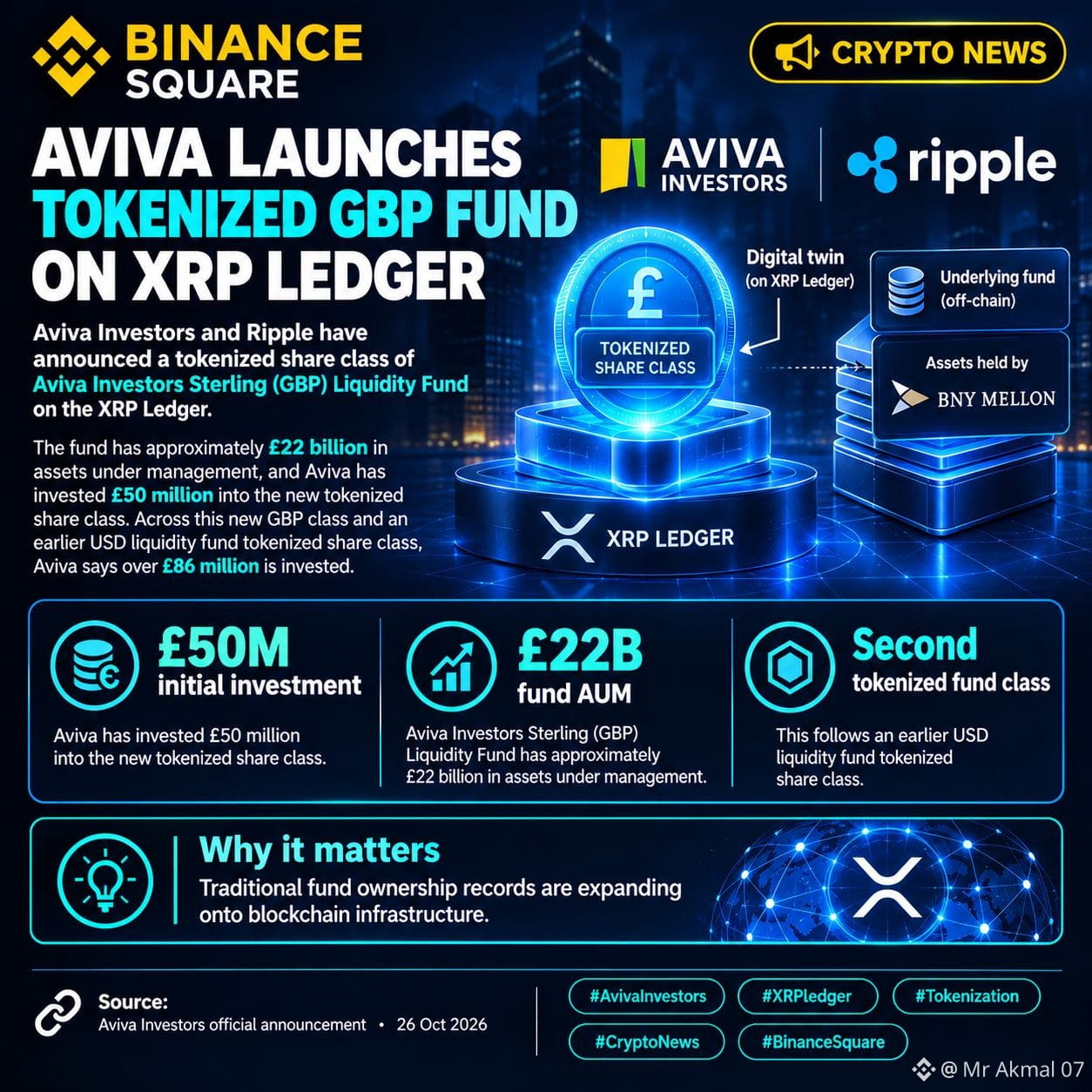
Aviva Investors and Ripple announced a new tokenized share class for the Aviva Investors Sterling (GBP) Liquidity Fund on the XRP Ledger (XRPL) on October 26, 2026.
📊 Key highlights:
🔹 The underlying fund has approximately £22 billion in assets under management.
🔹 Aviva invested £50 million in the new tokenized share class.
🔹 This is Aviva Investors’ second tokenized fund share class, following its earlier USD fund launch.
🔹 The firm says more than £86 million is invested across its two tokenized share classes.
🌐 Why it matters: Tokenization allows fund ownership to be represented digitally on a blockchain while the underlying fund continues to operate within its existing legal and regulatory structure.
📌 Important: This is a tokenized fund share class, not a new cryptocurrency. The investment remains subject to the fund’s risks and eligibility requirements.
🔗 Official source: https://www.avivainvestors.com/en-gb/about/company-news/2026/10/aviva-investors-launches-tokenised-share-class-for-sterling-liquidity-fund/
Do you think tokenization will become a major part of traditional finance? 👇 #Ripple #Tokenization #CryptoNews #BinanceSquare
{etf_us}(AVIV.ETF)
$AVIV.ETF 🚨 AVIVA INVESTORS LAUNCHES TOKENIZED GBP FUND ON XRP LEDGER
Aviva Investors and Ripple announced a new tokenized share class for the Aviva Investors Sterling (GBP) Liquidity Fund on the XRP Ledger (XRPL) on October 26, 2026.
📊 Key highlights:
🔹 The underlying fund has approximately £22 billion in assets under management.
🔹 Aviva invested £50 million in the new tokenized share class.
🔹 This is Aviva Investors’ second tokenized fund share class, following its earlier USD fund launch.
🔹 The firm says more than £86 million is invested across its two tokenized share classes.
🌐 Why it matters: Tokenization allows fund ownership to be represented digitally on a blockchain while the underlying fund continues to operate within its existing legal and regulatory structure.
📌 Important: This is a tokenized fund share class, not a new cryptocurrency. The investment remains subject to the fund’s risks and eligibility requirements.
🔗 Official source: https://www.avivainvestors.com/en-gb/about/company-news/2026/10/aviva-investors-launches-tokenised-share-class-for-sterling-liquidity-fund/
Do you think tokenization will become a major part of traditional finance? 👇 #Ripple #Tokenization #CryptoNews #BinanceSquare
Aviva Investors and Ripple announced a new tokenized share class for the Aviva Investors Sterling (GBP) Liquidity Fund on the XRP Ledger (XRPL) on October 26, 2026.
📊 Key highlights:
🔹 The underlying fund has approximately £22 billion in assets under management.
🔹 Aviva invested £50 million in the new tokenized share class.
🔹 This is Aviva Investors’ second tokenized fund share class, following its earlier USD fund launch.
🔹 The firm says more than £86 million is invested across its two tokenized share classes.
🌐 Why it matters: Tokenization allows fund ownership to be represented digitally on a blockchain while the underlying fund continues to operate within its existing legal and regulatory structure.
📌 Important: This is a tokenized fund share class, not a new cryptocurrency. The investment remains subject to the fund’s risks and eligibility requirements.
🔗 Official source: https://www.avivainvestors.com/en-gb/about/company-news/2026/10/aviva-investors-launches-tokenised-share-class-for-sterling-liquidity-fund/
Do you think tokenization will become a major part of traditional finance? 👇 #Ripple #Tokenization #CryptoNews #BinanceSquare
AVIVETF-0.94%
3
·
--
🚨 STOCKS ARE MOVING ON-CHAIN — IS CRYPTO ENTERING A NEW ERA?
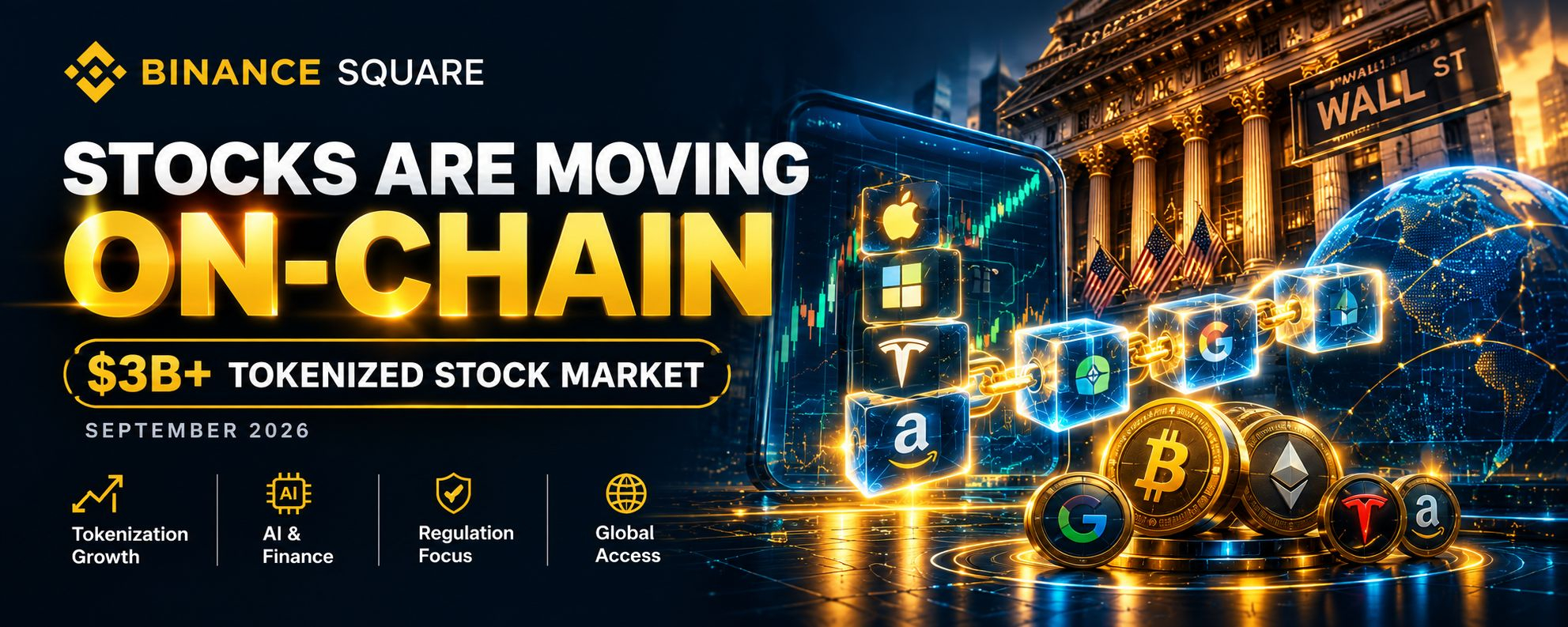
Tokenized stocks crossed $3 BILLION in market value in September 2026, according to Binance Research.
Now the bigger question is: can blockchain change how traditional financial assets are accessed and traded?
But remember: a tokenized stock is not automatically the same as owning a traditional share. Legal rights, liquidity, fees, and platform risks matter.
👀 What interests you more?
A) Tokenized stocks
B) AI + crypto
C) DeFi
Comment A, B, or C — and tell me why.
#Tokenization #RWA #crypto #BinanceSquare
🚨 STOCKS ARE MOVING ON-CHAIN — IS CRYPTO ENTERING A NEW ERA?
Tokenized stocks crossed $3 BILLION in market value in September 2026, according to Binance Research.
Now the bigger question is: can blockchain change how traditional financial assets are accessed and traded?
But remember: a tokenized stock is not automatically the same as owning a traditional share. Legal rights, liquidity, fees, and platform risks matter.
👀 What interests you more?
A) Tokenized stocks
B) AI + crypto
C) DeFi
Comment A, B, or C — and tell me why.
#Tokenization #RWA #crypto #BinanceSquare
Tokenized stocks crossed $3 BILLION in market value in September 2026, according to Binance Research.
Now the bigger question is: can blockchain change how traditional financial assets are accessed and traded?
But remember: a tokenized stock is not automatically the same as owning a traditional share. Legal rights, liquidity, fees, and platform risks matter.
👀 What interests you more?
A) Tokenized stocks
B) AI + crypto
C) DeFi
Comment A, B, or C — and tell me why.
#Tokenization #RWA #crypto #BinanceSquare
90
·
--
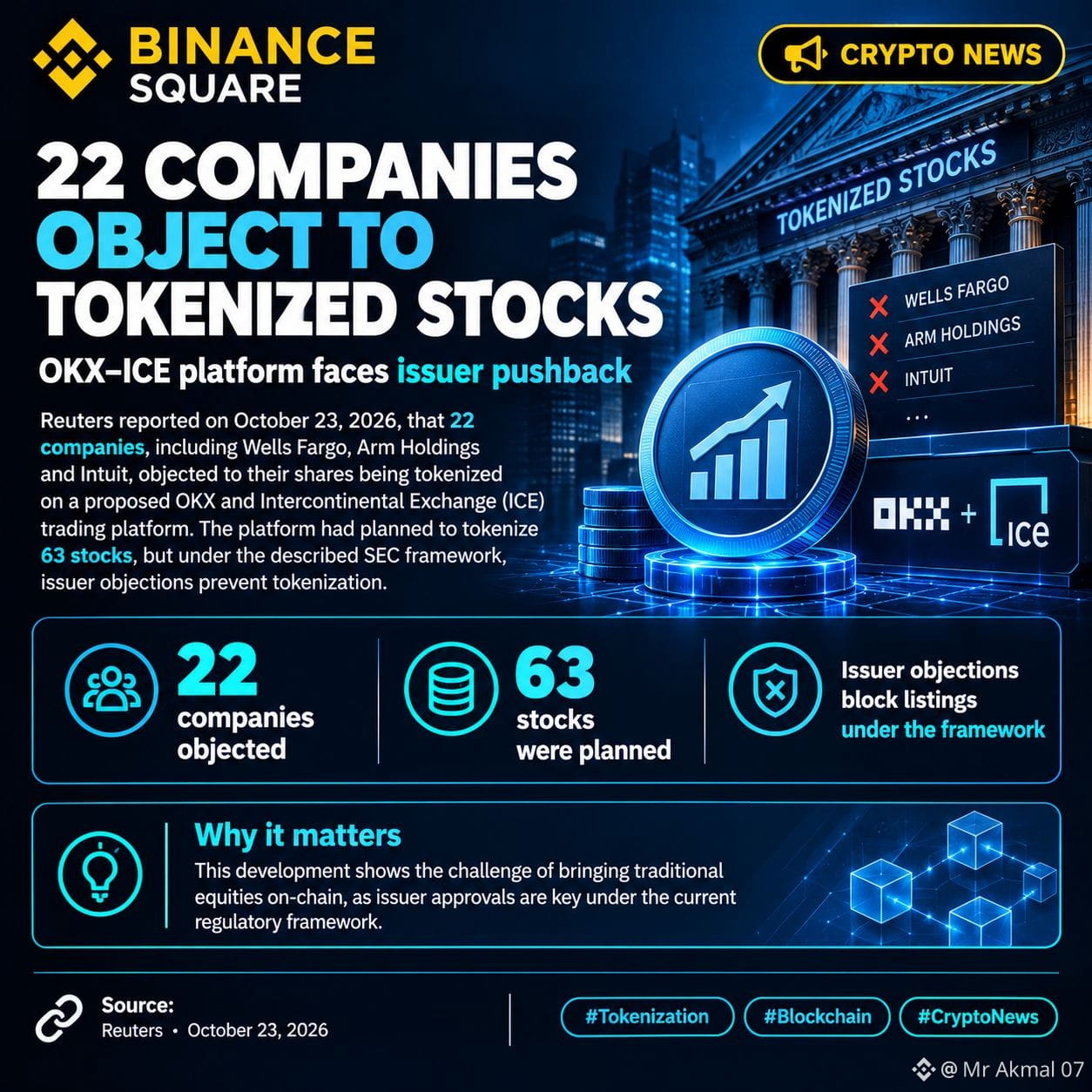
$ICE.US 🚨 22 COMPANIES OBJECT TO TOKENIZED STOCKS
A Reuters report published on October 23 says 22 companies—including Wells Fargo, Arm Holdings and Intuit—have objected to plans to offer tokenized versions of their shares through a proposed platform backed by crypto exchange OKX and Intercontinental Exchange (ICE).
📊 Key facts: 🔹 The platform planned to offer 63 tokenized stocks. 🔹 Tokenization represents traditional assets as digital tokens on a blockchain. 🔹 Under the proposed framework described in the report, an issuer objection prevents its shares from being tokenized on the platform.
🌐 Why it matters: Tokenized stocks could bring blockchain technology into traditional financial markets, but issuer consent and investor protections remain important challenges.
📌 This is a regulatory and industry development—not confirmation that the proposed platform has launched.
🔗 Source: https://www.reuters.com/legal/government/wells-fargo-intuit-others-object-their-shares-being-tokenized-regulatory-2026-10-23/
Do you think tokenized stocks can make financial markets more accessible while protecting investors? 👇
#Tokenization #blockchain #DigitalAssets #CryptoNews #BinanceSquare
{stock_us}(ICE.US)
$ICE.US 🚨 22 COMPANIES OBJECT TO TOKENIZED STOCKS
A Reuters report published on October 23 says 22 companies—including Wells Fargo, Arm Holdings and Intuit—have objected to plans to offer tokenized versions of their shares through a proposed platform backed by crypto exchange OKX and Intercontinental Exchange (ICE).
📊 Key facts: 🔹 The platform planned to offer 63 tokenized stocks. 🔹 Tokenization represents traditional assets as digital tokens on a blockchain. 🔹 Under the proposed framework described in the report, an issuer objection prevents its shares from being tokenized on the platform.
🌐 Why it matters: Tokenized stocks could bring blockchain technology into traditional financial markets, but issuer consent and investor protections remain important challenges.
📌 This is a regulatory and industry development—not confirmation that the proposed platform has launched.
🔗 Source: https://www.reuters.com/legal/government/wells-fargo-intuit-others-object-their-shares-being-tokenized-regulatory-2026-10-23/
Do you think tokenized stocks can make financial markets more accessible while protecting investors? 👇
#Tokenization #blockchain #DigitalAssets #CryptoNews #BinanceSquare
A Reuters report published on October 23 says 22 companies—including Wells Fargo, Arm Holdings and Intuit—have objected to plans to offer tokenized versions of their shares through a proposed platform backed by crypto exchange OKX and Intercontinental Exchange (ICE).
📊 Key facts: 🔹 The platform planned to offer 63 tokenized stocks. 🔹 Tokenization represents traditional assets as digital tokens on a blockchain. 🔹 Under the proposed framework described in the report, an issuer objection prevents its shares from being tokenized on the platform.
🌐 Why it matters: Tokenized stocks could bring blockchain technology into traditional financial markets, but issuer consent and investor protections remain important challenges.
📌 This is a regulatory and industry development—not confirmation that the proposed platform has launched.
🔗 Source: https://www.reuters.com/legal/government/wells-fargo-intuit-others-object-their-shares-being-tokenized-regulatory-2026-10-23/
Do you think tokenized stocks can make financial markets more accessible while protecting investors? 👇
#Tokenization #blockchain #DigitalAssets #CryptoNews #BinanceSquare
ICEUS+0.00%
6

·
--
🏦 RIPPLE'S XRP LEDGER GETS A MAJOR INSTITUTIONAL DEVELOPMENT.
Aviva Investors and Ripple have announced a tokenized share class of a regulated USD liquidity fund on the XRP Ledger, approved by the Central Bank of Ireland and expanding the use of blockchain in traditional finance.
Tokenization is becoming a key trend to watch as asset managers explore new ways to issue and manage investments.
$XRP
{future}(XRPUSDT)
{spot}(XRPUSDT)
#XRP #Ripple #Tokenization #RWA
🏦 RIPPLE'S XRP LEDGER GETS A MAJOR INSTITUTIONAL DEVELOPMENT.
Aviva Investors and Ripple have announced a tokenized share class of a regulated USD liquidity fund on the XRP Ledger, approved by the Central Bank of Ireland and expanding the use of blockchain in traditional finance.
Tokenization is becoming a key trend to watch as asset managers explore new ways to issue and manage investments.
$XRP
#XRP #Ripple #Tokenization #RWA
Aviva Investors and Ripple have announced a tokenized share class of a regulated USD liquidity fund on the XRP Ledger, approved by the Central Bank of Ireland and expanding the use of blockchain in traditional finance.
Tokenization is becoming a key trend to watch as asset managers explore new ways to issue and manage investments.
$XRP
#XRP #Ripple #Tokenization #RWA
182

🚀 $XRP SEES MAJOR TOKENIZED FUND DEPLOYMENT FROM AVIVA INVESTORS 🦈
🦈 Aviva’s new Sterling Liquidity token on the XRP Ledger drops 50 m GBP on‑chain, pushing their on‑chain exposure to 86 m GBP. This move slams a heavyweight into the public blockchain arena, signaling that traditional asset managers are finally flexing their whale‑size capital on‑chain. 📊 The 0.4% on‑chain representation may look modest, but the sheer $66 m injection is a liquidity wave that could reshape how funds interact with crypto infrastructure. 🌊
💡 With Ripple powering the tech stack, the partnership hints at deeper protocol integration and faster settlement pipelines—exactly the kind of edge smart money hunts. 🤔 How will this tokenized surge influence broader institutional appetite for XRPL assets? 💬
⚠️ Not financial advice. Always manage your risk. 🛡️
🏷️ #XRP #Tokenization #AssetManagement #Crypto
🔥 💎
🚀 $XRP SEES MAJOR TOKENIZED FUND DEPLOYMENT FROM AVIVA INVESTORS 🦈
🦈 Aviva’s new Sterling Liquidity token on the XRP Ledger drops 50 m GBP on‑chain, pushing their on‑chain exposure to 86 m GBP. This move slams a heavyweight into the public blockchain arena, signaling that traditional asset managers are finally flexing their whale‑size capital on‑chain. 📊 The 0.4% on‑chain representation may look modest, but the sheer $66 m injection is a liquidity wave that could reshape how funds interact with crypto infrastructure. 🌊
💡 With Ripple powering the tech stack, the partnership hints at deeper protocol integration and faster settlement pipelines—exactly the kind of edge smart money hunts. 🤔 How will this tokenized surge influence broader institutional appetite for XRPL assets? 💬
⚠️ Not financial advice. Always manage your risk. 🛡️
🏷️ #XRP #Tokenization #AssetManagement #Crypto
🔥 💎
🦈 Aviva’s new Sterling Liquidity token on the XRP Ledger drops 50 m GBP on‑chain, pushing their on‑chain exposure to 86 m GBP. This move slams a heavyweight into the public blockchain arena, signaling that traditional asset managers are finally flexing their whale‑size capital on‑chain. 📊 The 0.4% on‑chain representation may look modest, but the sheer $66 m injection is a liquidity wave that could reshape how funds interact with crypto infrastructure. 🌊
💡 With Ripple powering the tech stack, the partnership hints at deeper protocol integration and faster settlement pipelines—exactly the kind of edge smart money hunts. 🤔 How will this tokenized surge influence broader institutional appetite for XRPL assets? 💬
⚠️ Not financial advice. Always manage your risk. 🛡️
🏷️ #XRP #Tokenization #AssetManagement #Crypto
🔥 💎
7
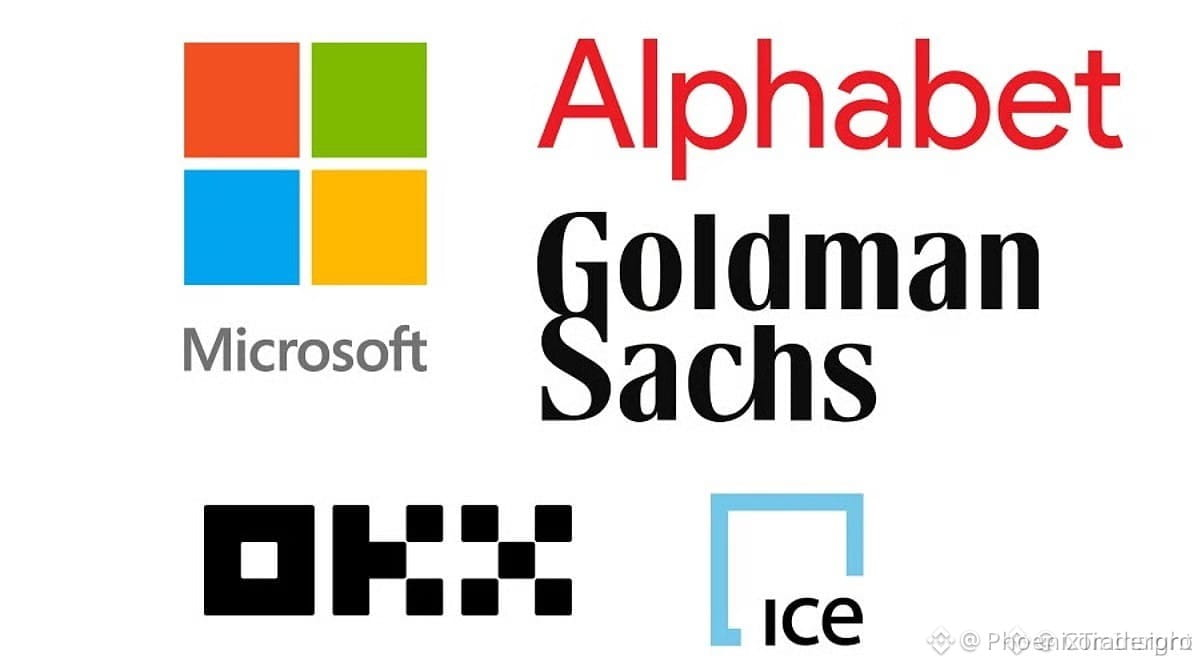
🚨 $a major exchange TOKENIZED STOCK PUSHBACK FROM MAJOR CORPS 🚀
📊 Twelve blue‑chip giants, from Microsoft to Goldman Sachs, have slammed the idea of their shares being tokenized on a 24/7 platform backed by a top‑tier exchange. 🦈 Their 30‑day objection window signals a coordinated stance, even as Nvidia, Tesla and Apple sit on the fence. ⚡ The silence on motives hints at regulatory caution more than pure market fear.
💡 If these powerhouses keep the door shut, liquidity sweeps could stall, forcing crypto projects to pivot toward alternative assets. 🌊 Will this resistance slow the broader adoption of blockchain‑based equities, or spark a new wave of compliant token models? 🤔
⚠️ Not financial advice. Always manage your risk. 🛡️
🏷️ #a major exchange #Tokenization #Crypto #Regulation #MarketDynamics
🔥 💎
🚨 $a major exchange TOKENIZED STOCK PUSHBACK FROM MAJOR CORPS 🚀
📊 Twelve blue‑chip giants, from Microsoft to Goldman Sachs, have slammed the idea of their shares being tokenized on a 24/7 platform backed by a top‑tier exchange. 🦈 Their 30‑day objection window signals a coordinated stance, even as Nvidia, Tesla and Apple sit on the fence. ⚡ The silence on motives hints at regulatory caution more than pure market fear.
💡 If these powerhouses keep the door shut, liquidity sweeps could stall, forcing crypto projects to pivot toward alternative assets. 🌊 Will this resistance slow the broader adoption of blockchain‑based equities, or spark a new wave of compliant token models? 🤔
⚠️ Not financial advice. Always manage your risk. 🛡️
🏷️ #a major exchange #Tokenization #Crypto #Regulation #MarketDynamics
🔥 💎
📊 Twelve blue‑chip giants, from Microsoft to Goldman Sachs, have slammed the idea of their shares being tokenized on a 24/7 platform backed by a top‑tier exchange. 🦈 Their 30‑day objection window signals a coordinated stance, even as Nvidia, Tesla and Apple sit on the fence. ⚡ The silence on motives hints at regulatory caution more than pure market fear.
💡 If these powerhouses keep the door shut, liquidity sweeps could stall, forcing crypto projects to pivot toward alternative assets. 🌊 Will this resistance slow the broader adoption of blockchain‑based equities, or spark a new wave of compliant token models? 🤔
⚠️ Not financial advice. Always manage your risk. 🛡️
🏷️ #a major exchange #Tokenization #Crypto #Regulation #MarketDynamics
🔥 💎
2

·
--
Aviva Investors has launched a tokenized share class of its twenty-nine billion dollar Sterling fund on the XRP Ledger.
This move marks Aviva’s second fund to list tokenized shares. It is part of a broader collaboration aimed at bringing more tokenized funds to the XRP Ledger.
#AvivaInvestors #XRPLedger #Tokenization
Source: https://cointelegraph.com/news/aviva-investors-launches-tokenized-share-class-of-sterling-fund-on-xrp-ledger?utm_source=rss_feed&utm_medium=rss&utm_campaign=rss_partner_inbound
Aviva Investors has launched a tokenized share class of its twenty-nine billion dollar Sterling fund on the XRP Ledger.
This move marks Aviva’s second fund to list tokenized shares. It is part of a broader collaboration aimed at bringing more tokenized funds to the XRP Ledger.
#AvivaInvestors #XRPLedger #Tokenization
Source: https://cointelegraph.com/news/aviva-investors-launches-tokenized-share-class-of-sterling-fund-on-xrp-ledger?utm_source=rss_feed&utm_medium=rss&utm_campaign=rss_partner_inbound
This move marks Aviva’s second fund to list tokenized shares. It is part of a broader collaboration aimed at bringing more tokenized funds to the XRP Ledger.
#AvivaInvestors #XRPLedger #Tokenization
Source: https://cointelegraph.com/news/aviva-investors-launches-tokenized-share-class-of-sterling-fund-on-xrp-ledger?utm_source=rss_feed&utm_medium=rss&utm_campaign=rss_partner_inbound
23

·
--
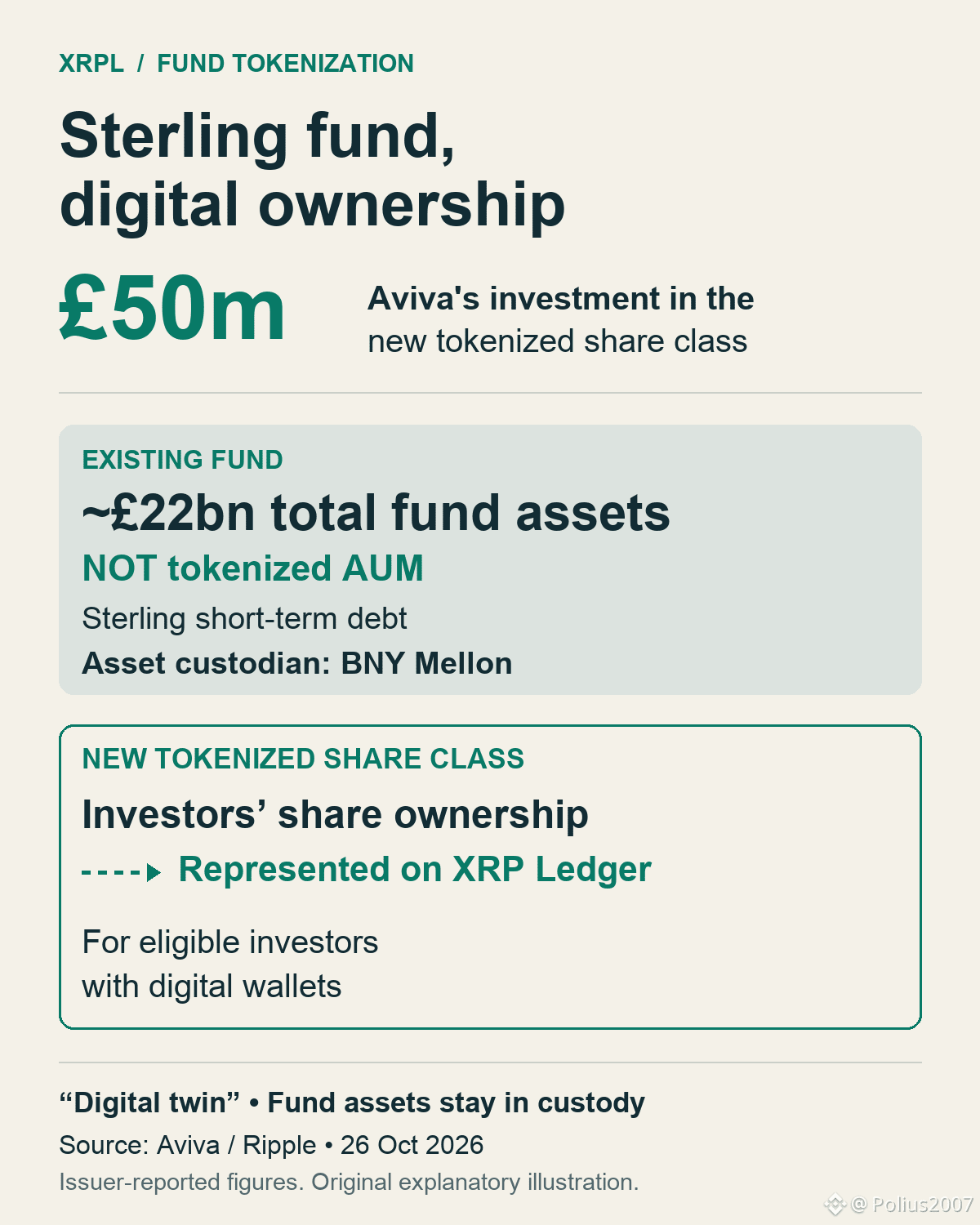
Aviva has put £50 million into a new tokenized sterling money-market fund share class on the XRP Ledger, according to today's joint announcement with Ripple. The investment buys fund shares, not XRP.
The much larger figure in the announcement — about £22 billion — is the existing Sterling Liquidity Fund's total assets. It is not tokenized AUM, and the announcement does not give a total size for the new share class.
Eligible investors with digital wallets can access the class through a “digital twin” structure: their fund-share holdings can be represented on-chain while the conventional fund remains in place. The underlying assets stay with BNY Mellon, the fund's custodian. What XRPL adds here is a digital record of share ownership, not a new home for the fund's debt portfolio.
Source: Aviva Investors and Ripple announcement, October 26, 2026. Figures are issuer-reported, not independently verified on-chain balances.
https://ripple.com/ripple-press/aviva-investors-expands-its-tokenised-offering-with-the-launch-of-a-sterling-liquidity-fund-tokenised-share-class/
#XRP #Tokenization
Aviva has put £50 million into a new tokenized sterling money-market fund share class on the XRP Ledger, according to today's joint announcement with Ripple. The investment buys fund shares, not XRP.
The much larger figure in the announcement — about £22 billion — is the existing Sterling Liquidity Fund's total assets. It is not tokenized AUM, and the announcement does not give a total size for the new share class.
Eligible investors with digital wallets can access the class through a “digital twin” structure: their fund-share holdings can be represented on-chain while the conventional fund remains in place. The underlying assets stay with BNY Mellon, the fund's custodian. What XRPL adds here is a digital record of share ownership, not a new home for the fund's debt portfolio.
Source: Aviva Investors and Ripple announcement, October 26, 2026. Figures are issuer-reported, not independently verified on-chain balances.
https://ripple.com/ripple-press/aviva-investors-expands-its-tokenised-offering-with-the-launch-of-a-sterling-liquidity-fund-tokenised-share-class/
#XRP #Tokenization
The much larger figure in the announcement — about £22 billion — is the existing Sterling Liquidity Fund's total assets. It is not tokenized AUM, and the announcement does not give a total size for the new share class.
Eligible investors with digital wallets can access the class through a “digital twin” structure: their fund-share holdings can be represented on-chain while the conventional fund remains in place. The underlying assets stay with BNY Mellon, the fund's custodian. What XRPL adds here is a digital record of share ownership, not a new home for the fund's debt portfolio.
Source: Aviva Investors and Ripple announcement, October 26, 2026. Figures are issuer-reported, not independently verified on-chain balances.
https://ripple.com/ripple-press/aviva-investors-expands-its-tokenised-offering-with-the-launch-of-a-sterling-liquidity-fund-tokenised-share-class/
#XRP #Tokenization
87

·
--
Ripple partners with Aviva Investors to bring a £22B fund share class onto the XRP Ledger.
This marks a major step in tokenizing traditional asset management on public blockchain infrastructure.
Could tokenized fund shares become the new standard for institutional access?
#XRP #Tokenization
Ripple partners with Aviva Investors to bring a £22B fund share class onto the XRP Ledger.
This marks a major step in tokenizing traditional asset management on public blockchain infrastructure.
Could tokenized fund shares become the new standard for institutional access?
#XRP #Tokenization
This marks a major step in tokenizing traditional asset management on public blockchain infrastructure.
Could tokenized fund shares become the new standard for institutional access?
#XRP #Tokenization
73

🚨 RWA NARRATIVE IS HEATING UP!
RWA perpetuals open interest is approaching $20 BILLION according to CryptoRank
Tokenized real-world assets are gaining attention as derivatives activity expands.
Is RWA becoming one of crypto’s next major narratives?
Watch the growth—but remember rising open interest doesn’t guarantee prices will go up.
#RWA #Tokenization #DeFi #Crypto #CryptoNews
🚨 RWA NARRATIVE IS HEATING UP!
RWA perpetuals open interest is approaching $20 BILLION according to CryptoRank
Tokenized real-world assets are gaining attention as derivatives activity expands.
Is RWA becoming one of crypto’s next major narratives?
Watch the growth—but remember rising open interest doesn’t guarantee prices will go up.
#RWA #Tokenization #DeFi #Crypto #CryptoNews
RWA perpetuals open interest is approaching $20 BILLION according to CryptoRank
Tokenized real-world assets are gaining attention as derivatives activity expands.
Is RWA becoming one of crypto’s next major narratives?
Watch the growth—but remember rising open interest doesn’t guarantee prices will go up.
#RWA #Tokenization #DeFi #Crypto #CryptoNews
3
🚀 $RWA SEES CAPITAL SHIFT – WHALE REBALANCE IGNITES MOMENTUM 🦈
📊 The latest RWA Foundation‑Token Terminal report shows a localized capital redistribution across real‑world asset tokens this week. Smart money is pulling liquidity from over‑exposed protocols and re‑stacking into freshly minted tokenized assets, sparking a fresh wave of buying pressure. ⚡ This micro‑reallocation hints at a broader confidence swing, as institutional players hunt for the next yield‑rich frontier in the tokenized real‑estate and commodity space. 🌊
💬 Do you think the fresh influx will fuel a sustained rally for $RWA or merely a short‑term bounce? 👇
⚠️ Not financial advice. Always manage your risk. 🛡️
🏷️ #RWA #Tokenization #CapitalFlow #Crypto
🔥 🚀
🚀 $RWA SEES CAPITAL SHIFT – WHALE REBALANCE IGNITES MOMENTUM 🦈
📊 The latest RWA Foundation‑Token Terminal report shows a localized capital redistribution across real‑world asset tokens this week. Smart money is pulling liquidity from over‑exposed protocols and re‑stacking into freshly minted tokenized assets, sparking a fresh wave of buying pressure. ⚡ This micro‑reallocation hints at a broader confidence swing, as institutional players hunt for the next yield‑rich frontier in the tokenized real‑estate and commodity space. 🌊
💬 Do you think the fresh influx will fuel a sustained rally for $RWA or merely a short‑term bounce? 👇
⚠️ Not financial advice. Always manage your risk. 🛡️
🏷️ #RWA #Tokenization #CapitalFlow #Crypto
🔥 🚀
📊 The latest RWA Foundation‑Token Terminal report shows a localized capital redistribution across real‑world asset tokens this week. Smart money is pulling liquidity from over‑exposed protocols and re‑stacking into freshly minted tokenized assets, sparking a fresh wave of buying pressure. ⚡ This micro‑reallocation hints at a broader confidence swing, as institutional players hunt for the next yield‑rich frontier in the tokenized real‑estate and commodity space. 🌊
💬 Do you think the fresh influx will fuel a sustained rally for $RWA or merely a short‑term bounce? 👇
⚠️ Not financial advice. Always manage your risk. 🛡️
🏷️ #RWA #Tokenization #CapitalFlow #Crypto
🔥 🚀
1

🦈 $RWA SEES CAPITAL REBALANCE—SMART MONEY REPOSITIONING NOW! 🚨
📊 The weekly RWA Foundation/Token Terminal data shows a localized capital migration into real‑world asset tokens, a subtle liquidity sweep that institutional players favor. 🦈 Volume on the 4H chart nudges higher, hinting at renewed buying pressure while on‑chain supply contracts across a major exchange. 🔍 Should this redistribution sustain, the next upward thrust could breach the current resistance, priming a breakout scenario.
💬 How are you adjusting your exposure to the RWA tokenization wave? 👇
⚠️ Not financial advice. Always manage your risk. 🛡️
🏷️ #RWA #SmartMoney #Tokenization #Crypto
🚀 💎
🦈 $RWA SEES CAPITAL REBALANCE—SMART MONEY REPOSITIONING NOW! 🚨
📊 The weekly RWA Foundation/Token Terminal data shows a localized capital migration into real‑world asset tokens, a subtle liquidity sweep that institutional players favor. 🦈 Volume on the 4H chart nudges higher, hinting at renewed buying pressure while on‑chain supply contracts across a major exchange. 🔍 Should this redistribution sustain, the next upward thrust could breach the current resistance, priming a breakout scenario.
💬 How are you adjusting your exposure to the RWA tokenization wave? 👇
⚠️ Not financial advice. Always manage your risk. 🛡️
🏷️ #RWA #SmartMoney #Tokenization #Crypto
🚀 💎
📊 The weekly RWA Foundation/Token Terminal data shows a localized capital migration into real‑world asset tokens, a subtle liquidity sweep that institutional players favor. 🦈 Volume on the 4H chart nudges higher, hinting at renewed buying pressure while on‑chain supply contracts across a major exchange. 🔍 Should this redistribution sustain, the next upward thrust could breach the current resistance, priming a breakout scenario.
💬 How are you adjusting your exposure to the RWA tokenization wave? 👇
⚠️ Not financial advice. Always manage your risk. 🛡️
🏷️ #RWA #SmartMoney #Tokenization #Crypto
🚀 💎
2

Ondo Finance continues to expand its tokenized financial products.
Recent developments include Ondo Private Markets, designed to provide eligible investors with onchain exposure to selected private companies, and the expansion of its tokenized stock ecosystem.
The broader opportunity is compelling:
Traditional assets could become easier to access, transfer, and use across blockchain-based financial applications.
However, there’s an important distinction investors must understand.
A successful tokenization platform does not automatically make its associated token a successful investment.
For ONDO, I would investigate four questions:
🔹 Adoption: Are users and institutions actually using the products?
🔹 Scale: Is the value of assets distributed through the platform growing sustainably?
🔹 Competition: Can Ondo maintain its position as more companies enter tokenization?
🔹 Value capture: How, if at all, does the platform’s growth translate into economic value for ONDO holders?
That last question deserves particular attention.
A business can grow rapidly while its token underperforms if demand for the token itself remains limited or its valuation already assumes substantial future success.
I am interested in tokenization, but I want evidence of a connection between adoption and token economics.
Invest in the mechanism that captures value, not just the industry that creates it.
#ONDO #RWA #Tokenization #RealWorldAssets
Ondo Finance continues to expand its tokenized financial products.
Recent developments include Ondo Private Markets, designed to provide eligible investors with onchain exposure to selected private companies, and the expansion of its tokenized stock ecosystem.
The broader opportunity is compelling:
Traditional assets could become easier to access, transfer, and use across blockchain-based financial applications.
However, there’s an important distinction investors must understand.
A successful tokenization platform does not automatically make its associated token a successful investment.
For ONDO, I would investigate four questions:
🔹 Adoption: Are users and institutions actually using the products?
🔹 Scale: Is the value of assets distributed through the platform growing sustainably?
🔹 Competition: Can Ondo maintain its position as more companies enter tokenization?
🔹 Value capture: How, if at all, does the platform’s growth translate into economic value for ONDO holders?
That last question deserves particular attention.
A business can grow rapidly while its token underperforms if demand for the token itself remains limited or its valuation already assumes substantial future success.
I am interested in tokenization, but I want evidence of a connection between adoption and token economics.
Invest in the mechanism that captures value, not just the industry that creates it.
#ONDO #RWA #Tokenization #RealWorldAssets
Recent developments include Ondo Private Markets, designed to provide eligible investors with onchain exposure to selected private companies, and the expansion of its tokenized stock ecosystem.
The broader opportunity is compelling:
Traditional assets could become easier to access, transfer, and use across blockchain-based financial applications.
However, there’s an important distinction investors must understand.
A successful tokenization platform does not automatically make its associated token a successful investment.
For ONDO, I would investigate four questions:
🔹 Adoption: Are users and institutions actually using the products?
🔹 Scale: Is the value of assets distributed through the platform growing sustainably?
🔹 Competition: Can Ondo maintain its position as more companies enter tokenization?
🔹 Value capture: How, if at all, does the platform’s growth translate into economic value for ONDO holders?
That last question deserves particular attention.
A business can grow rapidly while its token underperforms if demand for the token itself remains limited or its valuation already assumes substantial future success.
I am interested in tokenization, but I want evidence of a connection between adoption and token economics.
Invest in the mechanism that captures value, not just the industry that creates it.
#ONDO #RWA #Tokenization #RealWorldAssets
178

·
--
Tokenized property rules in 2027—but the overdue assessment still isn’t finished? That’s the part that makes me pause. 🏢🤔
Latvia’s Economics Minister Viktors Valainis says rules could arrive in the first half of 2027, with commercial property in focus.
I’m interested in the real-estate angle, but “could arrive” isn’t a completed framework. The assessment remains unfinished, and no sovereign-bond issuance was identified.
Would you call this meaningful progress for tokenization, or wait for the actual rules?
#Tokenization #RealEstate #Blockchain
Tokenized property rules in 2027—but the overdue assessment still isn’t finished? That’s the part that makes me pause. 🏢🤔
Latvia’s Economics Minister Viktors Valainis says rules could arrive in the first half of 2027, with commercial property in focus.
I’m interested in the real-estate angle, but “could arrive” isn’t a completed framework. The assessment remains unfinished, and no sovereign-bond issuance was identified.
Would you call this meaningful progress for tokenization, or wait for the actual rules?
#Tokenization #RealEstate #Blockchain
Latvia’s Economics Minister Viktors Valainis says rules could arrive in the first half of 2027, with commercial property in focus.
I’m interested in the real-estate angle, but “could arrive” isn’t a completed framework. The assessment remains unfinished, and no sovereign-bond issuance was identified.
Would you call this meaningful progress for tokenization, or wait for the actual rules?
#Tokenization #RealEstate #Blockchain

92
Log in to explore more content
Join global crypto users on Binance Square
⚡️ Get latest and useful information about crypto.
💬 Trusted by the world’s largest crypto exchange.
👍 Discover real insights from verified creators.
Email / Phone number
Trending Topics
1
#BinancePick
3.4M views
164,640 Discussing
2
#EarningsSeason
5.5M views
26,886 Discussing
3
#StrategySkipsBitcoinPurchasesSpends$205MOnSTRCBuybacks
823 views
25 Discussing
4
#BitmineAdds10452ETH
9,612 views
222 Discussing
5
#SouthKoreaConsidersEducationTaxOnCryptoExchanges
7,788 views
205 Discussing
6
#OCCUrgesCommunityBanksToEnterStablecoinPayments
7,513 views
129 Discussing
7
#RippleWinsFullApprovalAsNationalTrustBank
6,864 views
133 Discussing
8
#AkashSelectsSolanaAsMigrationTarget
4,252 views
61 Discussing
9
#OndoToOpenSubscriptionsForOpenAIPreIPOTokenizedNotes
311 views
19 Discussing
10
#AnthropicTTMRevenueGrewAbout1200%
59,610 views
602 Discussing