

#on
on
1M views
7,451 Discussing
Hot
Latest


·
--
Bullish
#HAEDAL #APR & #ON Going Perfectly as Planned. The Window Is Still Open, Get In Now
Family. Look at the charts. I told you these three were gaining serious momentum, and they are moving exactly as predicted.
The trends are strong, the buyers are in control, and we are marching straight toward our targets. The best part? There is still time to enter.
The Targets:
$HAEDAL → Pushing toward **$0.03500
{future}(HAEDALUSDT)
$APR → Locked in on $0.04800
{future}(APRUSDT)
$ON → Marching toward **$0.200
{future}(ONUSDT)
Why you need to act now
You watched us smash targets on $Q, $JCT, and $AIN. Don't let hesitation make you miss this wave. If you wait for these to hit the final targets, you'll be chasing the top. The window to get in at a good price is right now.
The setup is clean. The momentum is real.
I'm in. The family is in. Get in before the next massive green candle.
Family moves together. Let's eat.
NFA DYOR
#HAEDAL #APR & #ON Going Perfectly as Planned. The Window Is Still Open, Get In Now
Family. Look at the charts. I told you these three were gaining serious momentum, and they are moving exactly as predicted.
The trends are strong, the buyers are in control, and we are marching straight toward our targets. The best part? There is still time to enter.
The Targets:
$HAEDAL → Pushing toward **$0.03500
$APR → Locked in on $0.04800
$ON → Marching toward **$0.200
Why you need to act now
You watched us smash targets on $Q, $JCT, and $AIN. Don't let hesitation make you miss this wave. If you wait for these to hit the final targets, you'll be chasing the top. The window to get in at a good price is right now.
The setup is clean. The momentum is real.
I'm in. The family is in. Get in before the next massive green candle.
Family moves together. Let's eat.
NFA DYOR
Bull Master 01
·
--
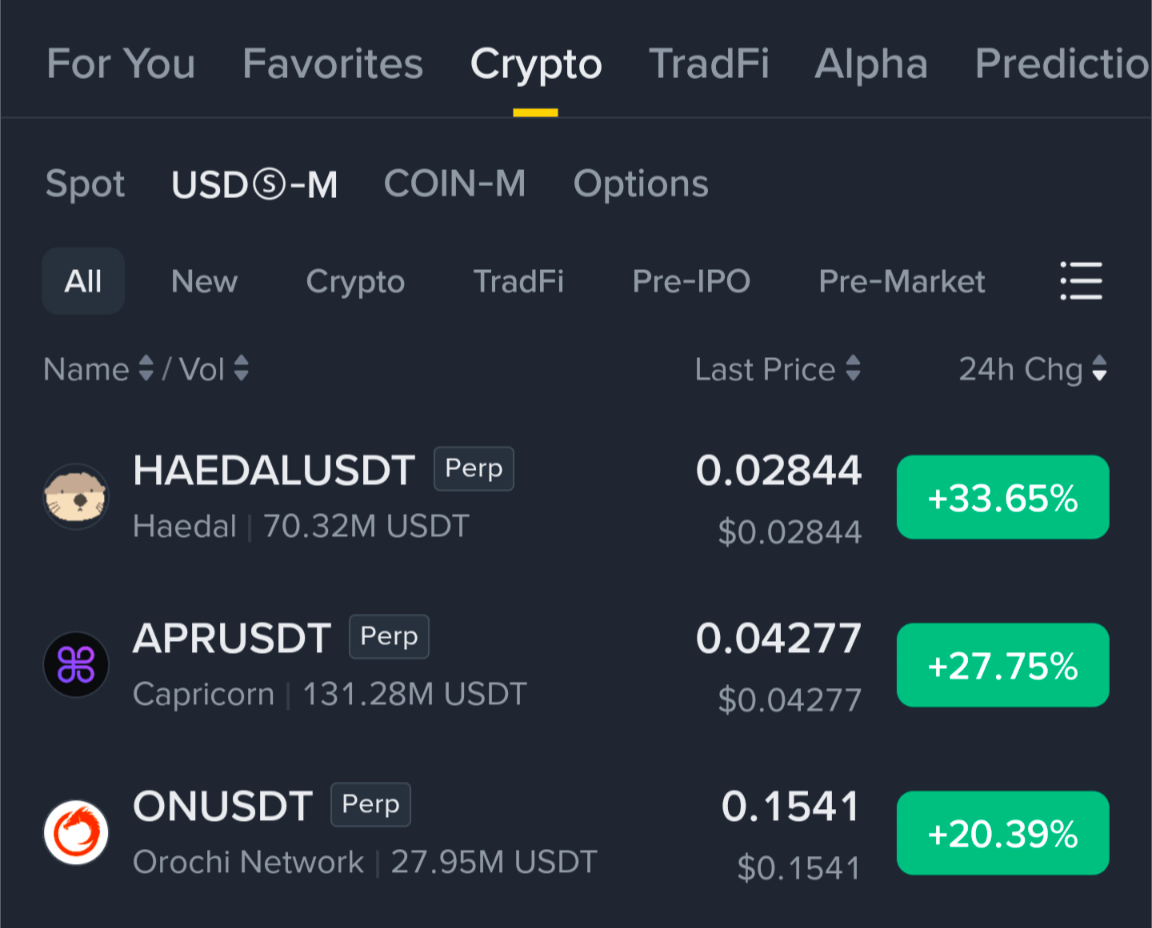
BullishGuys #Haedal #APR and #ON gaining strong bullish momentum pay attention to next Targets
$HAEDAL 0.03500
$APR 0.04800
$ON 0.200
$HAEDAL 0.03500
$APR 0.04800
$ON 0.200
1
1k

·
--
Bullish
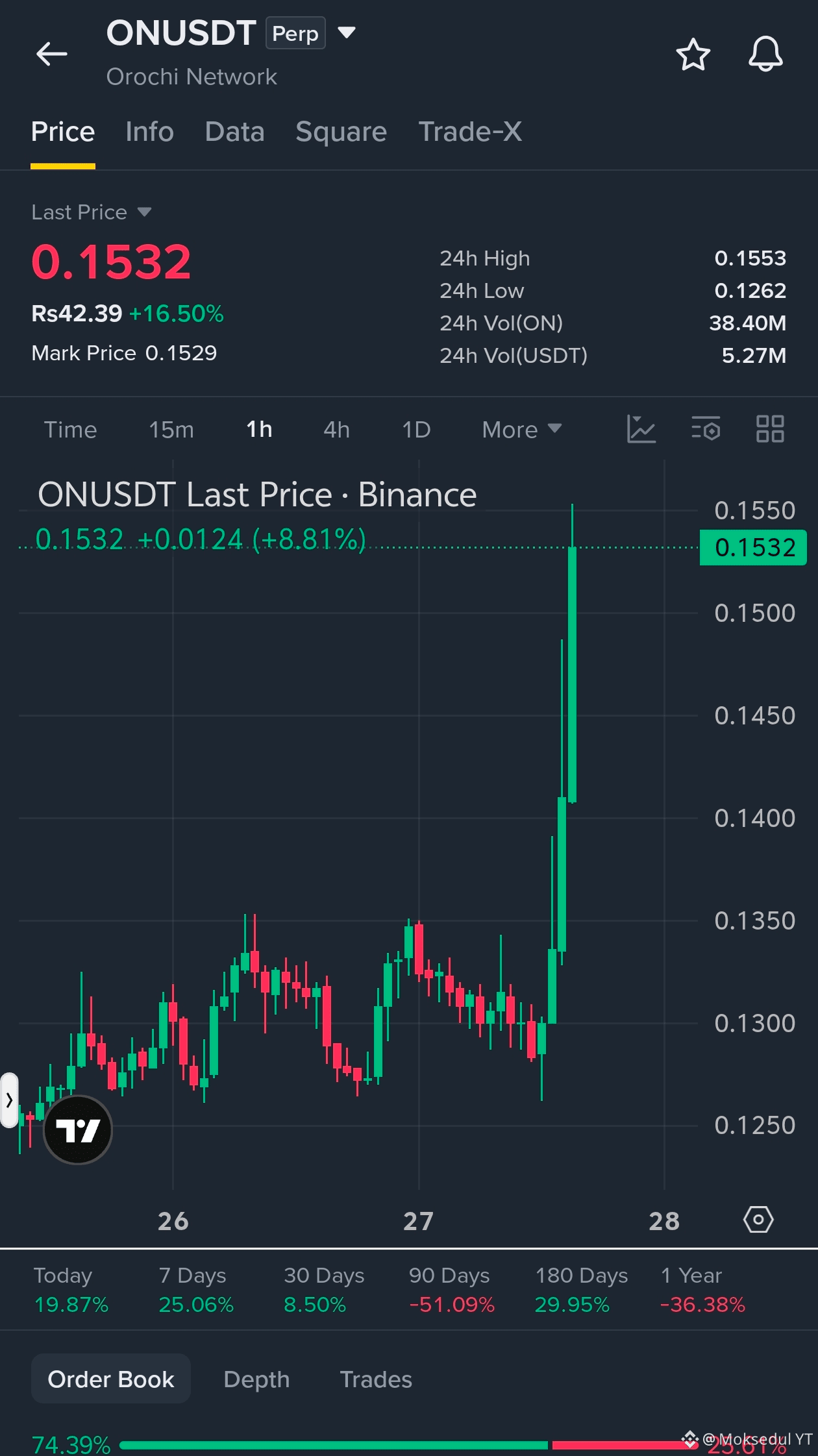
$ON Bounce at Support
#ON is holding the $0.1450 support again and again, and the chart suggests a possible push toward the upper range.
LONG SETUP
Entry: $0.1480 – $0.1530
TP1: $0.1580
TP2: $0.1650
TP3: $0.1720
SL: $0.1400
Key level: $0.1450 support. A bounce from here could open the move toward $0.1720.
Buy & Trade
{future}(ONUSDT)
$HAEDAL
{future}(HAEDALUSDT)
$AIN
{future}(AINUSDT)
$ON Bounce at Support
#ON is holding the $0.1450 support again and again, and the chart suggests a possible push toward the upper range.
LONG SETUP
Entry: $0.1480 – $0.1530
TP1: $0.1580
TP2: $0.1650
TP3: $0.1720
SL: $0.1400
Key level: $0.1450 support. A bounce from here could open the move toward $0.1720.
Buy & Trade
$HAEDAL
$AIN
2
1.1k

·
--
Verified
BASIR SADIQI:
This is huge! 🔥 $8M funding for RWA tokenization is a strong signal. And a $200K competition on Binance Alpha? That's going to bring a lot of volume!
$ON is definitely one to watch.
2
1
4
600

😂💰 $ON MARKET RULE #1
Want to survive this crazy market? Start small and grow wisely! 📈
Want to lose money faster? Just go all-in from the beginning! 🤣💸
$ON is currently making moves, but remember — smart risk management matters more than big bets!
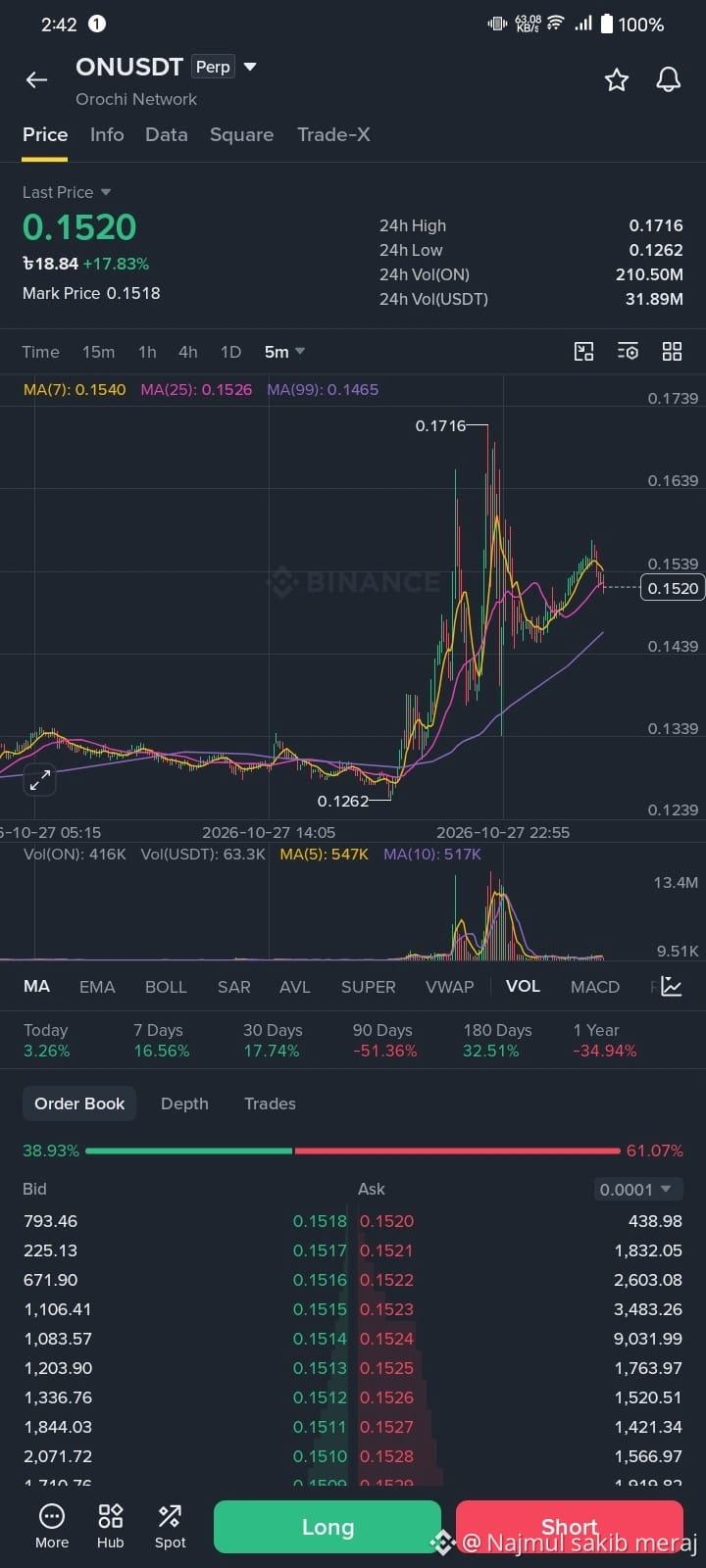
$ONUSDT Perp
💹 Price: 0.1532 | +18.94%
Trade smart, stay patient, and protect your capital! 👀🔥
#on #ONUSDT #Crypto #CryptoTrading #BinanceSquare #RiskManagement
{future}(ONUSDT)
😂💰 $ON MARKET RULE #1
Want to survive this crazy market? Start small and grow wisely! 📈
Want to lose money faster? Just go all-in from the beginning! 🤣💸
$ON is currently making moves, but remember — smart risk management matters more than big bets!
$ONUSDT Perp
💹 Price: 0.1532 | +18.94%
Trade smart, stay patient, and protect your capital! 👀🔥
#on #ONUSDT #Crypto #CryptoTrading #BinanceSquare #RiskManagement
1
1
41

·
--
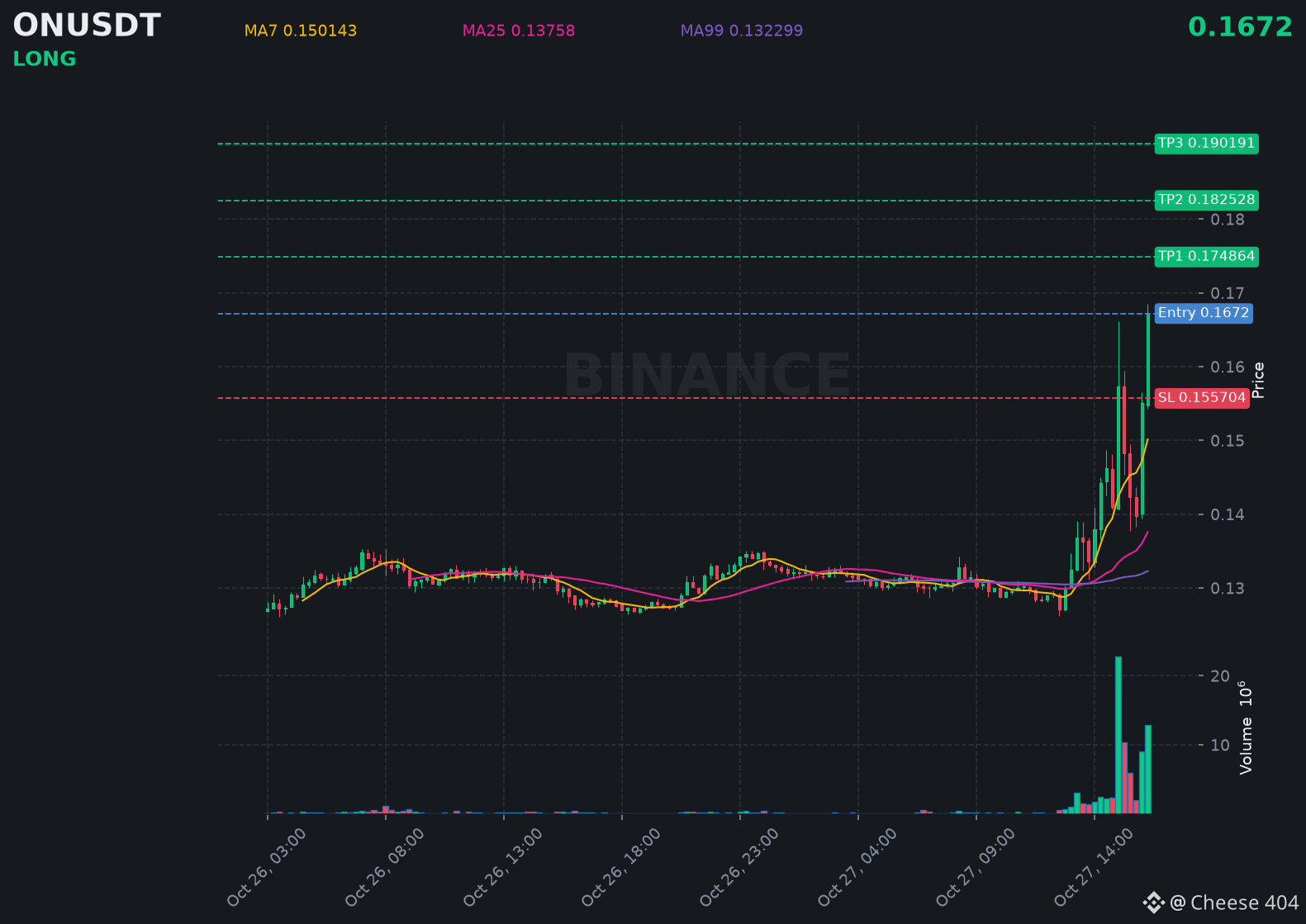
$ON is gaining strong bullish momentum as volume rises and price breaks key resistance.
📍 @ 0.1672 | Volume: 2.14M USD
RSI 71 | EMA20: 0.142814 USD
📈 Trade Plan:
📈 Entry: 0.164901 – 0.169499
🛑 Stop Loss: 0.155704
🎯 TP1: 0.174864
🎯 TP2: 0.182528
🎯 TP3: 0.190191
Waiting for a retest, then riding the uptrend.
👉 $ON 👈 Catch it
#ON
📍 @ 0.1672 | Volume: 2.14M USD
RSI 71 | EMA20: 0.142814 USD
📈 Trade Plan:
📈 Entry: 0.164901 – 0.169499
🛑 Stop Loss: 0.155704
🎯 TP1: 0.174864
🎯 TP2: 0.182528
🎯 TP3: 0.190191
Waiting for a retest, then riding the uptrend.
👉 $ON 👈 Catch it
#ON
110

·
--
Trading over $ON 1 hours was packed in like a holiday tourist attraction: $6.24 million, 38.0 times the usual.
Most of the outflow was selling pressure; price fell 4.63%.
The bears sent their congratulations; the bulls are temporarily offline.
#ON
You bear the risk yourself; this is just a discussion.
Most of the outflow was selling pressure; price fell 4.63%.
The bears sent their congratulations; the bulls are temporarily offline.
#ON
You bear the risk yourself; this is just a discussion.
25
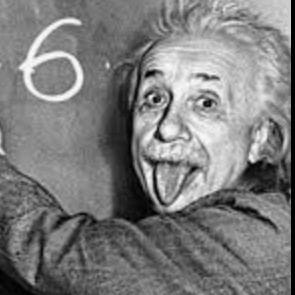
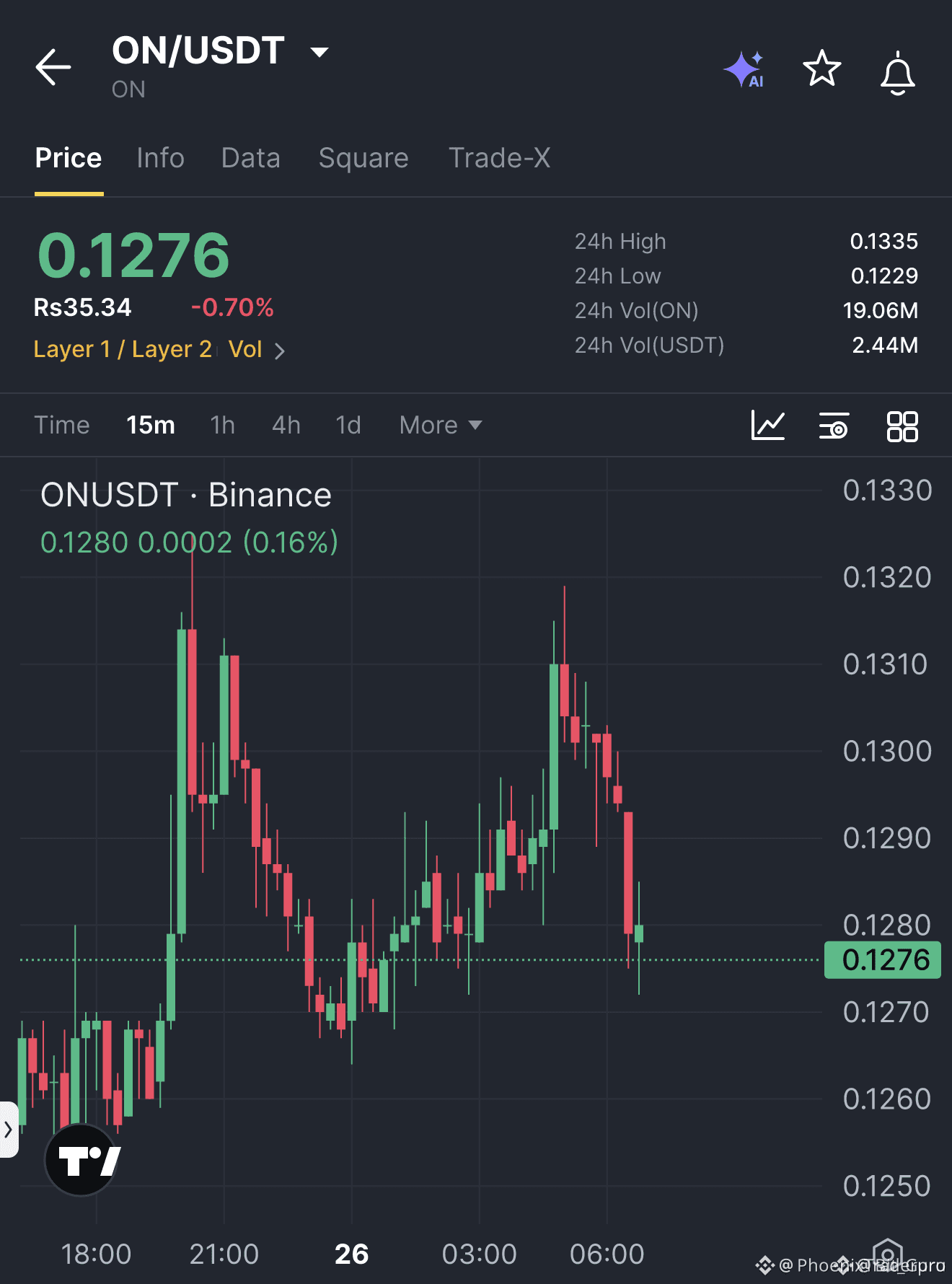
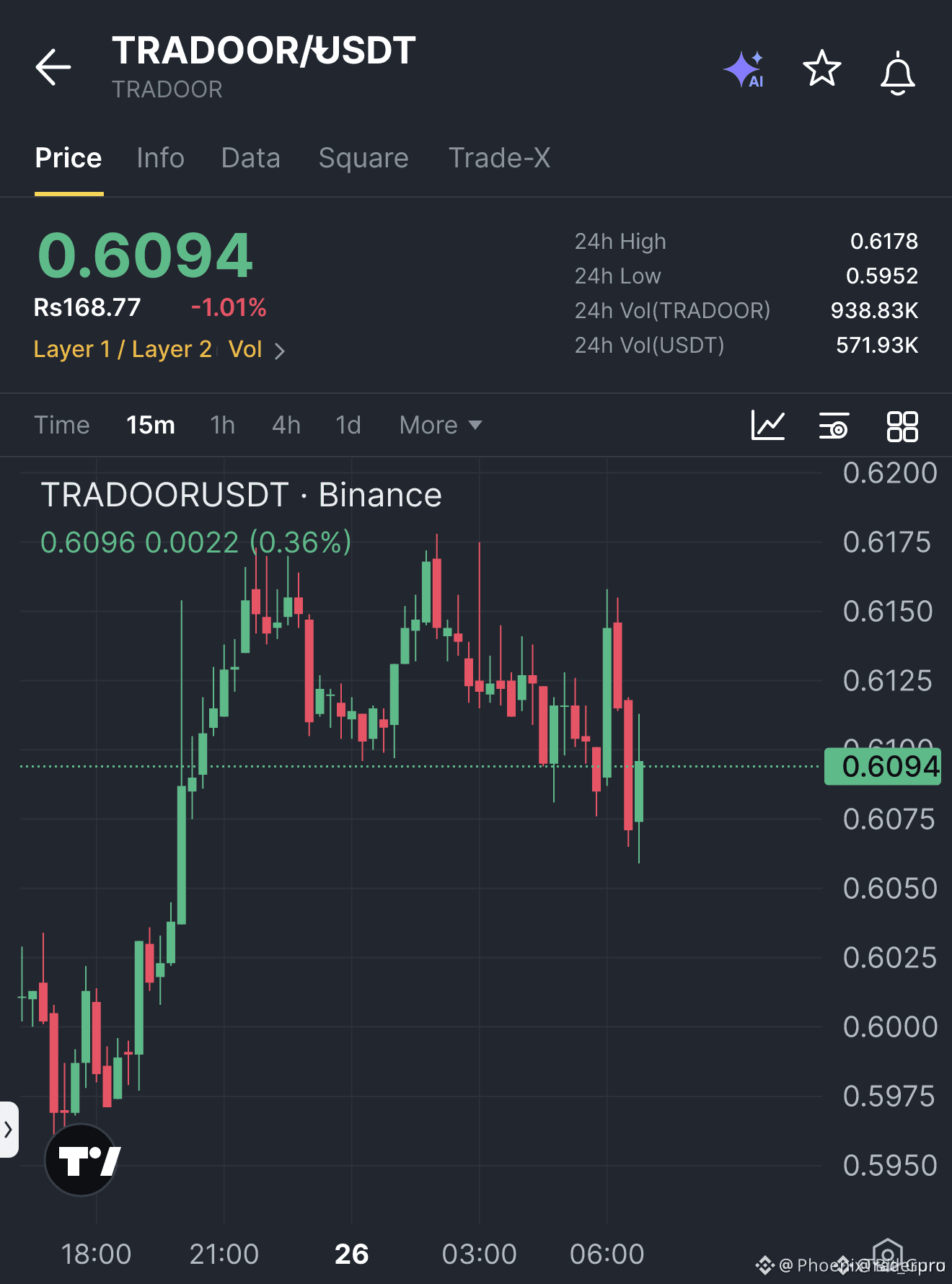
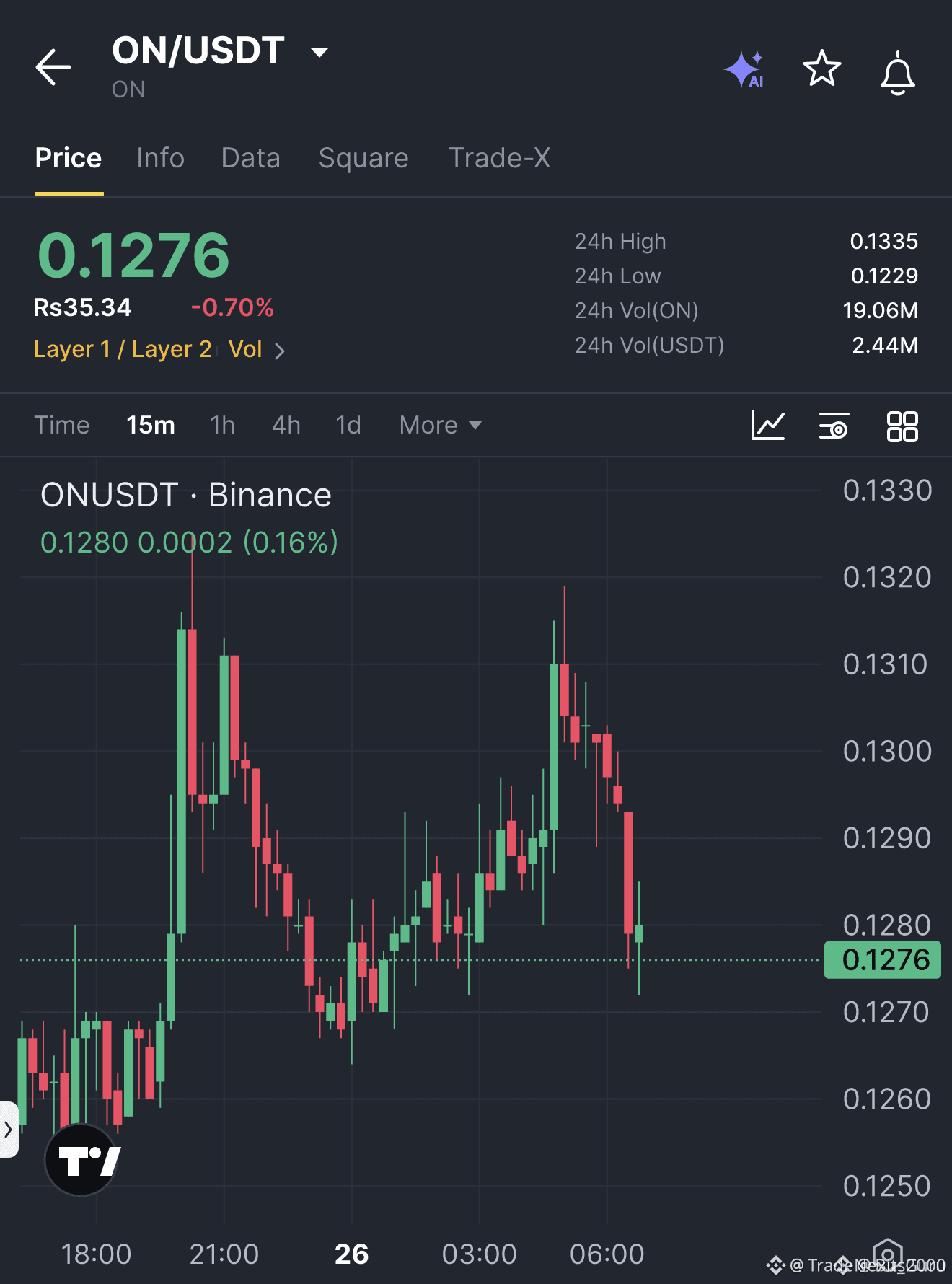
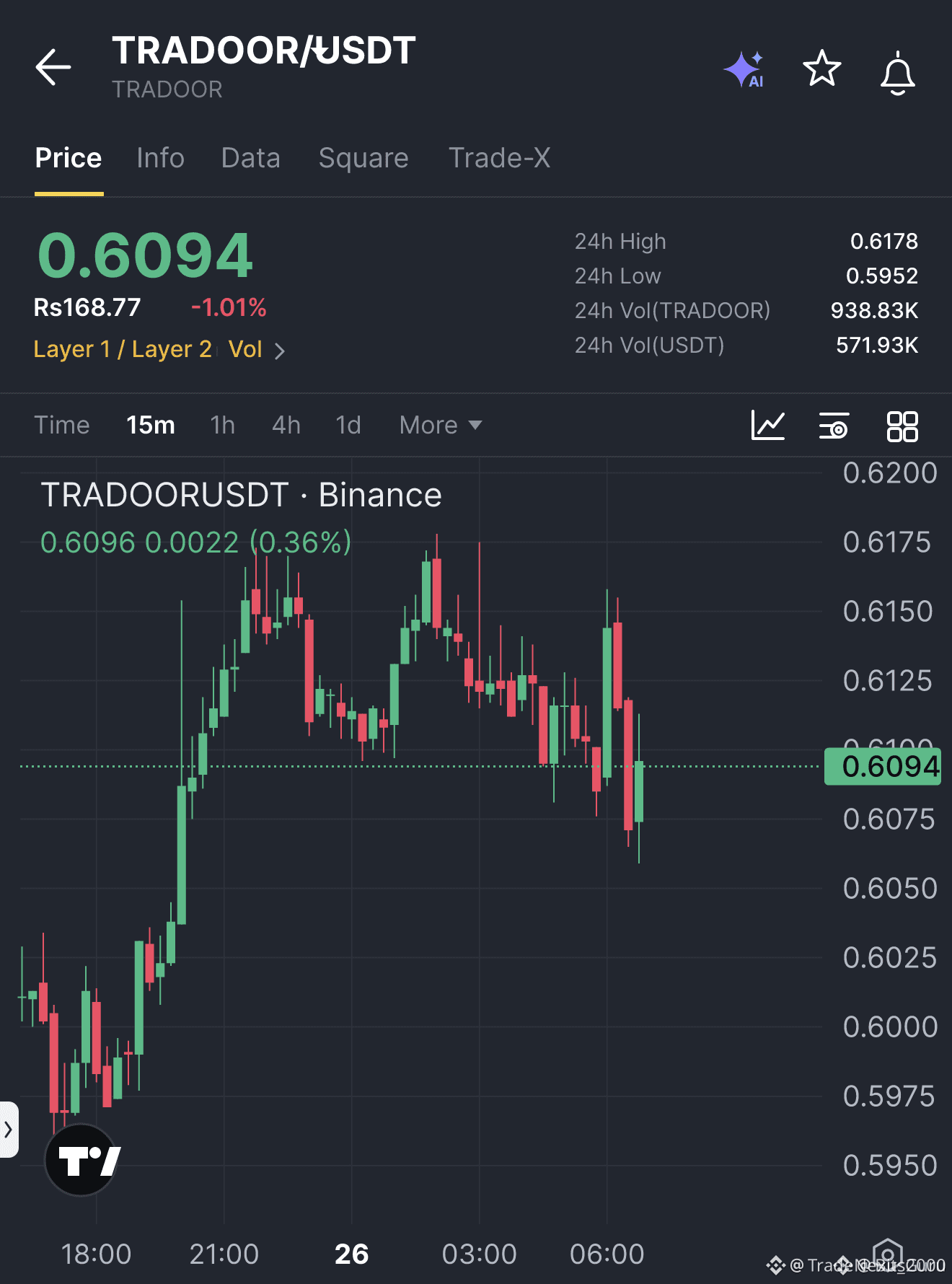
🚨 $ON & $TRADOOR SLICE THROUGH STOP‑LOSS, SETUPS CLOSED 🔴
Stop Loss: 0.128 ⚠️
Stop Loss: 0.6076 ⚠️
📊 Smart money never clings to losing positions – they cut the dead weight and hunt the next liquidity pool. 🦈 Both $ON and $TRADOOR hit their stop zones, prompting an immediate exit and a pivot to fresher setups. ⚡ The market’s pulse shows sellers flushing out weak hands, while buyers regroup on tighter ranges. 📈 This churn is a classic liquidity sweep, setting the stage for the next breakout wave.
💬 Which fresh entry are you eyeing after the sweep? 👇
⚠️ Not financial advice. Always manage your risk. 🛡️
🏷️ #ON #ShortStop #Crypto #TradeSetup #LiquiditySweep
🔥 🚀
11
🦈 $ON & $TRADOOR STOP‑LOSS HIT – REPOSITIONING FOR NEXT LIQUIDITY SWEEP! ⚡
Smart money often forces a clean stop to clear the order block, then hunts the next imbalance. 📊 Both $ON at 0.128 and $TRADOOR at 0.6076 respected their protective levels, confirming that the market is flushing weak hands before re‑establishing a higher demand zone. 🔍 With the stop zones cleared, we can now scan the order flow for fresh supply‑demand clusters on a top‑tier exchange and align with the next institutional push. 💡
💬 Which fresh imbalance are you eyeing for the next entry? 👇
⚠️ Not financial advice. Always manage your risk. 🛡️
🏷️ #ON #TRADOOR #SmartMoney #RiskManagement #Crypto
🚀 🦈
15

·
--
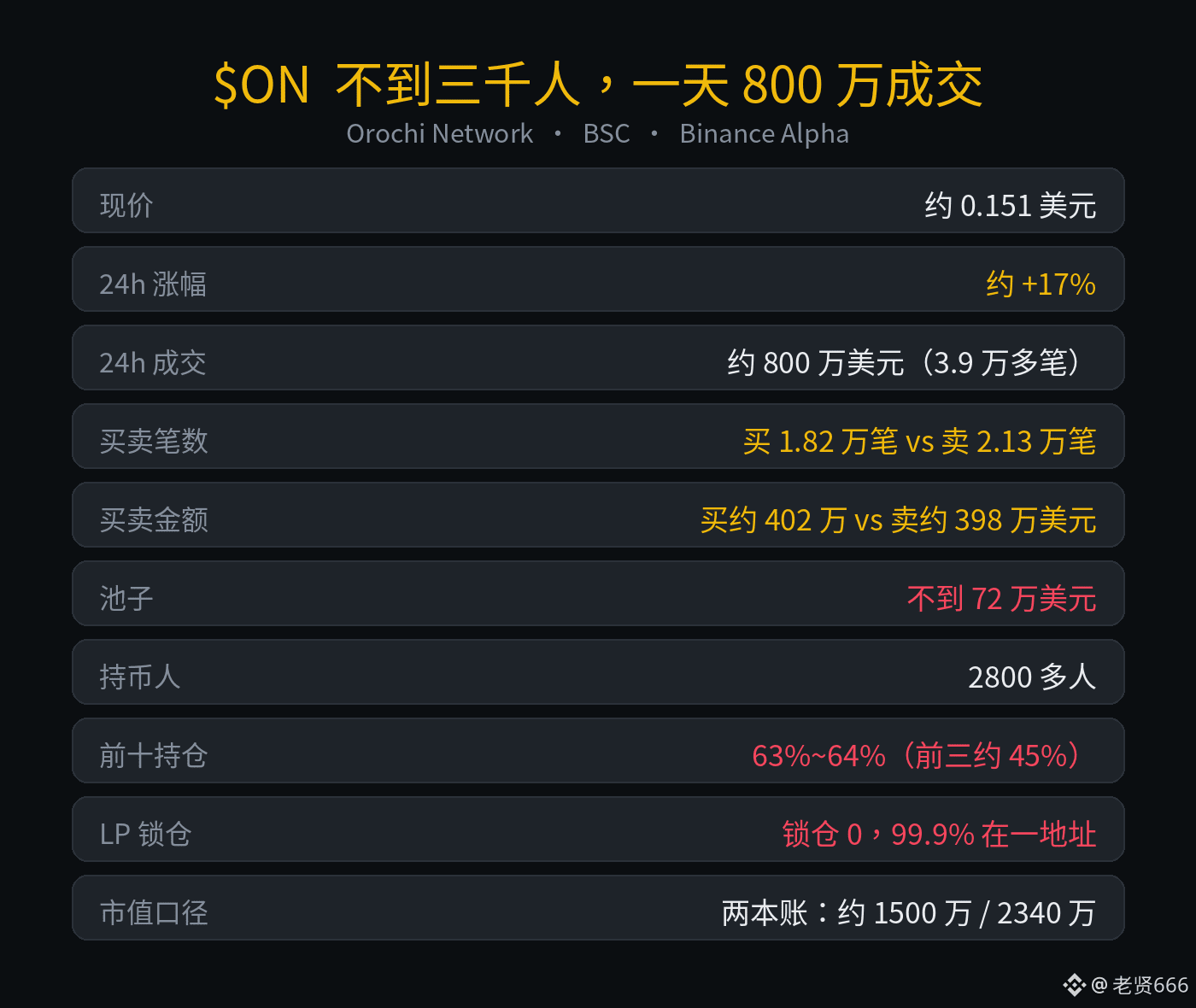
More than 2,800 people, $8 million changing hands in one day—I’ll do the math for $ON first.
Last night, that pool had just over 2,800 holders, yet 24-hour trading volume was around $8 million, across more than 39,000 trades. That works out to over $2,800 per holder. The pool was worth less than $720,000, so daily volume was a little over ten times the pool’s size, with turnover above 50%. With so few people and such a small pool, where did all that volume come from? That’s the only question this post is trying to answer.
Breaking down the buys and sells makes things even harder to explain. There were 21,300 sell trades worth $3.98 million, and 18,200 buy trades worth $4.02 million. That’s over 3,100 more sells, averaging $188 each; buys averaged $222. The dollar amounts were almost even, and there were more sells, yet the price rose 17% in 24 hours to around $0.151. This wasn’t a one-sided buying wave pushing the price up—at least, that’s not what the numbers show.
The top ten holders own 63% to 64%; the top three account for about 45%: the largest holds 19.3%, the second 14%, and the third 11.5%. One of them is an exchange address. One address holds 99.9% of the pool’s LP tokens, while the page lists the locked percentage as 0. Both buy and sell taxes are 0, and the checks didn’t flag any problems, but remember: the pool could be drained at any time.
The project itself isn’t new. Orochi Network works on verifiable data, with a focus on RWA. The pool was created on October 22 last year, so it’s been around for a year. The first round of the trading competition runs until 9 p.m. on October 29, followed by the second round through November 5. How much of that $8 million came from people chasing the competition, and whether volume falls afterward, are the things to watch. If you want to take part, read all the rules in the official announcement first.
There are still two different market-cap figures: in the same place, one listing says $15 million, while another says $23.4 million. Before looking at market cap, ask which set of figures you’re looking at; otherwise, the size of the project is just a matter of guesswork.
Going forward, I’m watching four things: whether the number of holders breaks 3,000, whether the top ten’s share eases, whether that LP address makes a move, and how much trading volume drops after the competition. If that LP address starts withdrawing liquidity, holder numbers turn downward, or volume falls off a cliff after the competition, then this post will have been for nothing. If you’re holding, check two things now: who owns the address holding the LP tokens, and whether you can stomach the slippage on your trade. If the holder count clearly rises, the top ten’s share eases, and the pool gets deeper, I’ll change my mind.
Alpha tokens are highly volatile and could go to zero. This post is just a review, not investment advice. There were over 3,000 more sell trades than buy trades, yet the price rose 17%. What do you think—how much of that $8 million was genuine trading, and how much came from people chasing the competition?
#BinanceAlpha #ON #On-chainObservations
1

The data speaks for itself: $ON 5 minutes, up 12.97%, current price 0.156; 24h range: 0.1262 ~ 0.1716.
The price is still within the 24h range, with some distance to go before reaching the high.
Where do you see the target?
#ON
This is not investment advice. You are responsible for your own gains and losses.
The price is still within the 24h range, with some distance to go before reaching the high.
Where do you see the target?
#ON
This is not investment advice. You are responsible for your own gains and losses.
12

·
--
For those watching the money flow, take a look👀
Within 5 minutes of $ON , it surged 12.97%, current price 0.1555.
In the past 24h it has already gained +21.96%, and chips are clearly concentrating here.
Whether the volume can continue will determine how far this move can go. No need to jump to conclusions yet, let's see.
#ON
Within 5 minutes of $ON , it surged 12.97%, current price 0.1555.
In the past 24h it has already gained +21.96%, and chips are clearly concentrating here.
Whether the volume can continue will determine how far this move can go. No need to jump to conclusions yet, let's see.
#ON
11

·
--
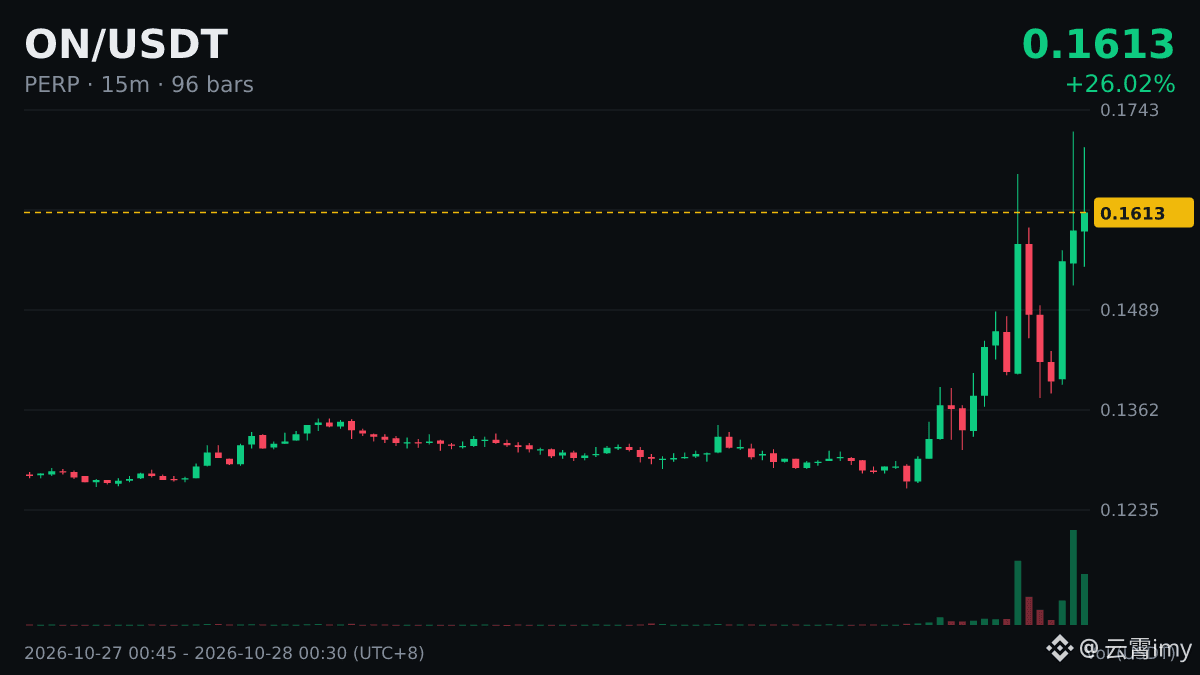
$ON 15-minute open interest increased by 8.26%, with total open interest at approximately 9.29 million.
Large players’ moves are often reflected in volume first, with price following afterward.
#ON
$ON 15-minute open interest increased by 8.26%, with total open interest at approximately 9.29 million.
Large players’ moves are often reflected in volume first, with price following afterward.
#ON
Large players’ moves are often reflected in volume first, with price following afterward.
#ON
7

·
--
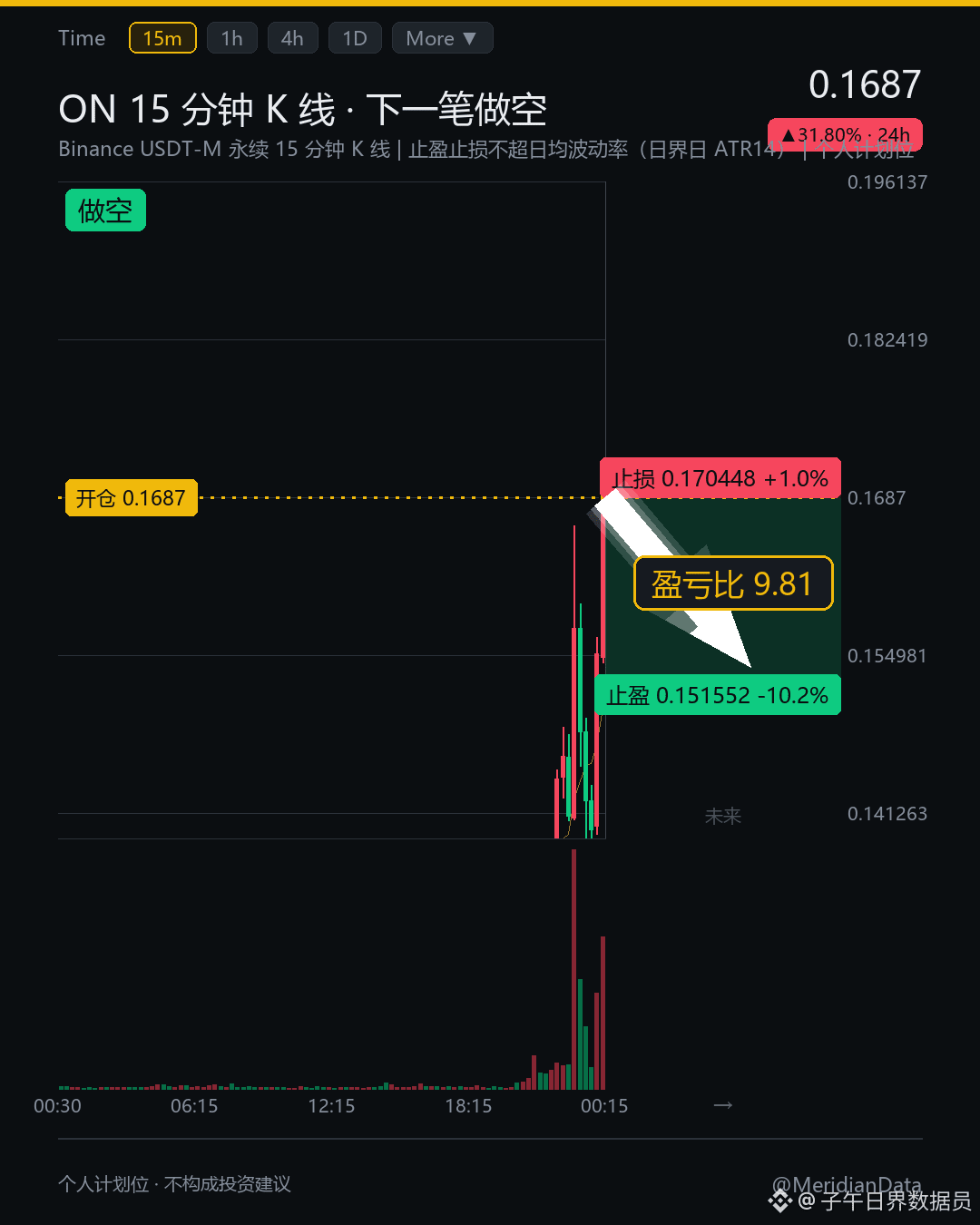
Everyone, I’m getting ready to open a large short position on $ON .
Take profit: 0.151552
Stop loss: 0.170448 👇
{future}(ONUSDT)
You may be wondering the obvious question: why am I shorting here?
The latest 15-minute candle closed at 0.1687. The 20-day range is 0.1054 to 0.1696, and the current price is at the 99.1st percentile. I had to check twice before I believed it.
It’s up 41.78% in seven days. This isn’t a reversal—it’s the final leg of a rotation, with no buyers stepping in to catch the bags at these highs.
Who would believe it? A coin rockets 41.78% in seven days, and I turn around and short it.
The ceiling is right at 0.1696. There’s not much room to go higher, while below it is like an elevator shaft—a whole range with nothing to support the price.
Here’s the setup: take profit is set at -10.17%, within the average daily volatility of 10.16%. The stop loss is just +1.04%, so it’s less likely to get taken out by a wick.
The risk/reward ratio is close to 9.81.
When price hits its limit, the bounce back is usually the sharpest. That’s the move I’m looking to capture—the average daily range speaks for itself.
I’m not telling anyone to follow this trade. What do you think? Let’s discuss in the comments.
$AKE $COLLECT
#ON #AKE #Cryptocurrency
The above is a record of my personal trading system and observations of market data. It does not constitute investment advice.
Everyone, I’m getting ready to open a large short position on $ON .
Take profit: 0.151552
Stop loss: 0.170448 👇
You may be wondering the obvious question: why am I shorting here?
The latest 15-minute candle closed at 0.1687. The 20-day range is 0.1054 to 0.1696, and the current price is at the 99.1st percentile. I had to check twice before I believed it.
It’s up 41.78% in seven days. This isn’t a reversal—it’s the final leg of a rotation, with no buyers stepping in to catch the bags at these highs.
Who would believe it? A coin rockets 41.78% in seven days, and I turn around and short it.
The ceiling is right at 0.1696. There’s not much room to go higher, while below it is like an elevator shaft—a whole range with nothing to support the price.
Here’s the setup: take profit is set at -10.17%, within the average daily volatility of 10.16%. The stop loss is just +1.04%, so it’s less likely to get taken out by a wick.
The risk/reward ratio is close to 9.81.
When price hits its limit, the bounce back is usually the sharpest. That’s the move I’m looking to capture—the average daily range speaks for itself.
I’m not telling anyone to follow this trade. What do you think? Let’s discuss in the comments.
$AKE $COLLECT
#ON #AKE #Cryptocurrency
The above is a record of my personal trading system and observations of market data. It does not constitute investment advice.
2

·
--
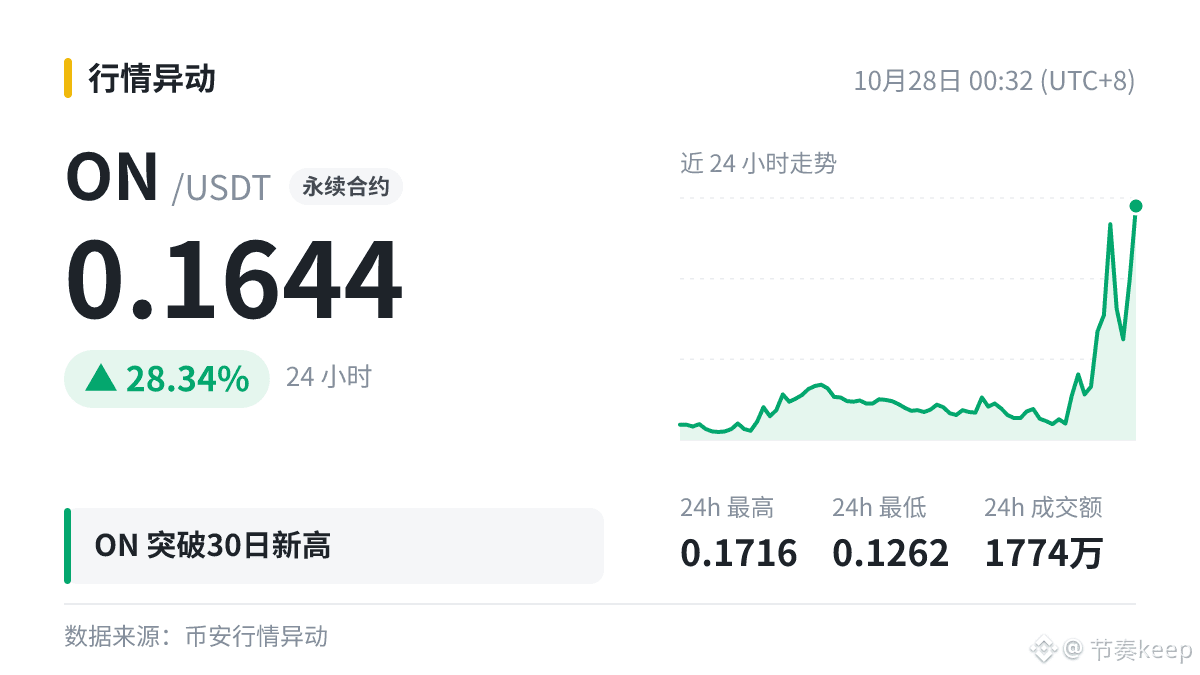
$ON just hit a new 30-day high, but the current price of 0.1644 has already fallen back below the previous high of 0.1681.
With this kind of pattern, it’s best to be prepared for both scenarios:
· If it climbs back above 0.1681, the breakout will be confirmed
· If it can’t get back above that level, watch out for a pullback after the spike
Which side are you on? Let us know in the comments.
#ON
With this kind of pattern, it’s best to be prepared for both scenarios:
· If it climbs back above 0.1681, the breakout will be confirmed
· If it can’t get back above that level, watch out for a pullback after the spike
Which side are you on? Let us know in the comments.
#ON
1

·
--
🐋 $ON hit a 30-day high, showing strong conviction from buyers.
However, it pulled back after testing the high. The current price of 0.1536 has fallen back below the previous high of 0.1681.
Stop-loss orders often pile up near new highs. Reversing after sweeping them suggests considerable selling pressure overhead. Watch to see whether it can reclaim the previous high.
#ON

·
--
This pace is a bit ridiculous—it changed in the time it took to take a sip of water!
$ON 15-minute open interest rose by 8.26%, and the price rose by 11.02%!
A sudden move only means that something has changed; it doesn’t mean we know for sure what will happen next.
#ON
This pace is a bit ridiculous—it changed in the time it took to take a sip of water!
$ON 15-minute open interest rose by 8.26%, and the price rose by 11.02%!
A sudden move only means that something has changed; it doesn’t mean we know for sure what will happen next.
#ON
$ON 15-minute open interest rose by 8.26%, and the price rose by 11.02%!
A sudden move only means that something has changed; it doesn’t mean we know for sure what will happen next.
#ON
598

·
--
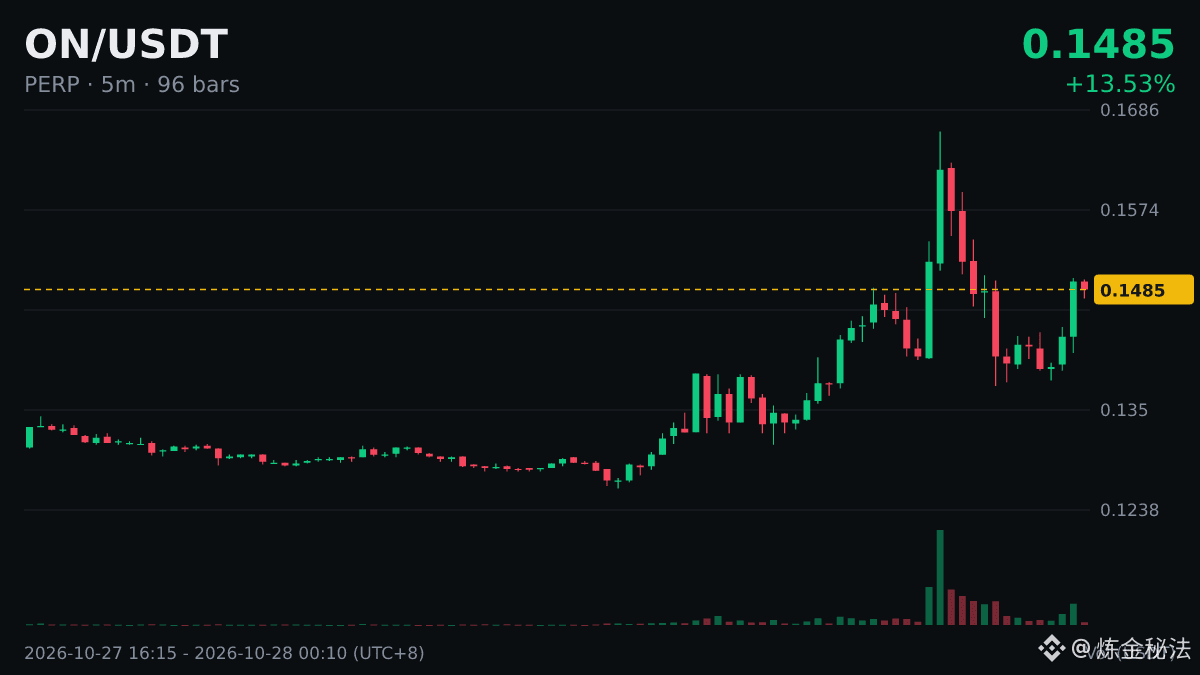
Are the big players pushing $ON ?
Up 6.36% in 15 minutes, with 24-hour trading volume of $11.11 million. A move this big in such a short time probably means buyers are piling in.
The pace of the rise is still fairly moderate. Let’s see whether large orders continue to come in.
Will the market turn soon?
#ON
I could be wrong too—make your own judgment.
1

·
--
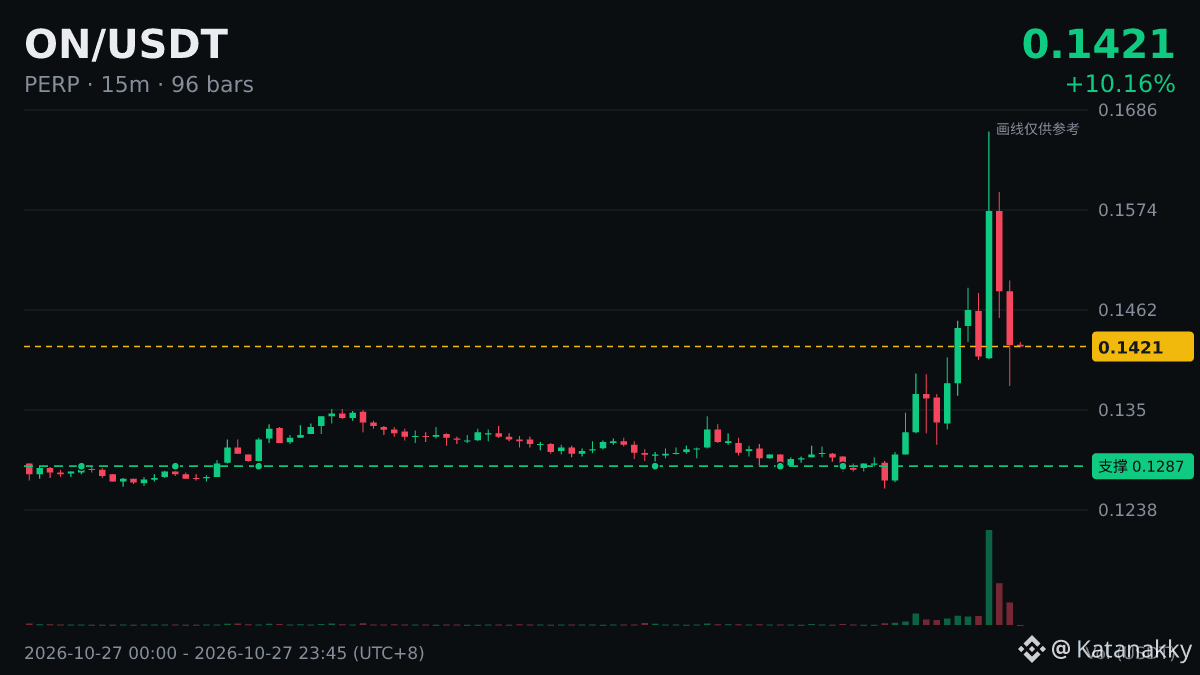
A classic market-watching moment: $ON 's one-hour trading volume is 38 times the usual, and my order size is still 0.
A sudden spike in trading volume means money is flowing in and out in concentrated bursts; you need to look at the price as well to determine the direction.
#ON
Just sharing—this is not investment advice.
A sudden spike in trading volume means money is flowing in and out in concentrated bursts; you need to look at the price as well to determine the direction.
#ON
Just sharing—this is not investment advice.
60

·
--
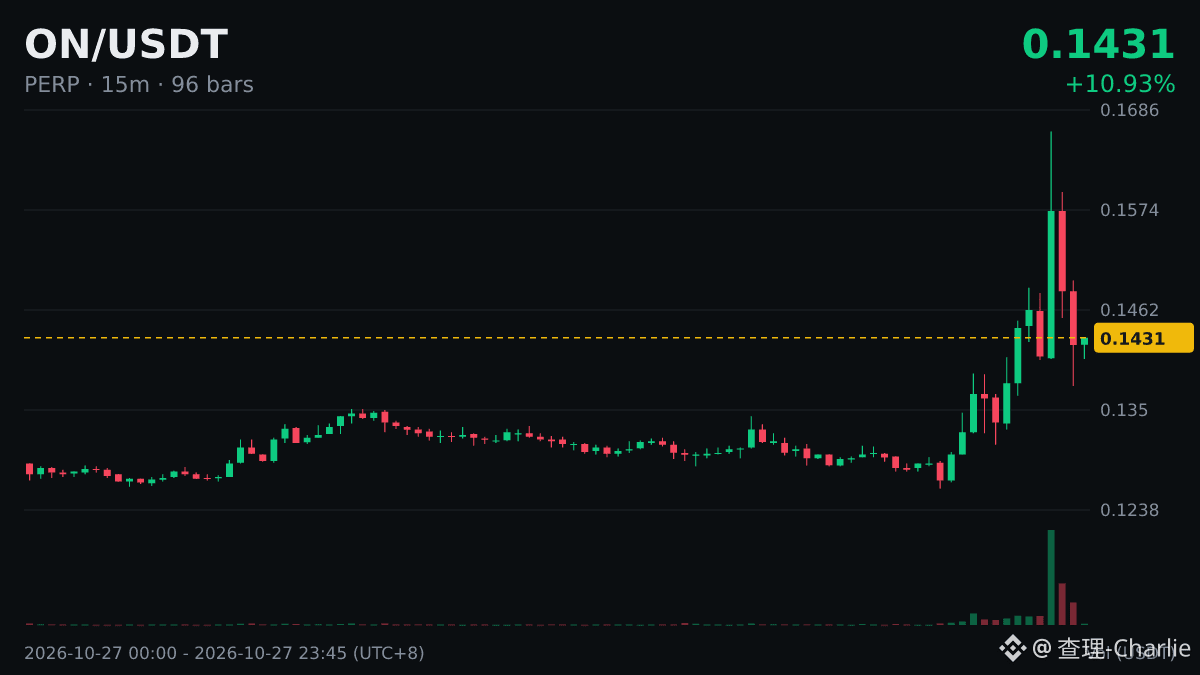
$ON 1-hour trading volume surged to 38.0 times its usual level ($6.24 million), while the price fell 4.63%.
With volume this high, the price is dropping instead—some people are lining up to exit.
Save this and take a look next time you get the urge to trade.
#ON
$ON 1-hour trading volume surged to 38.0 times its usual level ($6.24 million), while the price fell 4.63%.
With volume this high, the price is dropping instead—some people are lining up to exit.
Save this and take a look next time you get the urge to trade.
#ON
With volume this high, the price is dropping instead—some people are lining up to exit.
Save this and take a look next time you get the urge to trade.
#ON
62

·
--
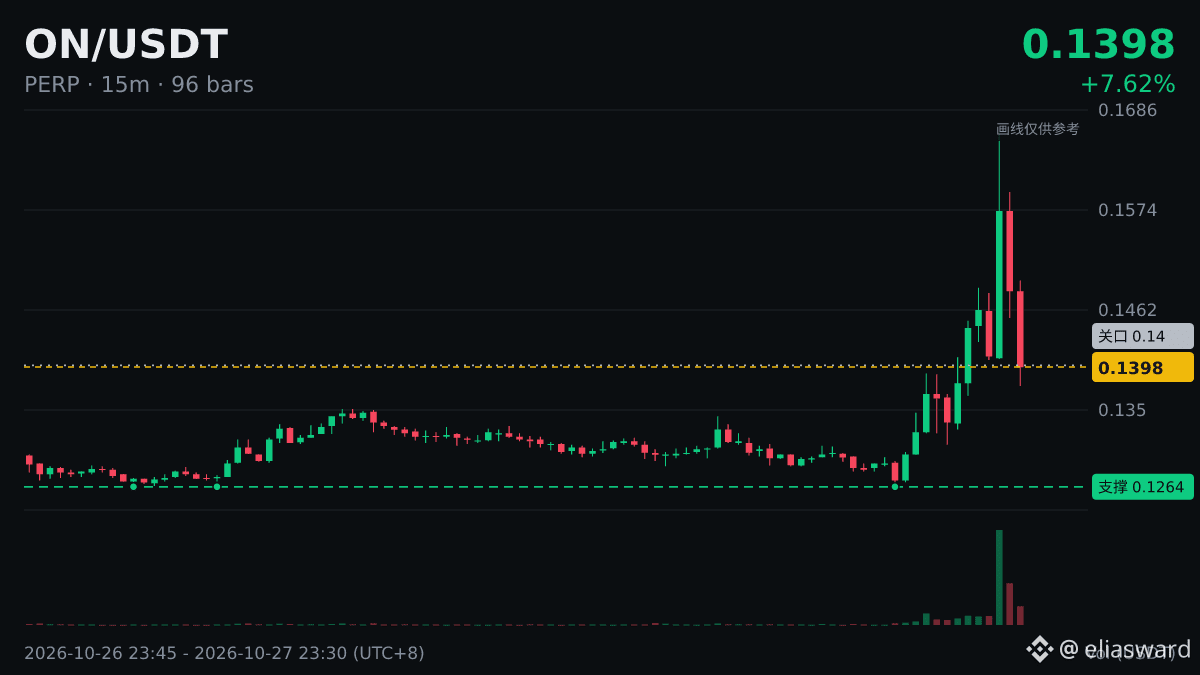
$ON 1-hour trading volume rose to 38.0 times the average, while the price fell 4.63%.
After a volume surge, I look at three things:
1) Price direction: volume up, price down
2) Whether the volume surge continues; a single surge can easily be a one-off
3) The high and low of the surge candle, which usually become short-term turning points
Bullish or bearish?
#ON
After a volume surge, I look at three things:
1) Price direction: volume up, price down
2) Whether the volume surge continues; a single surge can easily be a one-off
3) The high and low of the surge candle, which usually become short-term turning points
Bullish or bearish?
#ON
Log in to explore more content
Join global crypto users on Binance Square
⚡️ Get latest and useful information about crypto.
💬 Trusted by the world’s largest crypto exchange.
👍 Discover real insights from verified creators.
Email / Phone number
Trending Topics
1
#CanMicrosoftDeliverOnAI
70,341 views
696 Discussing
2
#CanGoogleDefindItsCore
37,589 views
513 Discussing
3
#FOMCWatch
9.1M views
27,902 Discussing
4
#EthereumDropsBelow$2300
10,641 views
156 Discussing
5
#BitcoinSlipsBelow$80KAgain
29,953 views
119 Discussing
6
#ThailandLaunchesWORPTStablecoinToQRPaymentApp
60,703 views
772 Discussing
7
#StrategySkipsBitcoinPurchasesSpends$205MOnSTRCBuybacks
11,532 views
98 Discussing
8
#BitmineAdds10452ETH
104,356 views
1,163 Discussing
9
#SouthKoreaConsidersEducationTaxOnCryptoExchanges
61,154 views
831 Discussing
10
#OCCUrgesCommunityBanksToEnterStablecoinPayments
42,652 views
595 Discussing