

#follow_like_comment
follow_like_comment
7.6M views
19,962 Discussing
Hot
Latest

good night all of you and be ready tomorrow for New free signals and good profits #Follow_Like_Comment #followmeformore #freesignal #BinanceSquareTalks
good night all of you and be ready tomorrow for New free signals and good profits #Follow_Like_Comment #followmeformore #freesignal #BinanceSquareTalks
1
8



Cheyenne Kogut Z5iF:
Thanjs
9
1
19
431

·
--
Bullish
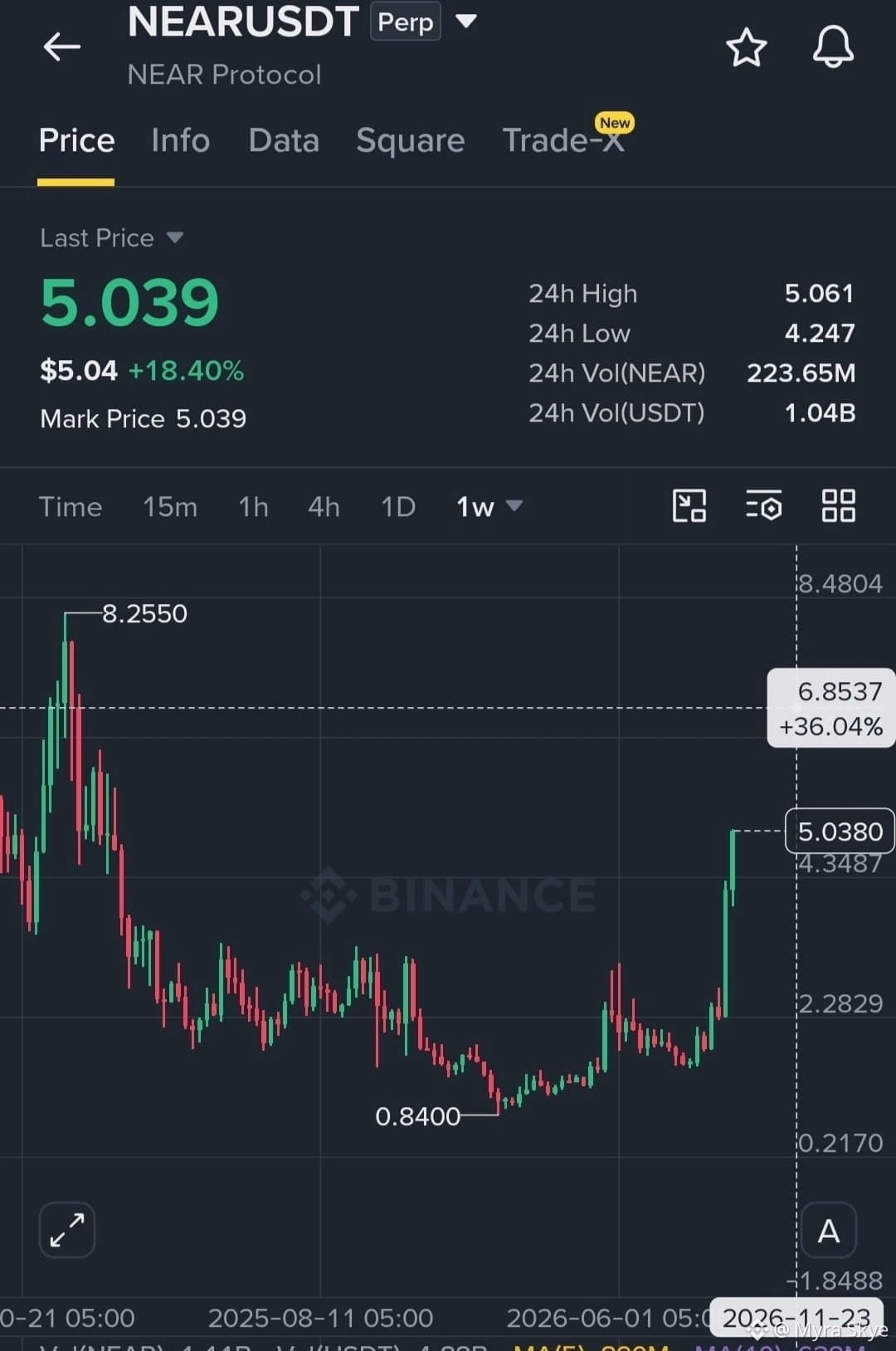
🚨 $NEAR IS GIVING BUYERS A STRONG OPPORTUNITY! Below $5 could be an attractive zone, with momentum potentially opening the way toward $6+. 📈 LONG $NEAR | Entry: 4.90–4.98 | TP: 5.20–6.20–6.90 | SL: 4.30. If buyers hold this zone, NEAR could accelerate fast. Stay locked in and let the move develop! 🚀
click here to trade 👇$NEAR
{future}(NEARUSDT)
#Near
#Spot
#Follow_Like_Comment
🚨 $NEAR IS GIVING BUYERS A STRONG OPPORTUNITY! Below $5 could be an attractive zone, with momentum potentially opening the way toward $6+. 📈 LONG $NEAR | Entry: 4.90–4.98 | TP: 5.20–6.20–6.90 | SL: 4.30. If buyers hold this zone, NEAR could accelerate fast. Stay locked in and let the move develop! 🚀
click here to trade 👇$NEAR
#Near
#Spot
#Follow_Like_Comment
click here to trade 👇$NEAR
#Near
#Spot
#Follow_Like_Comment
1
151
#MARKETCAPEXPLAIN
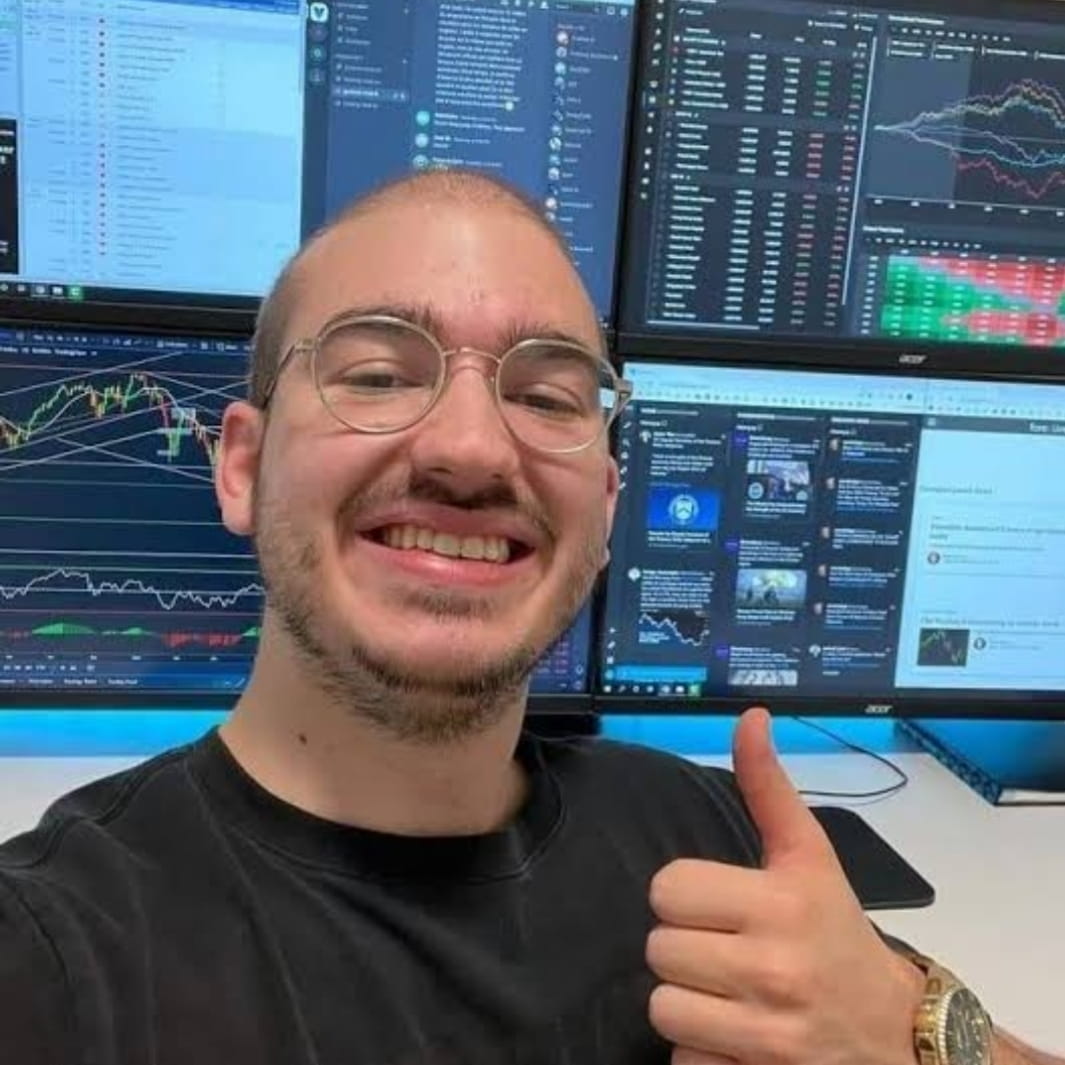
Market cap = coin ka total market value.
Formula: Price × circulating supply
Example: Coin $10 ka hai aur 1 crore coins hain → market cap $10 crore.
Low price coin hamesha “sasta” nahi hota—supply bhi dekhni chahiye.
market cap ka badha hissa $BTC $ETH $BNB hai
#Follow4more #Follow_Like_Comment
#MARKETCAPEXPLAIN
Market cap = coin ka total market value.
Formula: Price × circulating supply
Example: Coin $10 ka hai aur 1 crore coins hain → market cap $10 crore.
Low price coin hamesha “sasta” nahi hota—supply bhi dekhni chahiye.
market cap ka badha hissa $BTC $ETH $BNB hai
#Follow4more #Follow_Like_Comment
Market cap = coin ka total market value.
Formula: Price × circulating supply
Example: Coin $10 ka hai aur 1 crore coins hain → market cap $10 crore.
Low price coin hamesha “sasta” nahi hota—supply bhi dekhni chahiye.
market cap ka badha hissa $BTC $ETH $BNB hai
#Follow4more #Follow_Like_Comment
1
123

Hayley Wilshusen o9Re:
Ok
38
1
3
243

·
--
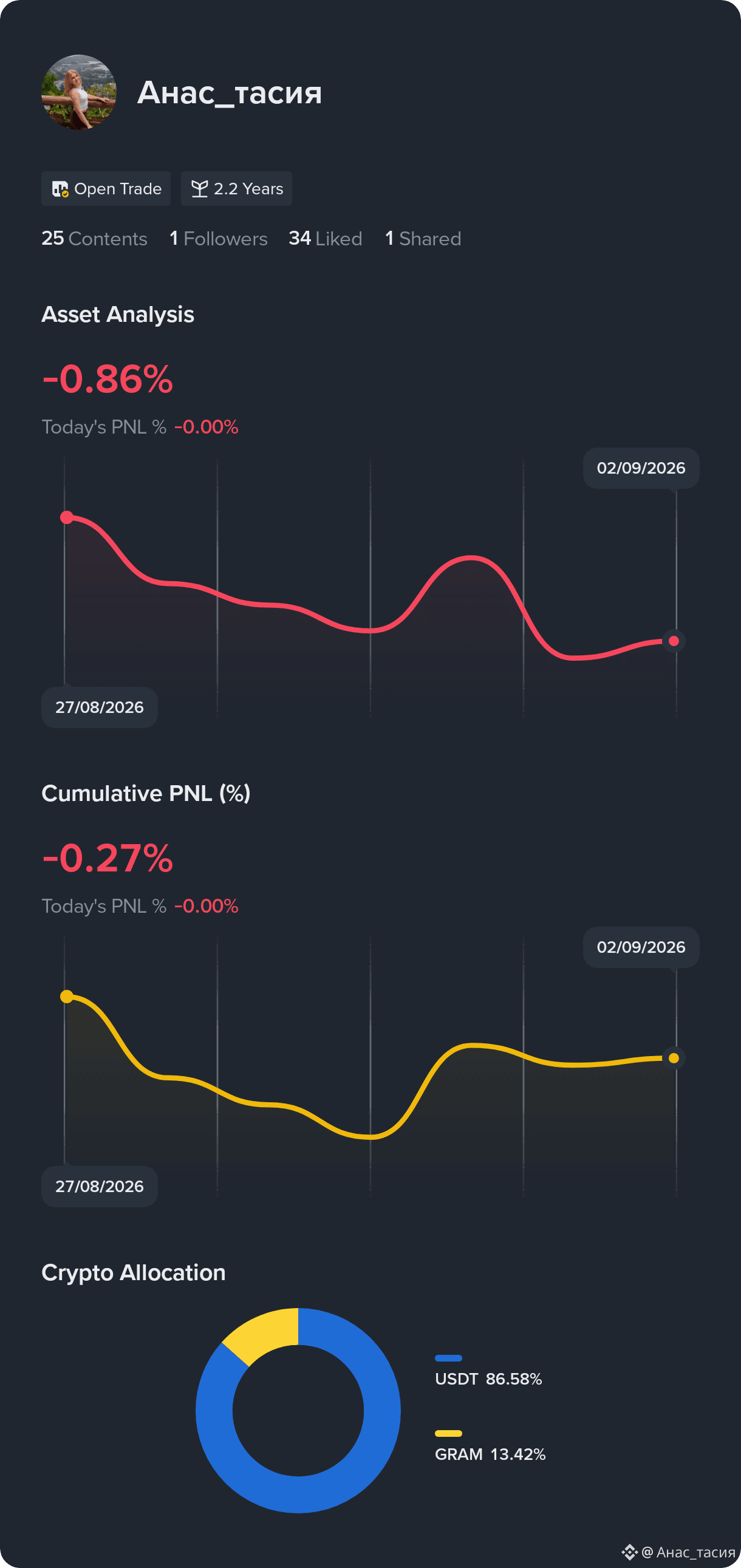
See my returns and portfolio breakdown. Follow for investment tips
#Portfolio #Breakdown #Follow_Like_Comment $GRAM
{spot}(GRAMUSDT)
See my returns and portfolio breakdown. Follow for investment tips
#Portfolio #Breakdown #Follow_Like_Comment $GRAM
#Portfolio #Breakdown #Follow_Like_Comment $GRAM
131


Article
Let's Understand Money 💰Most people start learning crypto by asking, "Which coin should I buy?"
But that is actually the wrong first question.
The first question is:
"What is money, and why does it keep changing?"
Thousands of years ago, people traded goods directly. Later, they used shells, salt, and precious metals. Then came coins, paper money, bank accounts, credit cards, mobile payments, and digital banking.
Every generation has seen money evolve.
Crypto is simply the next chapter in that journey.
This series is not about getting rich overnight. It is about understanding the technology that is changing how value moves across the world.
Whether you are a student, a worker, a business owner, or a retiree, understanding crypto is becoming as important as understanding the internet was 25 years ago.
In the next lesson, we will answer a simple but powerful question:
"If we already have banks and digital payments, why was Bitcoin created?"
Let us learn together - one step at a time.
Pic credit: Beloved #BinanceSquareFamily 💕
#DigitalMahanadi #CryptoLessons $BTC #Follow_Like_Comment
{future}(BTCUSDT)
Let's Understand Money 💰
Most people start learning crypto by asking, "Which coin should I buy?"
But that is actually the wrong first question.
The first question is:
"What is money, and why does it keep changing?"
Thousands of years ago, people traded goods directly. Later, they used shells, salt, and precious metals. Then came coins, paper money, bank accounts, credit cards, mobile payments, and digital banking.
Every generation has seen money evolve.
Crypto is simply the next chapter in that journey.
This series is not about getting rich overnight. It is about understanding the technology that is changing how value moves across the world.
Whether you are a student, a worker, a business owner, or a retiree, understanding crypto is becoming as important as understanding the internet was 25 years ago.
In the next lesson, we will answer a simple but powerful question:
"If we already have banks and digital payments, why was Bitcoin created?"
Let us learn together - one step at a time.
Pic credit: Beloved #BinanceSquareFamily 💕
#DigitalMahanadi #CryptoLessons $BTC #Follow_Like_Comment
But that is actually the wrong first question.
The first question is:
"What is money, and why does it keep changing?"
Thousands of years ago, people traded goods directly. Later, they used shells, salt, and precious metals. Then came coins, paper money, bank accounts, credit cards, mobile payments, and digital banking.
Every generation has seen money evolve.
Crypto is simply the next chapter in that journey.
This series is not about getting rich overnight. It is about understanding the technology that is changing how value moves across the world.
Whether you are a student, a worker, a business owner, or a retiree, understanding crypto is becoming as important as understanding the internet was 25 years ago.
In the next lesson, we will answer a simple but powerful question:
"If we already have banks and digital payments, why was Bitcoin created?"
Let us learn together - one step at a time.
Pic credit: Beloved #BinanceSquareFamily 💕
#DigitalMahanadi #CryptoLessons $BTC #Follow_Like_Comment
246

#DGB LTF Analysis:💸💸💸
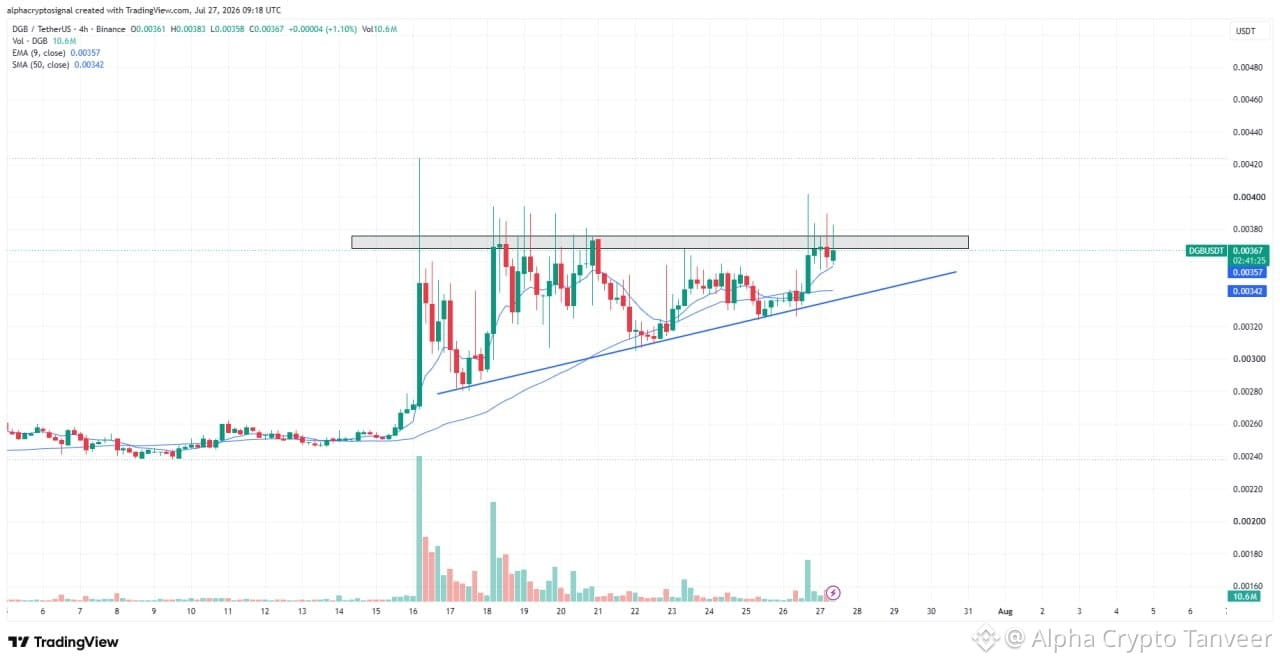
$DGB is forming an ascending triangle on the 4H timeframe, with higher lows pressing into a key horizontal resistance. $DGB is holding above both the 9 EMA and 50 SMA, keeping the short-term structure bullish.
A confirmed breakout above resistance would trigger the bullish setup and could lead to a strong move higher. As long as $DGB holds the rising trendline, the bias remains bullish.
{spot}(DGBUSDT)
#Follow_Like_Comment
#DGB LTF Analysis:💸💸💸
$DGB is forming an ascending triangle on the 4H timeframe, with higher lows pressing into a key horizontal resistance. $DGB is holding above both the 9 EMA and 50 SMA, keeping the short-term structure bullish.
A confirmed breakout above resistance would trigger the bullish setup and could lead to a strong move higher. As long as $DGB holds the rising trendline, the bias remains bullish.
#Follow_Like_Comment
$DGB is forming an ascending triangle on the 4H timeframe, with higher lows pressing into a key horizontal resistance. $DGB is holding above both the 9 EMA and 50 SMA, keeping the short-term structure bullish.
A confirmed breakout above resistance would trigger the bullish setup and could lead to a strong move higher. As long as $DGB holds the rising trendline, the bias remains bullish.
#Follow_Like_Comment
123
Should $JUP ASR rewards be cancelled? ⛔️
Some people are calling for it because "ASR keeps JUP inflationary"
So I looked at the actual numbers for 2026.
Here's what that take misses 👇
✅ What ASR “emits”:
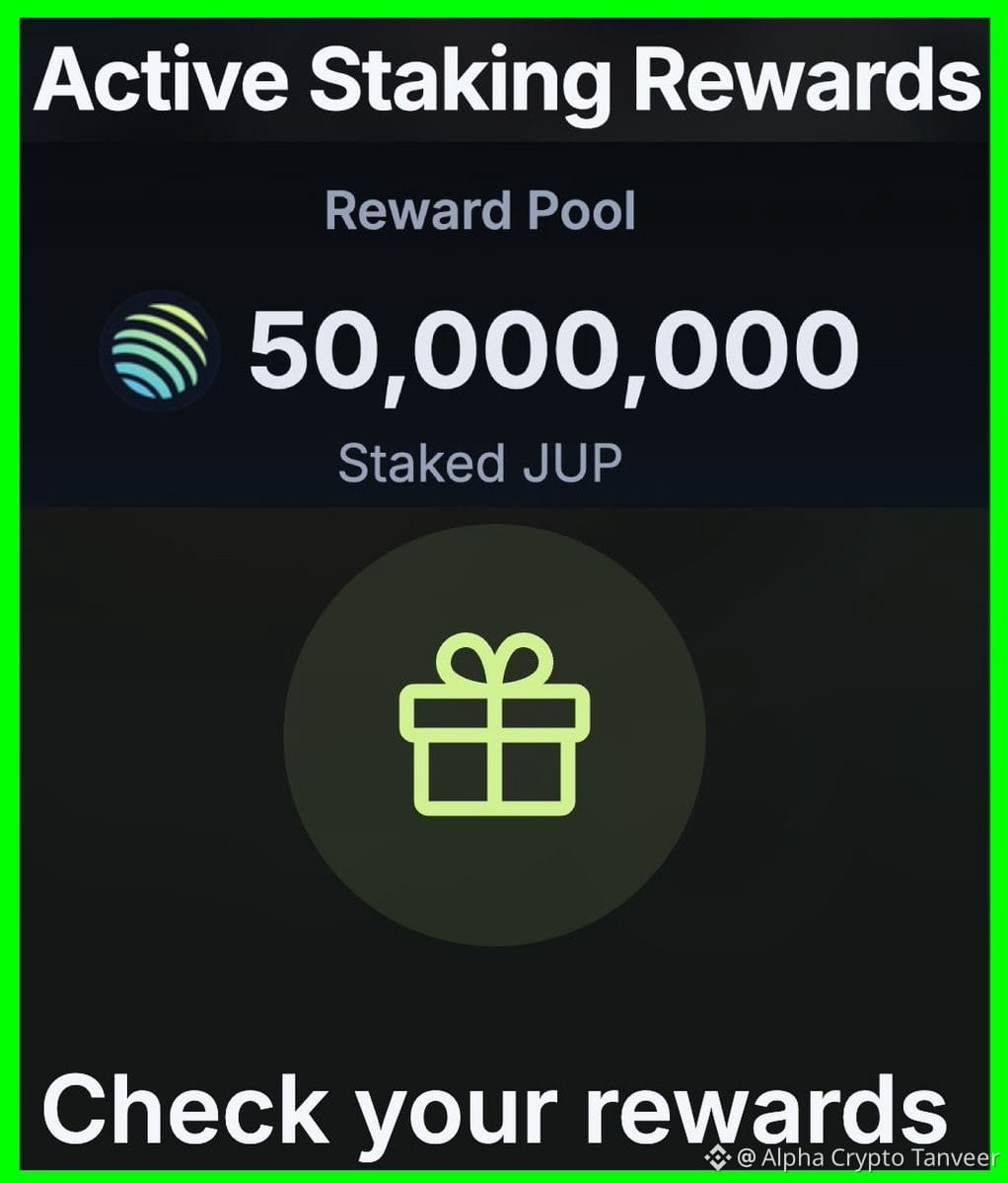
→ 200M a year (~50M JUP per quarter)
✅ What has already been done:
→ ~150M from buybacks in Litterbox right now
→ Monthly team unlocks ended: ~39M JUP
→ Monthly Mercurial unlocks absorbed: ~14.5M JUP
→ Jupuary postponed indefinitely: 700M JUP
The math is simple:
ASR adds: 200M a year
Jupiter stopped: 1.2B+ in yearly emissions - plus ~150M bought back, sitting in the Litterbox.
And the kicker? ASR isn't even new supply.
It's paid from previously unclaimed Jupuary tokens - no new emissions.
That 200M goes to the people locking up over 1B JUP.
ASR isn't the inflation problem.
It isn't even inflation & is paid to the most committed holders.
#Follow_Like_Comment
#JUP
Should $JUP ASR rewards be cancelled? ⛔️
Some people are calling for it because "ASR keeps JUP inflationary"
So I looked at the actual numbers for 2026.
Here's what that take misses 👇
✅ What ASR “emits”:
→ 200M a year (~50M JUP per quarter)
✅ What has already been done:
→ ~150M from buybacks in Litterbox right now
→ Monthly team unlocks ended: ~39M JUP
→ Monthly Mercurial unlocks absorbed: ~14.5M JUP
→ Jupuary postponed indefinitely: 700M JUP
The math is simple:
ASR adds: 200M a year
Jupiter stopped: 1.2B+ in yearly emissions - plus ~150M bought back, sitting in the Litterbox.
And the kicker? ASR isn't even new supply.
It's paid from previously unclaimed Jupuary tokens - no new emissions.
That 200M goes to the people locking up over 1B JUP.
ASR isn't the inflation problem.
It isn't even inflation & is paid to the most committed holders.
#Follow_Like_Comment
#JUP
Some people are calling for it because "ASR keeps JUP inflationary"
So I looked at the actual numbers for 2026.
Here's what that take misses 👇
✅ What ASR “emits”:
→ 200M a year (~50M JUP per quarter)
✅ What has already been done:
→ ~150M from buybacks in Litterbox right now
→ Monthly team unlocks ended: ~39M JUP
→ Monthly Mercurial unlocks absorbed: ~14.5M JUP
→ Jupuary postponed indefinitely: 700M JUP
The math is simple:
ASR adds: 200M a year
Jupiter stopped: 1.2B+ in yearly emissions - plus ~150M bought back, sitting in the Litterbox.
And the kicker? ASR isn't even new supply.
It's paid from previously unclaimed Jupuary tokens - no new emissions.
That 200M goes to the people locking up over 1B JUP.
ASR isn't the inflation problem.
It isn't even inflation & is paid to the most committed holders.
#Follow_Like_Comment
#JUP
228
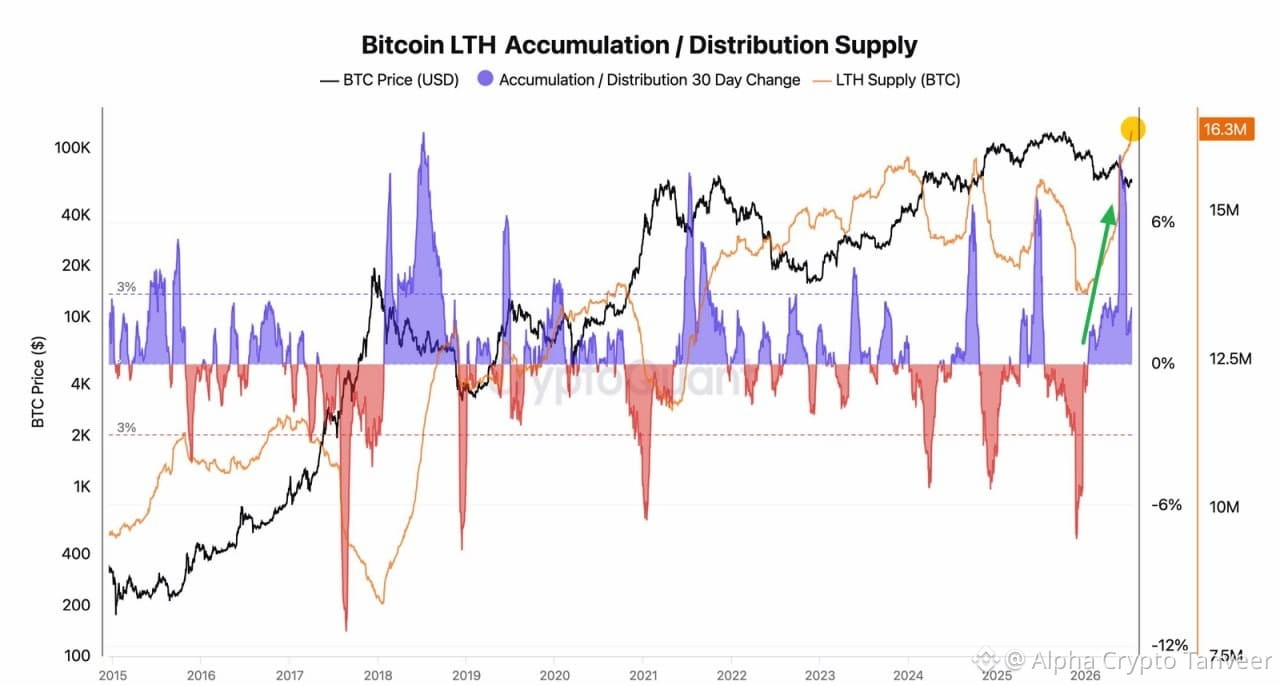
🤑 Over the past 30 days, long-term holders have significantly increased their purchases of $BTC , now holding approximately 16.3 million BTC. This marks a historic record, according to data from CryptoQuant.
{spot}(BTCUSDT)
#Follow_Like_Comment
#BTC
🤑 Over the past 30 days, long-term holders have significantly increased their purchases of $BTC , now holding approximately 16.3 million BTC. This marks a historic record, according to data from CryptoQuant.
#Follow_Like_Comment
#BTC
#Follow_Like_Comment
#BTC
72

·
--
Bullish
$SOL #Follow_Like_Comment #solana
What are the recent key events for SOL?
2026-06-22: MoneyGram Joins Solana Developer Platform and Becomes Validator MoneyGram has become an infrastructure partner for the Solana Developer Platform (SDP) and is now an active validator on the Solana blockchain. This signifies increased institutional adoption and trust in Solana’s network infrastructure, potentially enhancing network security and transaction validation efficiency.
2026-06-22: Toss Bank to Use Solana for Global Remittance PoC Toss Bank, serving 15 million customers, plans to utilize Solana for a proof-of-concept (PoC) in global remittance and settlement. This initiative aims to offer faster and more cost-effective international digital finance solutions, highlighting Solana’s potential for real-world financial applications and expanding its user base.
2026-06-18: Solana ETFs Post Significant Inflows In May 2026, Solana ETFs recorded $115 million in net inflows and $1.13 billion in Assets Under Management (AUM), with zero outflow days, led by Bitwise’s BSOL. This indicates growing institutional investor interest and confidence in Solana as a viable investment asset, potentially driving further capital into the ecosystem.
2026-06-15: bitFlyer Lists Solana (SOL) Major Japanese cryptocurrency exchange bitFlyer announced it would begin handling SOL trading starting June 24, 2026. This listing provides Solana with increased exposure and accessibility in the Japanese market, potentially boosting trading volume and liquidity for SOL.
2026-06-10: Solana Reaches $2.7 Billion in Real-World Asset (RWA) Distribution Solana achieved a new record with $2.7 billion in total distributed RWA value, driven by increased institutional adoption from entities like BlackRock and Paxos. This milestone underscores Solana’s growing utility in tokenizing financial assets due to its high throughput and low transaction costs, expanding its role in integrating decentralized and traditional finance.
$SOL #Follow_Like_Comment #solana
What are the recent key events for SOL?
2026-06-22: MoneyGram Joins Solana Developer Platform and Becomes Validator MoneyGram has become an infrastructure partner for the Solana Developer Platform (SDP) and is now an active validator on the Solana blockchain. This signifies increased institutional adoption and trust in Solana’s network infrastructure, potentially enhancing network security and transaction validation efficiency.
2026-06-22: Toss Bank to Use Solana for Global Remittance PoC Toss Bank, serving 15 million customers, plans to utilize Solana for a proof-of-concept (PoC) in global remittance and settlement. This initiative aims to offer faster and more cost-effective international digital finance solutions, highlighting Solana’s potential for real-world financial applications and expanding its user base.
2026-06-18: Solana ETFs Post Significant Inflows In May 2026, Solana ETFs recorded $115 million in net inflows and $1.13 billion in Assets Under Management (AUM), with zero outflow days, led by Bitwise’s BSOL. This indicates growing institutional investor interest and confidence in Solana as a viable investment asset, potentially driving further capital into the ecosystem.
2026-06-15: bitFlyer Lists Solana (SOL) Major Japanese cryptocurrency exchange bitFlyer announced it would begin handling SOL trading starting June 24, 2026. This listing provides Solana with increased exposure and accessibility in the Japanese market, potentially boosting trading volume and liquidity for SOL.
2026-06-10: Solana Reaches $2.7 Billion in Real-World Asset (RWA) Distribution Solana achieved a new record with $2.7 billion in total distributed RWA value, driven by increased institutional adoption from entities like BlackRock and Paxos. This milestone underscores Solana’s growing utility in tokenizing financial assets due to its high throughput and low transaction costs, expanding its role in integrating decentralized and traditional finance.
What are the recent key events for SOL?
2026-06-22: MoneyGram Joins Solana Developer Platform and Becomes Validator MoneyGram has become an infrastructure partner for the Solana Developer Platform (SDP) and is now an active validator on the Solana blockchain. This signifies increased institutional adoption and trust in Solana’s network infrastructure, potentially enhancing network security and transaction validation efficiency.
2026-06-22: Toss Bank to Use Solana for Global Remittance PoC Toss Bank, serving 15 million customers, plans to utilize Solana for a proof-of-concept (PoC) in global remittance and settlement. This initiative aims to offer faster and more cost-effective international digital finance solutions, highlighting Solana’s potential for real-world financial applications and expanding its user base.
2026-06-18: Solana ETFs Post Significant Inflows In May 2026, Solana ETFs recorded $115 million in net inflows and $1.13 billion in Assets Under Management (AUM), with zero outflow days, led by Bitwise’s BSOL. This indicates growing institutional investor interest and confidence in Solana as a viable investment asset, potentially driving further capital into the ecosystem.
2026-06-15: bitFlyer Lists Solana (SOL) Major Japanese cryptocurrency exchange bitFlyer announced it would begin handling SOL trading starting June 24, 2026. This listing provides Solana with increased exposure and accessibility in the Japanese market, potentially boosting trading volume and liquidity for SOL.
2026-06-10: Solana Reaches $2.7 Billion in Real-World Asset (RWA) Distribution Solana achieved a new record with $2.7 billion in total distributed RWA value, driven by increased institutional adoption from entities like BlackRock and Paxos. This milestone underscores Solana’s growing utility in tokenizing financial assets due to its high throughput and low transaction costs, expanding its role in integrating decentralized and traditional finance.
1
99

·
--
Bearish
1
357

·
--
BTC BottomHello Guys Btc will bottom Near at 52300
Now u can't say nobody told & Warn u Before Time
#BTC #Binance #GENIUSBinanceHODLer
#Follow_Like_Comment
BTC Bottom
Hello Guys Btc will bottom Near at 52300
Now u can't say nobody told & Warn u Before Time
#BTC #Binance #GENIUSBinanceHODLer
#Follow_Like_Comment
Now u can't say nobody told & Warn u Before Time
#BTC #Binance #GENIUSBinanceHODLer
#Follow_Like_Comment
1
1
198

·
--
Bullish
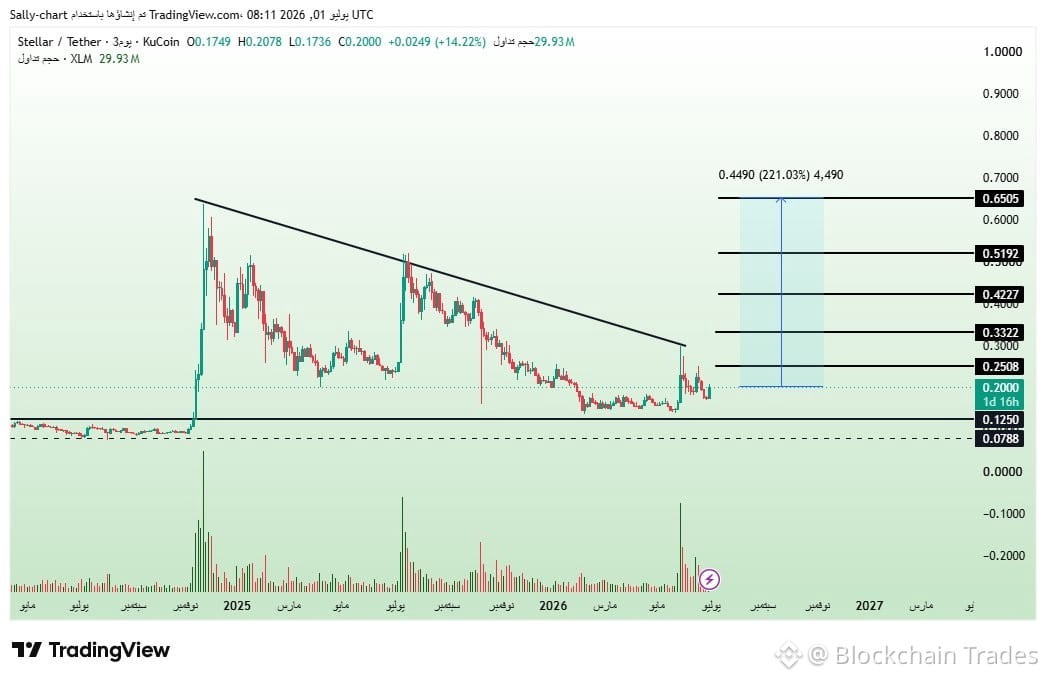
$XLM is getting very close. 👀
After months of trading below a major downtrend, buyers are finally pushing back.
A confirmed breakout could be the start of a much bigger move.
{future}(XLMUSDT)
#Follow_Like_Comment ❣️❣️👍✌️
#XLM #Crypto 🚀
@BlockchainTrades
$XLM is getting very close. 👀
After months of trading below a major downtrend, buyers are finally pushing back.
A confirmed breakout could be the start of a much bigger move.
#Follow_Like_Comment ❣️❣️👍✌️
#XLM #Crypto 🚀
@Blockchain Trades
After months of trading below a major downtrend, buyers are finally pushing back.
A confirmed breakout could be the start of a much bigger move.
#Follow_Like_Comment ❣️❣️👍✌️
#XLM #Crypto 🚀
@Blockchain Trades
73
·
--
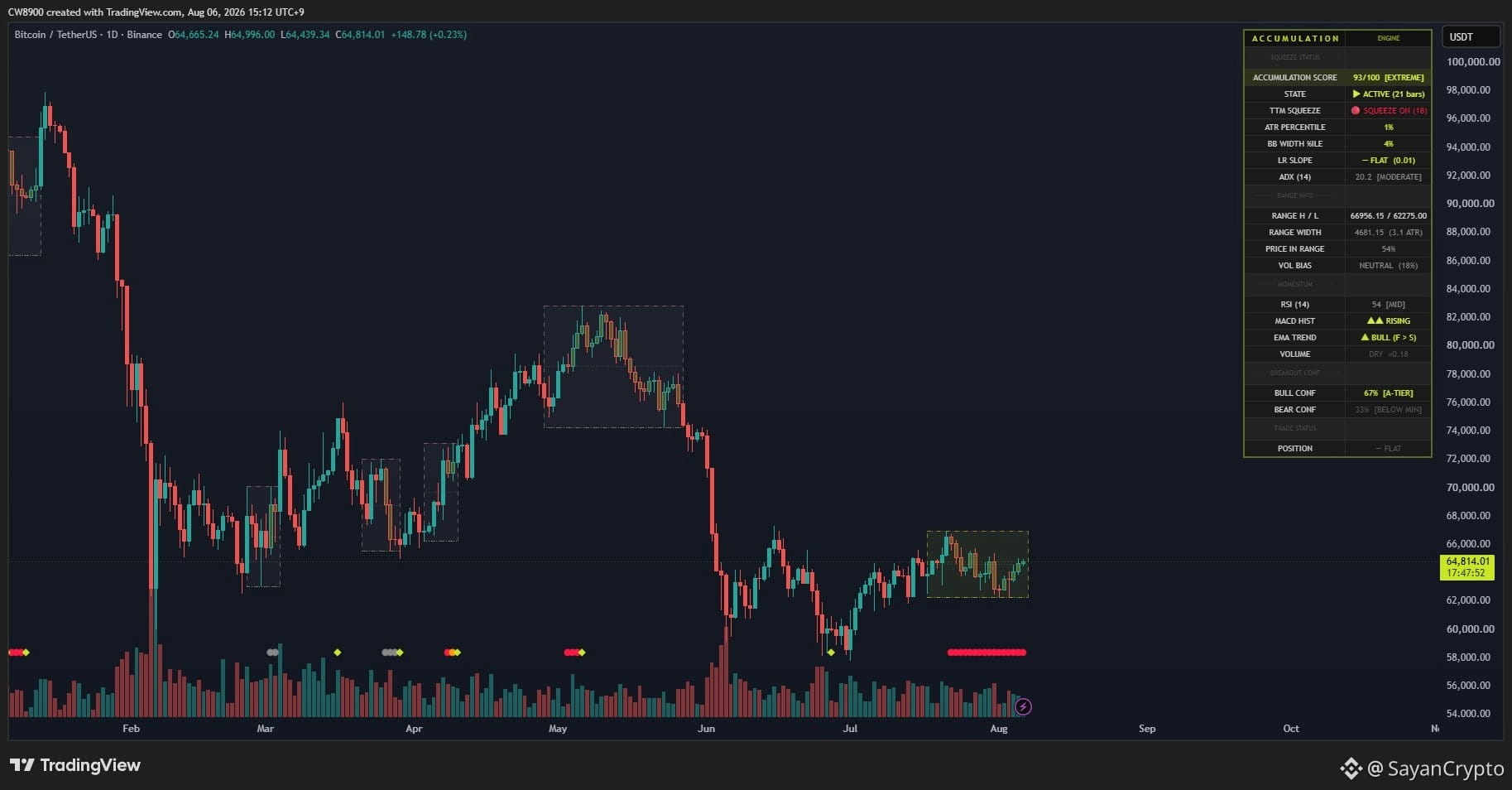
$BTC has been accumulating for 21 consecutive days in the current range.
The accumulation score is 93, which is very strong.
In addition, the MACD and EMA trends are also showing bullish momentum.
follow for more update🚀
#Binance #Follow_Like_Comment #CryptoUpdate
$BTC has been accumulating for 21 consecutive days in the current range.
The accumulation score is 93, which is very strong.
In addition, the MACD and EMA trends are also showing bullish momentum.
follow for more update🚀
#Binance #Follow_Like_Comment #CryptoUpdate
The accumulation score is 93, which is very strong.
In addition, the MACD and EMA trends are also showing bullish momentum.
follow for more update🚀
#Binance #Follow_Like_Comment #CryptoUpdate
150


Mn
From Shoon Lae May Oo
2
151

·
--
Bullish
$BTC
Bitcoin is trading around $65.6K–$66.0K
.
Trend: Short-term bullish, but currently ranging
.
$BTC bullish on the daily timeframe
.
Based on today's price action, I would describe the market as cautiously bullish. Buyers still have the advantage while BTC holds above the $65.2K support, but a convincing breakout above $66.9K is needed to confirm the next upward move. Until then, expect choppy, range-bound trading rather than a strong trend.
@bitcoin #Follow_Like_Comment #MarketSentimentToday
{spot}(BTCUSDT)
$BTC
Bitcoin is trading around $65.6K–$66.0K
.
Trend: Short-term bullish, but currently ranging
.
$BTC bullish on the daily timeframe
.
Based on today's price action, I would describe the market as cautiously bullish. Buyers still have the advantage while BTC holds above the $65.2K support, but a convincing breakout above $66.9K is needed to confirm the next upward move. Until then, expect choppy, range-bound trading rather than a strong trend.
@Bitcoin #Follow_Like_Comment #MarketSentimentToday
Bitcoin is trading around $65.6K–$66.0K
.
Trend: Short-term bullish, but currently ranging
.
$BTC bullish on the daily timeframe
.
Based on today's price action, I would describe the market as cautiously bullish. Buyers still have the advantage while BTC holds above the $65.2K support, but a convincing breakout above $66.9K is needed to confirm the next upward move. Until then, expect choppy, range-bound trading rather than a strong trend.
@Bitcoin #Follow_Like_Comment #MarketSentimentToday

116


Log in to explore more content
Join global crypto users on Binance Square
⚡️ Get latest and useful information about crypto.
💬 Trusted by the world’s largest crypto exchange.
👍 Discover real insights from verified creators.
Email / Phone number
Trending Topics
1
#NEARFallsToAround$4.70Down14%
3,720 views
14 Discussing
2
#EthereumFoundationLaunchesZkAPIOnMainnet
30 views
22 Discussing
3
#EvernorthPlansNasdaqListingOct8
4,598 views
61 Discussing
4
#SECProposesCryptoCustodyFramework
3,908 views
60 Discussing
5
#IMFApproves$139MDisbursementToElSalvador
3,717 views
14 Discussing
6
#AnthropicTargetsIPOAsSoonAsMidNovember
6,361 views
94 Discussing
7
#EtherGains70.9%InQ3
207,052 views
1,340 Discussing
8
#TreasuryLetsStatesFileStablecoinCertificationsEarly
15,124 views
108 Discussing
9
#US10YearYieldNears5.3%
173,544 views
1,267 Discussing
10
#DollarIndexHitsHighestSinceMay2025
58,163 views
713 Discussing