
#whenwillbtcrebound
whenwillbtcrebound
7.4M views
51,147 Discussing
Hot
Latest

·
--
Bullish
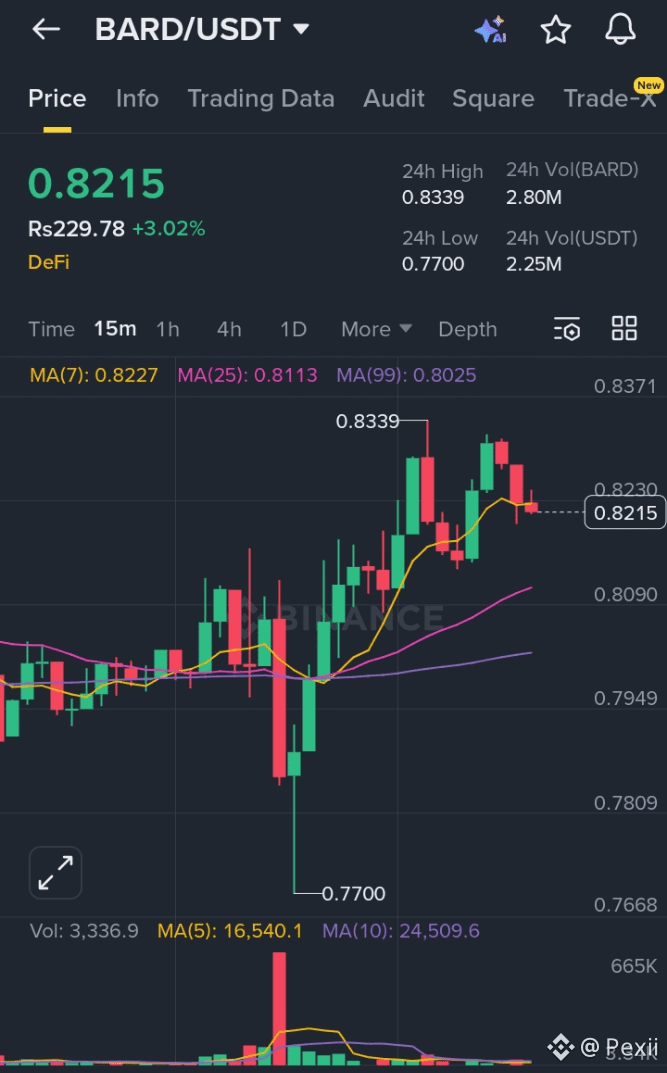
$BARD USDT — 15M Liquidity Sweep → Reclaim (BULLISH)
BARD wicked down to 0.7700, trapped sellers, then snapped back and pushed to 0.8339. Now it’s cooling off above the MA stack (MA7 0.8227 / MA25 0.8113 / MA99 0.8025) — classic continuation structure if support holds.
EP (Entry): 0.815 – 0.823 (retest buy zone)
TP:
TP1: 0.8339
TP2: 0.8450
TP3: 0.8650
SI (Invalidation): 0.804 (lose MA99 + breakdown under base)
Plan: Hold above 0.811 = bulls keep control. Break & hold over 0.834 = next leg ignites.
Let’s go!
(Not financial advice — manage risk.)
{future}(BARDUSDT)
#WhenWillBTCRebound #JPMorganSaysBTCOverGold #USIranStandoff #GoldSilverRally #WhaleDeRiskETH
$BARD USDT — 15M Liquidity Sweep → Reclaim (BULLISH)
BARD wicked down to 0.7700, trapped sellers, then snapped back and pushed to 0.8339. Now it’s cooling off above the MA stack (MA7 0.8227 / MA25 0.8113 / MA99 0.8025) — classic continuation structure if support holds.
EP (Entry): 0.815 – 0.823 (retest buy zone)
TP:
TP1: 0.8339
TP2: 0.8450
TP3: 0.8650
SI (Invalidation): 0.804 (lose MA99 + breakdown under base)
Plan: Hold above 0.811 = bulls keep control. Break & hold over 0.834 = next leg ignites.
Let’s go!
(Not financial advice — manage risk.)
#WhenWillBTCRebound #JPMorganSaysBTCOverGold #USIranStandoff #GoldSilverRally #WhaleDeRiskETH
2
151

·
--
Bearish
1
49

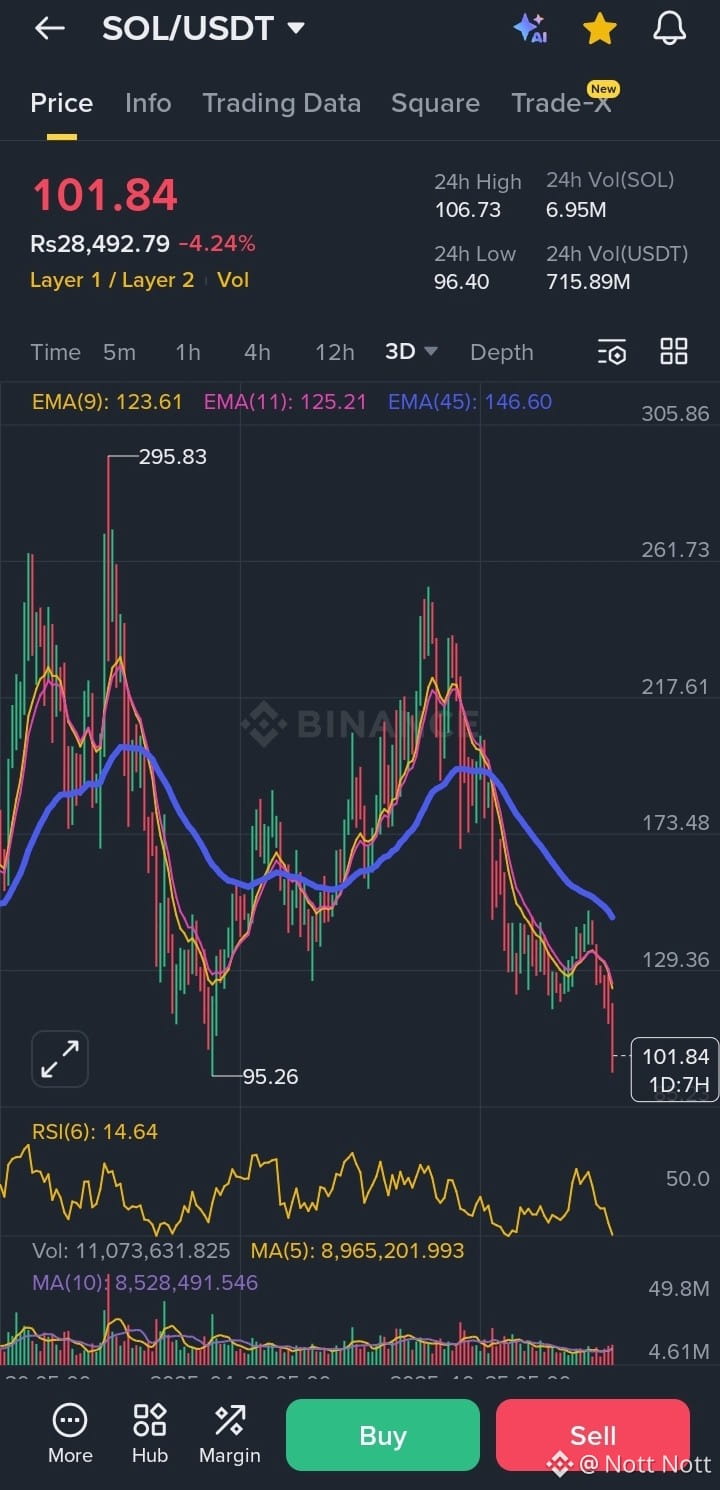
The $SOL chart shows SOL trading at 101.84 USDT with a 4.24% drop in the last 24 hours.
Key indicators:
• Price: below the EMA(9) & EMA(11),
suggesting bearish short‑term momentum.
• RSI(6): 14.64 → oversold territory, which can signal a potential bounce if support holds.
• Volume: high 24h volume indicates strong market activity.
Buying advice based on the current setup:
1. Wait for confirmation: look for a reversal pattern or a rise above EMA(9) (123.61) to confirm bullish momentum.
2. Set support watch: if 101.84 holds and RSI climbs out of oversold, a buy entry could be considered near 100–102.
3. Risk management: place a stop‑loss below the recent low (~96.40) to limit exposure.
{spot}(SOLUSDT)
#solana #WhenWillBTCRebound
The $SOL chart shows SOL trading at 101.84 USDT with a 4.24% drop in the last 24 hours.
Key indicators:
• Price: below the EMA(9) & EMA(11),
suggesting bearish short‑term momentum.
• RSI(6): 14.64 → oversold territory, which can signal a potential bounce if support holds.
• Volume: high 24h volume indicates strong market activity.
Buying advice based on the current setup:
1. Wait for confirmation: look for a reversal pattern or a rise above EMA(9) (123.61) to confirm bullish momentum.
2. Set support watch: if 101.84 holds and RSI climbs out of oversold, a buy entry could be considered near 100–102.
3. Risk management: place a stop‑loss below the recent low (~96.40) to limit exposure.
#solana #WhenWillBTCRebound
3
116

#WhenWillBTCRebound
BTC puede verse bajista en el corto plazo 📉
pero la estructura de largo plazo sigue firme.
Las correcciones no destruyen valor
solo redistribuyen paciencia.
El ruido es diario
la convicción es a largo plazo ⚡
#ComparteTuOpinionSobreBTC
#Bitcoin
#VisionLargoPlazo
#YIZ13
#WhenWillBTCRebound
BTC puede verse bajista en el corto plazo 📉
pero la estructura de largo plazo sigue firme.
Las correcciones no destruyen valor
solo redistribuyen paciencia.
El ruido es diario
la convicción es a largo plazo ⚡
#ComparteTuOpinionSobreBTC
#Bitcoin
#VisionLargoPlazo
#YIZ13
BTC puede verse bajista en el corto plazo 📉
pero la estructura de largo plazo sigue firme.
Las correcciones no destruyen valor
solo redistribuyen paciencia.
El ruido es diario
la convicción es a largo plazo ⚡
#ComparteTuOpinionSobreBTC
#Bitcoin
#VisionLargoPlazo
#YIZ13

1
1
152
·
--
Bullish
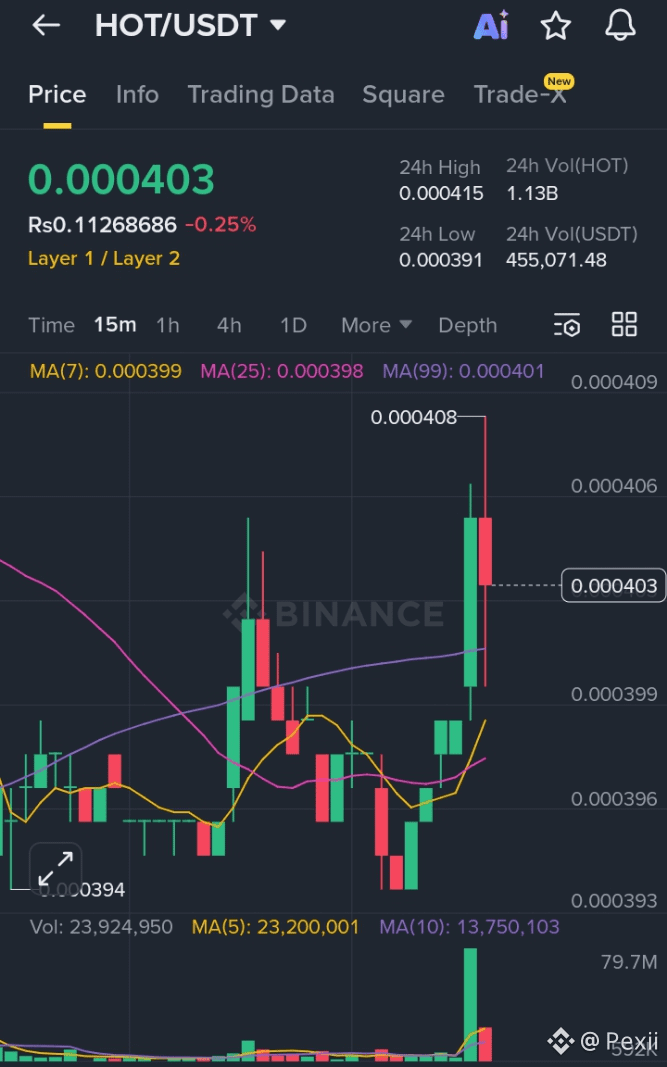
$HOT USDT (15m) — Volume Spike ➜ Retest & Run!
HOT just exploded into 0.000408–0.000415 with heavy volume, then pulled back — classic breakout + quick retrace. If price holds above the MA zone, we get the next push to daily liquidity.
EP (Entry): 0.000399 – 0.000404 (retest zone)
SL (Stop): 0.000390 (below 24h low 0.000391)
TPs:
TP1: 0.000408
TP2: 0.000415 (24h high)
TP3: 0.000430 – 0.000440 (next expansion)
Bullish while above: 0.000396
If price loses 0.000391, setup invalid.
Let’s go!
{future}(HOTUSDT)
#BitcoinGoogleSearchesSurge #USIranStandoff #WhenWillBTCRebound #RiskAssetsMarketShock #MarketRally
$HOT USDT (15m) — Volume Spike ➜ Retest & Run!
HOT just exploded into 0.000408–0.000415 with heavy volume, then pulled back — classic breakout + quick retrace. If price holds above the MA zone, we get the next push to daily liquidity.
EP (Entry): 0.000399 – 0.000404 (retest zone)
SL (Stop): 0.000390 (below 24h low 0.000391)
TPs:
TP1: 0.000408
TP2: 0.000415 (24h high)
TP3: 0.000430 – 0.000440 (next expansion)
Bullish while above: 0.000396
If price loses 0.000391, setup invalid.
Let’s go!
#BitcoinGoogleSearchesSurge #USIranStandoff #WhenWillBTCRebound #RiskAssetsMarketShock #MarketRally
3
158

·
--

Article
Ethereum (ETH): The Backbone of Web3 and DeFi 🚀$ETH Ethereum (ETH) is more than just a cryptocurrency — it’s the foundation of decentralized innovation. As the second-largest crypto by market capitalization, Ethereum powers thousands of applications across DeFi, NFTs, gaming, and Web3.
🔹 What Makes Ethereum Special?
Ethereum introduced smart contracts, allowing developers to build decentralized apps (dApps) without intermediaries. This single innovation changed the entire crypto ecosystem.
🔹 Ethereum After the Merge
With the successful transition from Proof of Work (PoW) to Proof of Stake (PoS):
Energy consumption dropped by 99%+
ETH became more environmentally friendly 🌱
Staking replaced mining, allowing users to earn passive income
🔹 ETH Supply & Burn Mechanism
Ethereum’s EIP-1559 upgrade burns a portion of transaction fees, reducing supply over time. During high network activity, ETH can even become deflationary, increasing its long-term value potential.
🔹 DeFi & Institutional Adoption
Most DeFi protocols like Uniswap, Aave, and Lido are built on Ethereum. At the same time, growing institutional interest and Ethereum-based ETFs continue to strengthen ETH’s market position.
🔹 Price Outlook
Ethereum’s future depends on:
Network upgrades (scalability & fees)
Layer-2 growth (Arbitrum, Optimism)
Overall crypto market sentiment
Despite short-term volatility, ETH remains a strong long-term asset for investors who believe in Web3 and decentralized finance.
⚠️ Final Thoughts
Ethereum is not just a coin — it’s an ecosystem. As blockchain adoption grows, ETH is positioned to remain at the heart of the crypto revolution.
📌 This is not financial advice. Always do your own research (DYOR).
#WhaleDeRiskETH #USIranStandoff #WhenWillBTCRebound #ETH #BTC走势分析
{spot}(ETHUSDT)
{spot}(BTCUSDT)
Ethereum (ETH): The Backbone of Web3 and DeFi 🚀
$ETH Ethereum (ETH) is more than just a cryptocurrency — it’s the foundation of decentralized innovation. As the second-largest crypto by market capitalization, Ethereum powers thousands of applications across DeFi, NFTs, gaming, and Web3.
🔹 What Makes Ethereum Special?
Ethereum introduced smart contracts, allowing developers to build decentralized apps (dApps) without intermediaries. This single innovation changed the entire crypto ecosystem.
🔹 Ethereum After the Merge
With the successful transition from Proof of Work (PoW) to Proof of Stake (PoS):
Energy consumption dropped by 99%+
ETH became more environmentally friendly 🌱
Staking replaced mining, allowing users to earn passive income
🔹 ETH Supply & Burn Mechanism
Ethereum’s EIP-1559 upgrade burns a portion of transaction fees, reducing supply over time. During high network activity, ETH can even become deflationary, increasing its long-term value potential.
🔹 DeFi & Institutional Adoption
Most DeFi protocols like Uniswap, Aave, and Lido are built on Ethereum. At the same time, growing institutional interest and Ethereum-based ETFs continue to strengthen ETH’s market position.
🔹 Price Outlook
Ethereum’s future depends on:
Network upgrades (scalability & fees)
Layer-2 growth (Arbitrum, Optimism)
Overall crypto market sentiment
Despite short-term volatility, ETH remains a strong long-term asset for investors who believe in Web3 and decentralized finance.
⚠️ Final Thoughts
Ethereum is not just a coin — it’s an ecosystem. As blockchain adoption grows, ETH is positioned to remain at the heart of the crypto revolution.
📌 This is not financial advice. Always do your own research (DYOR).
#WhaleDeRiskETH #USIranStandoff #WhenWillBTCRebound #ETH #BTC走势分析
1
9
2.9k

·
--
Bullish
Got you. Here’s a clean, sharp English rephrase — same intensity, more polished and credible, perfect for X / Binance Square / LinkedIn:
🚨 BITCOIN ISN’T DUMPING — IT’S BEING CONTROLLED
If you still think $BTC trades purely on supply and demand, read this carefully.
That market no longer exists.
This isn’t weak hands.
Not sentiment.
Not retail.
What you’re watching is derivative-driven price control — happening in real time.
This didn’t start today.
It’s been building for months.
Now it’s accelerating.
Here’s the part most people miss:
The moment supply can be synthetically created, scarcity disappears.
And once scarcity is gone, price is no longer discovered on-chain —
it’s set in derivatives.
Bitcoin has already crossed that line, just like: → Gold
→ Silver
→ Oil
→ Equities
The original Bitcoin thesis is broken.
It depended on: → A 21M hard cap
$BTC $USDC #RiskAssetsMarketShock #WhenWillBTCRebound #ADPDataDisappoints #MarketCorrection #BitcoinDropMarketImpact
1
65
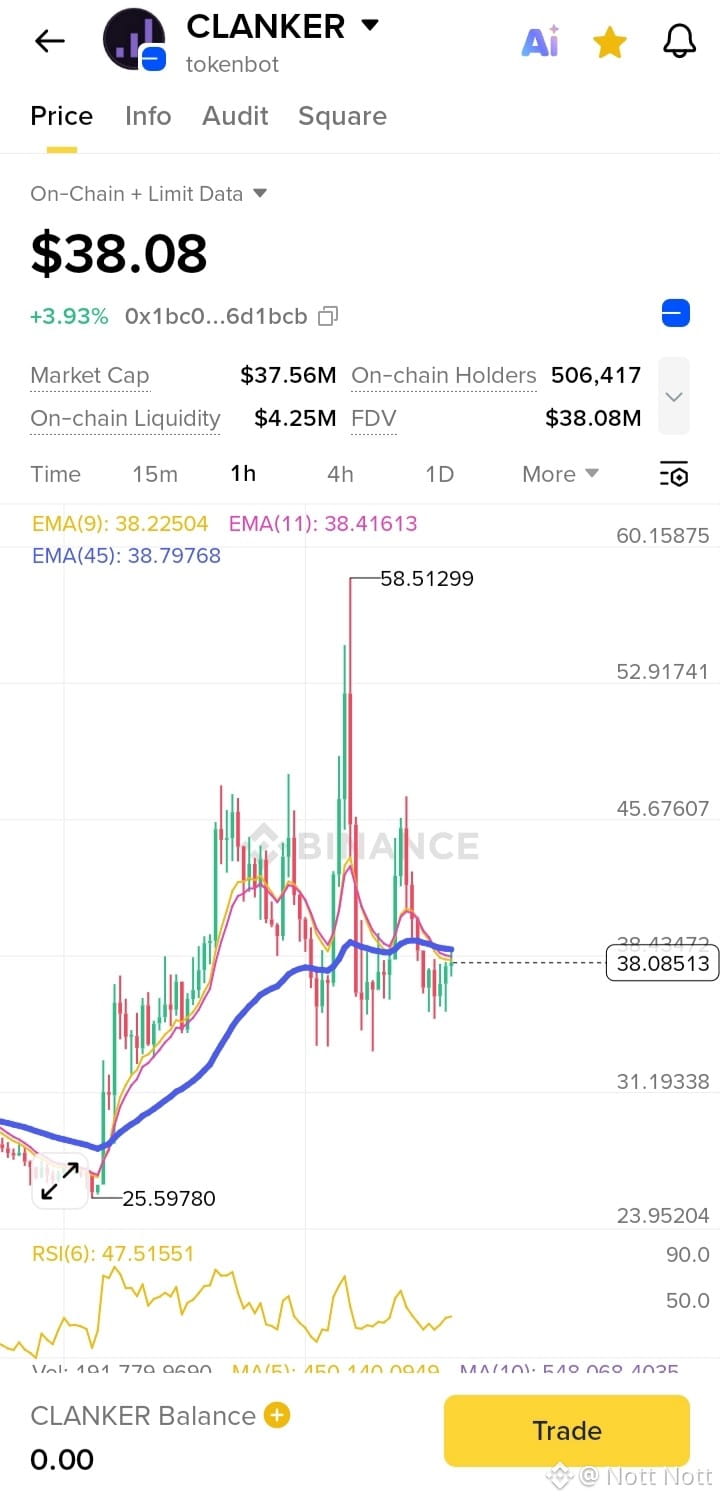
$CLANKER
• Current price: $38.08 (up +3.93%).
• Market cap: $37.56 M.
• On‑chain liquidity: $4.25 M.
Technical analysis of the chart
1. EMA (Exponential Moving Average) values:
◦ EMA(9): 38.22504.
◦ EMA(11): 38.41613.
◦ EMA(45): 38.79768 (blue line on the chart).
The price is below the longer‑term EMA(45), suggesting a short‑term bullish trend but potential resistance above the 45‑EMA.
2. Price action:
◦ The token spiked from ~$25 to a high of $58.51 then pulled back to $38.08.
Overall outlook
The token has recovered after a sharp rise and correction. The +3.93% gain shows short‑term bullish sentiment.
{alpha}(84530x1bc0c42215582d5a085795f4badbac3ff36d1bcb)
#WhenWillBTCRebound #MarketCorrection
$CLANKER
• Current price: $38.08 (up +3.93%).
• Market cap: $37.56 M.
• On‑chain liquidity: $4.25 M.
Technical analysis of the chart
1. EMA (Exponential Moving Average) values:
◦ EMA(9): 38.22504.
◦ EMA(11): 38.41613.
◦ EMA(45): 38.79768 (blue line on the chart).
The price is below the longer‑term EMA(45), suggesting a short‑term bullish trend but potential resistance above the 45‑EMA.
2. Price action:
◦ The token spiked from ~$25 to a high of $58.51 then pulled back to $38.08.
Overall outlook
The token has recovered after a sharp rise and correction. The +3.93% gain shows short‑term bullish sentiment.
#WhenWillBTCRebound #MarketCorrection
1
129

·
--
#epic $epic
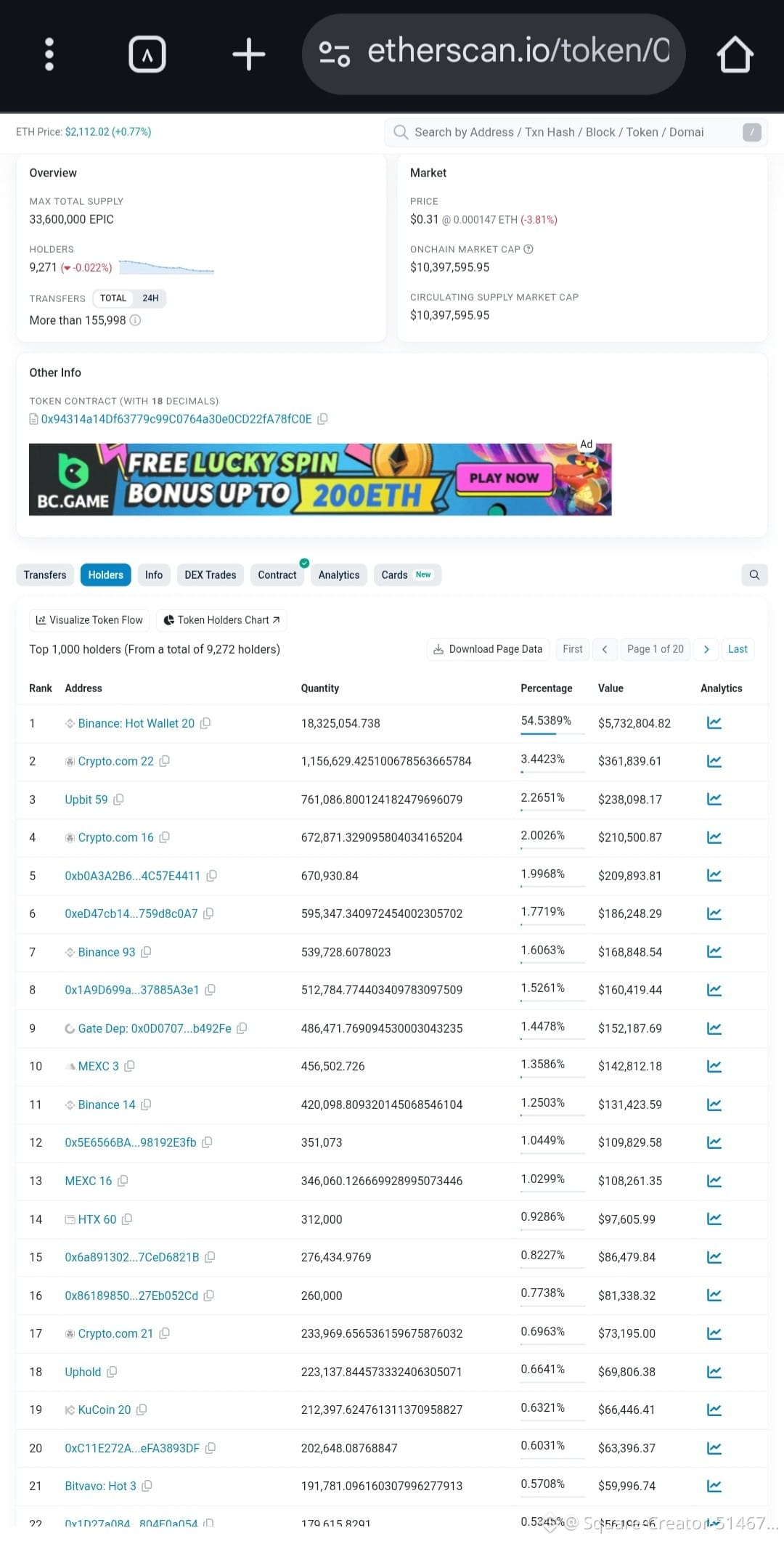
Important Notice: This is one of the strongest cryptocurrencies on the platform and has a bright future. The proof is that Binance, KuCoin, Mexc, and Gate.io hold this amount. And for your information, this is just a fraction of 20 pages; they have many different wallets. Go to Etherscan and verify their holdings. The total number of coins is 33 million, and the platforms hold more than 25 million at an average price of 0.55 cents. Currently, most of the supply and demand is fake, designed to control the entire quantity. Don't let them fool you. You'll reach for the moon!
#JPMorganSaysBTCOverGold
#WhenWillBTCRebound
#USIranStandoff
#RiskAssetsMarketShock
#Binance
2
1
5
165

·
--

Article
Мощеничество в криптеМасштаб глобальных потерь
🔹 В 2023 году инвесторы потеряли рекорд $5.6 млрд из-за криптовалютных мошенничеств в США — это почти половина всех финансовых потерь по интернет-преступлениям, согласно отчёту ФБР.
🔹 В первой половине 2025 года более $2.17 млрд криптовалюты было украдено злоумышленниками, почти вдвое больше, чем за весь 2024 год.
🔹 По данным аналитиков, общие незаконные потери в 2025 году могут превысить $4 млрд, если сохранятся тенденции роста.
Это означает, что миллионы инвесторов и держателей теряли свои деньги — часть из-за взломов, часть из-за мошенничества.
2. Сколько людей потеряли деньги
Жалобы и случаи
🔹 С 2021 года в США около 46 000 человек официально заявили о потерях более $1 млрд из-за криптовалютных мошенничеств.
🔹 В 2025 году только в США уже около 150 000 человек подали жалобы о краже криптовалюты — это пользователи, которые реально потеряли деньги в результате взломов или мошеннических схем.
🔹 Старшие инвесторы (60+) также широко пострадали: 16 000+ людей потеряли деньги через крипто-скамы, а тысячи других в возрастах 30-40 лет тоже пострадали.
3. Кто вообще теряет деньги в крипте
Данные опросов
🔹 Согласно опросу американцев, 38 % инвесторов, которые держали криптовалюту, продали её с убытком (то есть получили меньше, чем вложили).
Это важная цифра — она показывает не только жертв мошенников, но и обычных инвесторов, которые потеряли деньги из-за падения цен.
Почему так много потерь?
Вот несколько ключевых причин:
Крипто-транзакции необратимы — если ты отправил деньги мошеннику, вернуть их почти невозможно.
Много фейковых инвест-схем и подставных платформ.
Отсутствие защиты, как у банков.
Рынок очень волатильный — цены могут резко падать. $BTC
Да, люди теряли и продолжают терять деньги на крипте — как от мошенничества, так и от падения цен. Вот что важно помнить:
🔹 Сотни тысяч пользователей потеряли свои крипто-активы или пострадали от взломов.
🔹 Потери в миллиарды долларов фиксируются ежегодно.
🔹 Даже обычные инвесторы часто уходят с рынка с убытком
#BitcoinGoogleSearchesSurge #WhenWillBTCRebound
{spot}(BTCUSDT)
{spot}(XRPUSDT)
Мощеничество в крипте
Масштаб глобальных потерь
🔹 В 2023 году инвесторы потеряли рекорд $5.6 млрд из-за криптовалютных мошенничеств в США — это почти половина всех финансовых потерь по интернет-преступлениям, согласно отчёту ФБР.
🔹 В первой половине 2025 года более $2.17 млрд криптовалюты было украдено злоумышленниками, почти вдвое больше, чем за весь 2024 год.
🔹 По данным аналитиков, общие незаконные потери в 2025 году могут превысить $4 млрд, если сохранятся тенденции роста.
Это означает, что миллионы инвесторов и держателей теряли свои деньги — часть из-за взломов, часть из-за мошенничества.
2. Сколько людей потеряли деньги
Жалобы и случаи
🔹 С 2021 года в США около 46 000 человек официально заявили о потерях более $1 млрд из-за криптовалютных мошенничеств.
🔹 В 2025 году только в США уже около 150 000 человек подали жалобы о краже криптовалюты — это пользователи, которые реально потеряли деньги в результате взломов или мошеннических схем.
🔹 Старшие инвесторы (60+) также широко пострадали: 16 000+ людей потеряли деньги через крипто-скамы, а тысячи других в возрастах 30-40 лет тоже пострадали.
3. Кто вообще теряет деньги в крипте
Данные опросов
🔹 Согласно опросу американцев, 38 % инвесторов, которые держали криптовалюту, продали её с убытком (то есть получили меньше, чем вложили).
Это важная цифра — она показывает не только жертв мошенников, но и обычных инвесторов, которые потеряли деньги из-за падения цен.
Почему так много потерь?
Вот несколько ключевых причин:
Крипто-транзакции необратимы — если ты отправил деньги мошеннику, вернуть их почти невозможно.
Много фейковых инвест-схем и подставных платформ.
Отсутствие защиты, как у банков.
Рынок очень волатильный — цены могут резко падать. $BTC
Да, люди теряли и продолжают терять деньги на крипте — как от мошенничества, так и от падения цен. Вот что важно помнить:
🔹 Сотни тысяч пользователей потеряли свои крипто-активы или пострадали от взломов.
🔹 Потери в миллиарды долларов фиксируются ежегодно.
🔹 Даже обычные инвесторы часто уходят с рынка с убытком
#BitcoinGoogleSearchesSurge #WhenWillBTCRebound
427


Article
QUEDA DO BITCOIN: DADO, NÃO DRAMA
+ 30 DICAS DE SEGURANÇAA verdade dura: se você acha que o Bitcoin caiu “porque Trump e Elon apertaram um botão”, você está terceirizando sua responsabilidade. Mercado não perdoa esse tipo de explicação preguiçosa.
O que os dados mostram (e por que isso mexe no preço)
1) Liquidez manda (Fed e dólar): o mercado reagiu ao medo de uma virada mais “dura” na liquidez com a indicação de Kevin Warsh para suceder **Jerome Powell — ele já defendeu um Fed com balanço menor, e cripto costuma sofrer quando o cenário aponta para menos “dinheiro fácil”.
2) Risk-off em cadeia (macro + geopolítica): junto disso, entraram na conta inflação, tensões geopolíticas e até ruído de shutdown nos EUA — o pacote perfeito pra cortar risco.
3) Alavancagem estoura primeiro: quando preço cai e a galera está alavancada, vem “efeito dominó” de liquidações. Em um dos piores momentos recentes, foram reportadas liquidações perto de US$ 1,7 bi em 24h (centenas de milhares de traders).
4) Fluxo institucional não é “fé”, é planilha: ETFs ajudaram a subir quando entra dinheiro, e ajudam a cair quando sai. Houve dias recentes com saídas relevantes em ETFs spot (ex.: centenas de milhões em um único dia, com destaque para fundos de BlackRock e Fidelity).
Onde Trump e Elon entram (sem fantasia)
Sim: declarações e ações públicas podem gerar volatilidade de curto prazo (ex.: o caso Tesla e pagamentos em cripto já provocou queda forte no dia).
Não (o ponto principal): a queda atual não precisa de vilão único. Os próprios veículos financeiros estão apontando liquidez/Fed/dólar + risk-off + alavancagem + fluxo de ETF como motores dominantes.
FATOS vs NARRATIVAS — FONTES E DADOS (pra você citar com segurança)
Fatos bem sustentados por fontes
Bitcoin caiu para a faixa de ~US$ 82 mil e foi descrito como mínima de ~2 meses, com pressão ligada à especulação/decisão sobre o próximo chair do Fed e fortalecimento do dólar.
A Reuters descreve o movimento como parte de uma sequência pior, citando quase 4 meses seguidos de queda e a perda de cerca de 1/3 desde o topo recorde de outubro.
O mercado também digeriu: tensões geopolíticas, inflação e risco de shutdown, com reflexo em ações e metais — típico “risk-off”.
Houve episódio recente com liquidações reportadas perto de US$ 1,7 bi em 24h, amplificando a queda (mecânica de alavancagem).
Veículos financeiros reportaram saídas fortes em ETFs spot em dias específicos (centenas de milhões), e também saídas acumuladas perto de ~US$ 985 mi em 3 dias em um recorte de fim de janeiro.
Declarações/ações públicas já causaram choque de curto prazo antes: quando a Tesla suspendeu aceitar Bitcoin para carros (2021), o preço caiu >10% no dia, segundo a Reuters.
Regulação segue sendo risco estrutural: a Reuters documenta o ban amplo da China em 2021, que fez o Bitcoin cair no dia do anúncio.
Crises internas do setor são gatilhos recorrentes de queda: colapso/insolvência de grandes players (ex.: FTX) viram marcos históricos de aversão a risco.
O colapso da TerraUSD/Luna é tratado como evento de dano massivo (estimativas de ~US$ 40 bi de destruição), com efeito dominó no setor.
Reputação/regulação também pesa: a Reuters reportou crescimento forte de crime financeiro em cripto (ex.: Chainalysis estimando US$ 82 bi em transações ilícitas em 2025), alimentando pressão regulatória e “risk premium”.
Narrativas que NÃO têm comprovação sólida (ou são simplificações perigosas)
“Trump + Elon derrubaram o Bitcoin juntos” → não achei fonte primária confiável sustentando coordenação/causalidade direta para a queda atual. O que aparece nos veículos grandes é macro/liquidez/fluxo/alavancagem como explicação dominante.
“Existe um culpado único” → queda relevante geralmente é multifatorial (liquidez + risco + estrutura de derivativos + fluxo).
“ETF sempre sustenta o preço” → ETF é fluxo: entra e sai. Quando sai forte, vira vento contra.
“Toda queda é manipulação” → pode haver abuso em microestruturas, mas atribuir a queda inteira a isso sem prova vira muleta mental (e te impede de gerenciar risco com método).
30 dicas práticas pra lidar e gerenciar (sem virar refém do emocional)
1. Defina quanto você aceita perder por operação/semana/mês.
2. Use tamanho de posição (position sizing) antes de pensar em “alvo”.
3. Se usa alavancagem: trate como nitroglicerina (páreo curto e pequeno).
4. Tenha uma regra: sem operar cansado, ansioso ou com pressa.
5. Evite “all-in”. Prefira entradas em camadas (DCA ou escala).
6. Pare de “casar com narrativa”. Case com gestão de risco.
7. Faça rebalanceamento: quando sobe demais, realize parte; quando cai, só aumenta se o plano permitir.
8. Tenha “caixa”: liquidez te dá opção, opção te dá poder.
9. Proíba-se de operar no primeiro impulso pós-notícia (aguarde 15–60 min).
10. Separe carteira: longo prazo ≠ trade.
11. Regra de sobrevivência: não tente recuperar prejuízo rápido.
12. Se você não entende derivativos (funding, OI, liquidação), não opere derivativos.
13. Use stop com lógica: stop invalida tese, não “dor no estômago”.
14. Escreva a tese em 1 frase: se não cabe, você não tem tese.
15. Pare de acompanhar preço o dia inteiro: defina janelas (ex.: 2x/dia).
16. Acompanhe agenda macro: Fed, inflação, payroll… isso mexe com “risk-on/risk-off”.
17. Observe dólar e condições financeiras: quando o dólar aperta, risco sofre.
18. Se a volatilidade dispara, reduza exposição (não aumente).
19. Tenha uma regra anti-FOMO: “se eu perdi o movimento, eu perdi”.
20. Use “checklist antes do clique” (3 motivos pra entrar, 2 pra sair).
21. Evite operar em cima de boato. Priorize fonte primária ou veículo confiável.
22. Entenda que ETF é fluxo: em dias de saída, o vento pode virar.
23. Não confunda “barato” com “bom ponto”: espere estrutura e plano.
24. Limite perdas sequenciais: 2 stops no dia = encerra.
25. Faça pós-operação: 5 linhas do que fez certo/errado (sem se torturar).
26. Se sua estratégia precisa de “torcida”, ela é fraca.
27. Diversifique com intenção (não com 40 altcoins aleatórias).
28. Segurança: 2FA, cold wallet quando fizer sentido, cuidado com phishing.
29. Defina um “modo proteção”: quando o mercado fica insano, você fica menor.
30. Lembrete brutal: se você não controla o risco, o mercado controla você.
$BTC
{spot}(BTCUSDT)
$ETH
{spot}(ETHUSDT)
QUEDA DO BITCOIN: DADO, NÃO DRAMA + 30 DICAS DE SEGURANÇA
A verdade dura: se você acha que o Bitcoin caiu “porque Trump e Elon apertaram um botão”, você está terceirizando sua responsabilidade. Mercado não perdoa esse tipo de explicação preguiçosa.
O que os dados mostram (e por que isso mexe no preço)
1) Liquidez manda (Fed e dólar): o mercado reagiu ao medo de uma virada mais “dura” na liquidez com a indicação de Kevin Warsh para suceder **Jerome Powell — ele já defendeu um Fed com balanço menor, e cripto costuma sofrer quando o cenário aponta para menos “dinheiro fácil”.
2) Risk-off em cadeia (macro + geopolítica): junto disso, entraram na conta inflação, tensões geopolíticas e até ruído de shutdown nos EUA — o pacote perfeito pra cortar risco.
3) Alavancagem estoura primeiro: quando preço cai e a galera está alavancada, vem “efeito dominó” de liquidações. Em um dos piores momentos recentes, foram reportadas liquidações perto de US$ 1,7 bi em 24h (centenas de milhares de traders).
4) Fluxo institucional não é “fé”, é planilha: ETFs ajudaram a subir quando entra dinheiro, e ajudam a cair quando sai. Houve dias recentes com saídas relevantes em ETFs spot (ex.: centenas de milhões em um único dia, com destaque para fundos de BlackRock e Fidelity).
Onde Trump e Elon entram (sem fantasia)
Sim: declarações e ações públicas podem gerar volatilidade de curto prazo (ex.: o caso Tesla e pagamentos em cripto já provocou queda forte no dia).
Não (o ponto principal): a queda atual não precisa de vilão único. Os próprios veículos financeiros estão apontando liquidez/Fed/dólar + risk-off + alavancagem + fluxo de ETF como motores dominantes.
FATOS vs NARRATIVAS — FONTES E DADOS (pra você citar com segurança)
Fatos bem sustentados por fontes
Bitcoin caiu para a faixa de ~US$ 82 mil e foi descrito como mínima de ~2 meses, com pressão ligada à especulação/decisão sobre o próximo chair do Fed e fortalecimento do dólar.
A Reuters descreve o movimento como parte de uma sequência pior, citando quase 4 meses seguidos de queda e a perda de cerca de 1/3 desde o topo recorde de outubro.
O mercado também digeriu: tensões geopolíticas, inflação e risco de shutdown, com reflexo em ações e metais — típico “risk-off”.
Houve episódio recente com liquidações reportadas perto de US$ 1,7 bi em 24h, amplificando a queda (mecânica de alavancagem).
Veículos financeiros reportaram saídas fortes em ETFs spot em dias específicos (centenas de milhões), e também saídas acumuladas perto de ~US$ 985 mi em 3 dias em um recorte de fim de janeiro.
Declarações/ações públicas já causaram choque de curto prazo antes: quando a Tesla suspendeu aceitar Bitcoin para carros (2021), o preço caiu >10% no dia, segundo a Reuters.
Regulação segue sendo risco estrutural: a Reuters documenta o ban amplo da China em 2021, que fez o Bitcoin cair no dia do anúncio.
Crises internas do setor são gatilhos recorrentes de queda: colapso/insolvência de grandes players (ex.: FTX) viram marcos históricos de aversão a risco.
O colapso da TerraUSD/Luna é tratado como evento de dano massivo (estimativas de ~US$ 40 bi de destruição), com efeito dominó no setor.
Reputação/regulação também pesa: a Reuters reportou crescimento forte de crime financeiro em cripto (ex.: Chainalysis estimando US$ 82 bi em transações ilícitas em 2025), alimentando pressão regulatória e “risk premium”.
Narrativas que NÃO têm comprovação sólida (ou são simplificações perigosas)
“Trump + Elon derrubaram o Bitcoin juntos” → não achei fonte primária confiável sustentando coordenação/causalidade direta para a queda atual. O que aparece nos veículos grandes é macro/liquidez/fluxo/alavancagem como explicação dominante.
“Existe um culpado único” → queda relevante geralmente é multifatorial (liquidez + risco + estrutura de derivativos + fluxo).
“ETF sempre sustenta o preço” → ETF é fluxo: entra e sai. Quando sai forte, vira vento contra.
“Toda queda é manipulação” → pode haver abuso em microestruturas, mas atribuir a queda inteira a isso sem prova vira muleta mental (e te impede de gerenciar risco com método).
FATOS vs NARRATIVAS — FONTES E DADOS (pra você citar com segurança)
Fatos bem sustentados por fontes
Bitcoin caiu para a faixa de ~US$ 82 mil e foi descrito como mínima de ~2 meses, com pressão ligada à especulação/decisão sobre o próximo chair do Fed e fortalecimento do dólar.
A Reuters descreve o movimento como parte de uma sequência pior, citando quase 4 meses seguidos de queda e a perda de cerca de 1/3 desde o topo recorde de outubro.
O mercado também digeriu: tensões geopolíticas, inflação e risco de shutdown, com reflexo em ações e metais — típico “risk-off”.
Houve episódio recente com liquidações reportadas perto de US$ 1,7 bi em 24h, amplificando a queda (mecânica de alavancagem).
Veículos financeiros reportaram saídas fortes em ETFs spot em dias específicos (centenas de milhões), e também saídas acumuladas perto de ~US$ 985 mi em 3 dias em um recorte de fim de janeiro.
Declarações/ações públicas já causaram choque de curto prazo antes: quando a Tesla suspendeu aceitar Bitcoin para carros (2021), o preço caiu >10% no dia, segundo a Reuters.
Regulação segue sendo risco estrutural: a Reuters documenta o ban amplo da China em 2021, que fez o Bitcoin cair no dia do anúncio.
Crises internas do setor são gatilhos recorrentes de queda: colapso/insolvência de grandes players (ex.: FTX) viram marcos históricos de aversão a risco.
O colapso da TerraUSD/Luna é tratado como evento de dano massivo (estimativas de ~US$ 40 bi de destruição), com efeito dominó no setor.
Reputação/regulação também pesa: a Reuters reportou crescimento forte de crime financeiro em cripto (ex.: Chainalysis estimando US$ 82 bi em transações ilícitas em 2025), alimentando pressão regulatória e “risk premium”.
Narrativas que NÃO têm comprovação sólida (ou são simplificações perigosas)
“Trump + Elon derrubaram o Bitcoin juntos” → não achei fonte primária confiável sustentando coordenação/causalidade direta para a queda atual. O que aparece nos veículos grandes é macro/liquidez/fluxo/alavancagem como explicação dominante.
“Existe um culpado único” → queda relevante geralmente é multifatorial (liquidez + risco + estrutura de derivativos + fluxo).
“ETF sempre sustenta o preço” → ETF é fluxo: entra e sai. Quando sai forte, vira vento contra.
“Toda queda é manipulação” → pode haver abuso em microestruturas, mas atribuir a queda inteira a isso sem prova vira muleta mental (e te impede de gerenciar risco com método).
30 dicas práticas pra lidar e gerenciar (sem virar refém do emocional)
1. Defina quanto você aceita perder por operação/semana/mês.
2. Use tamanho de posição (position sizing) antes de pensar em “alvo”.
3. Se usa alavancagem: trate como nitroglicerina (páreo curto e pequeno).
4. Tenha uma regra: sem operar cansado, ansioso ou com pressa.
5. Evite “all-in”. Prefira entradas em camadas (DCA ou escala).
6. Pare de “casar com narrativa”. Case com gestão de risco.
7. Faça rebalanceamento: quando sobe demais, realize parte; quando cai, só aumenta se o plano permitir.
8. Tenha “caixa”: liquidez te dá opção, opção te dá poder.
9. Proíba-se de operar no primeiro impulso pós-notícia (aguarde 15–60 min).
10. Separe carteira: longo prazo ≠ trade.
11. Regra de sobrevivência: não tente recuperar prejuízo rápido.
12. Se você não entende derivativos (funding, OI, liquidação), não opere derivativos.
13. Use stop com lógica: stop invalida tese, não “dor no estômago”.
14. Escreva a tese em 1 frase: se não cabe, você não tem tese.
15. Pare de acompanhar preço o dia inteiro: defina janelas (ex.: 2x/dia).
16. Acompanhe agenda macro: Fed, inflação, payroll… isso mexe com “risk-on/risk-off”.
17. Observe dólar e condições financeiras: quando o dólar aperta, risco sofre.
18. Se a volatilidade dispara, reduza exposição (não aumente).
19. Tenha uma regra anti-FOMO: “se eu perdi o movimento, eu perdi”.
20. Use “checklist antes do clique” (3 motivos pra entrar, 2 pra sair).
21. Evite operar em cima de boato. Priorize fonte primária ou veículo confiável.
22. Entenda que ETF é fluxo: em dias de saída, o vento pode virar.
23. Não confunda “barato” com “bom ponto”: espere estrutura e plano.
24. Limite perdas sequenciais: 2 stops no dia = encerra.
25. Faça pós-operação: 5 linhas do que fez certo/errado (sem se torturar).
26. Se sua estratégia precisa de “torcida”, ela é fraca.
27. Diversifique com intenção (não com 40 altcoins aleatórias).
28. Segurança: 2FA, cold wallet quando fizer sentido, cuidado com phishing.
29. Defina um “modo proteção”: quando o mercado fica insano, você fica menor.
30. Lembrete brutal: se você não controla o risco, o mercado controla você.
$BTC
$ETH
3
6
5.2k
·
--
Bearish
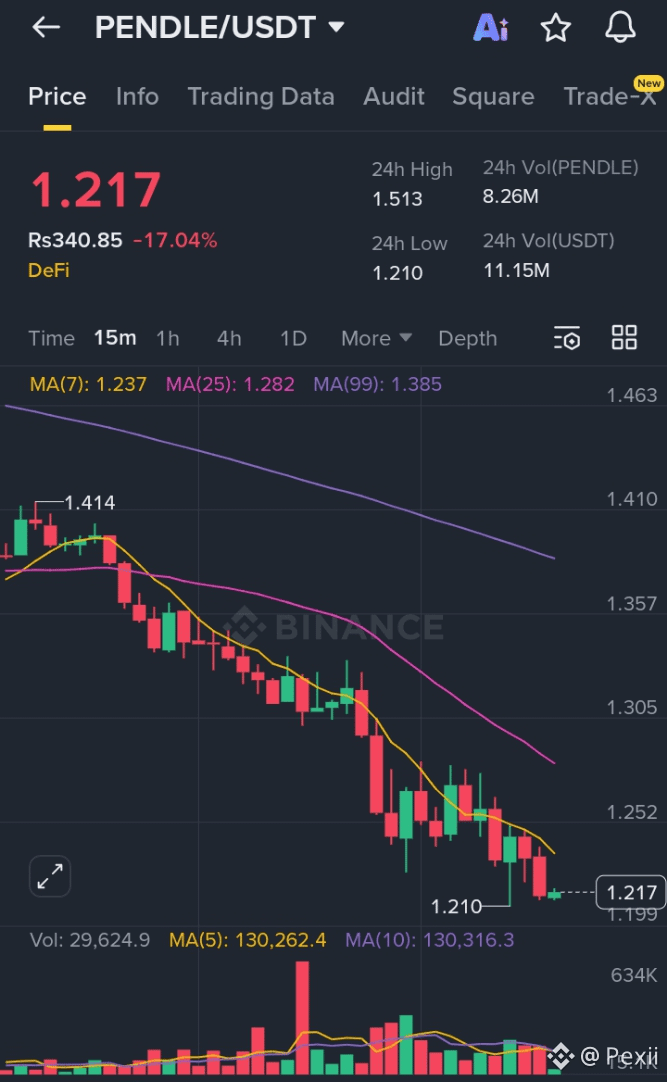
$PENDLE USDT (15m) — Freefall Mode, Bears in Full Control!
Price 1.217 after a heavy dump, sitting below MA7/MA25/MA99 (1.237 / 1.282 / 1.385). Support tested at 1.210 — if it snaps, next leg can be brutal
EP (Entry - Short): 1.235 – 1.260 (sell the bounce into MA7 zone)
TP1: 1.217
TP2: 1.210 (24h low retest)
TP3: 1.180 (extension if breakdown)
SI (Invalidation / SL): 1.305 (reclaim above bounce zone = bearish idea fails)
Trigger: Break & hold below 1.210 = continuation dump likely.
Let’s go! (Not financial advice — manage risk.)
#ADPDataDisappoints #WhenWillBTCRebound #EthereumLayer2Rethink? #TrumpEndsShutdown #USIranStandoff
{future}(PENDLEUSDT)
$PENDLE USDT (15m) — Freefall Mode, Bears in Full Control!
Price 1.217 after a heavy dump, sitting below MA7/MA25/MA99 (1.237 / 1.282 / 1.385). Support tested at 1.210 — if it snaps, next leg can be brutal
EP (Entry - Short): 1.235 – 1.260 (sell the bounce into MA7 zone)
TP1: 1.217
TP2: 1.210 (24h low retest)
TP3: 1.180 (extension if breakdown)
SI (Invalidation / SL): 1.305 (reclaim above bounce zone = bearish idea fails)
Trigger: Break & hold below 1.210 = continuation dump likely.
Let’s go! (Not financial advice — manage risk.)
#ADPDataDisappoints #WhenWillBTCRebound #EthereumLayer2Rethink? #TrumpEndsShutdown #USIranStandoff
2
200

·
--
Bearish
Crypto Market:
A Message for Those Making Decisions in Fear and Hysteria*
If you invested a few months ago and are now selling in panic due to market downturns, it's time to rethink your trading strategy. Emotional decisions lead to financial losses and mental distress.
The harsh reality is that not every coin will rebound to its previous price. Thousands of "meme coins" and pointless projects exist that never recover once they crash. Investments made without research often suffer the same fate.
*Audit Your Investments*
Before making any decision, ask yourself:
- Why did you buy this coin?
- Does it have solid technology or a real-world use case?
- Was this decision based on your research or social media hype?
If your portfolio projects have strong fundamentals, demand may rise over time. Otherwise, expecting a comeback is a miracle.
*The Upcoming Bull Run and Selection*
Even if the market improves, not every coin will pump. The market is maturing, and only categories with real utility will rise.
*Fear vs. Opportunity (Fear & Greed Index)*
The current Fear & Greed Index is 14, indicating extreme fear. History shows that when retail traders panic sell, big investors quietly buy.
*Summary: Seek Knowledge, Not Signals*
Success comes from understanding the market, not chasing signals. Those who prioritize learning gain insights even from such writings.
The choice is yours: be an emotional trader or a conscious investor.
#CryptoStrategy #FinancialFreedom #CZBinance #WhenWillBTCRebound #USIranStandoff
41

·
--
Bullish
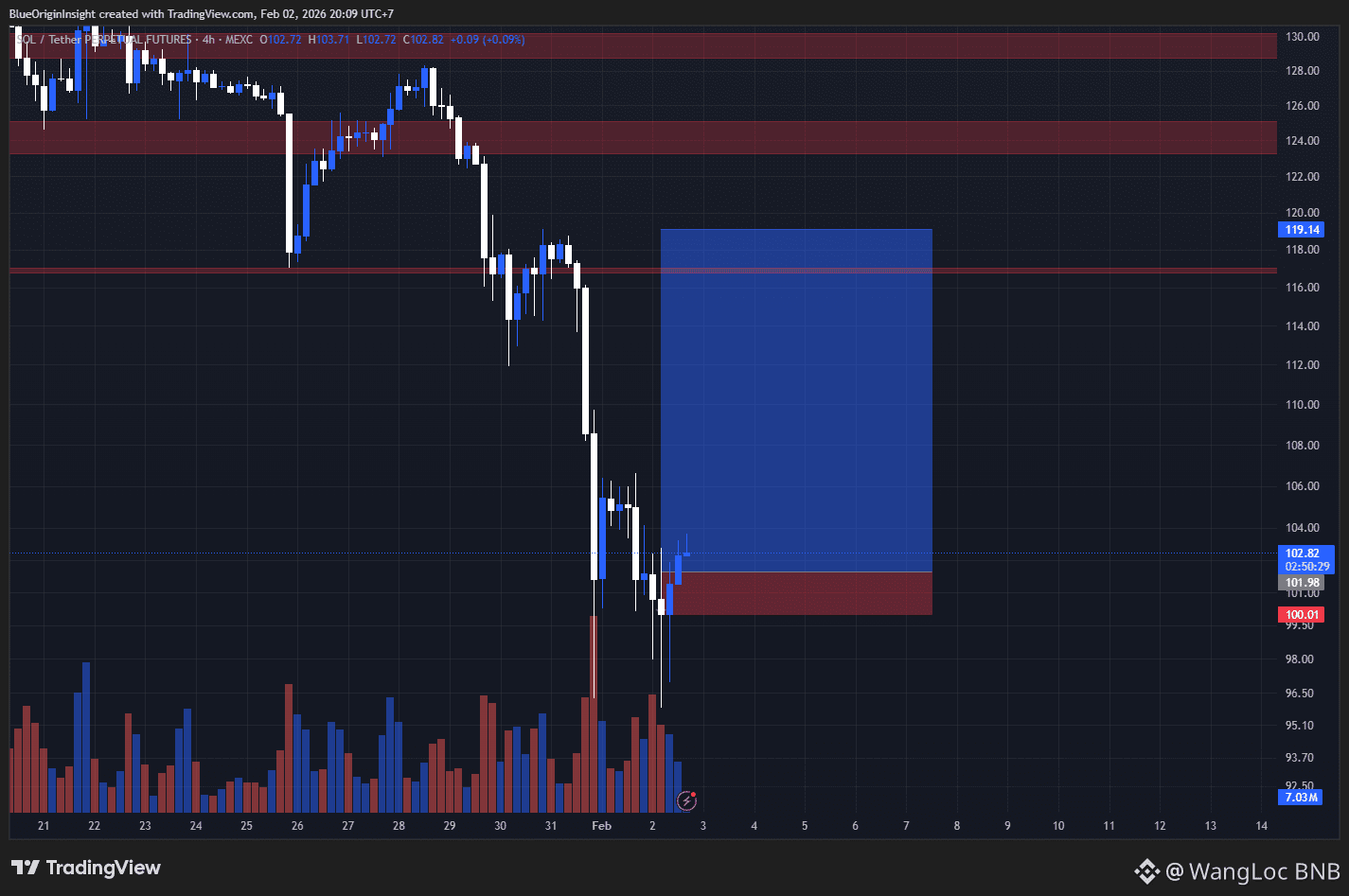
$SOL LONG Setup | Dip Buy into Recovery 🚀
Entry: 103
Stop Loss: 100
Targets:
🎯 TP1: 109
🎯 TP2: 112
Why this setup makes sense
• SOL pulled back into a key demand zone after the recent sell-off
• Structure still holds above psychological $100 support
• Risk/Reward is favorable for a continuation bounce
• Momentum favors a relief rally if BTC stays stable
This is a technical recovery trade, not blind FOMO. As long as $100 holds, the bullish scenario remains valid.
⚠️ If price loses $100 with strong volume, setup is invalidated discipline first.
👉 Click & Trade $SOL
Are you scaling out at TP1 or holding for TP2? Drop your plan below 👇
#sol #TradingSignals #WhenWillBTCRebound
2
11
6k


·
--
Going long on $RIVER
Key demand zone
stong point
now or never!!!
$AVAAI
$LIGHT
#WhenWillBTCRebound
#MarketCorrection
Going long on $RIVER
Key demand zone
stong point
now or never!!!
$AVAAI
$LIGHT
#WhenWillBTCRebound
#MarketCorrection
Key demand zone
stong point
now or never!!!
$AVAAI
$LIGHT
#WhenWillBTCRebound
#MarketCorrection

5
453


·
--
$ZK
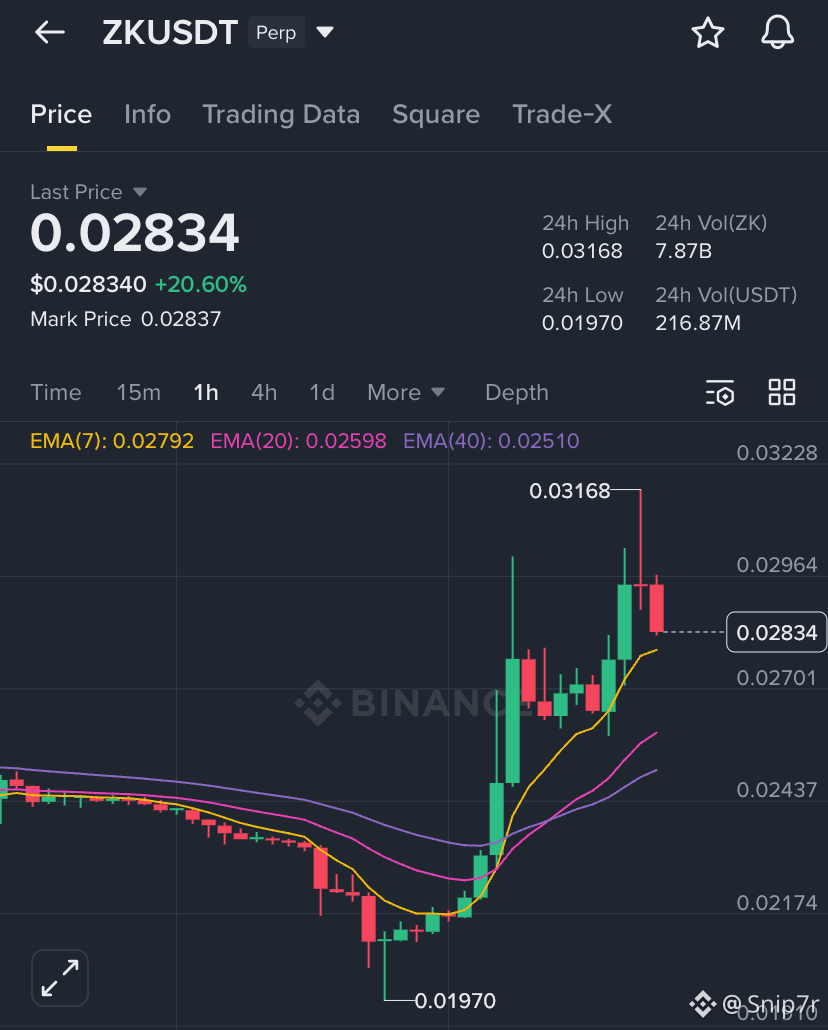
Extreme negative funding around -2% plus resistance reclaim and strength vs $BTC, this looks like a squeeze setup.
Entry: $0.0281 to $0.0287
Stop: $0.0265
Targets: $0.0316, $0.0345
If BTC dumps hard, I’m out fast.
Not financial advice.
#zk #WhenWillBTCRebound
$ZK
Extreme negative funding around -2% plus resistance reclaim and strength vs $BTC, this looks like a squeeze setup.
Entry: $0.0281 to $0.0287
Stop: $0.0265
Targets: $0.0316, $0.0345
If BTC dumps hard, I’m out fast.
Not financial advice.
#zk #WhenWillBTCRebound
Extreme negative funding around -2% plus resistance reclaim and strength vs $BTC, this looks like a squeeze setup.
Entry: $0.0281 to $0.0287
Stop: $0.0265
Targets: $0.0316, $0.0345
If BTC dumps hard, I’m out fast.
Not financial advice.
#zk #WhenWillBTCRebound
265

·
--
Bullish
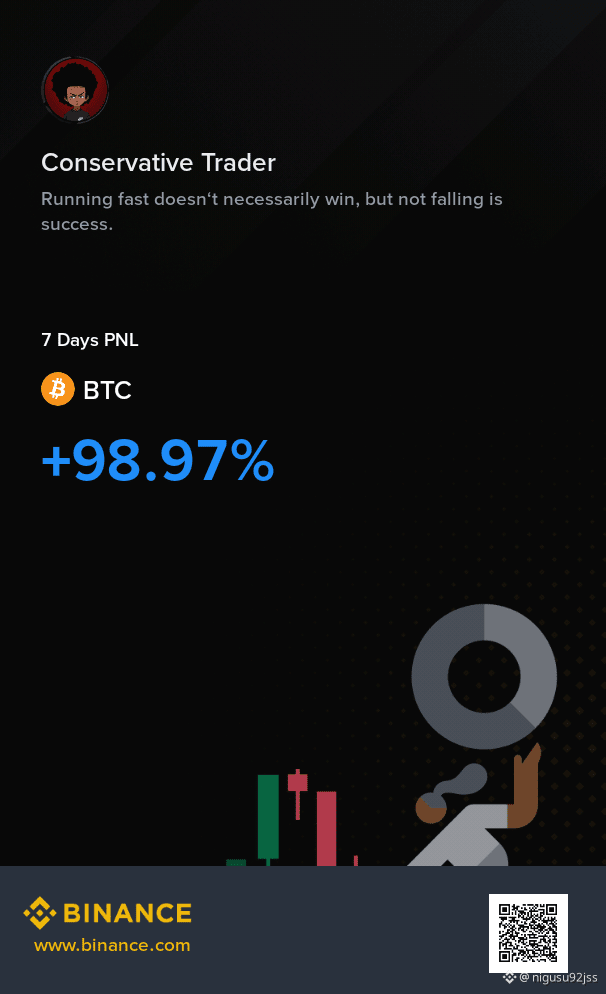
🫠🫠this is my future is hope $HOME go up what do you think🫠🫠#WhenWillBTCRebound
🫠🫠this is my future is hope $HOME go up what do you think🫠🫠#WhenWillBTCRebound
71

·
--
Bullish
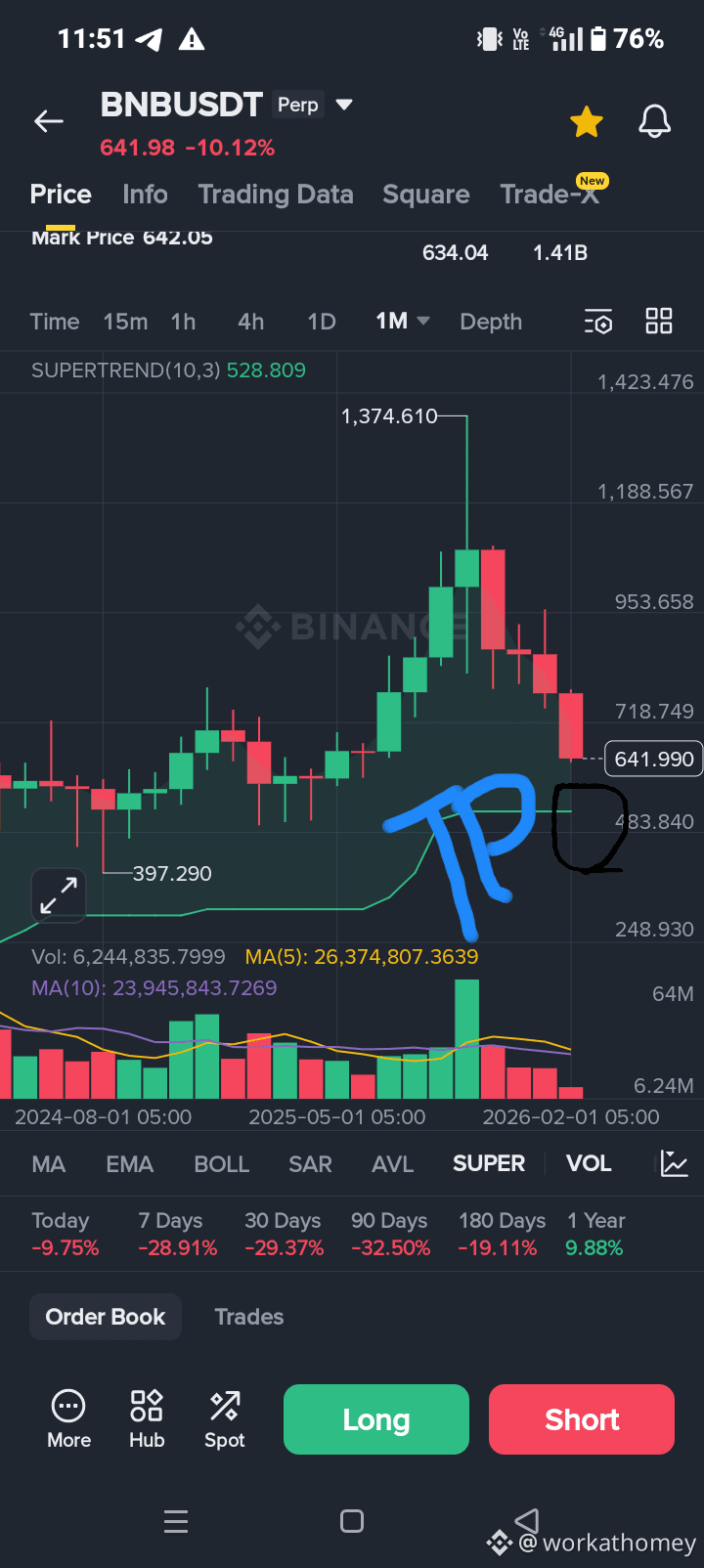
#WhenWillBTCRebound small 🤏buy again around 640 level stop 638 level
#WhenWillBTCRebound small 🤏buy again around 640 level stop 638 level
1
27
Log in to explore more content
Join global crypto users on Binance Square
⚡️ Get latest and useful information about crypto.
💬 Trusted by the world’s largest crypto exchange.
👍 Discover real insights from verified creators.
Email / Phone number
Trending Topics
1
#EvolveAtBinanceBlockchainWeek
940,744 views
11,683 Discussing
2
#Nasdaq100FiveDayAvgIntradayVolatilityHits3.8%
12,707 views
185 Discussing
3
#CanMarketsReboundAfterThanksgiving?
275,308 views
2,405 Discussing
4
#CouldSpaceX’sOrbitalDataCentersBoostAIChipDemand?
128,333 views
1,421 Discussing
5
#CorePCEBeatLiftsFedHikeOdds
347,776 views
1,877 Discussing
6
#ZcashDevelopersUrgeZECMoveToIronwood
59,321 views
307 Discussing
7
#ASEANPlus3ToFormCrossBorderPaymentsCryptoWorkingGroup
3,013 views
7 Discussing
8
#StellarAdds$80.4MTokenizedFundsInOneDay
5,215 views
19 Discussing
9
#TudorInvestmentRaisesIBITHoldings98%
6,305 views
54 Discussing
10
#XRPLedgerVaultGets29Votes
124 views
3 Discussing